Day Trip to Iki Island — An Island of Great Scenery and Great Food, Recommended Stops from Fukuoka
A day trip to Iki Island, set between Korea and Fukuoka Prefecture: cliff-lined cruises, 500-year-old barley shochu, dolphins, 1,700-year-old hot springs, Monkey Rock, and the legendary Devil's Footprint.
Day Trip to Iki Island — An Island of Great Scenery and Great Food, Recommended Stops from Fukuoka
Ikishima (Iki Island) lies between Korea and Fukuoka Prefecture. It may be unfamiliar to outsiders, but the island holds 2,000 years of history and was once a hub of trade with China. Popular as a weekend getaway for locals from Fukuoka and Nagasaki, Iki makes a rewarding day trip.
Words & Photos Hur Taewoo
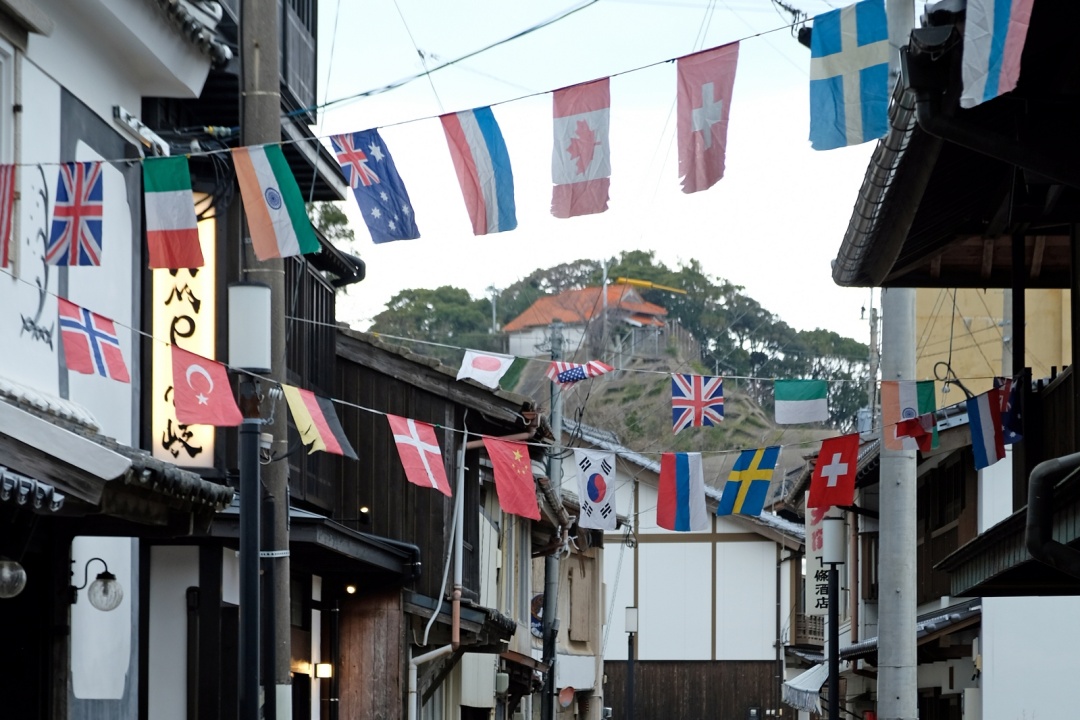
How to Get to Iki Island
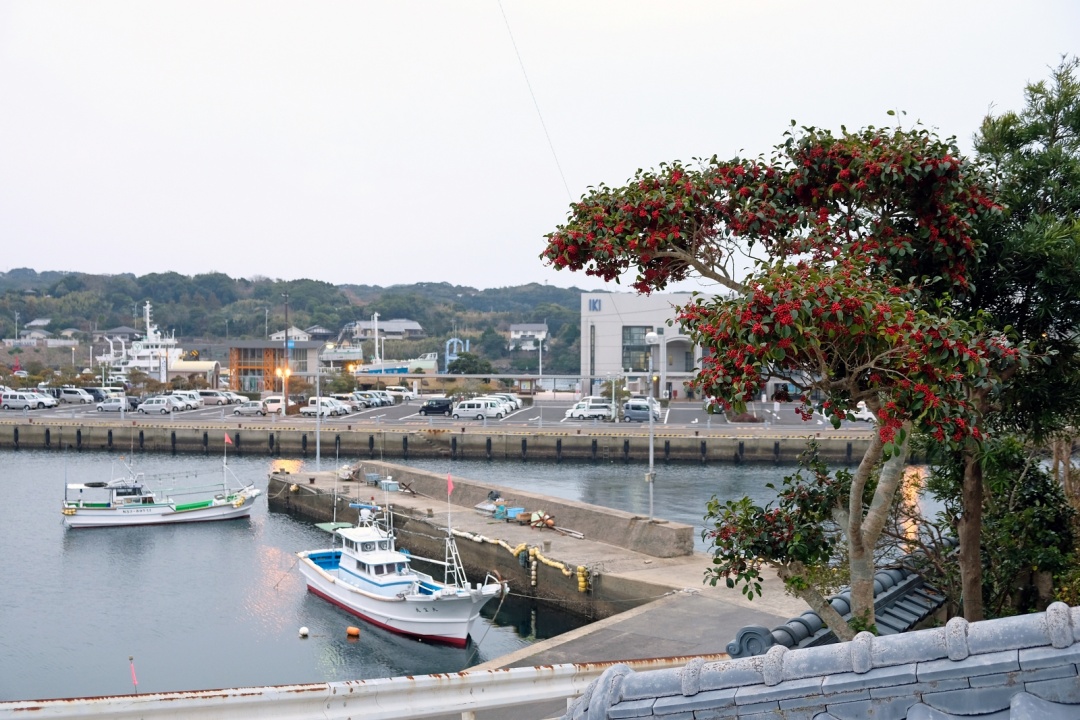
Iki belongs to Nagasaki Prefecture, but the most convenient way to reach it is by ferry from Fukuoka. From Hakata Port in Fukuoka, the Jetfoil high-speed boat (about 70 minutes) and a regular ferry (about 130 minutes) run to Ashibe Port or Gonoura Port on Iki. A one-way ticket on the high-speed boat costs 6,210 yen. You can also fly from Nagasaki Airport (about 30 minutes), with one-way fares starting at around 11,000 yen.
Tatsunoshima Cruise Tour
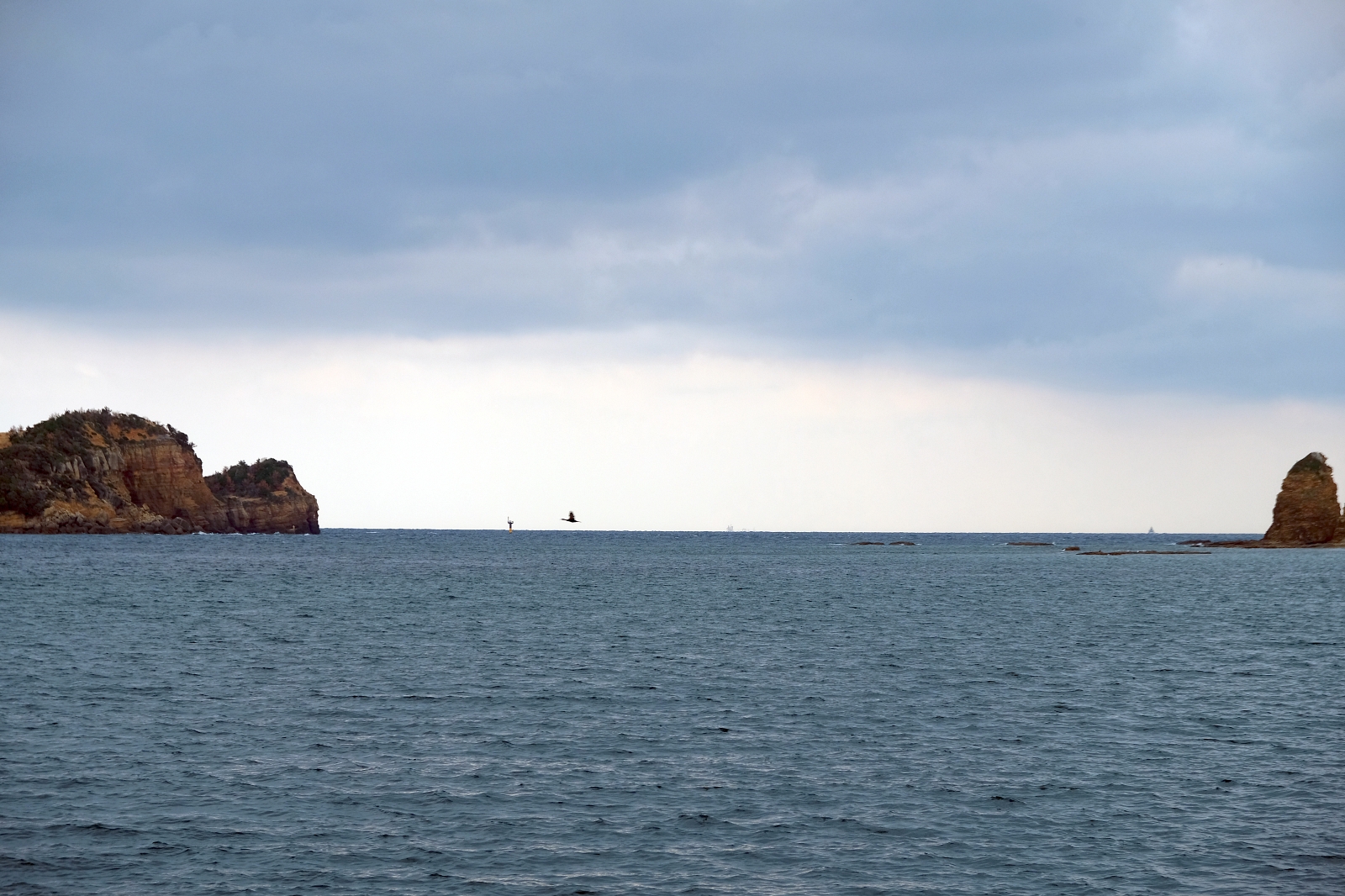
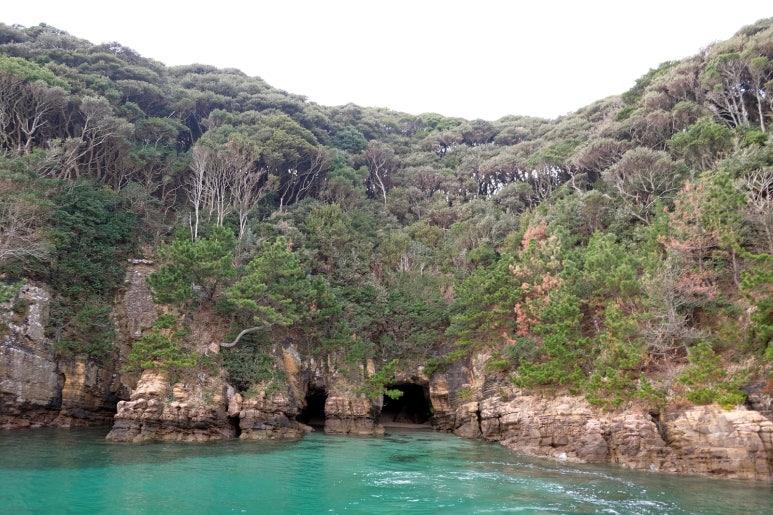
Board a cruise boat at Katsumoto Port, the largest harbor on Iki, and once you pass the breakwater you can reach Tatsunoshima. This uninhabited island belongs to Iki and is known for a beach and sea cliffs that rank among the best in Japan. The boat pauses at the beach to let passengers off, then turns its bow to take in the island itself. The main course follows Jagatani, a layered cliff eroded by waves, for a half circuit of the island. Rising some 50 meters above the water, the cliffs are a reminder of how powerful nature’s hand can be over tens of thousands of years. Their strangely stacked forms are subtly beautiful. When the boat slips into a narrow gorge and then skims past the cliff wall, a ‘wow’ escapes you almost on its own.
Iki no Hana Brewery
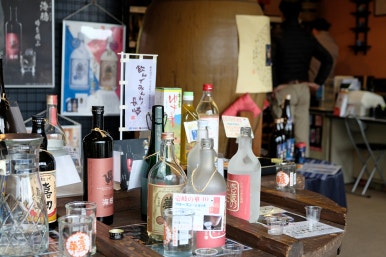
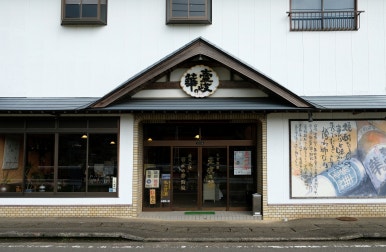
Iki’s barley shochu (distilled spirit) boasts a history of 500 years. Using a brewing method that arrived from China around the sixteenth century, makers blend barley and rice koji at a ratio of 2 to 1, then distill the cold-fermented mash in traditional earthenware. The sweetness that comes from the rice makes it easy for beginners to enjoy. Several distilleries operate on the island, and Iki no Hana is a good place to see how shochu is made and to taste it. The name means ‘flower of Iki.’ The brewery opened in 1900 and also produces premium shochu, aged in oak barrels, with a fine aroma and a smooth finish. Brewery tours are available by reservation through its website or by phone.
Iki Dolphin Park & Resort
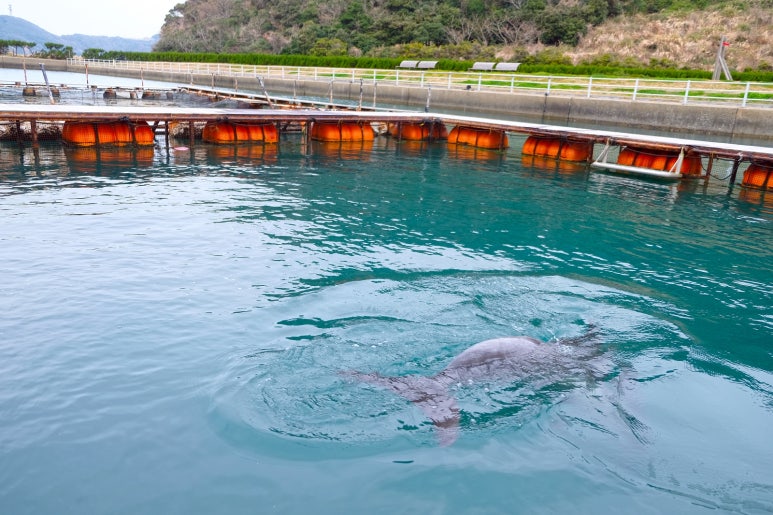
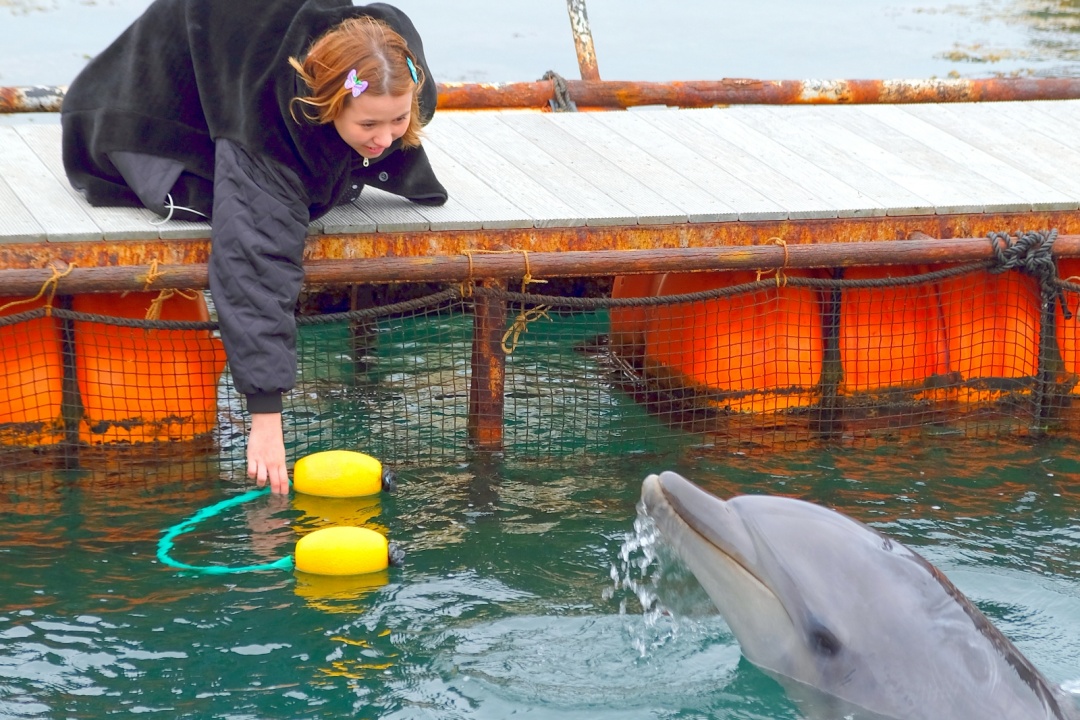
Set in a natural cove on the north of the island, this seaside park feels less like a giant theme park than a playground shared with dolphins. Programs that let you touch and feed the dolphins are especially popular. Reach out from a deck floating on the water, and a cute dolphin will suddenly pop its head above the surface to greet you. Outside the staff’s training sessions, though, it is hard to catch the dolphins’ spectacular jumps. With a cafe, campground, and rides, the park draws many local families.
Yunomoto Hot Spring Village
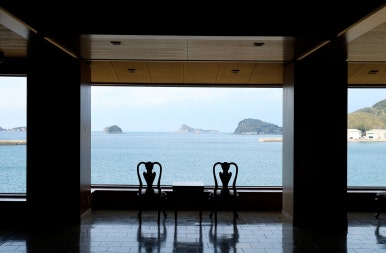
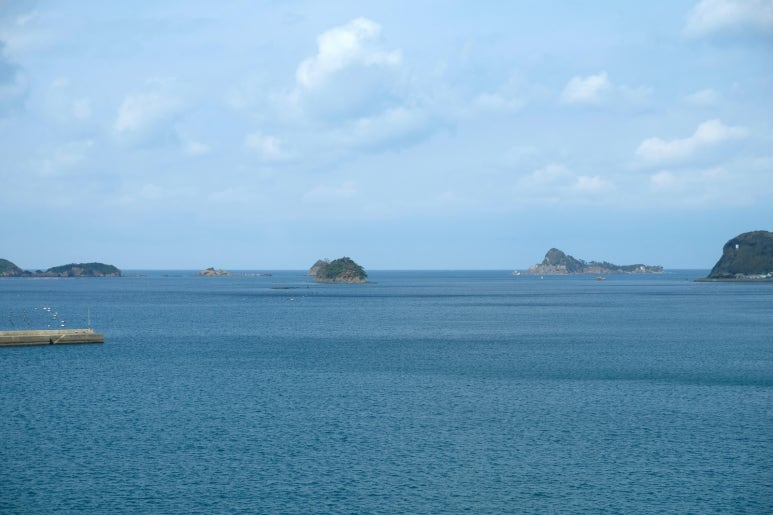
Soak in Iki’s hot springs, then ease your fatigue as the sunset stains the sea. Yunomoto Onsen, on the western side of the island, is a hot spring village with a 1,700-year history. The water is rich in sodium chloride and iron, giving it a reddish-brown tint, and at a source temperature of 69 degrees Celsius it is used without any additional heating. According to legend, Empress Jingu bathed in these waters when she gave birth to her son, so locals regard them as a spring for those hoping to conceive. Thanks to such benefits, Yunomoto was designated a ‘National Health Resort’ by Japan’s minister of the environment. Five facilities accept day-use bathers. Among them, Iki Retreat Kairi Murakami is the most luxurious ryokan, where a 45-minute private bath costs 5,500 yen.
Monkey Rock, Saruiwa
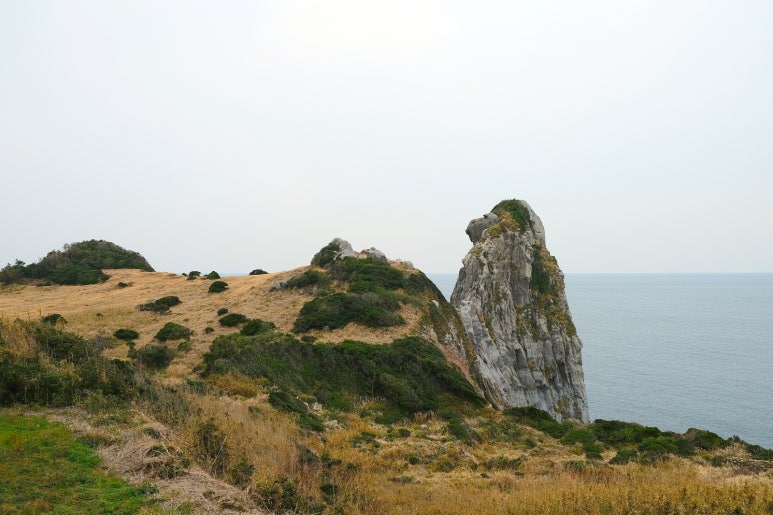
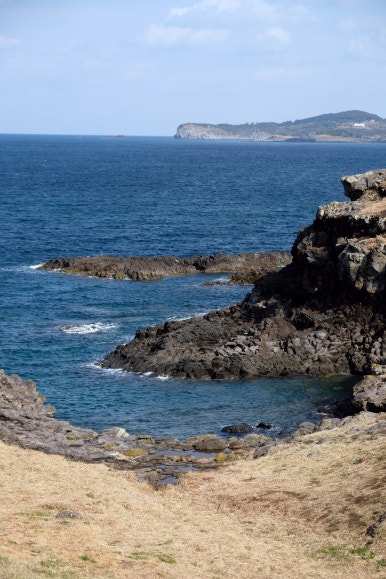
Because of volcanic activity, most of Iki is covered in basalt. The island’s highest peak is just over 200 meters, and the terrain is gentle overall. There are plenty of bumpy hills, all manageable to climb, and broad flatlands suited to farming coexist with them. Along the winding coastline, unique basalt cliffs alternate with quiet beaches, and together they create Iki’s distinctive scenery. Stroll along the shore, climb to a slightly higher spot, and gaze at the horizon to feel the mystery of the eroded sea cliffs. Iki’s most famous landmark is Saruiwa, a 45-meter-tall rock at the tip of the Kurosaki Peninsula in the west. The name means ‘monkey rock,’ and from a certain angle it looks like a monkey’s face. The hiking trail that leads along the coastal hills around Saruiwa offers wonderful views, making it a fine place for a short walk in the breeze.
Devil’s Footprint, Oni no Ashiato
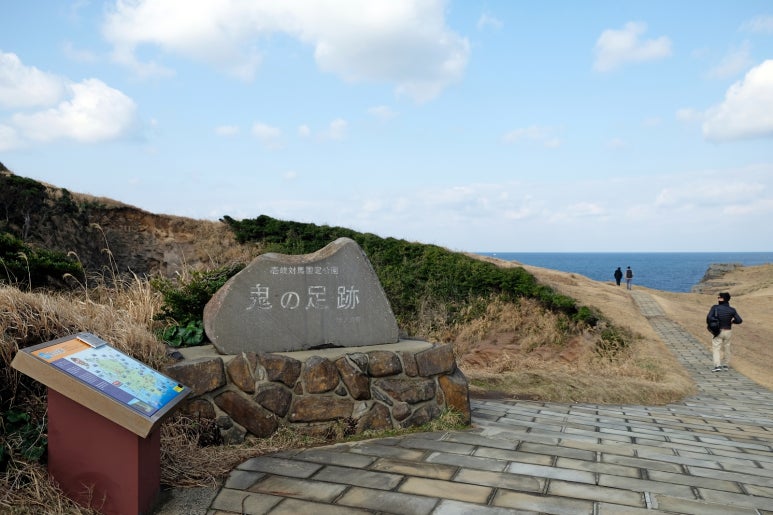
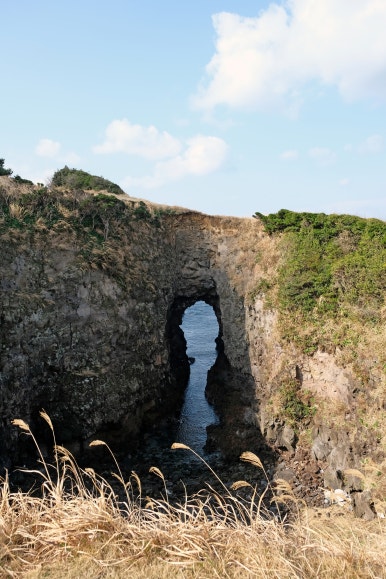
Another spectacular sight is Oni no Ashiato. This sea cave along the coast, about 110 meters across, is listed among Japan’s ‘100 Best Caves.’ Saruiwa, incidentally, is one of Japan’s ‘100 Remarkable Rocks.’ According to legend, a giant ogre that tormented Iki struggled to haul up a whale, and one of its footprints dug into the ground, forming Oni no Ashiato. Scientifically speaking, it is a rock cave formed when columnar joints, created as lava cooled, were eroded by waves. It can be seen at several spots along the coast, and it lets you feel the island’s legends and the wonders of nature at once.
How do you get around Iki Island?
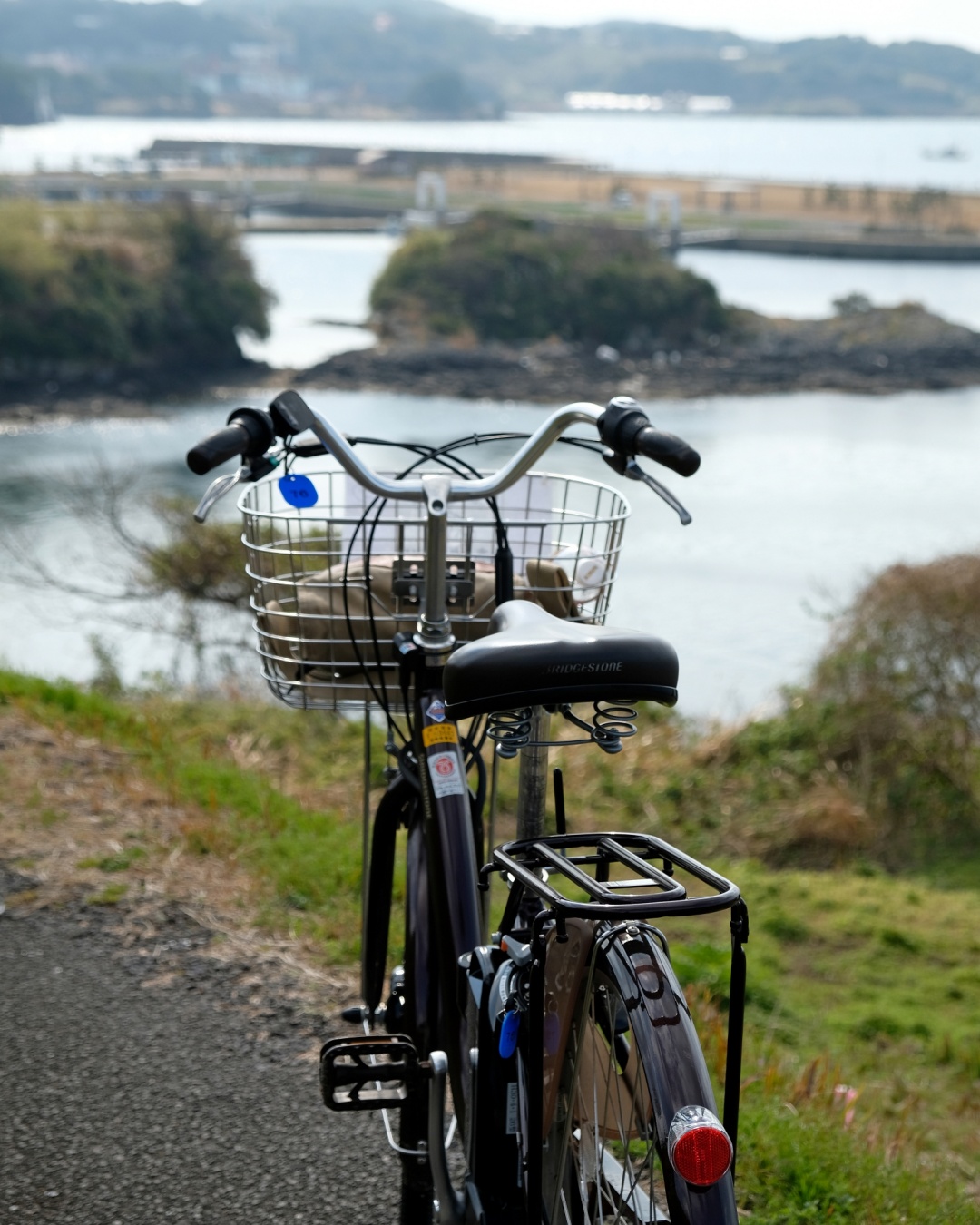
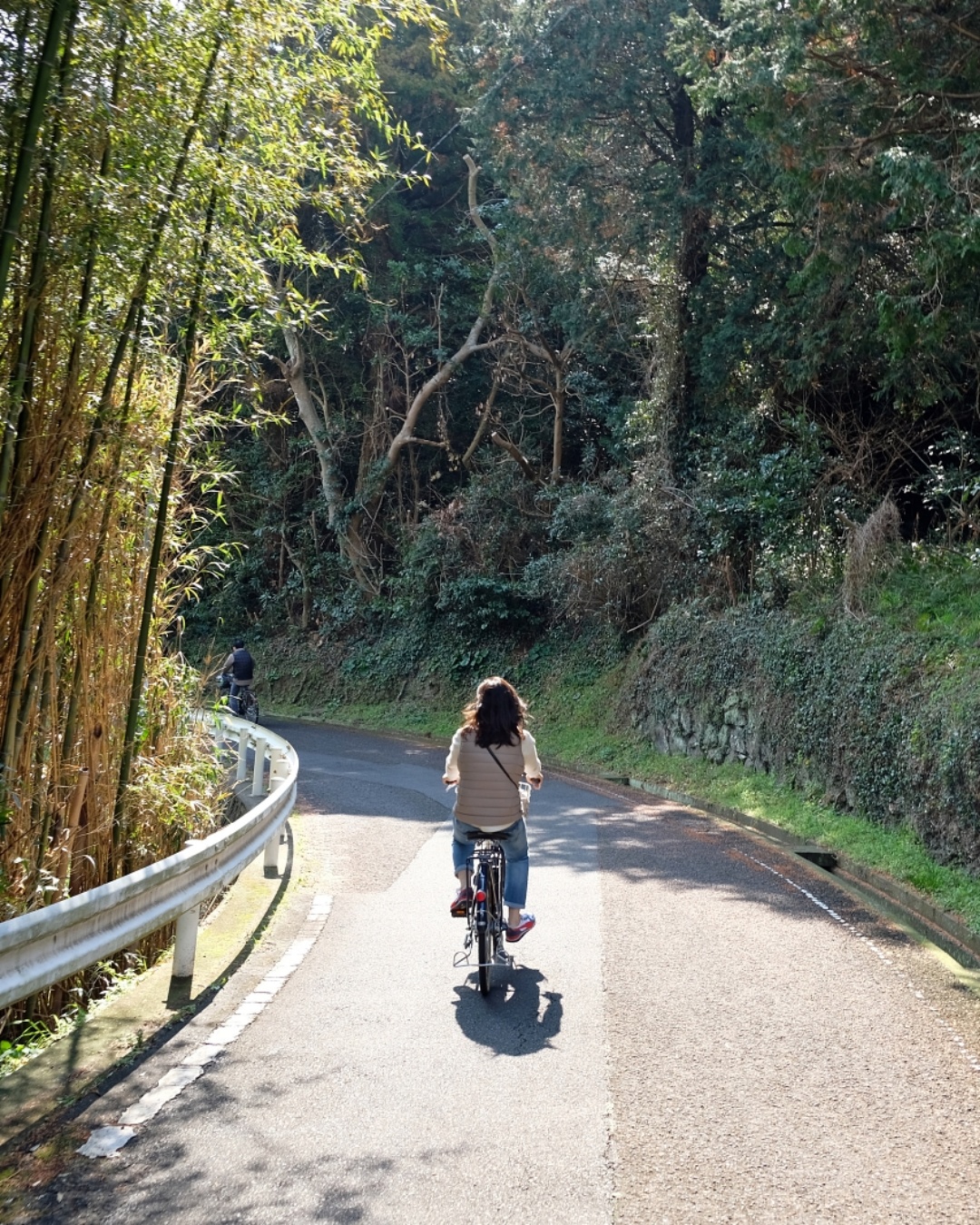
Renting a car is the best way to get around Iki Island. Rental car companies wait at the port as soon as you disembark. If driving isn’t an option for you, you can choose from fixed-route buses, sightseeing taxis, and electric bicycles. Electric bicycles can be rented at the tourist information centers at Ashibe Port and Gonoura Port (1,200 yen for rentals under four hours).