Curry for Zerowaste Life — A Plate of Curry That Softens a Sharp-Edged Mind
An interview with Lee Minsong, founder of Jigu Curry, who makes South Indian–style vegetable curries while pursuing a vegan, zero-waste way of life in Seoul.
Curry For Zerowaste Life — A Plate of Curry That Softens a Sharp-Edged Mind
Living a zero-waste life often means bumping up against the walls of reality. In moments of ‘is this really right?’, a plate of curry can smooth out a mind gone jagged with doubt.
Words Parc Jinmyoung
Interviewee Lee Minsong (founder of Jigu Curry)
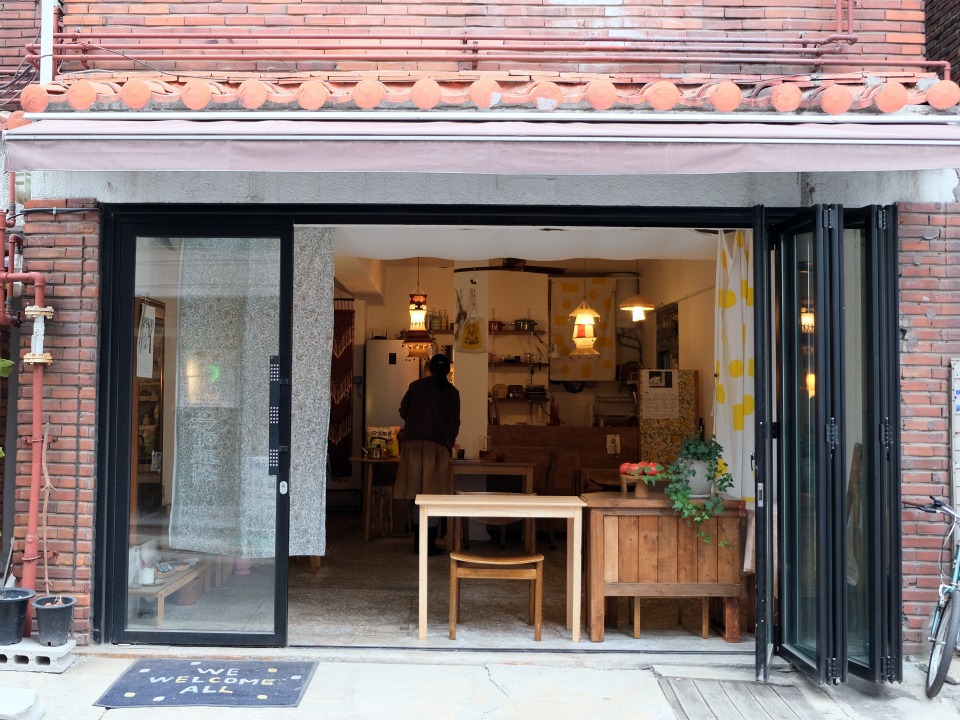
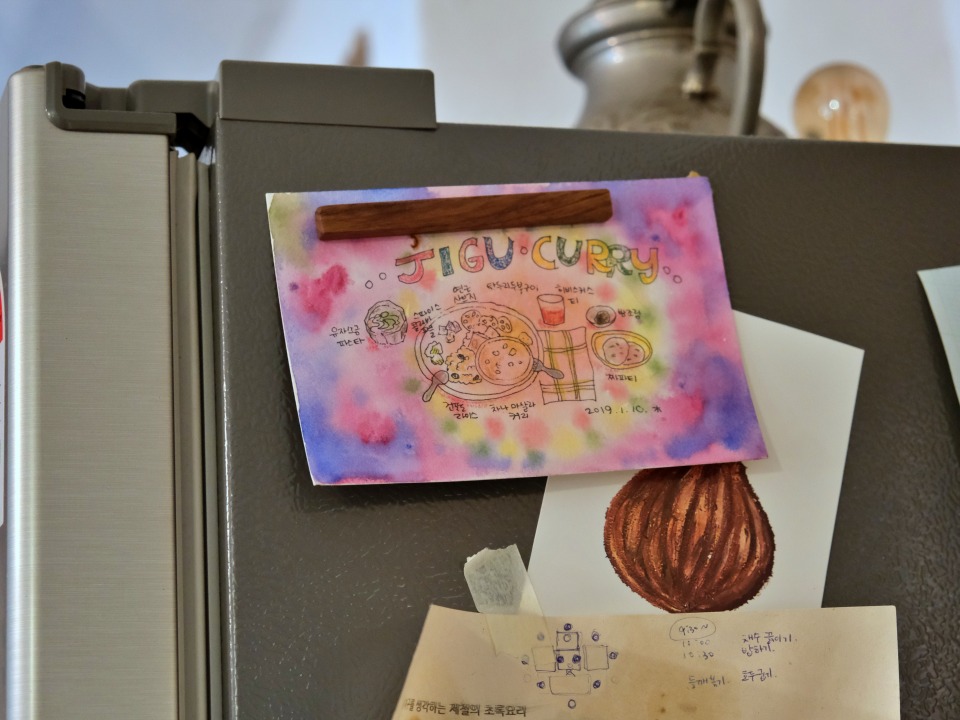
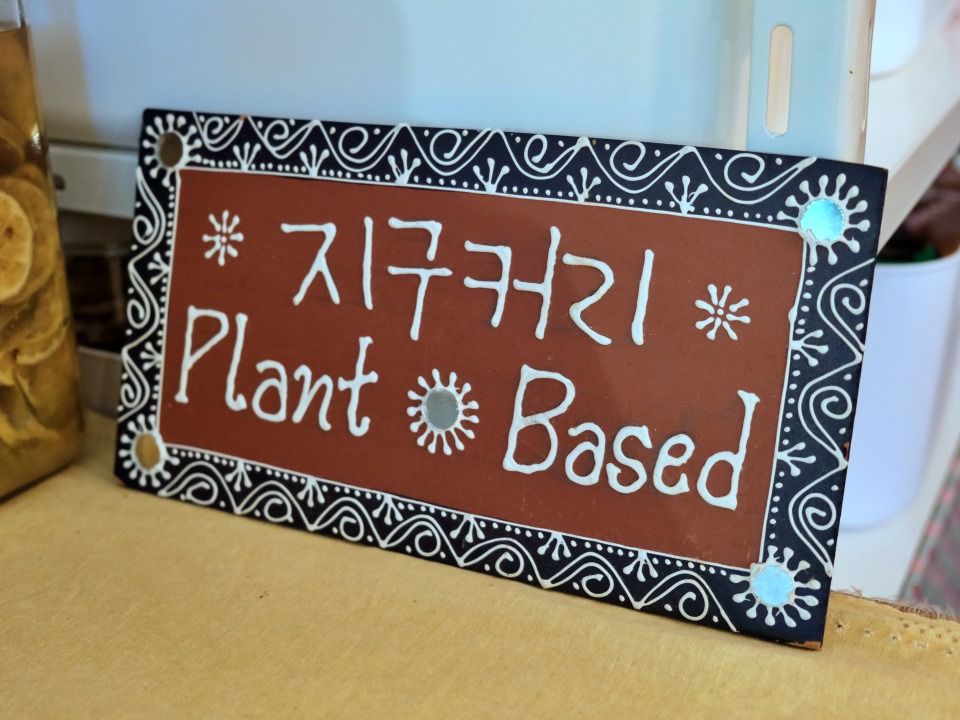
Jigu Curry, run in a pop-up format, meets its customers mostly from a corner of a zero-waste shop, selling meal kits and curry pastes packed into reusable containers. On a day when the spring breeze finally coaxed open the doors of Jigu Curry that had stayed shut all winter, founder Lee Minsong posted a notice that the shop was open, saying a lot of fresh ingredients had come in after a long while. We hear about her practice of pursuing a vegan-oriented, zero-waste life.
Vegetarianism comes in many different types. What kind do you identify with?
I’d say I’m vegan-oriented. I try not to eat meat whenever possible. The decisive turning point was watching the documentary “The Dilemma of an Omnivore’s Family,” about farm animals. It started simply, though maybe ‘simple’ isn’t quite the right word—it was complicated too. I’d always loved animals. At drinking gatherings, I used to laugh and say, ‘Isn’t it a little strange to eat the animals you love so much?’ And the conversation always ended with, ‘Well, how could we not eat them?’ After watching the documentary, I thought, ‘That’s not really something you should say while laughing,’ and that’s how I came to lean toward veganism.
How did you get started cooking?
I used to work as a social worker for children and youth. Making dinner for the kids made me realize how much I enjoyed cooking. When I left that job, I thought about pursuing cooking full-time. Even now, I don’t feel like I’m really ‘cooking’ in a formal sense—it feels more like just putting together a meal.
Why did you choose Indian cuisine?
For one, Indian food felt unfamiliar to me. With Italian or American food, you can picture the ingredients just from the menu, but with Indian food, I had no idea at all how it was made. That sparked my curiosity. Indian cooking uses a lot of chicken, so while taking Indian cooking classes and reviewing on my own, I researched ways to bring out flavor without meat, and that’s how I developed my own recipes.
Do you build flavor with spices, or with vegetable stock?
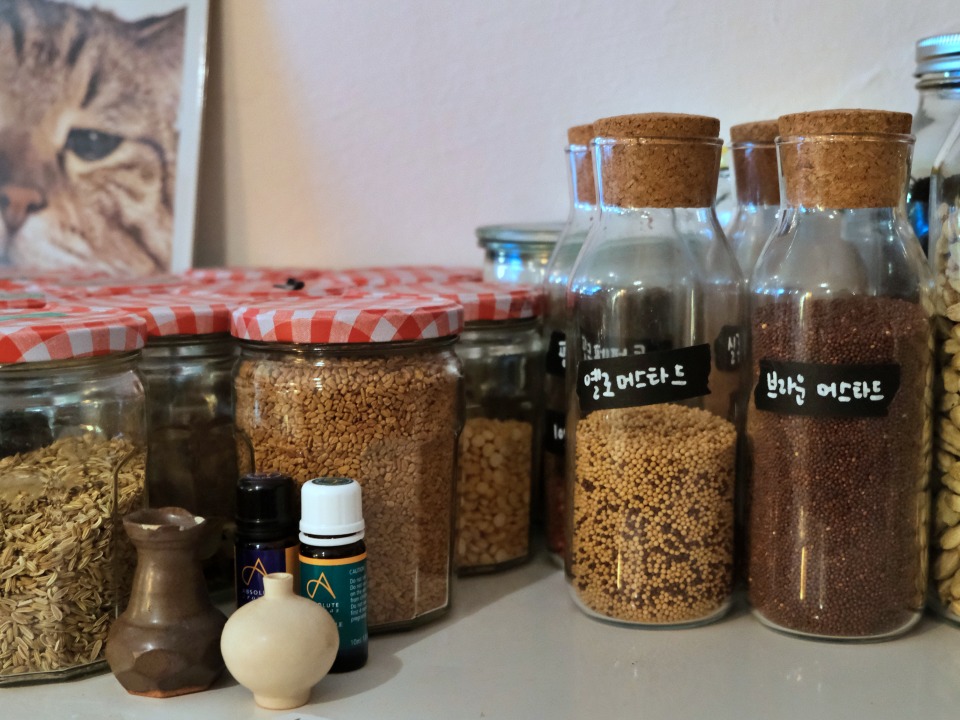
Curries made with vegetable stock are more of a Japanese style. I mostly build flavor with spices. When I first started cooking Indian food, I collected every spice imaginable, but these days I’ve realized that using just a minimal amount is enough. Among Indian dishes, meat dishes tend to use a lot of spices, since they help with digestion. Vegetable dishes don’t need that, so I figured just enough spice to bring out aroma would do.
What spices do you use as the base for your curry?
Coriander (cilantro seed), turmeric, red chili, and cumin. Adding other spices on top of that can make for a curry with even deeper flavor.
I’m curious about how you develop your recipes.
In the past, searching the internet was really my only method, but more and more I’m building my own recipes based on the experience and technique I’ve accumulated. Since Indian ingredients are hard to find in Korea, it’s tough to perfectly recreate the authentic flavors. So I started using Korean ingredients instead. For example, I’ll think, ‘cabbage is especially delicious right now—what spice would pair well with it?’ I make Indian-style salads, stir-fried vegetables, and soups using seasonal produce.
How do people react to the meal kits and curry pastes you sell?
I usually prepare around 40 to 50 sets for pop-up events, and since they all tend to sell out, I’d say the response hasn’t been bad. (laughs)
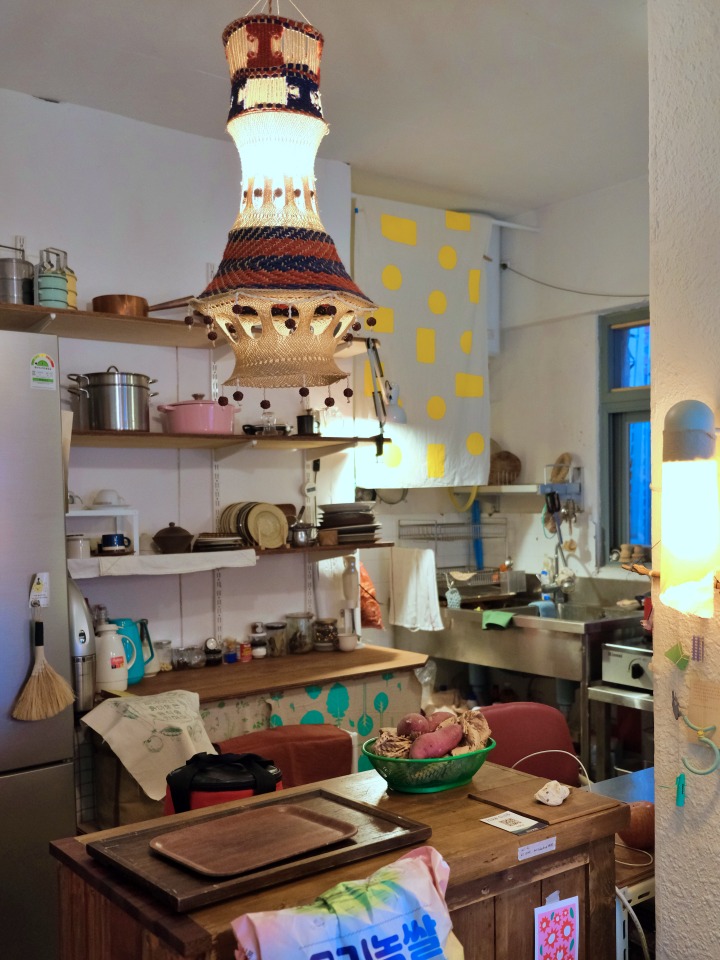
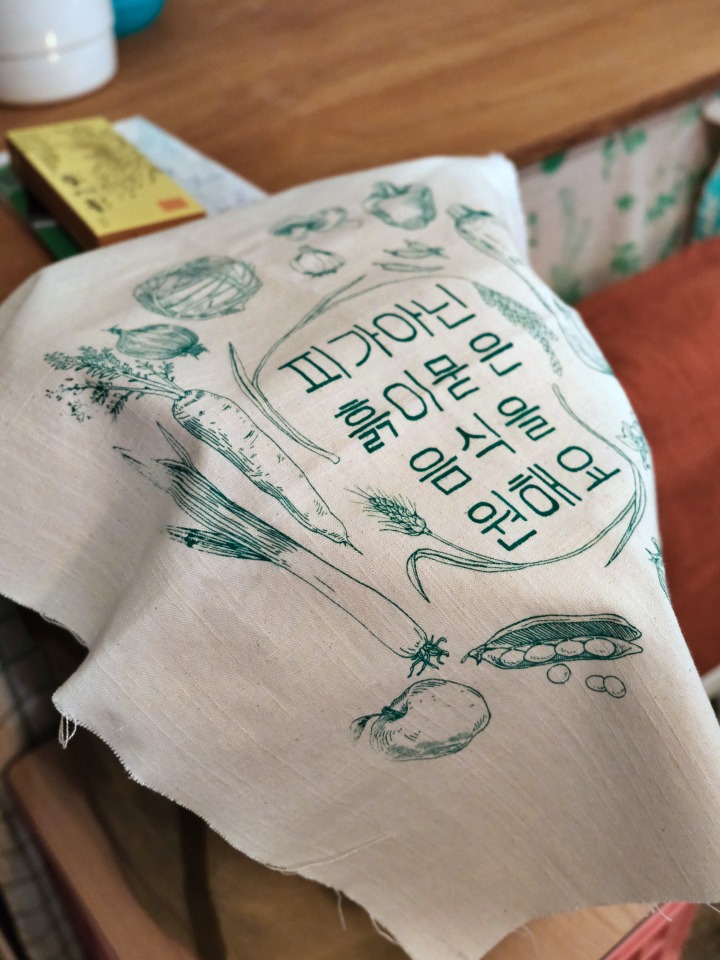
You went from selling curry as a pop-up to opening a standalone shop, but then stopped running it—why was that?
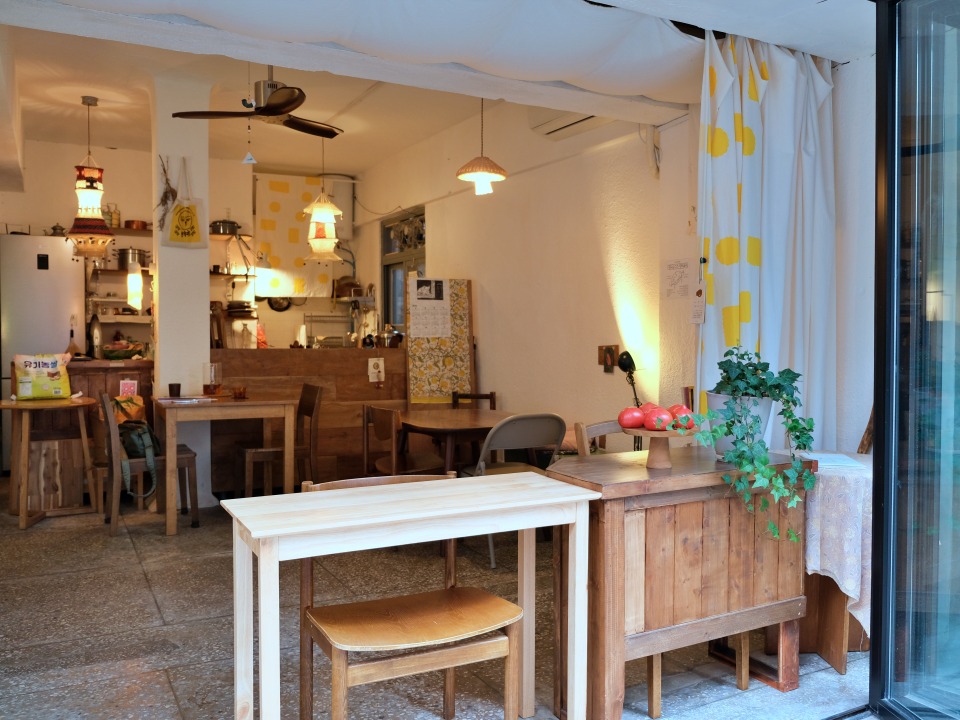
When it was a shop-in-shop setup, the space wasn’t that big, and pop-up events usually happened just once a week, so it wasn’t too demanding. But once I actually opened my own place, the space felt way too big, and the pressure grew. I closed the shop for a while to think about a more efficient way of running things that would suit me, and I’m still figuring that out. Lately I’ve been thinking it might be nice to study together here with people who are interested in vegan cooking. Honestly, I wanted to sell spices in small portions out of this space, but it turns out that violates food safety regulations. That’s a shame.
So running this place isn’t so much a business as it is part of the life you’re pursuing.
That’s right. That’s probably why I don’t feel anxious even when the space sits empty. I really want to shape it around the kind of content and way of operating that I actually want. It might sound grandiose, but I feel like if I made a lot of money, something somewhere would be getting damaged in the process. After all, I’m doing work connected to nature and people. If you take things too far, you end up exploiting people, nature, or animals, so I try not to hold on to too much. Living loosely means I end up spending less money and fewer things, and I find I don’t need much anyway. Isn’t it about living in a way that fits your own lifestyle?
In another interview, you said you wouldn’t make more than 30 bowls a day. Is that part of the same philosophy?
These days, since I only hold pop-ups occasionally, I end up making around 50 bowls at once. (laughs)
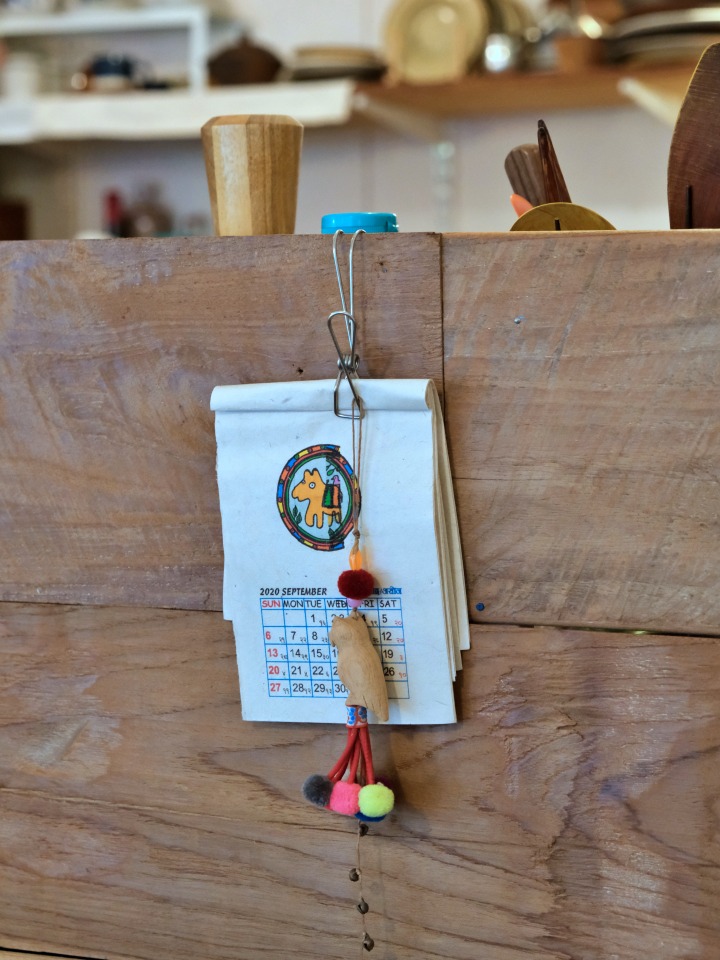
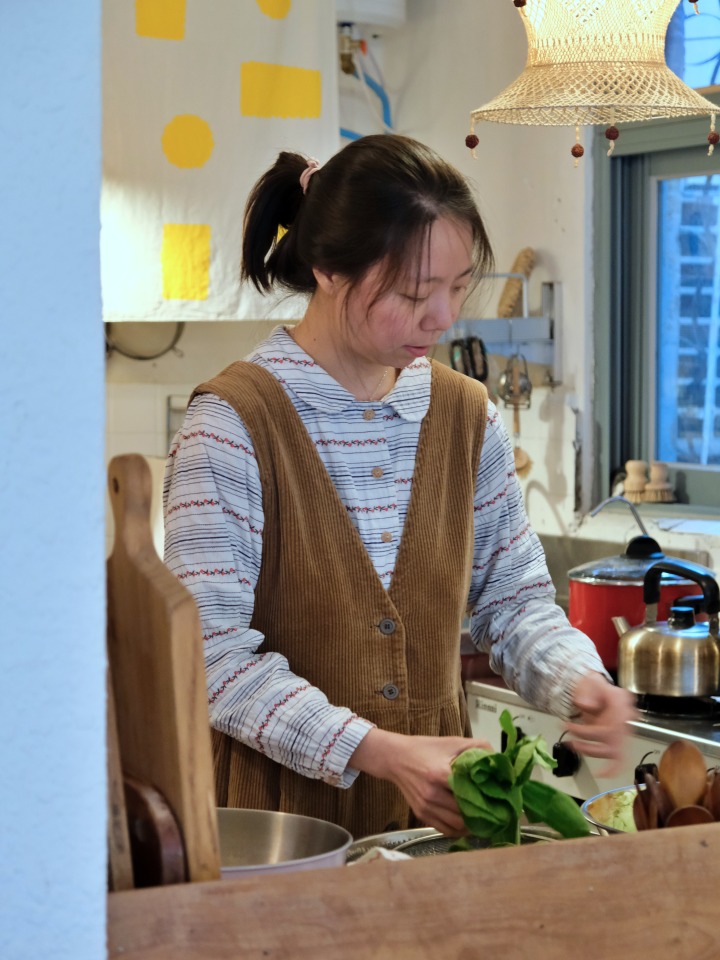
I’ve heard you buy ingredients directly from producers at markets. Is zero-waste grocery shopping realistically possible?
It’s possible when farmers’ markets like Marché line up with the pop-up schedule. Otherwise, honestly, it’s not easy. Lately I’ve gotten interested in organic produce, so I often find myself at a crossroads. (laughs) A lot of the organic ingredients I like are mostly sold through packaged delivery, which makes it hard to keep up zero-waste practices.
I heard you’ve also tried growing your own vegetable garden.
Not anymore. (laughs) Since I don’t own any land in Seoul, tending a garden meant at least an hour’s round trip each time. Someday, my dream is to live right next to a plot of land. It’s less about wanting to be self-sufficient and more about wanting to live a zero-waste life. Honestly, talking about sustainability in the city feels like a contradiction. Enjoying the conveniences of city life, eating whatever you want, while also seeking a natural, slow, sustainable way of living—it can start to look like greed. Someday I’d like to move somewhere I can live naturally and slowly, without guilt.
Pursuing zero-waste and veganism must come with a lot of difficulties.
When I talk with friends around me who care about animal rights and practice zero-waste, it feels like most people think the same way I do. But then if I go somewhere like Gangnam, I realize people like us are actually a small minority.
Are there ever awkward moments when you’re around people who live differently?
For example, at a family gathering, someone might set out disposable plates for everyone. In that case, I’ll say I’ll do the dishes, so let’s just use real plates. If I step up and do the dishes a few times, eventually people start taking turns. It’s the same when traveling with friends—I bring my own personal tableware so that at least I’m not using disposables. Rather than trying to persuade people, I just live my own life. That’s the most realistic approach. If even one friend is influenced by it, I consider that a success.
Has cooking with vegetables changed your life in any way?
I’ve become someone who lives with an awareness of the passing of time. Anyone who cooks with vegetables would understand. When spring greens appear, you feel that the season has come around again. You start thinking about how many more times in your life you might get to eat this particular vegetable. You also start picturing the original form of ingredients. These days, most produce is sold already trimmed and prepped, so you rarely get to see it in its raw form. I’d never once seen carrot greens before, but I encountered them for the first time through cooking with vegetables.
I heard you traveled to India after learning to cook Indian food.
I traveled for about a month, starting in southern India, passing through Delhi, and ending up in Rishikesh in the north. Southern India wasn’t the India we usually imagine—it even reminded me of Europe at times. After about a week there, I headed up to Delhi, and it was absolute chaos. When I travel to other countries, I can usually pick up on the local rules. India definitely has its own rules too, but I just couldn’t read them. That’s what makes it so fun and mysterious. I loved it so much I’d want to go back once a year.
Did anything funny happen?
In India, people burn trash just about anywhere. On a rainy day, my bag ended up covered in dirt—it had literally rained mud. I remember thinking, this place is pure chaos. (Laughs) Still, I want to go back. There were some things I regret, though. I was more cautious there than I’ve ever been in any other travel destination, and because I was so careful, nothing really happened. I should have let myself run into people by chance or have experiences only locals get to have. Next time, I want to loosen up a bit and travel more freely.
Did you discover anything about sustainability during your trip to India?
I realized that vegetarian cooking has no limits. India is a place that embraces every kind of diversity, and I had an experience there where I felt that same respect extended to me. I took part in a vegetarian cooking class, and they served chai. Since I don’t drink milk, I hesitantly asked if there was a version of chai made without it. After the class, the instructor asked me about it—in India, even vegetarians drink milk, so she was curious why I didn’t. So I explained that most cows in my country are exploited for milk production, which is why I stopped drinking it. She understood and respected my reasoning.
There was also something unexpected. These days, India is facing a serious issue with GMO (Genetically Modified Organism) seeds. It was sad to think that even in a paradise of spices, it’s hard to find good seeds. I don’t think I even considered looking around farms or fields while I was there. In Thailand, you can easily spot farms or fields as you pass by. But in India, where the land stretches on as barren wilderness for miles, I kept wondering where the farms actually were, and how the vegetables Indians eat even grow. On my next trip to India, I’d like to visit a farm.
Could you share some ways you practice sustainable travel?
I always bring containers, cutlery, and a tumbler as basics. These days, foldable reusable containers are available too. When I went to India, I brought along two Bonjuk takeout boxes. I also find the portable version of Brita, the water filter brand, really useful.
What kind of future do you envision for a sustainable Jigu Curry?
Right now, my homework is figuring out the purpose of this space. Honestly, I don’t think curry is an inherently sustainable dish—after all, it relies on spices that traveled a long way to get here. I cook with the idea of minimizing spices while still bringing out rich flavor. Going forward, I’d like to create a space to talk about vegetable dishes made with seasonal ingredients, and about eating simply.