
Bojo Eco Tourism Village — How a Village in Cebu, the Philippines, Built Sustainable Travel
Educating residents, protecting the environment and heritage, helping vulnerable groups, and creating jobs through travel. A village in Cebu, the Philippines, has met this difficult challenge. Consultant Joselito Costas explains how Bojo made sustainable tourism take root.
Bojo Eco Tourism Village — How a Village in Cebu, the Philippines, Built Sustainable Travel
Educating local residents through travel, protecting the environment and cultural heritage, benefiting vulnerable groups, and creating new jobs. A village in Cebu, the Philippines, has taken on this difficult challenge and met it. How did they manage to make sustainable travel take root?
Interviewer Hur Taewoo
Interviewee Joselito Costas
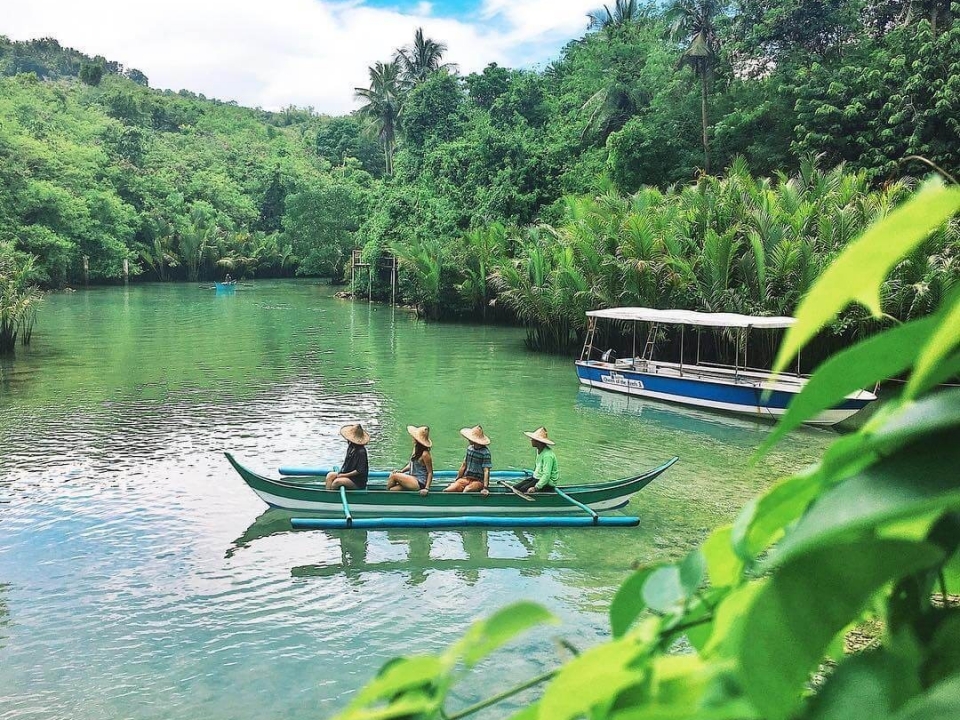
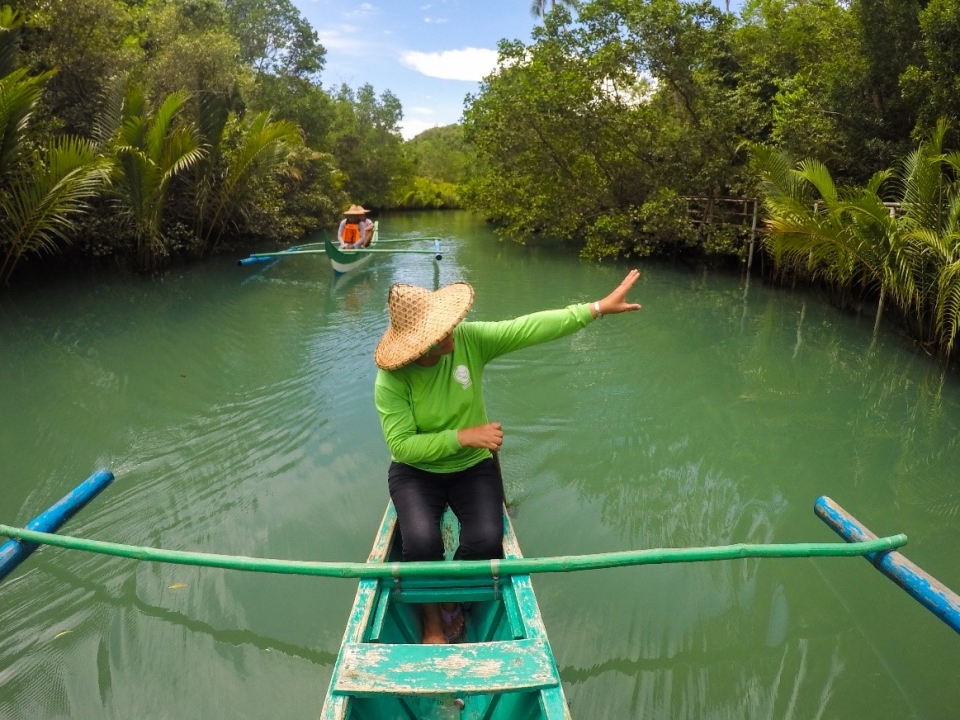
In 2021, the village of Bojo in Aloguinsan, on the island of Cebu in the Philippines, was named one of the “Best Tourism Villages” by the United Nations World Tourism Organization (UNWTO). It was the only village chosen in the Philippines, a country where tourism accounts for a considerable share of GDP. Joselito Costas played a major role in Bojo’s rise as a destination for sustainable travel. A sustainable tourism consultant and educator, he has built an international reputation over the past 30 years in community organizing and development. Since 2009, he has devoted himself to turning Bojo into a community-based tourist destination. The local eco-cultural tours offered by the village’s Bojo Aloguinsan Ecotourism Association (BAETAS) are regarded as a model of sustainable travel. The association does not stop at protecting mangrove forests and wildlife; it also runs a variety of projects that help the community develop. We spoke with Costas, who was visiting Korea to attend the 2023 World Island Culture Diversity Forum, about the journey he has taken toward sustainable travel.


When did you first become interested in local communities?
The first few years of my career were spent in community development. I worked with low-income families, disadvantaged women, farmers, and fishers. Then, in the early 2000s, I realized that tourism was worth introducing to rural areas, too. If community-based tourism (CBT) is done right, it can be a tool for raising local people’s standard of living. In fact, a similar concept, ecotourism, had already appeared in the Philippines in the late 1990s. There were even policies to support community development through ecotourism, but not many people paid attention. So around 2009, I set out to apply ecotourism to improve community incomes, and after discussions with the people involved in Bojo, we were able to make a first attempt. Until then, there hadn’t been a single example of community-based sustainable tourism.
How can a community’s interest be sustained over the long term?
It is hard to keep ecotourism and sustainable tourism going steadily. Bojo didn’t get its first paying visitors until 2011. It took two years. You have to keep preparing, promoting, and waiting until travelers actually pay to come.
After we secured a budget for the ecotourism industry, we used it to focus on training. We put our efforts into education across many areas: community development, ecotourism, bird guiding, facility management, and accounting. Thanks to the Tourism Act of 2009, enacted by the Philippine government, we were able to receive funding and administrative support. That law became the foundation that allowed us to develop ecotourism in our communities.
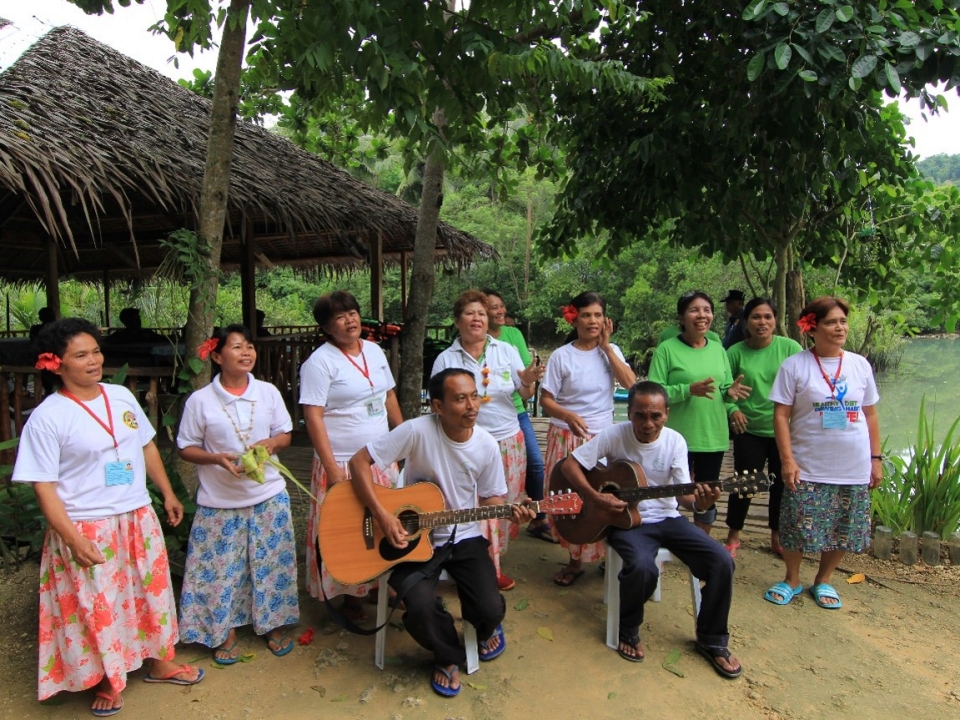
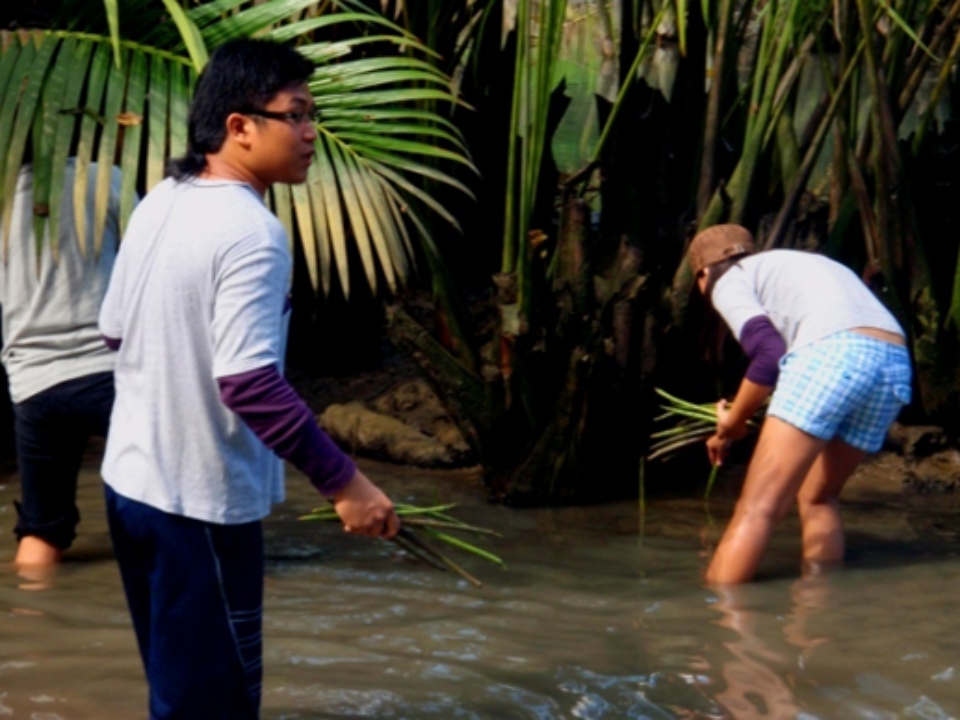
It is also important to give the community decision-making power. We worked with partnerships among government, the community, the private sector, and academia, which helped us identify and make use of local resources. Through “heritage mapping,” the community identifies all of its own historical and natural heritage and decides for itself how to present, protect, and assess it for visitors. After facilitators like us leave, it is ultimately the community that keeps the tourism services running.
How much has it helped the community economically?
The local government spent about 2 million Philippine pesos on Bojo’s sustainable tourism industry. Ten years later, the community had grown economically to the point that it could pay 10 million pesos in taxes on top of that 2 million. This is a good example of sustainable tourism.
Do many Korean travelers visit Bojo?
In my hometown of Cebu, you can always see Koreans flocking to the beach resorts. Unfortunately, many Korean travelers to Cebu book through Korean online travel agencies (OTAs) or Korean travel agencies and are accompanied by Korean guides. We want Korean travelers to visit and experience Cebu’s authentic local communities, but even Cebu-based Korean travel agencies and Korean tour guides working in Cebu are still not familiar with Cebu’s sustainable destinations. That is the first problem to solve. Few Korean travelers come to Bojo, but interest in sustainable travel is growing in Korea, so I think that will change soon.
What is your strategy for raising interest in sustainable travel?
You can’t tell people to stop using plastic right now. It can’t be solved overnight. First, people have to become aware of sustainability, because knowledge comes from awareness. It is because we fully understand the positive results of such actions that we can naturally think, “We should protect the environment,” or “We should support the community.”
It is useless for an outsider to walk into a community and say, “Let’s do sustainable tourism!” or “Let’s create ecotourism!” You can’t force it. In the first place, community members won’t be ready. Sometimes they may even see outsiders as a threat to their stable way of life. So you have to start by gradually helping them see the need, by guiding them with something like, “If you do this, your lives can get a little better.”
What advice would you give to those who want to make their communities healthier through tourism?
Above all, you must preserve diversity. I think of a community as a kind of bearer of culture. Like it or not, a community carries on traditions and passes culture down from generation to generation. In other words, the community is the best system for maintaining cultural diversity. And I believe that, for our shared future, all countries should respond together to climate change and global warming, and share how cultural diversity can be maintained and sustained.
How important will sustainable travel become in the future?
We can no longer say that sustainable travel is just one type of travel. All travel, whatever its type, should pursue sustainability.


