Between Traveler and Neighbor — Be My Neighbor, the Village Stay in Gongju That Blurs the Line Between Visitor and Local
In Gongju, South Chungcheong Province, Be My Neighbor treats the village around Jemincheon stream as a single hotel. Following a recent rebrand, the company has renewed its reception space and created a village map, moving closer to its ideal vision of a village hotel.
When traveling in an unfamiliar city, there are moments when you wish you could live like a local for a day rather than just a tourist. Be My Neighbor turns that fantasy into reality along Gongju’s Jemincheon stream. By treating the entire village as a single hotel, the brand dissolves the boundary between traveler and resident. We spoke with Be My Neighbor to hear their story.
Interviewee Son Gyujin (Branding Manager, Be My Neighbor)
Interviewer Ryu Sunwoo
Tell us about Be My Neighbor.
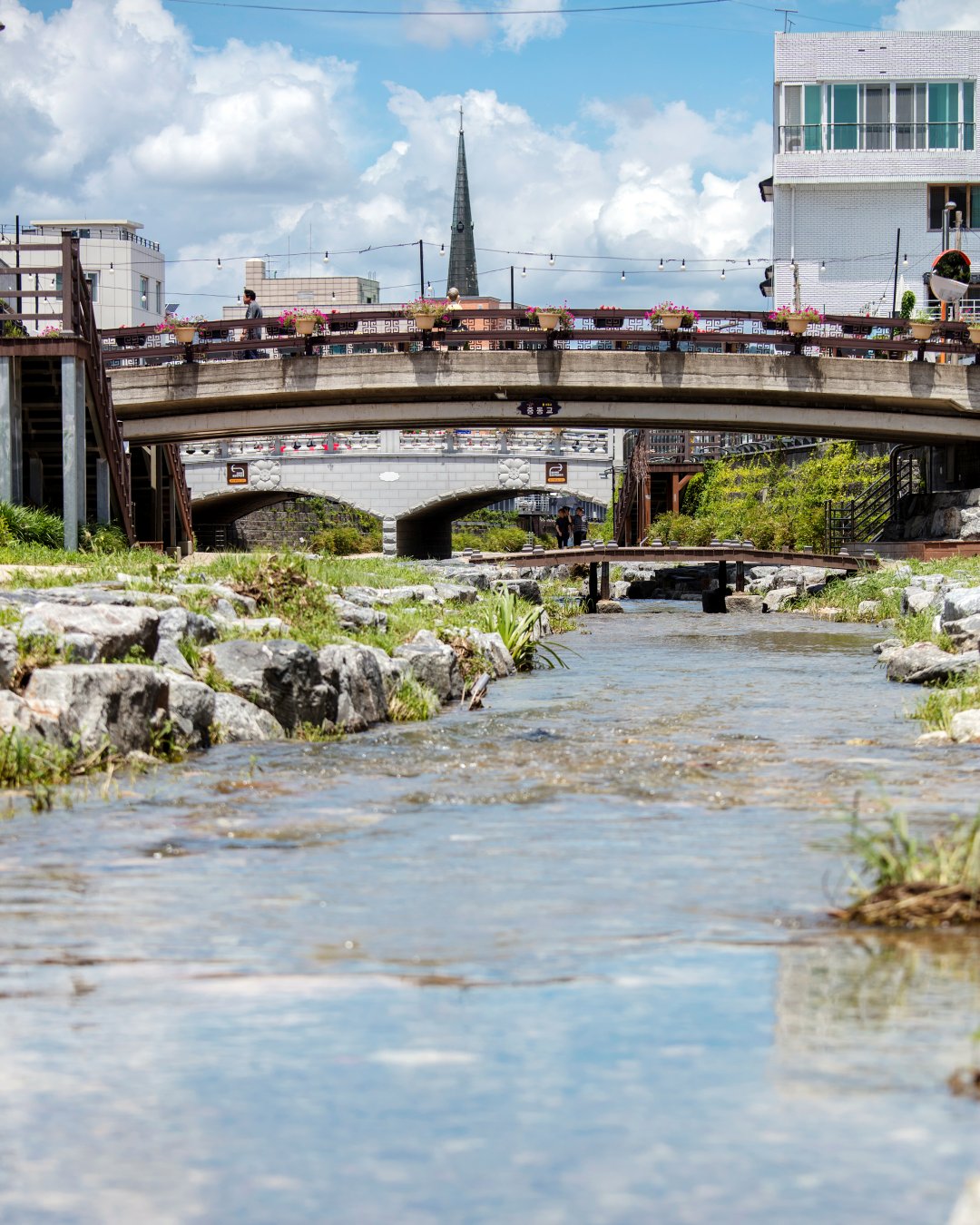
Be My Neighbor treats the old downtown area around Jemincheon stream in Gongju as a single hotel, offering hospitality services such as lodging, concierge, tourism, and reception—just like a conventional hotel.
What sets you apart most from a regular hotel?
In short, a village hotel means the entire village becomes one large hotel. All the facilities and functions that make up a hotel are scattered ‘horizontally’ throughout the village. To put it another way, in a normal hotel you take an elevator inside the building to reach your room or the restaurant, but at our hotel, the village alleyways themselves become the hallways. You stroll through quiet lanes as if taking a walk to find your room, and in the morning you head to a local diner or a small bakery café on the corner for breakfast. Instead of a hotel gift shop, you buy travel souvenirs at neighborhood stores. While large hotels build high walls to separate themselves from the surrounding area, we chose to loosely join hands with the village instead. We wanted travelers to have the special experience of becoming real neighbors for a while, rather than just skimming the surface as tourists. That, we believe, naturally leads to the regeneration of the old downtown’s commercial district and to genuine local coexistence.
I understand you’ve been running Village Stay since 2019. How has it changed since the early days?
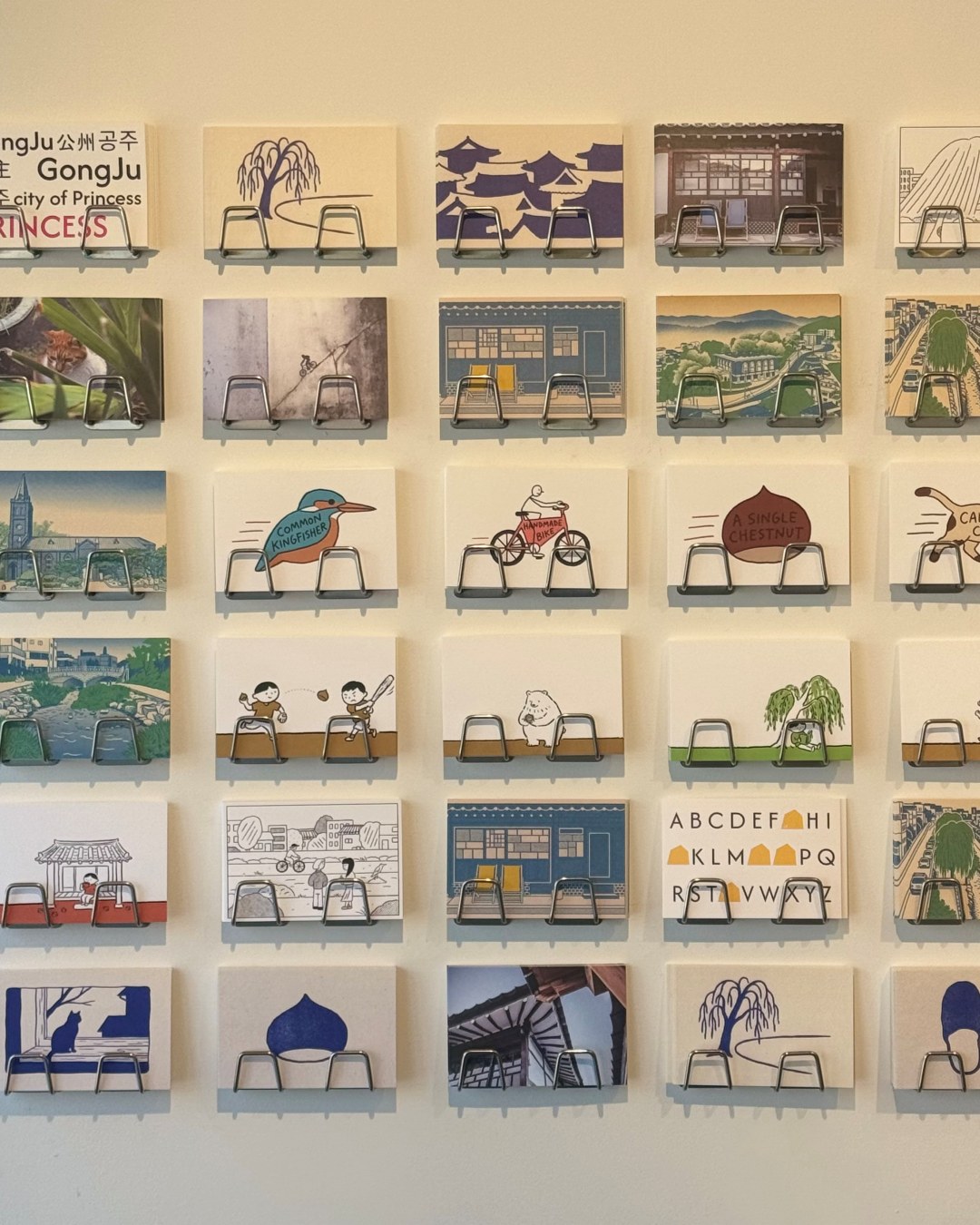
Both the shops and the people have multiplied. Since we run spaces that meet guests directly—lodgings, cafés, gift shops—we feel this change firsthand. Back then, there weren’t many shops in the village, so we knew every shop owner personally; now we meet many new faces for the first time. The spaces directly operated by Be My Neighbor have also grown. Seven years ago, we had just one lodging; now we run four lodgings, two cafés, and one gift shop. Thanks to that, we’re able to offer a much wider range of village experiences.
You operated under the name ‘Village Stay’ before rebranding. What prompted the change?
While we were running Village Stay, we started being featured here and there as a case study in urban regeneration. As that happened, ‘Village Stay’ began to be understood as a general concept rather than a specific brand—it became a term used to describe an urban regeneration model. We felt we needed a new brand name to replace ‘Village Stay,’ and that’s how the rebrand came about.
What meaning is behind the new name?
The Jemincheon village is quiet and charming, with its own story hidden in every alley. We wanted to offer visitors a slightly different kind of hospitality—not the overwhelming kindness of attending to every last detail, but rather an open-hearted attitude that keeps a little distance, saying, “Feel free to stay comfortably, and whenever you need help, we’ll gladly guide you.” We believe that leaving a small gap, rather than arranging everything perfectly, allows travelers to naturally become true neighbors in that space. That idea—the warm neighbor Be My Neighbor dreams of being—is what led to the current name.
How did you come to join Be My Neighbor?
I’m originally from Cheongju, and I came to Gongju to study tourism at Kongju National University. Back then, students at the university called the Jemincheon area ‘across the river,’ and it had a reputation as a place with nothing to do. But I liked how quiet the area was. As I kept coming back, I found myself wanting to stay for good if I ever had the chance. Around that time, I came across the concept of the village hotel and discovered Puzzle Lab, the company running one in Gongju. I started as an intern and now work as Be My Neighbor’s branding manager.
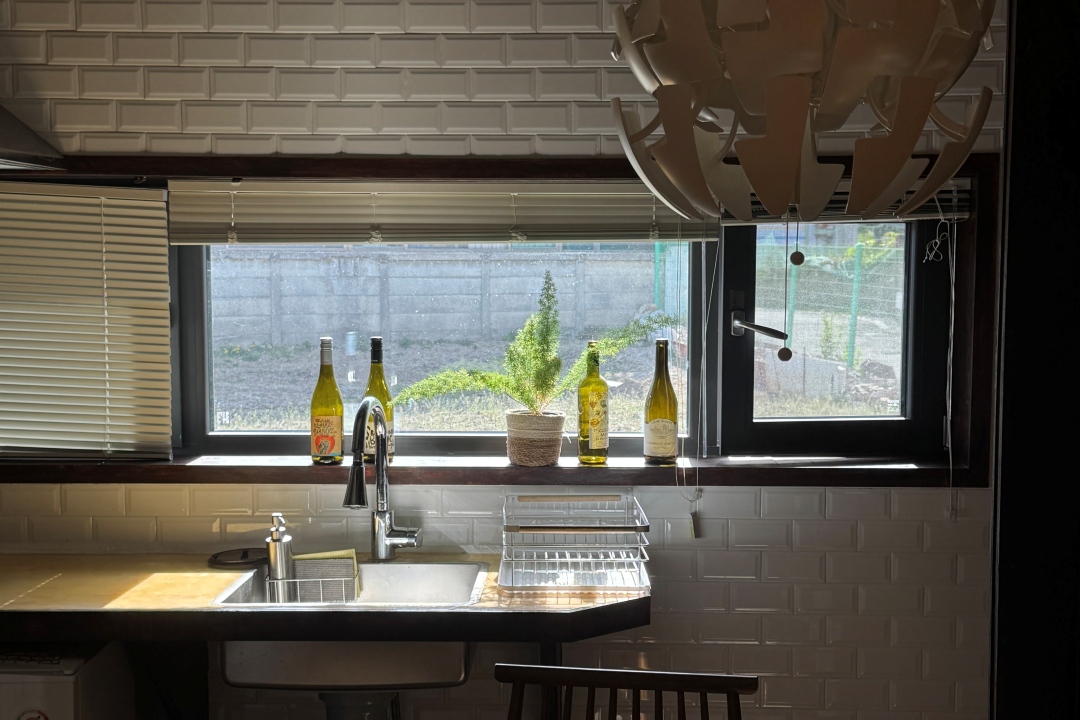
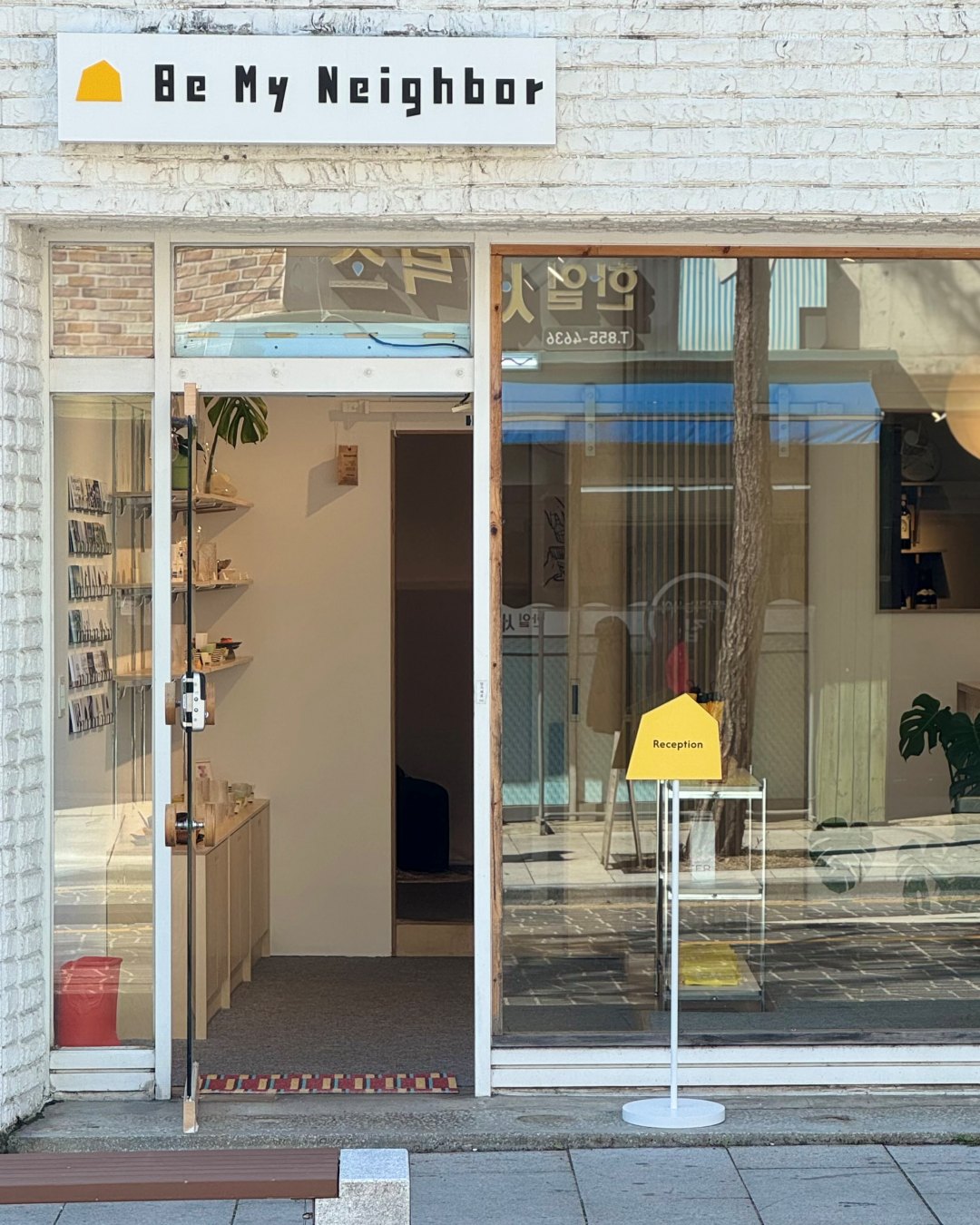
I understand the reception space of Village Stay used to be a village information center and wine bottle shop called Cream. What has changed since then?
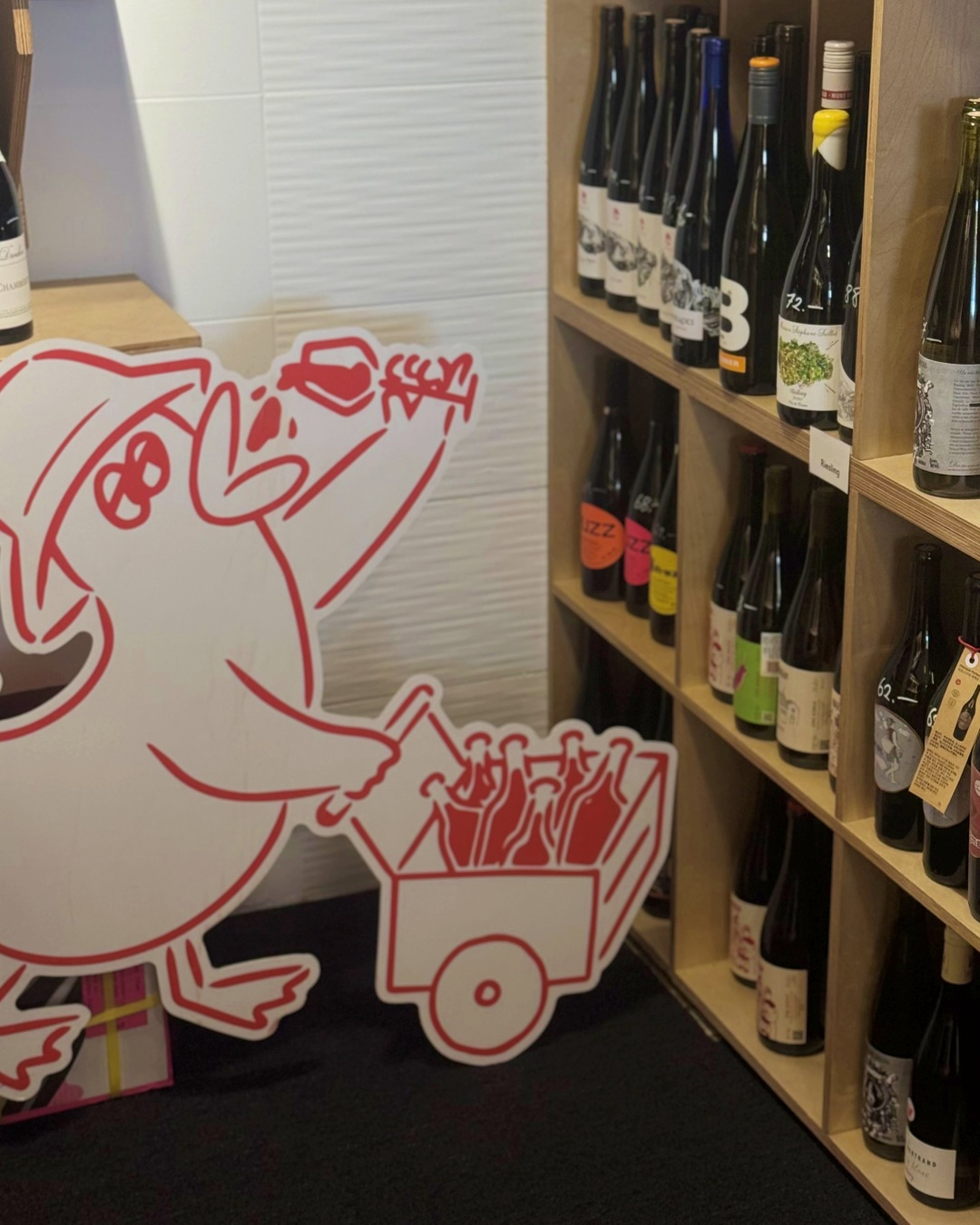
The essential character of the space hasn’t really changed. But previously it operated on a reservation-only basis, which made it hard for travelers to drop in freely at any time. With the recent renewal, we switched to having staff on-site at all times. This also allows the existing wine bottle shop to serve customers continuously. In particular, we greatly strengthened the reception functions of the village hotel. We introduced concierge services like luggage storage and village guidance, and on one side, we display curated local goods and living items.
Were there any reference cases or spaces that influenced you when starting the village hotel?
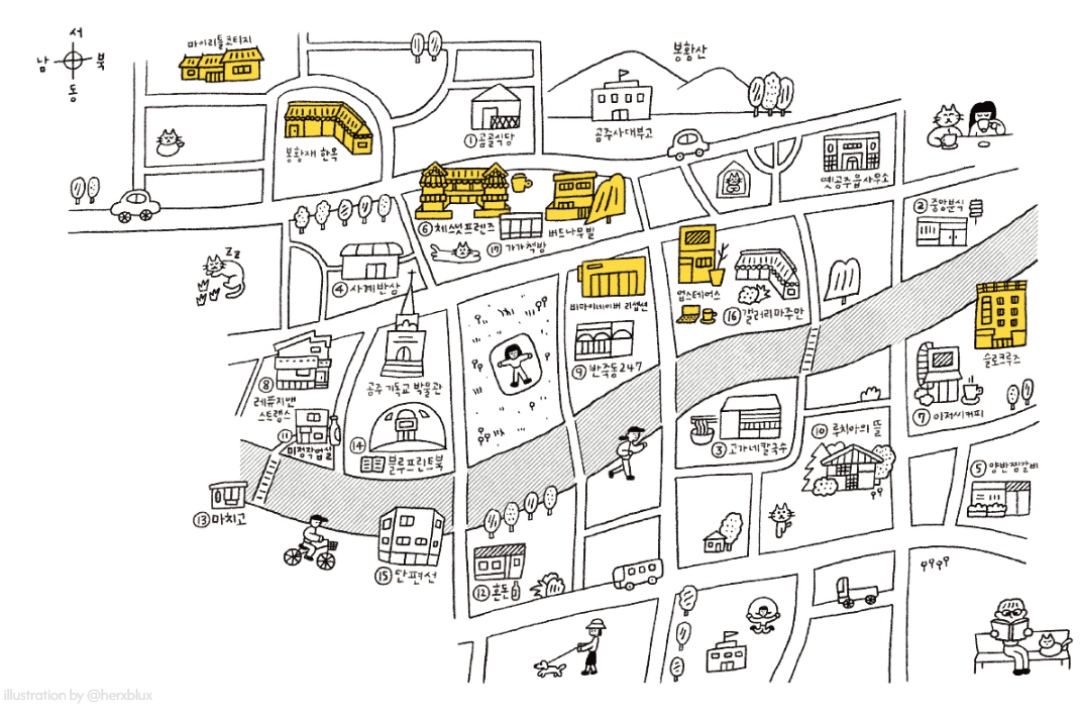
The concept of the village hotel first began in the 1980s in Italian countryside villages with Albergo Diffuso, and today you can find examples in Japan, Korea, and many other countries. Last summer, during a workshop with Puzzle Lab, we had the chance to visit *HAGISO in the Yanaka (谷中) area of Tokyo, Japan. What impressed us wasn’t the space itself but the way it connected the local community and people. We referenced HAGISO when setting the operational scope of our village hotel. We set the hotel’s scale to a range visitors could cover on foot, and made a village map to match. Lodgings, cafés, restaurants, workshops, and galleries are all connected along a single route, allowing visitors to experience the whole area.
HAGISO’s check-in service was also fascinating. For about an hour, they call out each visitor by name one by one and talk with them about where they’re from and why they came to the area. Rather than simply showing guests to their rooms, they use a friendly approach to understand each visitor’s interests and purpose of travel, then offer tailored information. We were deeply impressed that it felt less like a lodging service and more like forming a new relationship. Due to various practical constraints, we can’t implement this right away, but we hope to someday offer a similar service at Be My Neighbor.
*A space run by Hanare, the village hotel in Yanaka. The first floor is a café and gallery, and the second floor is a reception lounge for the village hotel’s guests. It was also featured in Pitch by Magazine Issue 18’s Tokyo Local Travel Report.
Were there any unexpected difficulties in running the business?
The biggest challenge is definitely facility management. Unlike a regular hotel, our rooms are the size of entire houses, so managing them takes a lot of effort. On top of that, since we regenerated abandoned vacant houses and old buildings into lodgings, we have to keep caring for them with constant attention. As the number of rooms grew, reservation management also became quite a task. We recently built an integrated online reservation system and created our own website. Thanks to that, guests can now use the reservation system conveniently, and management has become much easier for us too.
What kind of place is the Jemincheon area within Gongju?
If I had to describe it in one word, it would be ‘calm.’ Around Jemincheon stream, which runs through the center of the village, distinctive bookstores, galleries, workshops, and restaurants are gathered close together. Rather than drawing attention with flashy signs, each place quietly builds its own story in its own corner. Here, you don’t need to study a map and search diligently. If you just walk wherever your feet take you, you’ll come across gem-like, beautiful spaces as if they were little gifts.
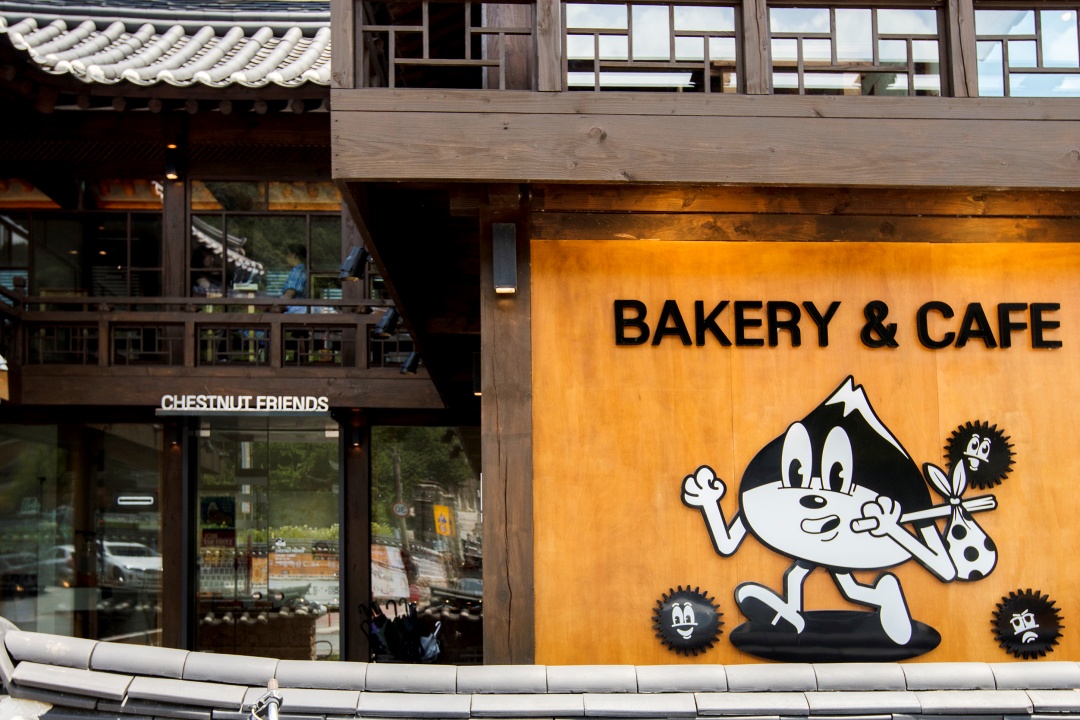
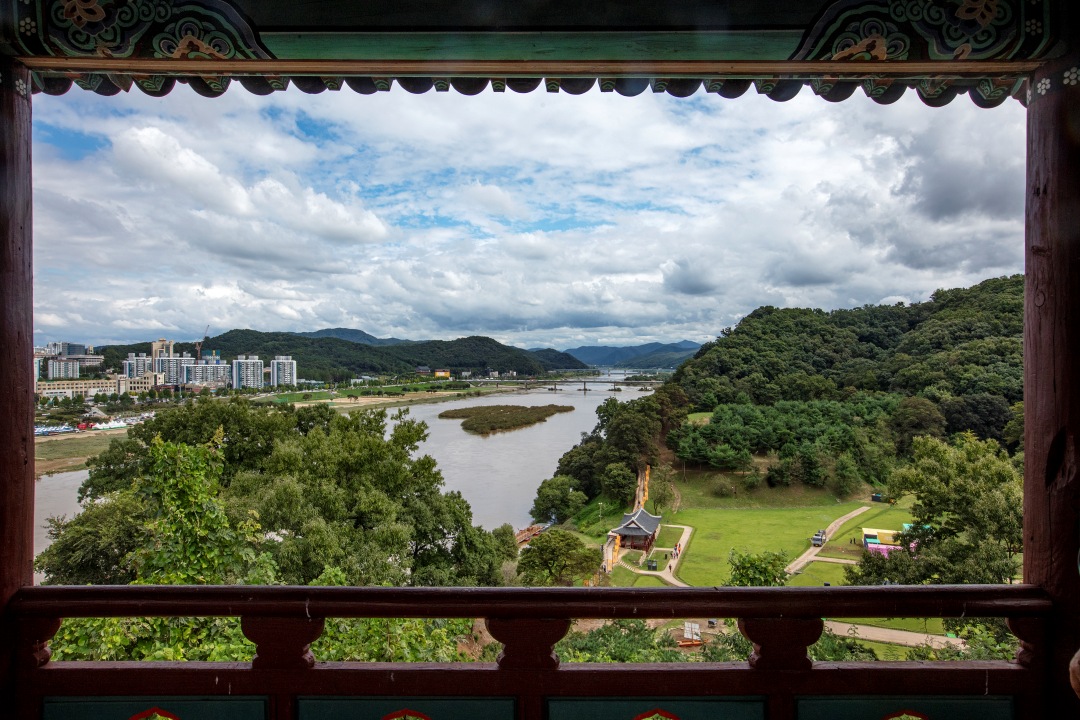
For travelers who want to experience Gongju like a local, could you recommend some things to do?
Trust me and just follow these steps. First, stop by the Be My Neighbor reception to get information about the neighborhood. They provide a free neighborhood map, and if you'd like, they'll also recommend places to visit or things to do. Try renting a ‘Baekje Ssing Ssing’ public bicycle from Gongju City. It's free and easy to use. Pedal your way through the charming alleyways, then spread out a mat on the banks of the Geumgang River and spend some time just relaxing. Don't miss out on the romance of the evening, either. Once night falls, stop by the traditional liquor cocktail bars ‘Hondon’ or ‘Stranger Than Paradise.’ After exchanging a few words with the owner, you might suddenly find yourself feeling like a neighbor in this town. That's the charm of Gongju — striking up a natural conversation with the person next to you. Or, sip on a drink infused with the flavor of Gongju while quietly reflecting on your day, and you'll find yourself falling deeply in love with this town. If you're staying one night or more, I recommend waking up early and starting your day with a refreshing run. Jog lightly for about 15 minutes while listening to the sound of the Jemincheon Stream, and Gongsanseong Fortress, a UNESCO World Heritage site, will appear before you like magic. Don't miss the happiness only those who've stretched atop Gongsanseong Fortress while admiring the view of the Geumgang River can know. Head back to a local bakery café, and there's no more perfect morning than enjoying freshly baked chestnut bread with a cool cup of coffee. Before heading home, stop by a boutique shop to pick up a souvenir that reflects your own taste, and your memories of your Gongju trip will become even more special.
What kind of experience do you hope travelers have through Be My Neighbor?
These days, when people travel, they often rush around checking off hotspots saved in map apps like it's homework. Here, at least, I encourage you to put your smartphone in your pocket for a while and walk leisurely with just our ‘Be My Neighbor Guide Map’ in hand. The true charm of Jemincheon Stream isn't found in speed, but hidden in each slow step. But what if you miss a place you wanted to see? That's okay — you can just come back. (Laughs) When you return a second or third time, there will come a moment when the familiar neighborhood scenery feels warmly welcoming. I sincerely hope that travelers who come here will gradually immerse themselves in this place, and that we can all become warm ‘neighbors’ to one another.
Besides Be My Neighbor, is there another village hotel you've experienced in Korea or abroad that you'd recommend?
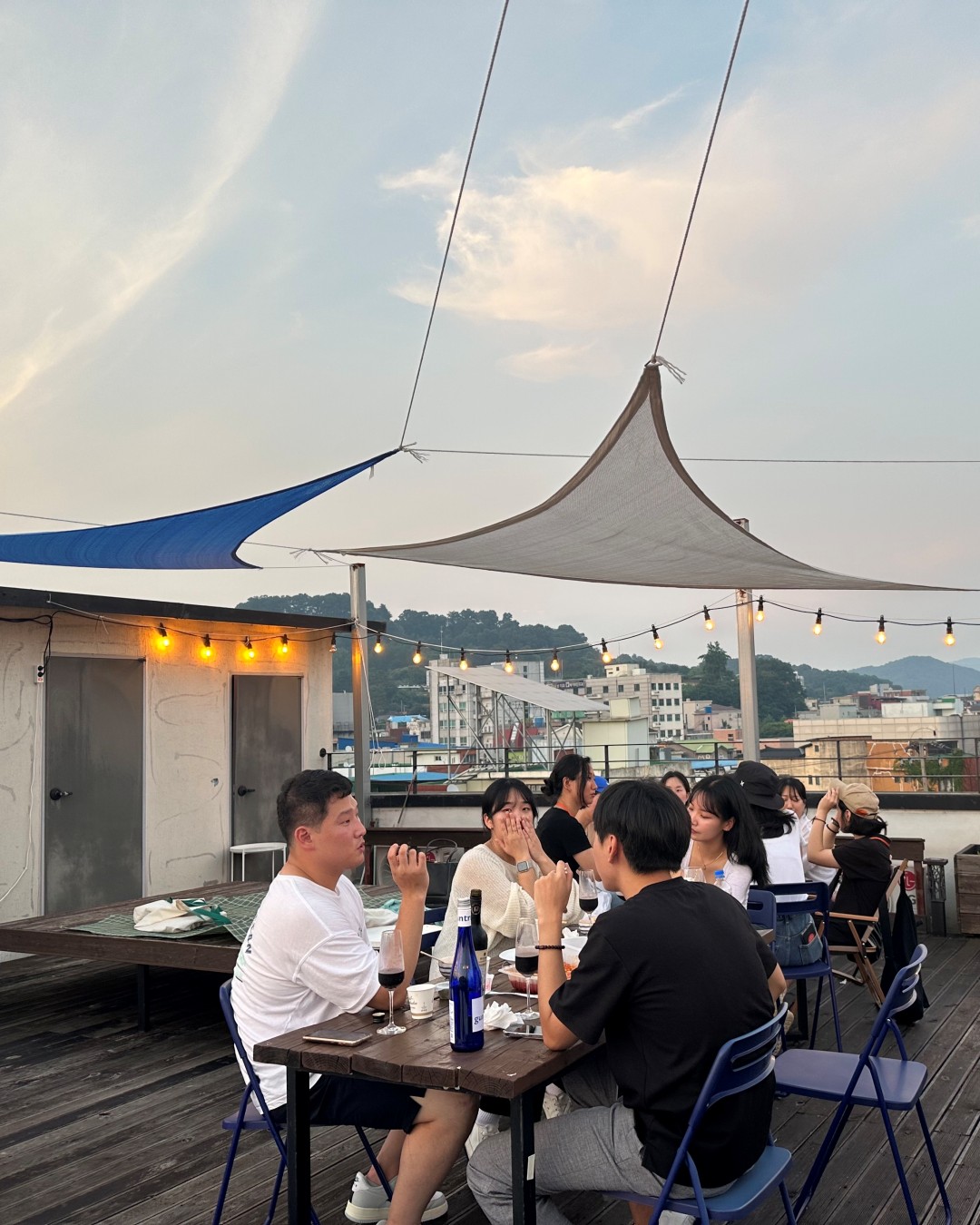
SEKAI HOTEL near Osaka, Japan comes to mind. It's not just accommodation — it operates as part of a project aimed at revitalizing a declining local market. The guest rooms, reception, restaurant, and public bathhouse are all scattered throughout the market, so guests naturally end up wandering through every corner of it during their stay. You get to experience the market's food and shops while also connecting with the daily lives of local residents. The room rate includes a public bathhouse pass and breakfast, plus welcome food is provided, which made for an incredibly satisfying travel experience. It's also conveniently located near a subway station. Like Hagiso, check-in here takes about 40 minutes, during which they tell you about the market's history and worthwhile places to visit, even do a simple fortune-telling reading, all in an effort to understand each traveler's tastes and interests — I found that really impressive. Visiting an izakaya near the market in the evening was also an unforgettable experience. When I mentioned I was from Korea, they played Korean music, and other customers at the bar naturally struck up conversations with me. Looking back, what I experienced at SEKAI HOTEL wasn't the building or facilities, but ‘relationships.’ It was an experience where the hotel connects with the local business district, and travelers connect with residents, creating new stories together. Through this, I could glimpse the possibility that a village hotel could become not just a simple lodging business, but a platform connecting a region and its people. The village hotel along Jemincheon Stream in Gongju also aims to create an experience where local spaces, merchants, residents, and travelers naturally connect with one another.
Lastly, could you tell us about any projects you're currently working on?
Since this year, I've been running Gongju City's F&B Startup Support Center. Personally, I believe this project will serve as an important foundation for discovering and supporting entrepreneurs who will help build the village hotel together going forward. A village hotel isn't completed by accommodations alone — it's an experience created together by various players running restaurants, cafés, workshops, and cultural spaces. Through the startup support center, I hope to meet entrepreneurs taking on new challenges in the region and work together to create a Gongju-specific neighborhood experience. Recently, I've also been preparing a village hotel stay-plus-tour package to coincide with the Lodging Festa period (June 11–July 31). We're preparing a program that will let travelers visiting Gongju experience the charm of the region in depth at a more reasonable price, so please stay tuned.
+ 4 Places to Stay at Be My Neighbor, Recommended by Manager Son Gyujin
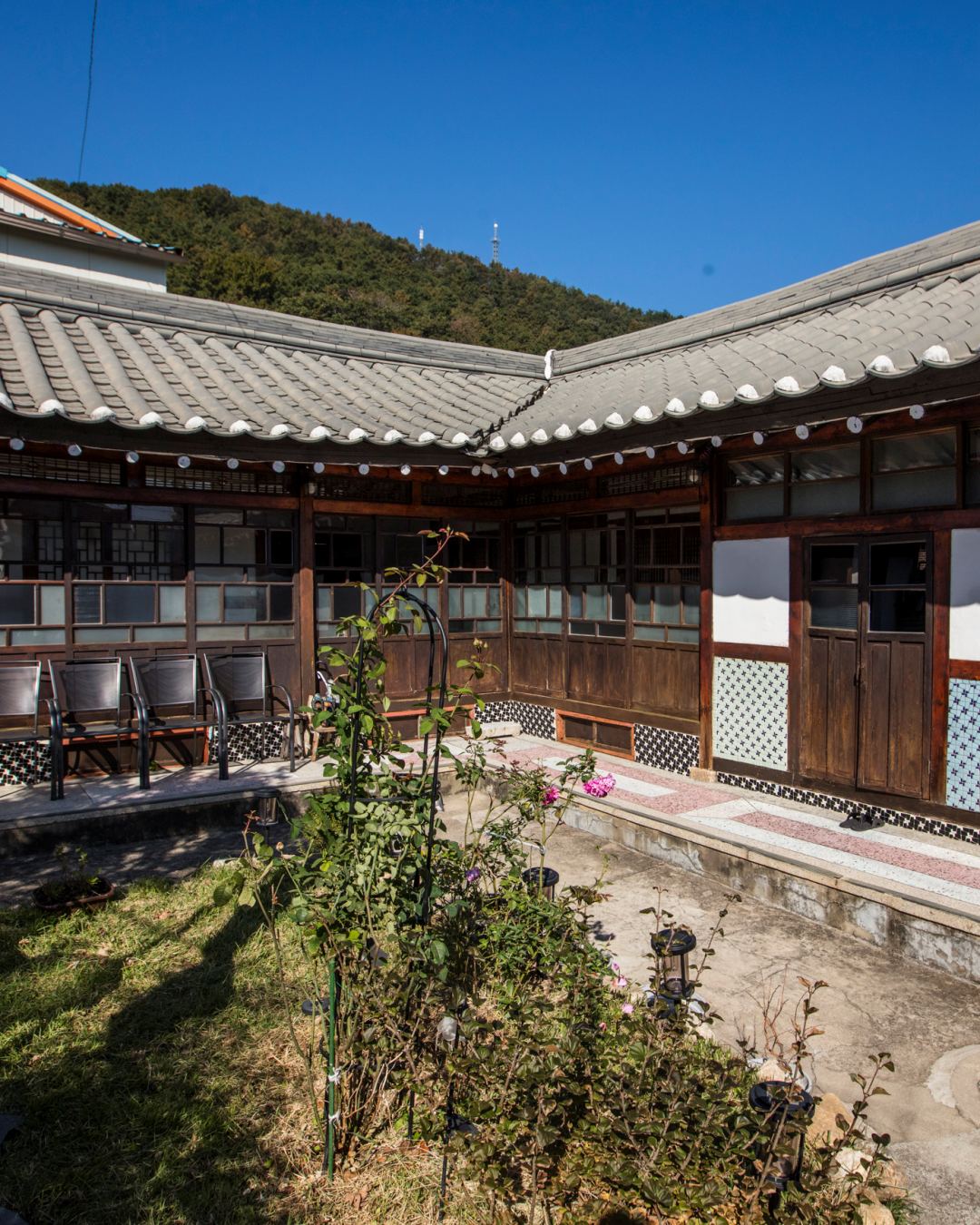
➊ Bonghwangjae Hanok
A hanok guesthouse with four rooms. Just sitting on the tranquil wooden porch and feeling the gentle breeze is healing in itself. It's a space I love so much that I sometimes lie down on the porch to rest myself.
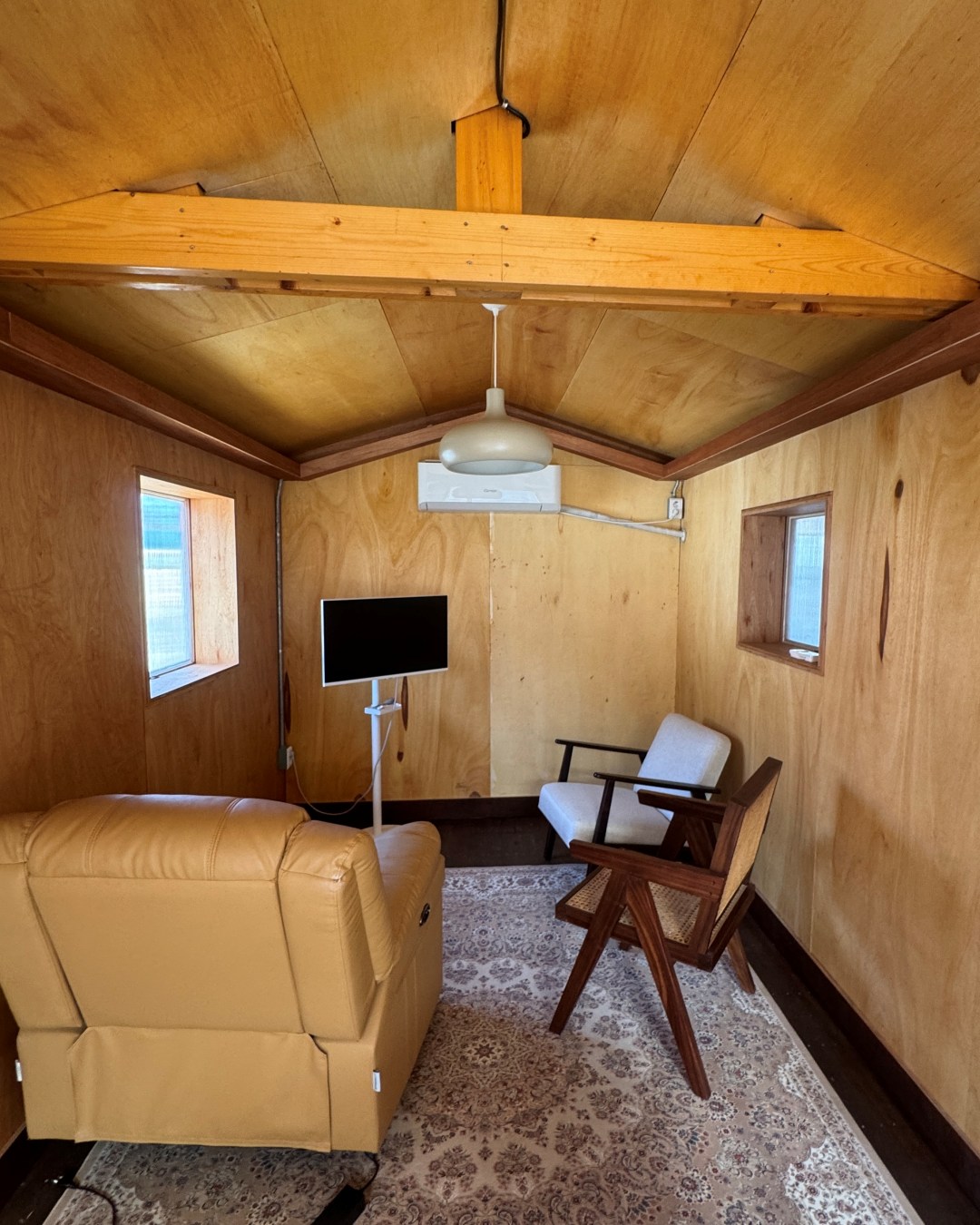
➋ My Little Cottage
If you want a private retreat, I recommend My Little Cottage, a standalone house. It's an independent space reserved for just one group (2–3 people), so you can enjoy undisturbed time with your companions.
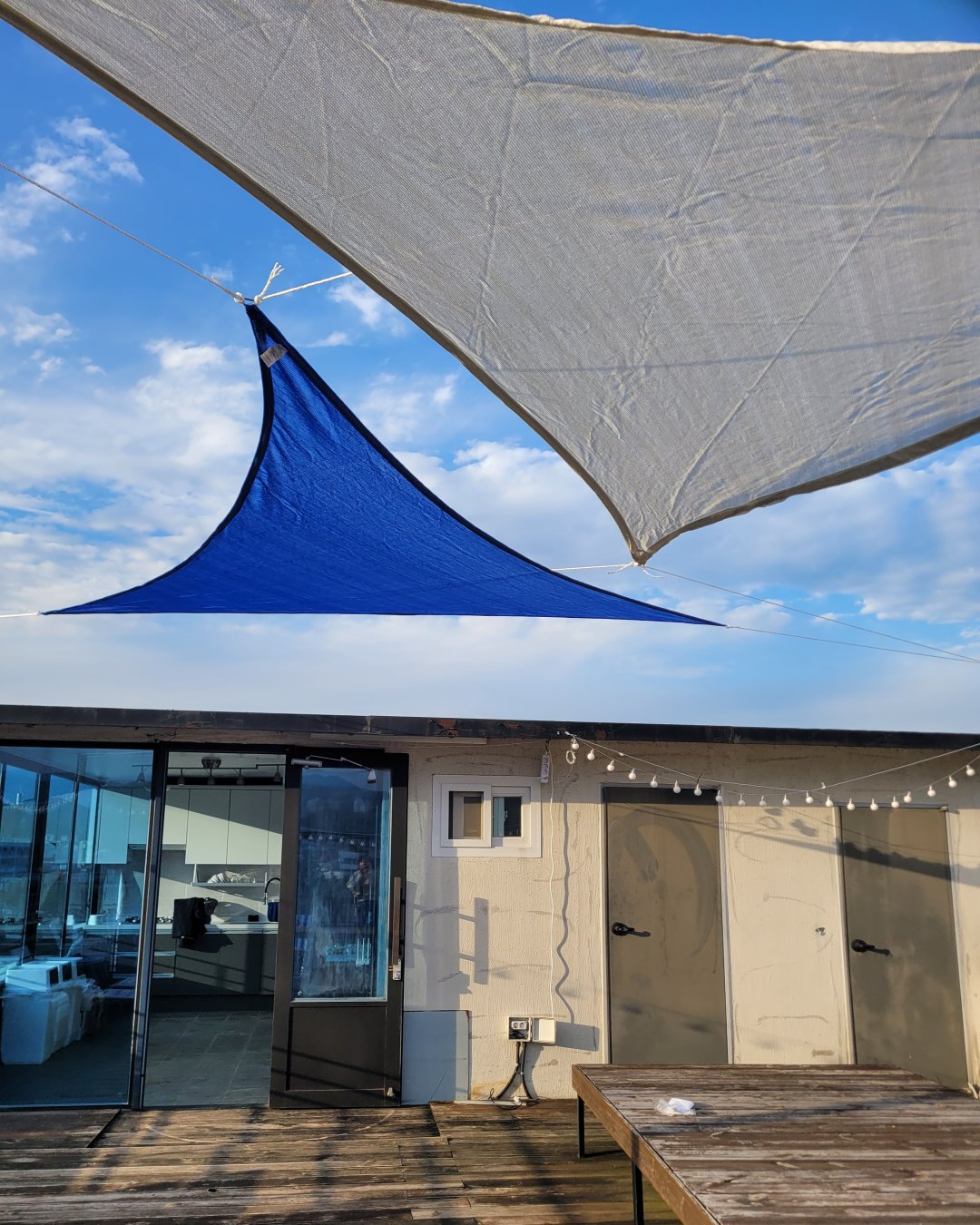
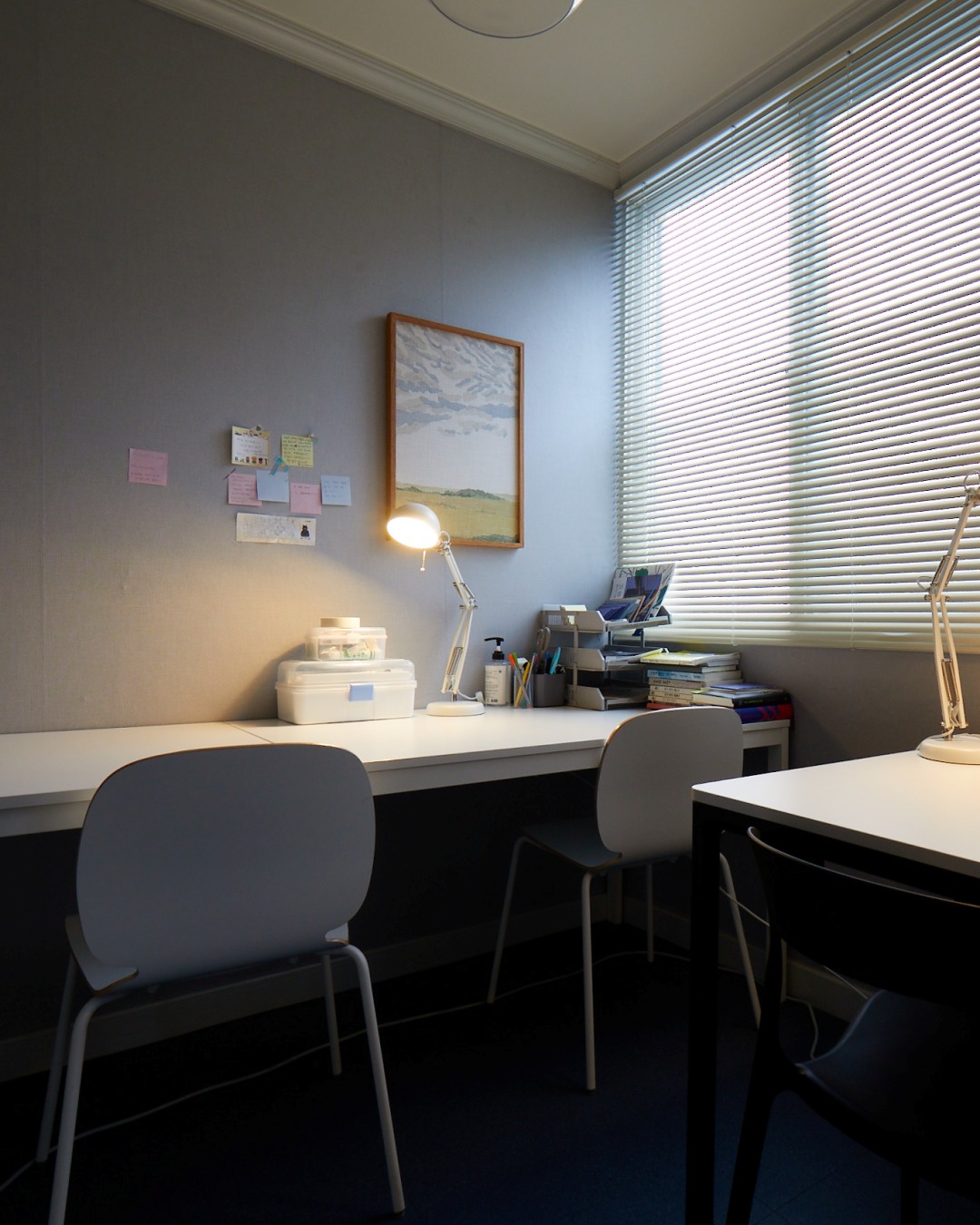
➌ Slow Cruise
A guesthouse renovated from an old inn in the neighborhood. With room types ranging from single to quadruple, it's perfect for solo travelers or those who prefer a light, compact trip.
➍ Beodeunamu Vill
A mid-to-long-term rental share house converted from a former boarding house. It attracts people who want to stay for anywhere from a week to over a month, or those looking to try living in Gongju before actually moving there. It also serves as a base for interns from nearby hospitals or schools.