Between Disconnection and Connection — A Journey to Somewhere in Between
Inner City, in Seoul’s Jeongneung neighborhood, is a retreat center where you can stay overnight. In a renovated 100-year-old house, it offers the disconnection and sense of security that complete a journey.
Between Disconnection and Connection — A Journey to Somewhere in Between
At Inner City, tucked into the foothills of Bukhansan in Seoul, we all become strangers.
Interviewer Parc Jinmyoung
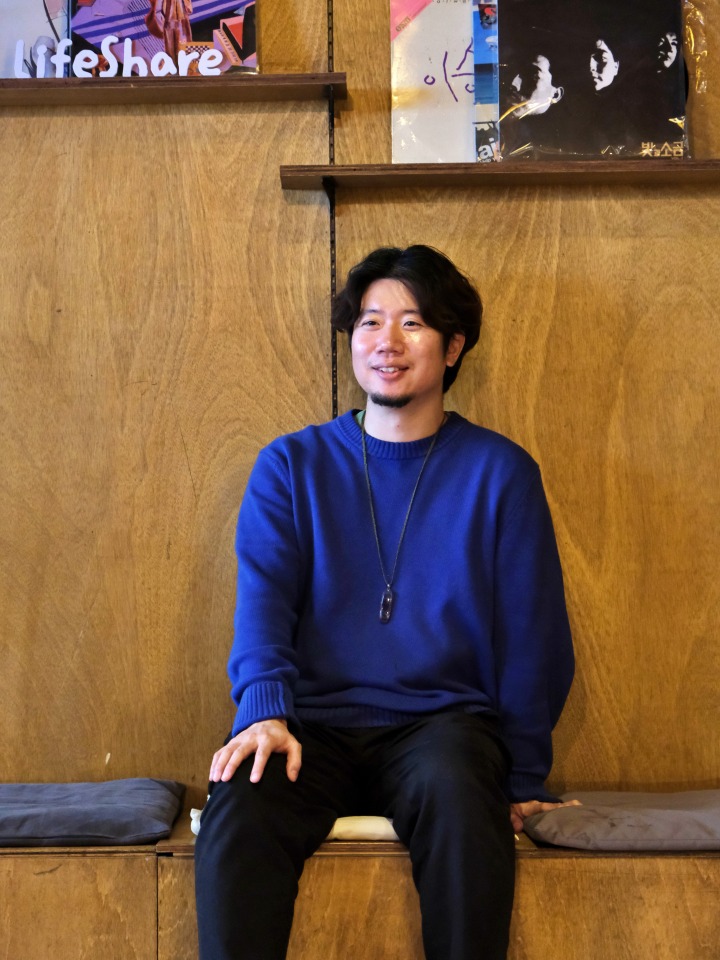
Interviewee Choi Jaewon (Founder, Inner City)
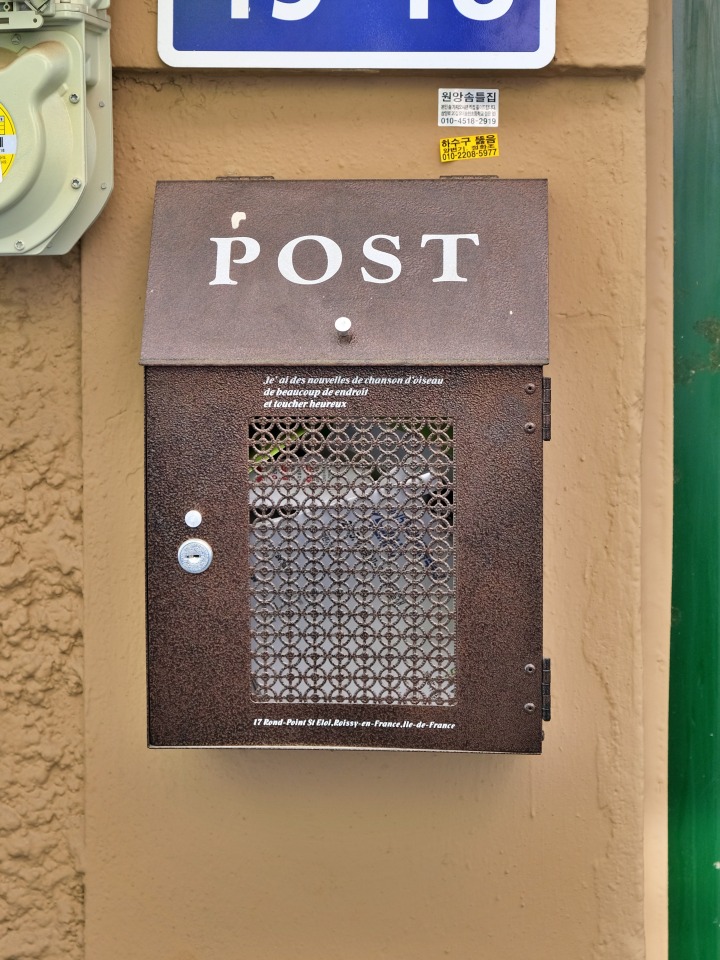
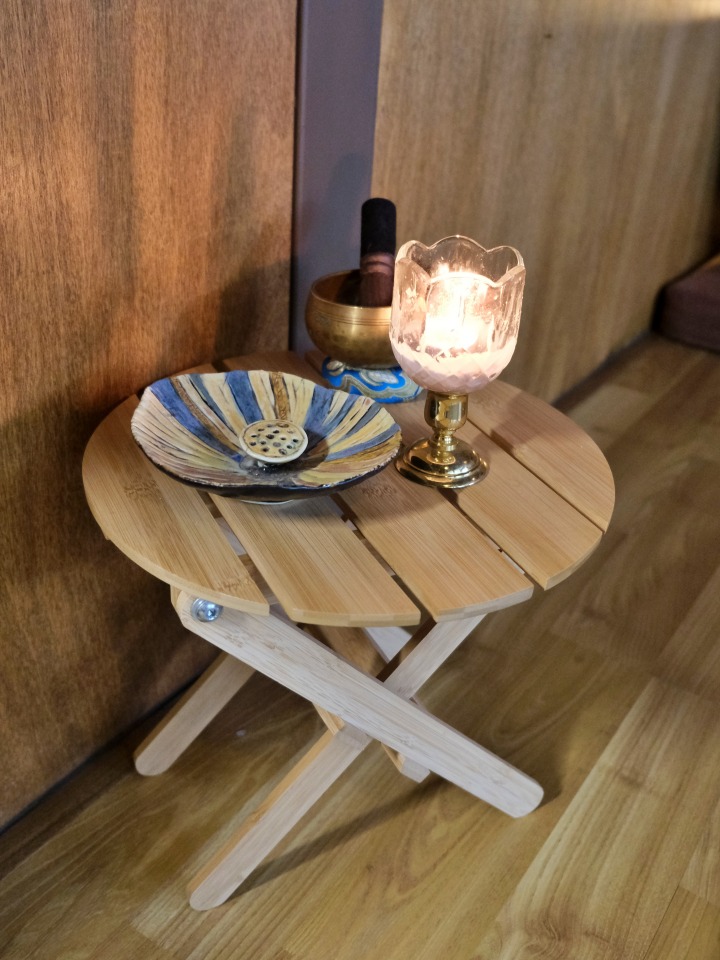
Near Jeongneung Market in Seoul, behind a building on a main road, a narrow flight of stairs leads down into a residential neighborhood. I made my way through an alley so tight that two adults walking side by side would fill it, until I found a green gate. I had arrived at Inner City, a retreat center. “Knock. I’ll be out within a minute,” read a sign on the gate, so I knocked. Choi Jaewon, Inner City’s founder, opened the door. Inside was a space that looked like a hanok, or perhaps a traditional Southeast Asian house. Only the natural light falling from the skylight above the kitchen and a few softly glowing lamps lit the room. Whether it was the dimness or the exotic scent of incense, I suddenly felt like a stranger.
“It used to be a house with three rooms and a courtyard,” he said. The previous owner had filled in the courtyard to make a kitchen, and the walls dividing the rooms were knocked down to create a large, studio-style living room. Inner City is used in many ways, from overnight stays to private rentals. There is one bedroom with a double bed. When I asked whether only one group can stay at a time, he answered that bedding is also prepared so that guests can sleep together in the living room, like in a mountain shelter or lodge. Inner City hosts small concerts with musicians, along with programs for spending time alone, such as tea, yoga, meditation, drawing and writing. Which traveler will pass through today?
What led you to create Inner City?
During my office-worker years, which were close to hardcore, I came up with my own way of taking small trips. Rather than spending my time waiting for the day I could go far away, I decided I should travel often and briefly, and that’s where the idea came from. A small trip is a ‘Fake Trip’: you don’t go far, yet you experience a complete break from everyday life. In a word, it’s about getting the feeling of traveling, short but intense. I figured there might be other people who travel like me, so I also published a book 1 about my experiences. Inner City is, in the end, that message turned into a place: ‘Ten small trips can change our lives more than one big trip.’
What did you do before this?
I planned and edited content that made other people shine. Right before this I made music content, and I once worked at an advertising agency. It wasn’t very different from what I do now.
Why did you settle in Jeongneung?
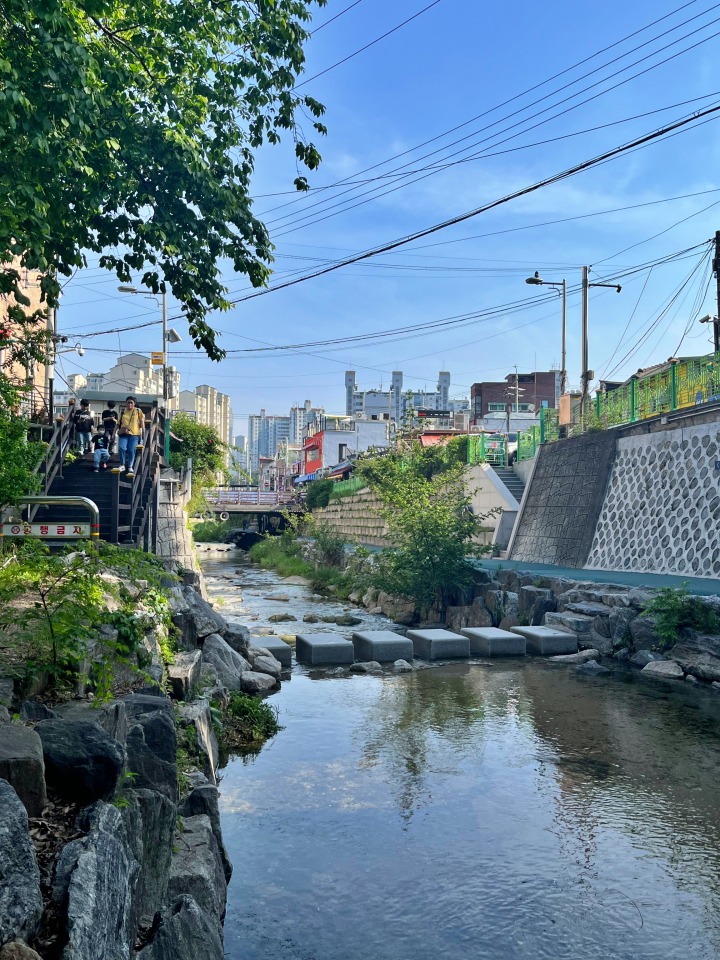
First of all, I wanted a place I could reach from home by subway. I had long loved the Seochon and Anguk-dong areas of Seoul. When those neighborhoods started to get crowded, I began taking trips to Buam-dong, and then crossed over Bugaksan Skyway to Jeongneung. I became convinced it was a great neighborhood for experiencing a small trip. It felt so new that I wondered whether Seoul still had places like this. You can walk to Bukhansan, and in Jeongneungcheon, a Grade 1 stream flowing down from the mountain, children on their way home from school catch crayfish. The local feel of the restaurants and cafés is fun, and since many artists work here, you can find fresh inspiration everywhere. Above all, prices are low (laughs). Even a slight step outside my usual radius was enough to give me the feeling of being completely separated from everyday life.
1 ‘Small Trips, I’m Off’ (Jageun Yeohaeng, Danyeogesseumnida), 2017, published by Humanist
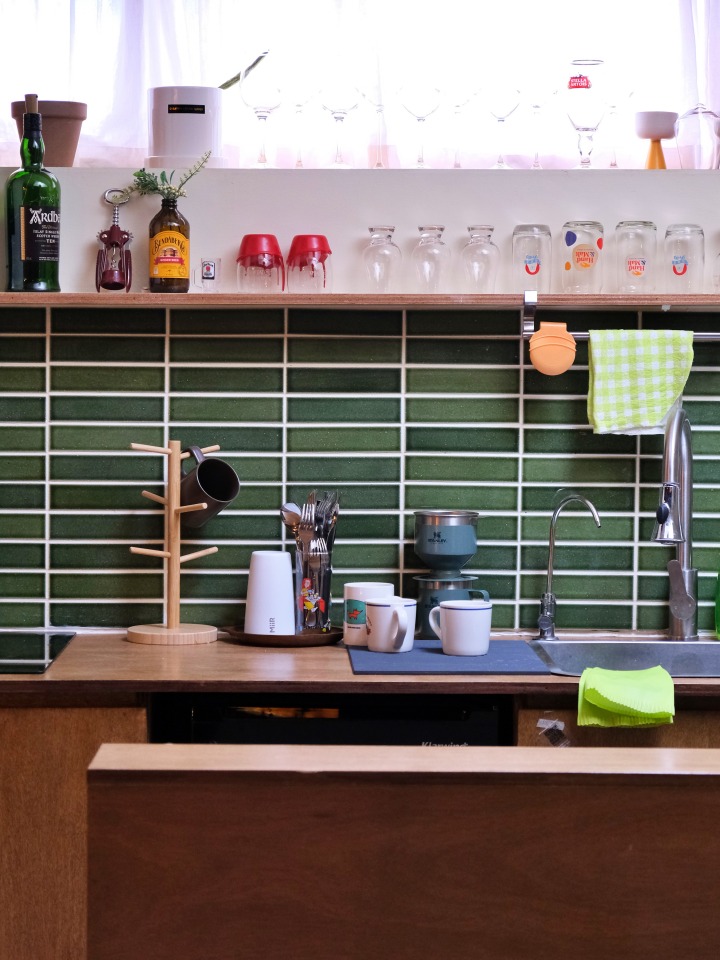
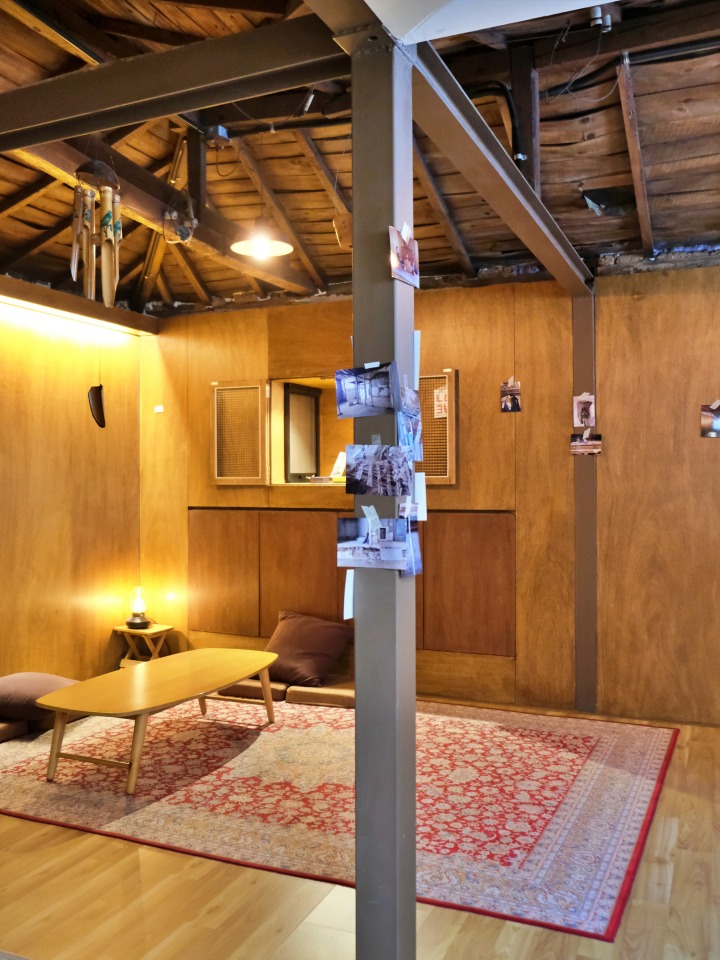
I hear you renovated the vacant 100-year-old house yourself.
Judging by its architecture, a curious mix of Japanese colonial-era houses and hanok, we assume it was built during the Japanese colonial period. Almost all the houses in this neighborhood take this form, and many residents have lived here for a long time, which is probably why the local character feels so strong.
I entrusted the construction to a company that builds with zero-waste methods. They preserved the building’s original form as much as possible while working to reduce waste. I helped with the interior and with the detailed parts that bring back the space’s original function. Most of the plywood used in the interior was recycled, and where the traditional fireplace used to be, I placed a light you can stare at like a campfire.
What is the interior concept?
I wanted a completely different world to open up the moment you step through the door. I used objects I’d bought on my travels and vintage furniture to create a space where weary people feel both unfamiliar and secure, like the shelters and mountain lodges you meet while trekking in Nepal or India. Small classes on meditation and yoga are held here often, so I think my intention comes through well in the interior.
Which project stands out most in your memory?
For our first project, I gathered people who wanted to read and write. Sitting together, we frankly confided the mistakes and secrets we had each kept in our hearts, and by empathizing with one another we quickly grew close. Sometimes it’s actually easier to open up to a stranger and confess your weaknesses. Isn’t it interesting that in a space people come to in order to cut themselves off from the outside world, they end up closely connected to someone?
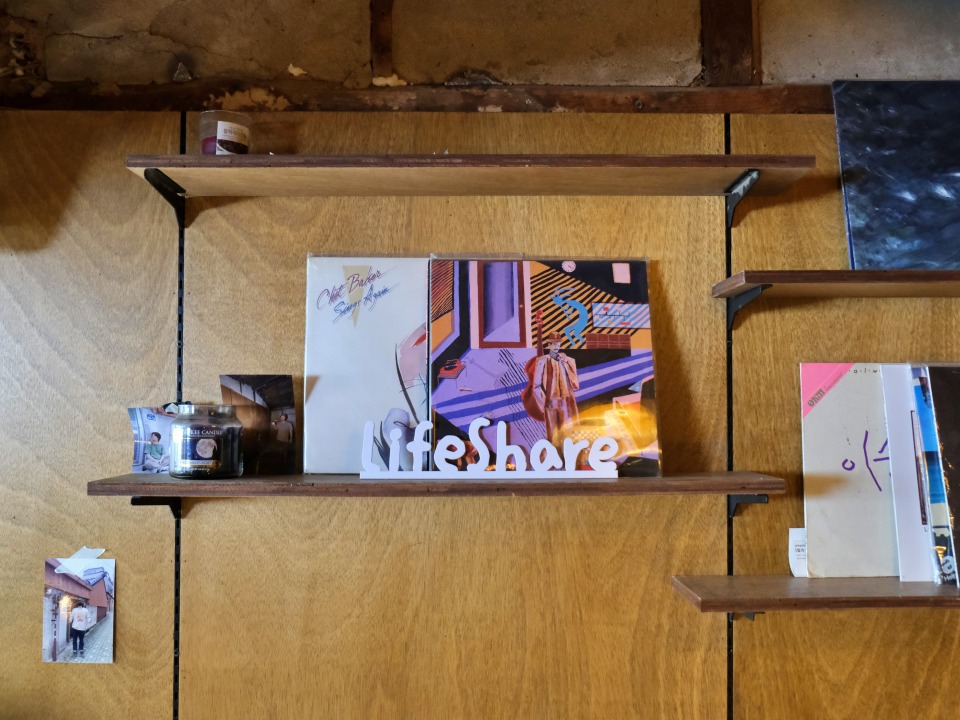
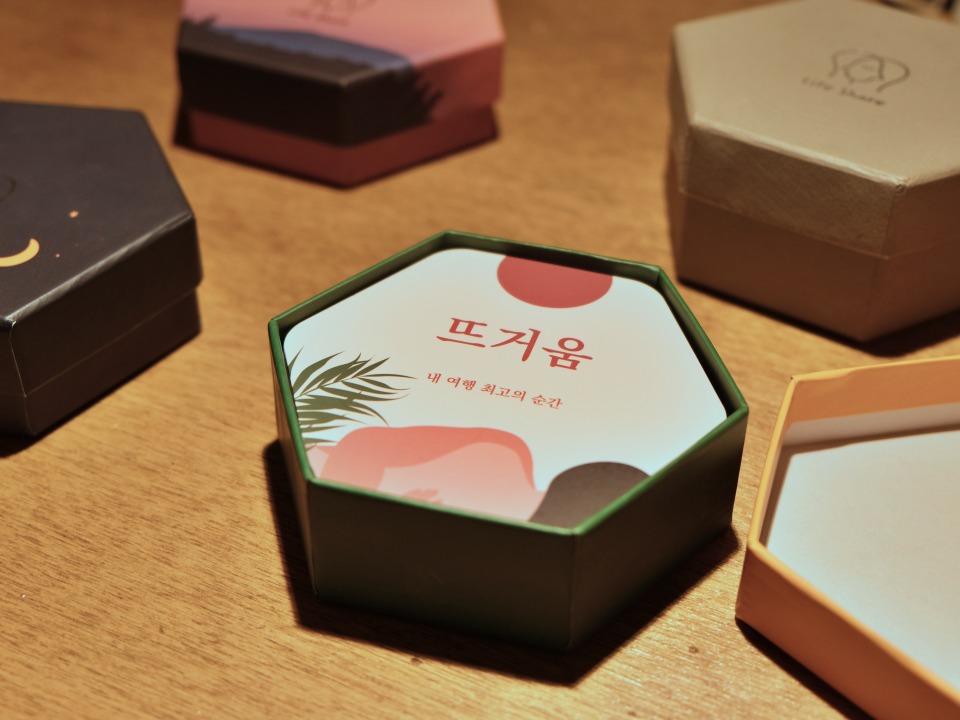
You also run the 2 ‘Lifeshare’ project, which connects people. Isn’t that the opposite of Inner City?
Lifeshare grew out of a project of questions that I tried while I was still working at a company. In my thirties, I felt frustrated with myself for stumbling over even the smallest pebble. I also had no one around me to easily confide my struggles in. At the time I was an Airbnb host, and I began asking foreign travelers questions about the essence of life and their values. While exchanging questions and answers, I found my frustration and gloom easing. Later I gathered people through Facebook and started a community with the same concept, which grew into the Lifeshare brand. Now it’s a more professional, advanced service, and we also run corporate culture workshops and training.
2 Lifeshare, launched in 2015, is the prototype of Inner City, a brand that runs content and projects on conversation, writing, meditation, expression and travel.
I’d like to hear more about small trips. What is their essence?
It’s staying overnight, no matter how close to home you go. When you travel, there is basically an anxiety that comes from having left home. Then, once you settle into your lodging and feel the relief of not having to go back, that’s when the real trip begins. You start noticing the faces of the people who live there and feel the atmosphere of the neighborhood. In the end, what a trip needs is disconnection and a sense of security. In that sense, I strongly recommend a small trip you leave for on a half-day off. You can stay one night near where you live and go straight to work the next day.
Where did you go on your most recent small trip?
Commuting to and from Inner City every day is a small trip in itself.
Is there a destination that stays with you?
Three months ago, I went to the Shambhala Festival in Chiang Rai, Thailand. It’s a festival where Asian hippies gather in nature to talk about meditation, yoga, music and more. I camped for ten days, found a connection with nature, met like-minded friends and enjoyed it all peacefully. I also held a Shambhala after-party at Inner City to remember what I learned there.
Finally, what future do you dream of?
I have two books coming out this year. One is about questions and conversation, and the other will probably be about travel. I’m also preparing to open another Inner City in Hapjeong, with a different name and concept, as a new small destination. In the very distant future, I think I’d like to end up somewhere completely surrounded by nature.