
Beauty Items Good for the Planet and for People
From a scalp scrub that won't pollute the sea to a toothbrush made of biodegradable PLA plastic, here are beauty items that put sustainability first, for the planet and for your skin.
Sustainable Beauty Products — Good for the Planet and for People
In ‘Pitch by Letter’*, we run a serialized shopping-basket letter for a more sustainable way of consuming. From the items we have featured so far, we have gathered clean beauty products that minimize their impact on the environment while also being good for your skin.
Words Parc Jinmyoung
Click to subscribe to ‘Pitch by Letter,’ the sustainable travel newsletter published twice a month.
To. You who knew how to ride waves in summer but never gave a thought to your hair
There was a time when I was completely taken with surf culture. I couldn’t even stand properly on a surfboard, yet I longed for the surfer’s life and culture. I think I admired that free-spirited attitude that treats the blazing sun and the fierce incoming waves as no big deal. Surfers are people who believe that, out on the ocean, a human being is nothing more than a speck (though of course, that varies from person to person). I wanted to be like them, to let small things slide instead of reacting sharply to every little thing.
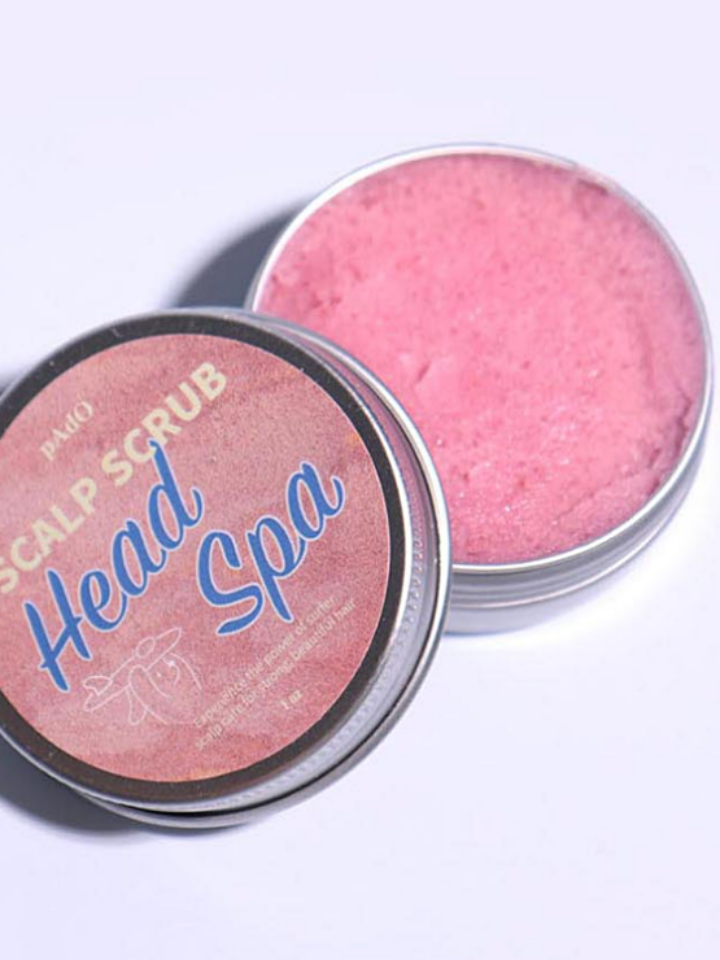
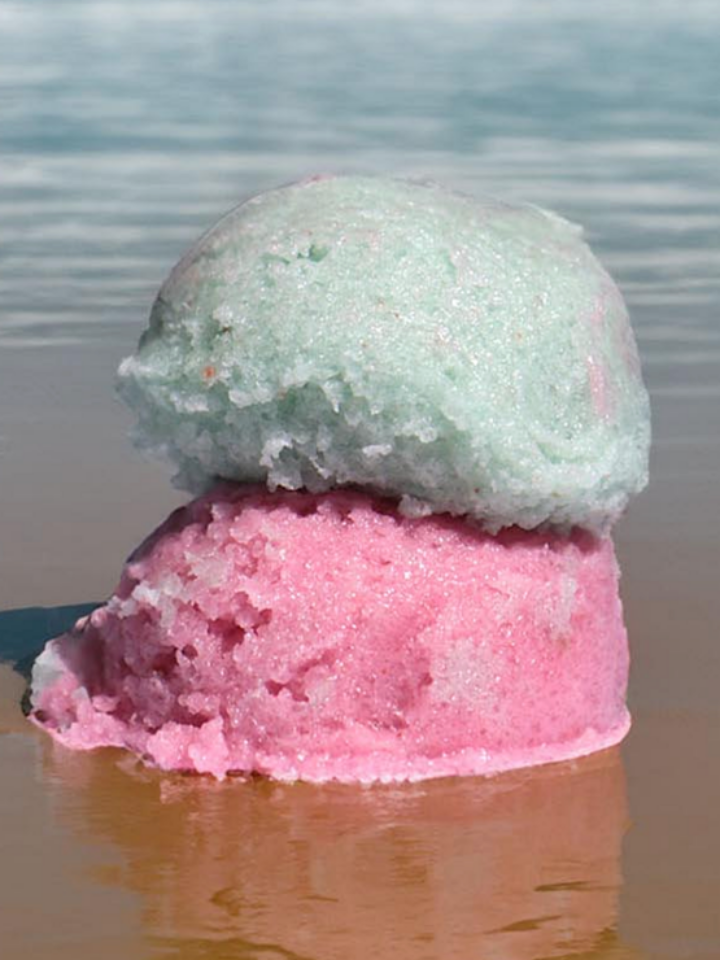
Yet there is one subject on which they turn quite solemn: protecting nature and the environment. They never stand by when something harms nature. Chae Hwagyeong, founder of Pado Studio, a handmade soap brand based in Gangneung, Gangwon-do, is no exception. It has been five years since she set out to make soap that is kind to both people and nature. What began in a small workshop has grown into a full-fledged brand. Pado Studio’s Head Spa Scalp Scrub (4,900 won) is an item that is useful not only when you surf but in everyday life as well. When you surf, hours of exposure to sun, seawater, and sea breezes can easily damage your hair. With surfers’ hair in mind, the brand followed its shampoo bar and conditioner bar with a scalp scrub.
What won me over at first sight was the aluminum case. Once the contents are used up, you just rinse it clean and peel off the sticker, and it can be recycled with ease. It is light and compact, so it travels well, too. It contains Dead Sea salt and avocado oil, which are said to replenish minerals, moisture, protein, and vitamins. It uses a naturally derived, mildly acidic surfactant that breaks down quickly even in water. Made with love for the ocean, it lets you enjoy time in the water with an easy mind while also caring for your scalp.
P.S. Synthetic surfactants are said to be a leading cause of water pollution. Before enjoying nature, I hope this summer you will take a moment to think about how the things you use on your body every day affect the environment.
To. You who love the sea
As vacation season approaches, every media outlet and brand pours out sunscreen ads. Sunscreen is also a regular guest in ‘Pitch by Letter,’ and the reason we cover it every year is the effect that UV filters have on the sea, coral reefs in particular. Coral reefs, the colonies where corals live, are home to 25 percent of all marine life on Earth. On land, they would play the role of a tropical rainforest. Oxybenzone and octinoxate, the chemicals that block ultraviolet rays, are leading culprits in stunting the growth and reproduction of coral reefs and contaminating algae. In 2021, Hawaii even banned the sale and distribution of products containing oxybenzone by law. That is exactly why you need to check the ingredients in your sunscreen carefully. The good news is that more and more beauty brands are thinking about a sustainable ocean, and technology is advancing along with them.
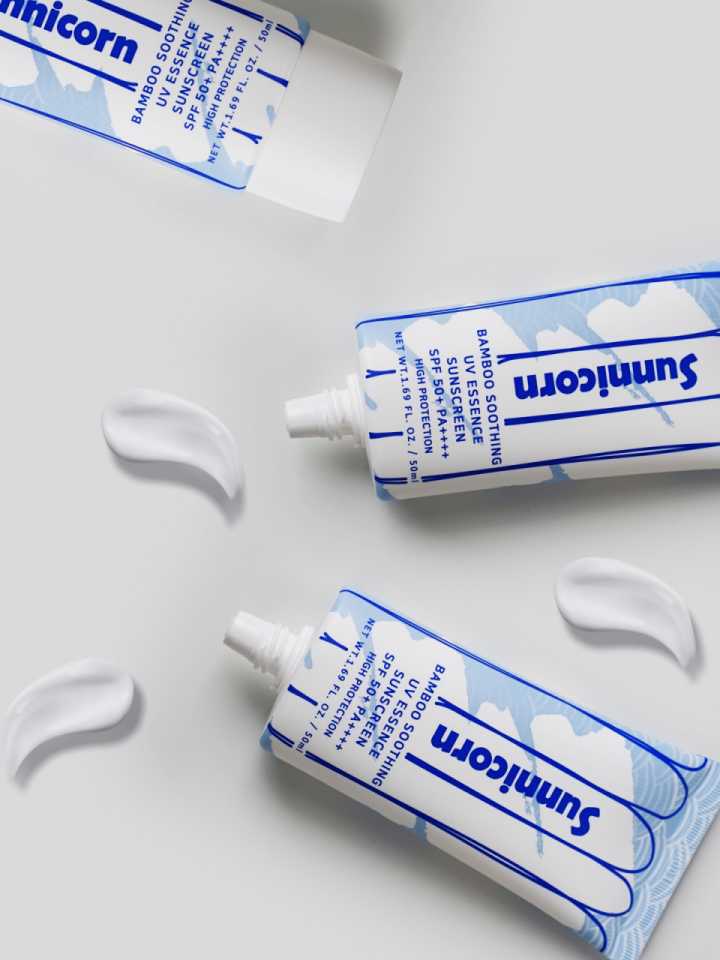
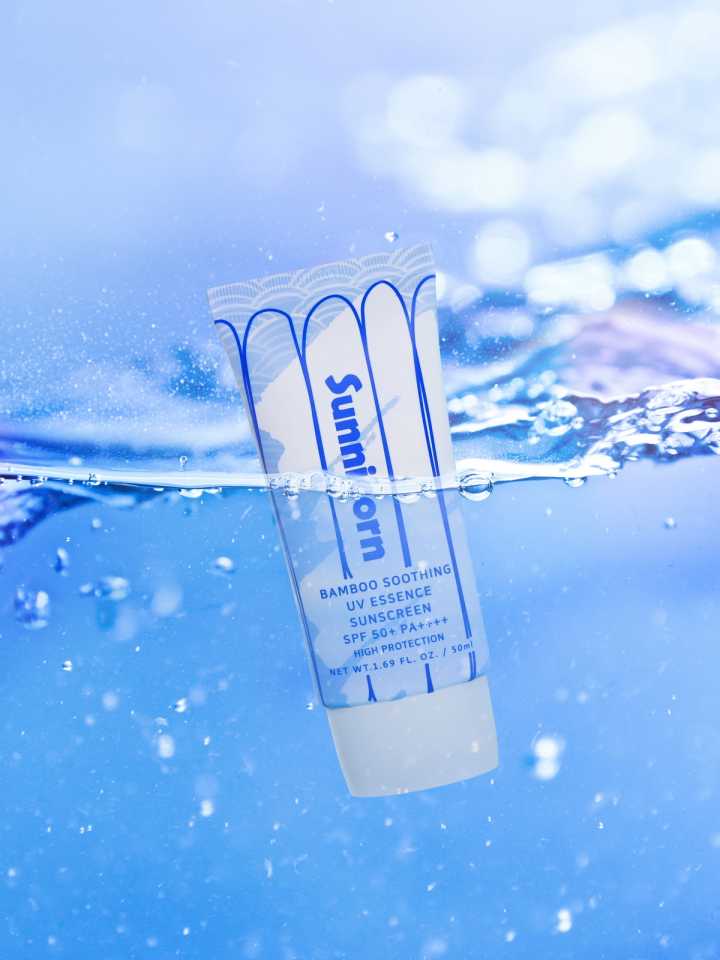
The product I discovered this year is Sunnicon’s Bamboo Soothing Sun Serum (28,000 won), which stands out for its sustainability, from ingredients to packaging. As the name ‘sun serum’ suggests, its water content is so high that you can use it in place of a moisturizer. It uses moisture and soothing ingredients extracted from “ugly” potatoes and carrots that couldn’t be sold, along with bamboo. And of course, it contains only reef-safe ingredients. The reason Sunnicon takes the sea so seriously is that it is a beauty brand created by a diver. While scuba diving, its founder saw the ocean polluted by mountains of trash, became interested in products for a sustainable ocean, and now steadily takes part in plogging as well. The package design, inspired by the traditional Korean ‘cloud pattern,’ is impressive, too. By drawing on the effect of ink, the basic material of Korean painting, it also conveys the pride of a homegrown brand.
Perhaps we already know quite well how to care for a sustainable ocean. The fact is that a single sunscreen can help save the countless marine creatures that depend on corals and coral reefs! I hope you will remember that this vacation season.
To. You who can’t give up either eco-friendliness or fragrance!!
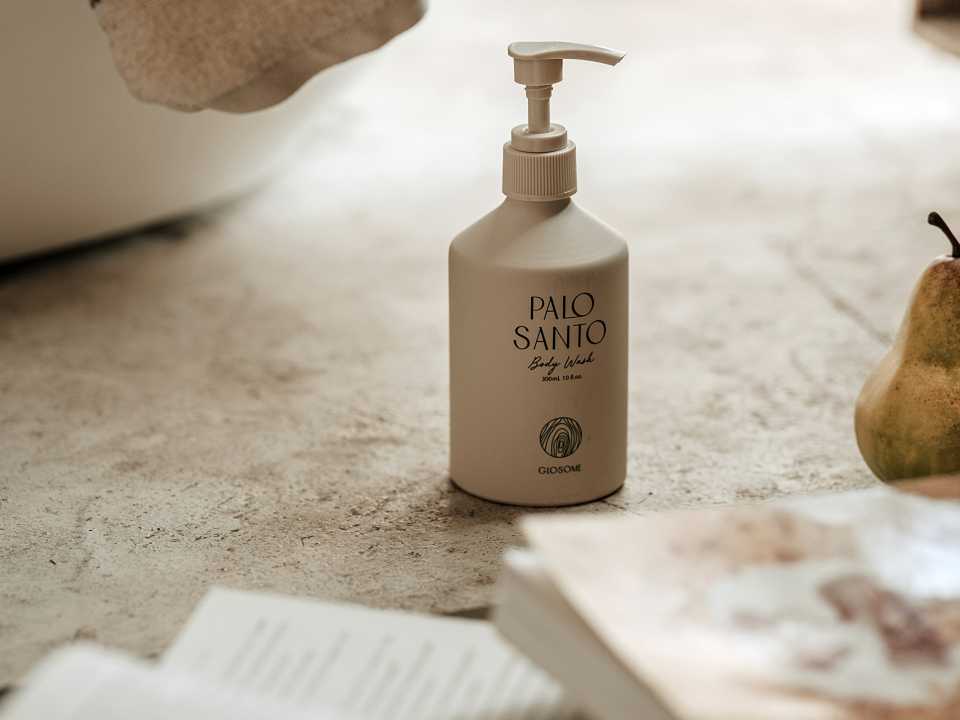
It has already been nearly two years since we began introducing sustainable products in the newsletter. We have chosen products based on what we have actually used or want to use. A year ago, I would have been amazed, thinking, ‘Oh, there’s a sustainable way to do that?’ Whenever I see such ideas now applied to all sorts of products, I can’t help feeling a little proud. Glossom’s Body Wash (33,000 won) is one of those products. It made me realize that the days when a product in an aluminum can felt fresh and new are already behind us.
Glossom is a lifestyle brand that aims for eco-luxury. Beyond choosing ingredients close to nature, it uses containers made of aluminum, which has a 75 percent recycling rate, instead of plastic, whose recycling rate is under 10 percent. The scent in the body wash is Glossom’s signature, Palo Santo. Called the ‘holy wood’ in Peru, Palo Santo is known for a natural fragrance that is fresh yet deep. Glossom’s body wash adds jasmine flowers to Palo Santo’s own aroma, leaving a subtle lingering scent (there is a hand wash in the same scent, too).
On this summer’s vacation, instead of relying on the single-use amenities at your accommodation, why not pack Glossom’s body wash? The scent alone will make you feel as if you have breathed in phytoncides.
P.S. Even if it is aluminum, it feels like a waste to use a bottle with such elegant graphics only once. Couldn’t they sell just the contents (a refill)!!
To. You who have found the downsides of bamboo toothbrushes
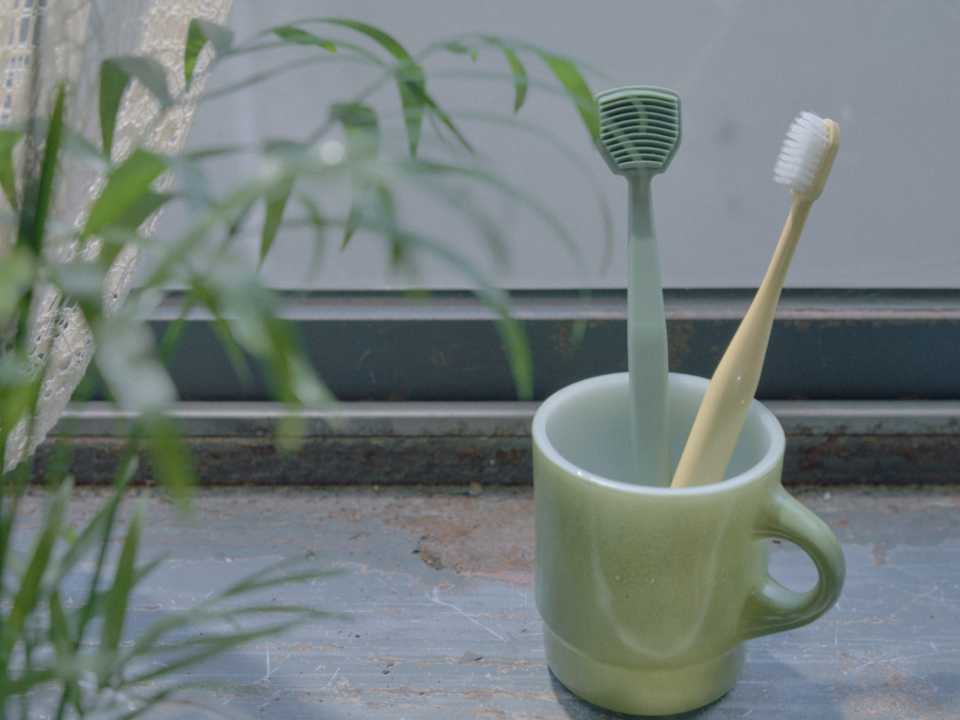
The most fatal flaw of a bamboo toothbrush is mold. Bamboo toothbrush makers recommend managing it this way: shake off the water after each use, and about once a week, let the brush dry completely in a sunny, well-ventilated spot. Soaking it in salt water now and then will keep it fresher, too. If you’re thinking, ‘Do I really have to fuss over a toothbrush?’, how about a toothbrush made from PLA, a biodegradable plastic (an eco-friendly resin made from corn starch)?
PLA is a material made mainly from corn or sugarcane extracts, and it is widely used as a substitute for disposable products. Under certain conditions (currently 58 degrees Celsius for six months), more than 90 percent of it breaks down in soil or in the sea, and carbon emissions drop in the process. The lifestyle brand Chigong (a space that creates healing and value) makes toothbrushes and tongue cleaners from PLA. Chigong was born when a father, who spent 25 years supplying oral hygiene products to dental clinics and public health centers, teamed up with his son, who had been working as a motion graphics designer in New York. The father’s know-how and experience met the son’s youthful drive and design sense, and together they became a single brand. The toothbrush is designed to reach every corner, all the way to the back molars. The tongue cleaner combines a rounded head specialized for removing tongue coating with 11 scrapers that are effective against bad breath. The package, decorated with cute graphics, is made from 100 percent recycled paper.
Opinions differ on how biodegradable PLA really is. Environmental groups argue that it is hard to maintain 58 degrees Celsius in nature, so it ends up being the same as any other plastic. Research groups counter that the standard temperature is merely a condition for biodegradability certification, and that while it may take time, PLA can eventually break down sufficiently under natural conditions. There is also talk that it falls into a blind spot of waste policy, because people are unsure how to dispose of PLA products. They can’t go into general waste bags, since those are incinerated, and it is confusing where to sort them for recycling. Still, I’m always glad to discover a brand that makes us think about these questions. What matters is that producers and consumers put their heads together and move forward as one!
P.S. Now that I’ve laid it all out, I can’t help thinking that a bamboo toothbrush, a little inconvenience and all, may be the best option. So how about trying a PLA tongue cleaner? Sometimes a second-best choice is needed, too.


