
Banff and Lake Louise in Alberta Wellness Trip — Where Mountains, Fine Dining, and Rest Meet
A wellness journey through Banff and Lake Louise in Alberta, Canada, a mountain retreat in the Rocky Mountains, with forest bathing, tea houses, art trails, and grand hotels.
Banff and Lake Louise in Alberta Wellness Trip — Where Mountains, Fine Dining, and Rest Meet in Alberta
Banff and Lake Louise, in Alberta, Canada, are mountain resort towns in the Rocky Mountains. The vast peaks and clean air awaken a traveler’s senses, while the energy of history, culture, and the arts adds inspiration to the journey. This is where a wellness trip reaches its climax.
Words & Photos Hur Taewoo
In the Rocky Mountain Forest, Writing a History of Retreat
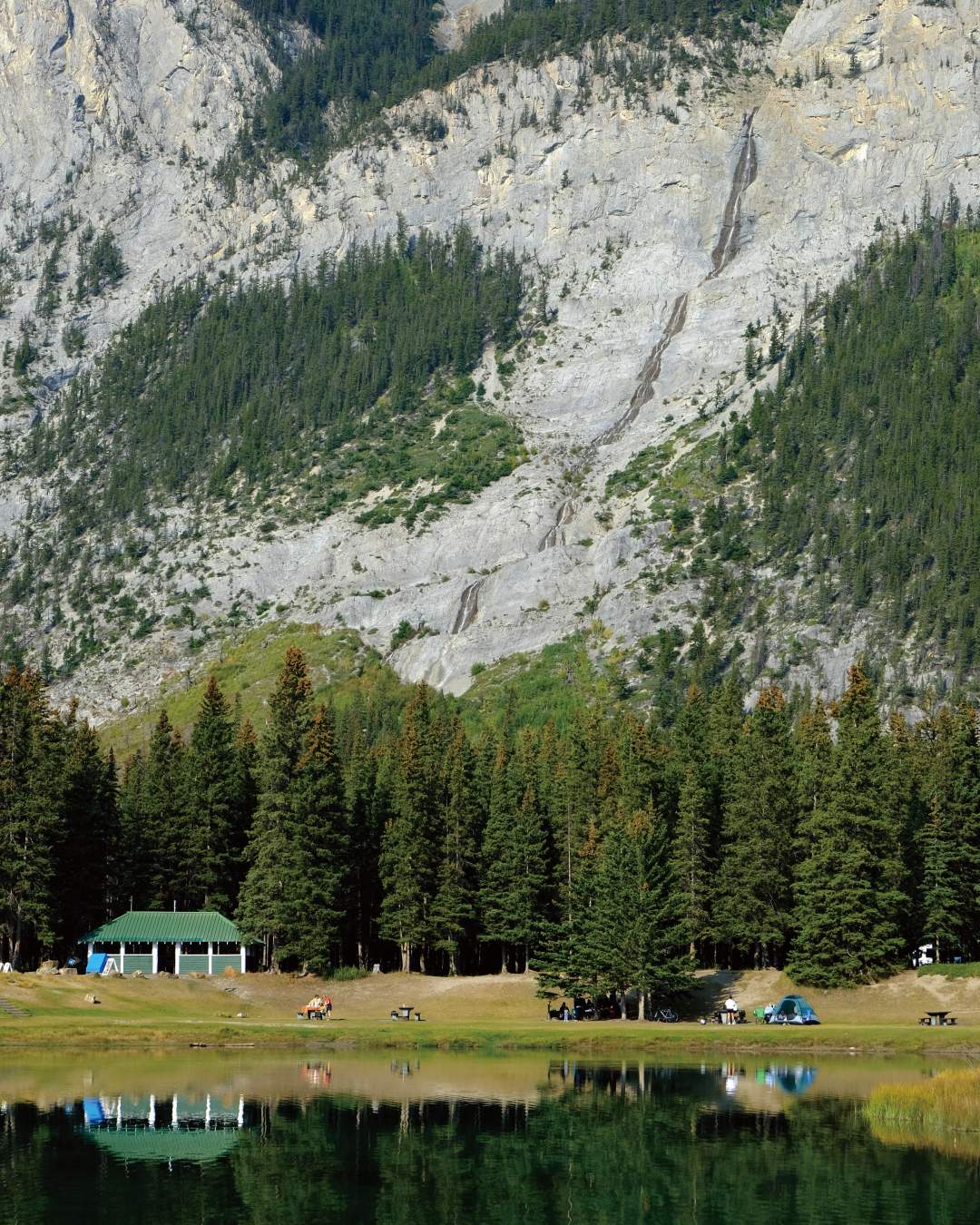
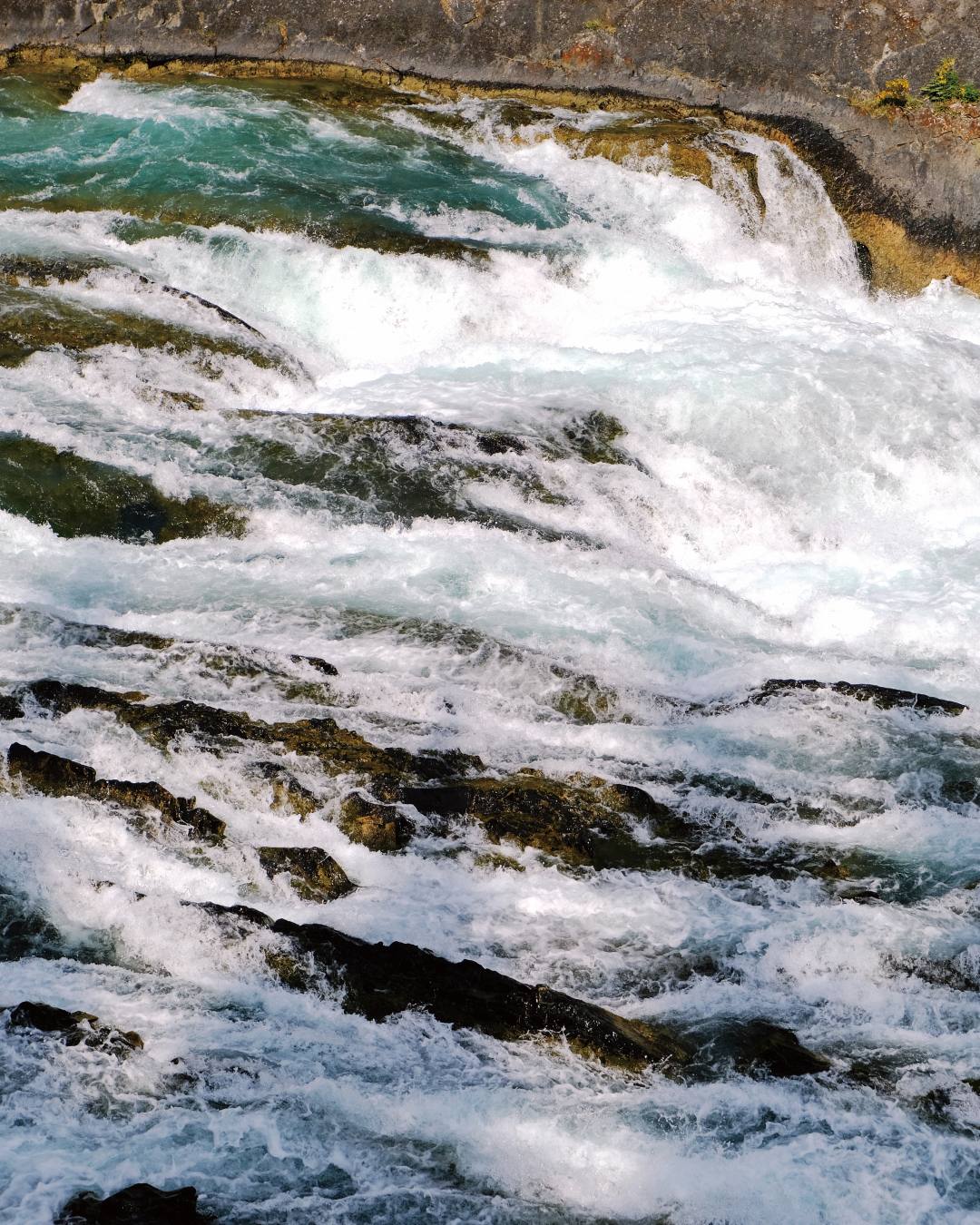
“As you walk, stop and look closely at one thing around you. A tree, a flower, anything in nature will do. Things you simply passed by may look new to you. That’s how you connect with nature.” Following the guidance of Ronna Schneberger, forest bathing in the woods beside the Bow River involves both meditation and communion. It is impossible for an individual to take in the vast, deep wilderness of the Rockies, but becoming a small part of it is not hard. The group joining the forest bath dips their hands in the river, sits by the water, and closes their eyes. The movement of wind, birds, and water awakens the senses. Though we are only a few kilometers from downtown Banff, there is not a single man-made sound.
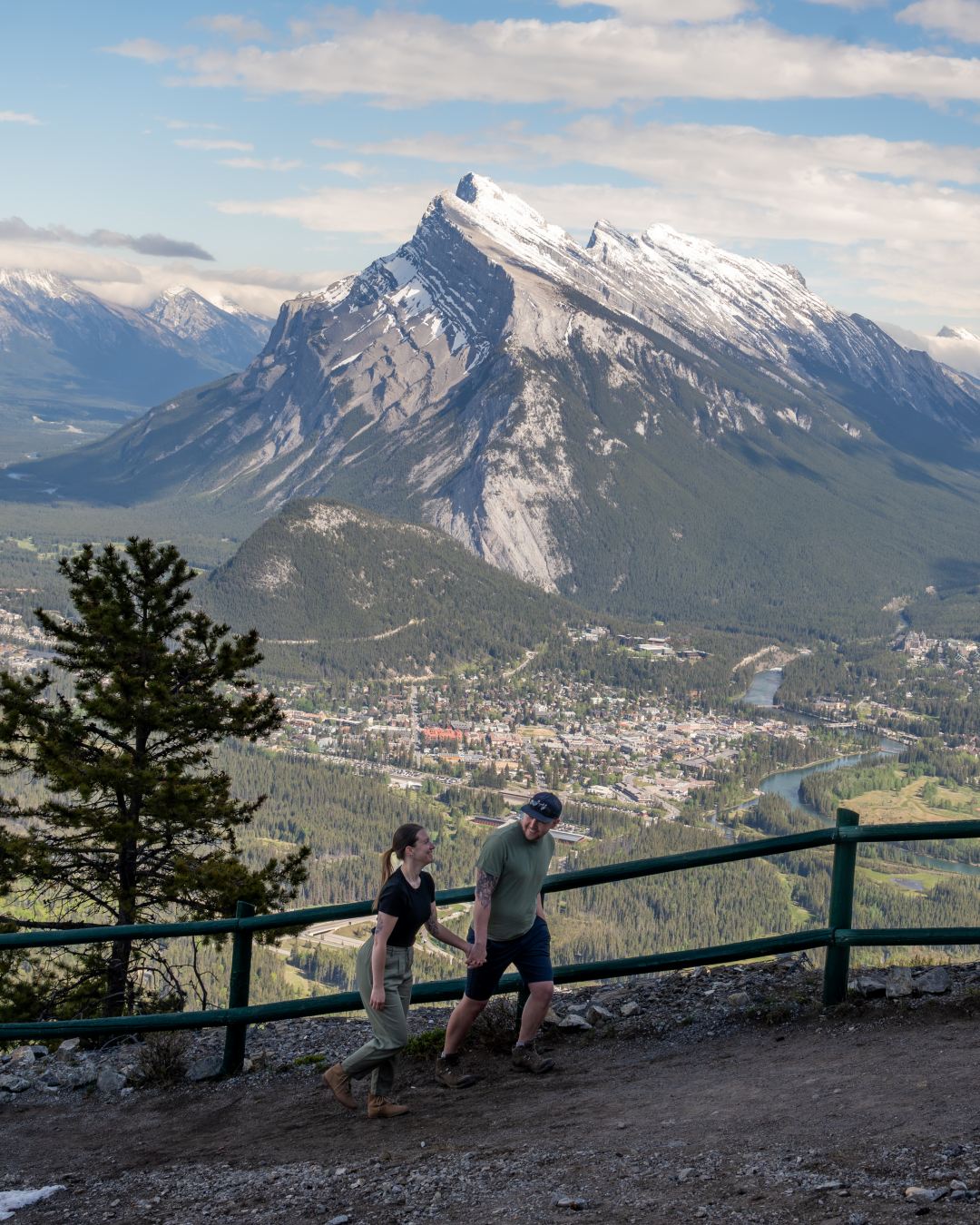
Forest bathing may keep the noise of the world at a distance, but Banff is the busiest mountain town in the Rockies. More than 4 million visitors come each year to a small town of just over 10,000 residents. Because it lies within a national park, housing cannot be expanded quickly under various regulations, yet tourism infrastructure keeps growing and new hotels and restaurants keep opening. Outdoor brand shops from around the world, including Arc’teryx, Patagonia, lululemon, and The North Face, operate in Banff, and a Moxy hotel has opened as well. Visitor numbers, in turn, set new records every year. The streets, ringed by Cascade Mountain and Sulphur Mountain, are full of life, and people line up to take risky souvenir photos. Even lodgings on the edge of town display “No Vacancy” signs. According to a representative of Banff & Lake Louise Tourism, about 1.76 million vehicles came to Banff in July and August of 2025 alone, which is said to be an all-time record. Imagine how many people must have arrived in those cars.
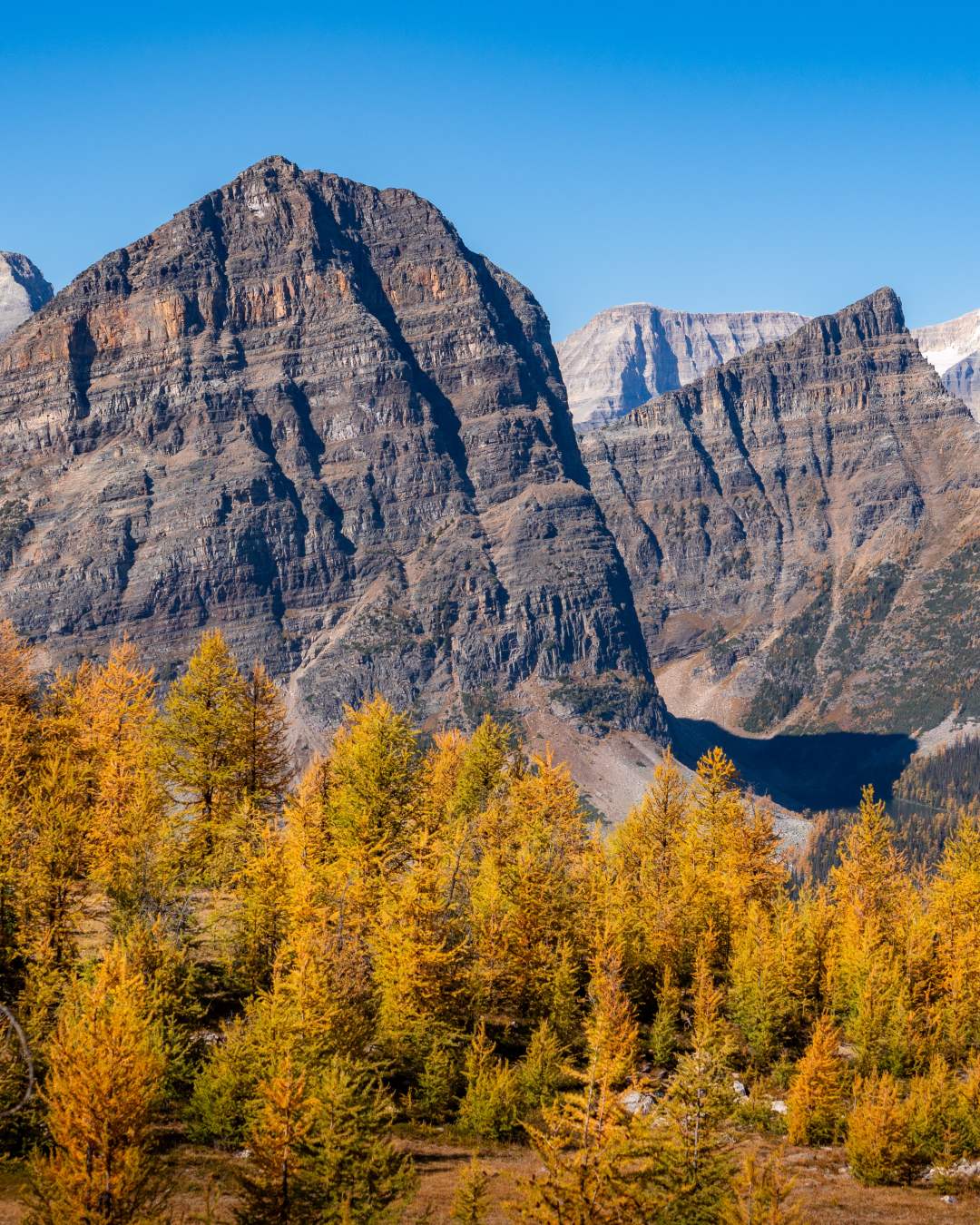
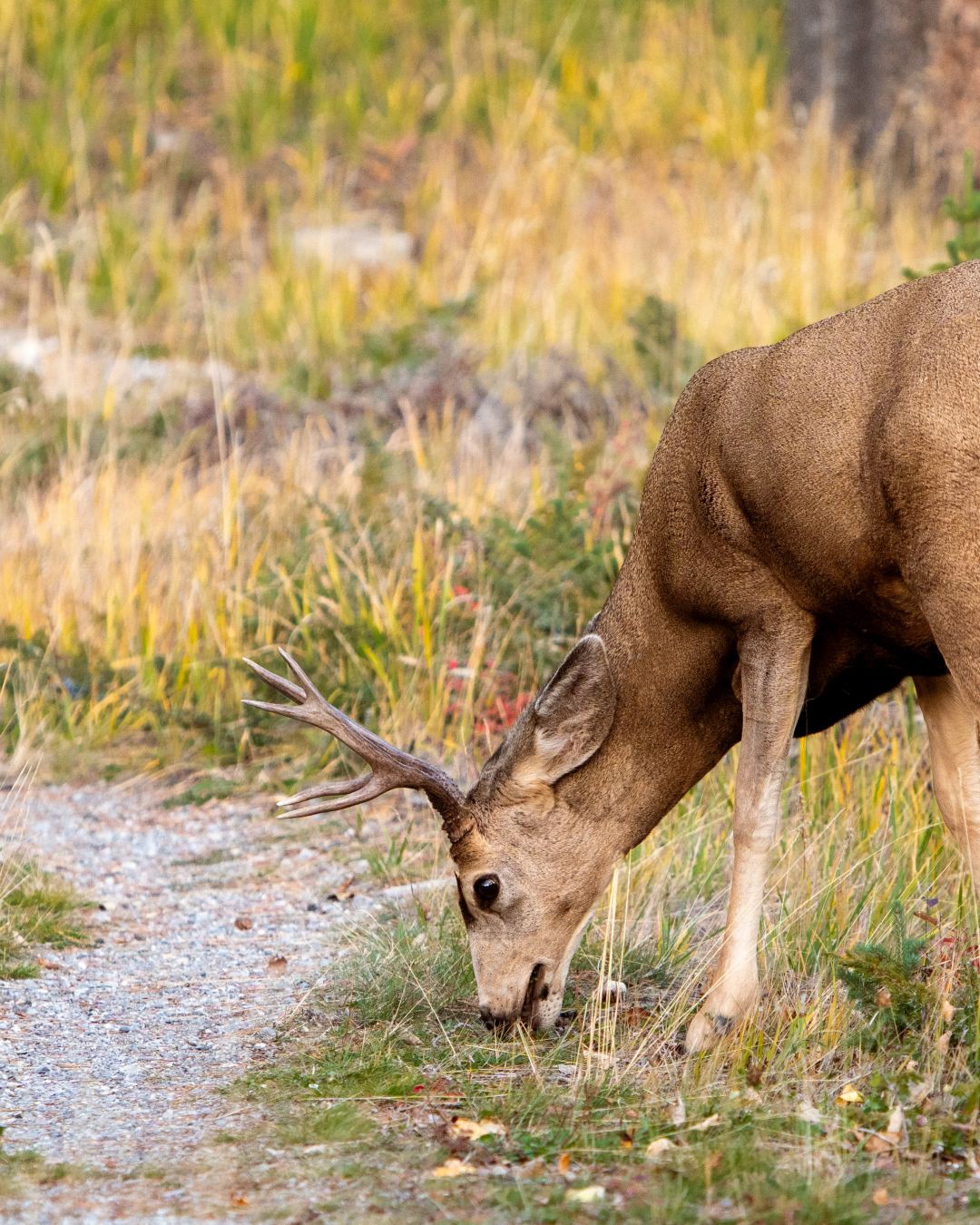
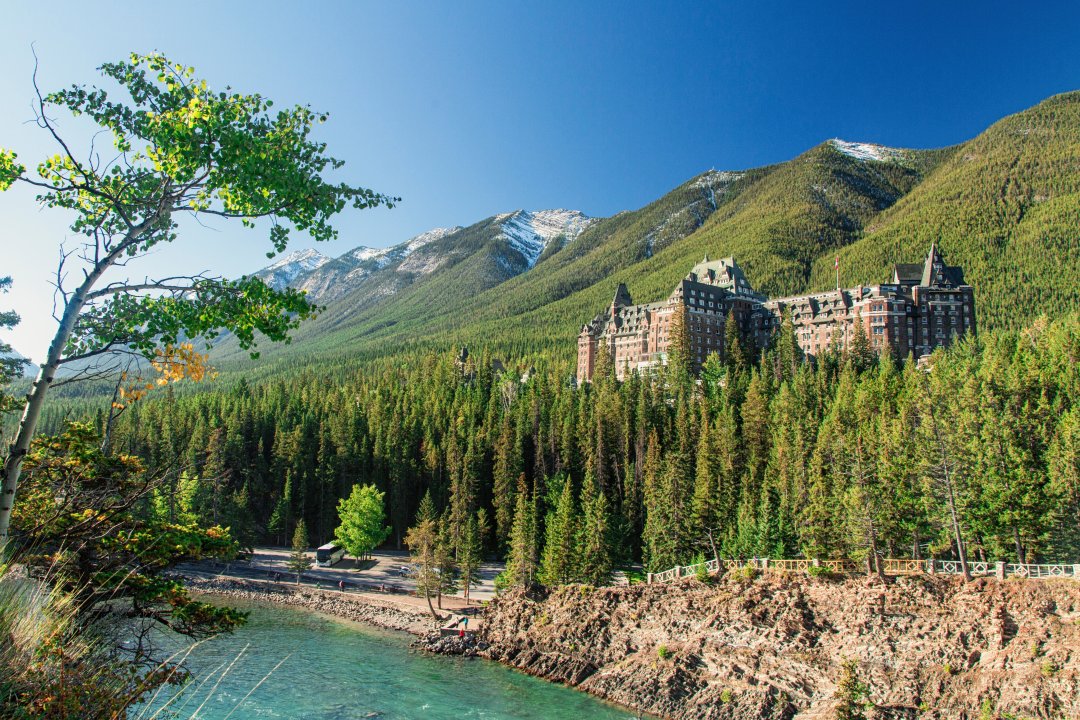
The view from a window at the Fairmont Banff Springs lifts the heart simply by looking at it. The peaks of the Rockies, patchwork stands of conifers, the Bow River squeezing its way through them, and people rafting and golfing paint a picture of rest at its height. Against the blue sky, the white clouds drift so unhurriedly that I find myself gazing at them, lost. This hotel, reminiscent of a European castle, is something of a symbol of Banff, and since the railway era it has been at the center of the town’s growth into an international mountain resort. Even today, the grandeur of the hotel, with its 739 rooms, remains unchanged. Between the natural hot springs spa, outdoor pool, 18-hole golf course, outdoor terrace, and excellent dining, it is hard to think of this place as separate from a stay in Banff.
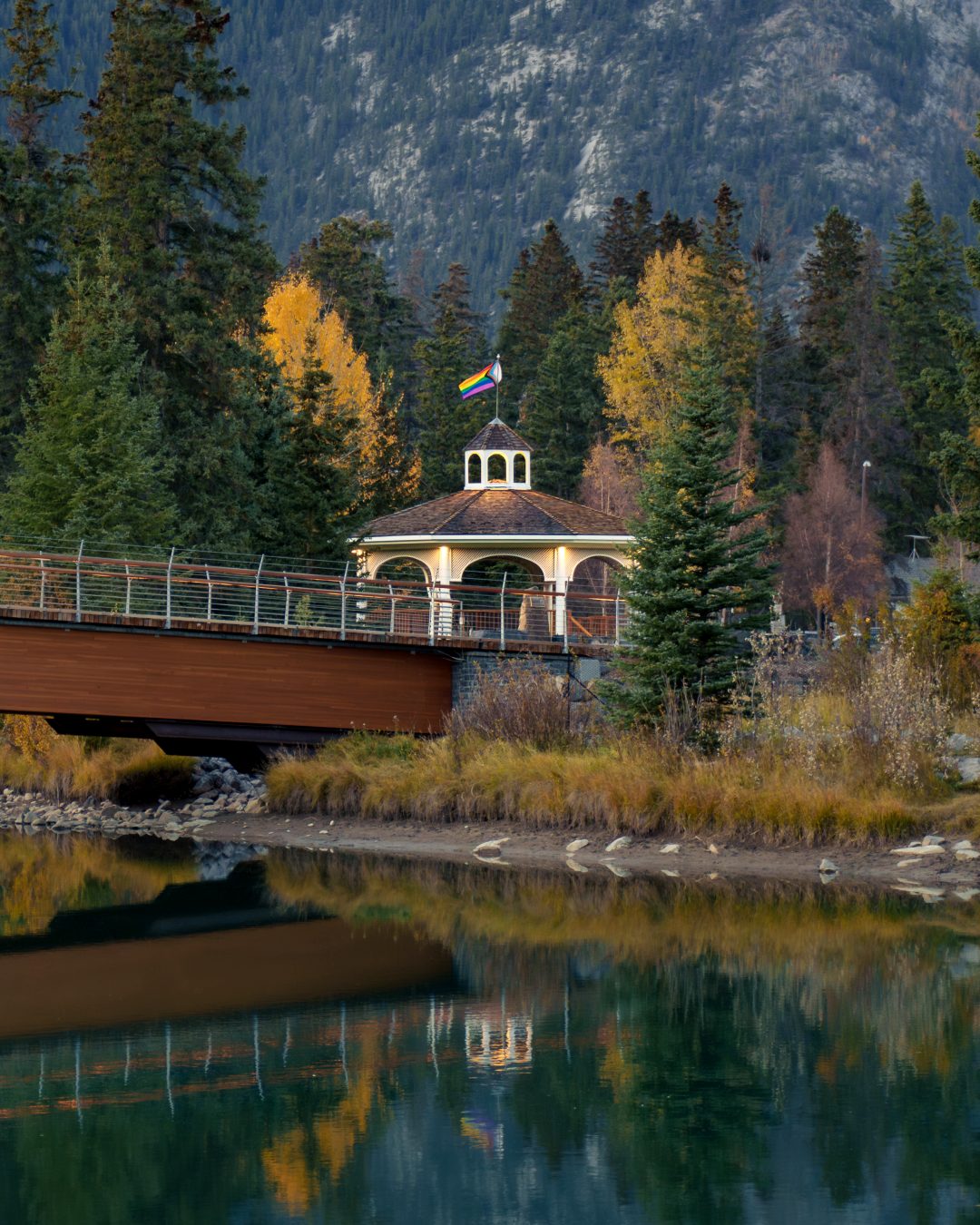
Below the hotel’s outdoor viewing terrace, the Bow Falls Trail connects directly. Walk the trail for about twenty minutes, taking in the scenery of the Bow River and the falls, and you reach the center of Banff. The trail is designed around the concept of the “Art in Nature Trail,” so you can also enjoy sculptures by local artists that blend with their surroundings. This kind of cultural pride has had a great influence on bringing Banff to where it is today. As early as 1933, an arts education institution was established in this mountain town: a drama school affiliated with the University of Alberta. Hasn’t nature long been a source of artistic inspiration? That long history and determination now continue in the Banff Centre for Arts and Creativity. Each year the center runs some 100 residency programs and hosts lectures, performances, exhibitions, and international events such as the Banff Centre Mountain Film and Book Festival. It has built a virtuous cycle in which work is inspired by nature, and that work in turn inspires people. And so everywhere in Banff, the energy of nature awakens a traveler’s senses, while cultural spaces add to the fascination.
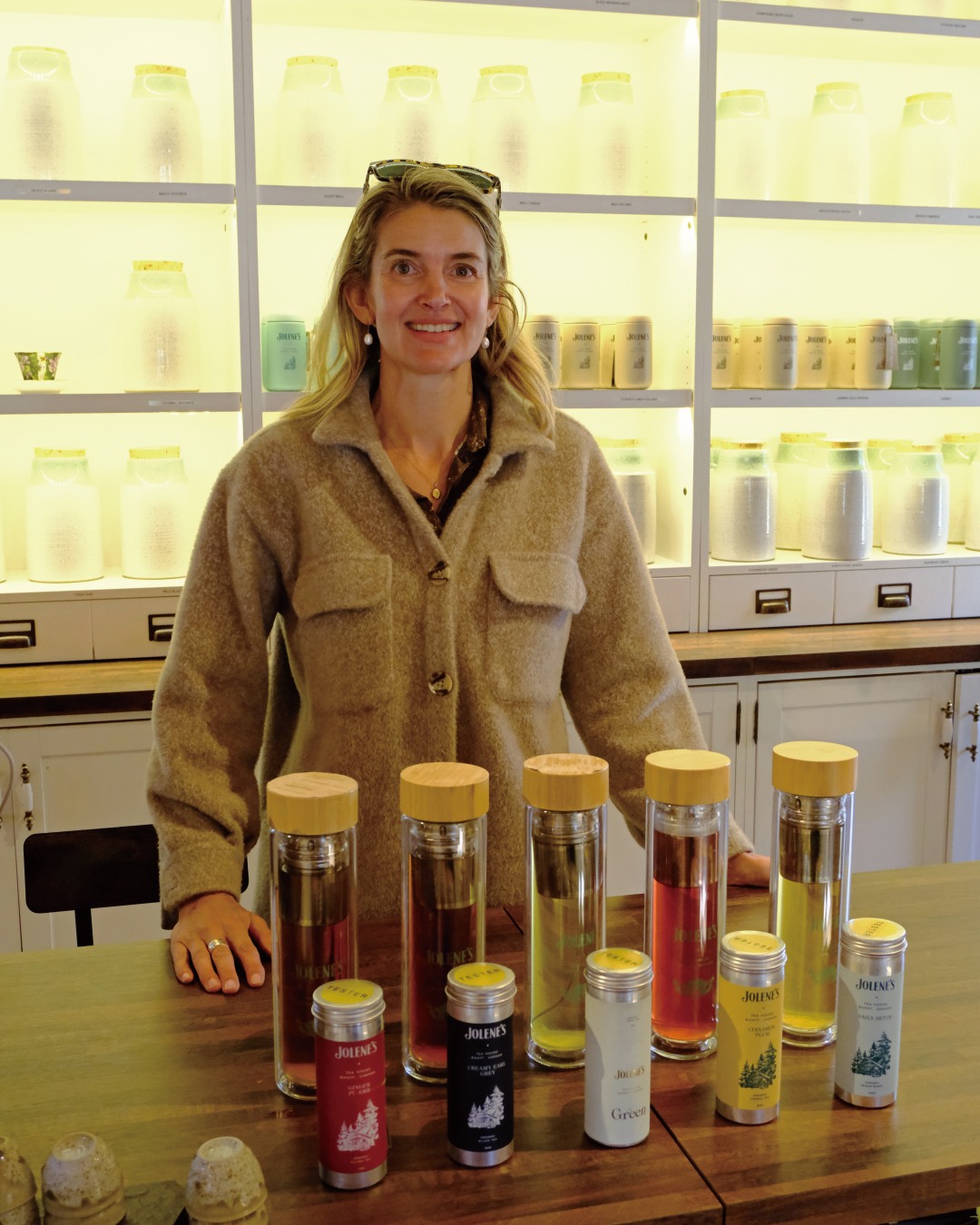
After a brief look at the arts, culture, and pioneer history of the Rockies at the Whyte Museum of the Canadian Rockies, I head to Jolene’s Tea House to experience a long-standing form of hospitality. The tea house occupies a renovated building, one of the oldest wooden structures in Banff, right in the middle of the downtown shopping district. “I spent my childhood on a farm in rural Alberta. When visitors came, my mother would bring out her prettiest teacups, brew tea, and chat happily. I think that’s probably when I started loving tea. It has stayed with me my whole life.” Jolene Brewster greets me with a bright smile. A former Calgary Stampede Queen, she has run her tea brand since 2005. She blends organic ingredients, fresh spices, and local herbs into a wide range of teas. Hikers in the Canadian Rockies are said to have long preferred tea to coffee, because it quenches thirst and its slowly absorbed caffeine provides lasting energy; indeed, along the Rockies’ famous hiking routes, you often come across old tea houses. The same goes for downtown Banff. When I lift the lid of an aluminum tin and breathe in, the character of each tea is vivid and distinct: Earl Grey, peppermint, lavender, raspberry… This small tea house feels like a concentrated extension of the scents of the Rockies’ forests and meadows.
Lake Louise, the Lake of Little Fishes
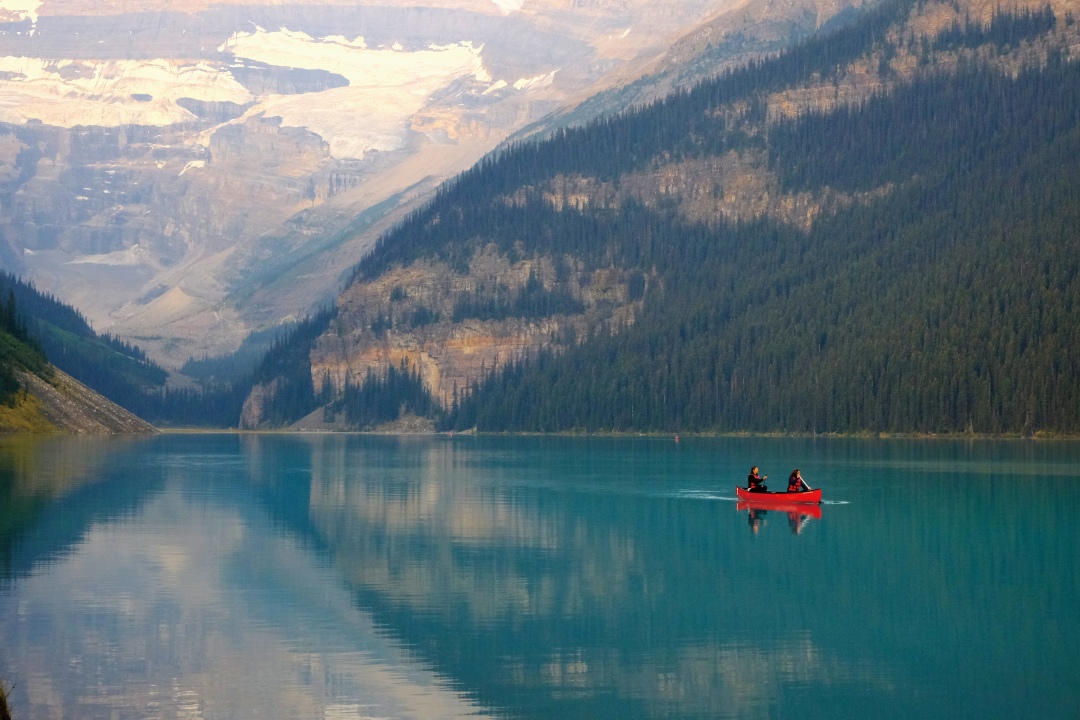
The place in Alberta’s Rockies where you can truly experience the tea house tradition is Lake Louise. This mountain village, about an hour by car from Banff, has less than a tenth of Banff’s population, yet its reputation as a resort is by no means inferior. Most travelers include both places in their itineraries, and quite a few make a day trip from Banff. Lake Louise, too, was developed as a mountain resort by the Canadian Pacific Railway from the early twentieth century. The emerald lake nestled at about 1,600 meters above sea level, meeting the snow-and-ice walls of the Mount Victoria glacier, forms a perfect viewpoint. More than 2 million visitors come each year for this one view.
In its early days, Lake Louise was a jewel of the Rockies for mountaineering enthusiasts. Its resort facilities were built for climbers, and tea houses went up for them more than a hundred years ago. The Agnes Teahouse at Lake Louise was built in 1902, and the Plain of Six Glaciers Teahouse in 1927. Even now, these two tea houses serve as small places of rest for travelers who have climbed up in a sweat. However, visiting both requires a full day of walking, so those short on time can hardly attempt it. Instead, a leisurely cup of afternoon tea at the Lakeview Lounge of the Fairmont Chateau Lake Louise lets you savor the romance, and it leaves nothing lacking.
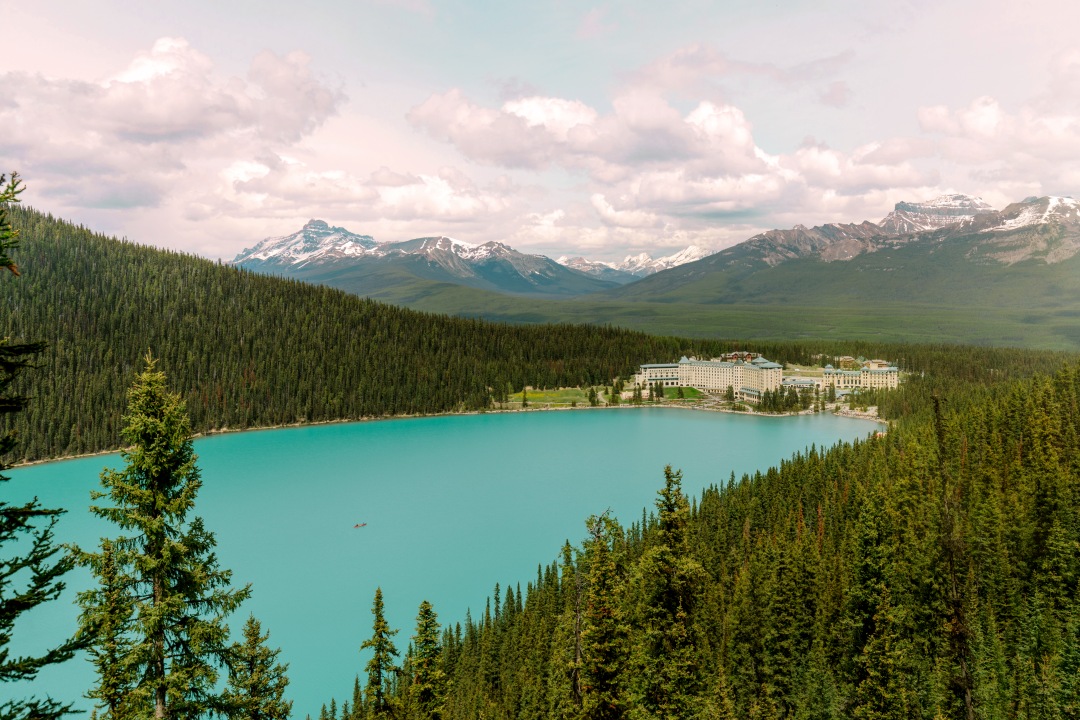
Fairmont Chateau Lake Louise began in 1880 as a small cabin for mountaineers. Today it has grown into a grand luxury hotel with 539 rooms. The lake and the hotel are inseparable. Set directly on the shore, the hotel enjoys the surrounding landscape almost as if it were its own, which is its greatest advantage. The professional service is just as impressive, with guests greeted and guided from the gate at the hotel’s entrance road. The rooms, furnished with sleek pieces and interiors that reinterpret the alpine style for the modern age, look straight out over Lake Louise, and you can walk from the hotel to the boathouse and the trails around the lake. The hotel’s recently opened spa, the BASIN Glacial Waters Experience, is also rising fast. Taking in the lake views, it makes the most of the appeal of wellness in nature and sets another milestone for retreats in the Rockies.
In the early dawn, a remarkable scene unfolds along the shore of Lake Louise. People who have set up camp with their cameras are all staring at a single spot. They have come to test the popular belief that Lake Louise is at its most beautiful when Mount Victoria, struck by the sunrise, glows rose gold. The soft sound of a canoe paddle echoes across the water as the sky grows brighter. Then, in the moment when a few rays of light touch the peaks covered in eternal snow and glaciers, the feelings of the Indigenous peoples and pioneers who first discovered the wonder of this nature carry across time, unchanged.
Activity
Forest Fix
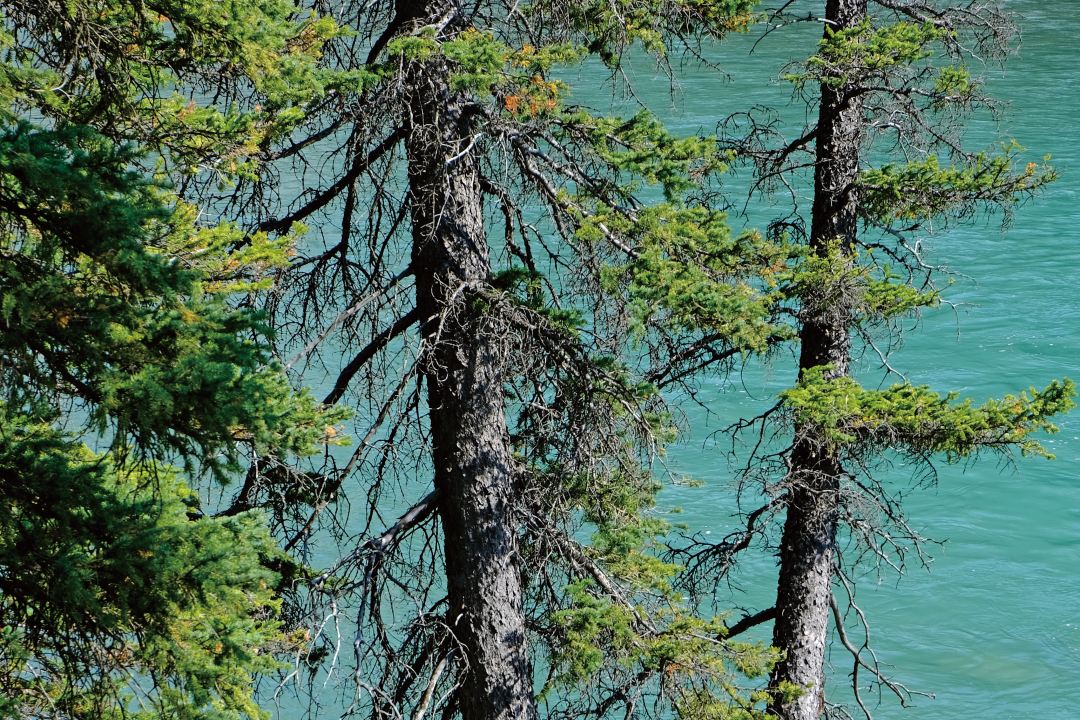
The forest bathing led by Lorna Schneeberger of Forest Fix (known locally by its Japanese name, shinrin-yoku) is a nature healing program held in Banff’s coniferous forests. Schneeberger is one of the pioneers who brought forest bathing culture to Canada. Walk slowly through the woods with her, breathe in time with nature’s rhythm and restore the balance of body and mind. The forest around the Hoodoos Trail, where Tunnel Mountain meets the Bow River, is an ideal place to try it. Though it looks close to downtown on the map, it feels removed from the world. Using this natural setting, Schneeberger spends about two hours systematically teaching everything from meditation and breathing techniques to the benefits of forest bathing, guiding you to learn the practice on your own. Private sessions are also available. During the program, you are asked to turn off your phone so you can stay focused.
Mahikan Trail
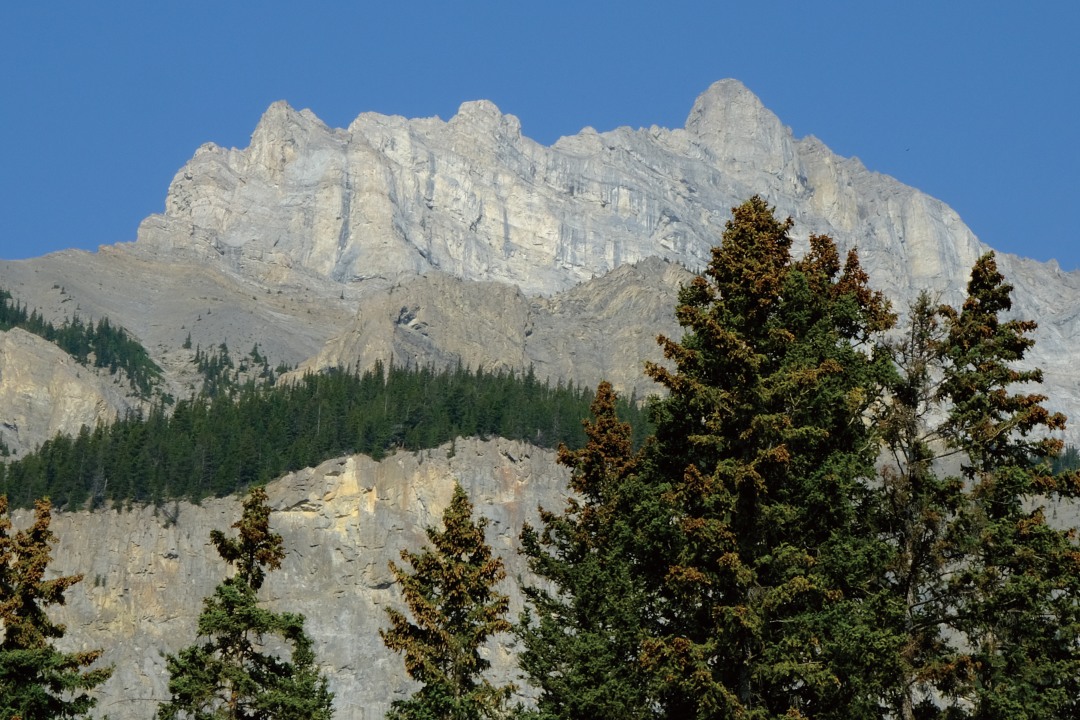
Mahikan Trail offers a traditional plant medicine experience guided by a descendant of the Cree people. The program takes about two hours along a scenic forest path around Cascade Ponds, roughly 15 minutes by car from Banff town, and it carries the remarkable wisdom of the Cree. Following the Indigenous guide Jordan Ede, you learn how the medicinal herbs and plants hidden along the trail were used in traditional medicine and which berries served as food. It is a direct experience of the wisdom and survival skills of people who have lived on this land for thousands of years. Because the walk also covers the local Indigenous culture and history from their perspective, it offers a fresh way to understand the story of the Rockies’ settlement. Feel for yourself their noble belief that “all living things are connected.” The area around Cascade Ponds has beautiful scenery and easy walking, so it suits just about anyone.
Art & Culture
Banff Park Museum
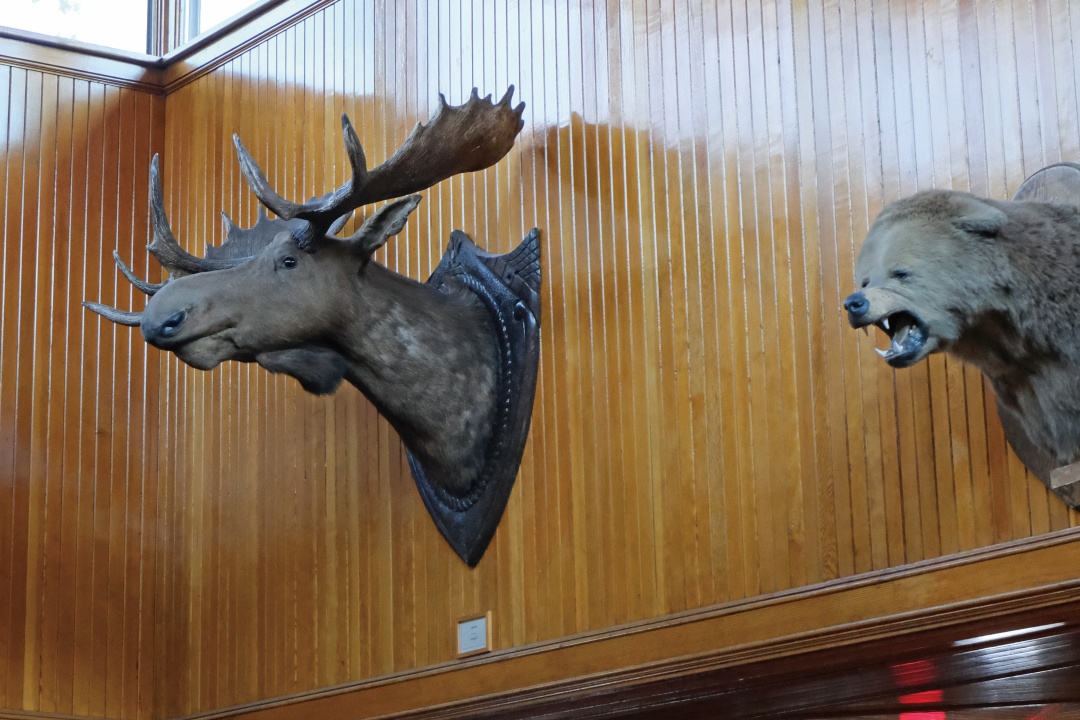
Standing at the entrance to central Banff, Banff Park Museum is the first natural history museum in western Canada, built in 1903. The two-story building, made of fir timber with large glass windows, is said to be designated a National Historic Site. Inside, it feels like a museum from the age of explorers a century ago. A national park staff member at the counter gives a brief introduction to the museum’s history and rules on entry, and from that moment you may already find your eyes stolen by the giant taxidermy animals. The main collection consists of more than 5,000 mounted animals and specimens of plants and wildlife covering the whole Rocky Mountain ecosystem. Giant grizzly bears, wolves, eagles, mountain goats, butterflies, bees, and all sorts of minerals and plants are packed closely together, and with the creaking wooden floors and old glass display cases, there is a hint of eeriness too. The materials left by the museum’s curators from the early days of Banff National Park add to its historical value, so look at them closely. You will come to appreciate the efforts locals have made to protect Banff’s dazzling nature.
parks.canada.ca/lhn-nhs/ab/banff
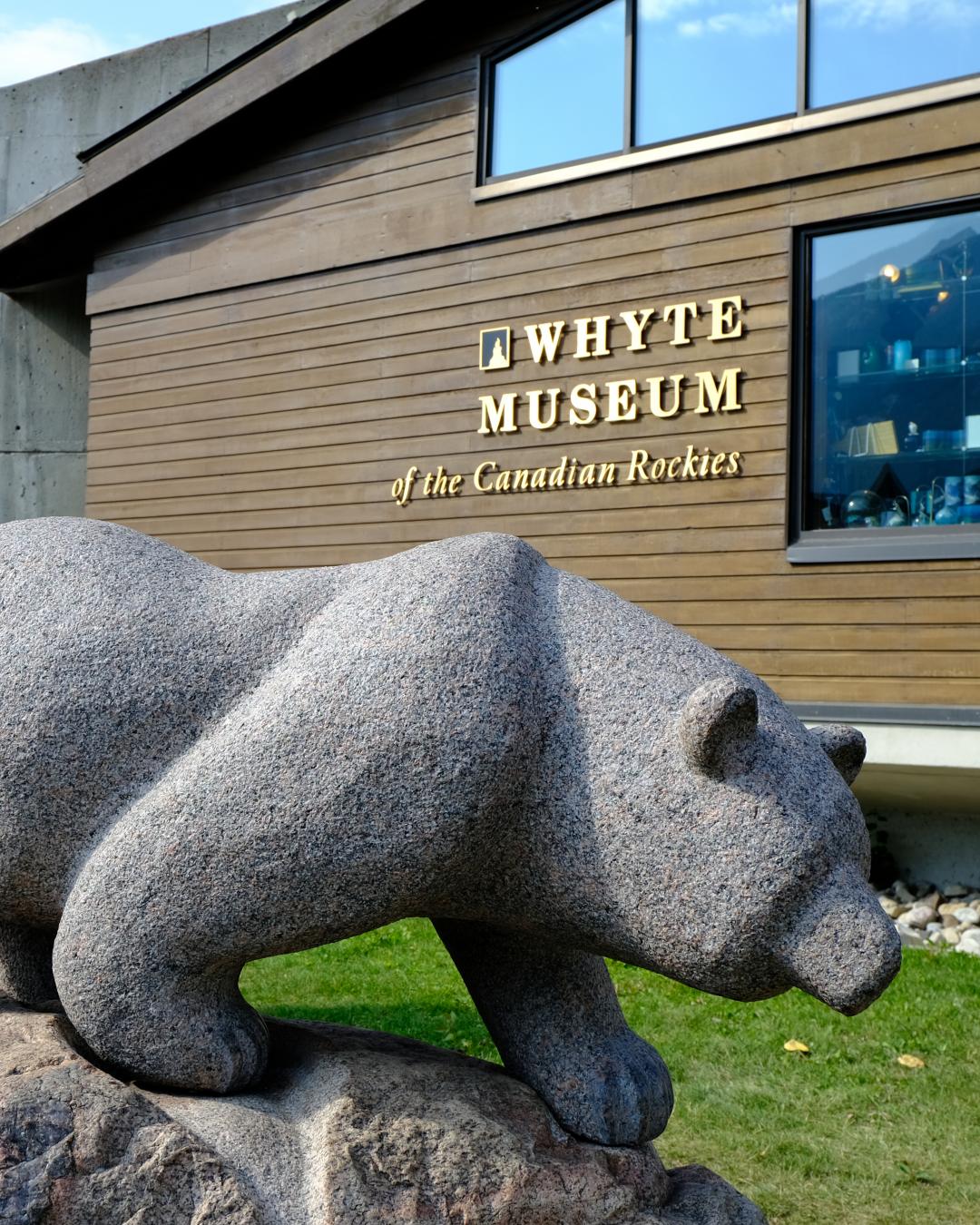
Whyte Museum of the Canadian Rockies
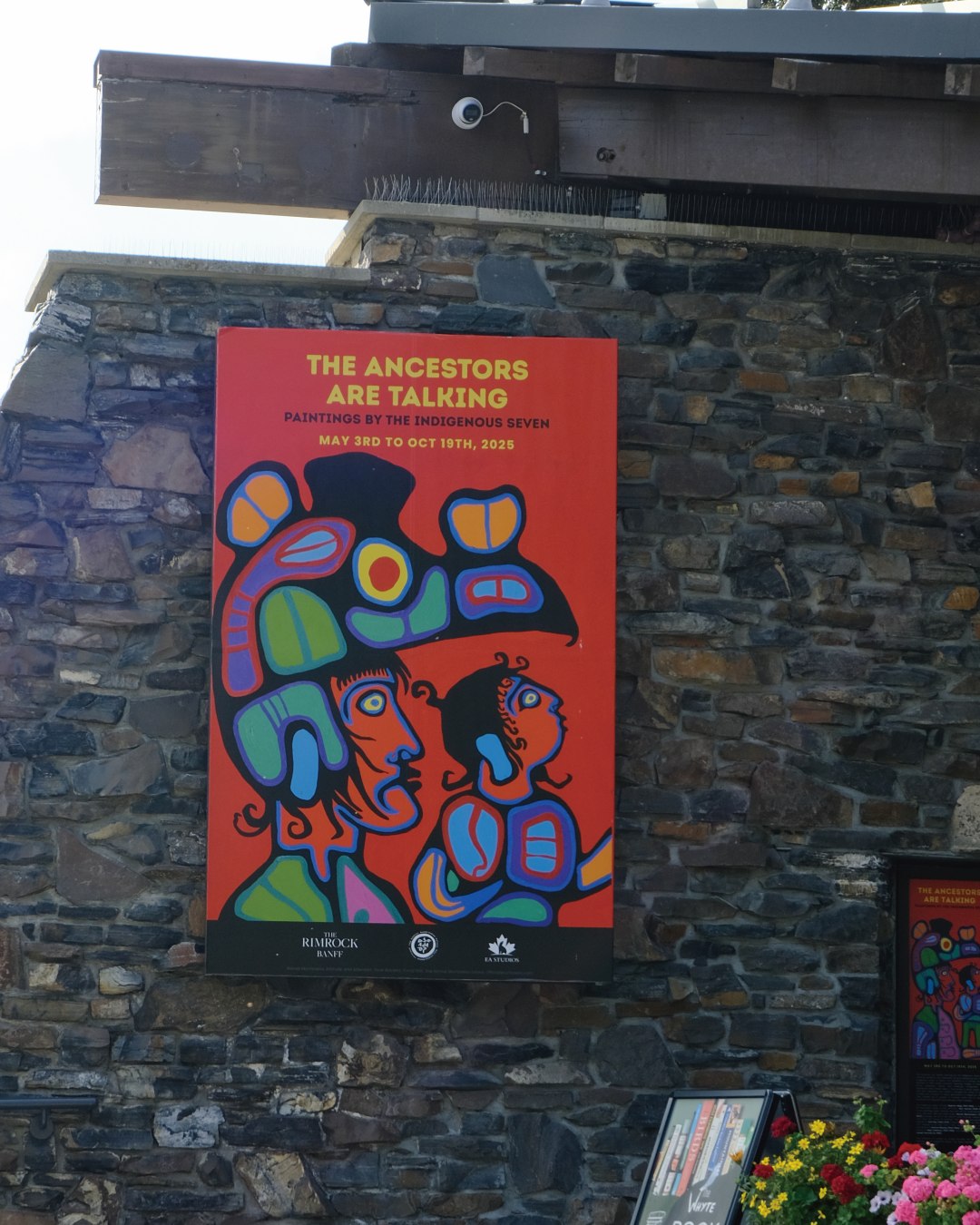
The museum was founded in 1968 by the Banff artist couple Peter & Catharine Whyte to preserve the art and cultural heritage of the Canadian Rockies. Today it is recognized as a pivotal institution that has gathered the culture and history of Banff from the early nineteenth century to the present. Six historic buildings, including the founders’ wooden house and the log cabins of early settlers, let you experience the architecture and daily life of the time firsthand. Part of its vast collection of paintings, documentary photographs, expedition journals and maps is on view in the permanent galleries. Indigenous artifacts and ceremonial objects, along with the tools of Banff pioneers and mountain guides, are displayed in textbook fashion with detailed explanations. The recent special exhibition ‘Indigenous Group of Seven’ drew considerable attention as a full-scale look at contemporary Indigenous art in Canada. Near the museum entrance is a shop selling souvenirs and books. Note that photography is not allowed in the exhibition rooms.
Eat & Drink
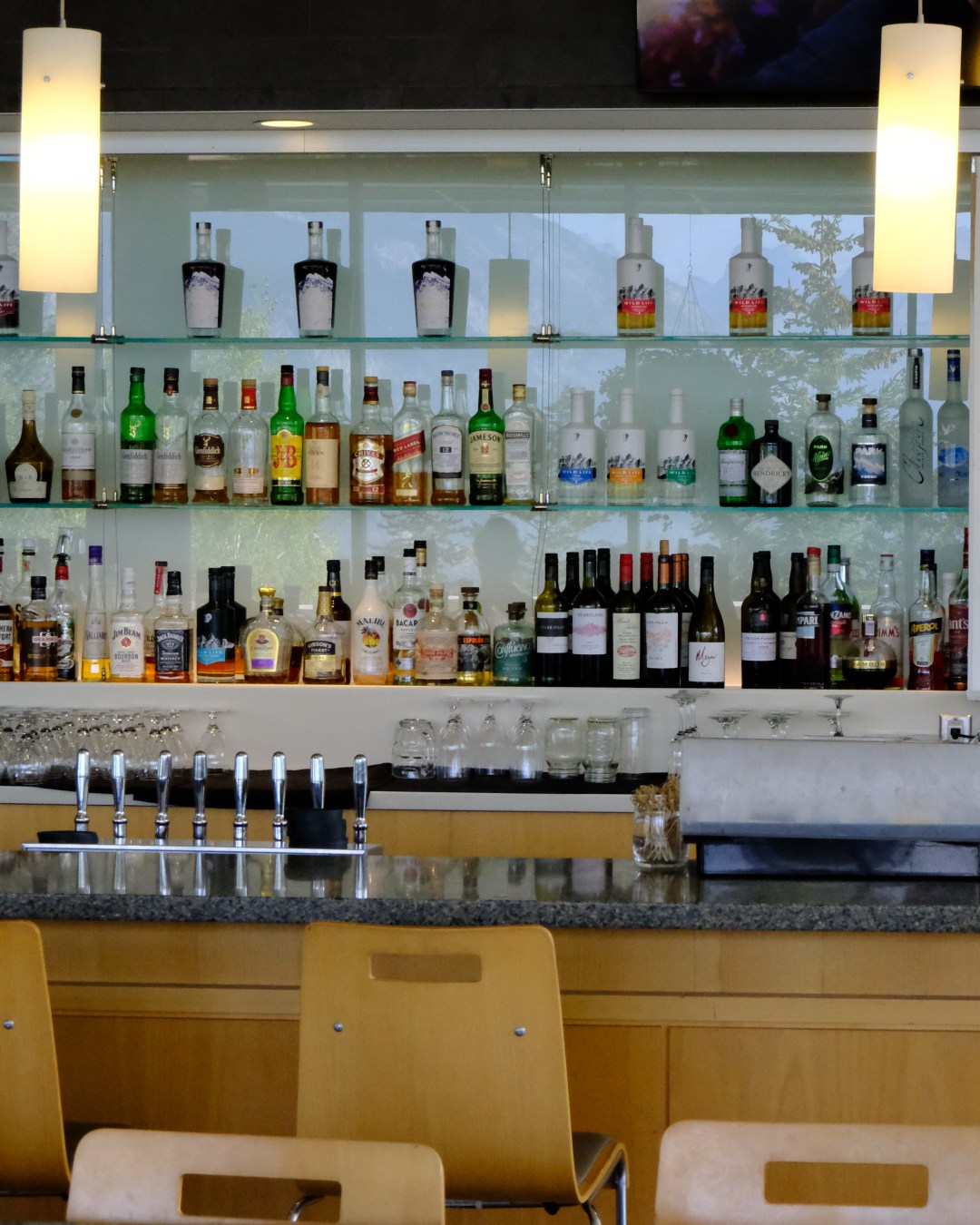
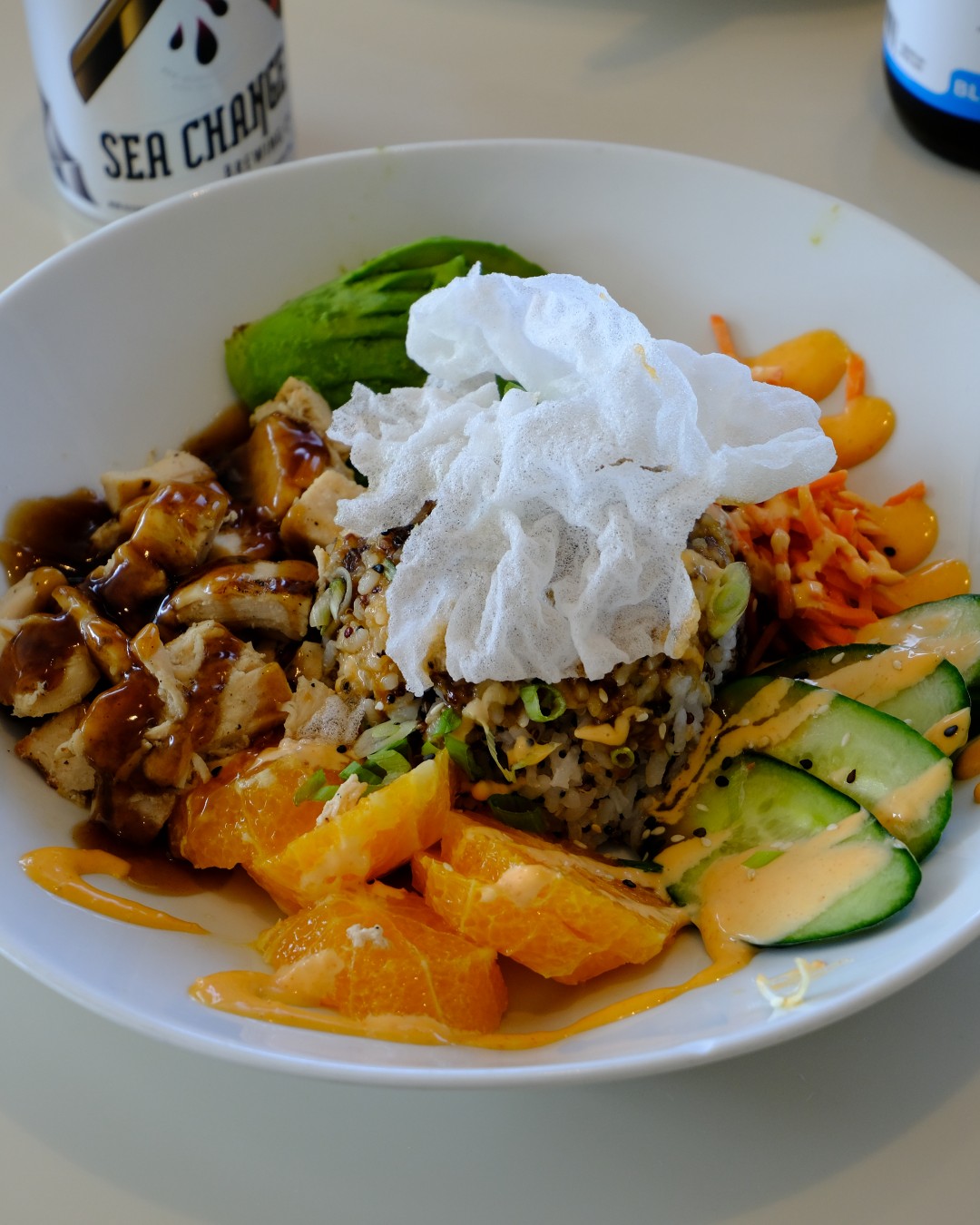
Maclab Bistro
Located inside the Banff Centre for Arts and Creativity, Maclab Bistro is a space loved by artists and travelers alike. The modern, artistic interior and the view of the Bourgeau Range’s ridgeline beyond the wide terrace please the eye, while the healthy cooking is easy on the palate. The menu ranges from burgers, salads and pizza to falafel and gochujang (Korean chili paste) pork ribs, and vegan, gluten-free and alcohol-free options accommodate nearly every taste and diet. The signature dish, the Maclab Bistro Bowls, is rice topped with avocado, quinoa and cucumber, finished with gochujang aioli and crispy rice crackers. The clean flavor, blending Asian and Canadian ingredients, is a pleasant surprise. If you want to enjoy the scenery but find the strong sunlight a bit much, we recommend the open-style window seats indoors over the outdoor terrace. In the evening, it operates as a wine restaurant.
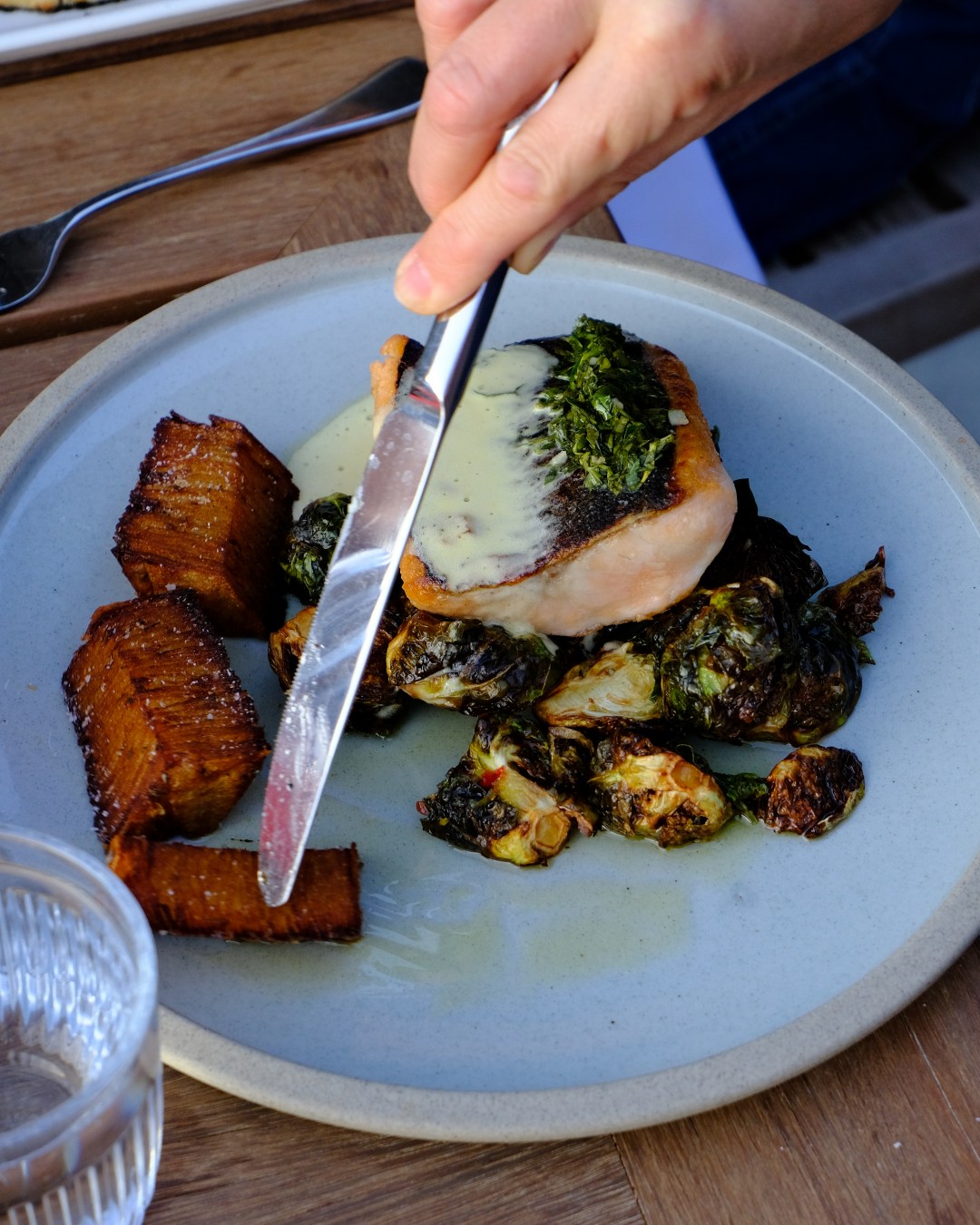
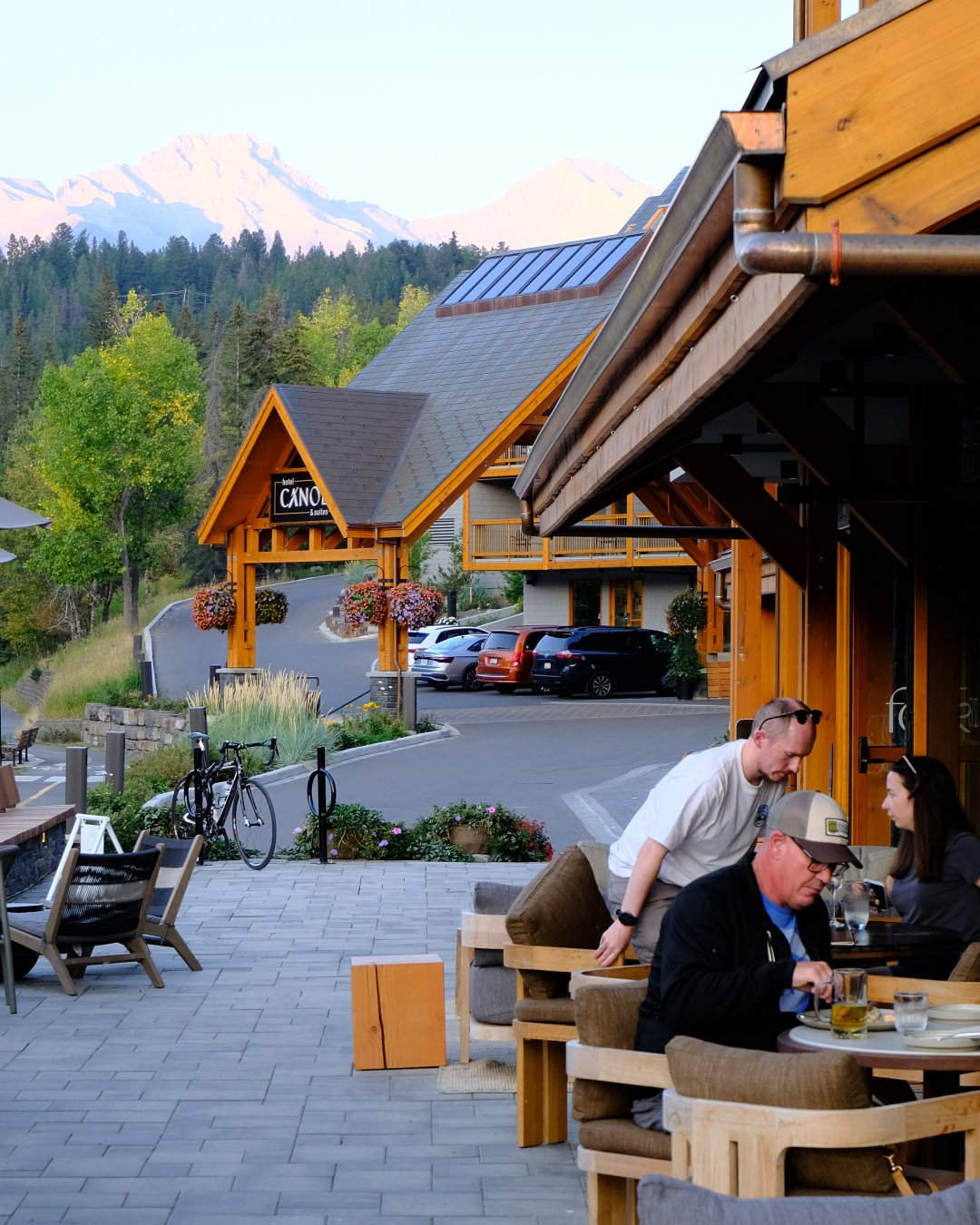
Good Folk Restaurant
Opened in 2023, Good Folk Restaurant has emerged as a culinary hot spot in Banff. Located at the north end of Banff Avenue, it offers a modern reinterpretation of Canadian alpine cooking in a relatively quiet, cozy setting. The menu makes the most of locally produced seasonal ingredients, adding the restaurant’s own cooking methods. Dishes such as Alberta beef rib-eye steak, grilled rainbow trout, roast wild boar and bison burgers are hard to find anywhere outside the Rockies. Grilled fresh vegetables and side dishes round out generous portions, and everything arrives cooked just as ordered. Pair them with in-house cocktails like the Good Folk Negroni and beers from Alberta breweries to double the local flavor. Couples will enjoy the softly lit interior, while groups may prefer the outdoor terrace with its fire pit. Being what it is, though, an outdoor seat means putting up with the occasional attack of gnats and other flies, depending on the season.
Bluebird
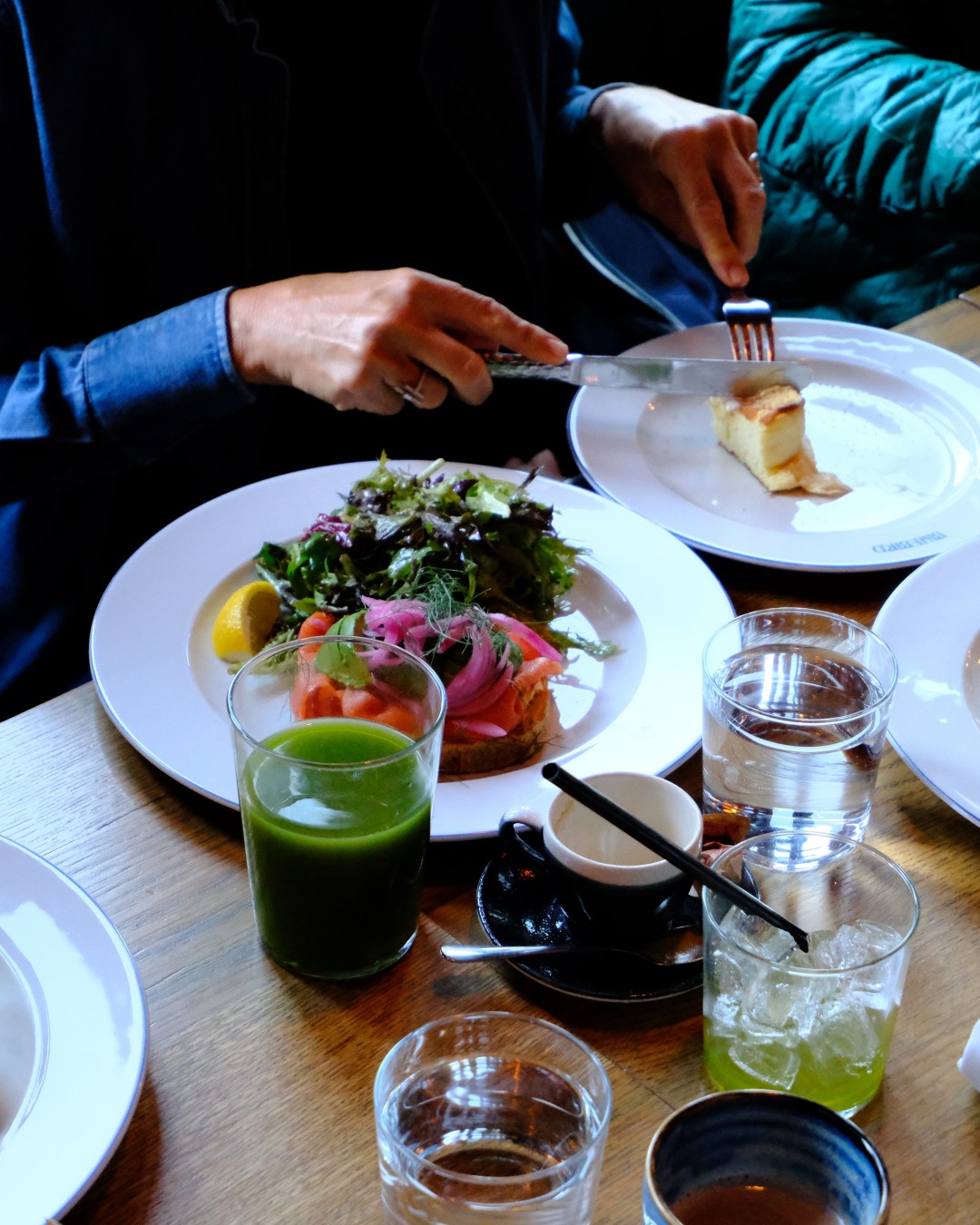
Its signature dishes are wood-fired prime rib and cheese fondue, but Bluebird is also counted among Banff’s best brunch restaurants. It has made Open Table’s list of the top 100 brunch restaurants in Canada, which is why a line forms in central Banff from early morning. The interior, a refined re-creation of a mid-20th-century mountain lodge, feels cozy. A stone fireplace rises beneath the high ceiling, and contemporary paintings hang in just the right places. Some architectural elements are reportedly preserved as-is from Banff’s historic Homestead Hotel. The brunch menu is fairly classic: a Mountain Breakfast of bread, cheese, eggs, bacon, hash browns, and mushrooms, along with eggs Benedict and a French omelet. Everything is cooked to order, so the flavors are deep yet clean. Add a cup of coffee made with Banff Roasting Company beans, and you have a perfect alpine-style morning.
Jolene’s Tea House
Located on Bear Street, Jolene’s Tea House serves teas made from herbs grown across Canada and carefully selected organic leaves from around the world. Inside the tea house, which occupies one of Banff’s oldest wooden buildings, neatly arranged display shelves and decorations inspired by the nature of the Rockies catch the eye. A pleasant aroma of tea fills the air. The tins are full of herbs and flowers that grow in the Rocky Mountain highlands, and you can taste the blends that Jolene Brewster creates from them. Signature items include a green tea flavored with the Alberta rose, a local wildflower, and a bright, fresh wild blueberry rooibos. If there’s a tea you want, just ask the staff. You can smell and sample the teas, and even learn the stories and health benefits behind them.
Stay
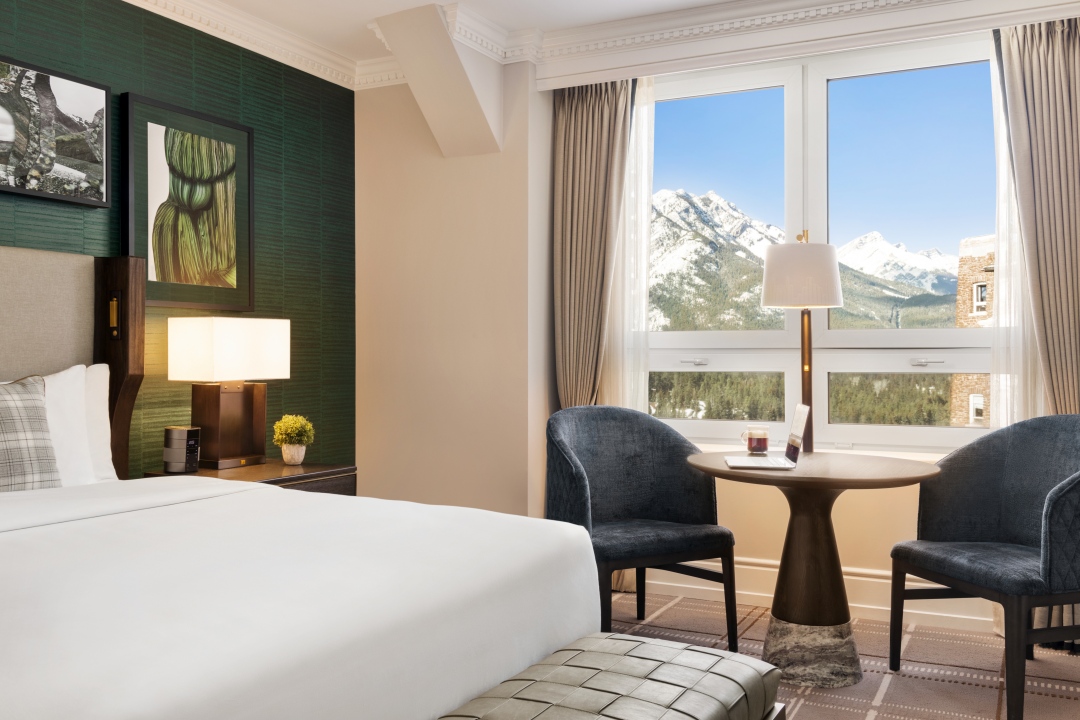
Fairmont Banff Springs
Fairmont Banff Springs was built in 1888 by the Canadian Pacific Railway (CPR), which was constructing the transcontinental railroad, as part of a strategy to finance the line through tourism. It earned a reputation as a famous mountain resort from the day it opened, and it became a world-class landmark with the addition of its European château-style stone main building, towers, and a golf course. Inside, the hotel preserves the atmosphere of a lavish mountain lodge resort from more than 100 years ago, from the high arched ceilings and massive stone columns to the chandeliers, heraldic decorations, and the copper mailbox beside the elevator. Gold-level guests also get the added perk of a private check-in reception and lounge. Every room looks out on the Rocky Mountains, though views of the Bow River tend to be preferred. If you’re staying two nights or more, make the most of the hotel’s facilities. The spa, gym, banquet hall, restaurants, bowling alley, pool, gallery, and residences are all woven together like a maze. The best spot for photographing the hotel itself is Surprise Corner, a viewpoint across the Bow River. The hotel rising against dense forest and the slope of Sulphur Mountain is practically a symbol of Banff.
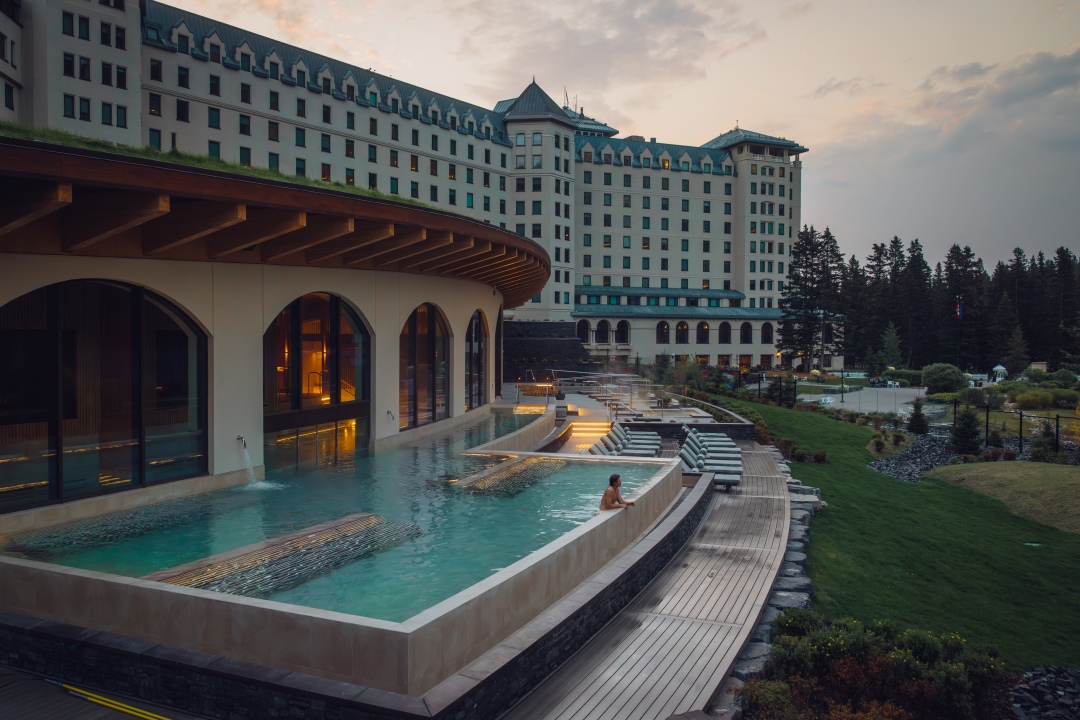
Fairmont Chateau Lake Louise
This is the only hotel directly on Lake Louise. With more than 100 years of history, Fairmont Chateau Lake Louise is surrounded by the lake, Victoria Glacier, and the peaks of the Rockies. History seems to come through in the old-world lobby and corridors, and the dining offered by its seven restaurants and bars makes the hotel shine even more. Right next to the lobby, Fairview Bar & Restaurant is the place for fine dining in a refined setting. The Lakeview Lounge is known for its iconic view over the lake. Afternoon tea, now a hotel tradition, comes with a range of premium teas, freshly baked scones, and sandwiches. The hotel also supports wildlife habitat conservation projects and works toward sustainability, sourcing ingredients for its restaurants from Alberta as much as possible.
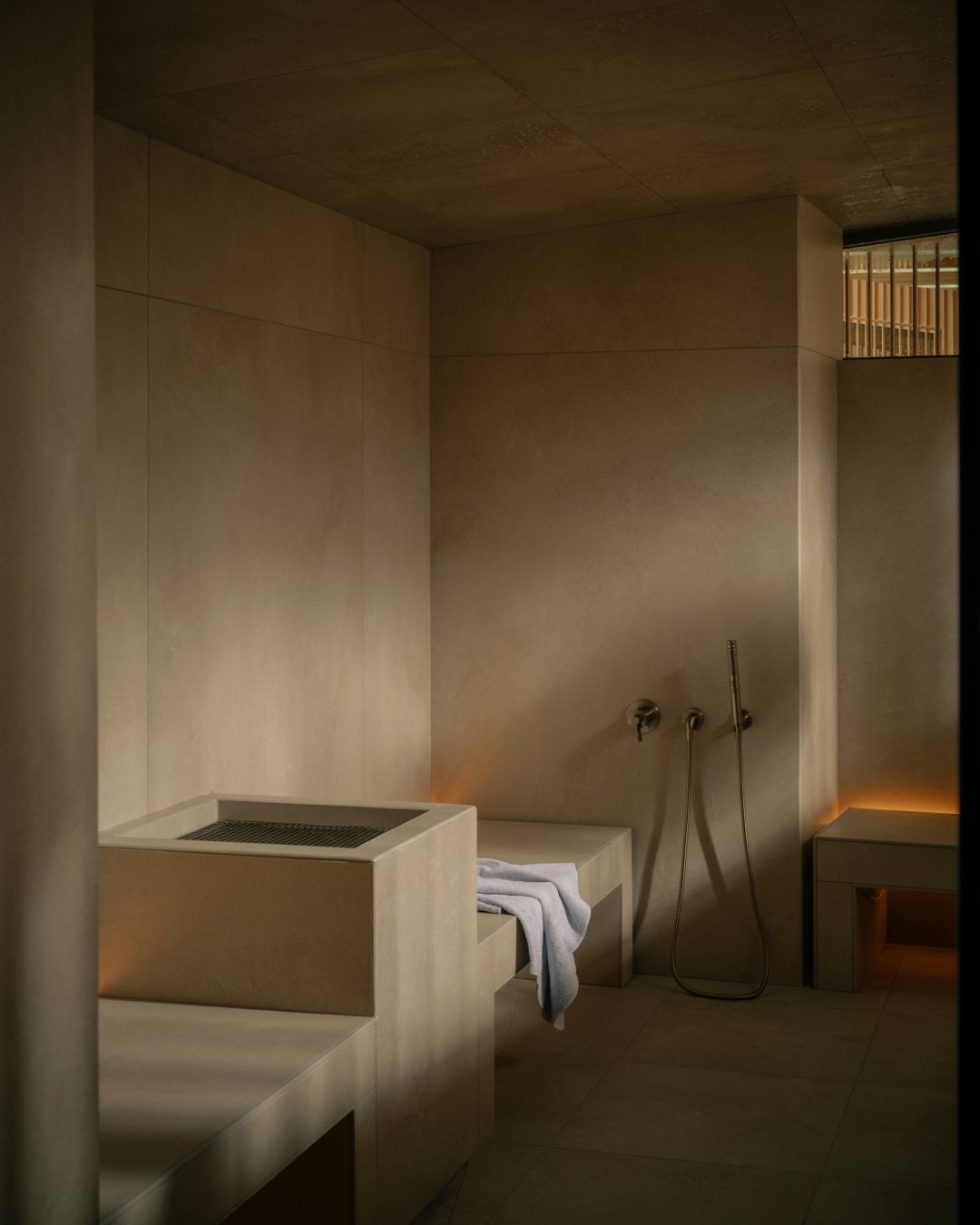
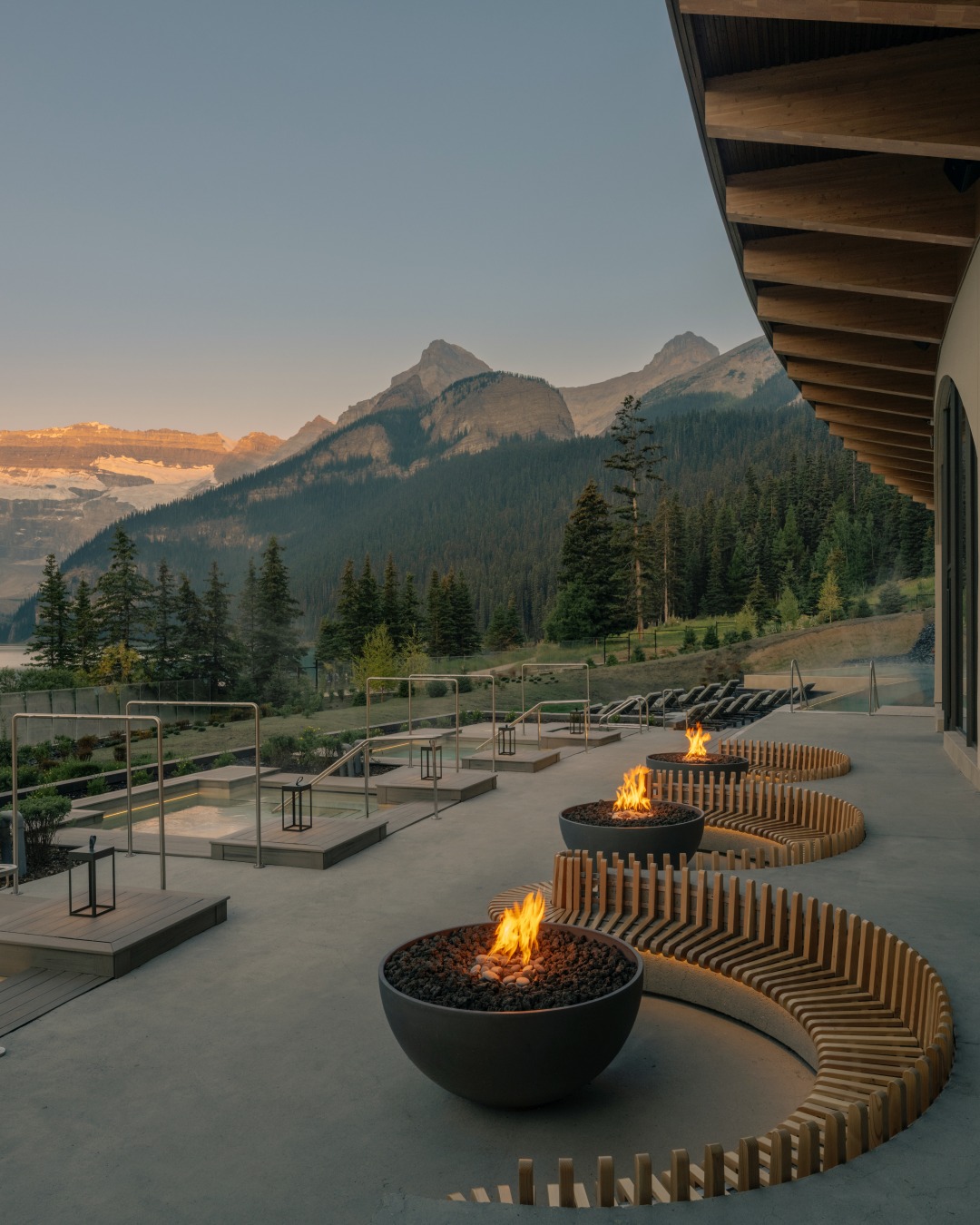
BASIN Glacial Waters Experience
Opened in September 2025, BASIN Glacial Waters Experience aims to be a wellness space that becomes one with nature. Every area of the spa is built with natural materials such as wood and stone, and the world-renowned architect Matteo Thun took part in the design. Facilities including a Finnish sauna, cold plunge pools filled with glacial water, and an infinity heat pool reflect a healing concept built on a “cycle of heat and cold.” Warm up in a sauna session led by a sauna master, then alternate between the cold and hot pools, and it feels as though your whole body’s battery has been replaced. On the patio at one side of the spa, you can even enjoy detox food and drinks made with local ingredients, so there is an experience here for all five senses.


