ASEAN’s Bitter & Sweet Coffees — A Bittersweet Tour of Southeast Asia
From Brunei to Viet Nam, a new wave of coffee is sweeping Asia. A roundup of the coffee culture, signature styles and best cafés in Brunei, Cambodia, Indonesia, Laos and Malaysia.
ASEAN’s Bitter & Sweet Coffees
From Brunei to Viet Nam, a new * wave of coffee is sweeping across Asia.
Words Pitch by Magazine
Materials courtesy of ASEAN-Korea Centre www.aseankorea.org/kor/travel/
* The ten ASEAN countries mainly grow Arabica and Robusta coffee, and some also produce Liberica. Arabica is demanding to cultivate, but it yields specialty coffee with rich aroma and flavor, so demand for it is growing across the region. Robusta is widely used for instant coffee, though in recent years top-grade Robusta has also been used to make specialty coffee. Overall, ASEAN coffees let you savor a balance of earthy and woody notes with bitterness.
Brunei
BRUNEI
History and Culture
Brunei does not have a long history of growing coffee. The first Arabica coffee officially grown on a Bruneian coffee farm reached the market in 2016. Labi Coffee Farm, which produced that first harvest, tends some 18,000 coffee trees and also exports to China, leading Brunei’s coffee industry. Bruneians enjoy coffee so much that they drink about one cup a day on average. Since the mid-2010s, a new coffee boom has taken hold among younger generations, and global brands and local cafés are opening one after another, centered on the capital, Bandar Seri Begawan. Though small in scale, they are building community culture and also offer roasted coffee and their own blends.
Coffee Style
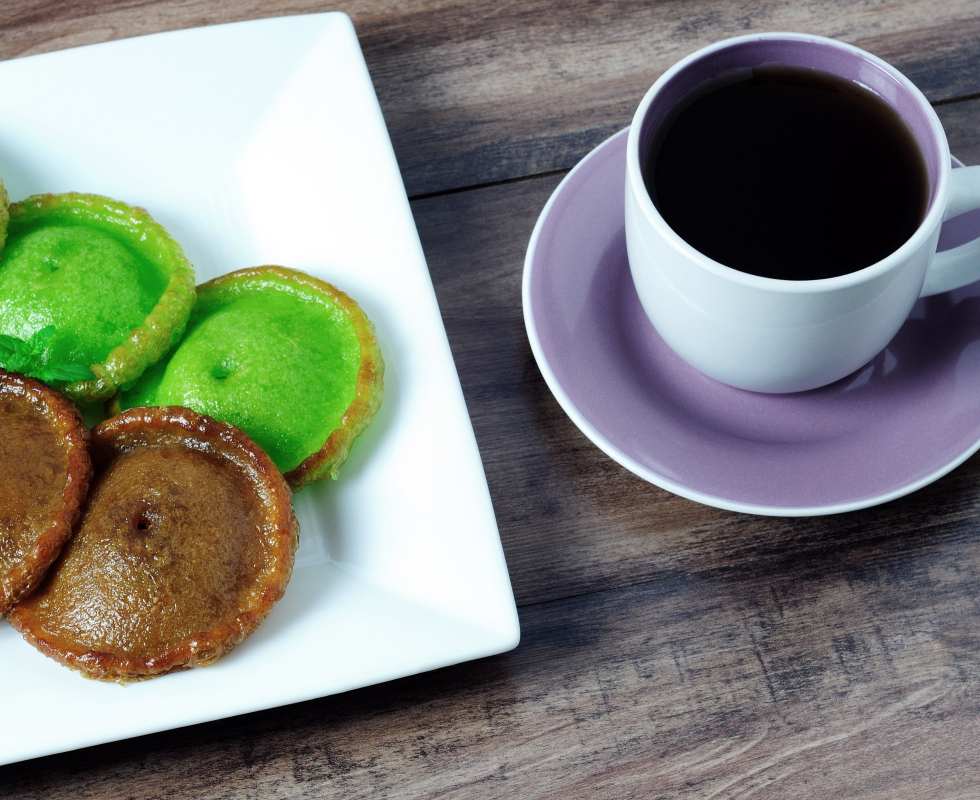
Locals in Brunei like to drink Malaysian-style Kopi-O (coffee with sugar), while younger people favor flat whites. Pairing coffee with a light meal or pastry is also typical. Add Penyaram, a traditional Bruneian dessert made with rice flour, cornmeal and coconut milk, or Roti Kuning Kahwin, crisply toasted bread spread with butter and kaya jam, and your coffee break is complete. Well-known local cafés are found mainly in Gadong and Kiulap, the commercial districts of downtown Bandar Seri Begawan.
Where to Drink It
❶ Three Light Coffee Bar A tiny café with only two tables, famous for its lattes. It is in the Gadong area.
❷ The Krema Coffee A café popular with hipsters, where the flat white is recommended. It is in Kiulap.
❸ Roasted Sip One of the few roastery cafés in Bandar Seri Begawan.
Cambodia
CAMBODIA
History and Culture
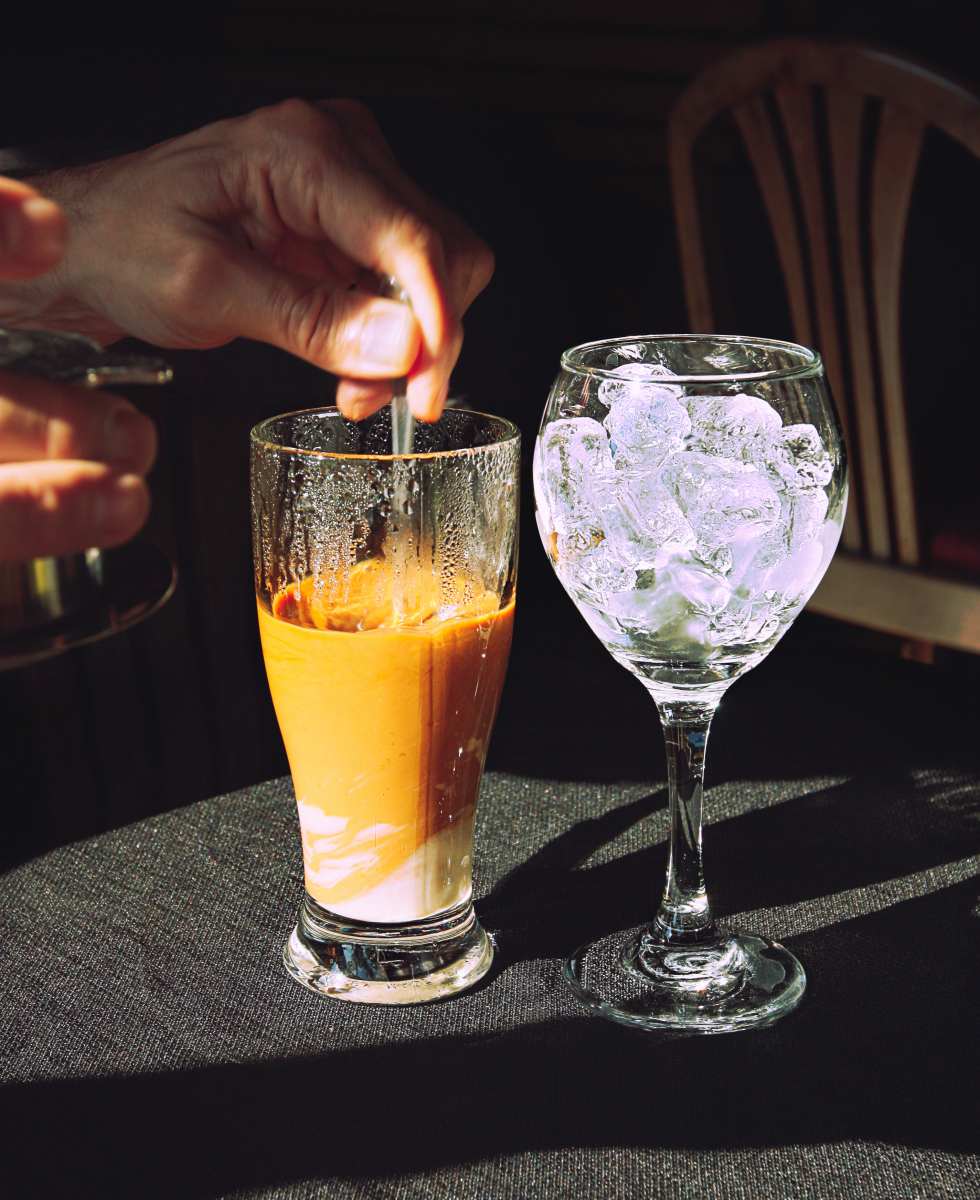
Coffee first arrived in Cambodia around the 19th century, when French culture came to the Indochinese Peninsula. Coffee is grown in the border region with Laos and Viet Nam in the Annamite Range in the northeast, in Mondulkiri Province in the east, and in the Cardamom Mountains in the west. Much of it is Robusta, a variety that can be produced at relatively low elevations. Output has shrunk compared with the past, but coffee culture has developed considerably, centered on the capital, Phnom Penh, and Siem Reap. In the 2000s, baristas from Australia and Europe introduced trendy cafés, and coffee franchises founded by locals are also gaining popularity.
Coffee Style
Only a decade or so ago, coffee in Cambodia was mostly a drink for older people sitting at street stalls. The one that changed this culture is Brown Coffee, now the top coffee brand in the country. Starting in Phnom Penh, Brown Coffee roasted beans from quality local farms in its own stores and drew customers with interiors that reinterpret Khmer culture in a modern way, bringing change to coffee culture. Elsewhere too, in places popular with travelers such as Siem Reap and Battambang, it is not hard to find good locally run cafés.
Where to Drink It
❶ Brown Coffee & Bakery A café that began in Phnom Penh and now runs more than 20 outlets across Cambodia.
❷ Feel Good Coffee A roastery brand committed to fair trade, available at Feel Good Café and Fulcrum Café in Phnom Penh, Kinyie Café in Battambang and elsewhere.
Feel Good Coffee feelgoodcoffee.com.kh/
Indonesia
INDONESIA
History and Culture
Indonesia is a global coffee powerhouse. Coffee trees first reached Indonesia through Dutch merchants in the late 17th century, and the history is long enough that coffee was being exported to Europe from the early 18th century. Each of the main islands, including Java, Bali, Sumatra, Sulawesi, Timor and Papua, is known for producing distinctive, high-quality Arabica specialty coffee. Sumatra’s Mandheling coffee in particular is loved by coffee enthusiasts around the world for its rich aroma and flavor. Coffees from Java and Sulawesi are also highly rated, and the country produces Kopi Luwak, the most expensive coffee in the world.
Coffee Style
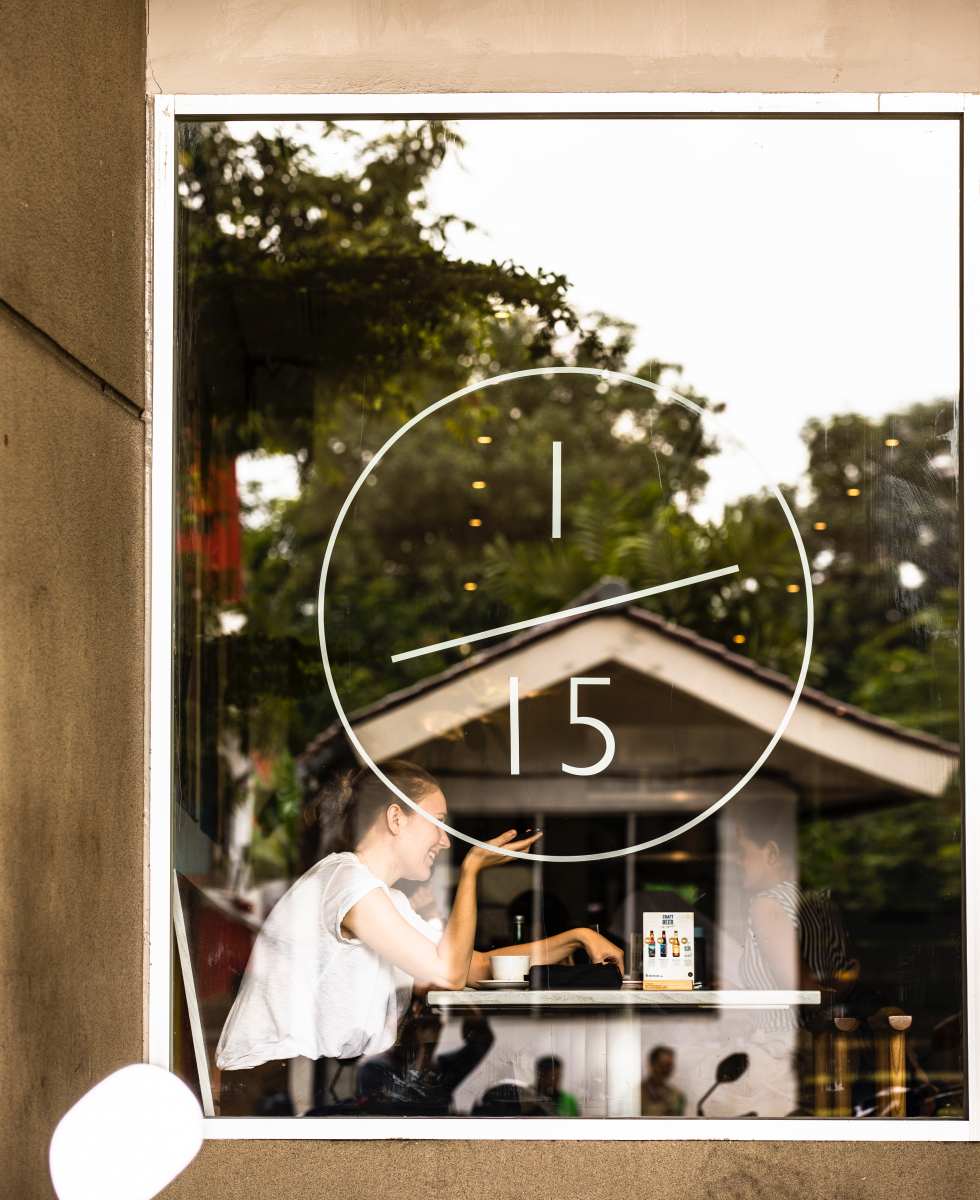
Pick one of the instant coffee sachets hanging in rows at an Indonesian street stall, and the vendor will tear it open on the spot and pour in boiling water to serve a sweet cup. The traditional ground-coffee style is to boil finely ground beans with sugar and drink it once the grounds settle. Today’s younger generation, of course, often seeks out cafés with individual character. If you are looking for young, stylish cafés, we recommend Kemang, considered one of the trendiest neighborhoods in South Jakarta. Cafés with sophisticated interiors, where professional baristas brew the coffee, cluster here.
Where to Drink It
❶ Say Something Coffee Memorable for its modern interior and friendly baristas. It is in Kemang.
❷ Seven Speed Coffee Small, but with a relaxed atmosphere, and famous for its cappuccino.
❸ Chief Coffee A café that boasts a stylish interior with beautiful furniture and lighting.
Laos
LAO PDR
History and Culture
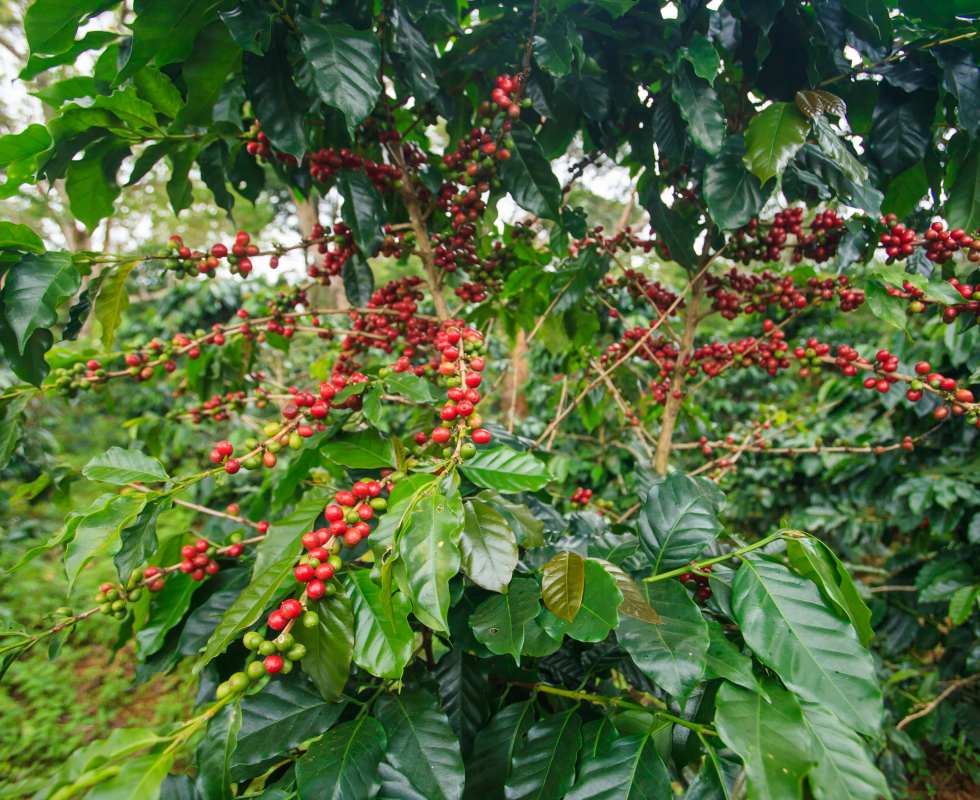
Laos began growing coffee in 1915 under French rule. The most famous growing area is the Bolaven Plateau in Paksong, Champasak Province, in the south. Lao coffee is characterized by a strong, clean taste and high caffeine content. Many farms mainly grow Robusta, and some higher-altitude areas also produce Arabica. The government encourages farmers to grow coffee, and perhaps thanks to that, coffee is one of Laos’s top ten export products. Recently, more farms are also focusing on organic coffee. In the capital, Vientiane, you can find specialty coffee shops, and the first Starbucks in Laos is set to open.
Coffee Style
Classic Lao coffee is appealing for its thick sweetness. Because it is brewed through a cloth filter, it has a strong, nutty flavor. Locals drink coffee for breakfast with baguette sandwiches sold on the street. Iced coffee, poured over a full glass of ice with condensed milk and sugar syrup added, is also a treat. Excellent local cafés cluster in downtown Vientiane, and most use coffee produced directly on farms within Laos.
Where to Drink It
❶ Le Trio Coffee Said to be the first roastery café in Laos.
❷ Café Sinouk Runs its own coffee farm on the Bolaven Plateau and sources its beans directly.
❸ Common Grounds Known for its latte art, it uses fairly produced beans from five regions of Laos.
Malaysia
MALAYSIA
History and Culture
About 95 percent of Malaysia’s coffee is the Liberica variety, mainly because the country has little of the highland terrain and soil that Arabica needs. Malaysian Liberica is smokier than Robusta and leaves a richer aftertaste. It is grown mostly in Sarawak on the island of Borneo and in Johor on the Malay Peninsula. Malaysia is said to have first encountered coffee in the 17th century, when the Dutch extended their influence in the region. Later, during British rule, Chinese immigrants created Kopi, a distinctive coffee brewed through a cloth filter and mixed with condensed milk. It spread from Malaysia to neighboring countries and took root as a coffee culture of its own.
Coffee Style
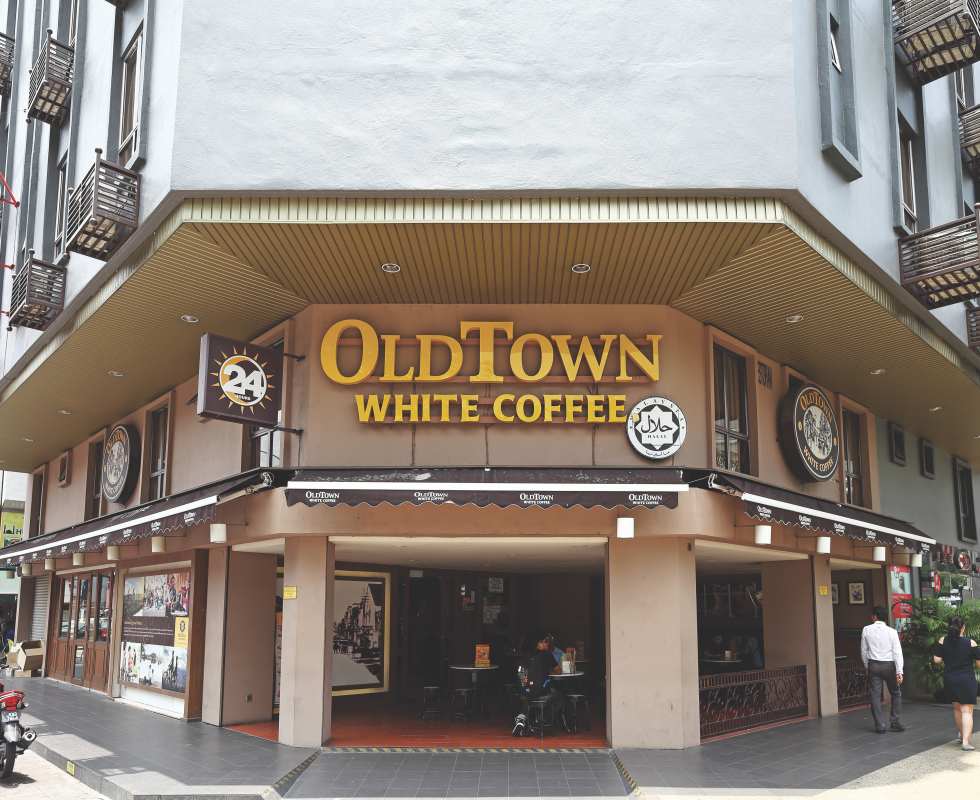
Before modern cafés appeared, the Malay Peninsula had the ‘Kopi Tiam,’ a street-side coffee stall where people could casually enjoy toast and kopi. The custom spread across the Malay-speaking world. Kopi styles differ slightly from region to region. Ipoh kopi, which began in Ipoh in the state of Perak, is made from beans roasted in margarine and sweetened with condensed milk, which gives it a pale color. Younger people today are more familiar with modern cafés than with kopi tiams. Bangsar, one of the trendiest neighborhoods in the capital, Kuala Lumpur, is full of hip cafés where skilled baristas serve a wide range of coffees. Old Town White Coffee, a local brand born in Ipoh, has expanded not only across Kuala Lumpur but also to Singapore and Australia.
Where to Drink
❶ Transparent Coffee A café whose baristas have won the Malaysian barista championship twice. Its milk-based coffee drinks are excellent.
❷ Page 2 Cafe Located inside the Bangsar Shopping Centre. Its signature menu features espresso and slow-brewed specialty coffee.
❸ Pulp A Singapore-based coffee brand that has converted a former printing factory into a space with a distinctive atmosphere.
Myanmar
MYANMAR
History and Culture
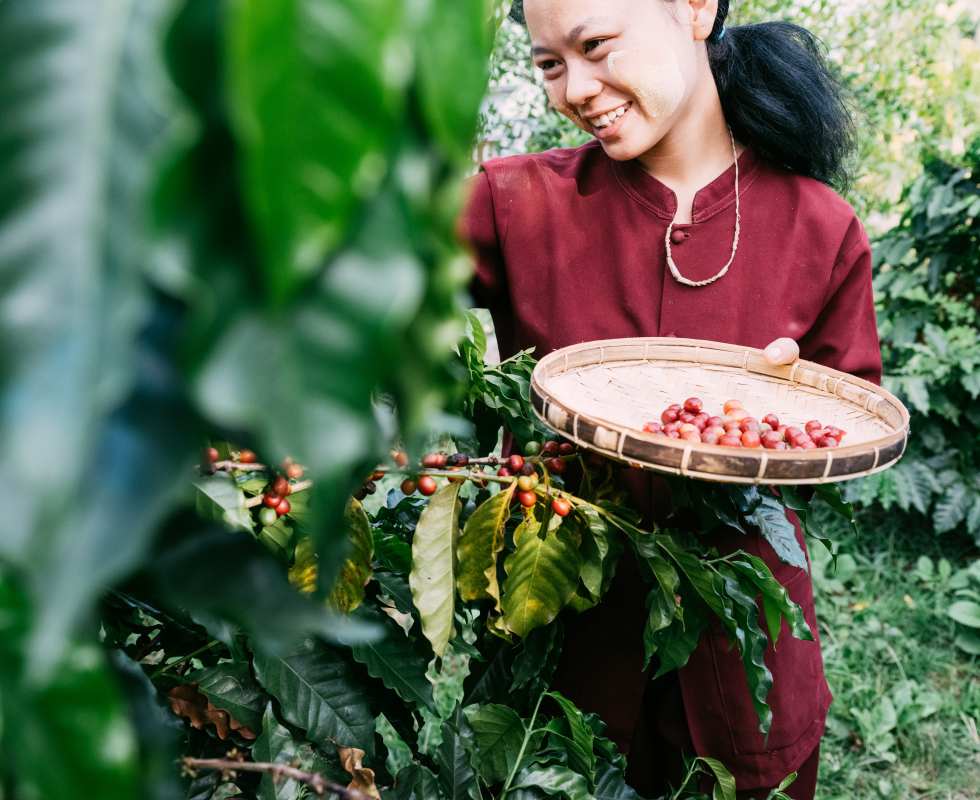
Myanmar does not produce much coffee, but it has more than 100 years of coffee-growing history. Most of its Arabica is grown in the northern highlands, where rainfall is abundant and the soil is excellent, while Robusta is grown mostly in the southern lowlands. Overall, Myanmar coffee is known for a bold flavor and aroma that rival Indonesian coffee. Its Arabica specialty coffee only began to appear in the mid-2010s, yet thanks to the eager adoption of modern production and processing techniques, the industry has grown remarkably for its short history.
Coffee Style
Modern coffee culture arrived in Myanmar only a little over a decade ago. The country produces good-quality beans, but the coffee scene was quiet for a long time. Recently, interest in specialty coffee has surged. Local cafés and roastery brands have emerged, centered on Yangon, creating a new wave of coffee culture. If you come across one of these cafés while traveling in Myanmar, don’t hesitate to walk in. It is a great chance to try appealing specialty coffees from different parts of the country.
Where to Drink
❶ Easy Specialty Coffee Serves Australian-style coffee drinks such as long blacks and flat whites.
❷ Taster Coffee Offers specialty coffees produced in various regions of Myanmar.
❸ Origin Coffee & Roastery A café that uses only beans sourced from farms in Shan State.
The Philippines
PHILIPPINES
History and Culture
The Philippines produces four kinds of coffee: Arabica, Robusta, Liberica, and Excelsa, thanks to its diverse natural environments. Coffee was introduced in 1740 by Spanish Catholic friars, who began cultivating it, and by the late 19th century the country had already grown into a major producer on the world stage. Unfortunately, coffee leaf rust later swept through and dealt the industry a heavy blow. After a long period of decline, the Philippine coffee industry is now slowly changing. Government agencies and small coffee farmers are working together, organizing coffee farm tours, trade shows, and coffee seminars to pursue sustainable growth.
Coffee Style
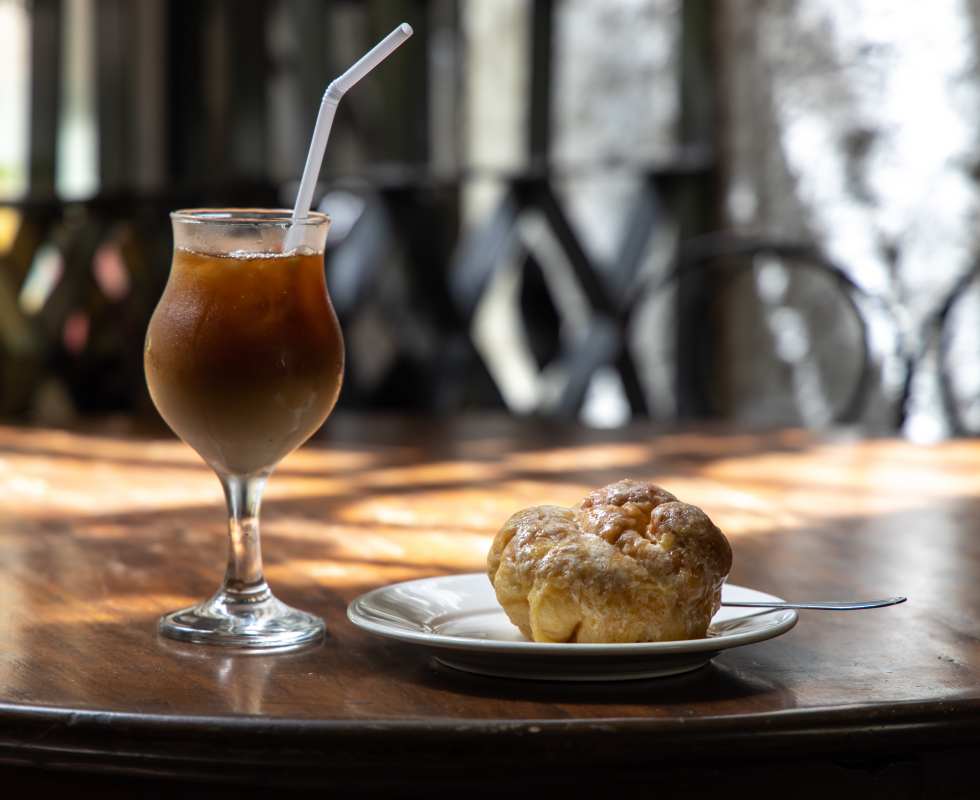
Instant coffee dominates in the Philippines, accounting for 90 percent of the coffee consumed. At the same time, locally grown coffee won the Philippine barista championship in 2020, confirming the potential of specialty coffee, and a growing number of cafés now serve Philippine specialty coffee. In the capital, Manila, you can take classes at places that specialize in coffee education, or shop at cafés that sell everything from espresso machines to all kinds of coffee equipment.
Where to Drink
❶ Yardstick Coffee A coffee bar and showroom that also offers coffee training.
❷ Blocleaf Café Serves specialty coffee from Philippine coffee farms.
❸ Commune A café that brews coffee using espresso machines as well as various drip methods.
Singapore
SINGAPORE
History and Culture
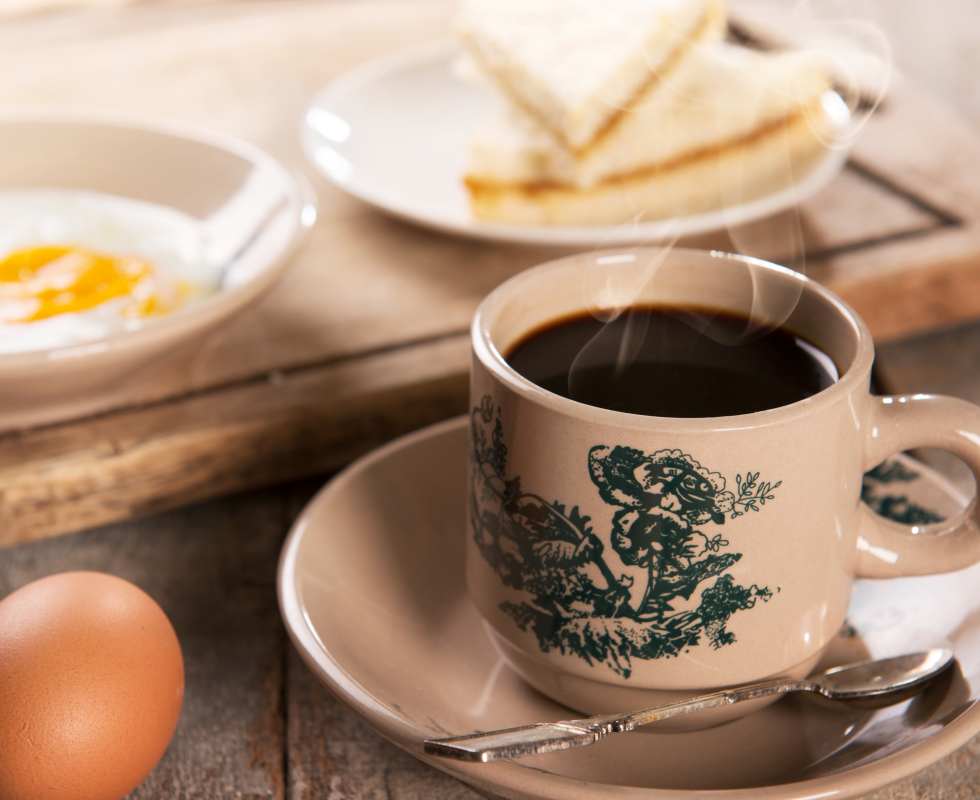
Singapore’s climate suits coffee trees, but no farms actually grow coffee commercially. Instead, Singapore is the home of Kopi culture. Created by Chinese immigrants under British rule in the 19th century, it is inseparable from Singapore’s identity. Early kopi was made by roasting Robusta beans with butter and sugar in a Chinese wok. The result was steeped through a cloth filter into a small cup and mixed with condensed milk, so it was as strong as espresso and high in caffeine. Times have changed. Today specialty coffee is growing explosively in Singapore, and as the city settles into its role as a hub of Asia’s coffee trade, its coffee culture is going through a generational shift.
Coffee Style
A breakfast of kopi and kaya toast at a lively neighborhood kopi tiam is an essential part of any trip to Singapore. A traditional kopi tiam is great, but you can also try it at chains such as Toast Box, which presents the kopi tiam in a modern form. Kopi comes in many varieties depending on how it is combined. Kopi-O is coffee with sugar, Kopi-C is coffee with sugar and unsweetened evaporated milk, and Kopi-Peng is iced coffee with sugar and condensed milk. Meanwhile, specialty coffee cafés have also multiplied rapidly in recent years. Well-known cafés are clustered around Everton Park, where galleries and boutiques gather, and around the hot spots of Lavender Street and Jalan Besar.
Where to Drink
❶ Nylon Coffee Roasters A café leading Singapore’s specialty coffee scene, located in Everton Park.
❷ Apartment Coffee Run by a Singapore Brewers Cup champion, this café serves a variety of coffees from around the world, timed to each region’s harvest season.
Thailand
THAILAND
History and Culture
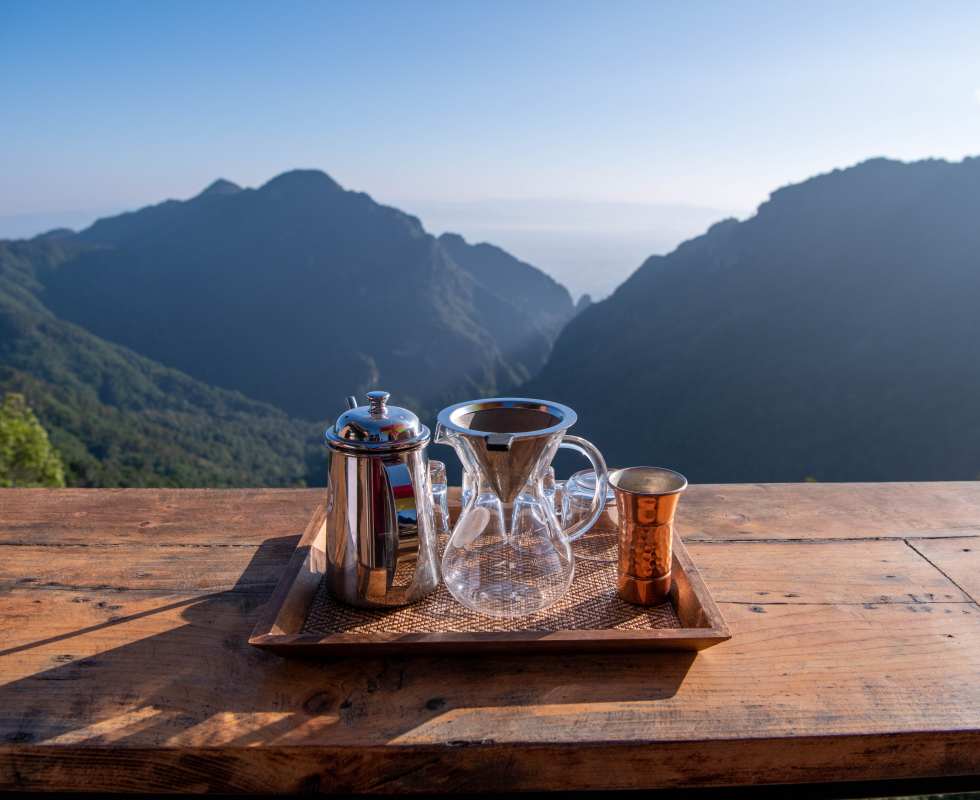
Coffee production in Thailand began in earnest in the 1970s. Arabica is grown in the northern mountains known as the Golden Triangle, while Robusta is grown mainly elsewhere. A few farms in Chiang Mai and Doi Chang in particular pick coffee cherries by hand, producing high-quality coffee recognized as some of the best specialty coffee in Asia. During World War II, a distinctive Thai style of roasting called Kafae Boran appeared. Because beans were hard to come by, coffee was roasted together with grains, spices, and sugar. Even today, with coffee demand rising sharply every year and cutting-edge roastery cafés everywhere, Kafae Boran remains popular.
Coffee Style
After the first Starbucks opened in Bangkok in 1998 and the number of coffee enthusiasts in Thailand grew, specialty coffee became the mainstream. Centered on Bangkok and Chiang Mai, cafés run by professional baristas satisfy the demanding tastes of travelers and locals alike, and you can also find cafés run directly by coffee farms. If you want to go ‘café hopping’ in Thailand, head to Thonglor or Ekkamai in Bangkok’s Sukhumvit area. The main cafés driving Bangkok’s coffee community culture are located around here.
Where to Drink
❶ Roots Coffee Roaster: This café is often called the heart of Bangkok’s coffee community.
❷ Kaizen Coffee: Famous for its cold brew, it is located in the Sukhumvit area.
❸ Ceresia Coffee Roasters: A place to try a wide range of single-origin beans.
Viet Nam
VIET NAM
History and Culture
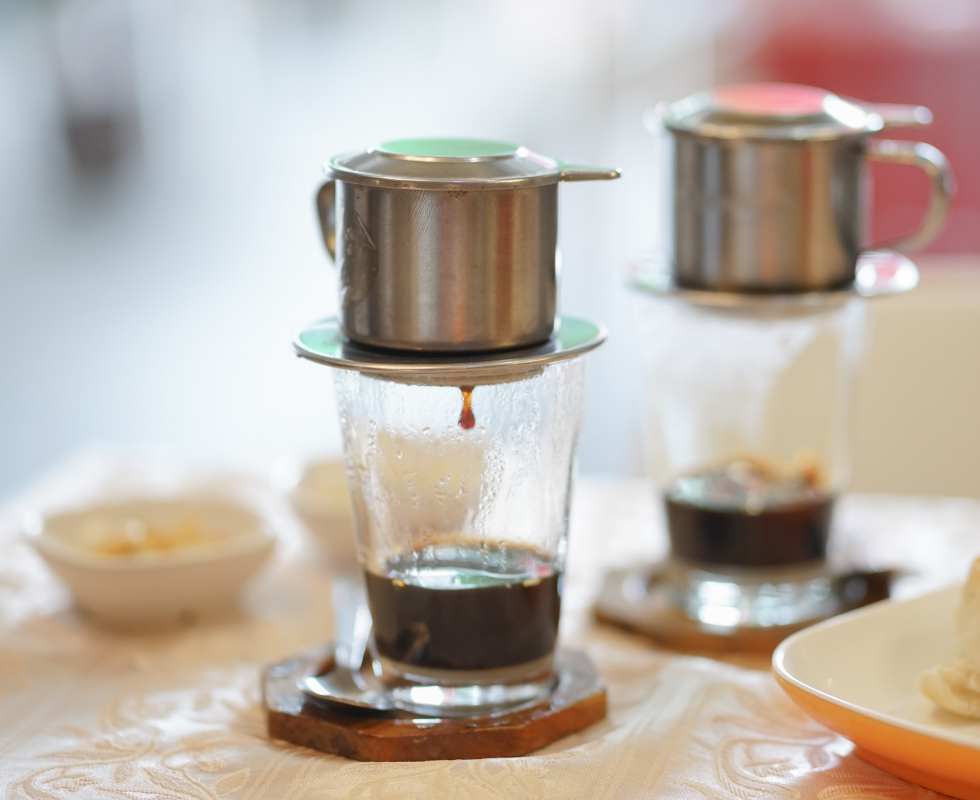
Viet Nam is the world’s second-largest coffee producer. Its coffee industry, which began developing during French rule in the 19th century, stalled briefly during the Viet Nam War but grew rapidly after the war under government leadership. As a result, roughly 40 percent of the robusta coffee drunk around the world comes from Viet Nam. Most of the country’s coffee farms are in the Central Highlands, known as Tay Nguyen. Among them, Dak Lak is the largest robusta-growing region in the world, while Da Lat City produces high-quality robusta and arabica. In fact, Vietnamese people drink more tea than coffee, but the strong, sweet Vietnamese style of coffee has already become an icon of the country.
Coffee Style
Traditional Vietnamese coffee is made by brewing dark-roasted beans through an aluminum filter called a phin. The coffee is poured into a cup of condensed milk to make cà phê sữa đá, known as Vietnamese iced condensed-milk coffee. Beyond condensed milk, there is also a wide range of inventive coffee drinks made with egg, yogurt, coconut, cheese, butter and more. In the past few years, a specialty coffee culture has taken shape in tourist destinations and large cities, including Ho Chi Minh City and Hanoi. If you want to explore the youngest and trendiest cafés in Ho Chi Minh City, we recommend District 1. You can try everything from Vietnamese egg coffee to specialty coffee made with locally grown beans. Highlands Coffee, a local brand with many branches around the city, has won wide popularity for menu items that update the Vietnamese phin coffee for today’s tastes.
Where to Drink
❶ The Workshop Specialty Coffee: A favorite of Ho Chi Minh City’s digital nomads, housed in an elegant building from the French colonial era.
❷ Okkio Cafe: Known for its Vietnamese egg coffee, which is appealingly nutty and sweet.
❸ Shin Heritage: A café where you can taste specialty coffee produced in Viet Nam.