ASEAN Eco Retreat Travel
Discover cities, sights, stays, and activities in ASEAN countries where you can fully immerse yourself in nature, from Viet Nam and Thailand to the Philippines, Singapore, and Myanmar.
Set out on an ASEAN eco retreat, where you breathe with nature and give your body and mind true rest. Here are the generous landscapes, heartfelt cultural heritage, and the eco retreat stays and activities of the ten ASEAN countries.
Words Pitch by Pitch
In collaboration with ASEAN-Korea Centre*
* The ASEAN-Korea Centre is an international organization that promotes economic, social, and cultural cooperation between the governments of Korea and the ten ASEAN member states. Its travel website offers a wide range of articles on traveling in ASEAN.
Mui Ne
Viet Nam
Area: about 35 square kilometers
Population: about 26,000
Best time to visit: between August and February
Getting there: Take a direct flight from Incheon International Airport to Ho Chi Minh City, Viet Nam (about 5 hours), then continue to Mui Ne by bus (about 4 hours).
About Mui Ne
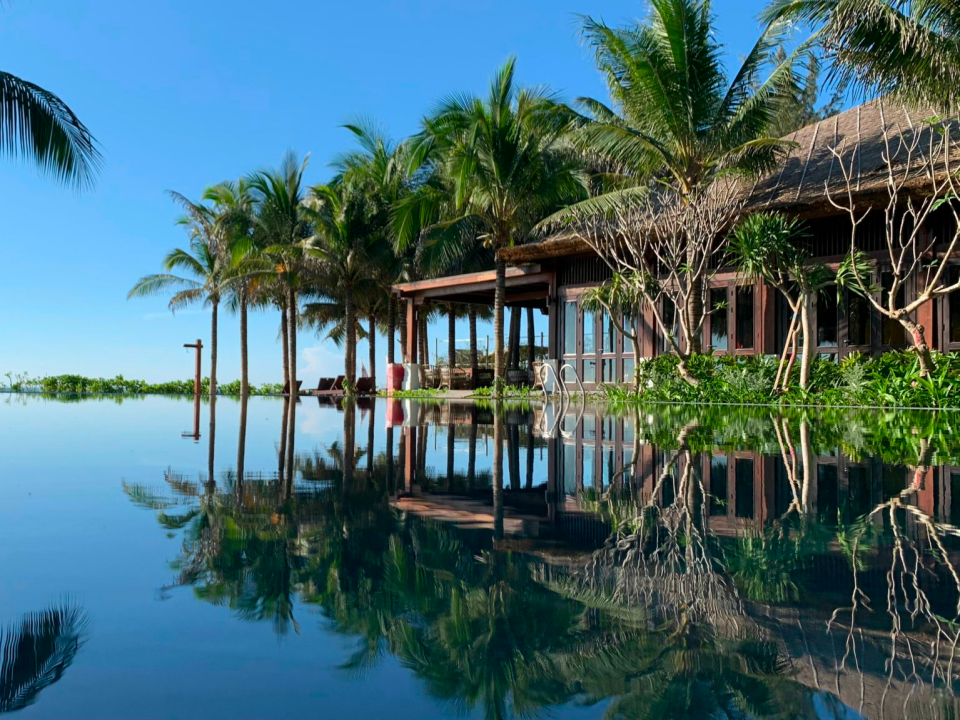
Mui Ne is a small seaside resort town in Phan Thiet, in southern Viet Nam between Ho Chi Minh City and Nha Trang. It was once an offbeat fishing village for adventurous travelers who came to camp on the dunes and claim a remote beach all to themselves. Today it ranks among southern Viet Nam’s leading resort destinations, with resorts lining its long, straight shoreline. Then as now, though, Mui Ne’s mysterious landscape of desert and sea captivates anyone looking for a different kind of healing trip. Sunrises and sunsets watched from the dunes, quiet, clean beaches where you can simply listen to the waves, an old fishing-village scene crowded with traditional boats. Time in Mui Ne flows slowly, at a pace entirely unlike that of a busy metropolis, and it is hard not to sink into the rest that nature offers. Atmospheric cafés and restaurants dotted along the beach, which stretches more than 10 kilometers, and activities ranging from kitesurfing to desert tours will make for a vacation with no dull moments.
Where to enjoy nature
The biggest reason many travelers come to Mui Ne is to see its sand dunes. They are divided into the Red Sand Dunes (Doi Cat Vang) and the White Sand Dunes (Doi Cat Trang). The Red Sand Dunes are easy to reach and modest in scale, while the White Sand Dunes, about 24 kilometers northeast of the town center, are far larger and evoke a vast desert panorama. The Fairy Stream (Suoi Tien), a canyon formed amid the sands, is also not to be missed. Water runs along a small stream between forest and sandstone cliffs, creating a mystical atmosphere in which a fairy, as the name suggests, might appear at any moment. You can wade through it barefoot, which makes it a perfect hiking route. The beautiful beach, which extends for 15 kilometers, is ideal for quiet relaxation, and in nearby fishing villages you can glimpse Mui Ne as it was before it became a tourist destination. If you are looking for sights beyond nature, we recommend the Thap Cham Poshan), 6 kilometers west of Mui Ne. Stand on the hill where three towers built in the ninth century during the Champa Kingdom sit, and you can take in sweeping views as well.
Eco retreat stays and activities
Many hotels and resorts in Mui Ne are seeking ways to coexist with the local environment without harming it. For example, they run on solar power and light candles instead of outdoor electric lighting after dark. Resort buildings and guest room interiors alike use eco-friendly natural materials, towel and linen reuse programs are offered, and some resorts organize monthly beach cleanups together with guests.
Mui Ne’s beach is a paradise for kitesurfing and windsurfing. Kitesurfing in particular is easy even for beginners, so we recommend giving it a try. For safety and for the protection of nature, instruction before you surf is a must. Take a structured lesson at one of the surf schools along the beach, then head out to sea. You can also enjoy a wide range of other activities that bring you closer to nature, including snorkeling and scuba diving, where you can see local wildlife and coral reefs.
Trat
Thailand
Area: about 2,891 square kilometers
Population: about 230,000
Best time to visit: between November and March
Getting there: Fly from Incheon International Airport to Trat International Airport with one stopover in Bangkok (about 9 hours including the layover).
About Trat
Long famous for its gem mines, Trat Province is a true hidden gem of Thailand. More than 50 islands spread out along the Gulf of Thailand coastline to the south, and the province borders Cambodia to the east. Because development came later here than in other Thai resort areas, its pristine nature and local ways of life remain relatively well preserved. In a word, it was a hidden place visited only by travelers who wanted to idle on quiet beaches and slip into the daily life of locals. Trat, the provincial capital, is well known as the gateway to Koh Chang and the surrounding islands, as well as to Cambodia’s coastal area. It is not large, but it is full of natural, old-fashioned charm, from its unassuming riverside scenery to streets lined with wooden shophouses.
Where to enjoy nature
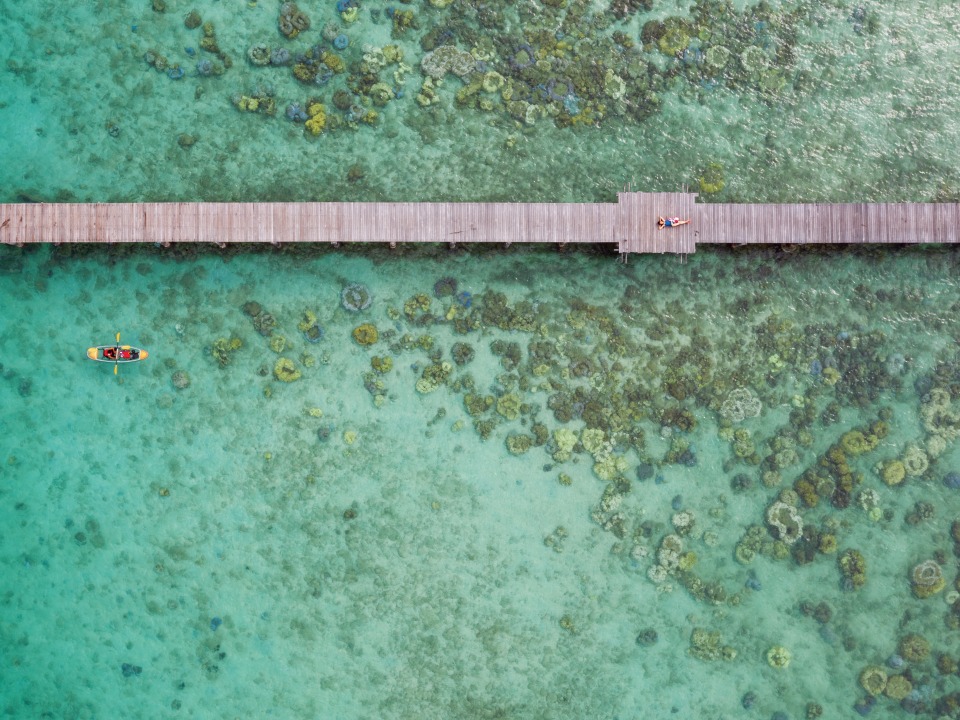
Most travelers who visit Trat head for the islands, large and small, in the Gulf of Thailand, including Koh Chang, Koh Mak, and Koh Kood. Koh Chang, whose name means “elephant island” because it is said to resemble an elephant, is the third-largest island in Thailand. It holds beautiful natural scenery, from tree-covered peaks to tropical rainforest and long stretches of sand. Visitors have been arriving steadily and development is moving quickly in recent years, but you can still discover the untouched charm of a remote island. If you want a quieter, more private getaway, spending time on smaller, less developed Koh Kood or Koh Mak is a good option. The Ban Tha Ranae eco community, famous as the “Mangrove Wonderland” at the river mouth where the Trat River meets the Gulf of Thailand, is also worth a visit. It is a rare chance to make your way through the mangroves and observe magnificent primeval forest and rare flora and fauna.
Eco retreat stays and activities
In Trat, it is easy to find accommodations built with nature-friendly materials and run under environmental protection policies. At a hotel on Koh Kood, surrounded by deep greenery of tropical rainforest and mangroves, 2 percent of the room rate goes to an environmental fee, and eco-friendly practices include managing insects without pesticides. On Koh Chang as well, you can find eco retreat stays that run restaurants using ingredients grown on their own farms and work to minimize their carbon emissions.
Activities that let you experience the abundant nature are another essential part of an eco retreat in Trat. Around Klong Plu Waterfall on Koh Chang, you can hike and discover the hidden scenery of the island’s interior. It is the largest waterfall on Koh Chang, and the heat fades quickly thanks to the rushing water and cool breeze as soon as you approach. Kayaking through the mangrove forest at Ban Salak Khok, a fishing village on the island, is also worth adding to your itinerary. You will feel the fresh breeze and peaceful nature with your whole body.
Palawan
Philippines
Area: about 14,650 square kilometers
Population: about 950,000
Best time to visit: between November and May
Getting there: Fly from Incheon International Airport to Puerto Princesa International Airport with one stopover in Manila (about 7 hours 30 minutes including the layover).
About Palawan
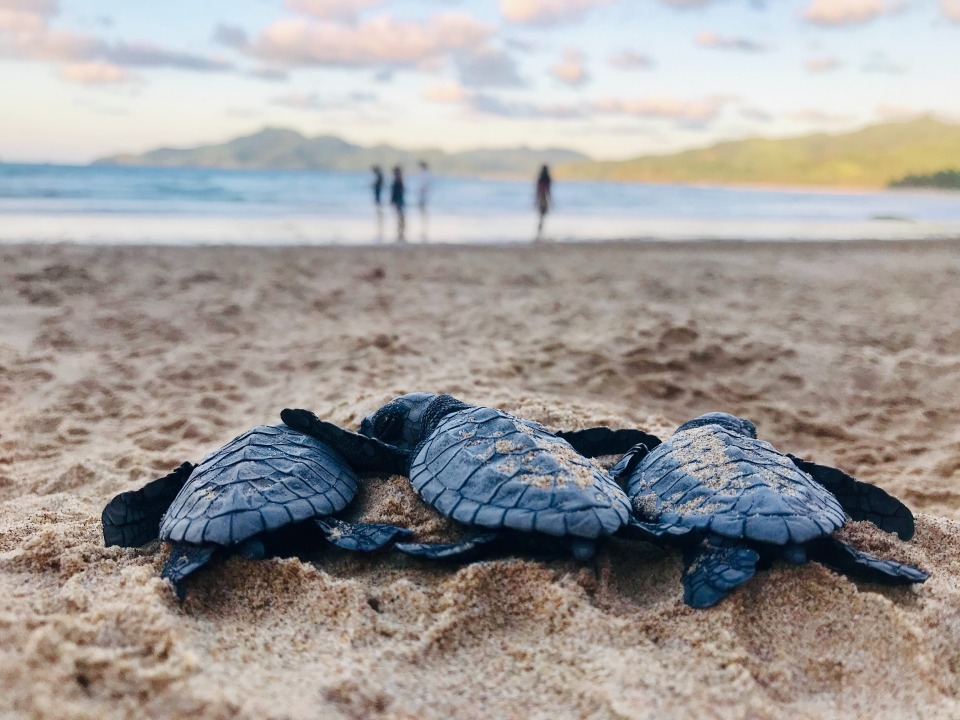
“The last frontier of ecosystems.” Could there be a more accurate way to describe Palawan, at the western edge of the Philippines? Facing the South China Sea and the Sulu Sea, the long, north-south island is a center of ecotourism recognized not only in the Philippines but around the world. Clear beaches dotted with picturesque cliffs, more than 1,700 surrounding islands, waters in every hue from emerald to deep cobalt, a marvelous marine ecosystem that includes the largest coral reef colony in Southeast Asia, and national parks and nature parks inscribed as UNESCO World Heritage Sites. A trip here, diving in again and again by day to meet marine life and savoring the stillness by night with fireflies as your lights, offers time brimming with nature.
Where to Immerse Yourself in Nature
Located in the middle of the island, Puerto Princesa is the capital and port city of Palawan and the gateway to the island. Many travelers stay in Honda Bay, lined with resorts, and head out on island-hopping and snorkeling tours to the uninhabited islands nearby. For a true eco adventure, head to Puerto Princesa Subterranean River National Park, about 80 kilometers northeast of the city. A UNESCO World Heritage site, it lets visitors board a boat to tour part of the underground river and observe limestone cave formations such as stalactites and strange rock shapes. Off the coast of Palawan, in the Sulu Sea, lies Tubbataha Reefs Natural Park, the Philippines’ first World Heritage site. Centered on two vast atolls and a coral island, it is a unique marine ecosystem home to countless sea creatures. Because it is open only during set periods to protect the surrounding environment, it is on the bucket list of diving enthusiasts around the world. El Nido, at the island’s northern tip, is considered the highlight of Palawan. Around a modest fishing town, more than 300 islands form an archipelago, and clean beaches, turquoise lagoons and sandstone cliffs come together in dazzling scenery. Hidden caves are tucked away everywhere, and the dive spots and snorkeling sites are too many to count.
Eco Retreats and Activities
Palawan has several eco lodges inspired by the island’s beautiful sea, white sand beaches and graceful mountain landscapes, and committed to preserving its natural heritage. Built with locally sourced materials, these eco-friendly lodges work to cut energy consumption by running on 100 percent solar power and collecting and recycling rainwater, while also growing their own organic produce to reduce their carbon footprint. Some put the local community and the environment first, furnishing their rooms with lamps made from recycled wine bottles, side tables made from fallen tree trunks and handicrafts by Palawan artists.
In Palawan, activities such as scuba diving, paddleboarding and private island-hopping tours await travelers who want to experience its mysterious nature in depth. If you want a more dynamic adventure, try a shipwreck dive or explore the limestone caves along the world’s second-longest underground river.
Singapore
Singapore
Area: about 719 square kilometers
Population: about 5.97 million
Best time to visit: between February and October
Getting there: Direct flights run from Incheon International Airport to Singapore Changi Airport (about 6 hours 30 minutes).
About Singapore
A cityscape of high-rise skylines, large shopping malls and modern man-made structures is only one of Singapore’s many faces. Nearly half of this island nation’s land is covered in green, and it is more earnest than almost anyone about protecting it.
To discover the true charm and value of Singapore’s nature, you have to leave downtown and head for the nature reserves on the outskirts. Wild mangrove wetlands, dense forest spanning 2,000 hectares, beautiful coastal scenery. The nature reserves across the island offer wonderful views while serving as habitats for countless plants and animals and playing an important role in preserving biodiversity. Walk the paths and natural trails within the reserves, or the suspension bridges and canopy walks set in the treetops, and take in the energy of Singapore’s lush nature.
Where to Immerse Yourself in Nature
Not many travelers know that Singapore has a wetland reserve. Sungei Buloh Wetland Reserve, on the island’s northwest coast, is one of Singapore’s four nature reserves. Recognized for its unique ecosystem and biodiversity, it was designated Singapore’s first ASEAN Heritage Park in 2003. Together with the nearby freshwater wetland Kranji Marshes and Kranji Reservoir Park, it is known as the Sungei Buloh nature park network. The area is also famous for birdwatching, since it is an important resting place every year, from autumn through the following spring, for migratory birds traveling from the Northern Hemisphere to the Southern Hemisphere. The reserve, about 200 hectares in area, takes in mangroves, mudflats, ponds and forest, and themed trails make it possible to explore every corner. Tropical plants and wildlife such as crocodiles, iguanas and bats are also not to be missed. It’s perfect to also visit Kranji Marshes, home to a wide variety of flora and fauna including endangered species, and then enjoy the open view of the Johor Strait from Kranji Reservoir.
Eco Retreats and Activities
Singapore is a city well suited to an eco-friendly staycation. It isn’t hard to find hotels that cut electricity use with solar energy and have systems that collect rainwater on the roof surface to water the plants and gardens packing their terraces. Efforts such as building vertical gardens on skyscrapers or covering exterior walls with climbing plants also ease the urban heat island effect and add freshness to the cityscape.
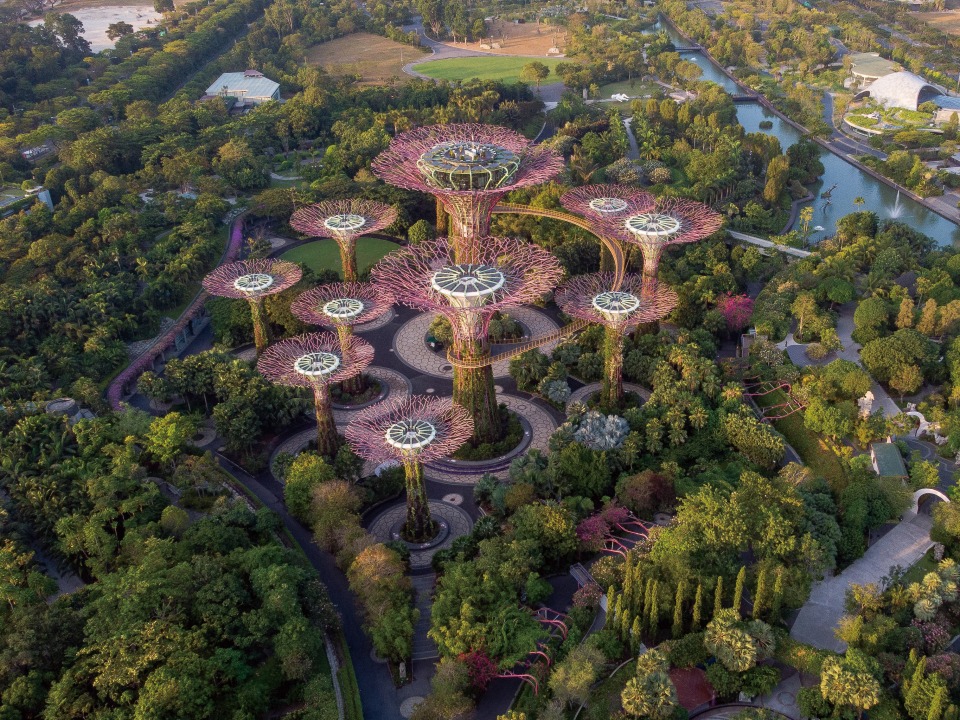
Hiking is the easiest way to discover the true face of Singapore’s great outdoors. Sungei Buloh Wetland Reserve has a variety of hiking routes by theme and offers guided tour programs. Catch the views at sunrise and sunset, or walk the canopy walk and observe the wildlife. On the Bird Trail and Coastal Trail routes, you can also enjoy a refreshing run. If you are short on time, even the man-made garden Gardens by the Bay offers plenty of short hikes in nature.
Shan State, Myanmar
Shan State, Myanmar
Area: about 155,800 square kilometers
Population: about 5.8 million
Best time to visit: between November and February
Getting there: Take a direct flight from Incheon International Airport to Yangon International Airport (about 5 hours 50 minutes), then a domestic flight (about 3 hours) to Shan State.
About Shan State
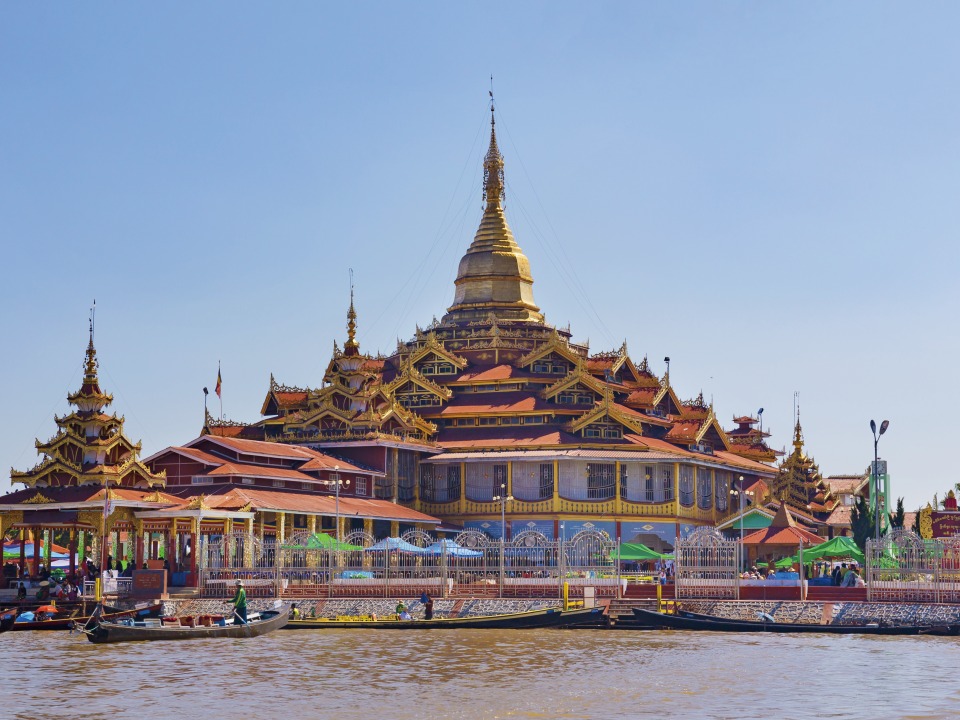
If you want to meet new cultures by connecting with diverse ethnic minorities with fascinating backgrounds and histories, and to have a different kind of experience in the embrace of nature, set out for Shan State in eastern Myanmar. It is a region of the gently flowing Thanlwin River, winding mountain terrain and beautiful caves formed over centuries. Its cooler weather compared with Yangon is an advantage, and it is also good for trekking past waterfalls, valleys and peaceful rice paddies. Villages of ethnic minorities who keep unique customs, and Inle Lake, famous for its enchanting sunsets, are also part of Shan State’s appeal. Immerse yourself in Shan State’s tranquil nature and enjoy a restful trip.
Where to Immerse Yourself in Nature
You can’t talk about travel in Shan State without mentioning its natural caves. Unknown caves with rare sights await travelers: Tham Sann Cave, where you can see beautiful stalactites and stalagmites that hold millions of years, Pindaya Cave, filled with some 8,000 Buddha statues of every size and form, and Pyadalin Cave, which even offers glimpses of traces of the Neolithic era.
Covering more than 110 square kilometers, Inle Lake is Myanmar’s second-largest lake and Shan State’s signature tourist destination. The lake, Myanmar’s first UNESCO Biosphere Reserve, is home to a variety of fish and aquatic life, including some 35 endemic species. At dusk in particular, the lake with its sky turned red, together with the stilt houses and wooden boats dotting it, looks like a work of art. One way to reach Inle Lake, and the one we recommend, is trekking. The roughly 40-kilometer route from the village of Kalaw, set in a highland area more than 1,000 meters above sea level, to Inle Lake is Myanmar’s signature trekking course. The climbs are not steep and the temperatures are cool, so even beginners can walk it without worry.
Eco Retreats and Activities
The lodgings around Inle Lake take sustainability seriously. They offer rooms inspired by traditional Shan architecture, restaurants that use only their own homegrown produce and local food, and boutiques selling crafts by local artists, and everything from the furniture and decor in the rooms to the bathroom amenities is made only by local producers. At resorts that respect traditional culture, you can have the wonderful experience of cooking traditional Myanmar dishes with vegetables grown on site and then tasting them yourself. They also offer a program of birdwatching on Inle Lake by private boat.
There are plenty of activities for experiencing Inle Lake beyond the resort, too. Board a wooden boat paddled by a local guide to visit a floating market, find a temple floating in the middle of the still lake, or greet the Intha fishermen who row with one leg.
Langkawi, Malaysia
Langkawi, Malaysia
Area: about 478.5 square kilometers
Population: about 85,000
Best time to visit: January to February or June to July
Getting there: Take a direct flight from Incheon International Airport to Kuala Lumpur International Airport (about 6 hours 20 minutes), then a domestic flight (about 45 minutes) to Langkawi.
Introducing Langkawi
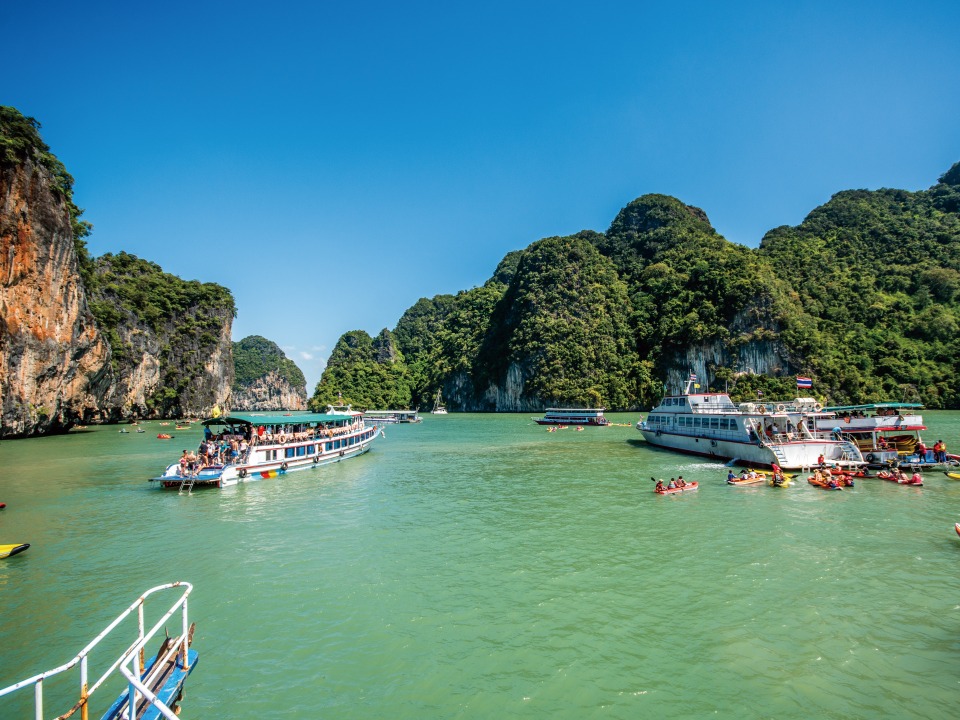
Off the northwest coast of Malaysia, Langkawi is an archipelago of more than 100 islands, and its nickname, “Jewel of the Andaman,” suits it perfectly. Pulau Langkawi, the largest island and the one that gave the archipelago its name, is the base camp for any Langkawi trip, and it is full of the wonders of primeval nature. What captivates travelers first are the beaches, where soft white sand that cradles your feet meets clear, jade-colored water. Resorts line the coast so that no one misses the picture-perfect scenery of the Andaman Sea, making it an ideal place to live out a bucket-list vacation. Head inland, where rainforest-covered mountains and hills blanket two-thirds of the island, and an entirely different landscape awaits: geoforest parks, mangrove forests, jungle-clad valleys, majestic waterfalls, and natural hot springs.
Where to Soak Up Nature
Thanks to its distinctive geological heritage, including mountains formed more than 500 million years ago, beautiful karst formations, and vast mangrove forests, the entire Langkawi archipelago was designated a UNESCO Global Geopark in 2007, the first in Southeast Asia. With three protected geoforest parks, it is one of the world’s leading ecotourism destinations. Among them, Kilim Geoforest Park, in the northwest of Pulau Langkawi where the Kilim River meets the sea, is famous for its mangrove tours. As your boat glides across emerald water, you are treated to the sight of dense mangrove forest set against sheer sandstone cliffs. You can also explore bat caves and get close to a variety of wildlife, including white-bellied sea eagles, mud crabs, and monitor lizards.
In the island’s northwest lies Machinchang Cambrian Geoforest Park, the geologically oldest in the archipelago. On an island-hopping tour, you can also visit Dayang Bunting Marble Geoforest Park, which covers an entire island, or Pulau Beras Basah.
Eco Retreat Stays and Activities
In Langkawi, it is not hard to find sustainable retreats that offer activities protecting the area’s nature and ecology. A beach resort on Cenang Beach takes the lead in marine conservation through beach combing, a daily cleanup of trash along the shore. A resort on Tanjung Rhu Beach, popular for its tours of the mangroves in Kilim Geoforest Park, regularly holds mangrove and beach cleanups and actively helps protect the island’s natural environment. It works on local coral regeneration, restoration of wildlife habitats, wastewater management, and extensive recycling, and it also has a nature education center where guests can learn more about Langkawi’s wildlife.
Champasak, Laos
Champasak, Lao PDR
Area: approx. 15,400 square kilometers
Population: approx. 700,000
Best time to visit: between November and February
Getting there: Take a direct flight from Incheon International Airport to Wattay International Airport in Vientiane, Laos (about 5 hours 15 minutes), then a domestic flight (about 1 hour 15 minutes) to Pakse, the capital of Champasak Province.
Introducing Champasak
Champasak Province in southern Laos is a place of unhurried living, warm hospitality, and rich cultural, historical, and natural heritage. Its capital, Pakse, offers a glimpse of the flourishing of Laotian culture in the past. At a strategic point where the Xe Don River meets the Mekong, the area is home to Wat Phou, a temple that shows the classic Khmer architectural style of the 5th to 12th centuries. Together with the Khmer Empire’s cities and Phou Kao mountain, the Champasak cultural landscape is a UNESCO World Heritage site.
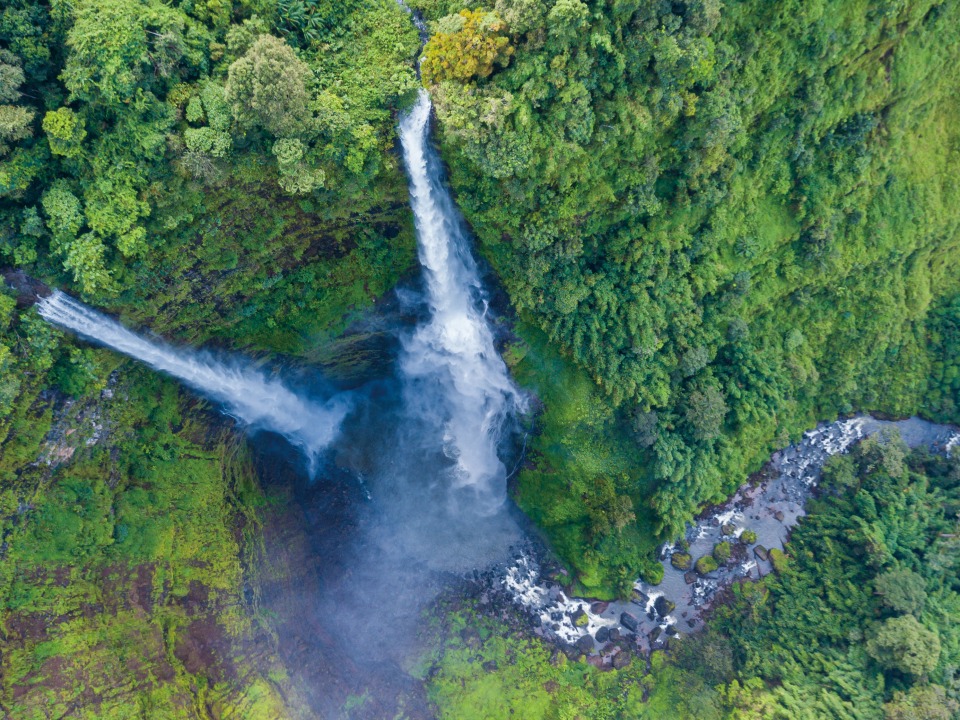
The large and small waterfalls along the Mekong in Champasak are not to be missed. Among the best known are Khone Phapheng, the widest waterfall in Southeast Asia, and Li Phi Falls, famous for their mysterious emerald-colored cascades. Meanwhile, Xe Pian National Protected Area is home to a rich variety of wildlife, offering a distinctive ecotourism experience.
Where to Soak Up Nature
Start your trip in Si Phan Don, an archipelago formed by silt deposited in the lower Mekong. Among its roughly 4,000 islands, the larger ones, Don Khong and Don Det, are well known to travelers. Cycle around the islands or stroll through quiet riverside villages to enjoy the island pace of life.
Endangered Irrawaddy dolphins live around the islands, and meeting them by kayak is another unusual experience. Another landmark of Champasak’s nature is the Bolaven Plateau. Stretching from 1,000 to 1,300 meters above sea level, the plateau, thanks to its fertile volcanic soil and cool climate, is both a good retreat for escaping the heat and one of the world’s leading coffee-growing regions. Take in the majestic scenery of the twin streams of Tad Fane Falls, the highest in Laos, and visit a local coffee farm to savor richly aromatic Arabica coffee.
Eco Retreat Stays and Activities
Eco retreats in Champasak serve food made with home-grown produce or ingredients from local farmers, and they offer programs for local residents. One resort near Wat Phou built most of its furniture from natural bamboo, uses solar-heated water, and cultivates its rice paddies and vegetable gardens with homemade organic compost. Guests can experience local culture by learning traditional Laotian music and dance.
If you want to fully enjoy Champasak and its unspoiled nature, set out on a trek. In Xe Pian National Protected Area, which preserves a rich ecosystem, you can try anything from day treks to two-day camping trips to trails that explore wetlands while staying at an eco lodge. Trekking on the Bolaven Plateau in search of waterfalls and coffee is another exciting activity. You can pass through jungle inhabited by rare birds and monkeys, discover Tad Fane Falls and Tad Champi Waterfall, and stay in a coffee-farming village.
Sumba, Indonesia
Sumba, Indonesia
Area: approx. 11,000 square kilometers
Population: approx. 780,000
Best time to visit: between April and September
Getting there: Take a direct flight from Incheon International Airport to Bali International Airport in Indonesia (about 6 hours 55 minutes), then a domestic flight (about 1 hour) to Sumba Island.
Introducing Sumba
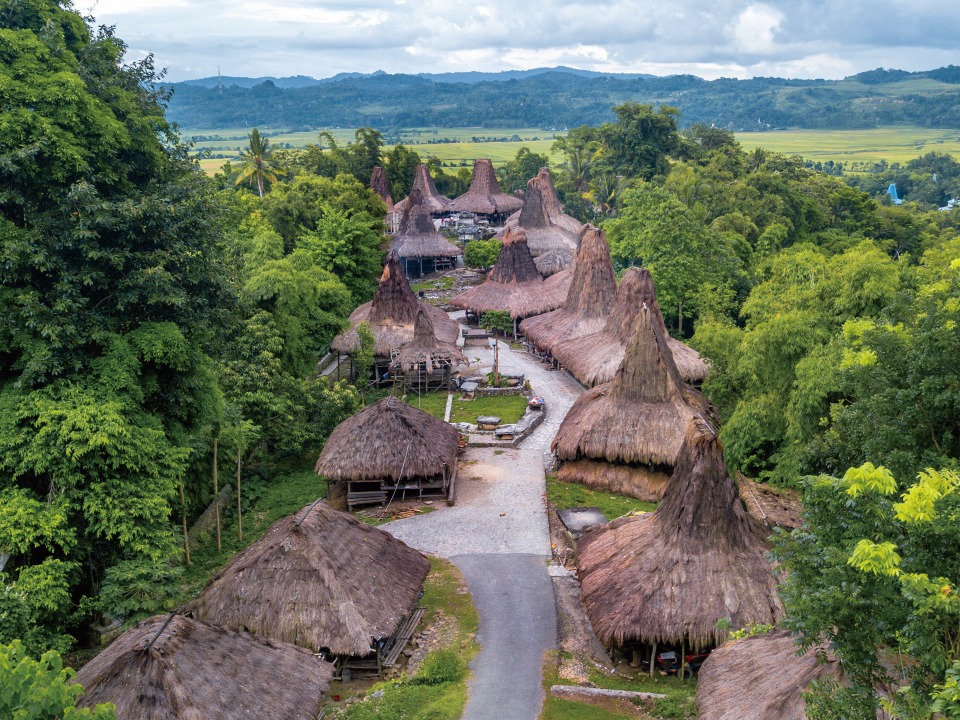
If Bali is the only place that comes to mind when you think of Indonesia, it is time to get to know Sumba Island in Nusa Tenggara Timur. Nusa Tenggara Timur, known in Korean as the Lesser Sunda Islands, is a region of about 550 islands stretching east of Bali. Sumba shines among them for its culture, which has kept its traditional purity, and for its exotic scenery. The island is alive with primal energy: natural swimming pools, rough waves that challenge surfers, and dry limestone hills reminiscent of the African savanna. It is about twice the size of Bali but has only one-sixth of the population, so a sense of ease and calm abounds. Its indigenous culture is distinctive too. Shamanic customs still remain, and the megalithic tombs standing across the island are enough to catch any traveler’s eye.
Where to Soak Up Nature
Walakiri Beach, on the east of Sumba, is a spot that draws countless photographers. It may look barren at first glance, but the sunset is breathtaking. When the silhouettes of mangrove trees, standing as if dancing, overlap with the red-tinged setting sun, the result is a frame worthy of a work of art. Weekuri Lagoon is another enchanting place. Formed when seawater flowed in at the island’s western tip, the lagoon is home to both reefs and green vegetation, and its white sand bottom and emerald water combine into magical scenery. Locals jump into the clear water to swim, or lie on wooden rafts to enjoy a leisurely time.
In addition, Mbawana Beach in the southwest offers majestic views of limestone cliffs and strange rock formations, while cool, clear streams such as Lapopu Waterfall and Wai Marang Waterfall wash away the fatigue of travelers worn out by everyday life.
Eco Retreat Stays and Activities
Spend some time just for yourself at one of the eco retreat resorts on Nihiwatu Beach, where lush forest and a long stretch of sand unfold. These resorts, which pursue sustainability, have close ties with the local community. Beyond eco-friendly facilities such as zero-waste practices and renewable energy, they hire most of their staff locally and generously support various training programs for them, and some also put part of their profits toward improving village infrastructure to improve residents’ living conditions.
Activities in Nihiwatu’s pristine natural environment are an essential part of a Sumba eco retreat. You can surf and go horseback riding on a private beach, or hike along cliffs where waves crash and then train body and mind in a yoga class. Riding a Sandalwood Pony, a breed native to Sumba, along the beach at sunset is sure to become an unforgettable memory.
Kep, Cambodia
Kep, Cambodia
Area: approx. 336 square kilometers
Population: approx. 42,000
Best time to visit: between November and February
Getting there: Direct flights run from Incheon International Airport to Phnom Penh International Airport (about 5 hours 30 minutes). From Phnom Penh, it takes about 3 hours by car to reach Kep Beach.
About Kep
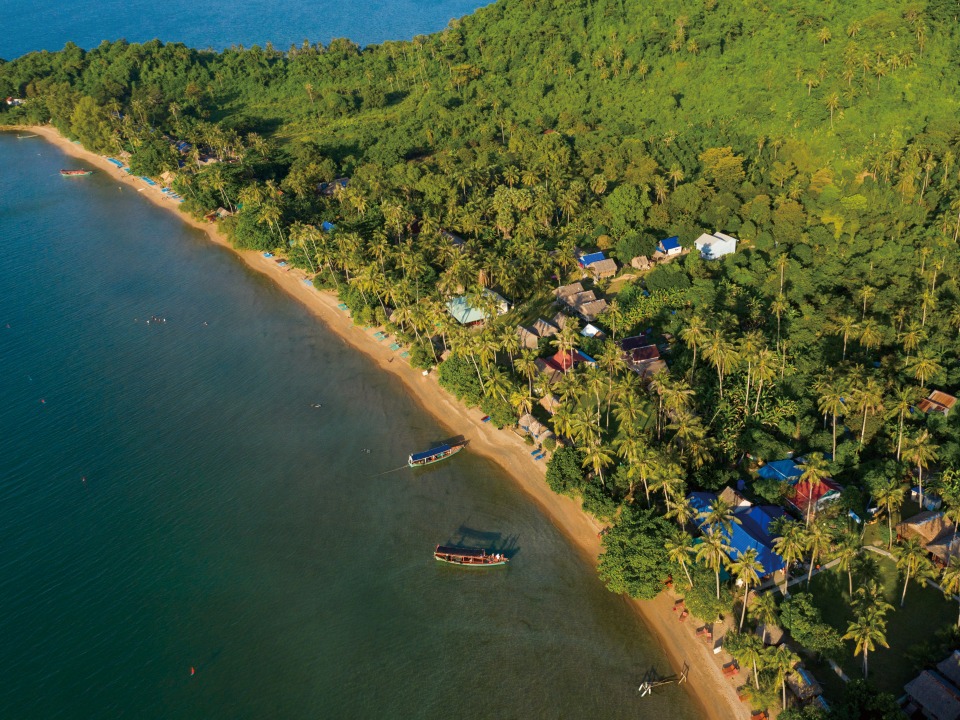
Located in southern Cambodia on the Gulf of Thailand, Kep is the country’s smallest province in both area and population. Tucked into Kampot Province like a joey in a kangaroo’s pouch, Kep was part of Kampot until it was elevated to provincial status in 2008. Travelers to Cambodia, who once concentrated on Phnom Penh, Siem Reap and Sihanoukville, have turned their eyes to Kep because of its wealth of attractions, including beautiful beaches, island hopping and jungle treks where you can encounter wildlife. In particular, the crescent-shaped Kep Beach and a dozen or so islands are more than enough to satisfy the curious traveler. Another of Kep’s charms is that, apart from a few resorts scattered along the coast and a downtown reminiscent of a country market, there is little in the way of development. It is a fine place to nap in the shade of a palm tree or stroll the beach with time all to yourself.
Where to Immerse Yourself in Nature
The first place visitors to Kep head for is the beach. Located in the southwest of Kep, the roughly 500-meter-long Kep Beach is famous for its snow-white sand. Under the midday sun, the fine sand glitters white, and the shore buzzes with people giving themselves over to the waves. Walking along the breakwater at the end of the beach, you will come to a statue of a woman, the beach’s emblem, and out on the blue sea you can see islands ideal for an island-hopping tour. The most popular of them is Koh Tonsay. The island is shaped like a rabbit, which is how it came to be called ‘Tonsay,’ meaning rabbit in Khmer, and ‘Koh,’ meaning island. Its appeal lies in being far removed from civilization, so you can feel the beauty of untouched nature. Put your smartphone down for a while and listen to birdsong and the wind. Walk through primeval forest to see wild flora and fauna, or go diving among coral reefs and fish. If you like adventure, we recommend the Mangrove Protected Forest, 5 kilometers north of downtown Kep, where you can witness the tenacious vitality of mangrove trees found only in the tropics.
Eco Retreat Stays and Activities
In Kep, you will find a number of eco retreat accommodations. These lodgings provide solar-heated water in their rooms and serve breakfast made with mangoes and bananas grown on organic farms. Some strive to minimize their impact on nature, for example by installing 70 square meters of solar panels to cut electricity consumption by more than half.
A pepper farm visit is a distinctive local activity in Kep. Sothy’s Pepper Farm is the best-known example. It is also famous for adopting an organic, green policy for growing pepper, using no chemical fertilizers at all and relying on solar and wind power for energy. On a free guided tour, you can learn about the history of Kampot pepper and how it is grown, then buy peppercorns grown on the farm at the souvenir shop. At the farm’s Khmer restaurant, you can taste dishes seasoned not only with black pepper but also with white, red and green pepper.
Brunei
Brunei Darussalam
Area: approx. 5,765 square kilometers
Population: approx. 450,000
Best time to visit: February to April or August to September
Getting there: Direct flights run from Incheon International Airport to Bandar Seri Begawan Airport (about 5 hours 30 minutes).
About Brunei
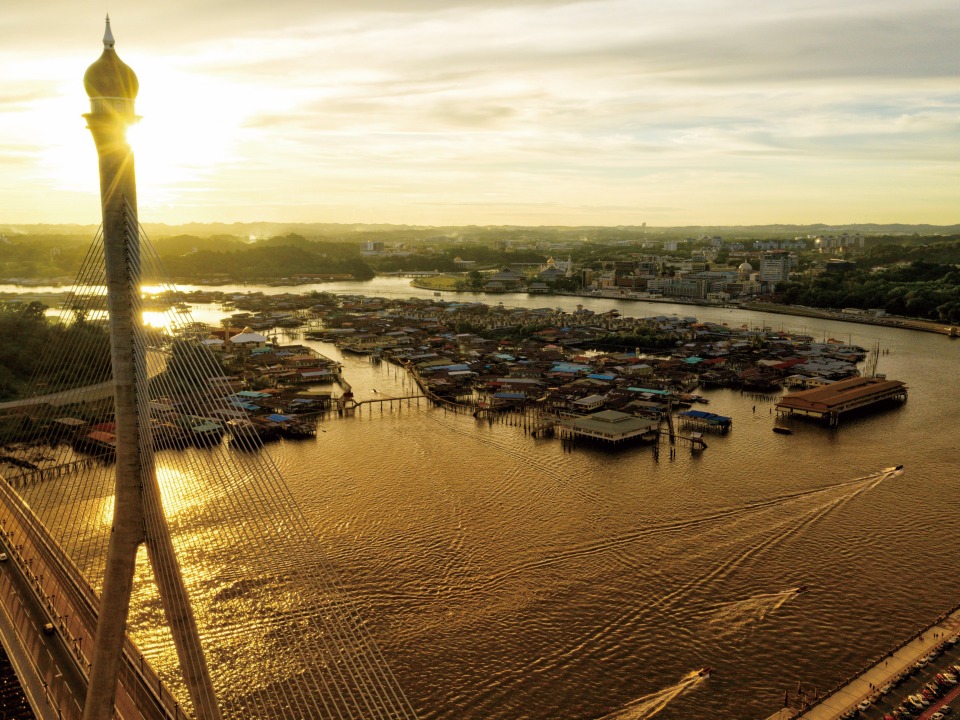
Located on the northwest coast of the island of Borneo, Brunei is covered by tropical rainforest across 75 percent of its land, which is why it is sometimes called one of the planet’s small lungs. It is also home to rare species such as the shoe-billed stork and the great argus pheasant. The places where Brunei’s primeval nature is best preserved are its nature parks. Brunei’s forests, including Labi Forest Reserve and Peradayan Forest Reserve, are designated as extensive protected areas. Locals visit the nature parks within these reserves to observe jungles, waterfalls and wetlands, and climb lookout towers to take in the scenery. At the eco-village on the banks of the Temburong River in eastern Brunei, visitors can learn the way of life and traditional culture of the indigenous community, from fishing and foraging to cooking and crafts. Trees are planted there every year to help preserve Brunei’s ecosystem, and the buildings are made entirely of wood, giving the place a natural atmosphere.
Where to Immerse Yourself in Nature
Luagan Lalak Forest Recreation Park, north of Labi Forest Reserve, is considered Brunei’s most mysterious nature park. ‘Luagan’ means ‘still water’ in the Brunei language. Surrounded by green tropical rainforest, a full 270 hectares of freshwater swamp mirror Brunei’s blue sky. Birdsong ringing in your ears and fish leaping from the water create a peaceful scene, though crocodiles live in the water. For visitors, the park has boardwalks for strolling and three lookout towers. If you are lucky, you may even meet the eyes of wildlife such as the Malayan pangolin, the maroon leaf monkey and the Bornean shrike.
If you want to venture deep into Brunei’s mangrove forest, we recommend Selirong Island. Made up of 2,500 hectares of mangrove forest and a wildlife sanctuary, it has a 2-kilometer trail that winds beneath a canopy of tropical trees, letting you observe the forest’s ecology up close.
Eco Retreat Stays and Activities
If you want to experience an eco retreat in a simple lodge amid nearly untouched nature, head to the eco-village. Under its strict environmental policy, laundry detergent, dish soap and amenities are all made from biodegradable ingredients, and wastewater from the village passes through a septic tank and is discharged clean. Meals are cooked with herbs and vegetables grown in the nearby rainforest, and the village also helps the local economy by producing tea and honey together with villagers.
Hiking to jungle waterfalls is one of Brunei’s most popular activities. Labi Forest Reserve alone has more than 40 waterfalls, and the most visited of them is Teraja Waterfall, on the upper reaches of the Teraja River. After crossing a valley with a stone bridge and passing through dense primeval forest, you reach the falls in about 20 minutes. With a low drop, clean water and fine sand all around, it looks like a natural swimming pool. Don’t miss a river safari, either, where you can watch egrets, herons and proboscis monkeys along Brunei’s rivers, which are walled in by mangrove forest.