Art Journey in Malaysia — Exploring Kuala Lumpur's Museums and the Country's Diverse Culture
Kuala Lumpur blends Islamic minarets, Art Deco architecture, and soaring towers. Visit five art destinations, from the National Visual Arts Gallery to the National Museum, to discover Malaysia's diverse cultural heritage.
Art Journey in Malaysia — Exploring Kuala Lumpur's Museums and the Country's Diverse Culture
Islamic minarets, Art Deco buildings, and a skyline of dizzying high-rises share the city center with lush green parks just beyond its bustling streets. With contrasting scenes at every turn, Kuala Lumpur is a city where you can experience both Malaysia's rich cultural heritage and its contemporary appeal. From the national gallery and national museum, where you can glimpse Malaysia's pride, to a contemporary museum with a distinctive design, set out for five art destinations in Kuala Lumpur.
Words Pitch by Pitch
In collaboration with ASEAN-Korea Centre
National Visual Arts Gallery of Malaysia
National Visual Arts Gallery
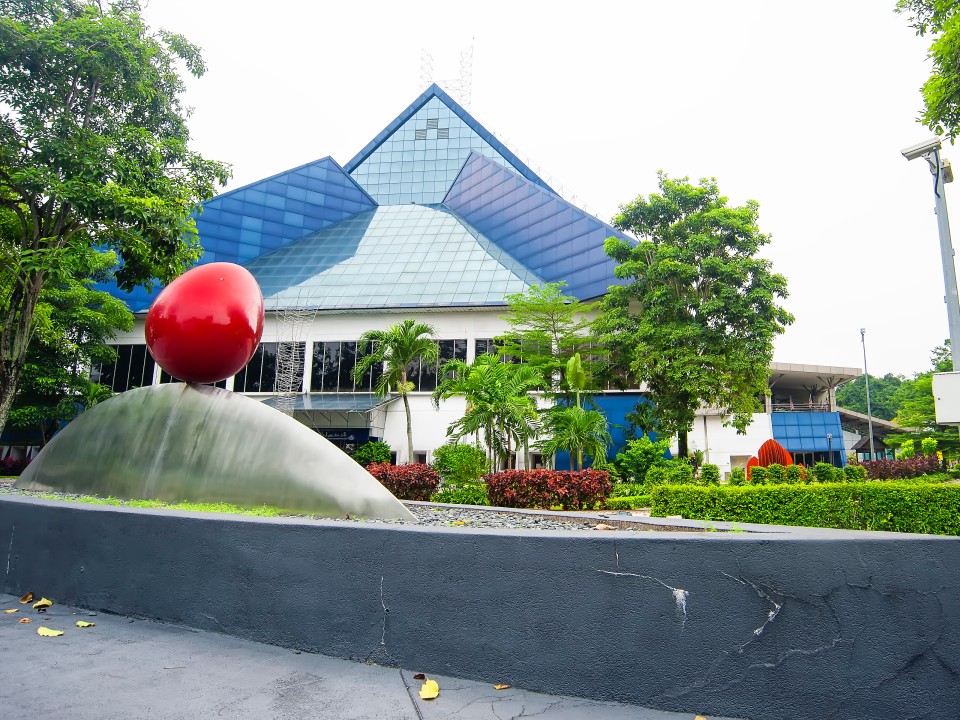
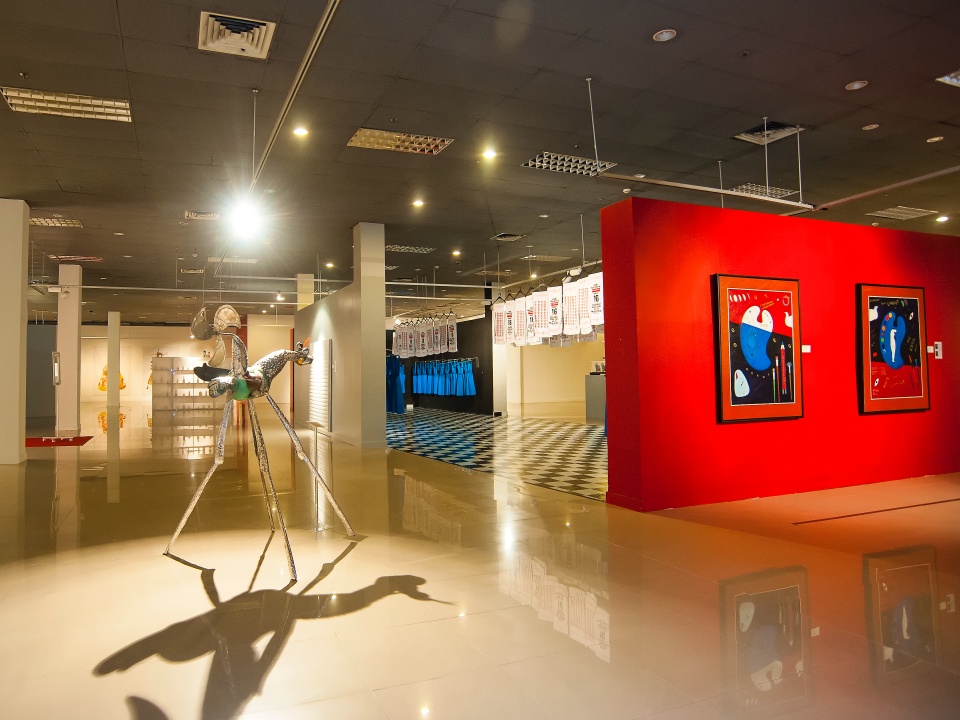
Founded shortly after Malaysia's independence under the leadership of its first prime minister, Tunku Abdul Rahman, the National Visual Arts Gallery reveals the country's vision for cultural and artistic development. It opened in 1958 to recognize the nation's artistic achievements and establish its cultural identity. The gallery first operated out of part of a parliament building before moving to its current location in 1998, and in 2011 its name was changed from the National Art Gallery to the National Visual Arts Gallery. Set between the national theater, Istana Budaya, and the national library, the building harmonizes traditional architectural elements such as domes, spires, and a multitiered roof with contemporary design. A spiral passage at the center of the building lets visitors view works from different angles, and generous use of natural light creates an unforced viewing environment. Exhibitions span Malaysia's traditional art, crafts, and contemporary art, and the collection also includes some works by international artists. Among the most notable are works by Chuah Thean Teng, regarded as the founder of batik painting, and Latiff Mohidin, considered a master of Malaysian modern art.
Opened: August 1958
Hours: 9:00–17:00
Admission: Free
Address: Lembaga Pembangunan Seni Visual Negara, No. 2, Jalan Temerloh, Off Jalan Tun Razak, Kuala Lumpur
Website: www.artgallery.gov.my
Islamic Arts Museum Malaysia
Islamic Arts Museum Malaysia
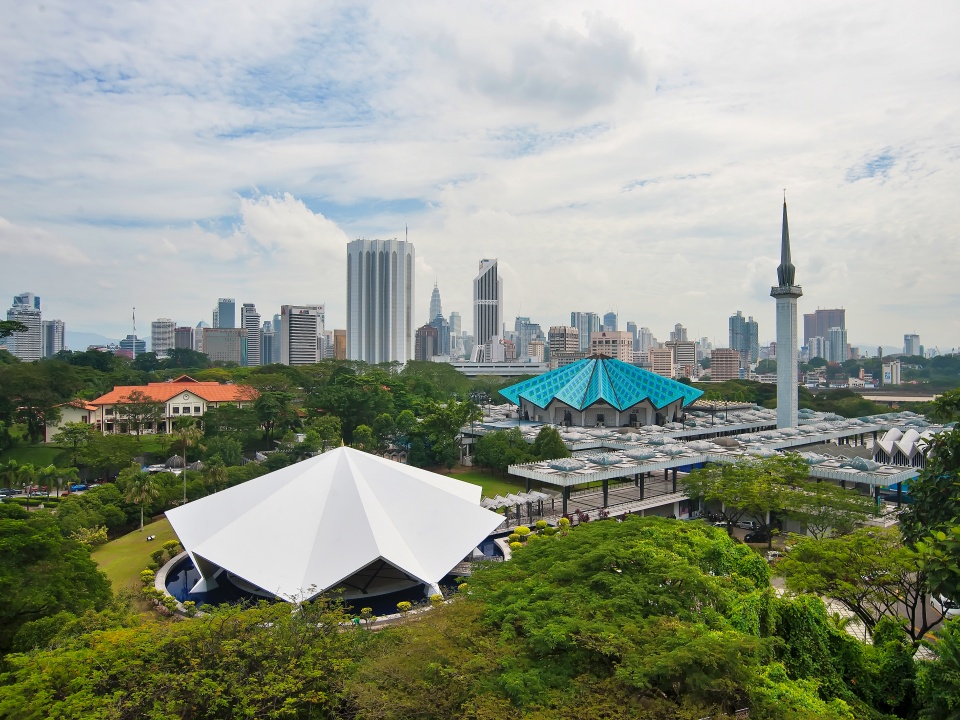
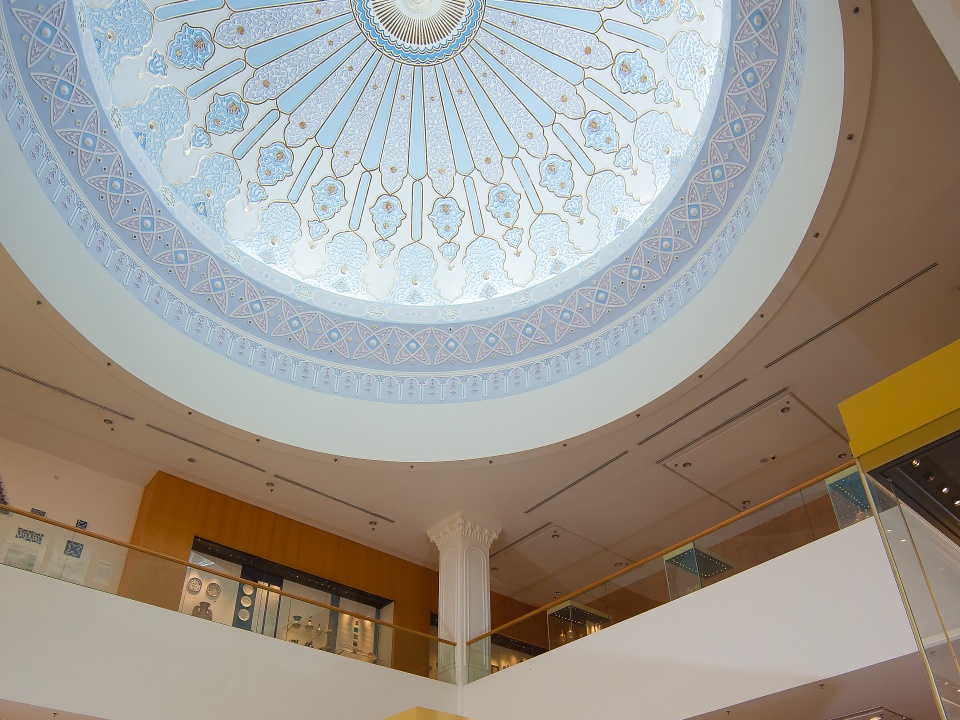
Located within the Perdana Botanical Garden, the Islamic Arts Museum Malaysia covers a total of 30,000 square meters and is the largest museum of Islamic culture and art in Southeast Asia. It was established to show the value and diversity of Islamic art through a vast collection gathered from across the Islamic world, including the Middle East, China, India, and Southeast Asia. Its brilliant turquoise-tiled dome stands out against the high-rise backdrop of downtown Kuala Lumpur, and the building is praised for reinterpreting the details of traditional Islamic architecture in a contemporary way. Across 12 galleries on four floors, about 10,000 works of art and artifacts are on display, from exquisitely delicate metalwork to Qur'ans and manuscripts produced in various regions, weapons, textiles, glass, ceramics, and architectural models. The building also houses an academic library for the study of Islamic art and a restaurant serving Middle Eastern cuisine, and the museum actively runs educational programs such as art workshops and lectures.
Opened: December 1998
Hours: 9:30–18:00
Admission: 20 ringgit
Address: Jalan Lembah, Tasik Perdana, Kuala Lumpur
Website: iamm.org.my
National Museum of Malaysia
National Museum of Malaysia
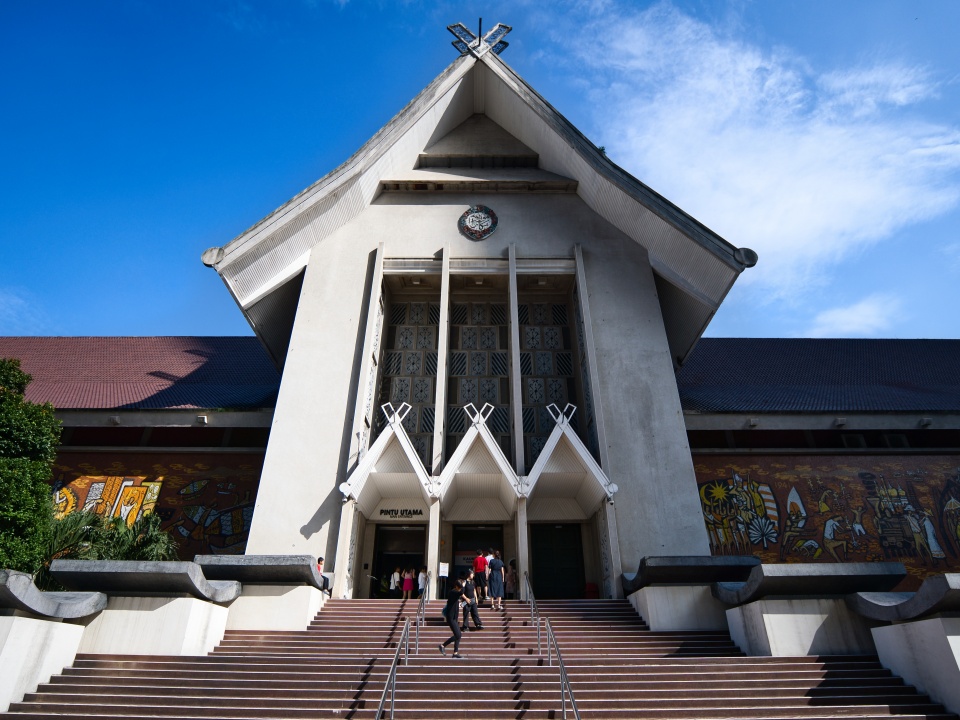
Distinguished by its traditional Malay architecture, the National Museum of Malaysia is a place to explore the country's history and culture. Planned under first prime minister Tunku Abdul Rahman, it was built on the site of the Selangor Museum, which was destroyed by Allied bombing during World War II. Completed after about five years of construction, it was the only government building of its time in the traditional Malay style, and in August 2015 it was recognized for that value and designated a Malaysian national heritage building. The museum's character shows not only in its architecture but also in the two murals decorating its facade. Created by the renowned local artist Cheong Laitong, they use mosaic techniques to depict key scenes from Malaysian history and the making of traditional crafts. The interior is divided into four galleries. The “Early History” gallery covers the early Malay kingdoms that thrived as trading ports, while the “Malay Kingdoms” gallery introduces the Hindu and Buddhist kingdoms that ruled the land before Islam spread. The “Colonial Era” gallery traces Malaysia's colonial history, which grew out of European imperialism, and finally the “Malaysia Today” gallery takes in everything from the Federation of Malaysia, born after World War II, to the country's present as a multicultural nation living together in peaceful harmony.
Opened: August 1963
Hours: Daily, 9:00–17:00
Admission: 5 ringgit
Address: Jabatan Muzium Malaysia, Jln Damansara, Perdana Botanical Gardens, Kuala Lumpur
Website: www.muziumnegara.gov.my
National Textiles Museum
National Textiles Museum
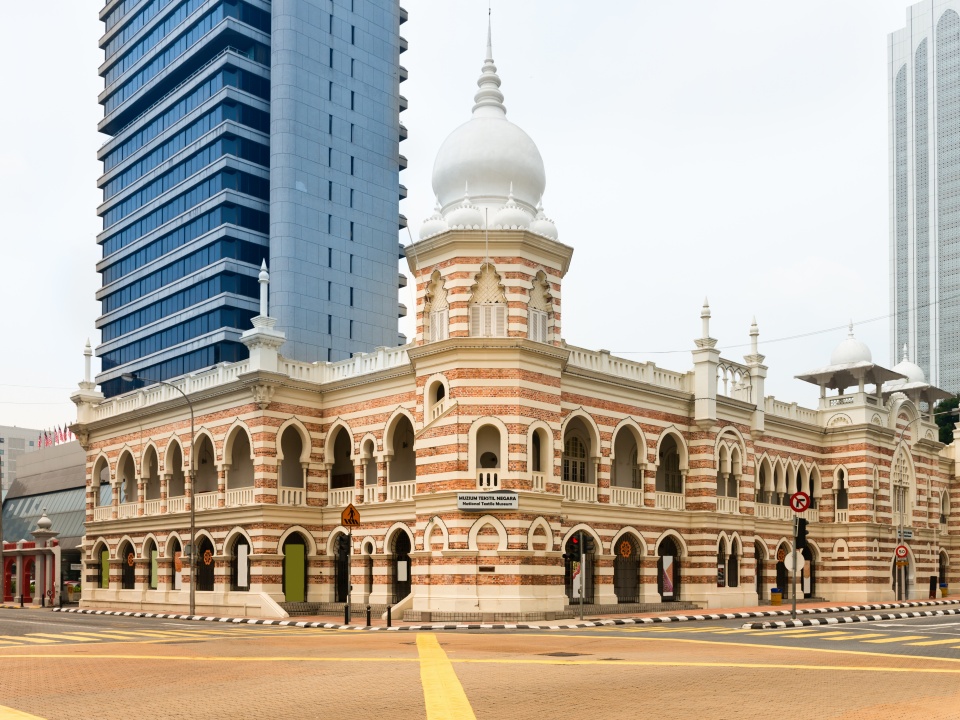
Just a one-minute walk from Merdeka Square, the National Textile Museum catches the eye with its distinctive facade. Designed by British architect Arthur Benison Hubback and completed in 1905, the building has served in turn as a railway headquarters, a bank, and a courthouse. In 2010, it was reborn as a textile museum dedicated to preserving the textile culture and history that developed in Malaysia. The exterior walls, striped in red and white, show the Moorish style, which was influenced by Indo-Islamic architecture. The harmony between the architecture and its lighting is striking, and the building is also known as one of Kuala Lumpur’s best nighttime sights. Visitors can trace the development of Malaysian textiles step by step through five galleries. The Pohon Budi Gallery displays the history of cloth from prehistoric times, along with the development of textiles through trade, manufacturing equipment, and traditional techniques. In the Pelangi Gallery, you can see cloths in a variety of colors made with resist-dyeing techniques. The batik, in all its variety, stands out in particular, showing the distinct identities of the country’s many ethnic groups. The Teluk Berantai Gallery introduces the country’s rich culture and art through splendid cotton fabrics embroidered with gold thread and decorated with gold leaf, while the Ratna Sari Gallery does so through jewelry made of gold, silver, and copper. The Saindera Gallery offers travelers a different kind of experience, with textile-related special exhibitions and events such as talk shows and fashion shows.
Year Opened: January 2001
Hours: Daily 9:00–17:00
Admission: Adults 5 ringgit, children (ages 6–12) 2 ringgit
Address: 26, Jalan Sultan Hishamuddin, City Centre, Kuala Lumpur
Website: www.muziumtekstilnegara.gov.my
Urban Museum
Urban Museum
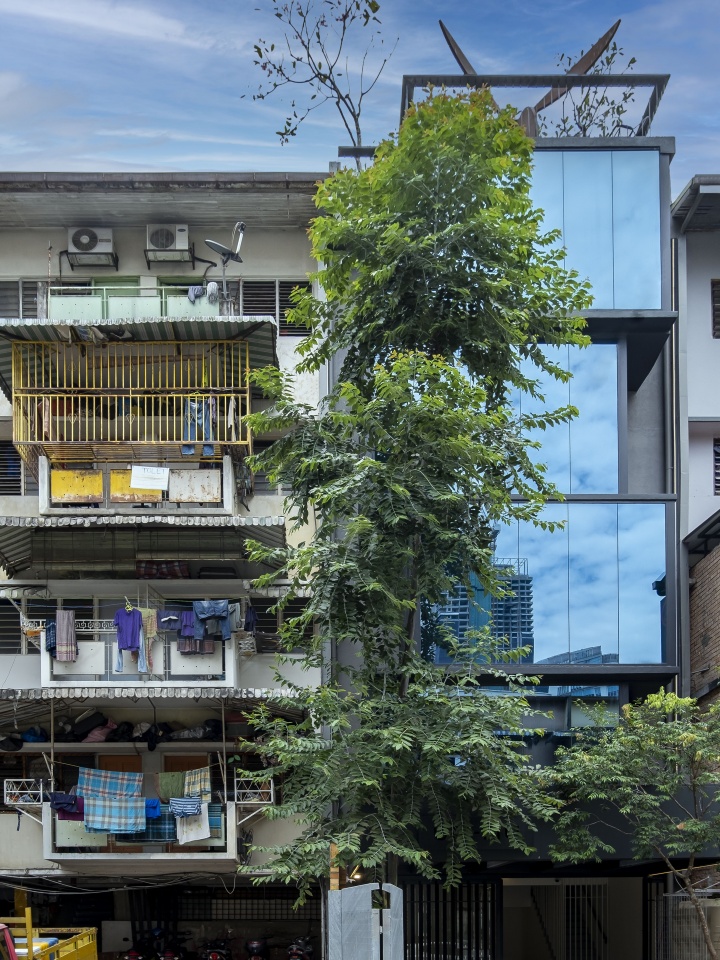
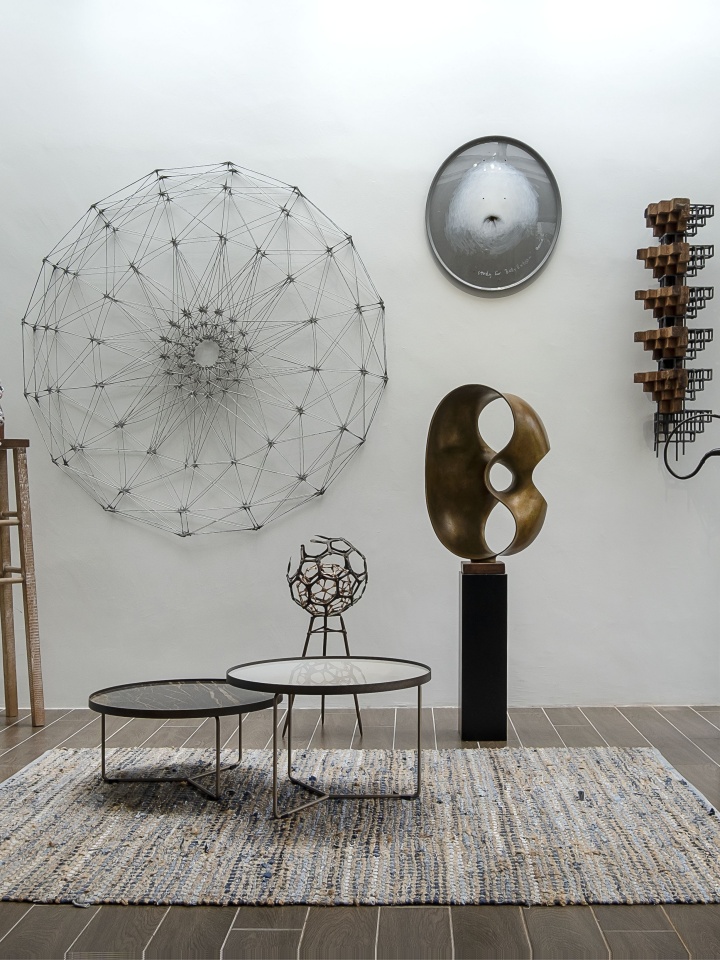
Urban Museum@Bukit Bintang, also known as Ur-Mu, is a private contemporary art museum in Kuala Lumpur’s Bukit Bintang district. The area is the last remaining residential pocket of the Golden Triangle, otherwise crowded with large towers and shopping streets, and it is lined with low-rise apartment blocks in the 1950s modernist style. The building that houses Urban Museum is one of those four-story apartment blocks from the period. Malaysian architect Tan Loke Mun converted it into a contemporary art museum, preserving the structure of the original apartments. Urban Museum displays Southeast Asian contemporary art from his collection, centered on works by local Malaysian artists. It is made up of ten themed galleries that are both unusual and intriguing, including superheroes in popular culture, the legendary monster Raksasa, and a maid’s garden. The carefully considered spatial design, which makes the placement of each artwork stand out, adds both convenience and fun to the visit. In 2024, a second museum, Urban Museum@Tope, Raja Chulan, opened in a renovated modernist building in the Raja Chulan area. Furnished with works by Malaysian artists and designer furniture, it has also been a hit with art lovers since the day it opened.
Year Opened: May 2022
Hours: Daily 10:00–20:30 (closed on public holidays)
Admission: 20 ringgit
Address: 3, Jalan Bedara, Bukit Bintang, Kuala Lumpur
Website: ur-mu.com