Art in Manila — 5 Art Spaces Where You Can Feel the Dynamism of Philippine Culture
Manila, the capital of the Philippines, is a city of dynamic energy and great potential, shaped by a complex history and a richly varied culture. Here are five major museums and art spaces where you can experience that culture.
Art in Manila — 5 Art Spaces in Manila Where You Can Feel the Dynamism of Philippine Culture
Manila, the Philippines, is a city of dynamic energy and great potential, built on a complex history and a richly varied culture. Look just a little beyond the crowded urban landscape, and the city’s sophisticated sensibility delivers a pleasant shock in its trendy bars and cafés and small galleries. Visit Manila’s leading museums, which showcase crafts and architecture shaped by many different cultures as well as a passion for contemporary art and design, and discover what drives this ever-changing city.
Words Pitch by Pitch
In collaboration with 1 ASEAN-Korea Centre
1 The ASEAN-Korea Centre is an international organization that promotes economic and sociocultural cooperation between the government of the Republic of Korea and the governments of the ten ASEAN member states. It was established on March 13, 2009, to expand exchange and cooperation between Korea and the ten member countries of the Association of Southeast Asian Nations (ASEAN).
National Museum of Fine Arts
National Museum of Fine Art
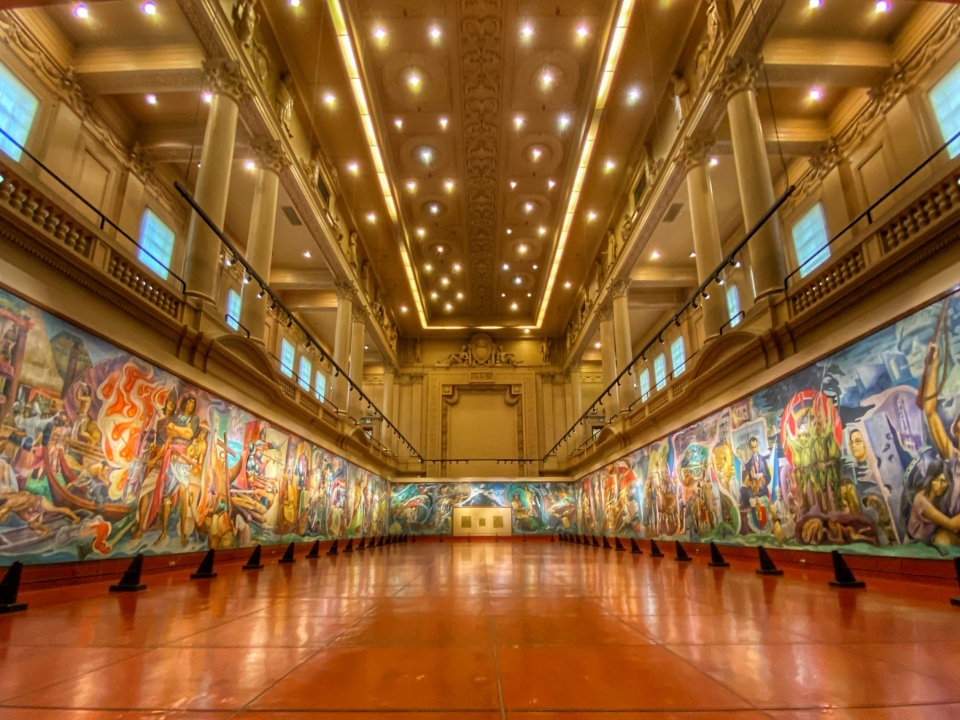
This is a must-visit for anyone who wants a deeper understanding of the Philippines’ artistic heritage. Here you can see masterpieces that hold an important place in Philippine art history, from religious art of the 17th to 19th centuries to Philippine paintings, sculptures, and prints. Together with the National Museum of Natural History and the National Museum of Anthropology, it forms the National Museum Complex in central Manila, and the architecture is a sight in itself. The neoclassical building, constructed in the 1920s as the Philippine National Library, once housed the Philippine legislature and opened as the National Museum of Fine Arts in 1998. Its 29 galleries display works by 19th-century Philippine painters such as Juan Luna and Félix Resurrección Hidalgo, as well as modern and contemporary artists including Guillermo Tolentino. Among them, ‘Spoliarium’ on the first floor, a monumental oil painting by Juan Luna that captures the reality of a Philippines suffering under Spanish colonial rule, is considered the museum’s signature piece. It is also designated a National Cultural Treasure of the Philippines.
Year opened: October 1998
Hours: Tuesday–Sunday, 9:00–18:00
Admission: Free
Address: P. Burgos Drive, Rizal Park, Manila
Manila Metropolitan Museum
Manila Metropolitan Museum
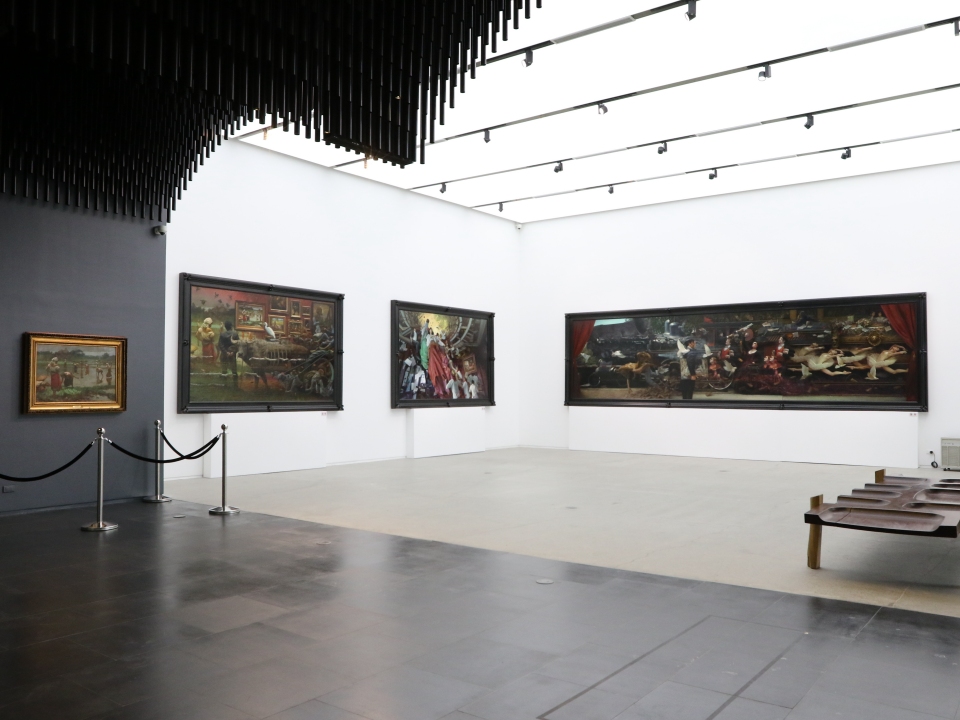
This nonprofit museum was founded to showcase contemporary art from the Philippines and around the world. In 2022, it moved to Bonifacio Global City, the central business district in Taguig City, part of Metro Manila, and launched a new chapter under the name ‘The M.’ It exhibits works by leading Philippine artists from the early 20th century to the present day, along with original and experimental contemporary pieces. It also holds a collection of Philippine cultural heritage owned by the national bank, including gold ornaments and ceramics. A lively program of cultural events, including artist talks, film screenings, and performances, is another reason to visit the Manila Metropolitan Museum. Besides its permanent exhibitions, it actively hosts a variety of special exhibitions, interactive programs, workshops, and lectures.
Year opened: February 1976
Hours: Tuesday–Friday, 1:00–18:00; Saturday, 10:00–18:00
Admission: 550 pesos
Address: MK Tan Centre, 30th Street, Bonifacio Global City
National Museum of Anthropology
National Museum of Anthropology
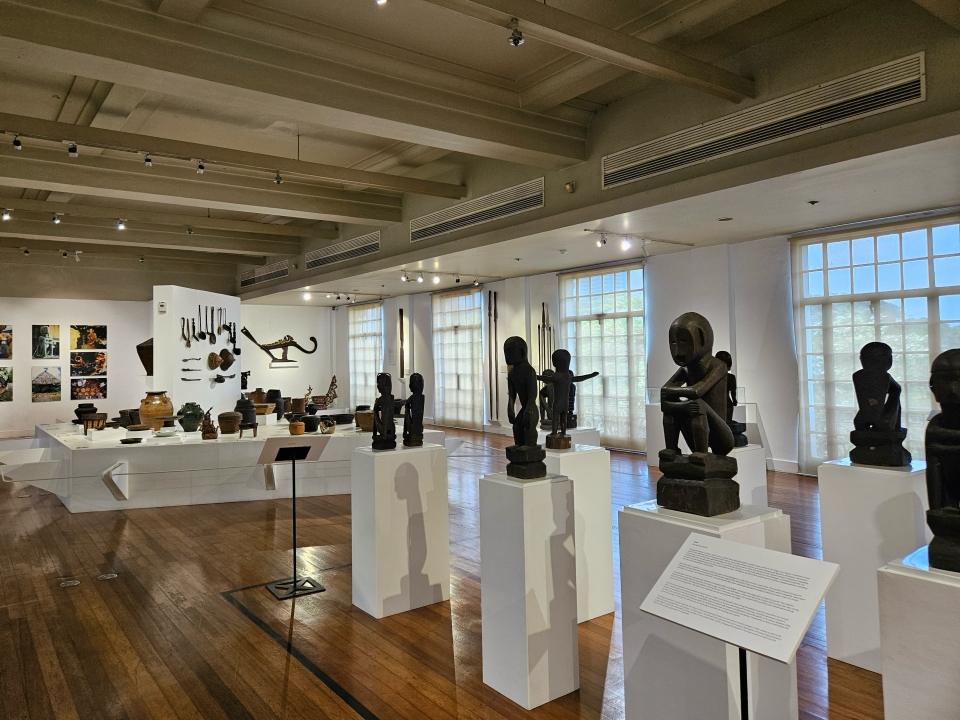
Made up of 7,641 islands, the Philippines is a country with as many ethnic groups as it has islands. At the National Museum of Anthropology, take time to explore the country’s diverse cultures and traditions and learn what makes each era distinctive. The museum displays archaeological artifacts from each period, from prehistoric times to the Spanish colonial era, along with various folk art objects. Highlights include the bulul, a wooden figure that embodies the indigenous beliefs and farming culture of the Ifugao people of the northern highlands, and the torogan, the traditional house of the Maranao people of Mindanao. The collections of traditional costumes, textiles, and ornaments from various ethnic groups are also fascinating. The building that houses the museum once served as the Department of Finance, and its architecture blends styles from the American colonial period with traditional Philippine elements.
Year opened: October 1998
Hours: Tuesday–Sunday, 9:00–18:00
Admission: Free
Address: P. Burgos Drive, Rizal Park, Manila
Casa Manila
Casa Manila
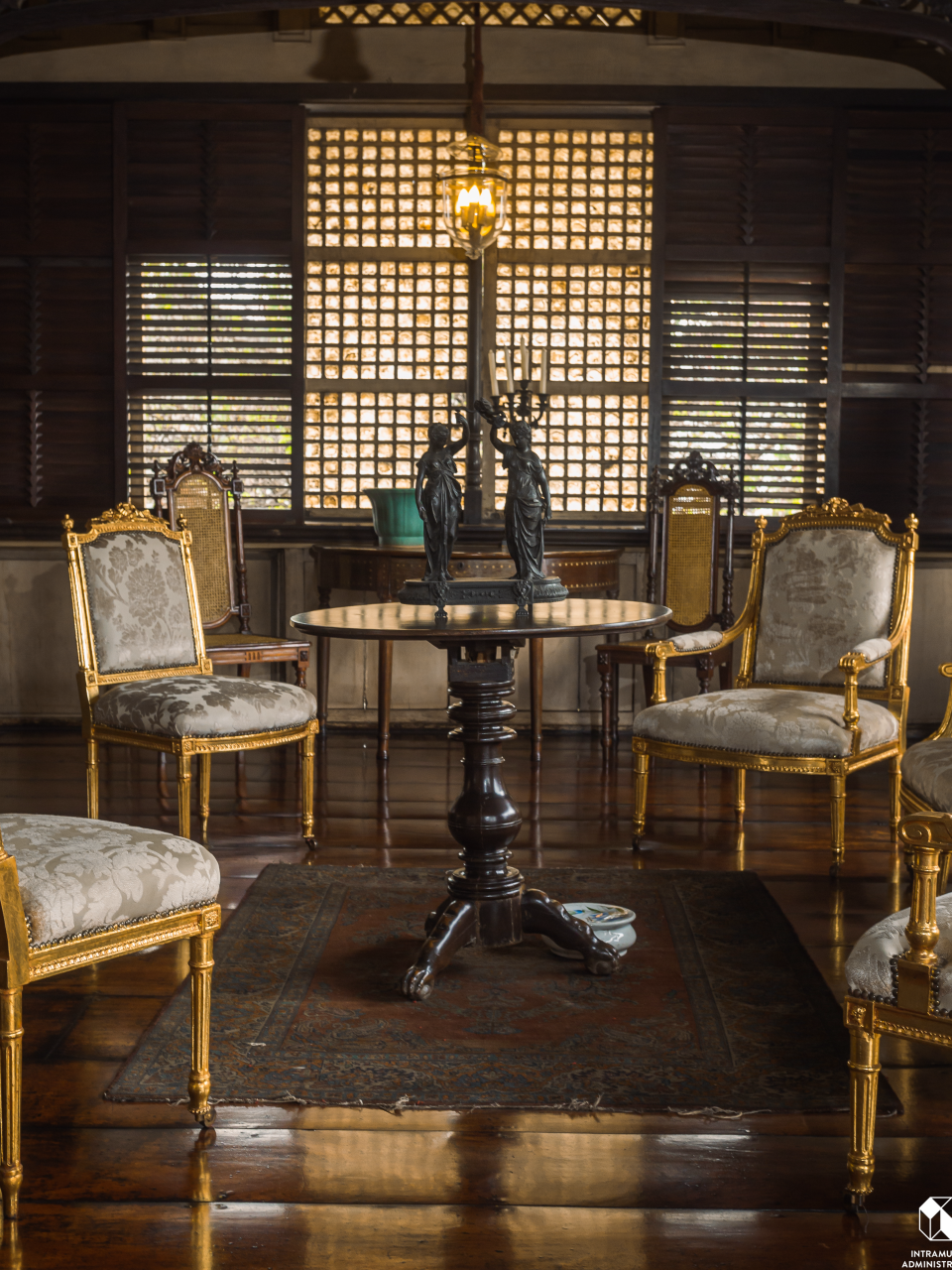
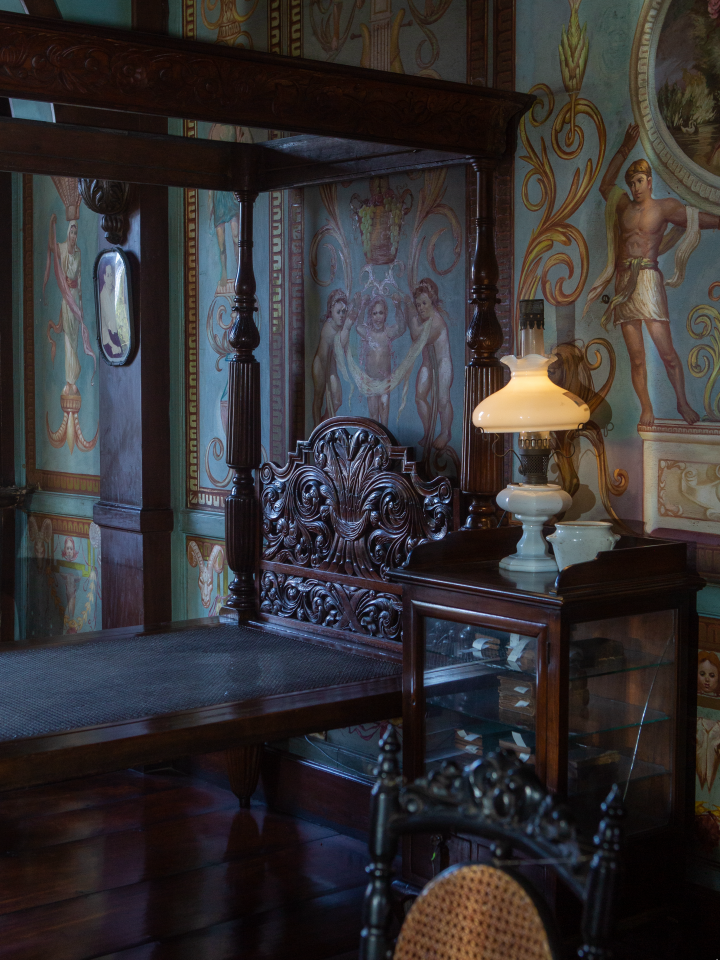
The name means “House of Manila” in Spanish, and Casa Manila is one of the most popular attractions in Intramuros, the walled city built during the 16th-century Spanish colonial period. A late-19th-century Spanish-style mansion has been restored to recreate the lifestyle of the Philippine upper class of the time. Entering through the museum’s entrance, you come to a beautiful outdoor garden with flower beds and a fountain. The three-story building takes the typical form of a house from the Spanish colonial era, with a red roof and balconies. The interior, which includes a reception room, bedrooms, a kitchen, a prayer room, and a bathroom, is furnished with antique furniture from the 17th to 19th centuries brought from Europe, China, and elsewhere, and its lavish decor, such as crystal chandeliers and delicately carved window frames, captures the eye. Works by Spanish and Philippine artists hang throughout the walls, giving a sense of the upper class’s elegant tastes and lifestyle.
Year opened: November 1981
Hours: Tuesday–Sunday, 9:00–18:00
Admission: 75 pesos
Address: Plaza San Luis Complex, General Luna Street, Intramuros, Manila
Museum of Contemporary Art and Design Manila (MCAD)
Museum of Contemporary Art and Design Manila
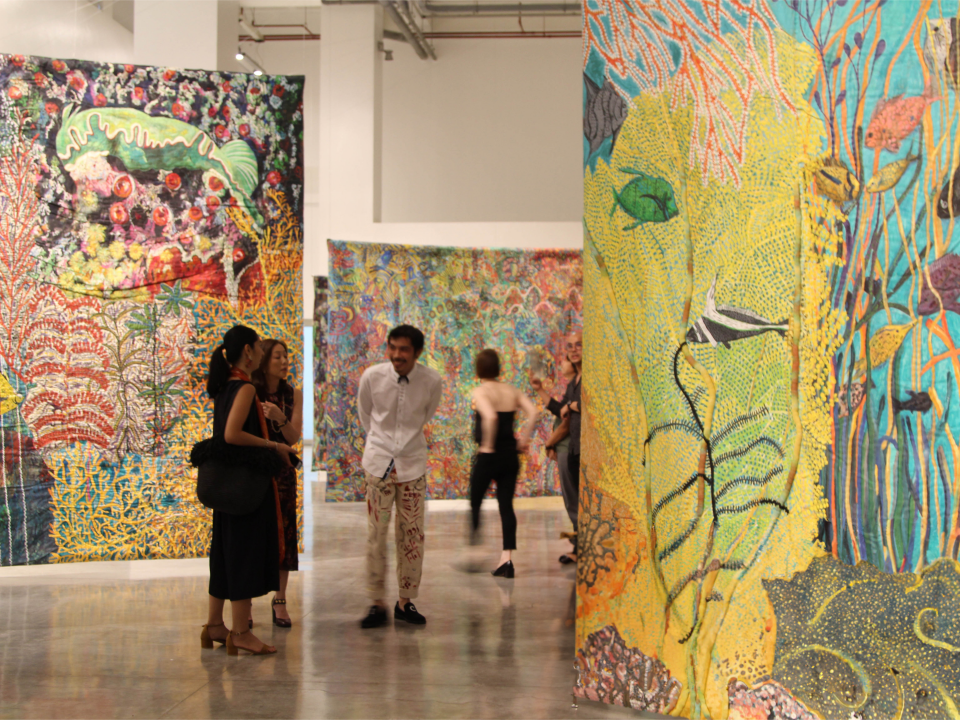
A nonprofit institution that serves as a hub introducing contemporary artists and designers from the Philippines and around the world. Rather than collecting and holding works, it focuses on exhibiting a wide range of artists and showcasing the latest trends. The Museum of Contemporary Art and Design in Manila belongs to De La Salle-College of Saint Benilde, one of the Philippines’ leading private universities, and one of its key roles is to offer broad opportunities for arts education and research. It also runs a variety of public programs to serve the local community and connect with the global arts community. Set on the campus, the museum building gives a minimal, modern impression with its glass and metal, and it emphasizes sustainability through recycled building materials and energy-efficient design. Its high ceilings and flexible exhibition spaces stand out, and the design, which makes active use of natural light, is equally impressive. Amenities include a library, an archive, a café, and rest areas.
Opened: October 2008
Hours: Tuesday–Saturday 10:00–18:00, Sunday 10:00–14:00
Admission: Free
Address: G/F De La Salle-College of Saint Benilde, Design and Arts Campus, Dominga Street, Malate, Manila