Art & Design Spaces in Singapore — Singapore's Art Spaces on the Move
Singapore's art spaces boldly capture the changing times: a courthouse turned contemporary art museum, a logistics warehouse turned experimental gallery, a military base turned arts district, and a school turned multipurpose cultural venue.
Art & Design Spaces in Singapore — Singapore’s Art Spaces on the Move
Singapore’s art spaces boldly capture the changing times. Its inspired choices—turning a courthouse into a contemporary art museum, a logistics warehouse into an experimental gallery, a military installation into an arts district, and a school into a multipurpose cultural venue—are redrawing the city’s aesthetic map.
Words Ko Hyeon
Photos Oh Chungseok
Singapore Art Museum
at Tanjong Pagar Distripark
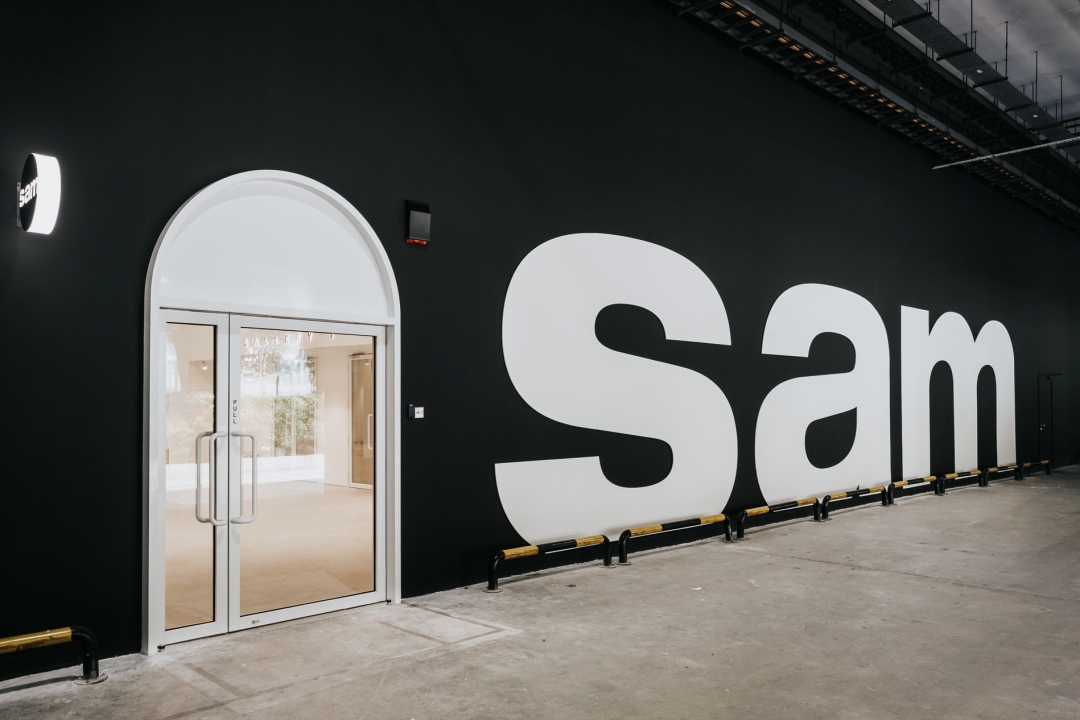
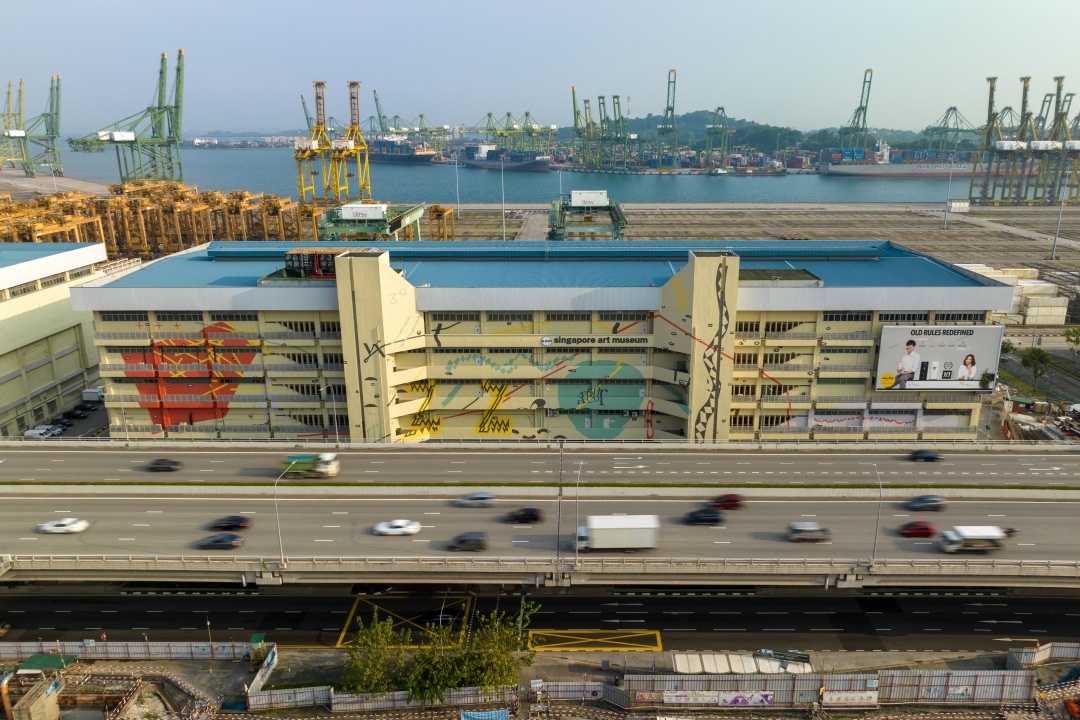
It is no exaggeration to say that Singapore’s contemporary art scene has been led by the Singapore Art Museum (SAM), founded in 1996. After establishing its main building in the historic St. Joseph’s Institution in Bras Basah, it moved between several locations around the city—the annex SAM at 8Q on Queen Street, and then Tanjong Pagar Distripark, unveiled in 2022—continually discovering the work of contemporary Singaporean and Southeast Asian artists. Today, SAM hosts major events including the Singapore Biennale, now in its eighth edition, as well as art weeks and art book fairs, sharing the currents of contemporary art while serving as a platform for testing out the city’s art discourse.
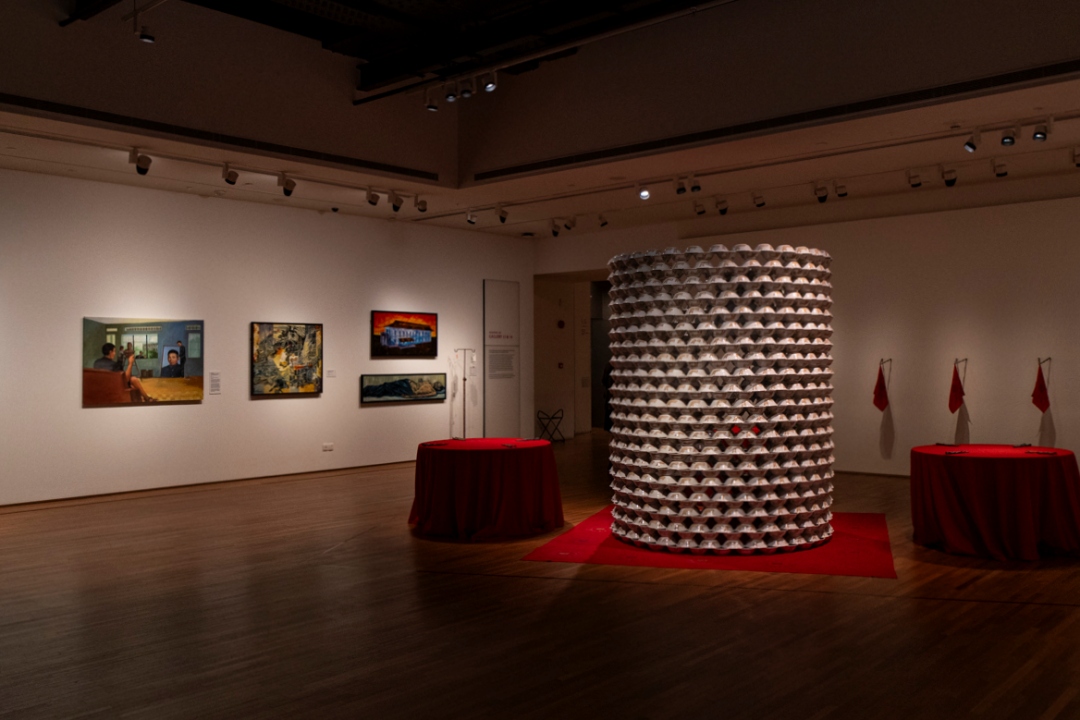
In 2019, as part of urban redevelopment, the Bras Basah main building and the SAM at 8Q annex closed, and SAM’s base naturally shifted to Tanjong Pagar Distripark. Simply moving a museum into a port logistics warehouse, where container trucks come and go busily, makes it easy to grasp what SAM is aiming for. First-time visitors may well be a little taken aback, of course. The layout of Tanjong Pagar Distripark, completely different from the restrained exhibition spaces of a conventional museum, reveals SAM’s distinctive identity. The high ceilings of the interior galleries allow for large-scale installations, performances, and sound works, and even the outdoor cargo loading area is gladly put to use as exhibition space. Here, emerging Southeast Asian artists present unfiltered treatments of themes such as colonial-era memory and environmental issues, offering audiences a rare sense of immersion. Visiting during the one-hour docent tour lets you look more deeply into the contemporary art exhibitions currently on view at SAM.
National Gallery Singapore
Former Supreme Court and City Hall
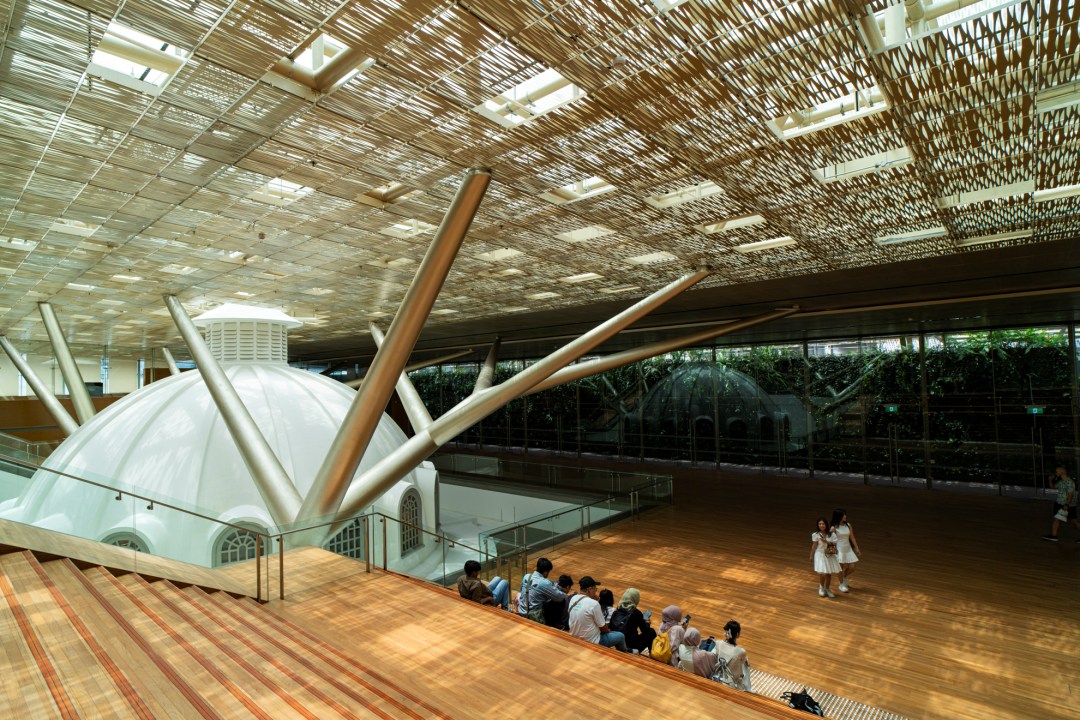
Each year, during the Light to Night festival held in conjunction with Singapore Art Week in early in the year, the city’s major architectural landmarks are blanketed in colorful media facades. If the festival has a star, it is none other than National Gallery Singapore. Facing the broad, lawn-covered 1Padang, the museum joins two buildings into one: the left-hand building topped with a blue dome and the right-hand building lined with massive columns. Built in the neoclassical style, the two buildings served as the Supreme Court and City Hall respectively, the main stages on which the nation’s core power operated after independence. French architect Jean-François Milou carried out the task of preserving the two old buildings as much as possible while connecting them harmoniously, and he did so flawlessly.
Opened in 2015, National Gallery Singapore boasts the largest public collection of Southeast Asian modern art. Stepping away from a perspective centered on Western art history, it lets visitors calmly explore how Singapore and Southeast Asia passed through the colonial period, and how local artists developed their own aesthetic languages. The central lobby linking the two buildings is also striking. A vast glass roof supported by tree-like columns draws natural light indoors, while experimental installations make the space all the more dramatic. The viewing deck on the roof of the former Supreme Court building, where the cityscape and Marina Bay unfold in a panorama, is another highlight.
Gillman Barracks
Former British Army Barracks
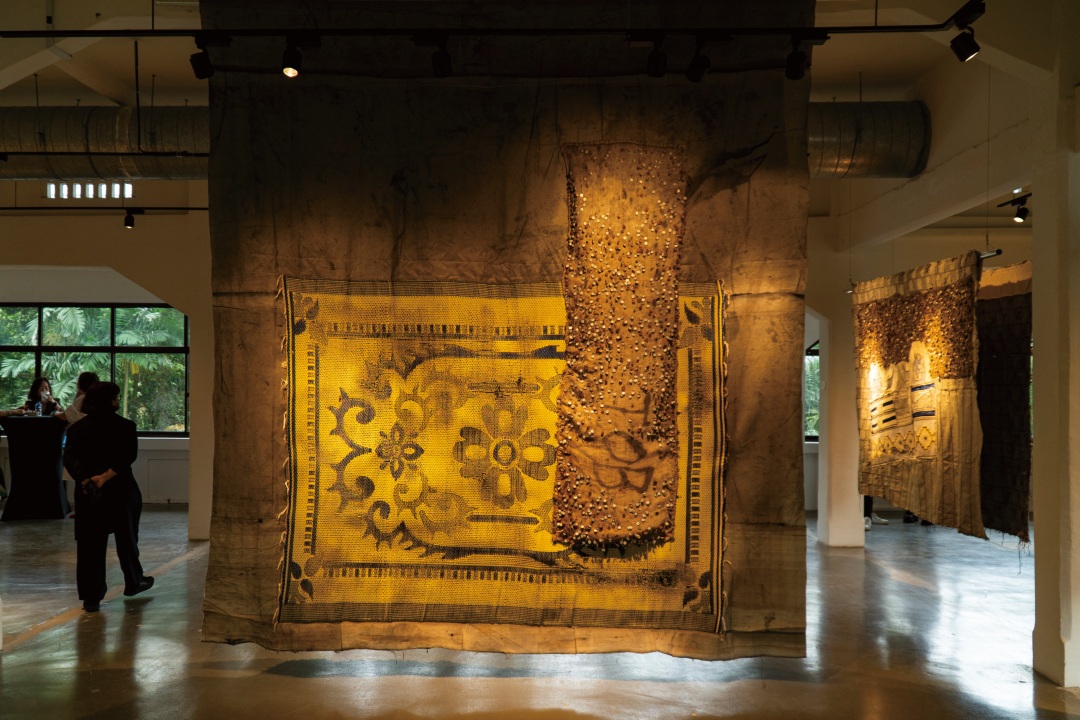
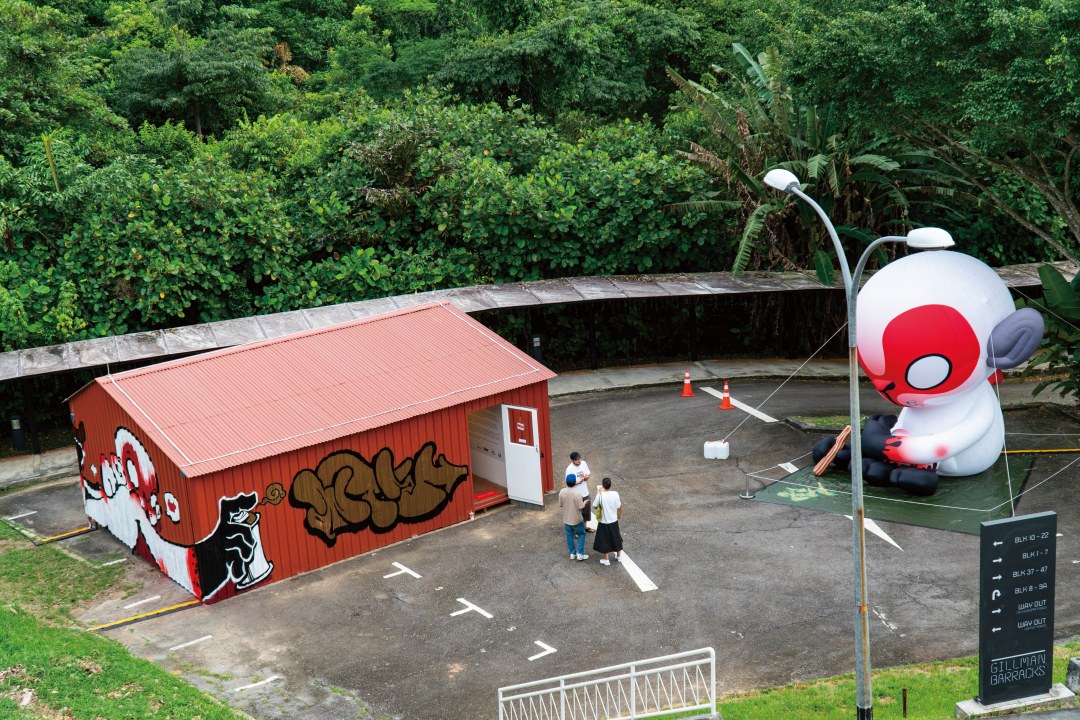
Head southwest, away from downtown Singapore, and a lush park zone unfolds along low hills. Telok Blangah Hill Park is one of the five parks in the area linked by 2Southern Ridges. Walk across the park along the steel elevated walkway known as Forest Walk, and you will come upon barrack buildings once used as a British Army base before World War II. This is Gillman Barracks, named after a 3British Army officer. Even after independence, it remained a major training ground for the Singapore military, and in 2012 it was transformed into an arts district under the Singapore government’s direction.
From the earliest stage of the project, Gillman Barracks has aimed to be a sustainable arts complex. Domestic and international galleries occupy the barrack blocks scattered low among the greenery, presenting exhibitions by world-renowned masters such as Ai Weiwei, Yayoi Kusama, and Sebastião Salgado, as well as by emerging local artists. As a result, visitors can enjoy a gallery-hopping tour as if on a stroll. Inside the old barracks are not only galleries but also distinctive shops, including The Naked Fin, a restaurant renowned for its seafood, a brewing café, and a bike boutique, so we recommend setting aside plenty of time to explore at a leisurely pace.
The Private Museum
at Osborne House
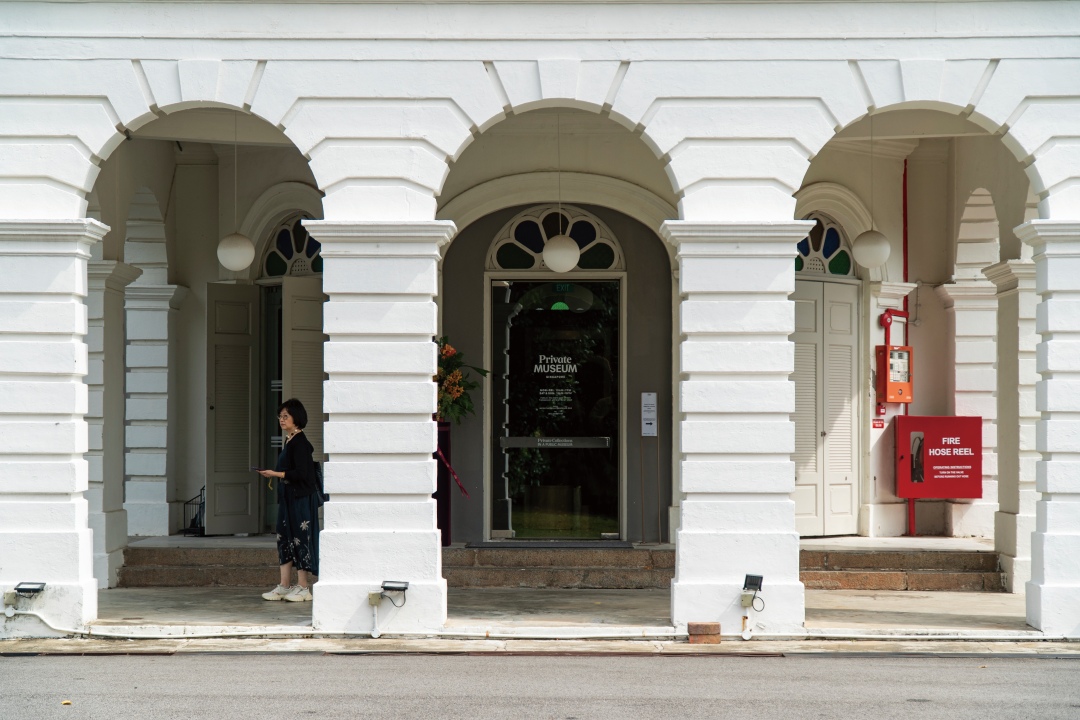
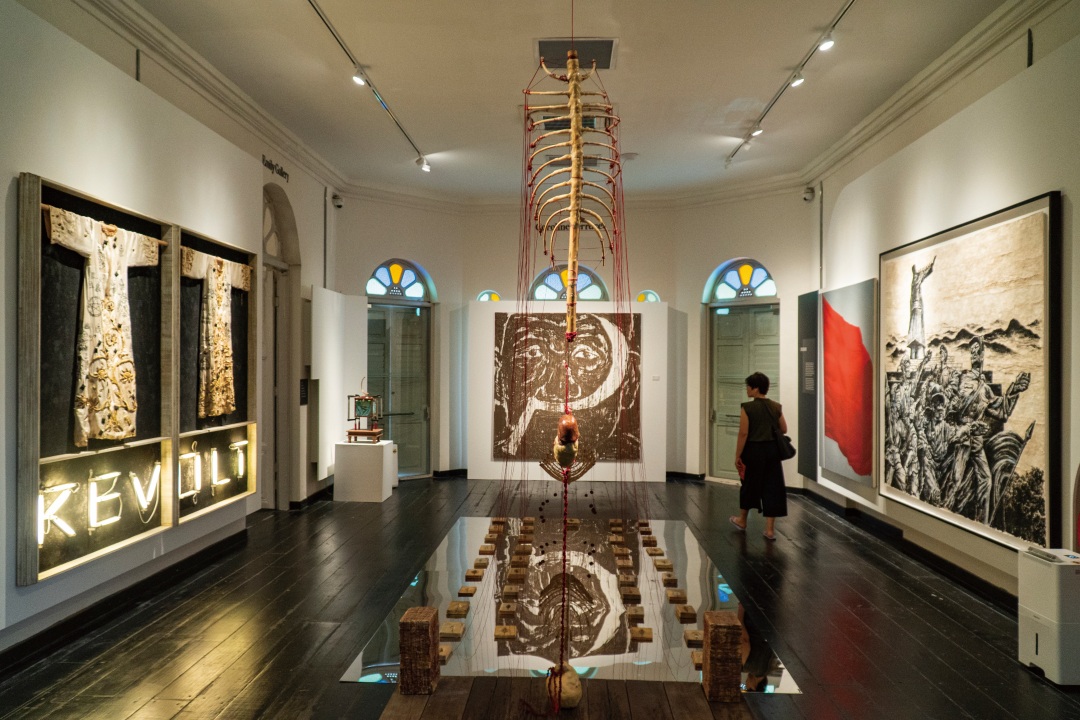
Bras Basah.Bugis, in the heart of Singapore, is known as “BBB,” after the initial letters of its name. Dense with museums, art schools, bookstores, and performance venues, the district has long served as one pillar of Singapore’s cultural and artistic infrastructure. Recently, the Private Museum, which has settled into Osborne House, a 19th-century mansion in Bras Basah, has been drawing the attention of Singapore’s art world. Founded by businessman Daniel Teo on the basis of his personal collection, it aims to be a nonprofit museum and is testing new possibilities in a Singapore where only state-run museums and commercial galleries exist.
The Private Museum’s consistent focus is contemporary Asian art—and within that, marginal cultures such as identity, memory, migrants, and social inequality. A look at its irregularly scheduled exhibitions shows that, rather than grand scale or technical flourish, it devotes care to putting the artist’s message and the narrative background of each work into text. Exploring the interior of the old mansion, more than a century old, with its creaking wooden stairs and doorways lower than the average person’s height, is an intriguing experience in itself. The museum opens in step with its curated exhibitions, and detailed schedules can be found on its website.
STPI
Creative Workshop and Gallery
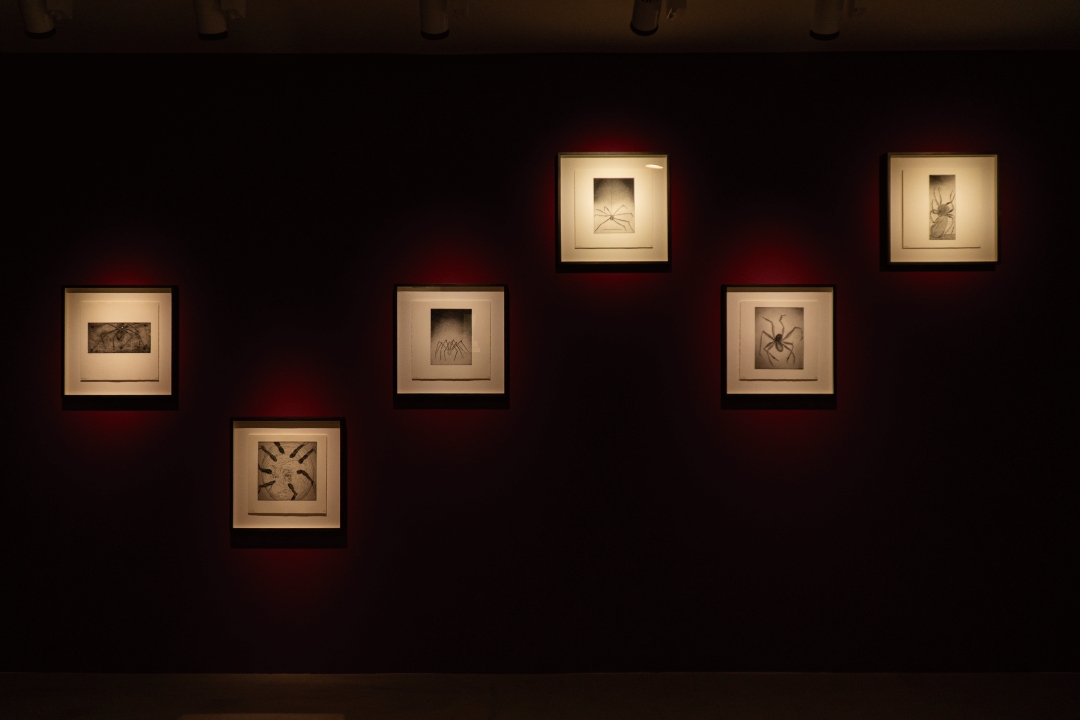
Robertson Quay is an old riverside commercial district that took shape along the Singapore River. In the early days of the city, it stood alongside Boat Quay and Clarke Quay as a dense cluster of warehouses and logistics facilities that underpinned Singapore’s trade. Today it has been transformed into an upscale residential enclave of stylish restaurants, bars, and hotels.
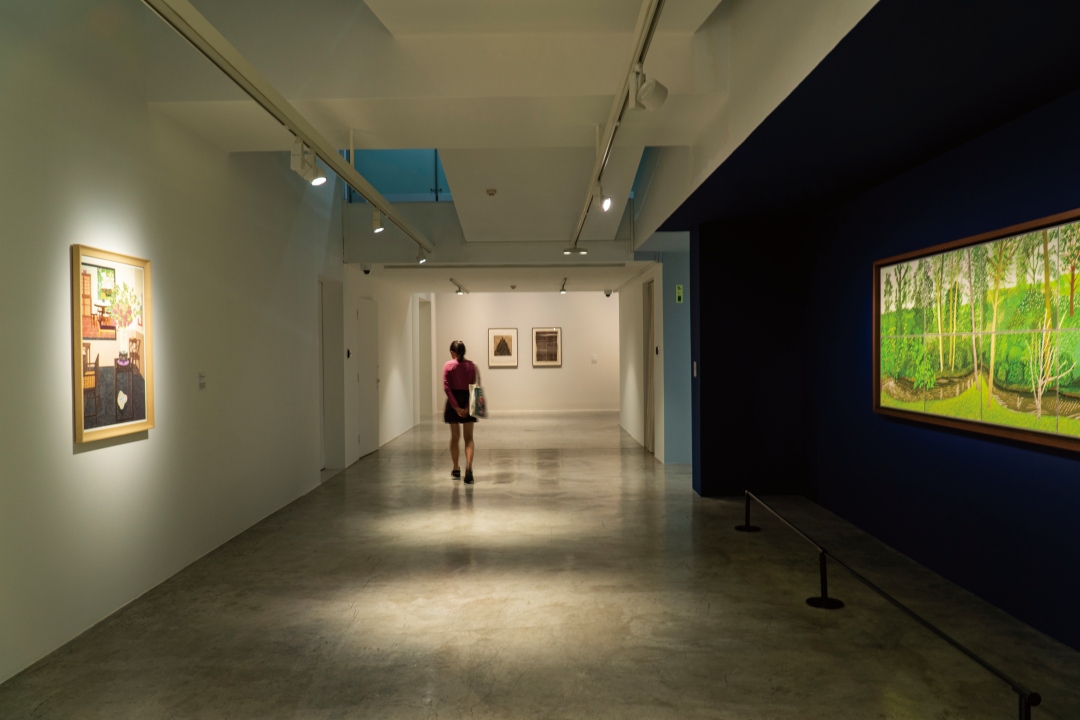
STPI Creative Workshop & Gallery, which opened in a converted riverside warehouse, is another space that confirms this shift. Its operator, STPI (Singapore Tyler Print Institute), is a nonprofit contemporary art institution founded in 2002 with the support of the Singapore government, and it carries on the philosophy of 4Kenneth E. Tyler, known as a “Master Printer” in the late twentieth century. True to its name, the gallery is built around a production-focused residency program that experiments with the possibilities of paper and printmaking, and it combines a professional workshop with exhibition space. Artists from around the world stay here and collaborate with skilled technicians to try new things, and the results are presented at leading art fairs and museums worldwide. Korean artists Lee Bul and Do Ho Suh have also shown work here. After viewing the new exhibition linked to the residency program, stop by the gallery shop, where you will find exceptionally well-made catalogs and printed matter.
New Bahru
New Bahru
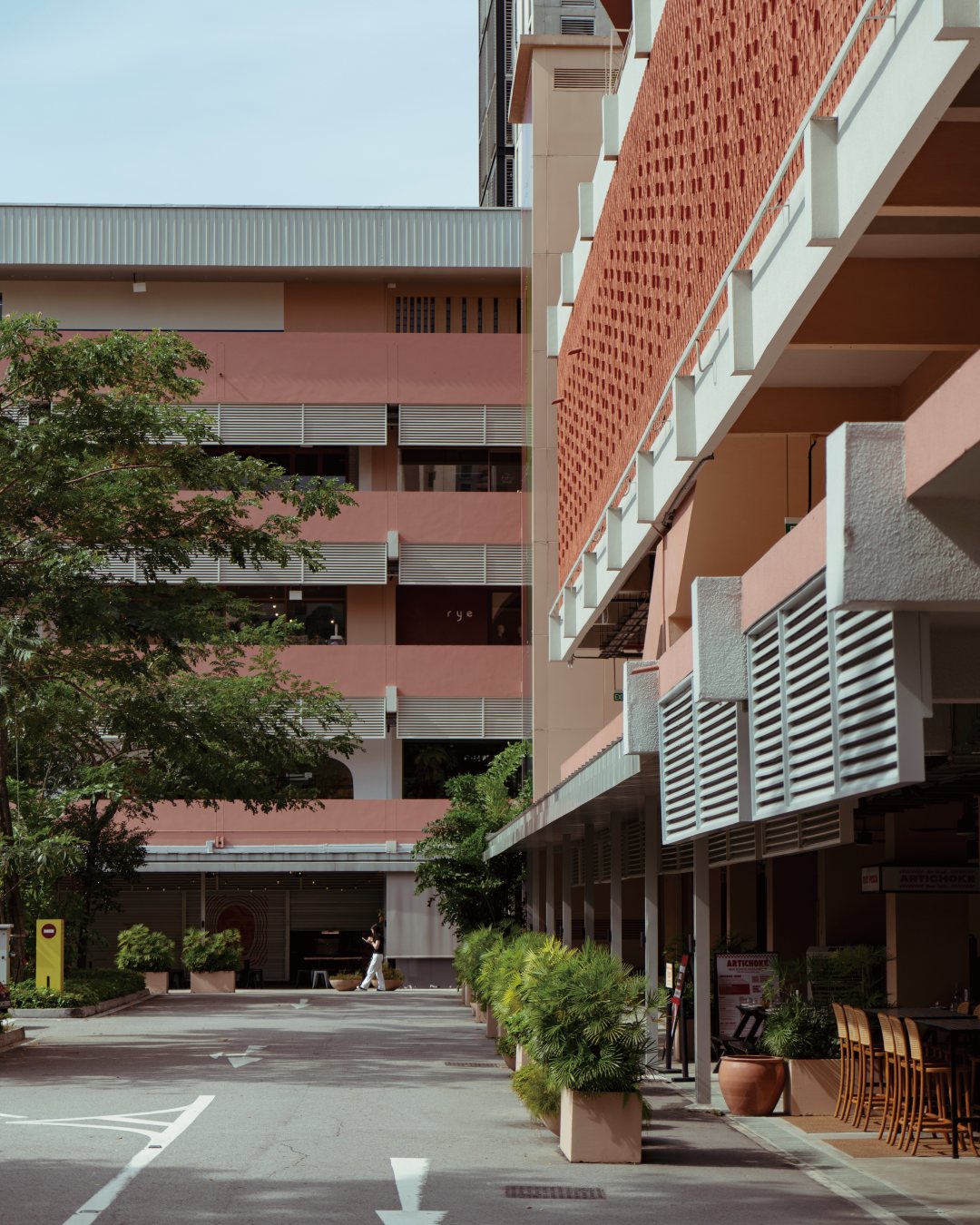
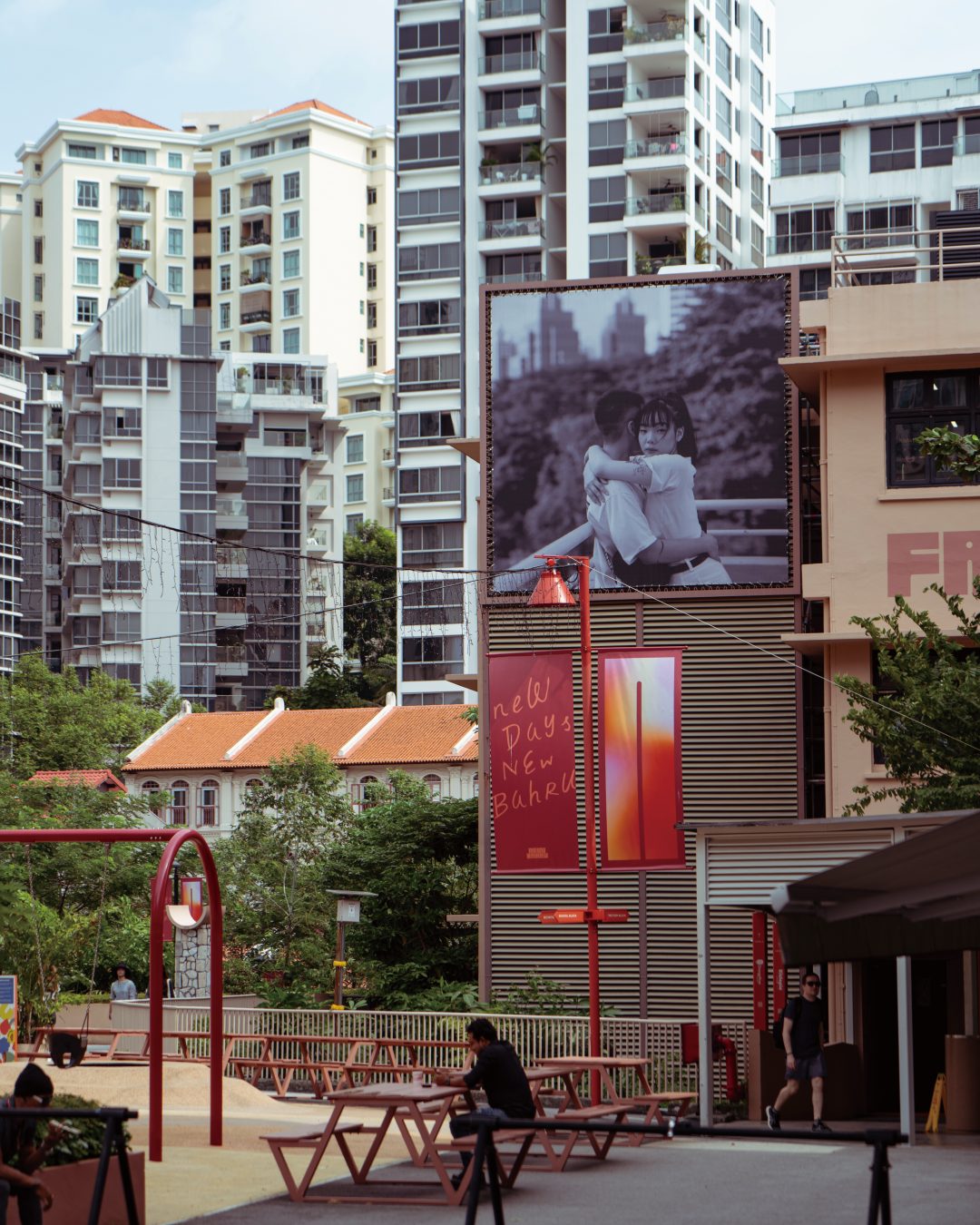
Until now, anyone curious about Singapore’s trends headed to Orchard Road, home to the city’s big shopping malls. These days, though, you also need to go to New Bahru in River Valley. A lifestyle complex that opened in 2024 on the renovated campus of a former high school, it houses some 40 of the most closely watched local brands in Singapore right now, spanning fashion, F&B, wellness, stays, and art studios.
Still, it would be a mistake to see New Bahru as just the latest up-and-coming shopping mall. It aims to be a new creative hub for Singapore, hosting exhibitions, performances, and cultural events in the old auditorium, and staging pop-ups in the courtyards and in a playground converted from the old sports field. During the most recent Singapore Art Week, it even put on a large-scale photography exhibition across the exterior walls of the school building. The way to truly enjoy New Bahru is to wander every corner of the grounds, soak up the varied inspiration, and explore the brands that now occupy the former classrooms. Try pastries and fragrant filter coffee at 5PPP Coffee, a pioneer of Singapore’s specialty coffee scene, or order laksa or nasi lemak at 6Coconut Club River Valley, which serves casual Peranakan cuisine. You could also browse colorful fashion accessories at 7Beyond the Vines Design House, a local brand famous for its dumpling bags.
Red Dot Design Museum
Red Dot Design Museum
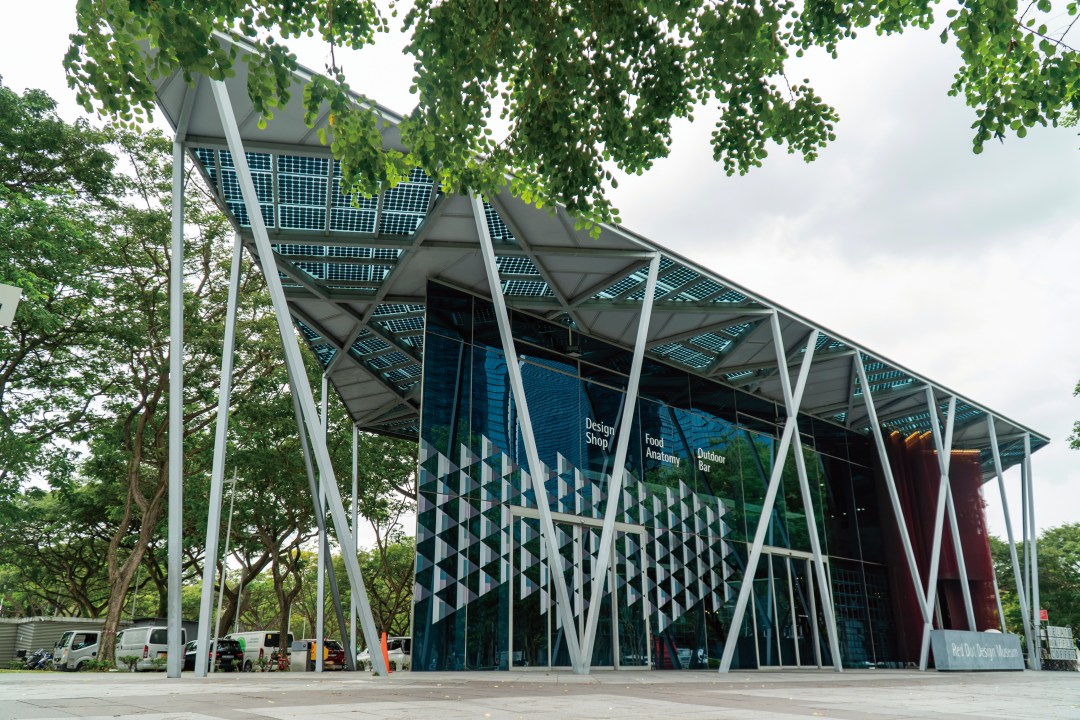
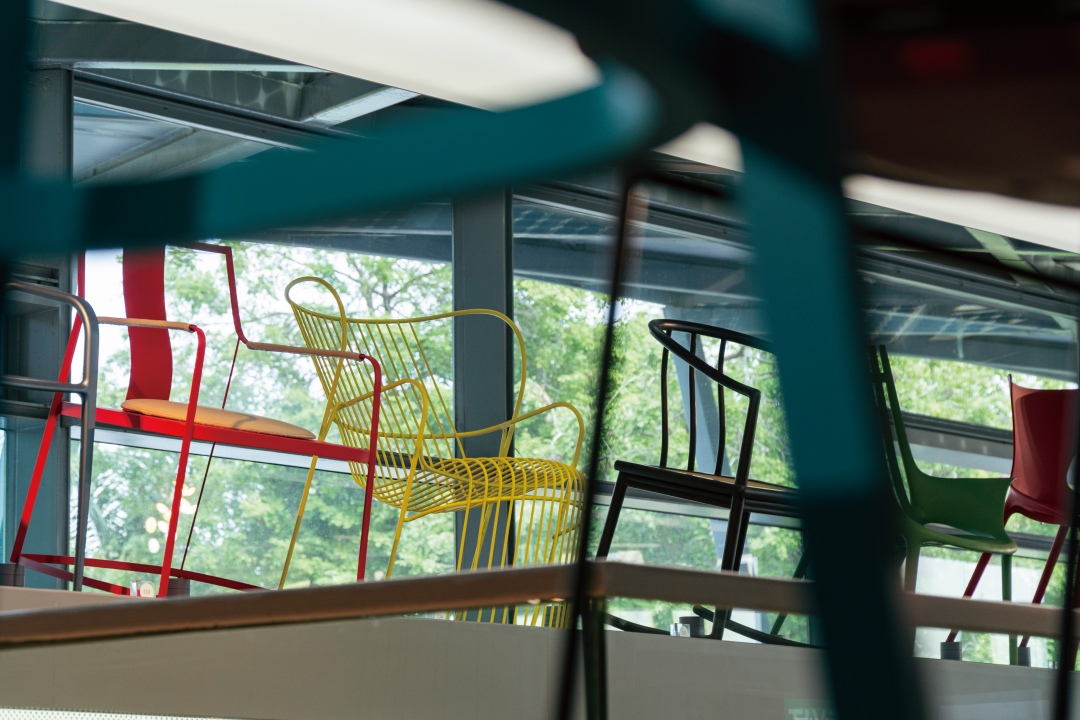
Launched in Essen, Germany, in 1954, the Red Dot Design Award is widely regarded as the most prestigious design competition in the world. Its winners, selected across three categories (product design, brands & communication design, and design concept), can also be seen in Singapore. That’s because Red Dot’s second design museum after Essen opened in Singapore in 2005, the first in Asia. The Red Dot Design Museum in Singapore originally occupied the former Traffic Police headquarters on Maxwell Road before moving to the Marina Bay waterfront in 2017. As a place to take in contemporary design trends, the Marina Bay district seems an excellent choice.
The museum displays Red Dot Design Award winners from around the world, organized by category. Detailed explanations of why each piece was chosen add to the fun of visiting, and the exhibits let you grasp at a glance how product design has evolved and where it is headed, from tech and mobility to everyday goods. In fact, the final destination for many visitors to the Red Dot Design Museum is the design shop on the ground floor of the building. It sells not only Red Dot Award winners but also design products certified by Red Dot, which makes it popular with design professionals and casual enthusiasts alike. After picking up an offbeat souvenir, you can enjoy a coffee or a beer and the view of Marina Bay at the café, which is furnished with designer furniture.
ArtScience Museum
ArtScience Museum
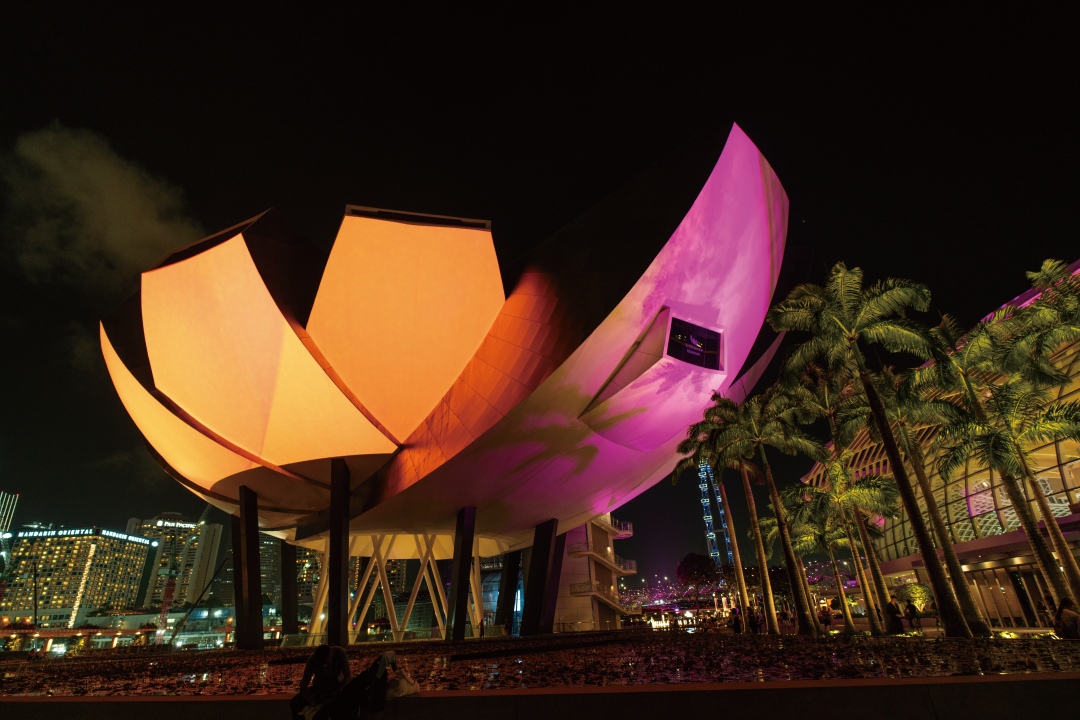
Walk along the Marina Bay waterfront and a brilliant white structure unfolding like a lotus flower catches your eye. This is the ArtScience Museum, which opened in 2011. According to Moshe Safdie, the Israeli-born architect who designed it, the building embodies an “open hand,” an apt form that seems to symbolize the fusion of art and science. Skylights crown the ten petal-like fingers to draw natural light inside, and at the center, a system collects rainwater, sends it cascading down an indoor waterfall, and then recycles it. It is an eco-friendly design that responds to Singapore’s tropical climate, and also a device that makes urban sustainability visible. Architecture that combines function and message works as an exhibit in its own right.
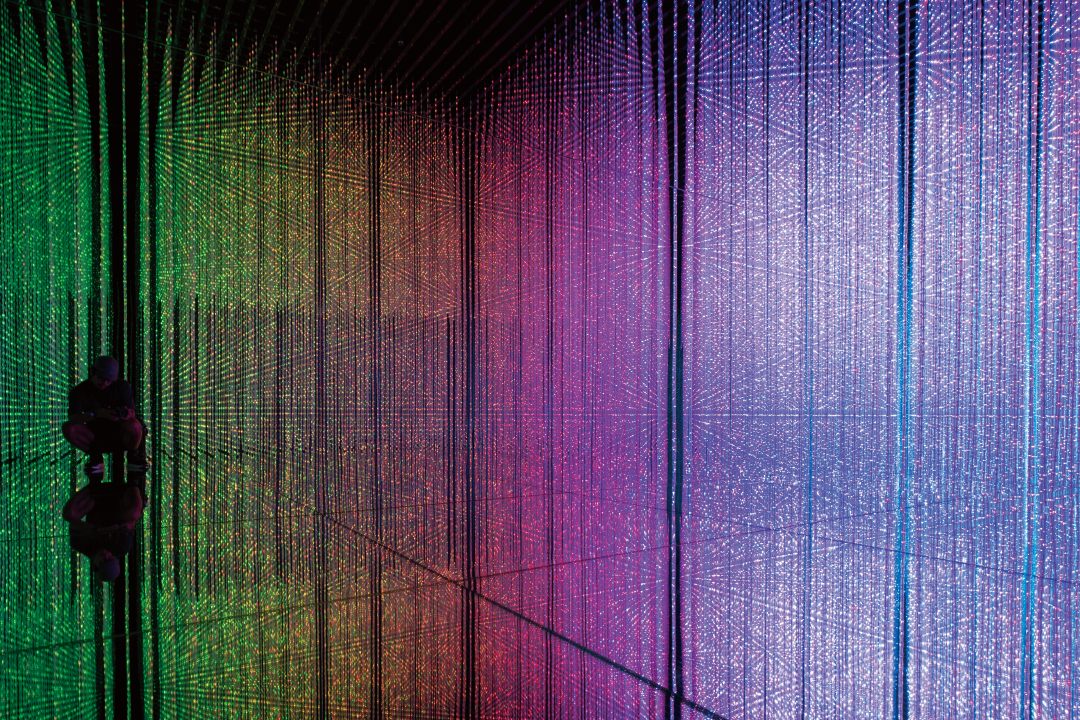
Step inside and, true to the name, you will find unconventional exhibitions that cross the boundaries between art and science, technology and design. Drawing on themes such as artificial intelligence, life sciences, and space exploration, the museum makes extensive use of large-scale digital projections and interactive installations, with a focus on offering visitors an immersive experience. Future World, created in collaboration with the Japanese art collective teamLab, is the museum’s signature permanent exhibition, and a chance to experience the appeal of interactive digital art, in which light and images respond in real time to visitors’ movements.