Antarcticascape — Stories from Antarctica
In photographer Han Sungpil's images, relics left on Antarctic islands carry stories of ambition and defeat that captivate travelers.
Antarcticascape — Stories From Antarctica
Han Sungpil, a photographer who carries travel with him like a destiny, rose to prominence with his “Facade” series. In recent years, he has been seeking out and documenting the relics of whaling and coal mining that remain in the polar regions. In the remnants embedded in the landscapes of his Antarctic islands lie stories of challenge and defeat that enthrall travelers.
Photos Han Sungpil
Deception Island, South Shetland Islands
Deception Island, South Shetland Islands
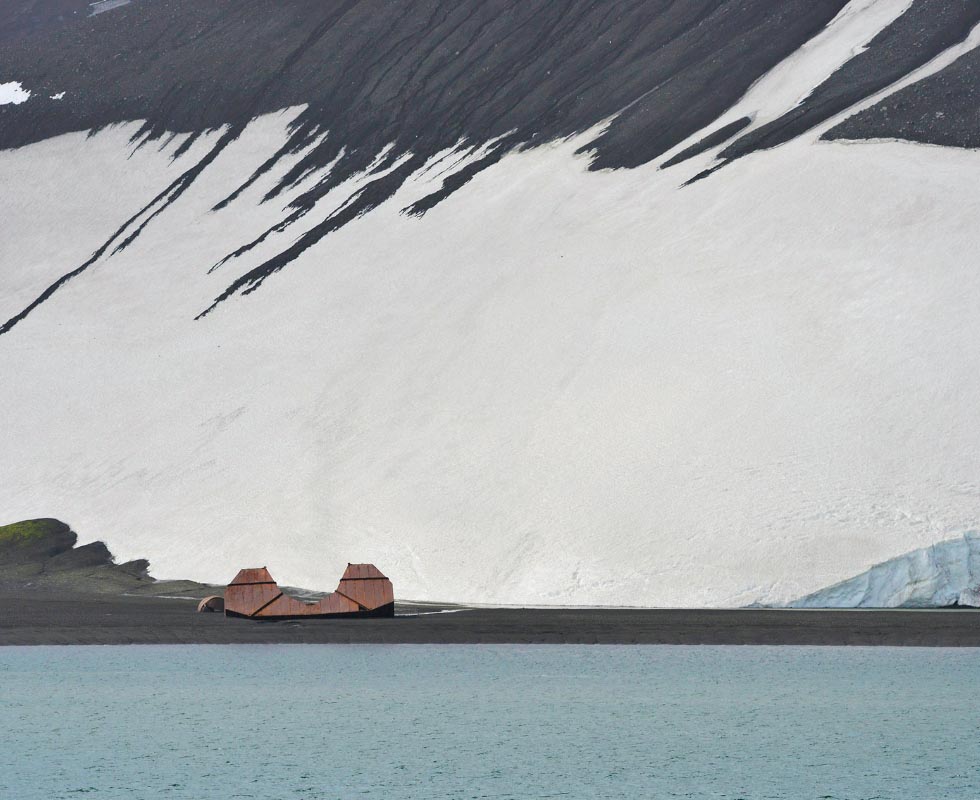
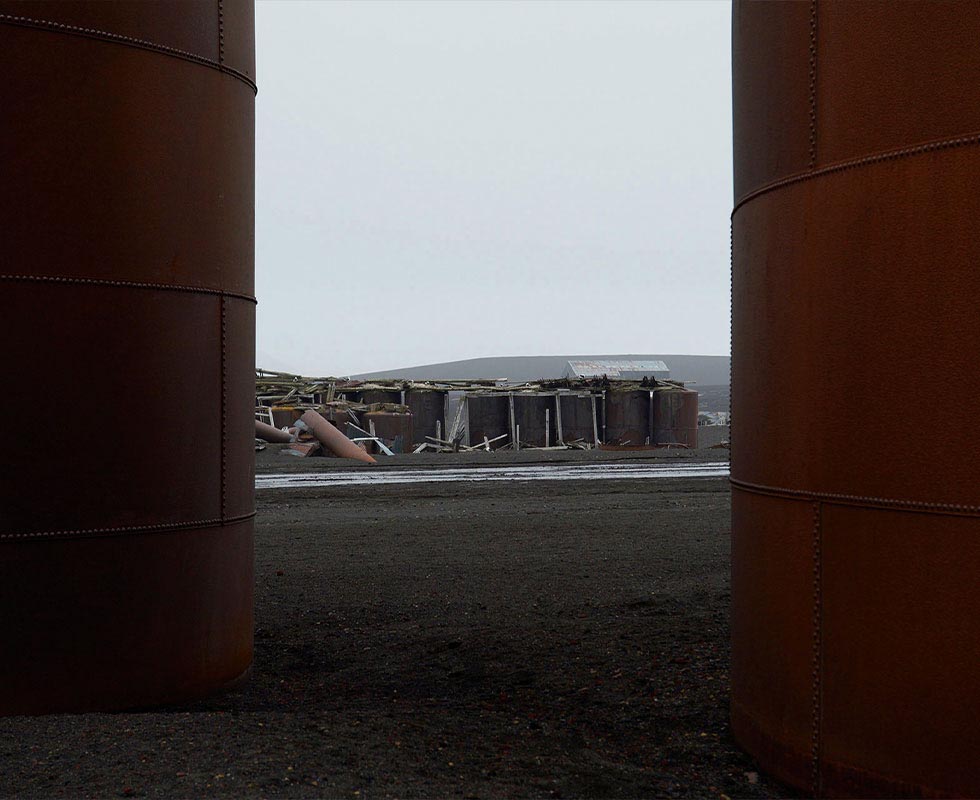
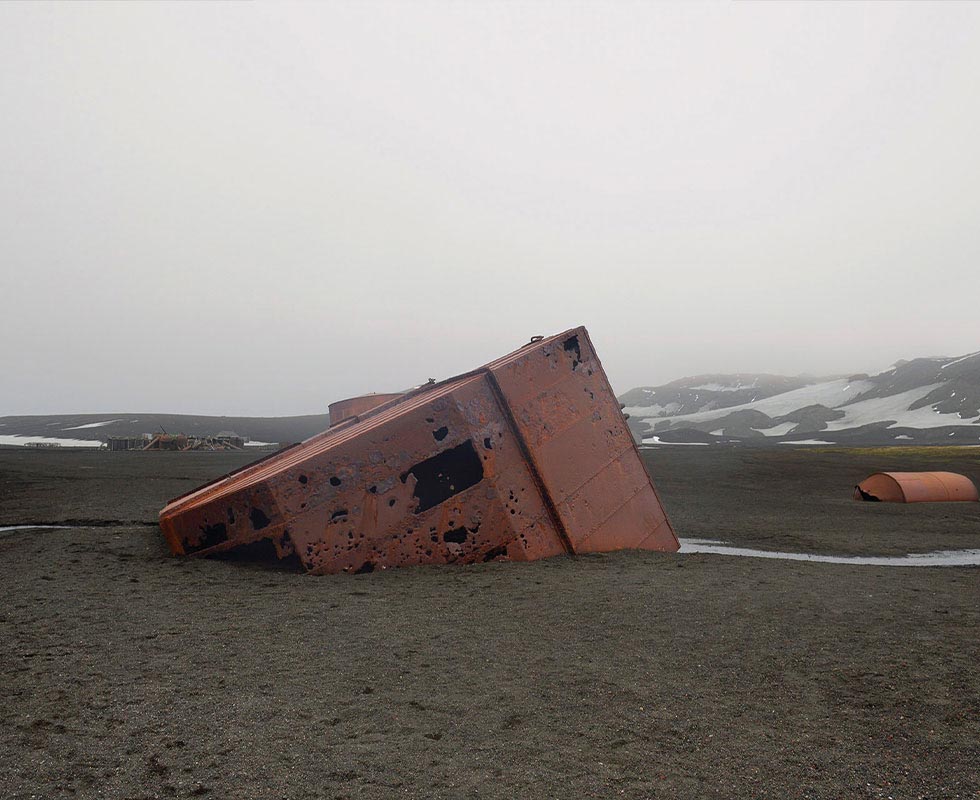
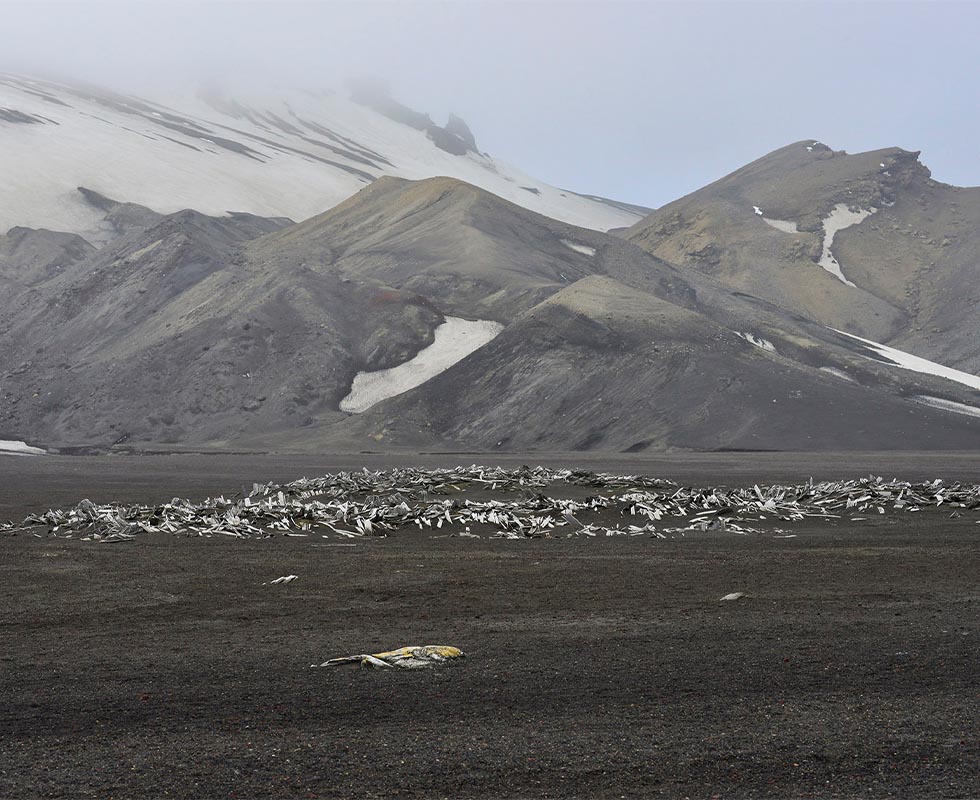
In 1912, a Norwegian whaling company built a shore whaling station called Hector at Whalers Bay on Deception Island. At its peak, more than 150 workers labored there, producing over 140,000 barrels of whale oil. But in 1931, a sharp drop in the price of whale oil brought the station’s operations to an end. In 1944, a British Antarctic research base was established on the former Hector site, but volcanic eruptions between 1967 and 1970 buried it in ash and left it in ruins.
South Georgia, Grytviken
Grytviken, South Georgia
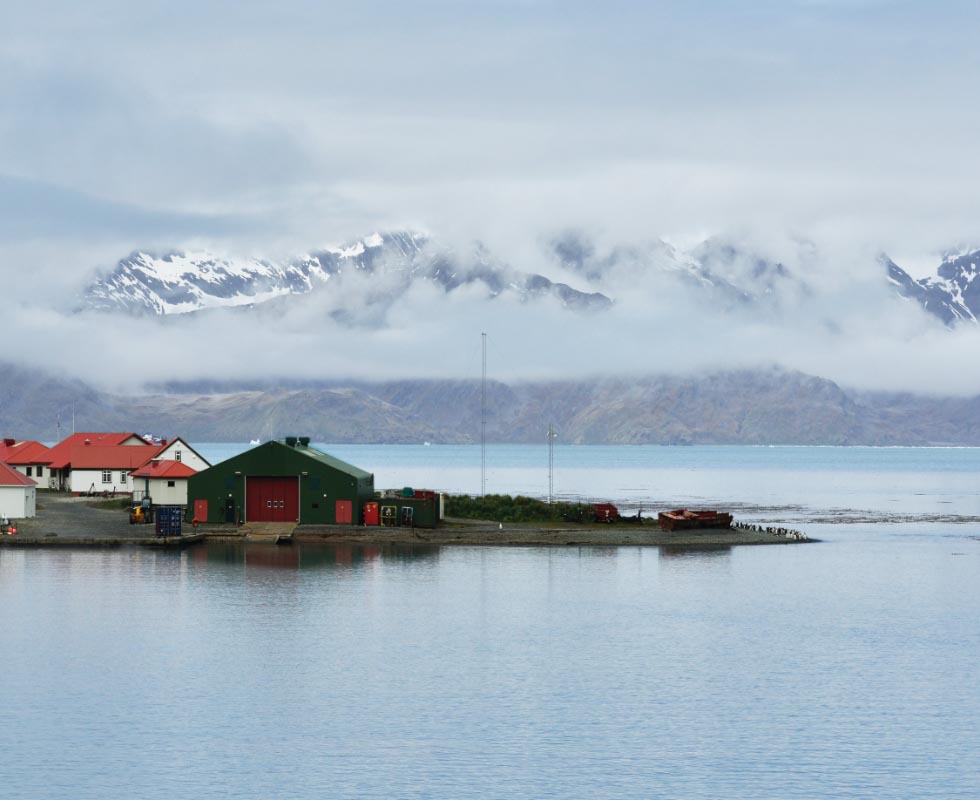
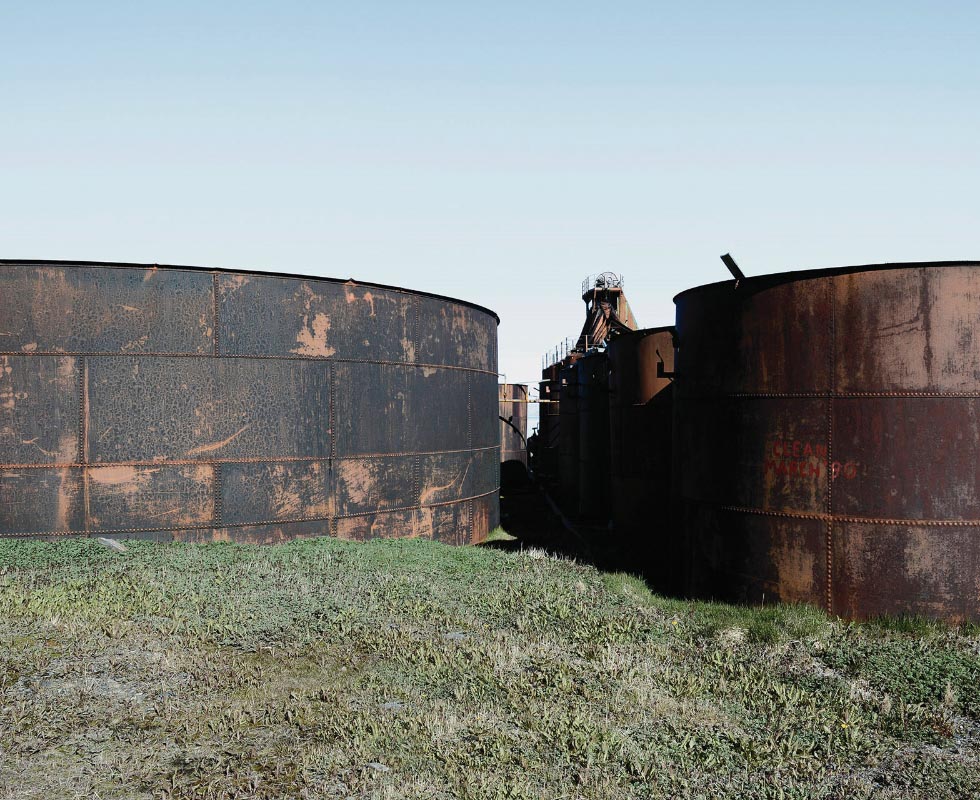
From the late nineteenth century to the early twentieth, new technologies such as steamships, explosive harpoons, and explosives entered the whaling industry, and sperm, blue, and humpback whales began to face the threat of extinction. The explosive harpoon was especially lethal: once lodged in a whale’s body, the attached charge detonated inside it. Steamships, powered by fossil fuels such as coal, could travel much faster and farther than the sailing ships that had relied on the wind.
The whaling ship Petrel, built in Oslo, Norway, in 1928, was a 245-ton steamship fitted with an explosive harpoon and a bridge connected to the gangway. It hunted whales in the Southern Ocean until, because of dwindling whale numbers, its purpose changed in 1957 to sealing in those waters.
Grytviken, the first Antarctic whaling station, founded in December 1904, means “kettle cove” in Swedish. In its first year, the station caught 195 whales, marking the start of a successful business. In peak season at the time, more than 300 workers bustled about the place. Over the following six decades or so, overhunting steadily reduced the whale population, and in December 1966 the Grytviken whaling station finally closed. The whaling ship Petrel, its service ended, remains at Grytviken as an abandoned hulk.
South Georgia, Stromness
Stromness, South Georgia
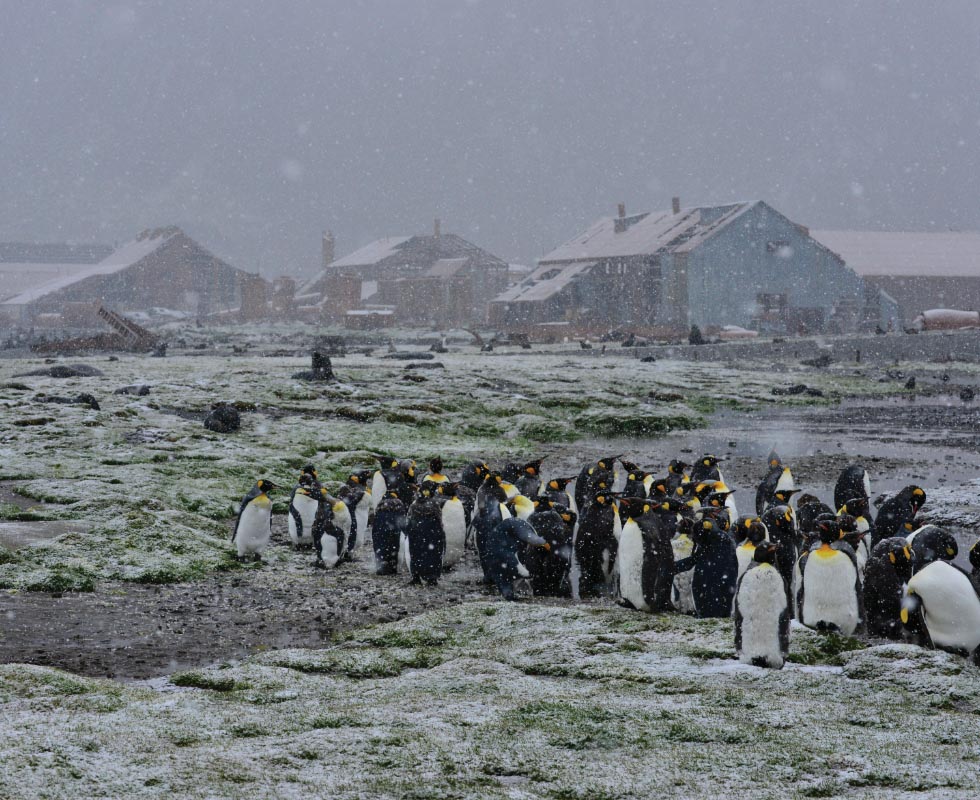
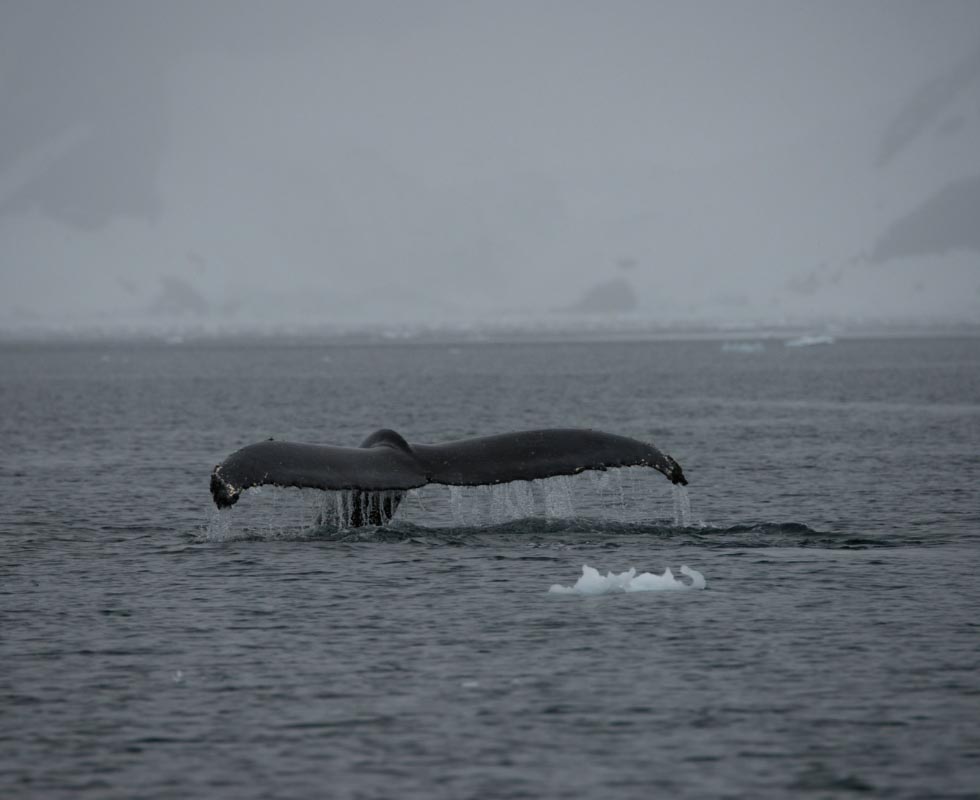
The first whaler to settle here came from Stromness in Orkney, in Britain, and named the station after his hometown. In 1907, Stromness began whaling-related operations, at first as a mooring site for floating factory ships, and in 1912 a shore whaling station was finally built. In 1931 the station was converted into a ship repair yard and used until 1961, after which it fell into ruin.