A Journey to Discover My Own Canada
Lee Yeongsuk of Destination Canada's Korea office has spent nearly two decades focused on Canada. We talked with her about what makes the country so appealing, from hidden regions to sustainable travel.
A Journey to Discover My Own Canada
Far easier, closer, and more special than you might expect. That is how Lee Yeongsuk, head of the Destination Canada Korea Office, describes Canada. With its majestic wilderness, diverse cultures, distinctive cuisine, and warm people, Canada is a destination perfectly suited to an era in which travelers set out to find their own tastes. What does the woman who has kept her eyes on Canada for nearly 20 years see as its appeal?
Interviewee Lee Yeongsuk, Country Manager, Destination Canada Korea Office
Interviewer Pitch by Pitch


Which destinations or themes in Canada have been especially popular with Korean travelers lately?
In the past, many trips followed a ‘checklist’ style, covering several of Canada’s famous attractions in a short time. Now there is a clear trend toward staying longer in one region and slowly enjoying activities that match personal interests. Some travelers hike or run in the great outdoors, or play a round at a spectacular golf course. Since Canada is the homeland of ice hockey, others want to learn the sport themselves or catch a thrilling game in person. Journeys by train, taking in vast landscapes at a leisurely pace, are also hugely popular. Canada is blessed with extraordinary nature and is surrounded by ocean on three sides, so fresh, healthy ingredients are plentiful. Add the influence of many immigrant cultures, and you get a truly varied culinary experience. Many Korean travelers go wondering, ‘What is Canada’s signature dish?’ and come home captivated by Canada’s food scene. In autumn, Canada becomes a completely different world. There is the eastern region, of course, but also the golden foliage that runs along the Canadian Rockies and the dramatic autumn colors of the northern tundra. Many people time their trips to Canada for the fall foliage because of the astonishing scenery nature creates. Every October and November, a growing number of travelers also head to Churchill, known as the ‘Polar Bear Capital of the World,’ to see wild polar bears. It is only a brief, quiet visit to their habitat, but meeting polar bears in the wild is an unforgettable experience. According to the data, the place Korean travelers visit most is Ontario, home to Niagara Falls, Toronto, and the capital, Ottawa. Niagara Falls is a perennial bestseller and steady favorite. Yellowknife in the Northwest Territories, well known as an aurora destination, is also very popular. Korea is the second-largest market in the world in terms of travel spending in this region. Above all, I am delighted that travelers’ interest has recently expanded beyond Niagara Falls and the Rockies to the whole of Canada. Journeys to meet the vast land and its endless nature are becoming more diverse all the time!
Korean travelers are familiar with Canada’s major attractions but know little about its many other regions. Does the Korea Office have a strategy for introducing and promoting these hidden gems?
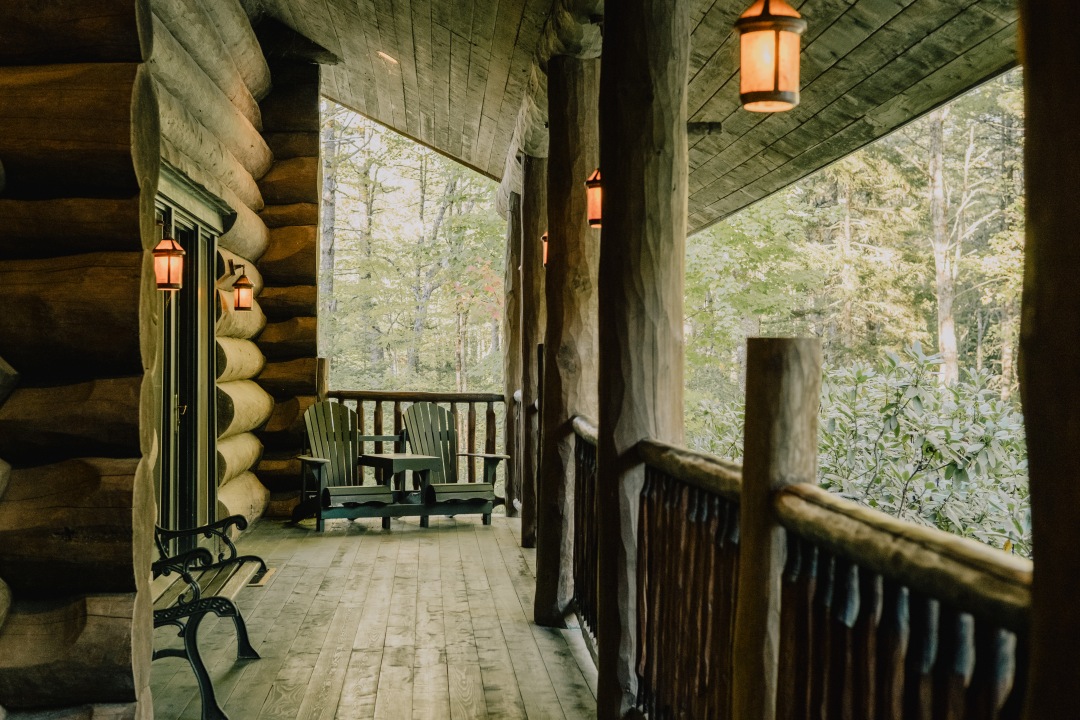
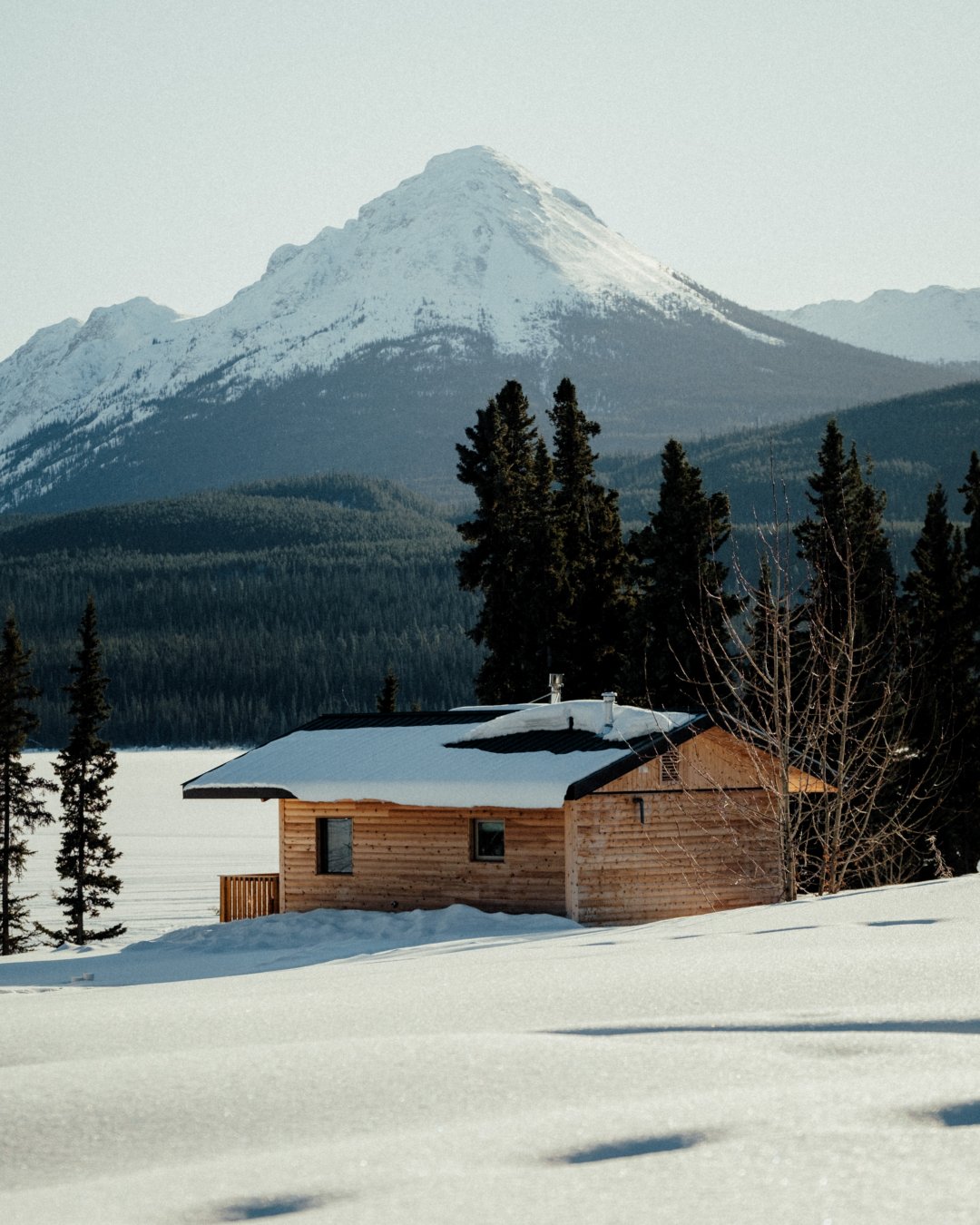
Canada is the second-largest country in the world, with a vast territory roughly 100 times the size of South Korea. Terrain, climate, and culture differ from region to region, so it is no exaggeration to say that dozens of different destinations coexist within a single country. There are well-known places like the Canadian Rockies, Niagara Falls, and Quebec City, which became even more familiar through the drama ‘Goblin.’ But beyond them lie many more captivating destinations that remain little known. For example, Atlantic Canada, on the country’s eastern edge along the Atlantic Ocean, is the setting of the beloved ‘Anne of Green Gables’ and is also connected to the Titanic. Its gentle pastoral scenery and the hospitality of its warm people reveal another face of Canada. Whitehorse in Yukon is, like Yellowknife, one of Canada’s leading aurora destinations, and it sits beside Mount Logan, Canada’s highest peak. Beyond aurora viewing, there are hot springs, retro-style train journeys, and lodge stays. It is a gem of a place where you can discover a different Canada. It is also easily accessible, only two and a half hours by plane from Vancouver. The Eastern Townships, located between Quebec City and Montreal, offer what I would venture to call the best fall foliage in Canada. Compared with other regions, there are plenty of good lodgings at relatively reasonable prices, and you can spend leisurely time with excellent local food, which makes it truly appealing. This year, to promote such destinations more effectively, the Destination Canada Korea Office introduced 80 customized itineraries that start from well-known destinations already familiar to Korean travelers and weave in hidden places nearby. They are divided into 10 themes, including nature, cuisine, outdoor activities, train journeys, and the aurora, so travelers can plan a Canadian trip to suit their own tastes. Now is the time to begin a journey to discover the real Canada, rather than the famous places everyone else goes. Don’t worry. A trip to Canada is much easier, much closer, and much more special than you think.
What strategies or programs is Destination Canada implementing for sustainable travel?
Destination Canada is pursuing a range of strategies to realize Regenerative Tourism, which has a positive impact on local communities and the environment and continues to evolve. First, through a guide titled ‘A Regenerative Approach to Tourism in Canada,’ it set out the direction that tourism should be a means of restoring communities and ecosystems rather than simply consuming them. The guide focuses on promoting locally tailored development in cooperation with stakeholders in many fields, including local communities, urban planners, and investors. To support this, we built the National Data Collective, which provides detailed indicators that help gauge growth by region and set direction. We also introduced the ‘Tourism Wealth & Wellbeing Index,’ which goes beyond evaluating tourism by visitor numbers or spending alone and comprehensively measures its economic, social, and environmental impact on local communities. Through it, we assess the true value of tourism from many perspectives, such as job creation, community empowerment, and environmental protection. Destination Canada is also focused on boosting Indigenous tourism in Canada. Through a long-term agreement with the Indigenous Tourism Association of Canada, we are carrying out projects that preserve the culture and traditions of Indigenous communities, support their economic self-reliance, and promote reconciliation and coexistence. To strengthen sustainability in line with international standards, we joined the Global Sustainable Tourism Council and run various sustainability programs, including measuring and reducing our carbon footprint and adopting social procurement policies. Especially noteworthy is the Tourism Corridor Strategy Program, which builds sustainable infrastructure by connecting tourism assets across regions. It is developing Atlantic Canada as a cultural destination following UNESCO World Heritage sites, and Canada’s northern regions around stays at distinctive lodges and wilderness experiences. It is also creating a cycling-route destination linking Ontario and Quebec, and connecting Saskatchewan and Manitoba under an agri-tourism theme, advancing regional economic revitalization and community-led tourism development at the same time. These efforts go beyond simple tourism promotion and show Destination Canada’s long-term, strategic approach to bringing about community prosperity and environmental recovery together.

Which regions of Canada would you recommend to travelers interested in food and wellness?
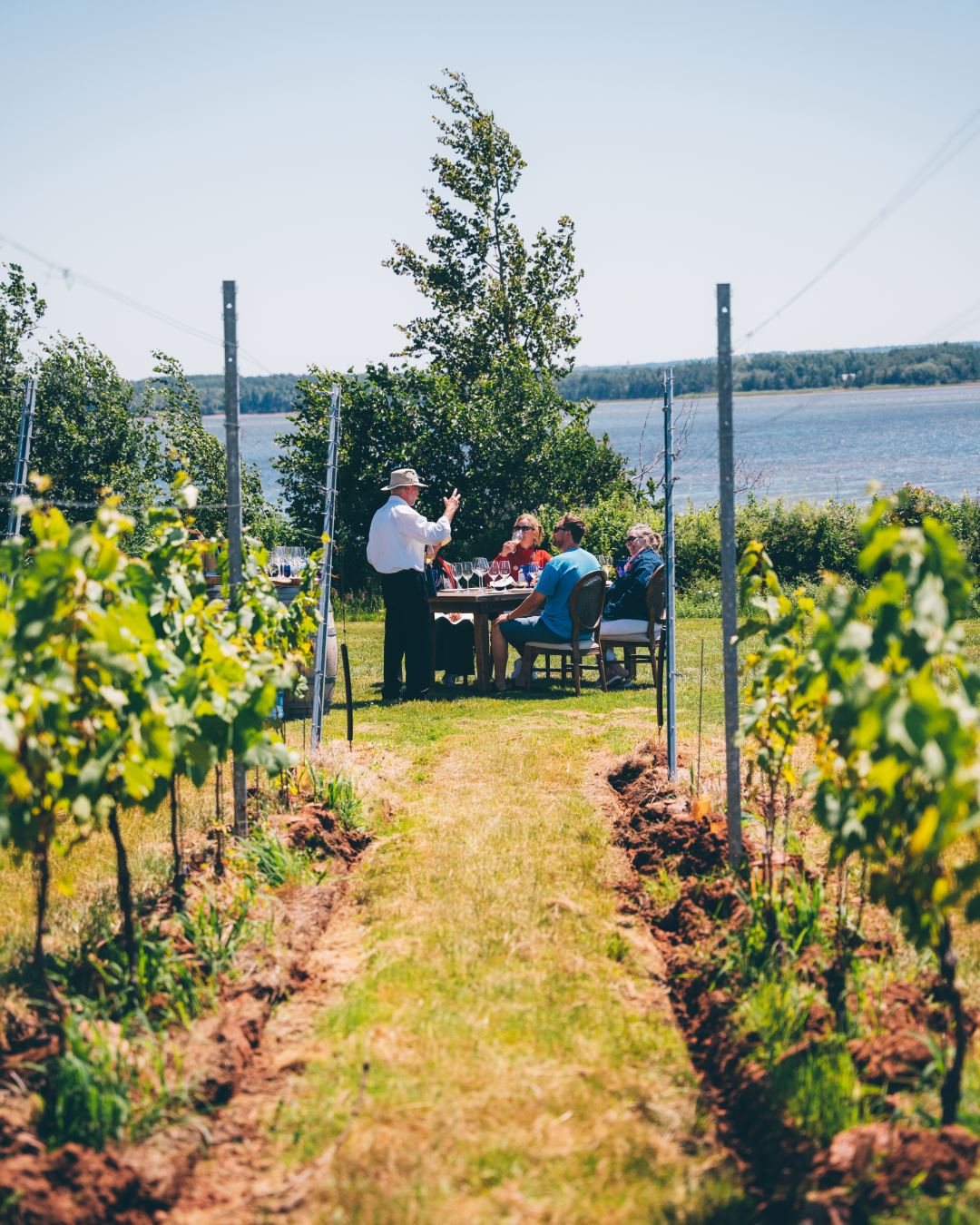
Canada may not be the first place that comes to mind as a world-class culinary destination, but that is precisely why it holds a kind of ‘distinctly Canadian’ appeal you can’t find anywhere else. Healthy ingredients nurtured by vast land and pristine seas, a diverse food scene shaped by many immigrant cultures, and a table that reflects a way of life that respects nature all make Canada special. From top-grade seafood and high-quality meat raised in unspoiled nature to seasonal vegetables harvested on local farms, traditionally crafted artisan cheeses and maple syrup, the long-standing foods of Canada’s Indigenous peoples, and craft beers that capture regional character, every bite tells a story woven together by nature, people, and culture. Personally, whenever I visit a new destination I always take a local food tour. A journey that follows wineries, breweries, cheese workshops, public markets, and local restaurants goes beyond a simple culinary experience. It is a time to understand the history and lives of the people who live there. In terms of wellness, Canada is quite literally a land of healing shaped by nature. Breathing in hundred-percent pure, refreshing air that seems to cleanse even the soul, and spending a day gazing at landscapes where sea and forest meet, can renew body and mind. You can stay in distinctive accommodations such as quiet forest lodges, lakeside resorts, and glamping sites set in the wilderness, enjoy healthy meals, and experience true wellness through spas, yoga, and meditation. In those moments when you leave behind the complexity of daily life and connect fully with nature, you will feel the real charm of Canada.
Having run the Korea office of Destination Canada for nearly 20 years, what changes have you noticed in the Korean market?
Today, Canada has established itself as one of the ‘bucket-list destinations’ many Koreans dream of. When I first started working for Destination Canada in the early 2000s, the atmosphere was very different. After Canada began allowing Koreans to enter without a visa in 1994, it was better known as a country people visited for early study abroad or investment immigration than for travel. Travel mostly took the form of group package tours. Travel information was also extremely limited. Back then, even a few lines in a newspaper saying the tourism office had produced a travel guidebook would bring a nonstop stream of phone calls requesting copies for days. So much has changed now. Travel information, reviews, and all kinds of experiences flood the internet, and anyone can easily book through OTAs or airline websites. Most Korean travelers now plan independent trips according to their own tastes. Travel also accounts for the largest share of reasons for visiting Canada. Flights began with a direct route to Vancouver and have since expanded to direct services connecting four major cities, including Calgary, Toronto, and Montreal, making it far easier to explore a wider variety of Canadian regions. Compared with 20 years ago, we have moved past an era when simply getting travel information was what mattered, into an era in which people use the abundance of information to create their own trips to suit their individual tastes.
Which regions of Canada do you expect Korean travelers to become more interested in going forward, and why?
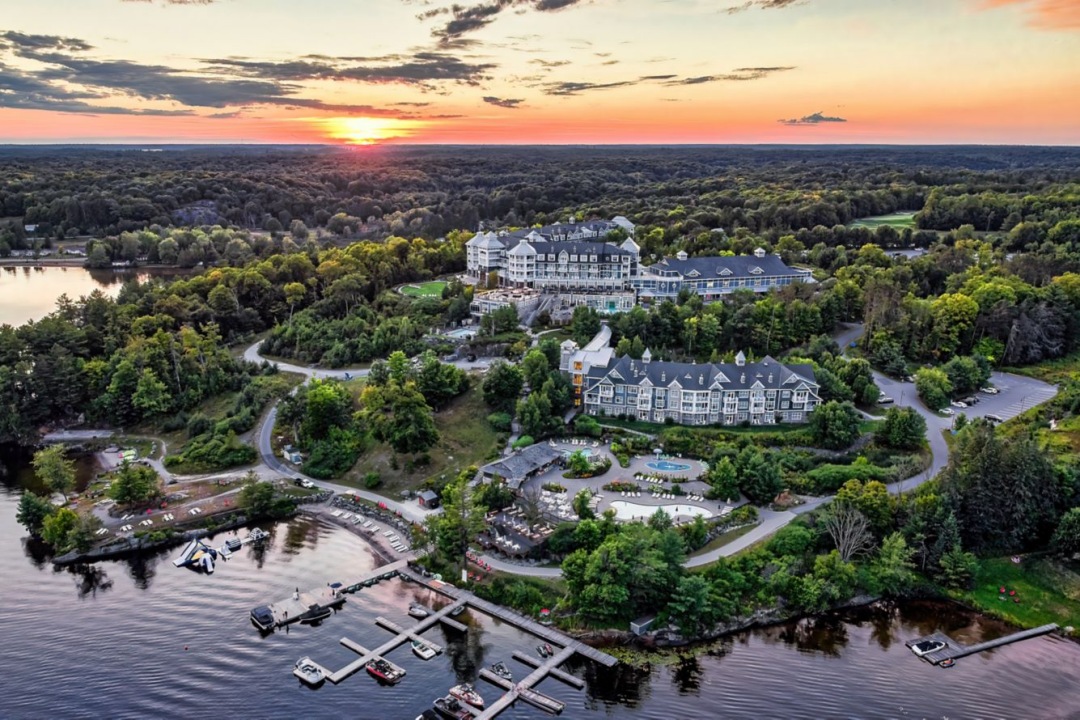
Rather than one particular region drawing the spotlight, I think travel will expand to a wide range of regions according to each traveler’s interests. I expect more trips that go beyond simply visiting famous attractions, where travelers feel the nature and culture of a place, connect with its people, and experience the local food in depth. For example, people who want to hike or camp in the great outdoors can choose the Canadian Rockies or the Yukon, while those who want winery tours or a culinary trip can choose British Columbia or the Niagara region. Travelers who want to experience culture and art up close can head to places like Montreal or Quebec City, where a long history and the appeal of a modern city exist in harmony. In a word, Canada is a country that shows endlessly varied faces depending not on ‘where you go’ but on ‘what kind of experience you want.’
Is there an unforgettable moment you personally experienced while traveling in Canada?
If I were to talk about Canada’s beautiful nature, delicious food, and unique experiences, I could stay up for several nights and still not be finished. But the truly unforgettable moments, in the end, are the ones where I felt the warmth of Canadians. It happened a few years ago, when I visited Vancouver on a family trip. After enjoying a good meal on Robson Street, one of the city’s busy thoroughfares, we moved on to another place. Only much later did I realize that the backpack I was carrying was open and my travel wallet was gone. I was worried about my credit cards and cash, but above all I felt desperate about having lost my passport. We were due to fly back to Korea the next day. In a panic, I retraced my steps, even searching the trash cans along the street, and went into each shop along the sidewalk to ask. I clung to one small hope: that someone might have picked it up and left it at a store. Then something truly miraculous happened. Someone had found my wallet in the middle of Robson Street and left it at a shop right there. They hadn’t left a name or contact information. All I was told was that it was ‘someone who lives nearby.’ I can’t tell you how grateful and moved I was. My husband, who had been looking around the shops across the street, also had a surprising experience. At a pub he stopped in, the staff heard his situation and all came out together to visit nearby shops with him. When we went back to thank them after finding the wallet, the pub erupted in cheers and applause. For our family, it was an unforgettable moment. This episode is just one of many things I’ve experienced in more than 20 years of visiting Canada. I can say without hesitation that what makes travel in Canada special is the warmth of Canadians. I always think that Canada is a country where the warmth of its people shines as brightly as its great natural beauty.
You must have traveled to countless parts of Canada, but is there a place that remains ‘unknown’ to you, somewhere you hope to visit someday?
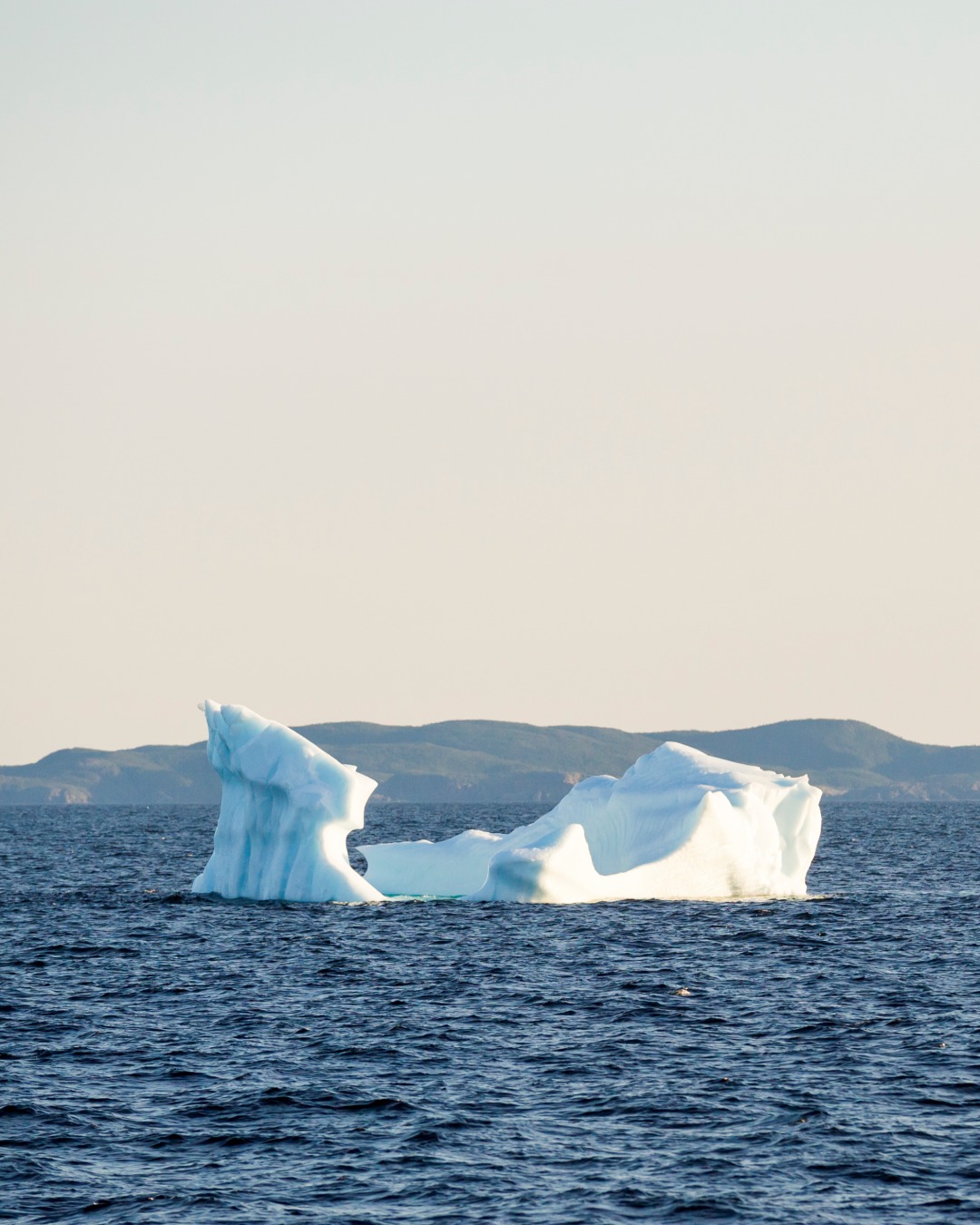
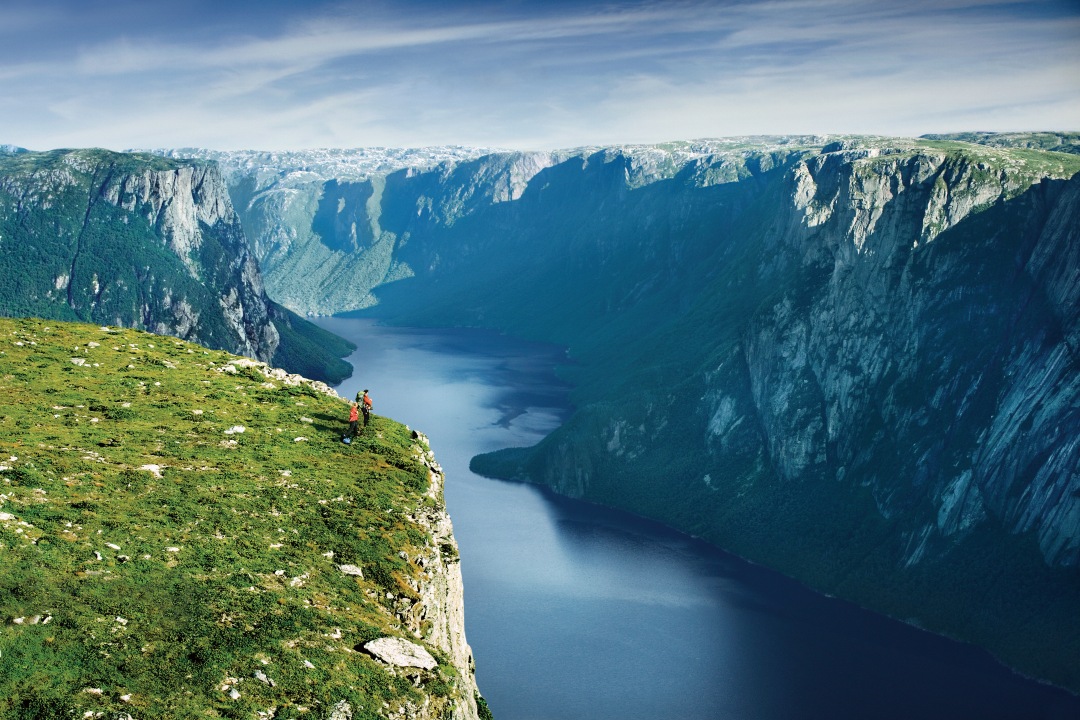
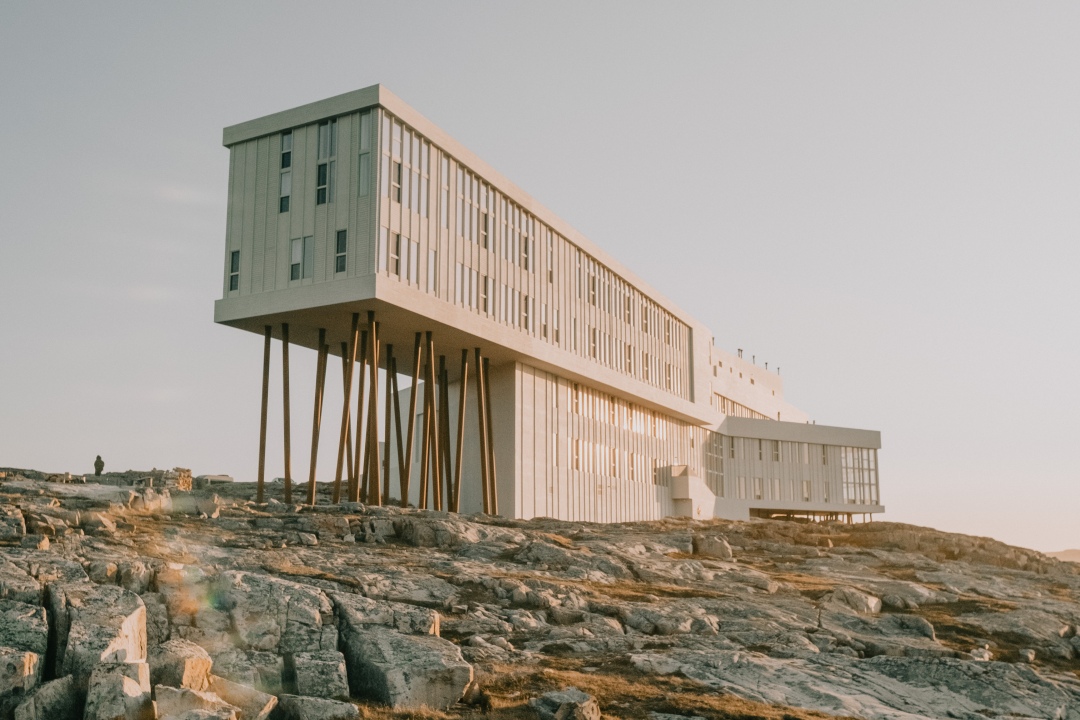
Canada consists of 10 provinces and three territories. I have traveled to every province and territory so far except one: Newfoundland and Labrador, on the Atlantic side. Of course, there are far more places I haven’t visited even within the provinces and territories I’ve been to, but if you ask me about an unknown region, this is the first place that comes to mind. Newfoundland and Labrador is also the setting of the world-loved musical “Come From Away.” It is based on the true story of 38 aircraft that made emergency landings in Gander, a small town in Newfoundland and Labrador, after U.S. airspace was closed following the terrorist attacks of September 11, 2001. At the time, Gander’s residents warmly welcomed some 7,000 stranded passengers, opening their own homes as lodging and providing food, medicine, and more. This story, which movingly portrays the solidarity, hospitality, and deep humanity the locals showed, struck a chord with me and made me want even more to go there. Newfoundland is also a place of astonishing natural beauty. There is Gros Morne National Park, which boasts extraordinary natural scenery including fjords, and a distinctive tour that lets you view up close the icebergs that have broken off from Arctic glaciers is famous too. Fishing villages with houses painted in every color, red, yellow, blue, and more, clustered closely together, are as beautiful as a scene from a picture book. There is one more landmark that makes this place special: Fogo Island Inn. Leading international publications such as “Architectural Digest,” “Forbes,” and “Condé Nast Traveler” have praised it as ‘one of the most unique and beautiful hotels in the world.’ It offers an experience in which culture, art, nature, and the local community come together as one, beyond mere accommodation, and all of its profits are returned to the community. The furniture and crafts that decorate the interior were also made by local artisans. The architecture itself, in fantastic harmony with the Atlantic, is a sight to see. The guest rooms have large windows that open onto sweeping views of the sea. Visiting here on a family trip is one of the items on my bucket list. Someday, I want to experience for myself Newfoundland and Labrador, where warm people, immense nature, and a special culture come alive. And one more thing: if you go, don’t forget to learn their distinctive dialect. You could say it’s similar to the Jeju dialect in Korea. “Who knit ya?” is said to mean ‘Where are you from?’ and “Whadd’ya at?” means ‘What are you up to?’