A Journey Through Niigata, Gunma, and Nagano — Part 2, Kusatsu Onsen and Karuizawa
The second leg of our Japan trip explores Gunma's Kusatsu Onsen, one of Japan's three great hot spring destinations, and Karuizawa in Nagano, a summer retreat beloved by locals, with spots perfect for a day trip.
A Journey Through Niigata, Gunma, and Nagano — Part 2, Kusatsu Onsen and Karuizawa
The second stop on our three-prefecture, three-flavor Japan journey. We soak in Kusatsu Onsen in Gunma, one of Japan’s three great hot springs, then take in the seasonal charm of Karuizawa in Nagano, a getaway popular with locals.
The Heat of Gunma
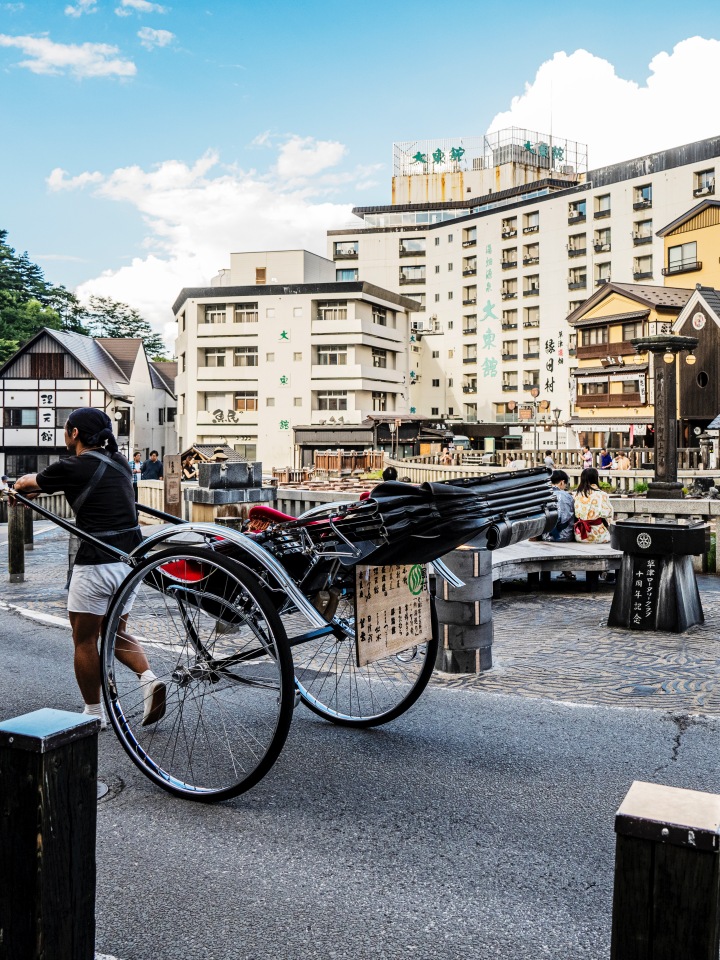
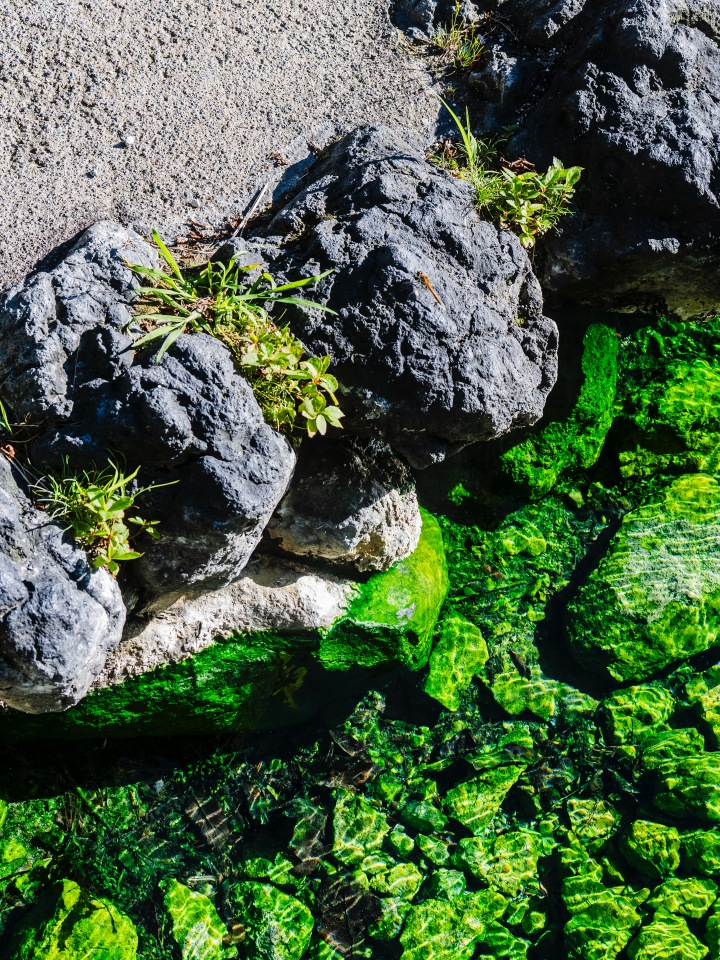
We leave the mountain villages of Niigata behind, crossing peaks and prefectural lines to head back into the mountains. Kusatsu Onsen (草津温泉) sits 1,200 meters above sea level. Last year alone it drew 3.7 million visitors, making it Gunma Prefecture’s top tourist attraction and one of the three best hot spring destinations in Japan. Though it lies in the highlands, you hardly feel a chill, thanks to the heat of Yubatake (湯畑), the terraced “hot spring field” at the center of town. Kusatsu draws its water from sources that well up from the active volcano Mount Kusatsu-Shirane (草津白根山), and Yubatake is the facility built to bring the source water’s scorching temperature, between 50 and 90 degrees Celsius, down to a usable level. As the water flows slowly down long wooden channels made of pine five centimeters thick, it is exposed to the air and cools naturally. Once it reaches the right temperature, it is supplied to the surrounding bathhouses and ryokan.
The hot spring water is also an important source of energy for the area. Homes in the onsen town have no water heaters. Instead, pipes carrying source water run beneath the town, with cold water flowing around them in an eco-friendly heat exchange that produces hot water for household use. Thanks to these underground channels, the roads do not freeze even when snow falls in winter. It is, in effect, an energy-saving system unique to Kusatsu.
When the sun goes down, lights glow around the emerald waterfall of hot spring water in the middle of town, sending up steam and the scent of sulfur. The wisdom of locals, built up over hundreds of years, is now Kusatsu Onsen’s landmark and a tourist attraction that draws travelers in.
Yumomi
湯揉み
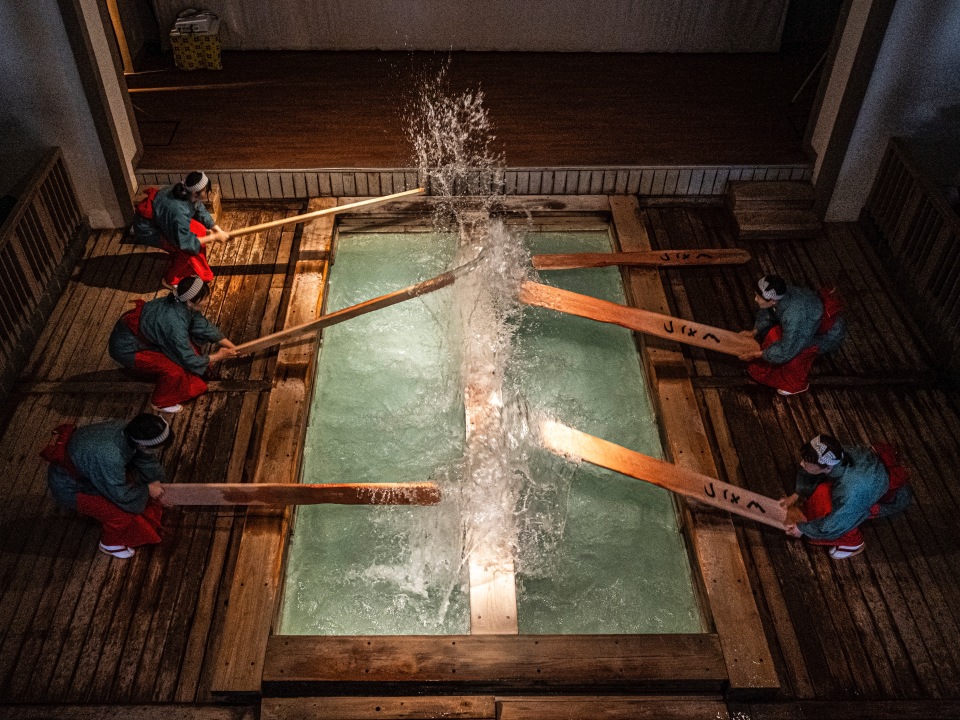
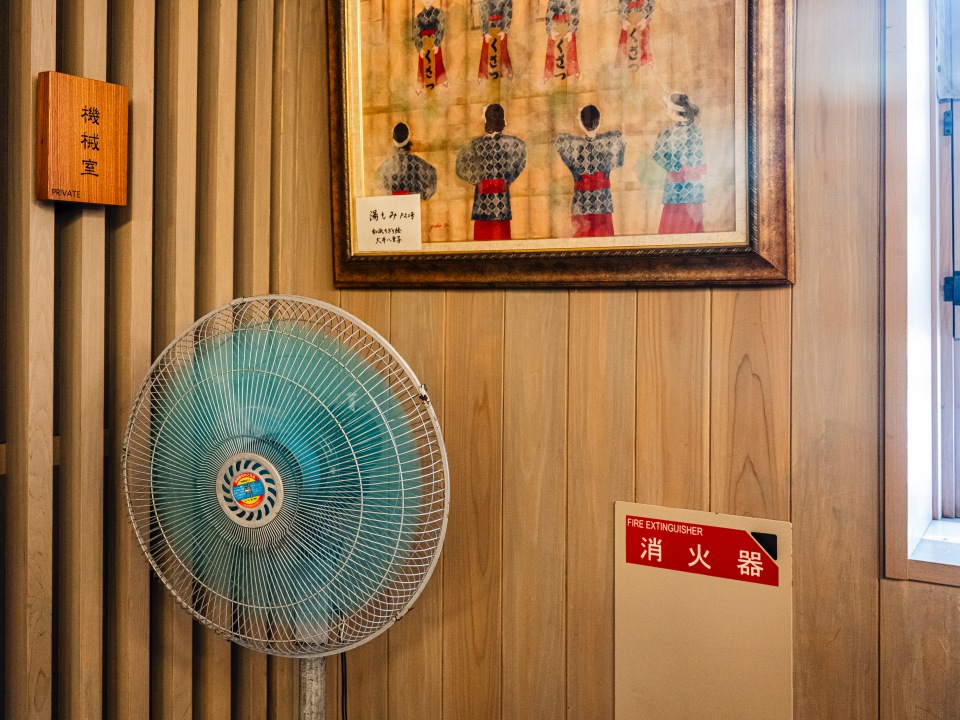
Kusatsu offers one more pleasure besides bathing: yumomi, a custom dating back to the Edo period (the word means to ‘rub’ or ‘knead’ the water). Kusatsu’s waters are famous for being strongly acidic, on par with stomach acid, and their sterilizing and healing properties made the town a popular place for ‘tōji’ (湯治), or recuperating through hot spring bathing. In the yumomi ritual, bathers stir the water with flat wooden boards about 180 centimeters long. It is Kusatsu’s own form of hot spring therapy, bringing the source water to a temperature suitable for bathing without diluting it with cold water. Stirring is also said to mix the minerals in the water evenly and to clear away impurities floating on the surface. What began as singing along to the stirring motions before a bath developed into a tourist attraction in the 1960s. Be sure to watch a traditional yumomi performance, led by local residents, at Netsu no Yu (熱乃湯) right beside Yubatake. In a building remodeled in the romantic style of the Taisho era of the early 20th century, you can enjoy a live show with dance and song.
Sainokawara Open-Air Bath
西の河原 露天風呂
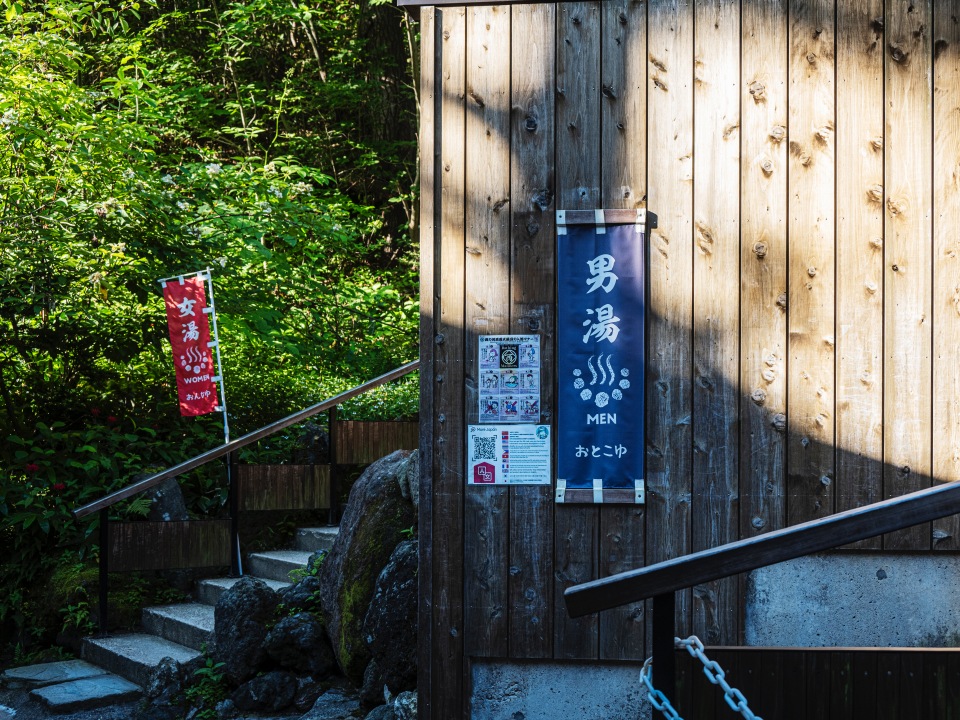
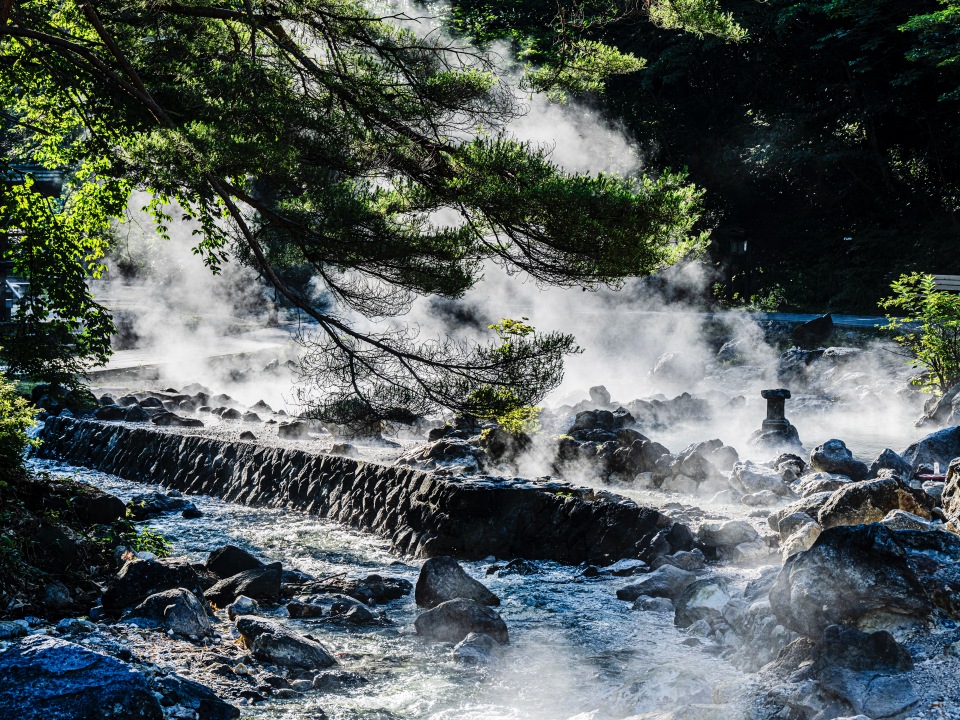
Kusatsu Onsen has three public bath facilities run by the Kusatsu Onsen Tourist Association, which makes a day-trip hot spring visit possible without staying overnight in town. Sainokawara Open-Air Bath is the largest of them. From Yubatake, a walk of about 10 minutes along the hillside road to the west, lined with small shops and ryokan, leads to Sainokawara Park (西の河原公園). Set within 500 square meters of nature fed by natural hot spring water, the open-air bath lets you soak while enveloped in forest. The park also has walking trails and a foot bath. onsen-kusatsu.com/sainokawara/en
The Ease of Nagano
Nagano, which borders Niigata and Gunma on their eastern shoulders, holds high mountain terrain, including the Northern Alps of Japan. Winters are cold and snowy, while summers are relatively cool, which is why summer resorts developed across its highlands. Karuizawa (軽井沢), at the foot of Mount Asama (浅間山) in eastern Nagano Prefecture, began drawing attention back in the Meiji era. A Canadian missionary who fell for its pleasant climate and natural surroundings introduced it to the world, and it became a villa retreat for the wealthy and for foreigners.
Today Karuizawa is still a popular place to escape the summer heat. What has changed is that anyone can enjoy a luxurious getaway without owning a villa. It takes only an hour from Tokyo by Shinkansen, and with a wide range of leisure options such as dining and shopping, it works well as a day trip too. You can stroll along shaded forest paths or cycle while taking in the phytoncide-rich air of a forest bath, or try a short hike to Shiraito Falls (白糸の滝), where water spills gently down a 70-meter-wide rock face. Spring and autumn bring flowers and fall foliage, while winter draws people who come for snow-covered scenery and winter sports like skiing and snowboarding.
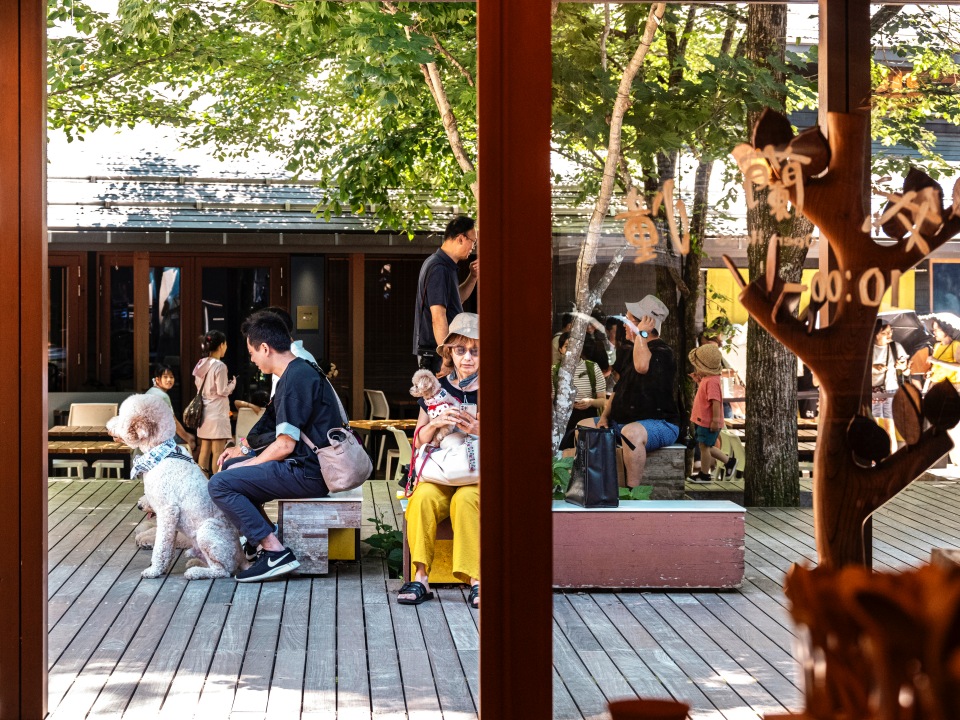
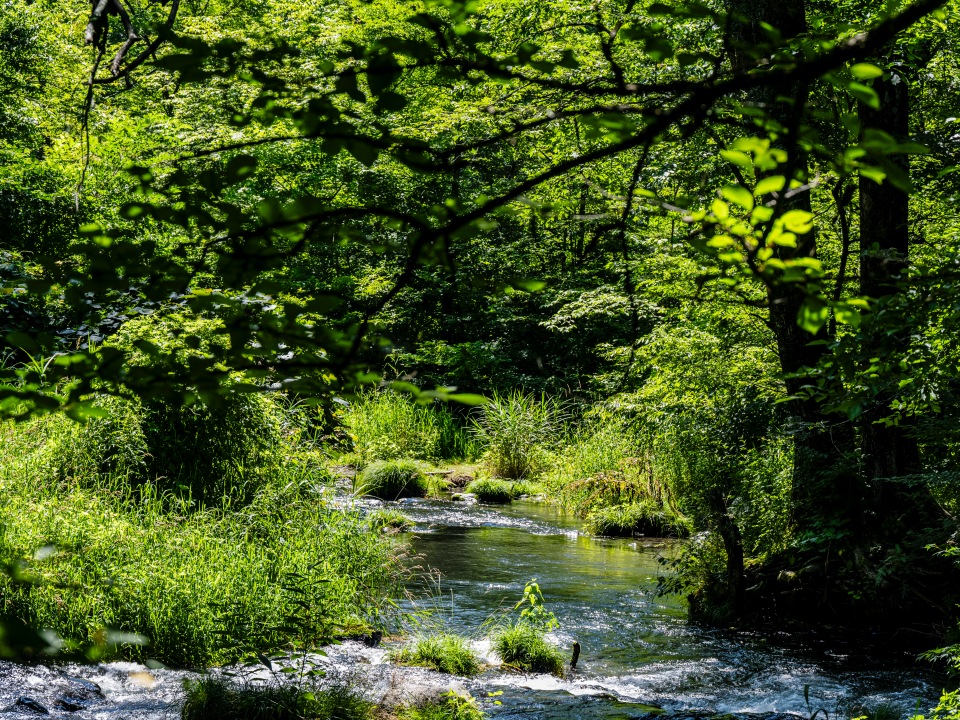
Harunire Terrace
ハルニレ テラス
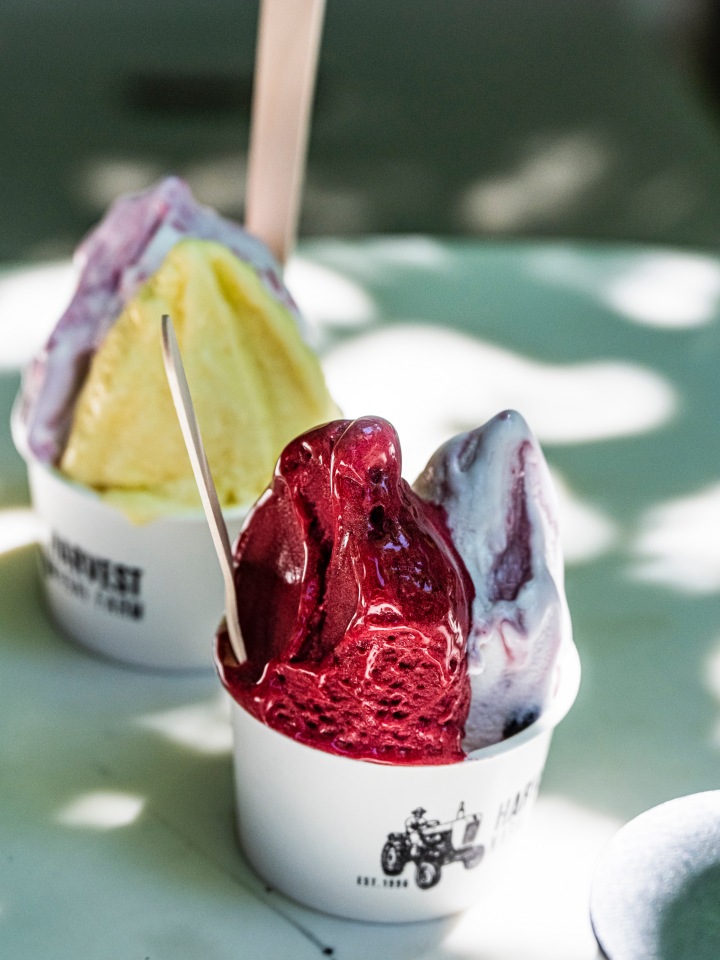
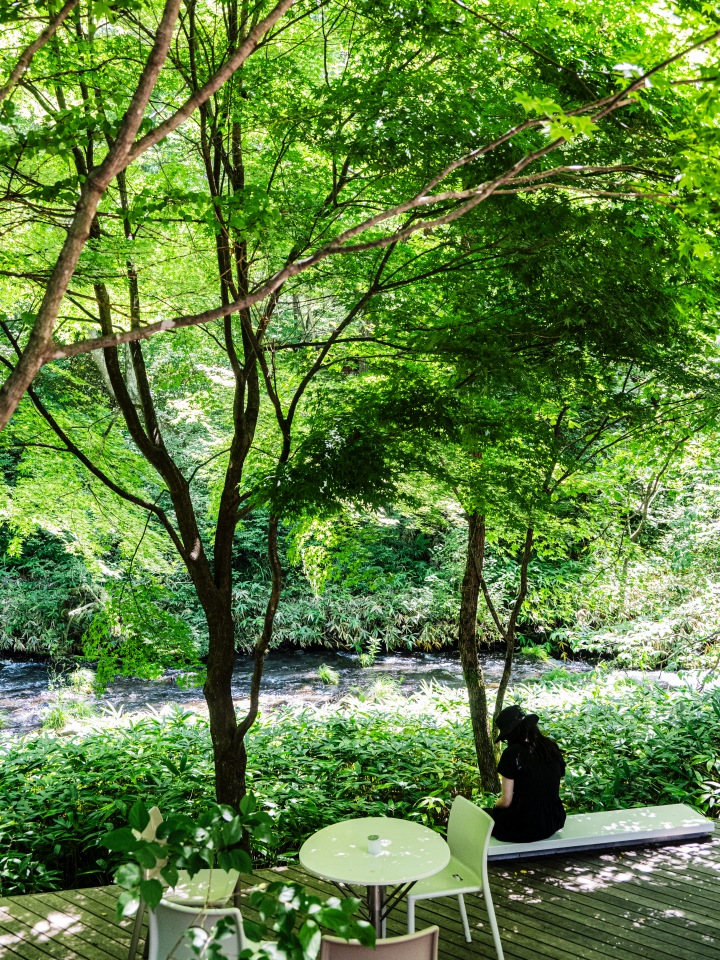
This commercial complex was built to preserve the riverside forest along the Yukawa (湯川), where more than 100 elm trees grow wild. With the concept of ‘everyday life in Karuizawa,’ it houses cafés, restaurants, and shops across nine buildings. Wooden decks, built to protect the trees’ roots, and outdoor benches blend together to give the feeling of visiting a small village in the woods. Beyond its nature-friendly design, the complex gathers shops with a strong local character in one place: Kokopelli, a farm-run store selling fresh produce and homemade food; Harvest Nagai Farm, a gelato shop run by a local ranch; and Maruyama Coffee, a roastery café that started in Karuizawa. Even half a day here is enough to feel like a local on holiday at a Karuizawa villa. harunireterrace
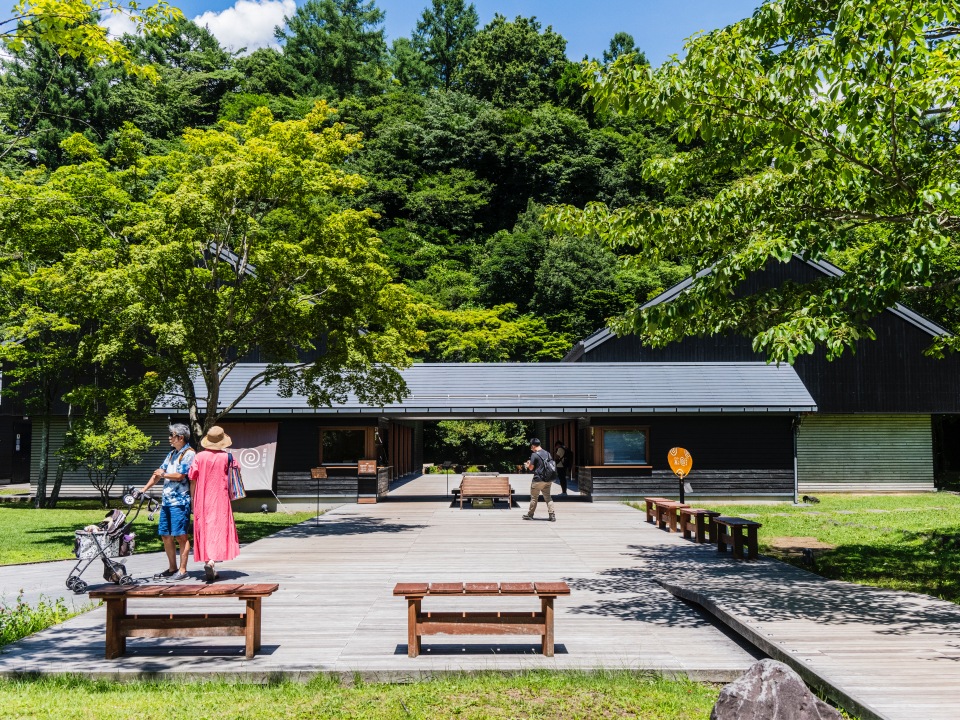
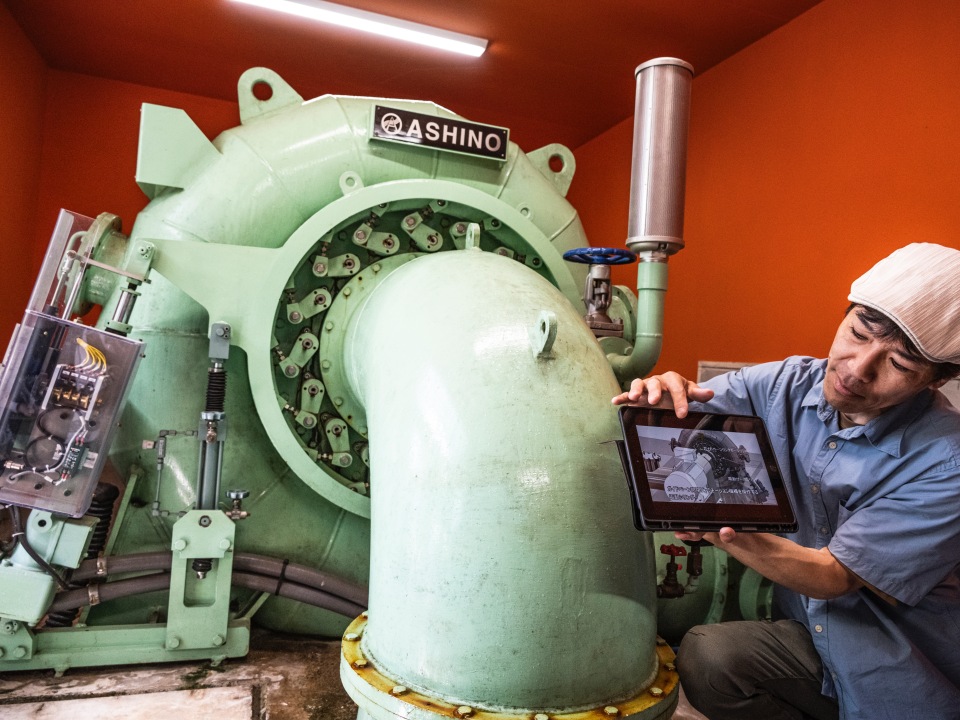
Karuizawa Hoshino Area
軽井沢星野 エリア
Hoshino Ryokan, which opened in Karuizawa in 1914, is the starting point of Hoshino Resorts, now counted among Japan’s leading luxury hotel and resort brands. As Japan’s resort development boom, fueled by the bubble economy, raised concerns about environmental destruction, Hoshino Resorts turned early to sustainable tourism. The hydroelectric power plant it built in Karuizawa in 1929 with the goal of energy self-sufficiency is proof. Relaunched in 2005 after a rebrand, Hoshinoya Karuizawa now meets 70 percent of the resort’s energy needs with natural sources such as hydropower, geothermal heat, and hot spring heat. It also takes care to preserve local culture, traditions, and the natural environment, as seen at the Harunire Terrace shopping complex and the public hot spring Tombo no Yu (トンボの湯, a place that holds the history of Hoshino Onsen, with indoor hinoki cypress baths and an open-air bath) in the Karuizawa Hoshino Area. This year, to mark the 110th anniversary of Hoshino Resorts, it is also running a program that introduces how Hoshinoya Karuizawa makes use of local resources. hoshinoresorts.com/en/hotels/hoshinoyakaruizawa
To Eat
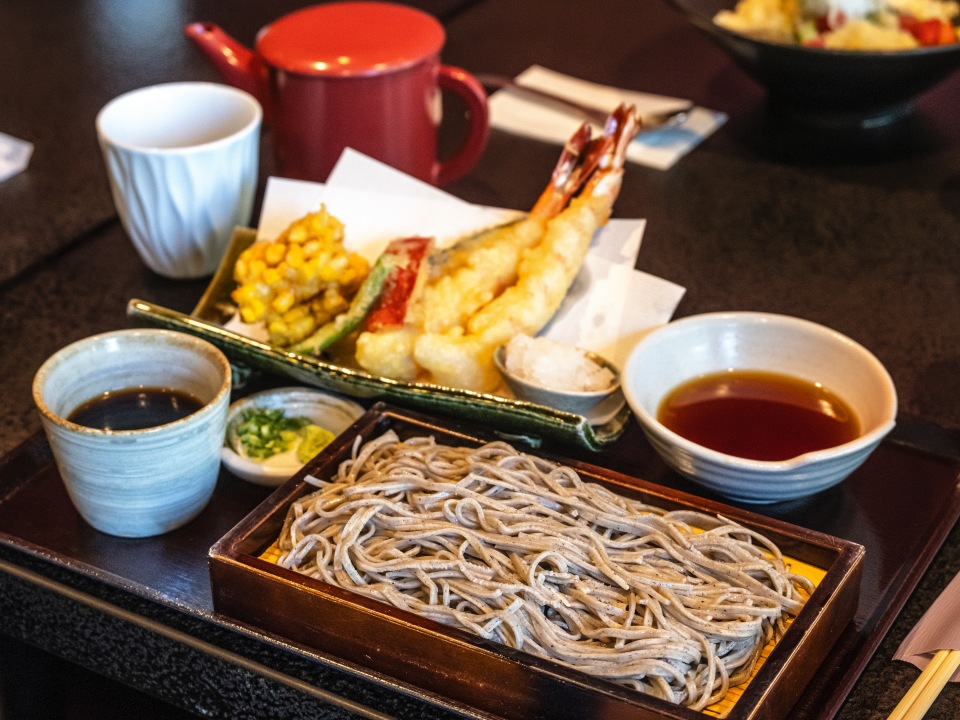
Sonmin Shokudo (村民食堂) is a place to taste regional home-style dishes made with ingredients from Nagano. The menu includes the Nagano seasonal set meal, which offers a good sampling of locally produced beef, salmon, and assorted seasonal vegetables, as well as soba, tonkatsu (breaded pork cutlet), and more. In the evening, it’s a pleasant spot for a meal paired with sake, soju, or natural wine. hoshino- area.jp/en/sonmin-shokudo
To Shop
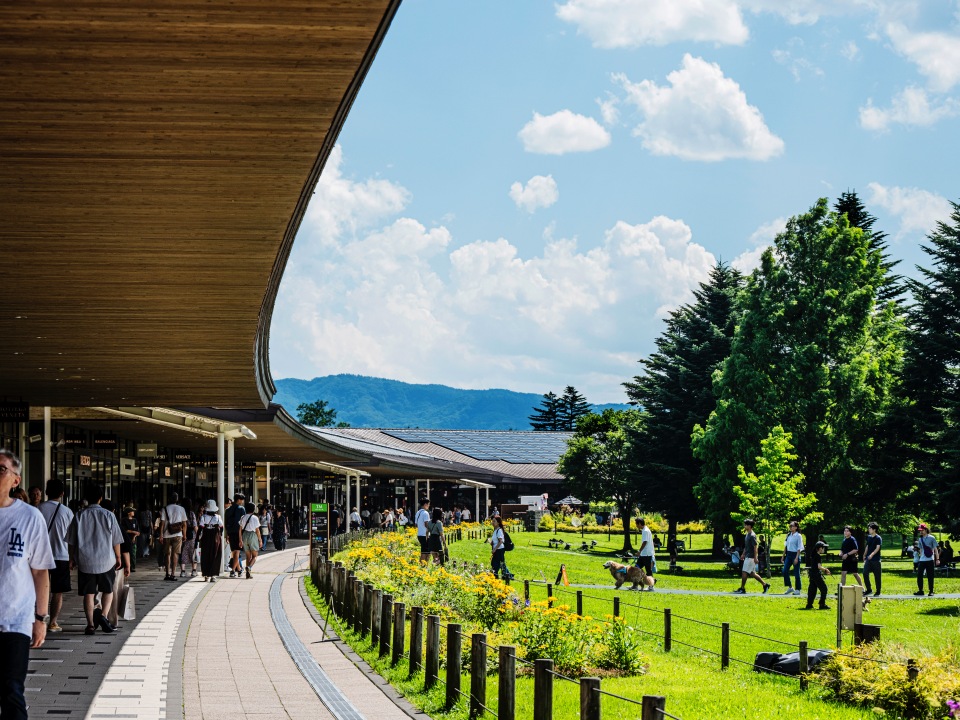
Karuizawa Prince Shopping Plaza is a large outdoor shopping space with more than 240 stores, adjoining Karuizawa Station and the Karuizawa Prince Hotel West. With its open lawns and rest areas, it is popular with families looking to combine shopping and leisure. karuizawa-psp.jp/en