
A Different Way of Travel — The Birth of a New Travel Genre, Planet Jumin Center
Planet Jumin Center is a travel agency specializing in “social trips” that let travel make a positive impact on the planet and society. We spoke with CEO Park Chanwoo about what makes social trips so appealing.
Workation, staycation, bleisure, farm stay — travel trends are becoming increasingly diverse depending on the nature of the trip and the traveler’s taste. Planet Jumin Center has zeroed in on travel with added social value. We met with Park Chanwoo, CEO of Planet Jumin Center, a travel agency specializing in “social trips” that combine volunteering and travel, to talk about yet another way to enjoy traveling.
Interviewer Parc Jinmyoung
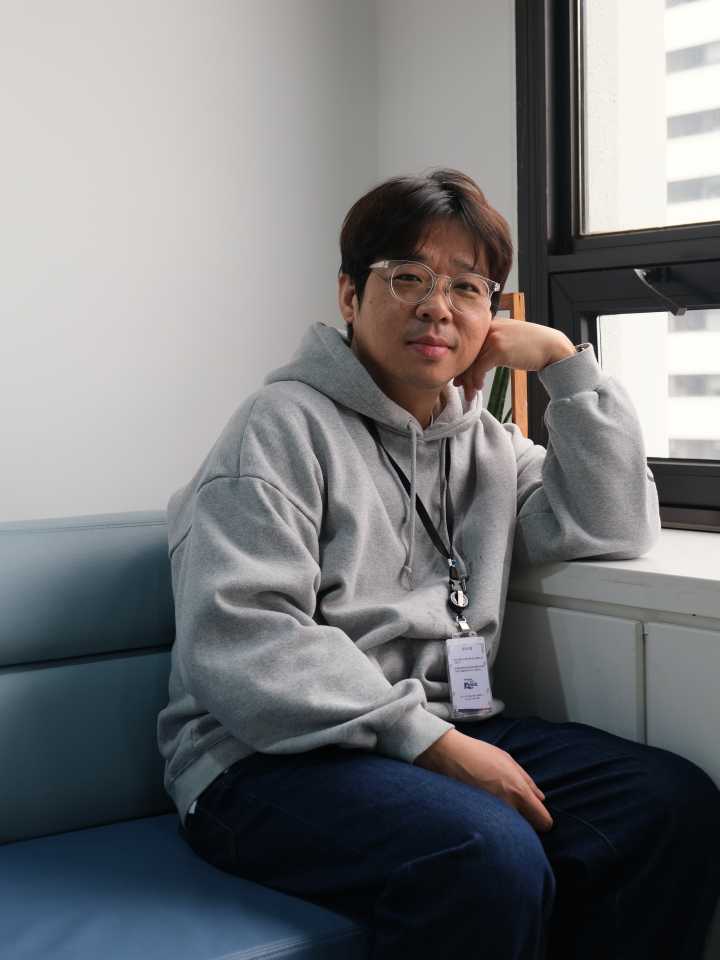
Interviewee Park Chanwoo (CEO, Planet Jumin Center)
Could you briefly describe Planet Jumin Center?
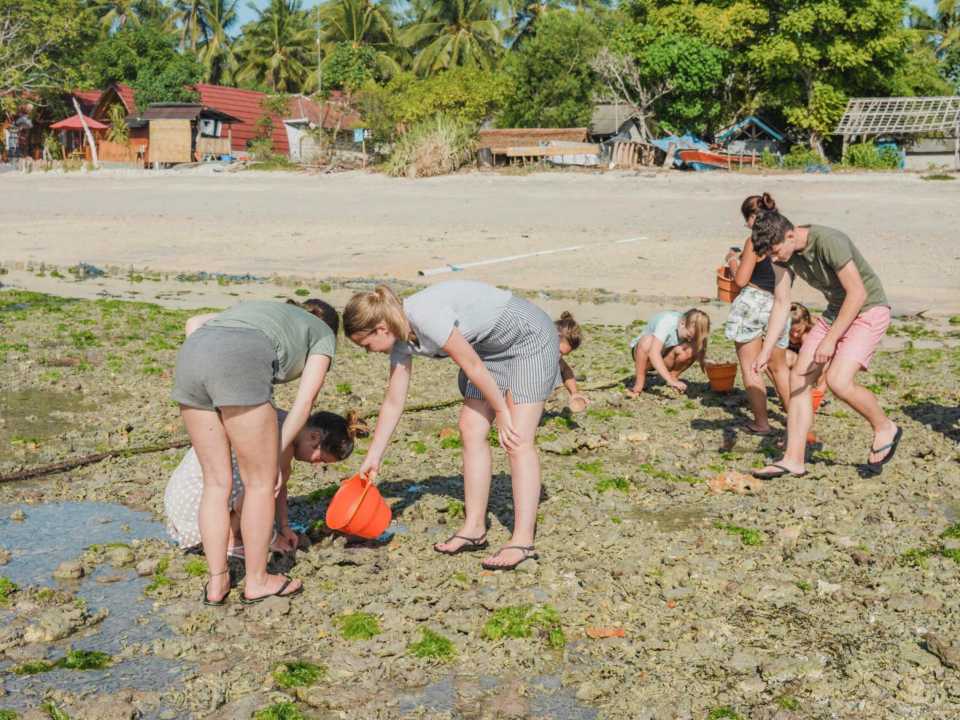
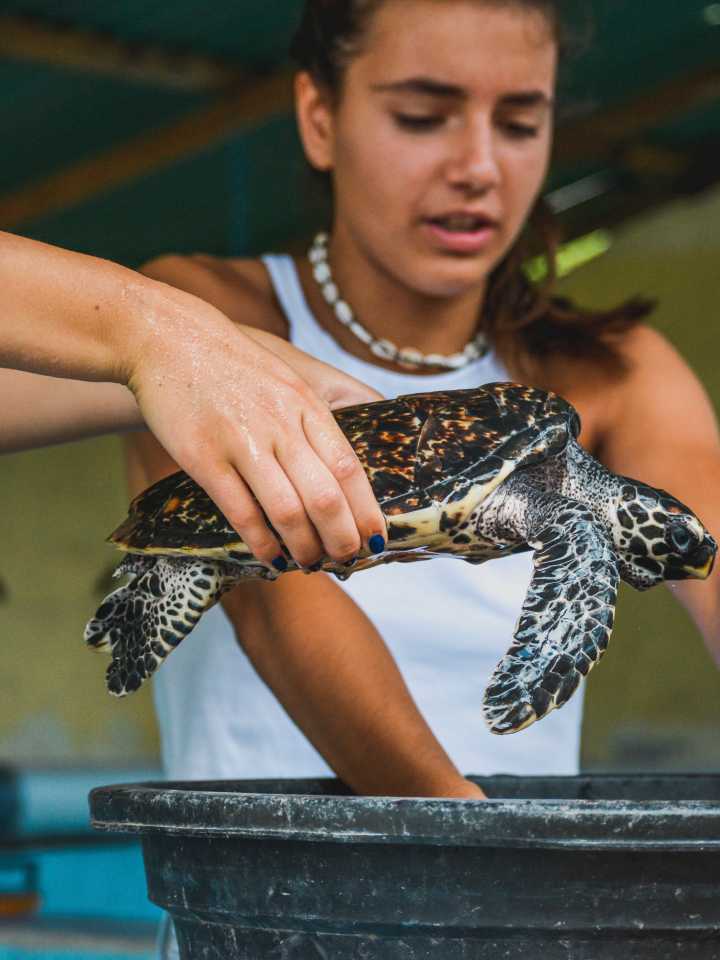
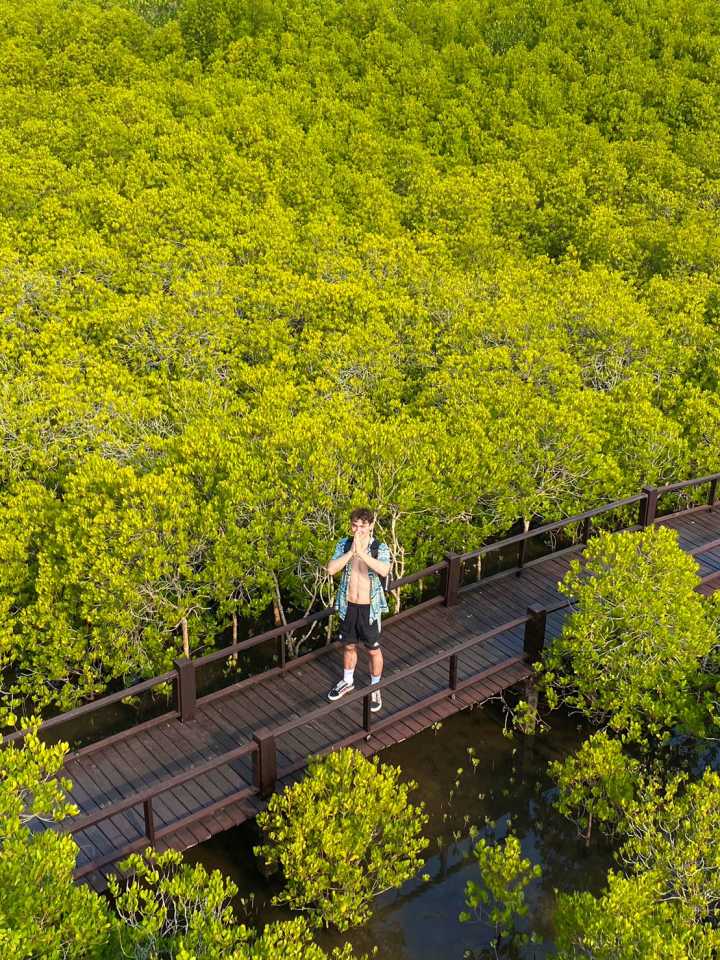
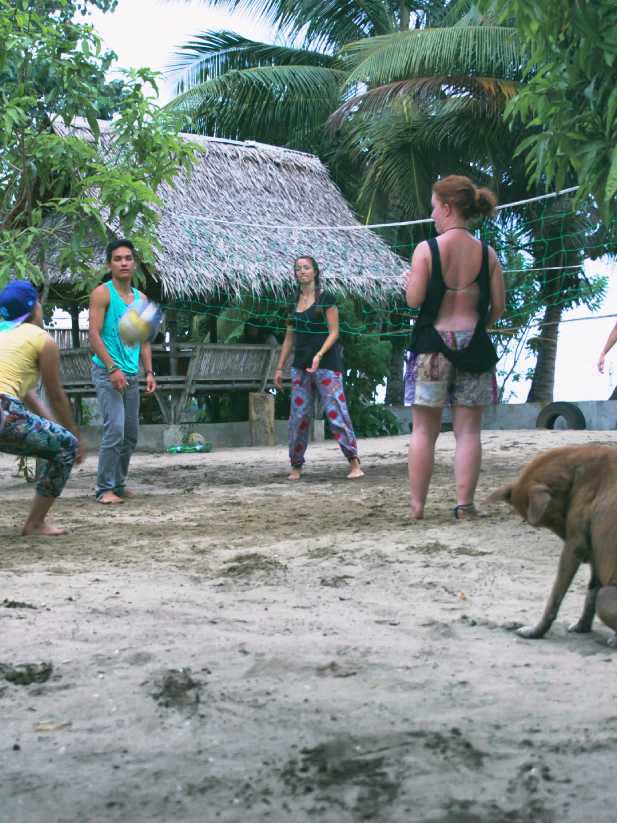
We’re a travel agency that designs trips built around social value—things like revitalizing local communities and preserving the environment. Travelers might relax in Hua Hin, Thailand, while helping restore mangrove forests, or spend a vacation in Bali, Indonesia, protecting endangered sea turtles. We design “social trip” products that combine volunteering with travel like this. Right now, we have offerings ready across 33 countries worldwide, from Asia to Africa.
Is “social trip” a term that already existed?
We coined it ourselves. We needed a word that made volunteering and travel feel both appealing and approachable. We considered a lot of options—taking a character each from the Korean words for “volunteer” and “tour” to make “bongtu,” or using the existing term “voluntour” (a blend of “volunteer” and “tour”). After much deliberation, we settled on “social trip.”
What led you to start the company?
I’d loved traveling since college. I was fearless about heading off to places that weren’t famous tourist destinations—even Yemen and Syria, which are now designated as no-travel zones. After working in business development at several large corporations, I suddenly felt like I wanted to do something I was actually good at. What I was good at was travel, so I started a travel agency.
What does it mean to be “good at traveling”?
As I mentioned, having no fear about heading off anywhere—I think that’s what it means to be good at traveling.
I’m curious what drew you to focus on social trips specifically.
At my previous job, every year they would select about 15 employees to send abroad for volunteer work. It was a program where you’d stay a week in an area that needed educational facilities, building a school and spending time with local people. There was a lot of hassle involved—you had to write an application, handle all the logistics yourself—but the competition to get selected was so fierce that I was never chosen, not even once. Maybe that’s exactly why I became even more curious and wanted to try it myself. I also had a good memory from traveling in Syria once, when I stayed with the local Kurdish people and helped repair and fix up houses in the village during my stay. I held onto the idea for a while, and then in 2021, in the middle of the COVID pandemic, I quit my job and took the leap to start my own business.
How is a social trip different from overseas volunteer work?
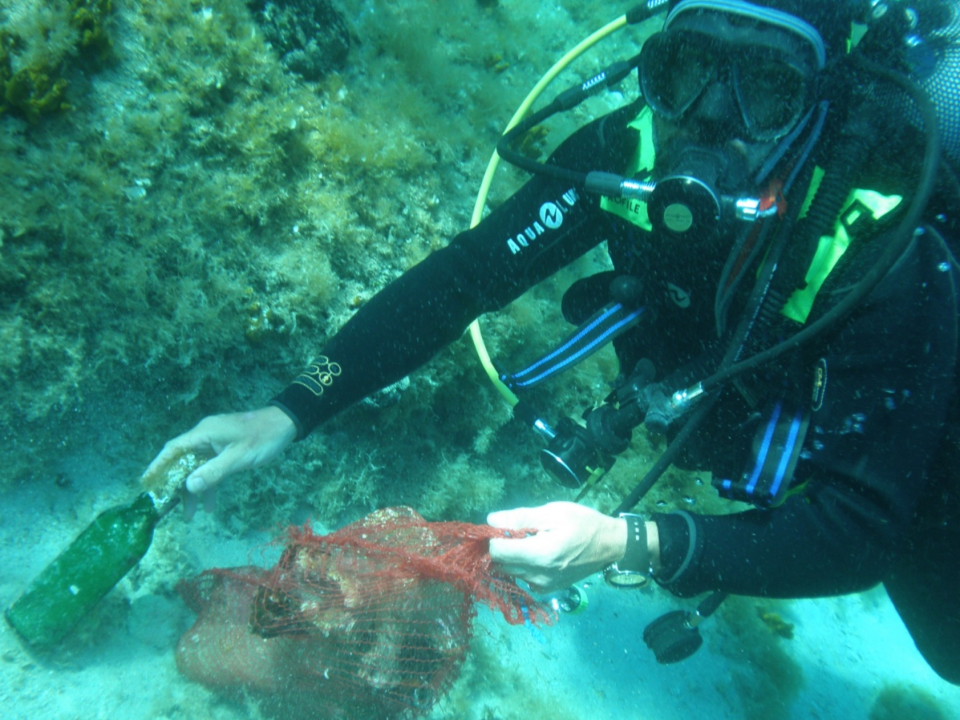
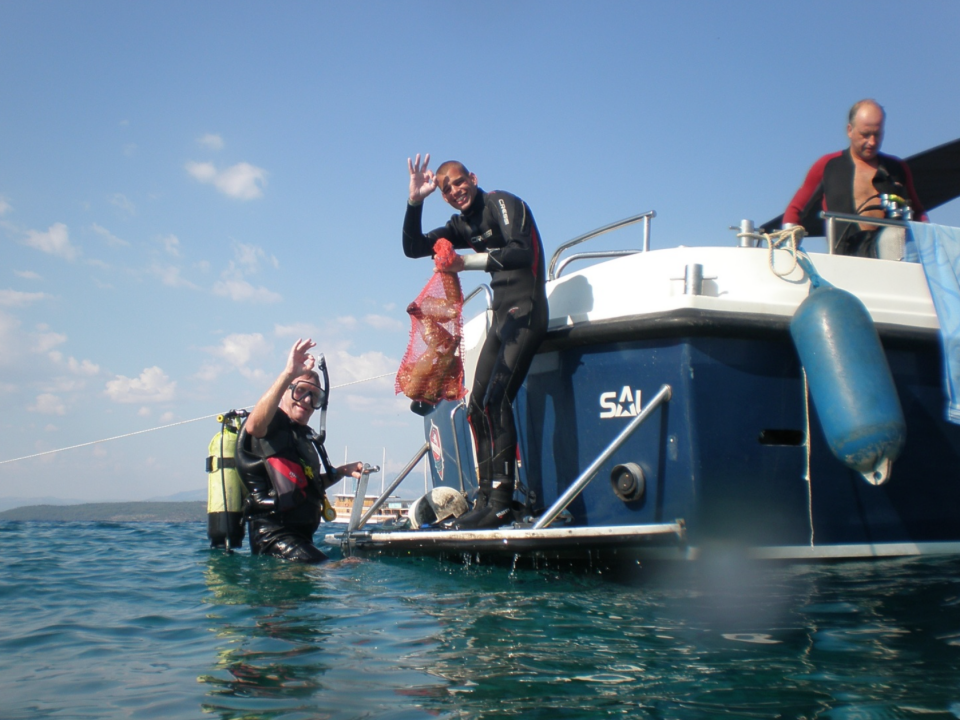
At Planet Jumin Center, we define actions that benefit a region, the environment, or its people as an activity that also gives travelers a sense of enjoyment. Think scuba diving while picking up marine debris, or collecting surfboards abandoned on the beach and turning them into public benches—enjoying travel while doing things that give back to the destination. I think a social trip is a kind of travel where having a positive impact on society becomes another source of stimulation and happiness.
I hear you’re currently focused on inbound products aimed at foreign travelers.
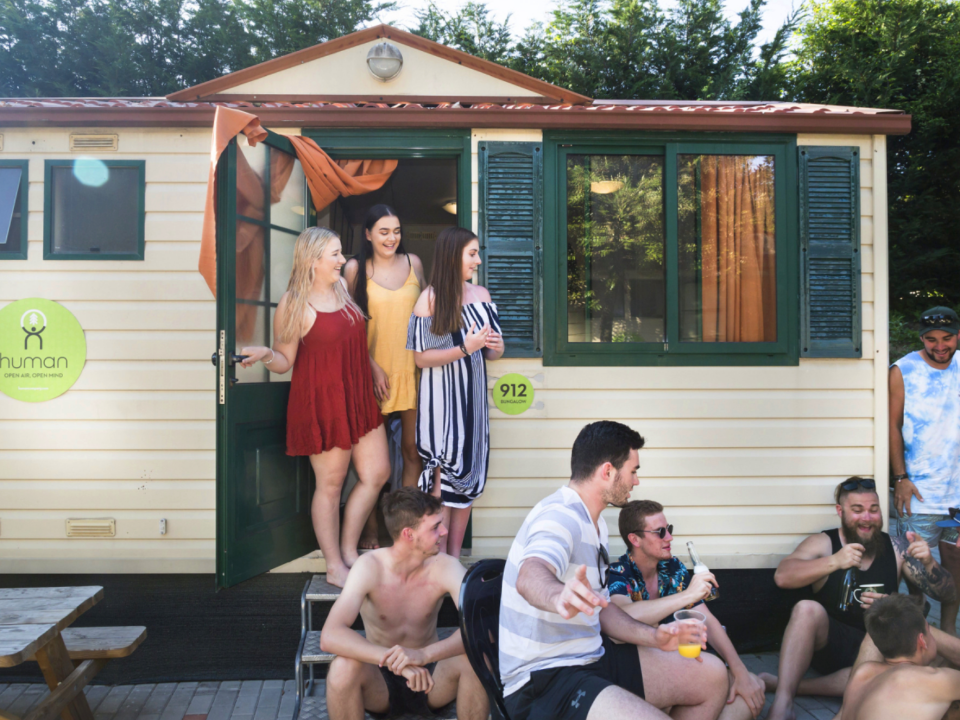
A representative example is JustBe Hongdae Seonwon (JustBe), located near Hongik University Station in Seoul. It’s a temple stay run together with Buddhist monks, designed so foreign visitors can experience Korean Buddhist culture and enjoy a deeper kind of travel by participating in various programs offered at the stay, like yoga, meditation, dance, and tai chi.
Travel products to small towns in Korea are also popular. One of them is a program in Hamyang, Gyeongsangnam-do, where travelers spend two nights and three days exchanging with local residents. By sharing each other’s cultures, both travelers and locals come away with meaningful memories. Thanks to how well this program has been received, we’re also preparing accommodations in Hamyang County. We’re planning to develop it into a space where travelers can enjoy more varied experiences, like flea markets and pop-up restaurants.
What kind of people tend to prefer social trips?
For our outbound products, teenagers make up the largest share of travelers. It’s an age when you’re willing to just dive into any environment. The first question people ask when booking a product is usually, “How many Korean people have signed up?” Since many of our programs involve interacting with travelers from all over the world, a lot of people hesitate because of the language barrier.
What was difficult during the process of starting the company?
I think the hardest part was that the company’s identity was caught between being a travel agency and a startup, without a clear direction. It didn’t quite feel like a travel agency, since the way we create and sell products is so different from traditional agencies, but it wasn’t quite a startup either, since we didn’t have any groundbreaking technology. Fortunately, once we found our breakthrough with inbound products, we developed our own sense of direction. Our understanding of travel content also broadened. These days, I’d say we lean a bit more toward being a startup than a travel agency.
What keeps you driven to run the company to this day?
Back when I was a company employee, I was in charge of a taxi business and worked with the National Police Agency to develop a service called the “Dongbo System.” It was a system where, if a report came in to police about a missing child or an elderly person with dementia in Gyeonggi-do, information about the missing person would be shared with taxi drivers operating in that area. Thanks to this service, several missing people actually made it safely back to their families. I think I feel real joy when my abilities are put to meaningful use for society. Being able to focus on social trips also came from the sense that this is work that touches people’s hearts. Totally a humanities-major kind of sentiment, right? (laughs)
What kind of experience do you hope travelers have through a social trip?
Honestly, while we did coin the term “social trip,” similar concepts of travel have already existed in various forms, like WWOOF (World Wide Opportunities on Organic Farms, staying and working on farms) or working holidays. What sets social trips apart from those is that the activities we propose don’t have such a strong sense of obligation. Our travel products come with a built-in flexibility. You don’t have to complete every item on a fixed itinerary, and if you simply enjoyed the experience, that’s enough. I think of a social trip as a genre of travel where travelers get to enjoy and experience a destination from a different perspective.


