3 New Sustainable Stays — Lodgings for Mindful Travel
Even while travel was paused by the pandemic, three sustainable stays arrived: Sussurro in Mozambique, Casa di Langa in Italy’s Piemonte, and Six Senses Bhutan, with lodges in Thimphu and beyond.
3 New Sustainable Staying — Lodgings for Mindful Travel
Three sustainable stays that opened even as the pandemic brought travel to a temporary halt
Words Pitch by Magazine
Sussurro in Mozambique
Mozambique — Sussurro
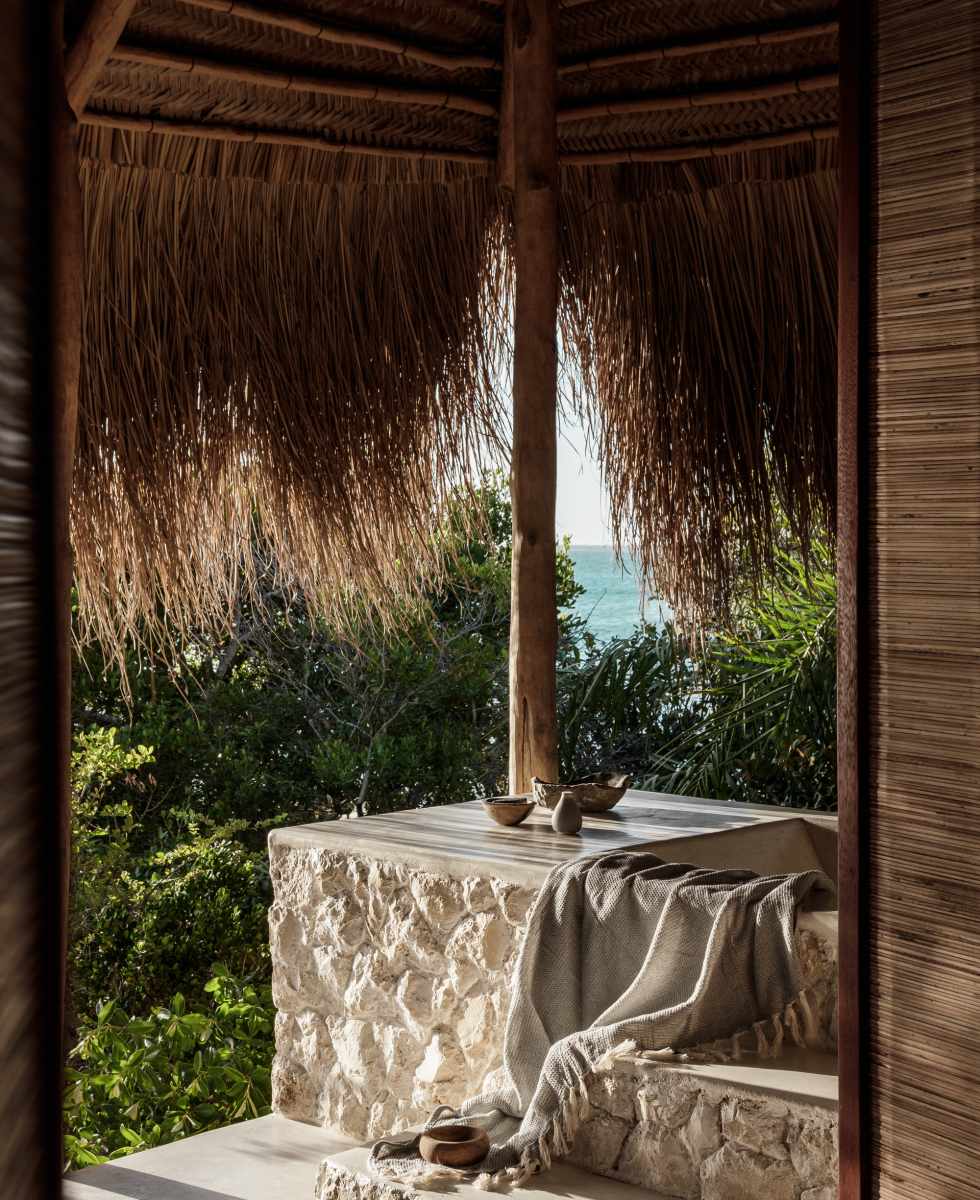
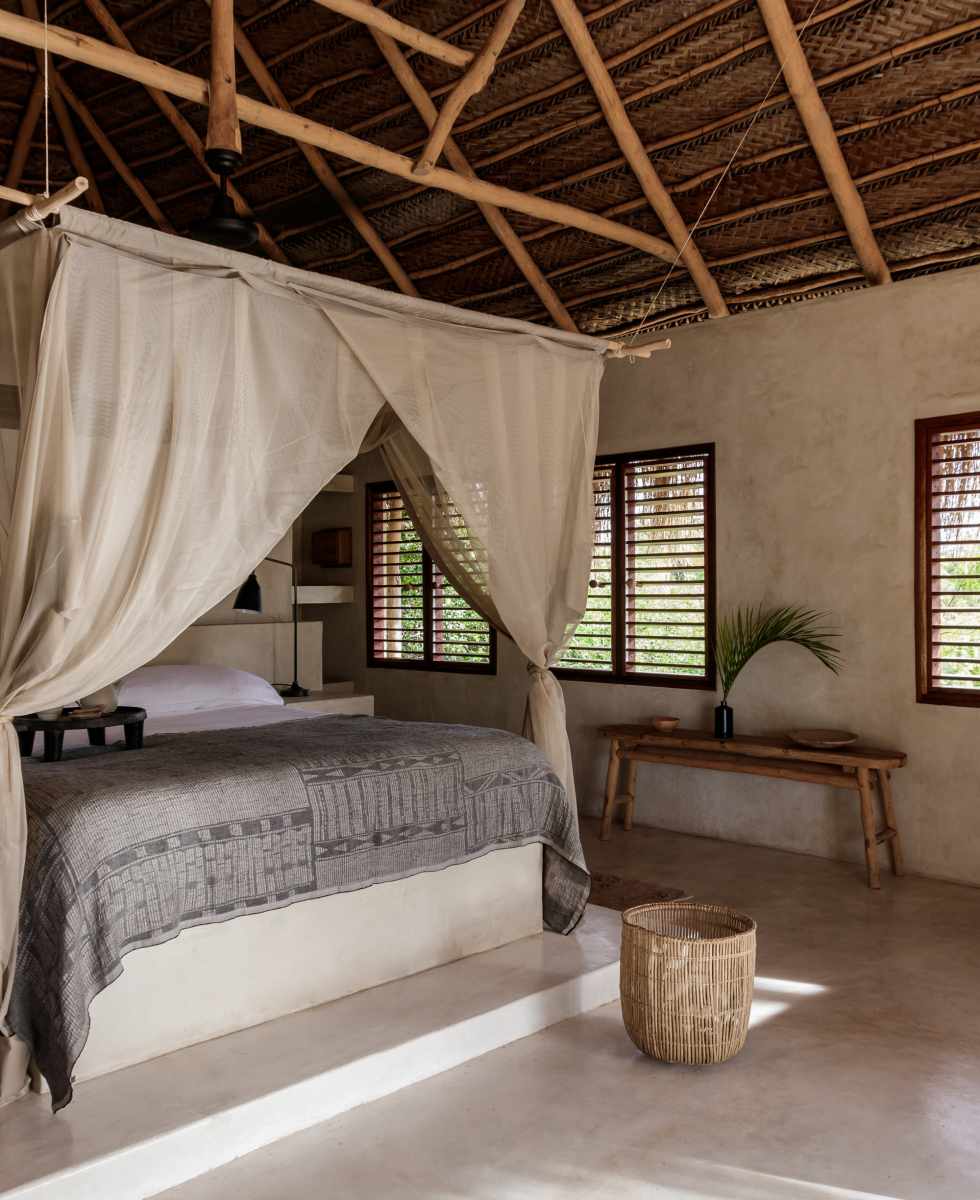
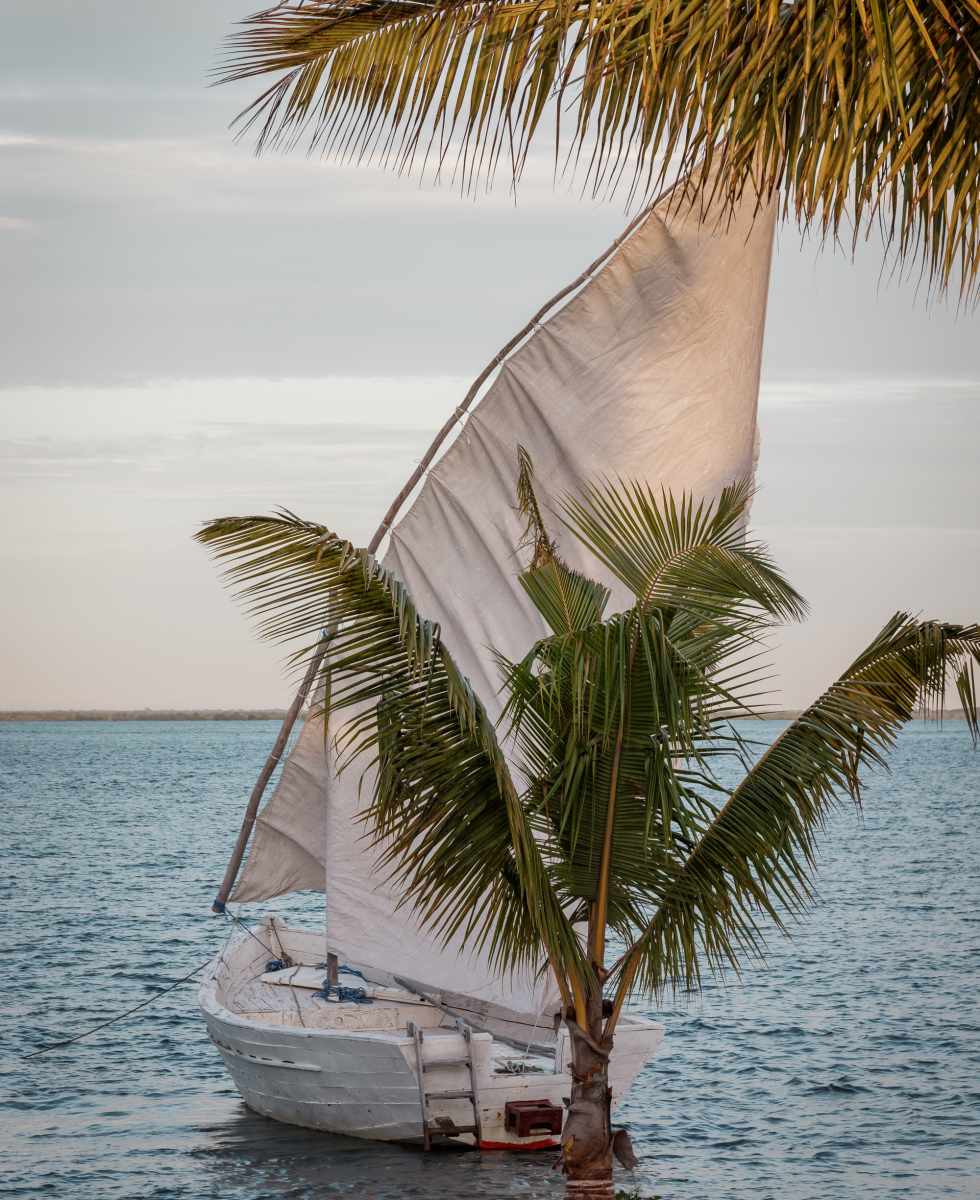
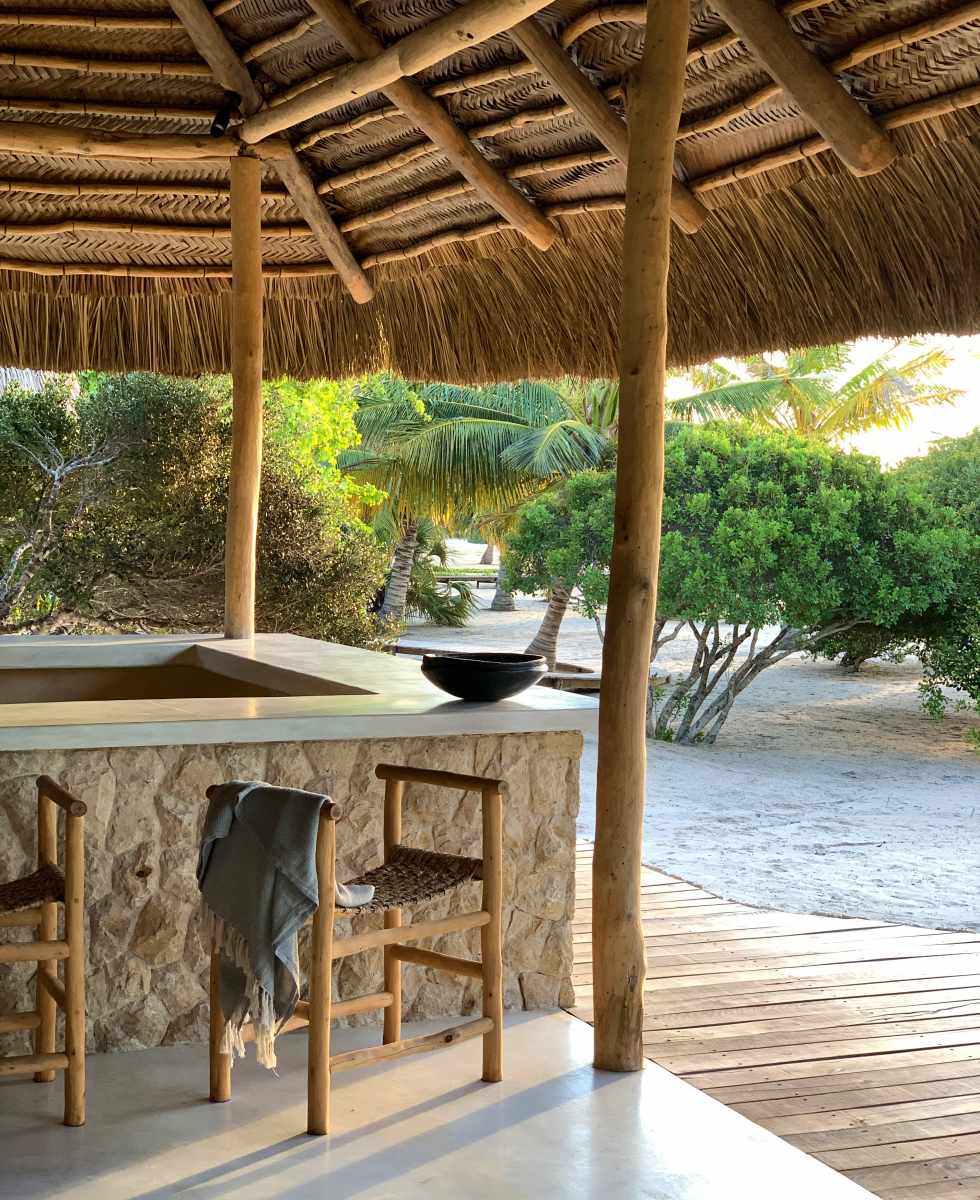
Sussurro in Mozambique is full of surprises. Set on the Nhamabue Peninsula, which juts slightly out into the Indian Ocean, it may well be the most conscientious hotel in Africa. With just six bungalows set against a jewel of a beach, it is run on a small scale by a married couple, yet their philosophy is making a big impression, because they practice rigorous sustainability in a remote corner of the world. You sense what Sussurro stands for from the moment you step onto the property. The entire complex was built using only materials sourced in Africa and is powered by renewable energy. No single-use items are used, and the furniture and crafts in the rooms were all made by African artisans. The food is no exception. With fish caught by local fishermen from Nhamabue and organic superfoods grown by local farmers, Sussurro brings both sea-to-table and garden-to-table dining to life. In doing so, it minimizes harm to the natural environment and contributes to the community. During your stay, it is hard not to become a more conscious traveler.
From $1,340 per person, minimum two-night stay
Why Travel to Mozambique
A laid-back coastline, swaying palm trees, exotic traditions and culture, and bold chances for adventure are the gifts Mozambique has to offer. In the capital, Maputo, which faces the Indian Ocean, high-rises are rising one by one beyond colonial-style architecture, creating a distinctive and lively atmosphere. Venture just a little way inland from the capital and a vast world of wildlife unfolds, where elephants and lions roam. Mozambique’s true charm is its coastline, which stretches some 2,500 kilometers from north to south. True to its nickname, the Pearl of the Indian Ocean, its beaches are soft and its waters clear. Travelers who know this appeal ride horses across coastal dunes, go on safari, or savor the stillness of remote islands ringed by coral.
Casa di Langa in Italy
Italy — Casa di Langa
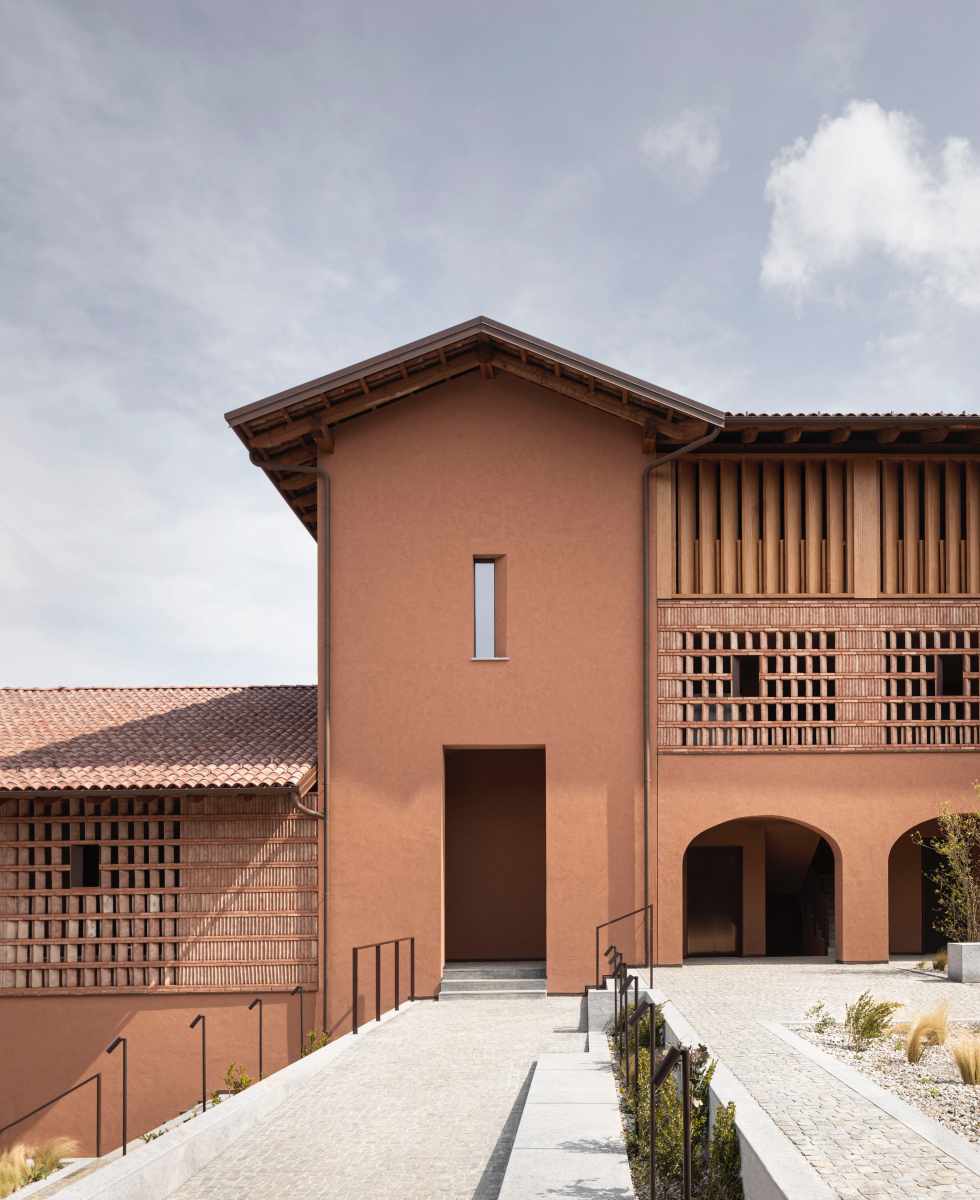
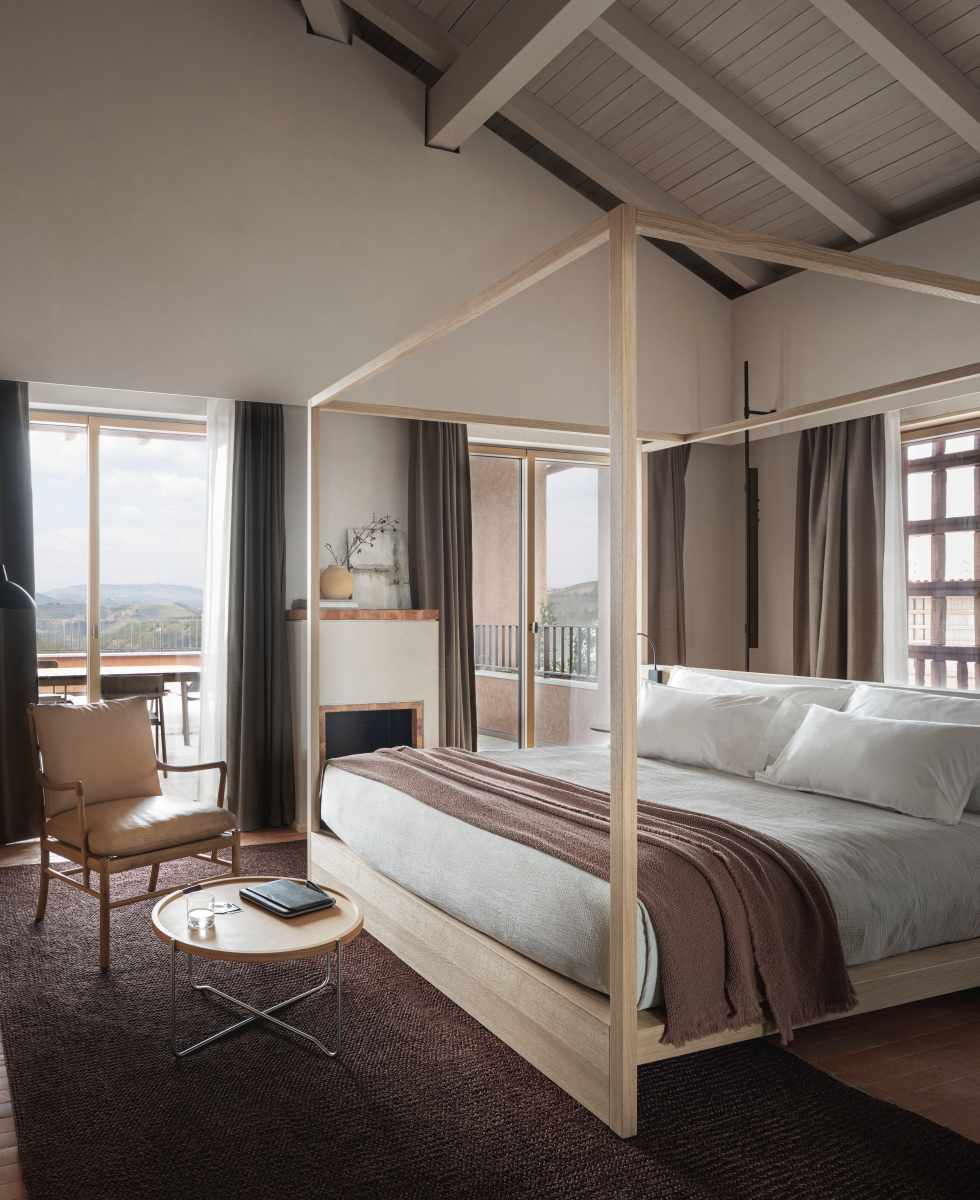
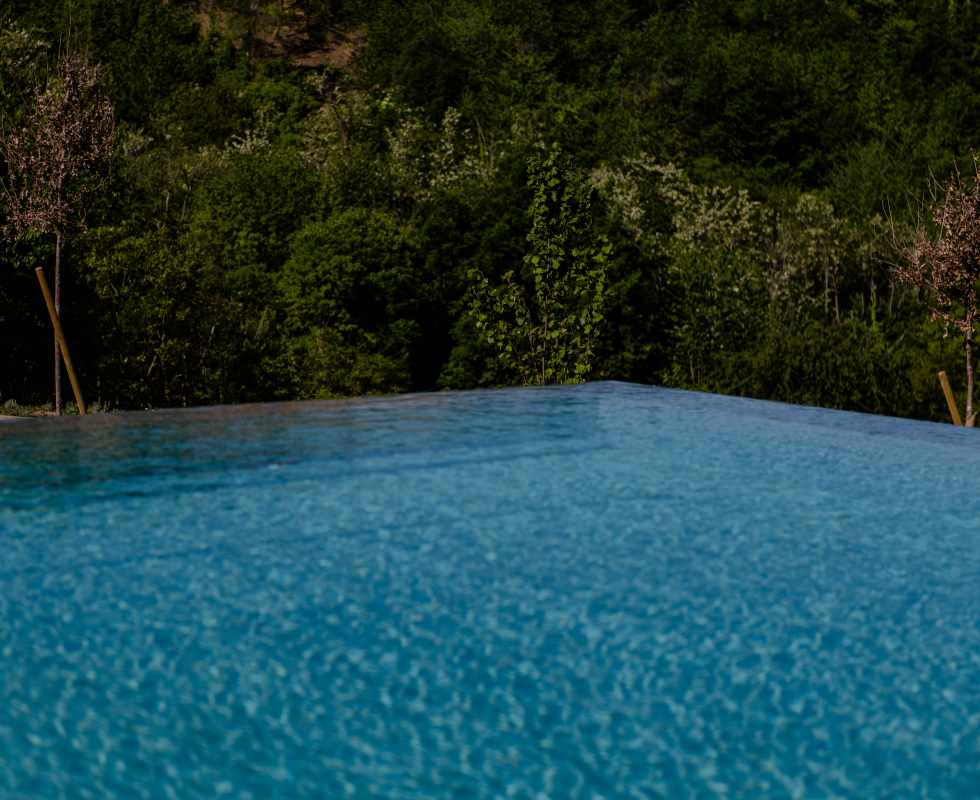
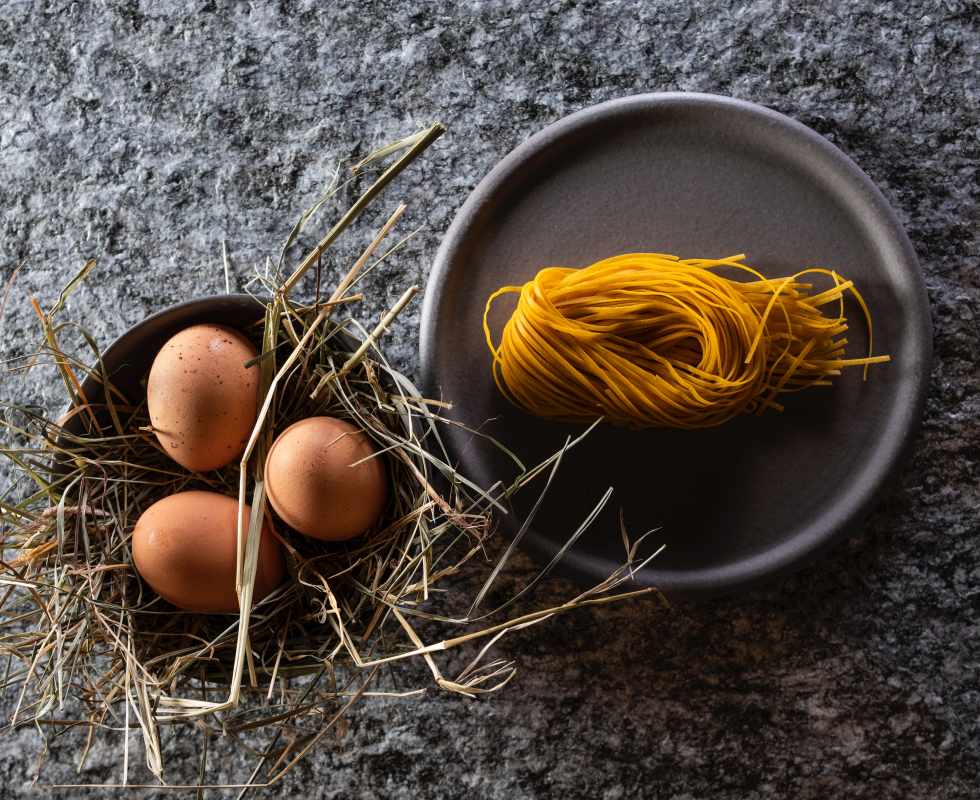
The Langhe region in Italy’s northern Piemonte is a gastronomic holy land known only to those in the know. The local community culture, which has grown up alongside a long history, is remarkably tight-knit, and the people of Langhe are sensitive to tradition and value nature. It is perhaps thanks to this atmosphere that Casa di Langa, a sustainable luxury boutique hotel, came to open here. Overlooking a private estate of about 40 hectares dotted with rolling forests, hills, and vineyards, the hotel adopts sustainable techniques in a design inspired by traditional Piemontese architecture. Its floors are laid with locally made stone, its walls are built of recyclable terracotta, and it uses 100 percent recycled irrigation water. Electricity from solar and geothermal sources is the hotel’s main source of energy. In a way, all of these efforts seem to have been made in service of the culinary experience. The chef at the farm-to-table restaurant Fàula Ristorante carefully tends the hotel’s vegetable garden, and some 6,000 bottles of wine rest quietly in the cellar. Adventurous guests can hone their skills at the hotel’s cooking classes and wine academy, or dig through the hills of Langhe with a hunting dog to discover white truffles.
From €455 per night
Why Travel to Langhe
With its long tradition and high quality, Langhe wine is one of the pillars of the wine world. Barolo, the “King of Italian Wines,” and Barbaresco, the “Queen of Italian Wines,” are both rooted in Langhe soil. Second is the white truffle. Those dug up in Alba set a new record for the highest price in the world nearly every year they appear. Beyond that, Italy’s Slow Food movement began in Bra, famous for its cheese, and rice from Arborio is a favorite for making risotto across Italy. Still, food alone cannot define Langhe, since architecture and culture spanning the Romanesque to the Baroque eras remain very much alive here. Medieval villages and monasteries, noble castles, and manor houses overlooking the vineyards have become a refuge for travelers who visit Langhe today.
BHUTAN — SIX SENSES BHUTAN
Bhutan — Six Senses Bhutan
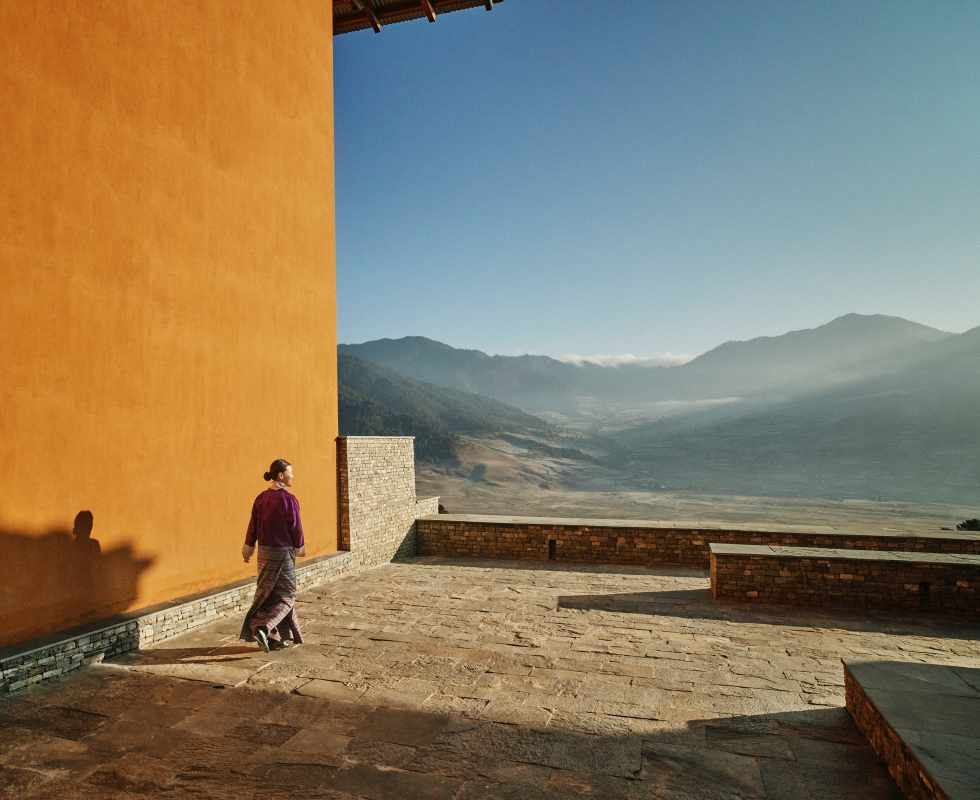
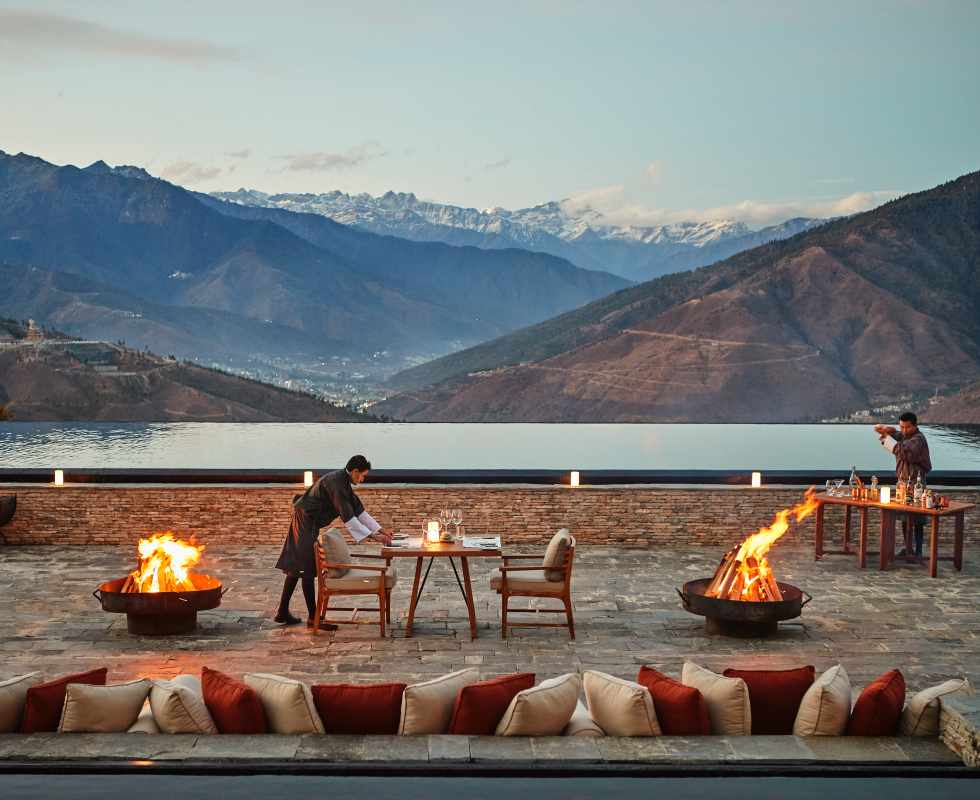
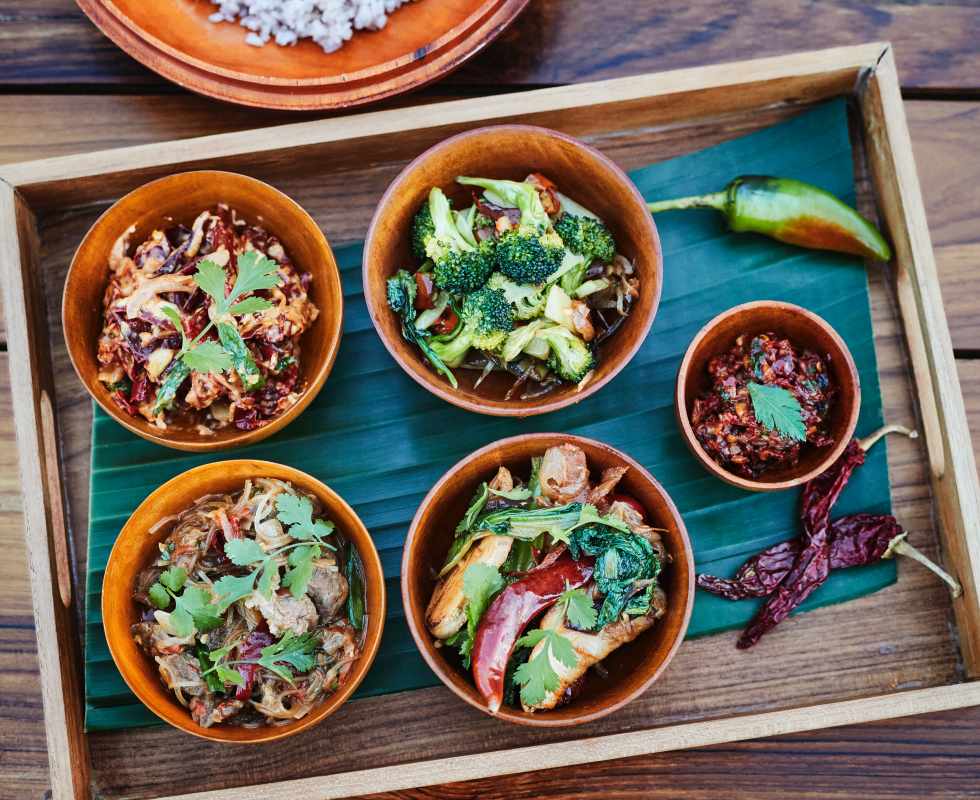
Six Senses Bhutan offers a model answer to sustainable luxury travel. It has opened lodge-style suites in Thimphu, the capital, as well as in Punakha, Gangtey, Bumthang, and Paro, and each lodge presents striking design and programs that reflect the nature and culture of its area. Six Senses Thimphu, for example, sits on a mountainside at an elevation of 2,650 meters, and its simple, refined spaces reflect the architectural style of the dzong, Bhutan’s traditional fortress-monasteries. From the guest rooms, floor-to-ceiling windows look down on the valley surrounding Thimphu and a giant 52-meter-tall Buddha statue. Six Senses Paro, with a pastoral village dotted with terraced rice paddies and the Paro Valley below, boasts the finest views of all five lodges. Because it was built on the site of a 16th-century stone fortress, its interior and exterior make skillful use of stone. Every property of Six Senses Bhutan includes a professional spa and a restaurant that uses local ingredients, never forgetting the meaning of wellness and rest. Offering programs that let guests experience local life while contributing economically to the village is another part of its commitment to sustainability.
From $2,100 per night
Why Travel to Bhutan
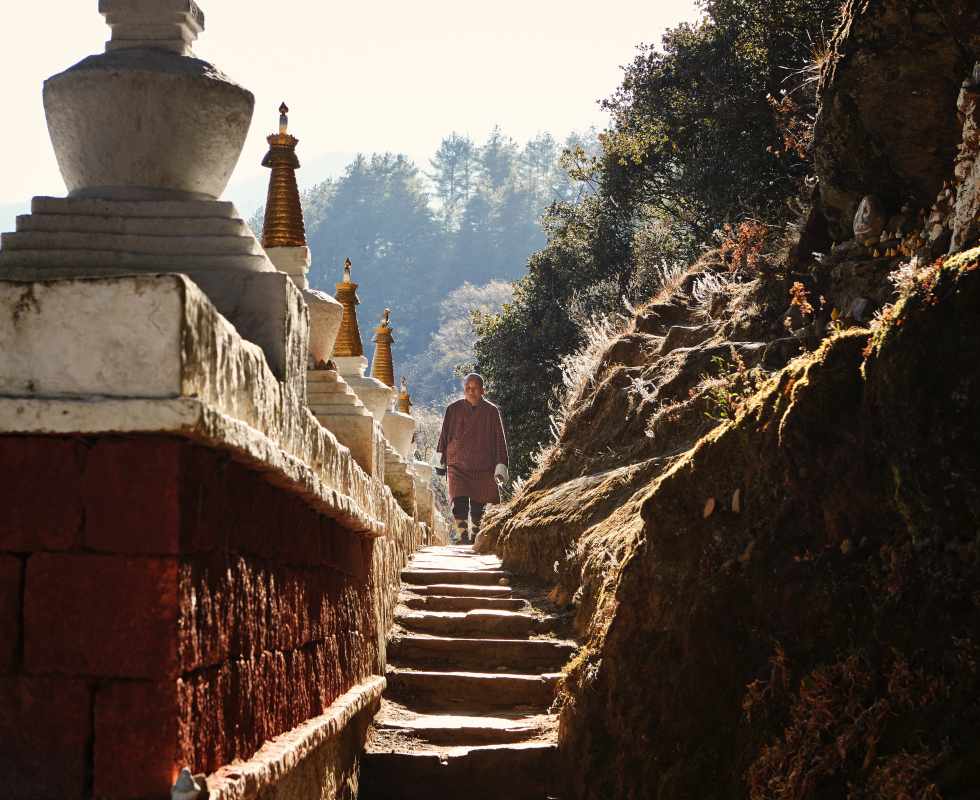
Nestled between Tibet and India, Bhutan first opened its doors to foreigners in 1974, and it still charges visitors a steep entry fee. It is a clear sign of the country’s resolve to protect its natural environment first, even if that means fewer travelers. By law, Bhutan keeps more than 60 percent of its land under forest cover, and it is the only country in the world that absorbs more carbon than it emits. That is why its landscapes remain untouched, with snow-capped Himalayan peaks rising beyond primeval forests and traditional villages. Seeing cultural treasures you had only heard about in legends, or hiking a trail through wildflowers beneath 7,000-meter peaks, is something you can do only in Bhutan.