Vietnamese desserts developed from traditional food culture with a dash of French influence, and each one stimulates the palate with its own flavor, texture, and color. Think rich coffee aroma and smooth coconut cream, bouncy custard pudding and sweet caramel syrup, colorful jellies and tropical fruit. Their cooling textures, which take the edge off Southeast Asia’s heat, are another hallmark. Here is a guide to the world of Vietnamese desserts, where sweetness and refreshment come together.
Words Pitch by Pitch
In collaboration with ASEAN-Korea Centre
Coconut Coffee, a Sweet Escape from the Heat
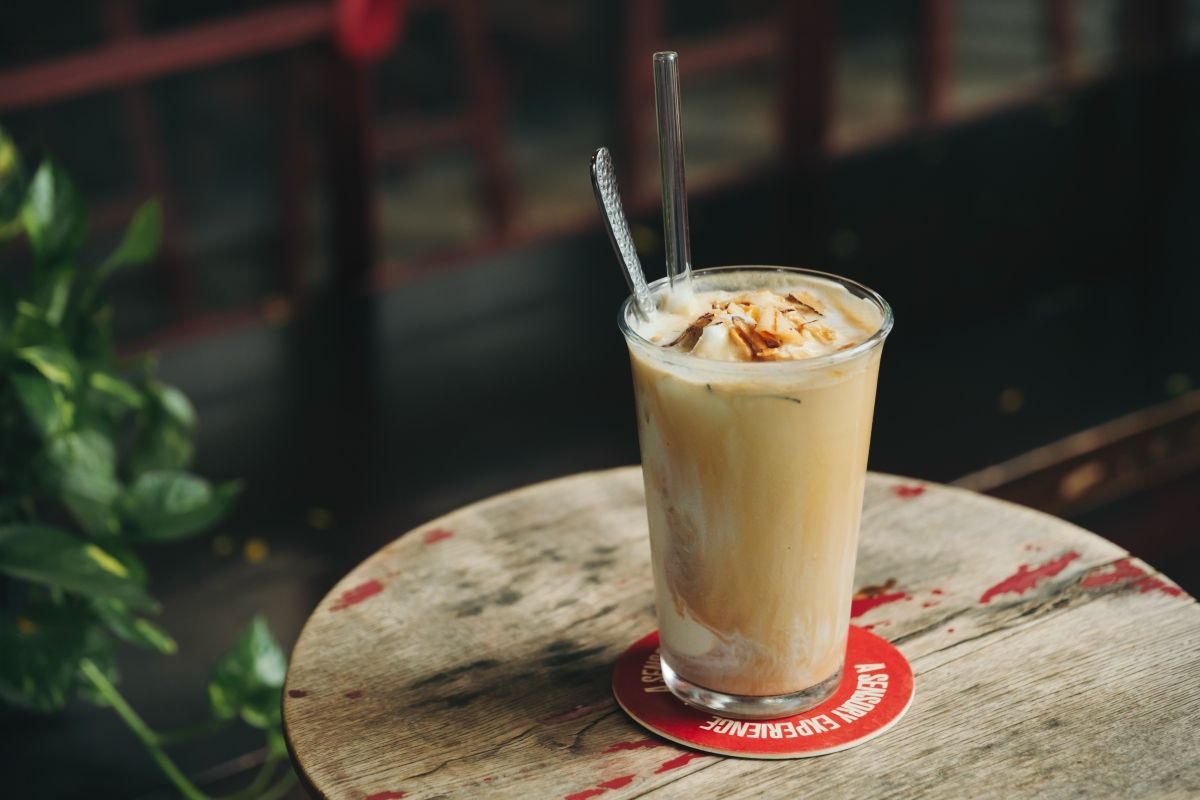
For the Vietnamese, coffee is an indispensable part of daily life. Coffee first arrived under French influence in the mid-19th century, and Viet Nam’s coffee industry began to develop in earnest from there. Today the country is considered the world’s largest producer of robusta beans and takes pride in a coffee culture all its own. As a major port city of French Indochina, Ho Chi Minh City experienced café and salon culture early on, and it remains a place where you can enjoy both the long tradition and the modern sensibility of Vietnamese coffee. From street stalls lined with low plastic stools to chic cafés, it’s easy to spot people sipping coffee at any hour and in any setting. You can sample many styles of Vietnamese coffee, including black coffee, condensed milk coffee, and egg coffee, but coconut coffee (cà phê cốt dừa) is practically a dessert in a glass. The bold flavor of robusta, the sweet richness of coconut milk, and cold ice come together to recharge your energy with a single sip.
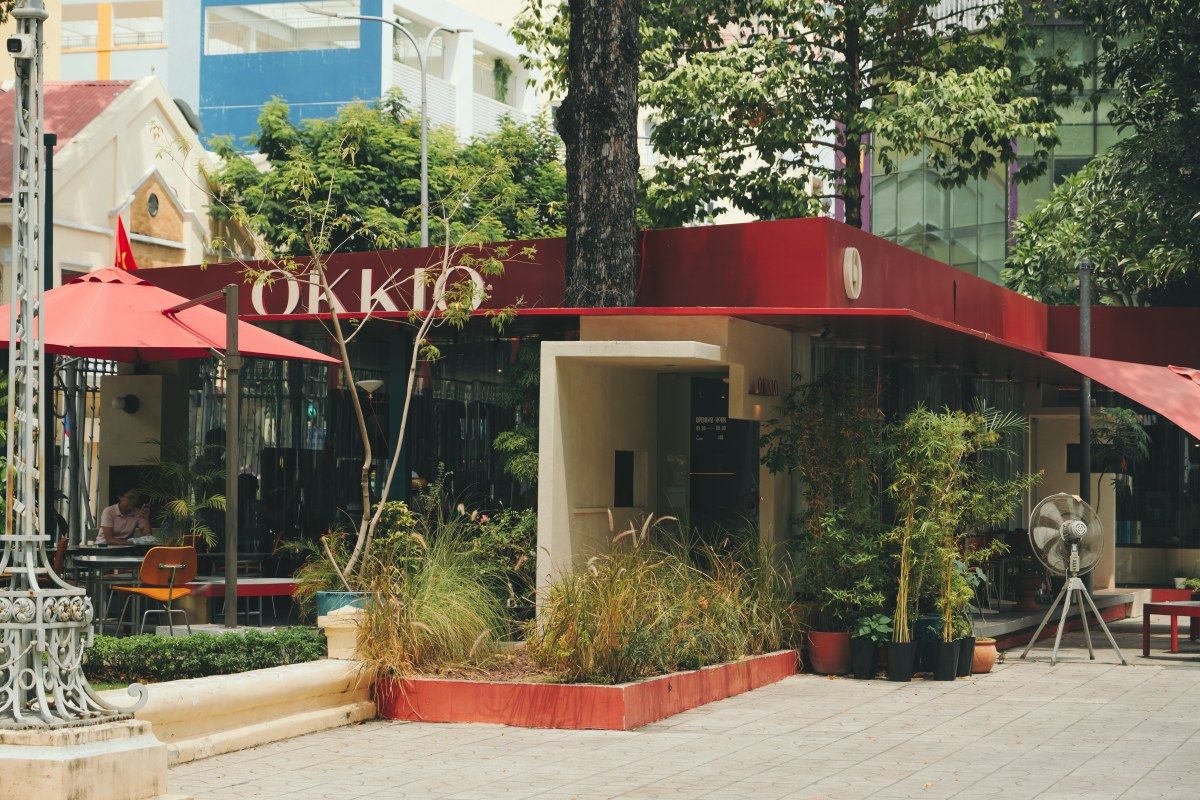
If you want to try Ho Chi Minh City–style coconut coffee, we recommend OKKIO Caffe. What stands out is how the coconut’s sweetness is carefully balanced so the coffee’s aroma shines through. Popular with locals more than tourists, it has six branches in Ho Chi Minh City alone. OKKIO Caffe - Bảo Tàng Mỹ Thuật is, as its name suggests, close to the Fine Arts Museum, making it a good stop after a museum visit. Unlike the other branches with their vintage mood, it has a modern design and a spacious interior with both indoor and outdoor seating.
Instagram: www.instagram.com/okkiocaffe
Bánh Flan, Caramel Pudding Served with Ice
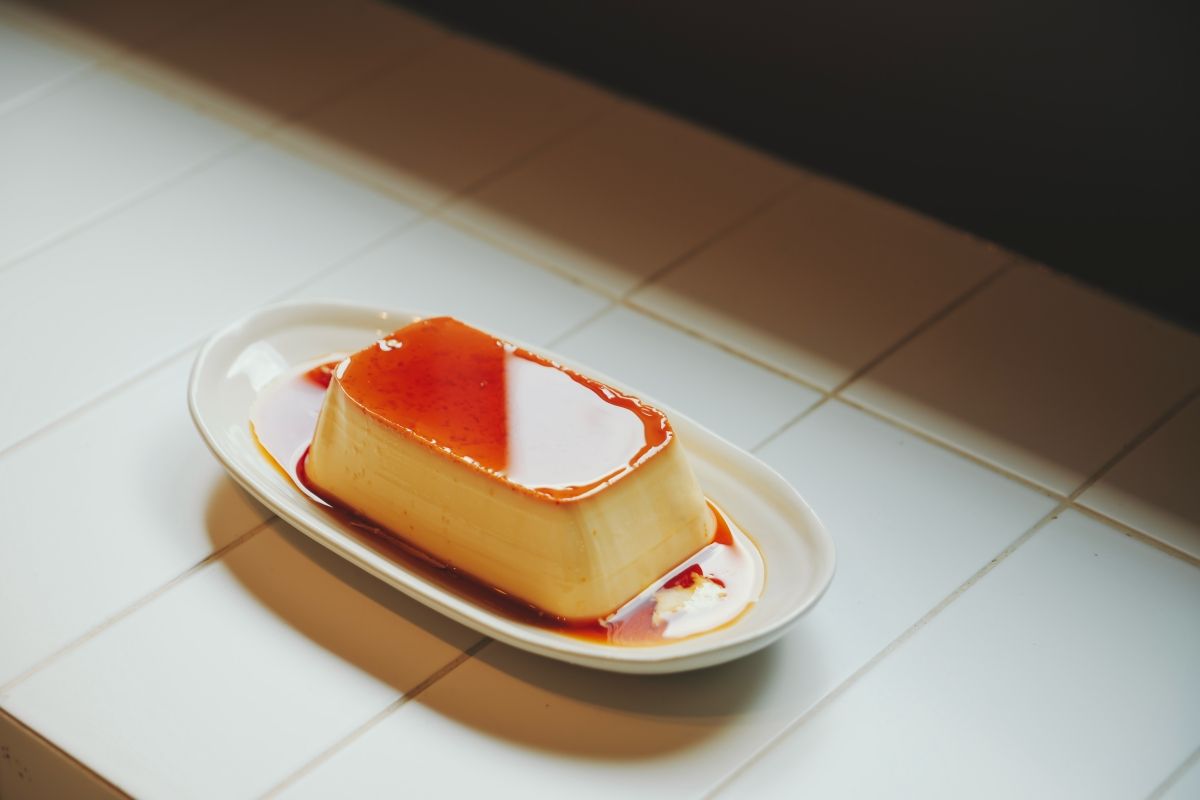
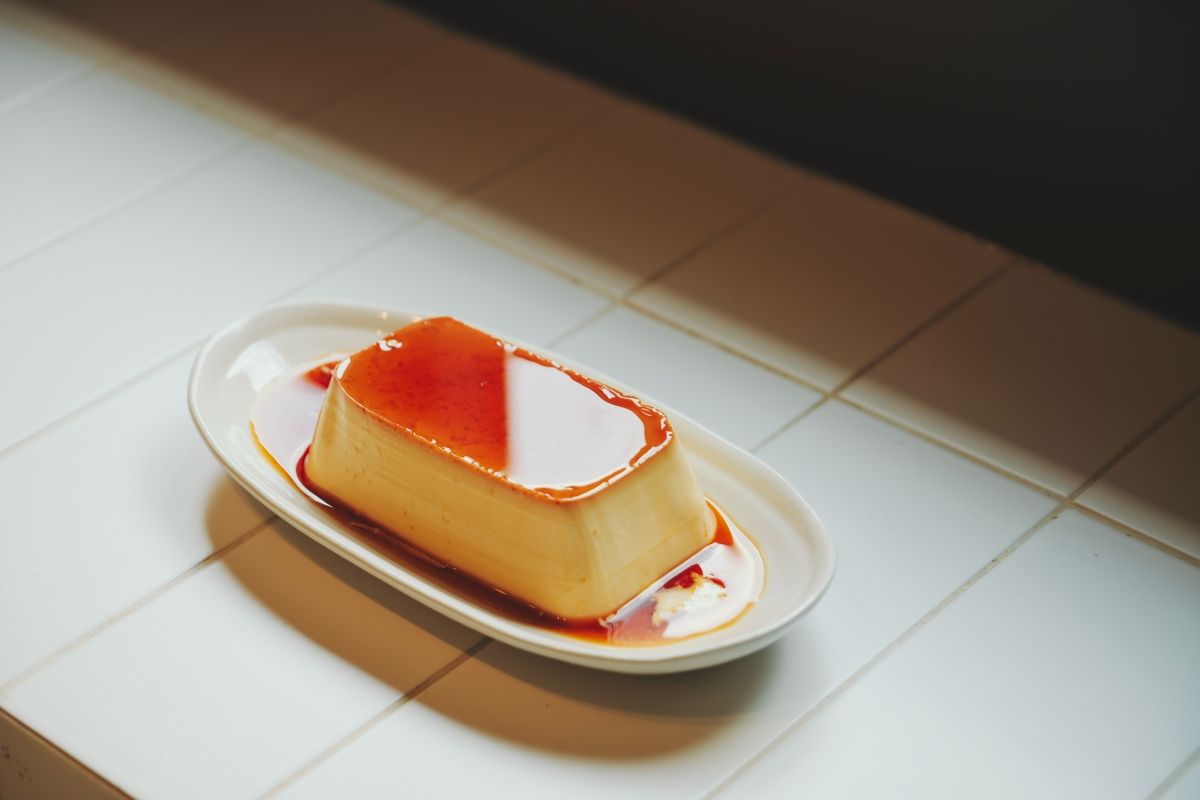
Bánh flan combines bánh, the Vietnamese word for cake, with flan, the French custard dessert. True to its name, it refers to a Vietnamese custard pudding shaped by a French dessert. Its flavor and form resemble crème caramel, the French dessert of egg yolk, milk, and sugar custard topped with caramel syrup, but the generous use of condensed milk makes it much sweeter, richer, and bouncier. The ways of enjoying it in Viet Nam also reflect the local climate and culture, and they are varied and free-spirited. In Hanoi, it is eaten the classic way, to preserve its original flavor. In Ho Chi Minh City and elsewhere in southern Viet Nam, it is served with crushed ice or topped with strong Vietnamese coffee or condensed milk. The bitter aroma of coffee, sweet custard, and cold ice blend into something quite different from the caramel pudding you know.
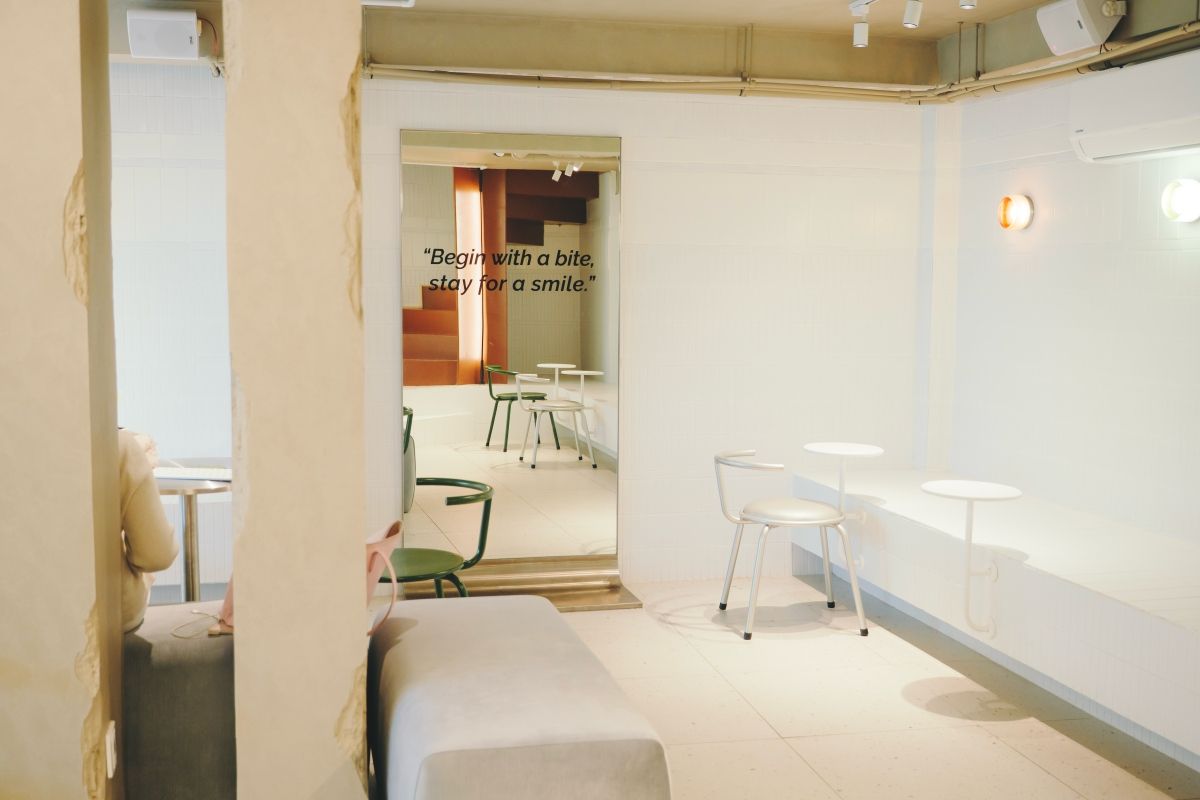
Vothyca Eatery is a local café serving a modern reinterpretation of bánh flan. Its signature items are the Flan Caramel, which highlights the custard’s silky texture and balanced sweetness, and the Flan Cup, served in a cup-shaped dish so you can scoop it up easily with a spoon. In a minimalist space done in white and wood tones, you can enjoy flan alongside other desserts, refreshing drinks, and light snacks.
Instagram: www.instagram.com/vothyca.eatery
Chè, Between Fruit Punch and Porridge
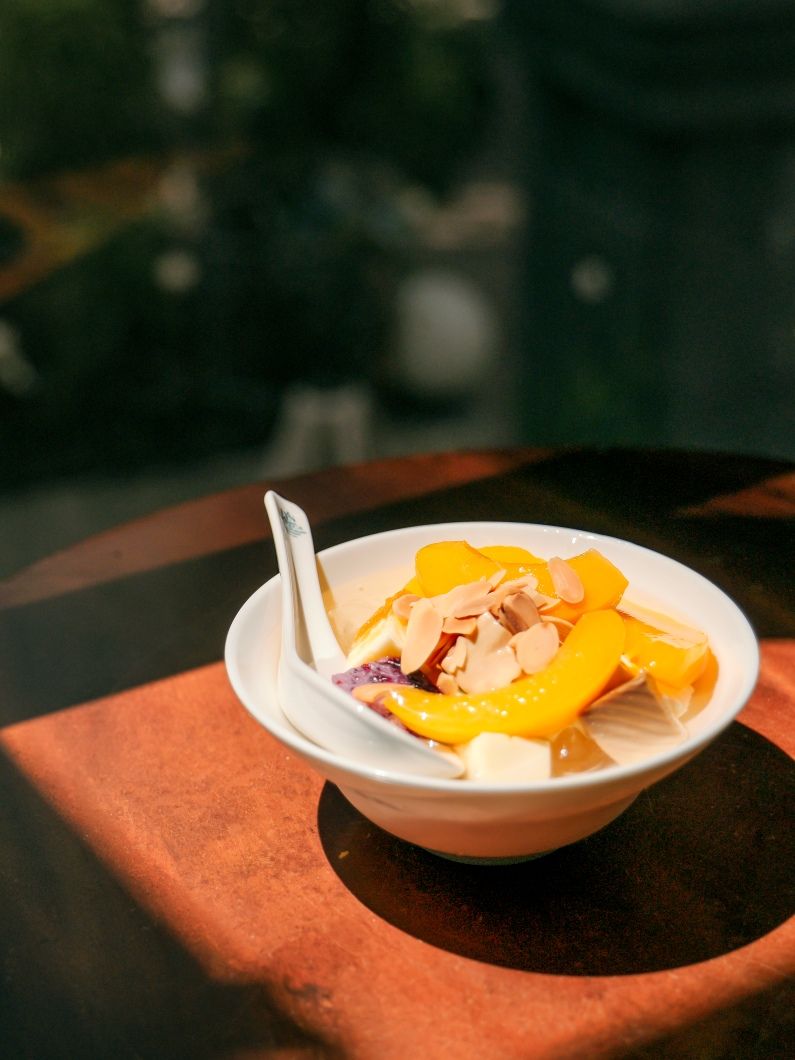
No discussion of traditional Vietnamese desserts is complete without chè. Strictly speaking, chè is not one particular dessert but a general term for Vietnamese desserts made by mixing various ingredients and eating them cold or warm. Tropical fruit, jelly, tapioca, nuts, and grains can all go into the mix, so the variations are endless depending on the combination. Classics include chè ba màu, the “three-color dessert” of green jelly, red beans, and yellow mung beans; chè thái, with tropical fruit such as lychee and jackfruit; and chè chuối, a warm dessert of banana and tapioca. Chè in all its flavors and textures is enjoyed across Viet Nam, but Ho Chi Minh City has such a developed chè culture that it’s called the “city of chè.” You can find all kinds of chè at street stalls, at old shops that bear the marks of time, and at cafés with a local feel. Ho Chi Minh City’s chè is usually served cold with coconut milk and ice, and it stands out for its intense sweetness and showy combinations of ingredients. Influenced by Chinese-Vietnamese culture, it also often features Chinese elements such as black sesame, lotus seeds, and medicinal herbs.
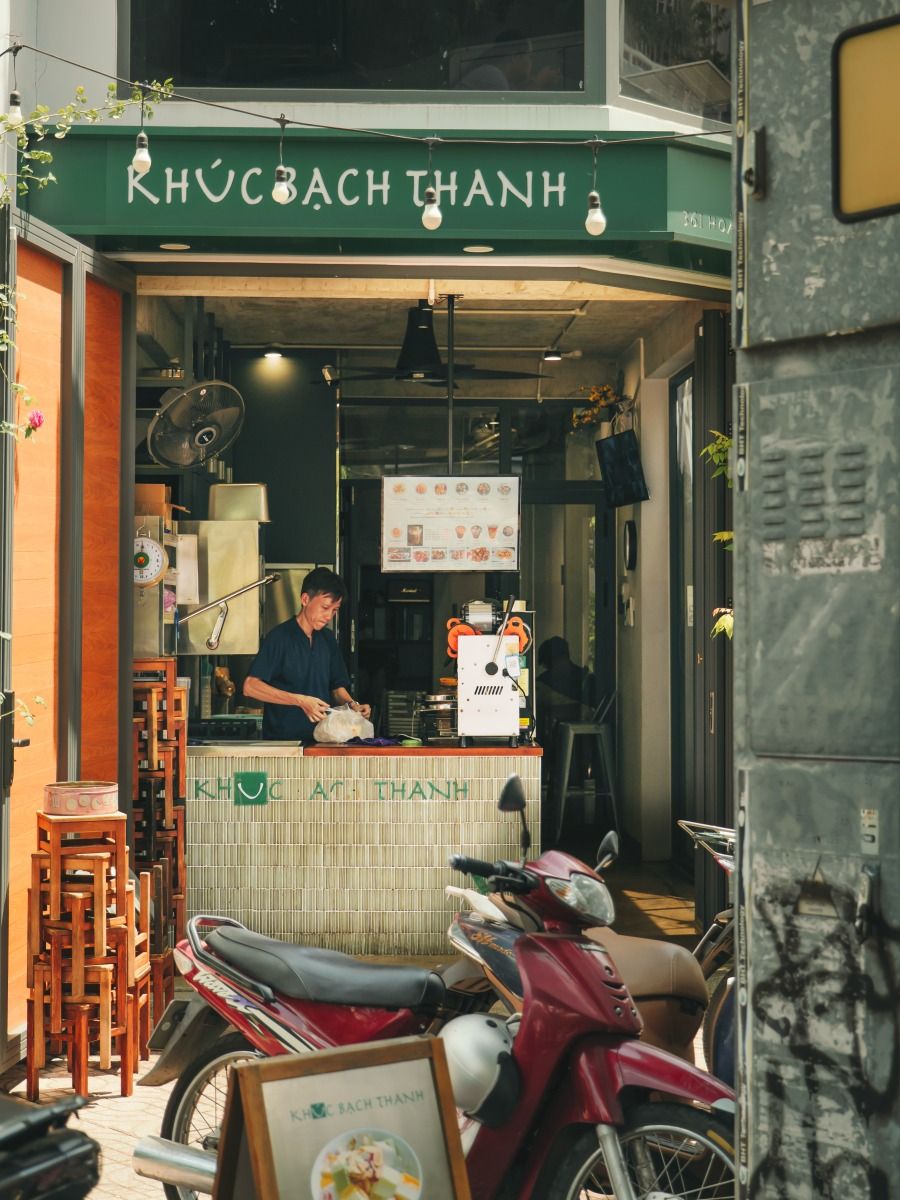
Chè Khúc Bạch Thanh is a dessert shop famous, as its name says, for chè khúc bạch. The dish is usually made by pouring coconut milk over milk-based white pudding jelly topped with lychee and almonds, but at Chè Khúc Bạch Thanh the shop puts its own spin on it with colorful jellies, assorted fruit, and syrups. One example is the Tứ Quí Đào, which adds a variety of fruit and jellies to a base of peach and matcha khúc bạch. The sweetness of the peach and the vivid colors delight both eyes and palate from start to finish.
Website: www.chekhucbach.vn