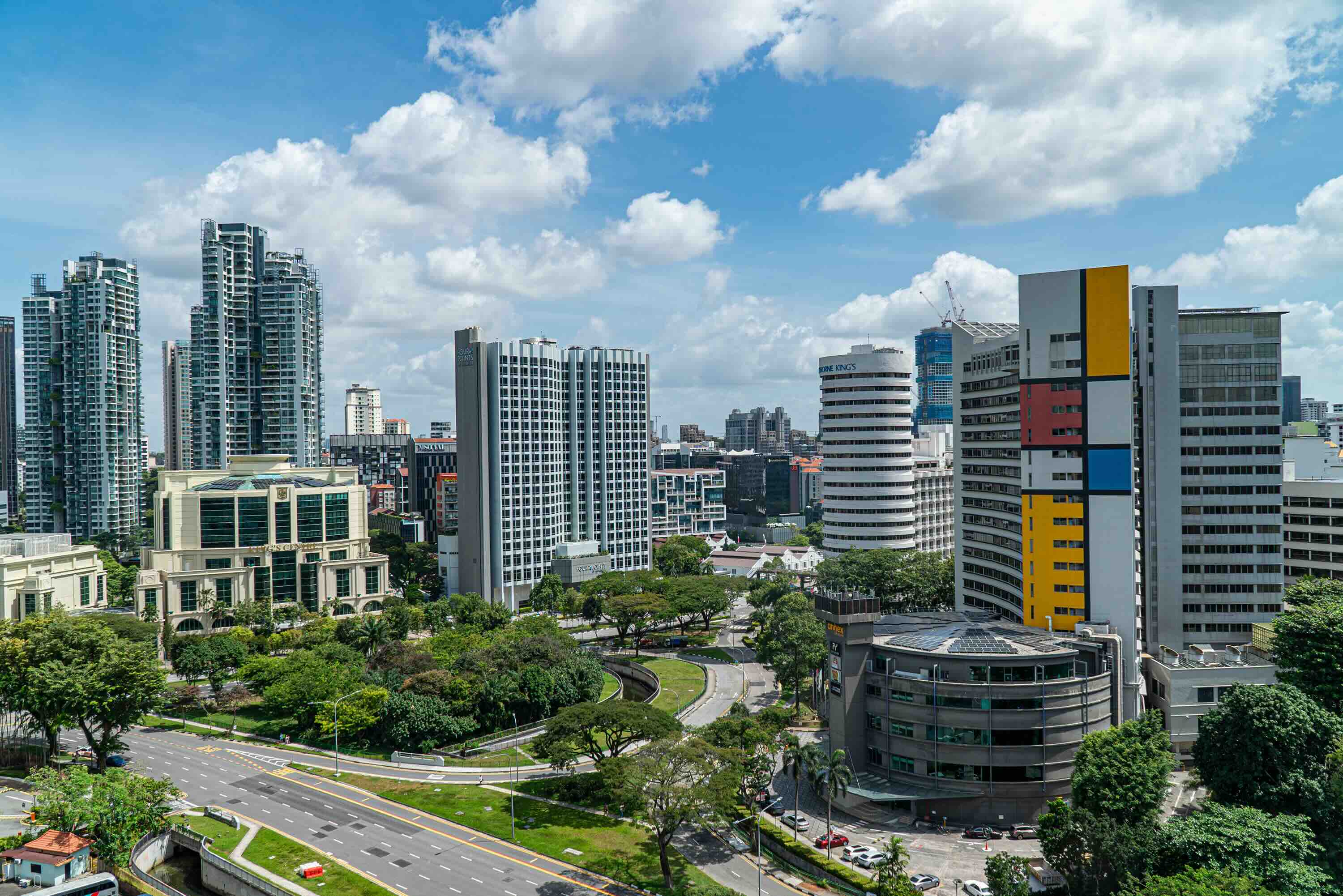

Dessert is the sweetest way to experience a country’s climate, history and food culture. It is a snack that staves off hunger and cools us down, the final plate that crowns a meal, and a treat that joins everyday celebrations and gestures of hospitality. This is a sweet journey through the best desserts that capture the landscapes and cultures of Singapore.
Writer Pitch by Pitch
In collaboration with ASEAN-Korea Centre
Kaya Toast
A Sweet Everyday Memory
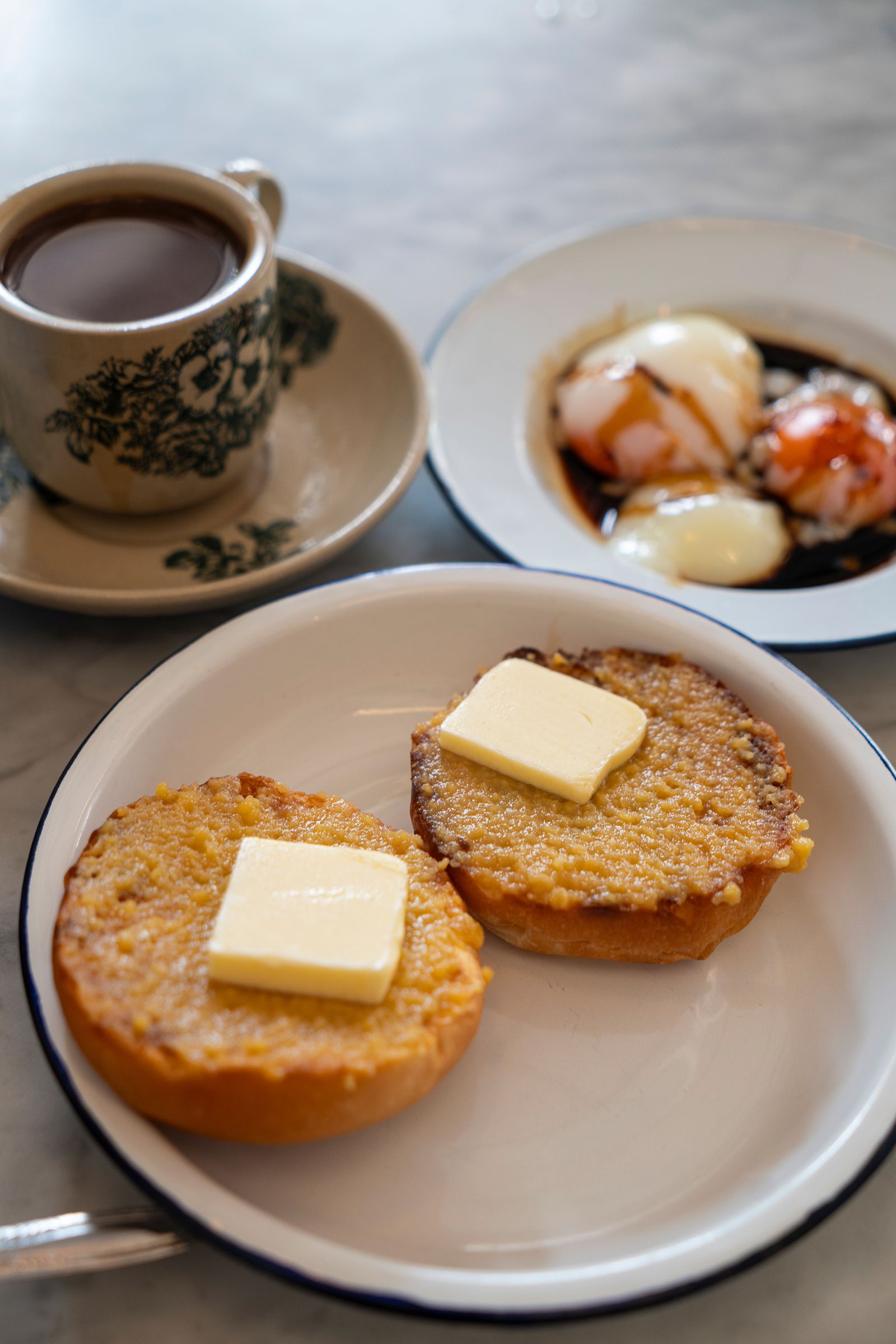
Kaya toast, made with freshly toasted crisp bread, sweet kaya jam and a slab of cold butter, is one of Singapore’s signature snacks. Singaporeans eat it at any time of day: as a simple breakfast with coffee and soft-boiled eggs, or as a snack when hunger strikes. It is said to have been created in the late 19th century by Hainanese immigrants from China, inspired by the jam toast of the British who passed through Singapore’s port. Instead of Western fruit jam, they spread their toast with kaya, a jam made from coconut milk, eggs and pandan leaves, all easy to find in Southeast Asia. Simple in both flavor and preparation, it has for that very reason taken deep root in Singaporean daily life over the years. Today kaya toast is easy to find anywhere in Singapore. Beyond the classic version made with sliced bread or buns, modern reinterpretations have appeared, pairing kaya jam with croissants, waffles and more.
Chin Mee Chin Confectionery, which opened in 1925, is a place to experience the original form of kaya toast. A historic kopitiam (traditional coffee shop) in the Katong area, it was renovated in 2021 but still keeps its old recipes and atmosphere. Its kaya toast, with a generous spread of kaya jam and cold butter between soft, warm toasted buns, is the very taste of nostalgia. Add a cup of traditional Singaporean coffee, and there is nothing more you could want.
Website: chinmeechin.sg
Ang Ku Kueh
A Traditional Dessert for Good Fortune
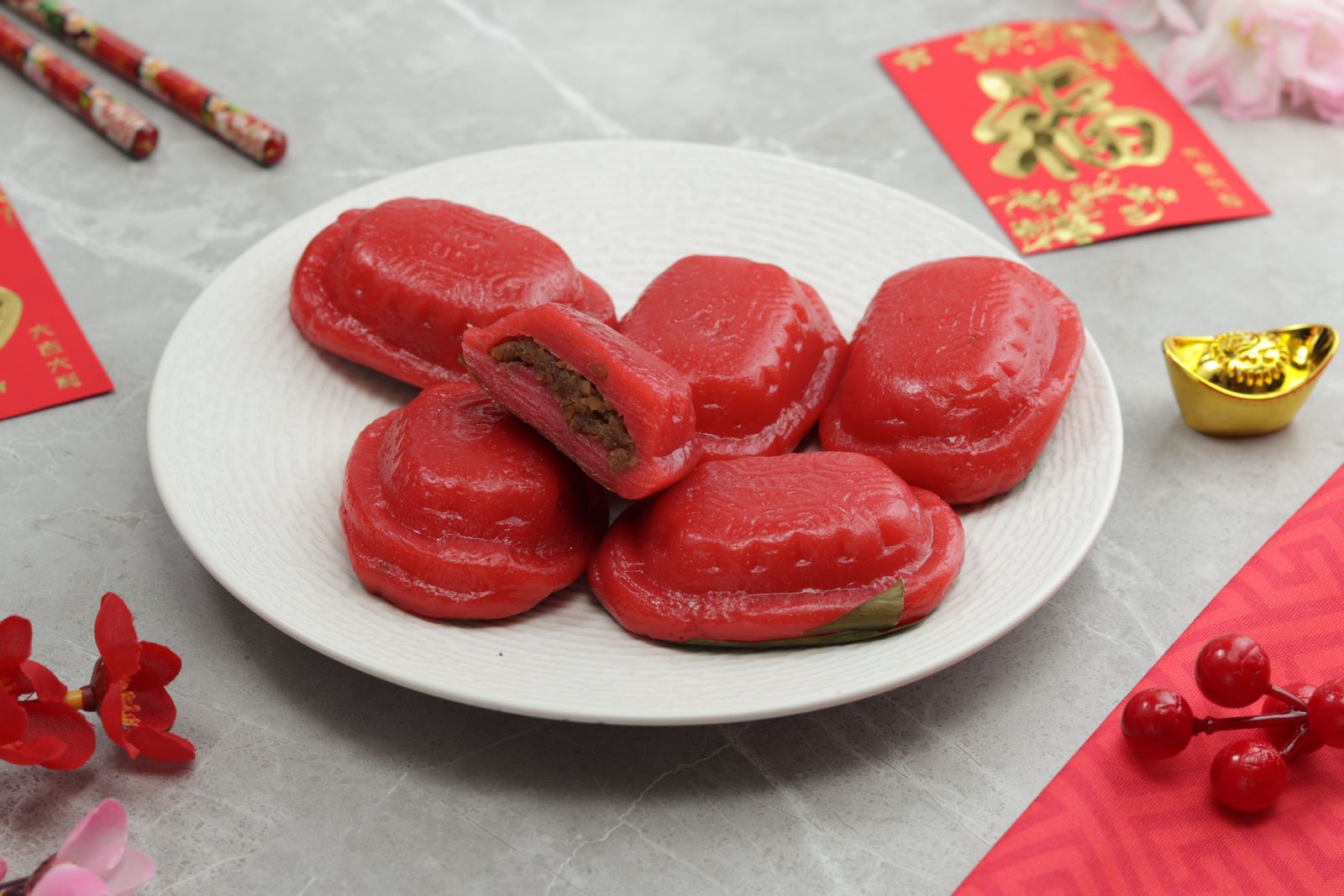
For Singaporeans, ang ku kueh is more than a dessert; it is beloved as a vessel of memory. Whenever there is something to celebrate, such as a baby’s first month, a birthday or a holiday, it is never left off the table as a symbol of longevity, prosperity and good luck. Ang ku kueh originated in southern China and has become an important food in Singapore and other overseas Chinese communities across Southeast Asia. True to its name, which means “red tortoise cake” in a Chinese dialect, the traditional version is made by filling a chewy skin of red glutinous rice dough with sweet mung bean paste, shaping it like a tortoise shell and steaming it on a banana leaf. The appeal lies in the harmony between the soft, chewy skin and the sweet filling. Many bakeries and pastry shops in Singapore now offer ang ku kueh with fillings such as jelly, red bean and peanut, transforming it into an everyday dessert.
Kim Choo Kueh Chang, in Katong, a neighborhood that preserves Singapore’s old character, has been selling its sweets since 1945. Now in its third generation, the family business continues to guard the traditional food culture. Inside the shophouse, built in the early 20th century, the shop feels like a display case of Peranakan dessert culture. From Nyonya chang, a traditional glutinous rice dumpling and one of its signature items, to a variety of kueh including ang ku kueh and kueh salat, everything delights both the eyes and the palate. On the second floor, you can also view traditional Peranakan clothing and crafts, which immerses you even further in the atmosphere of the past.
Website: www.kimchoo.com
Pandan Cake
The Color and Fragrance of the Tropics
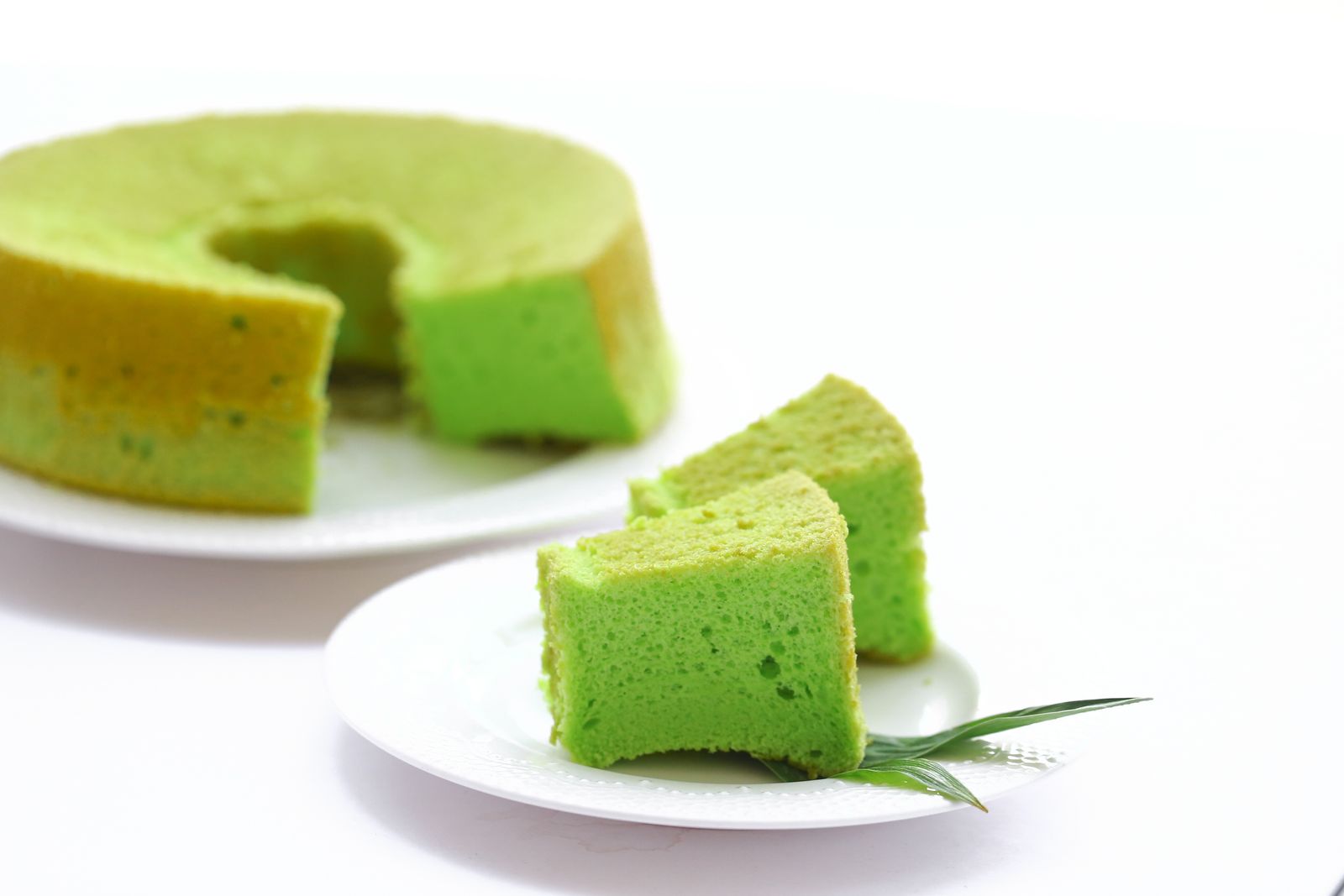
Pandan leaves, often called “the vanilla of Southeast Asia,” have a subtle sweetness and a fresh, grassy aroma. Singapore’s pandan cake is a dessert that pairs the leaf’s pale green hue and sweet fragrance with a fluffy texture. A chiffon-style cake full of air, it melts in the mouth as a gentle, restrained sweetness spreads across the palate. Coconut milk makes the color and flavor of the pandan leaves even softer and more nutty. It is also light enough to enjoy in hot weather. In 2017, CNN praised these qualities and named pandan cake Singapore’s national cake. In short, pandan cake is a food that elegantly captures regional identity, grounded in Southeast Asia’s climate and food culture.
Coconut Club's Beach Road restaurant holds a Michelin Guide Singapore’s Bib Gourmand (meals under 45 Singapore dollars). It sources most of its ingredients from local Singaporean suppliers and has won popularity with dishes that refine old recipes. Its signature dishes are nasi lemak and laksa, but dessert is not to be skipped at the end of a meal. The kueh sampler, with three flavors of traditional kueh, and the pandan cake are the highlights. The pandan cake, sold by the slice, sells out quickly, so it is best to order ahead. Besides its Siglap and Beach Road locations, it recently opened a new branch inside New Bahru in the River Valley area.
Website: www.thecoconutclub.sg