Some place names carry a particular image with them like a shadow, and some travelers cling to that image even though they know it is an illusion. This is all the more true when a film of the same name comes to mind before the place itself. Idaho, in the northwestern United States, is an agricultural state famous for its potatoes, a place where Californians relocate to escape soaring housing prices, and a state where Republicans hold political sway. Anyone planning a trip to Idaho has probably either been just about everywhere else or leans toward the slightly offbeat. The quality of life is among the best in the country and the natural scenery is beautiful, but there is no single headline attraction.
What defines Idaho is the absence of people. Some 1.6 million hectares of wilderness spread across the center of the state. The U.S. Wilderness Act defines wilderness as follows: ‘an area where the earth and its community of life are untrammeled by man, where man himself is a visitor who does not remain.’ Let’s set out by car from Boise, the state capital, toward the edge of that wilderness, toward the wild land that drew Ernest Hemingway. From Boise, through Sawtooth National Forest, to Ketchum and Sun Valley, where Hemingway left his mark, it is a drive of about four hours.
Words Lee Kiseon
Photos Jung Sooim
Boise
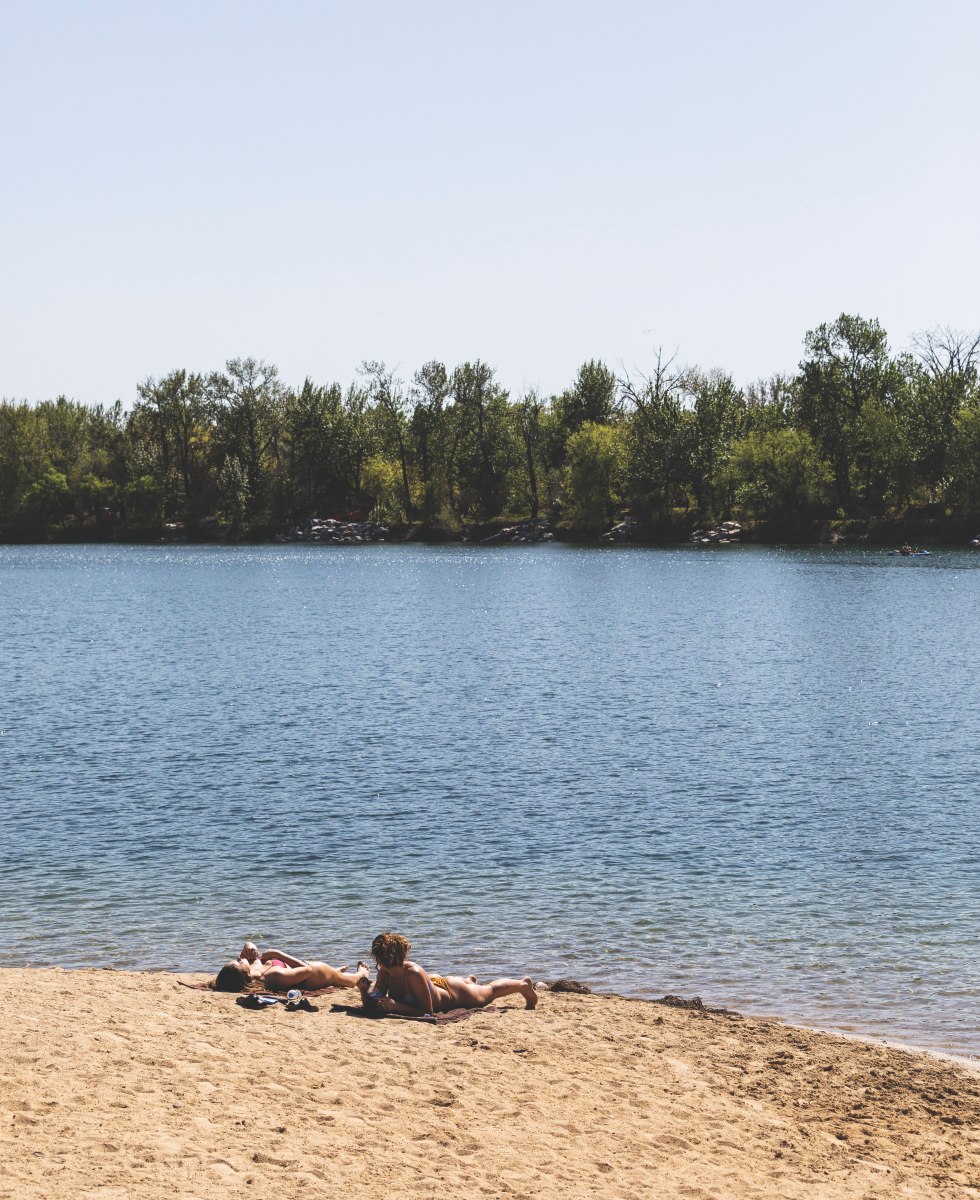
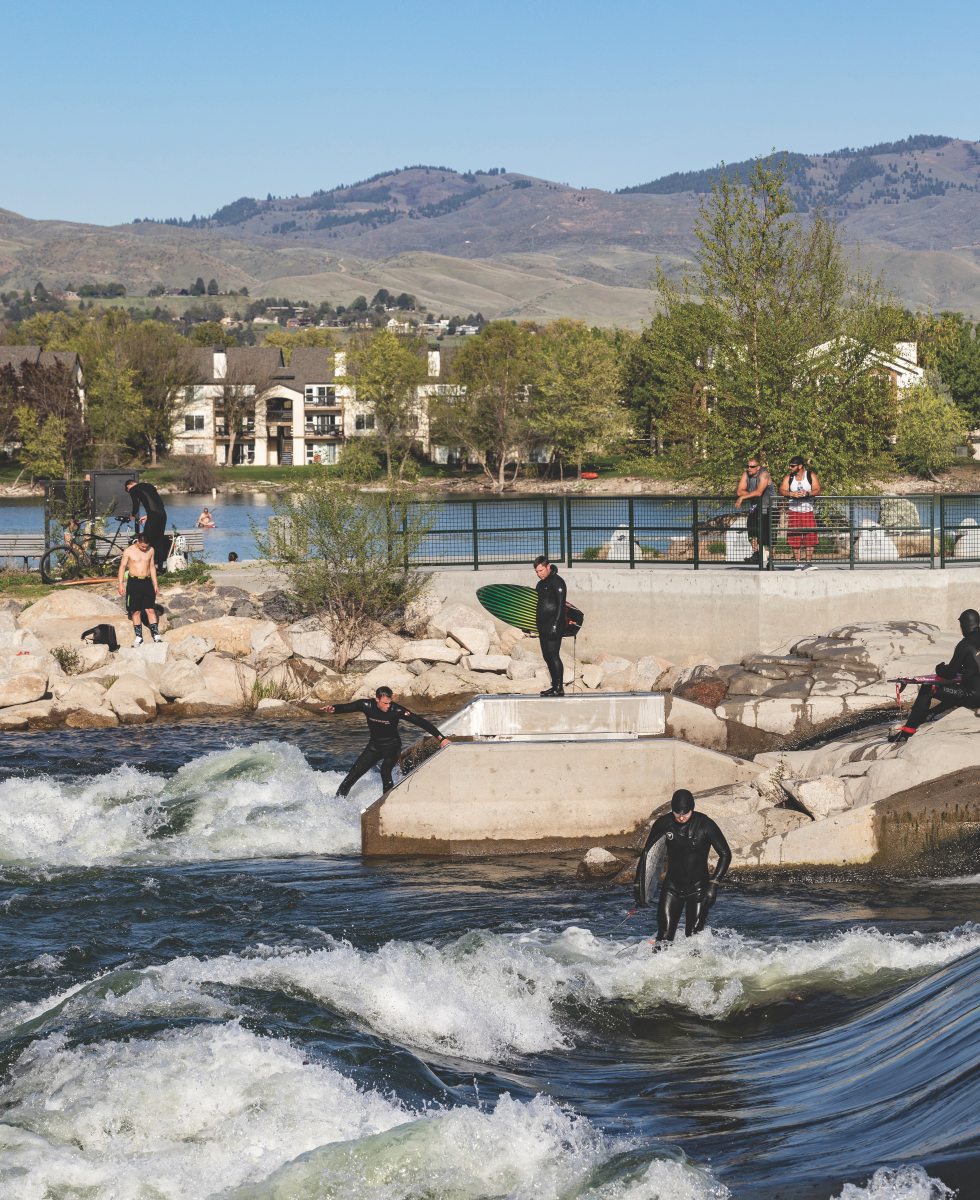
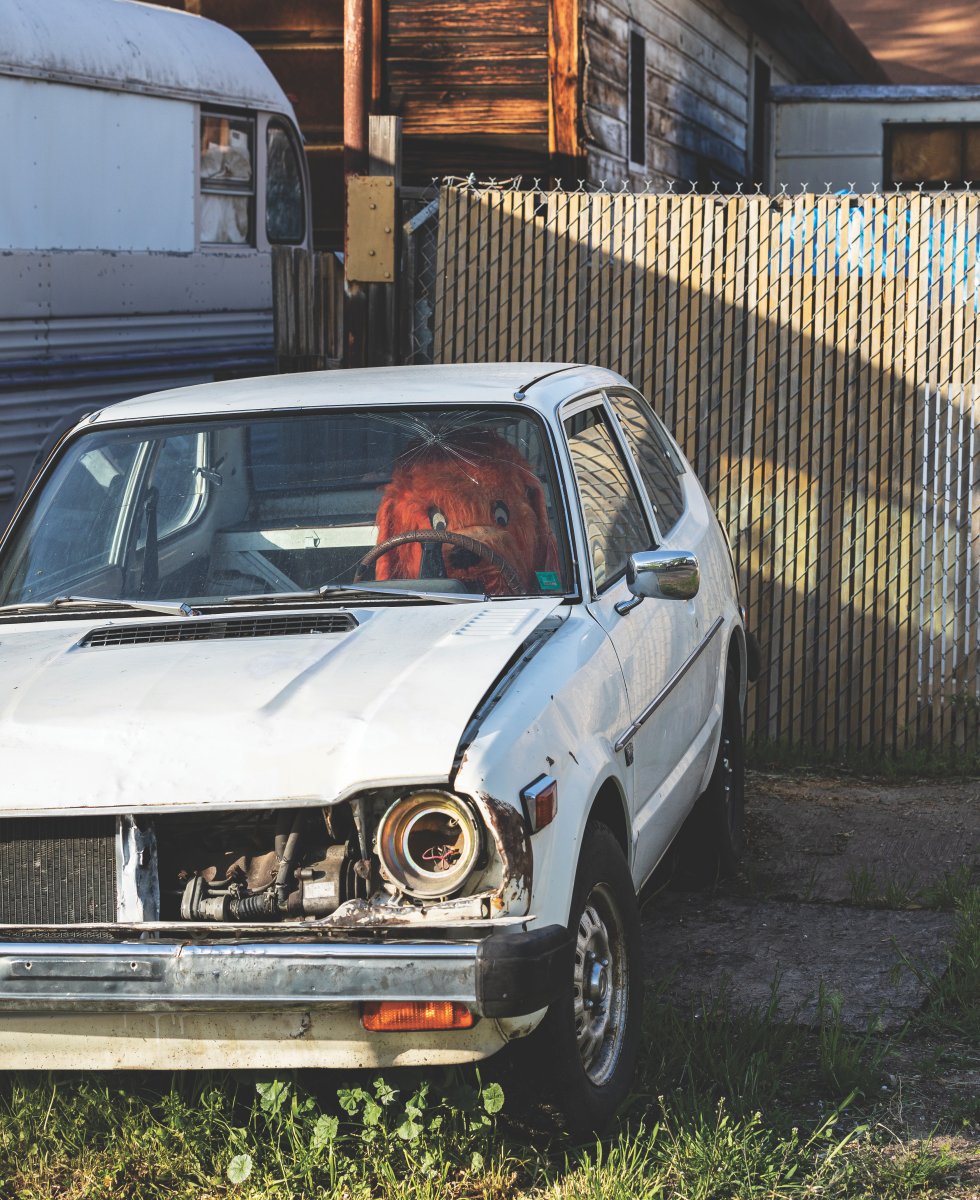
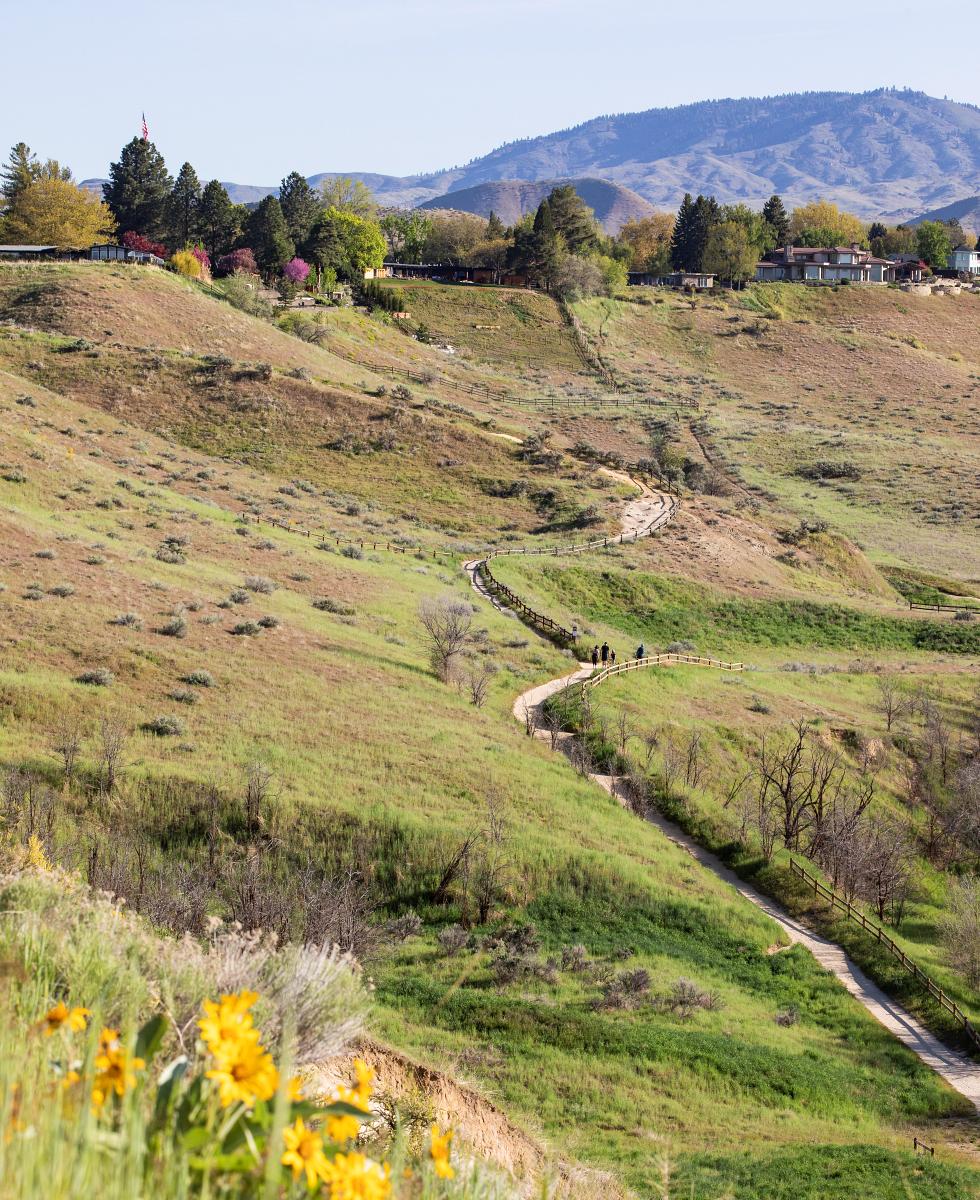
From a hilltop in Camel’s Back Park, where yellow balsamroot is in bloom, I look out over the city, with the Idaho State Capitol rising above it. True to a name derived from the French word for trees, downtown Boise is surrounded by woods and meadows. The city has more than 100 parks, this one included. Around 2018, outlets such as Forbes and Lonely Planet singled out Boise as one of the fastest-growing cities in the country and one of the best places to visit in the United States. It was also named a city friendly to high-tech companies and a great place for millennials to live.
You could keep hiking along the ridgeline that wraps around the north of the city, but I head back downtown, five minutes away by car. Downtown is a size that is pleasant to explore on foot. Around 8th Street, over several blocks, you’ll find microbreweries, taprooms, cideries, and farm-to-table restaurants. The stretch between 8th and 9th Streets is known as Freak Alley Gallery. So far, some 200 artists and ordinary people from around the world have painted graffiti freely in its alleys and parking lots, and the collection of works is constantly being updated. A few blocks away is the Basque Block, the heart of the largest Basque community in North America. In keeping with the family-centered Basque culture, twice a week in front of The Basque Market, a giant pan is used to cook 40 servings of Basque-style paella. By the time the delicious aroma wafts out, customers holding plates have lined up.
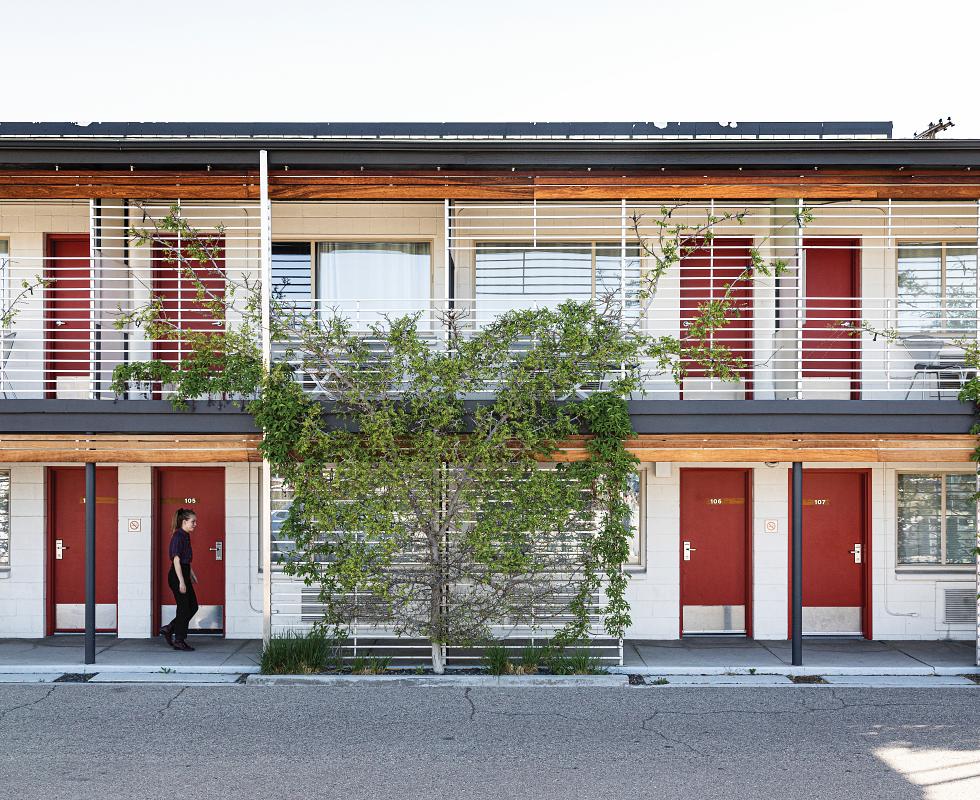
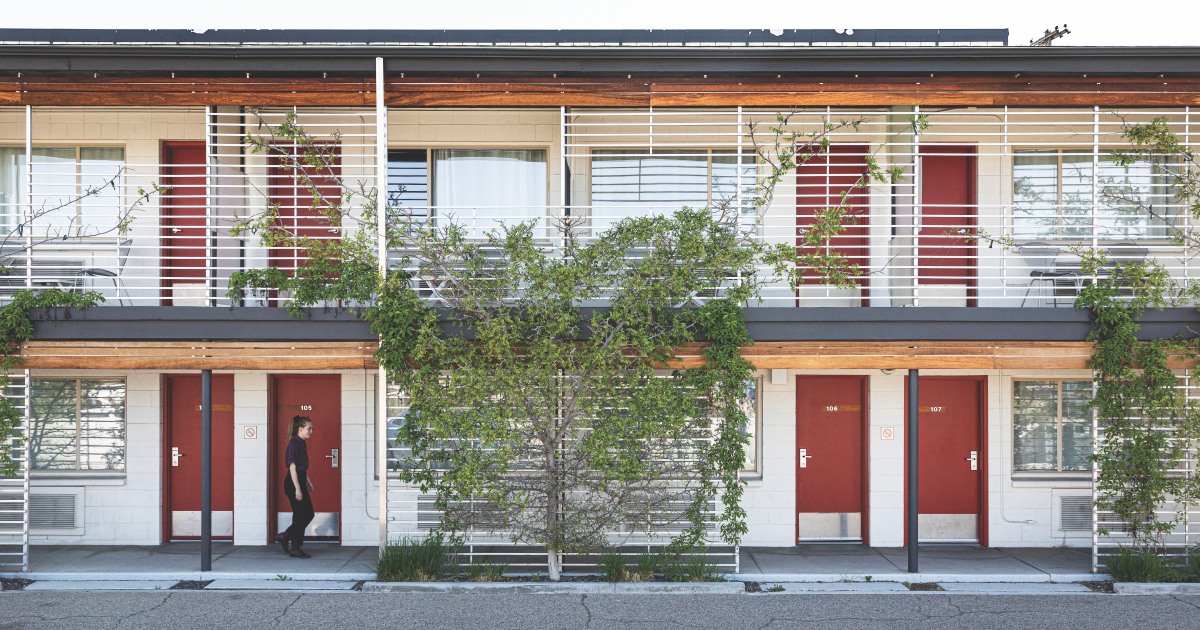
Downtown, the Modern Hotel and Bar seems to distill Boise’s contradictory character. In the lobby hangs a black-and-white photograph of three curly-haired Basque women. It captures the history of the place, which dates back to a Basque boardinghouse during the Great Depression. The proprietress’s granddaughter made good use of the Mid-century Modern design boom, renovating the building and reopening it under the name ‘Modern.’ If you tune the TV in your room to channel 39, you can watch a continuous run of 39 short films from around the world, and in the evening the hotel’s breakfast room turns into a farm-to-table restaurant. Over a cocktail with a nature-inspired name, such as the Douglas Fir, Idaho’s most common tree, or the Barranco (a volcanic ravine), try imagining the journey ahead.
Snake River Valley
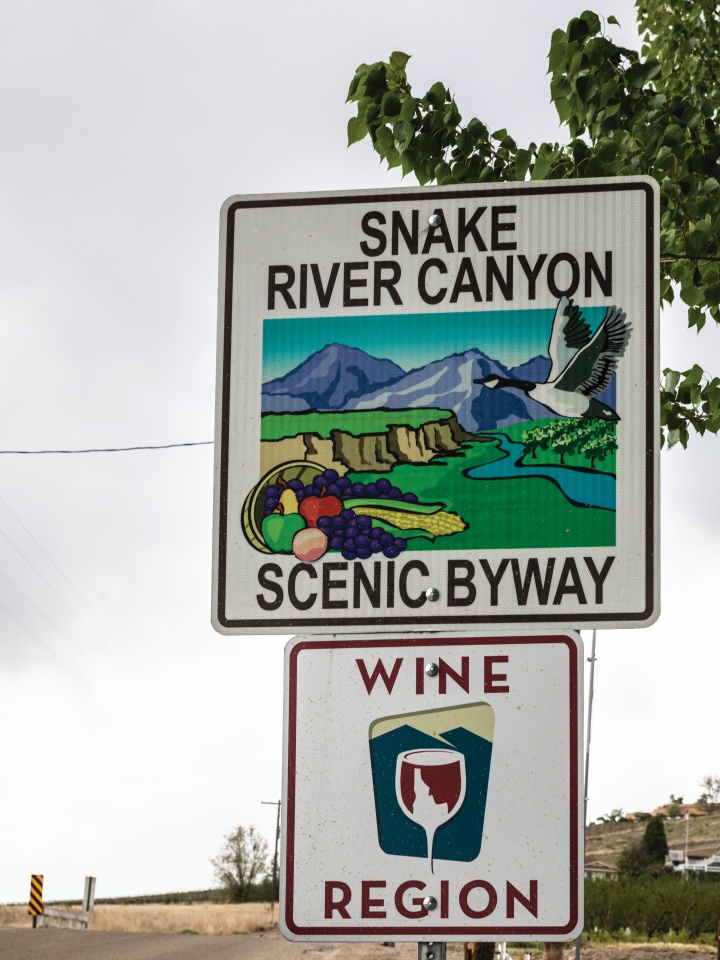
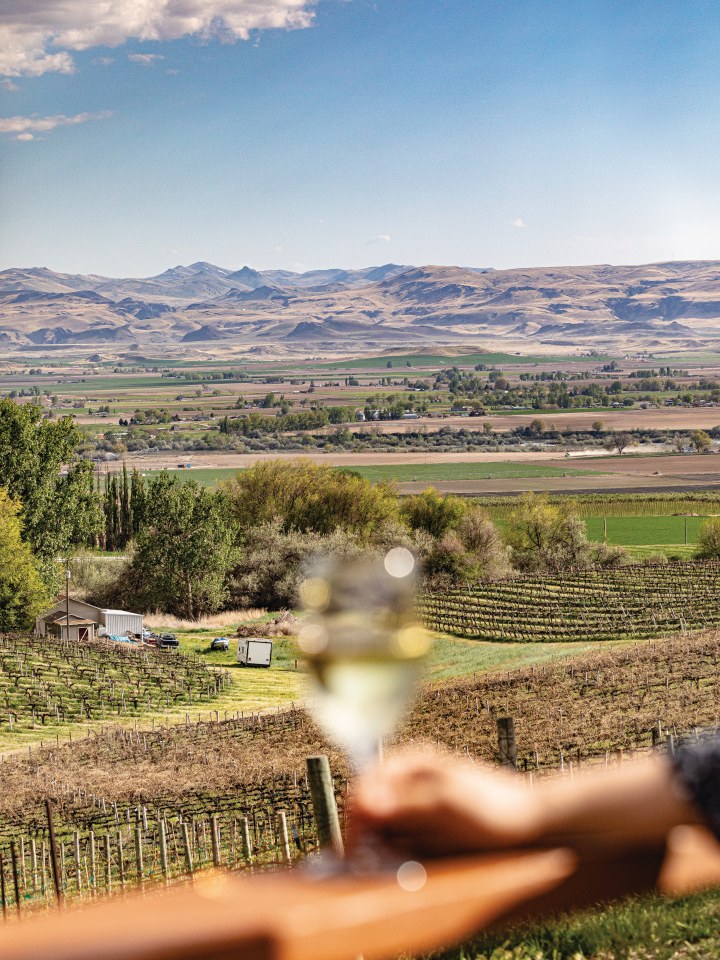
The source of the local ingredients behind Boise’s farm-to-table restaurants and farmers markets lies close by. West of downtown Boise, Garden City was once a run-down residential area but has recently been revitalized through redevelopment. Along the Boise River Greenbelt, which runs beside the Boise River, you can walk or bike from the city center in no time, and even here there are several local wineries and breweries. Keep driving west for about 30 minutes and you reach the Sunnyslope Wine Trail. It is part of the Snake River Valley AVA, which covers southwestern Idaho and eastern Oregon, and it encompasses about ten wineries. The Sunnyslope hills, at an elevation of 700 to 900 meters, have volcanic soil and a high-desert climate where evenings stay cool even in summer, making them ideal for growing grapes. In fact, grapes have been planted here since the 1860s, the first in the Pacific Northwest.
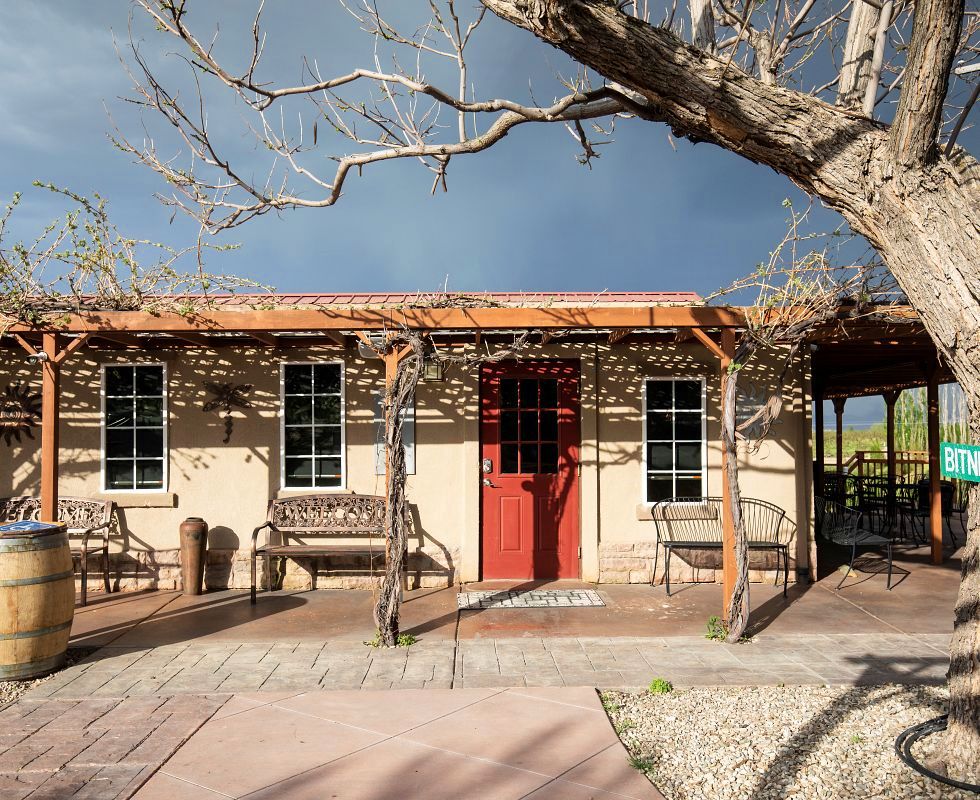
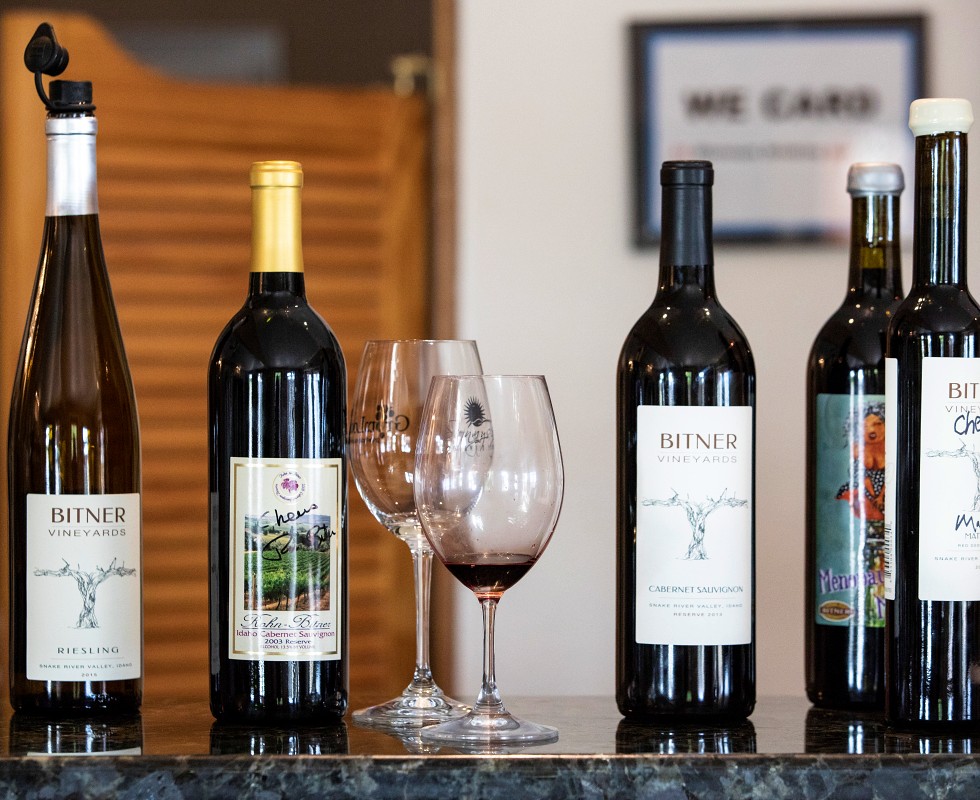
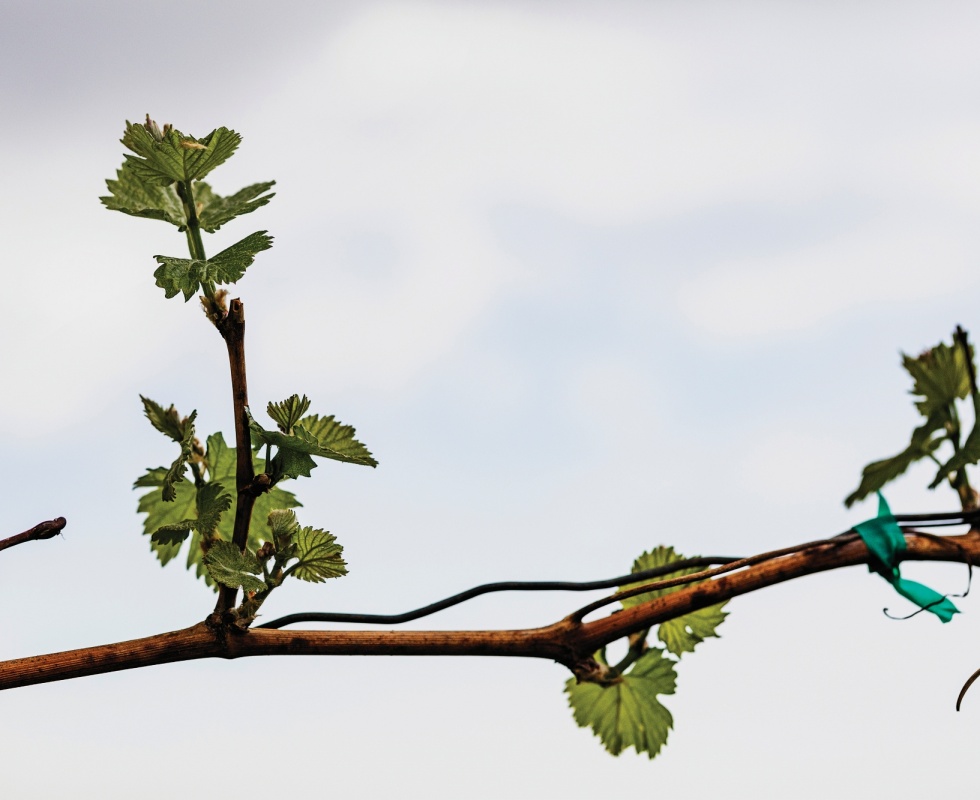
Founded in 1981, Bitner Vineyards is one of the oldest vineyards and wineries in Sunnyslope. The small wooden house that holds the tasting room overlooks sweeping hills and the canyon of the Snake River. Owner Ron Bitner, a bee biologist and Idaho native, bought the land after falling for this view, and as it happened, his neighbor was the region’s first winemaker. “He told me the conditions here were similar to La Rioja in northern Spain.” Following his neighbor’s advice, he began planting grapes, and the result was a great success. Made in small batches in collaboration with Greg Koenig, a friend of the Bitner family and a well-known local winemaker, the wines here have won numerous awards. Drawing on his training, Bitner grows Cabernet Sauvignon, Merlot, Syrah, and more using beneficial insects rather than chemical methods. As a result, it is the only winery in Idaho to hold both LIVE certification, awarded to wines produced sustainably, and Bee Friendly Farming certification. As a middle-aged man leaves the tasting room, I hear him mutter, “Now that’s the Idaho life!” It may be a cliché, but it is the right sentence for this place.
Sawtooth National Forest
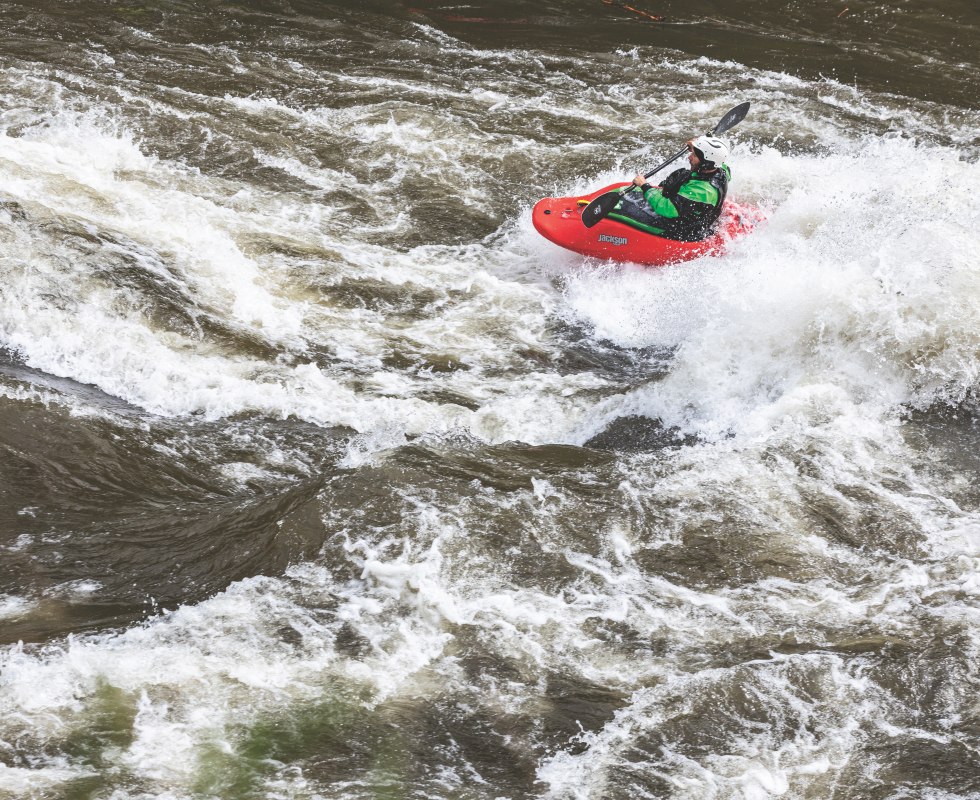
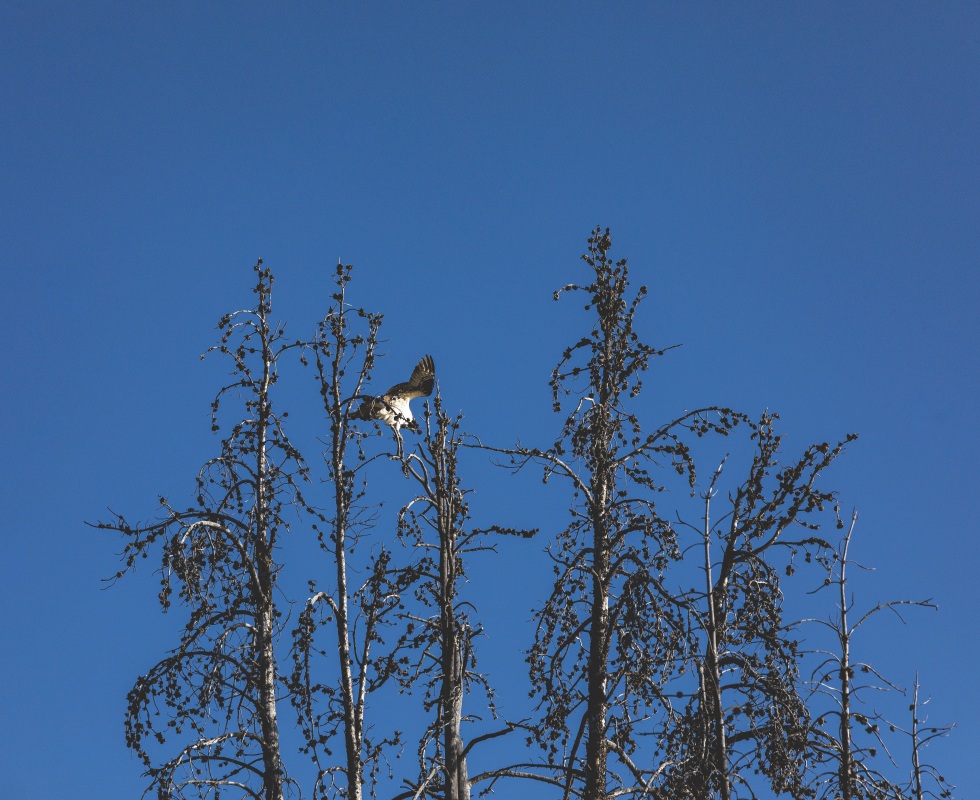
There is only one road from Boise northeast to Sawtooth National Forest: State Highway 21. The road traces its origins to a route that linked Boise with the gold-mining districts in the 1860s. I pass kayakers on the rapids of Boise National Forest and enter the highway. The signs bear the highway’s other name, the Ponderosa Pine Scenic Byway, along with a drawing of a Hemingway look-alike leading a donkey through a pine forest. Tall conifers, ponderosa pines among them, gradually take over the landscape. We are drawing close to the Sawtooth Mountains, part of the Rocky Mountains, where some 50 peaks rise above 3,000 meters.
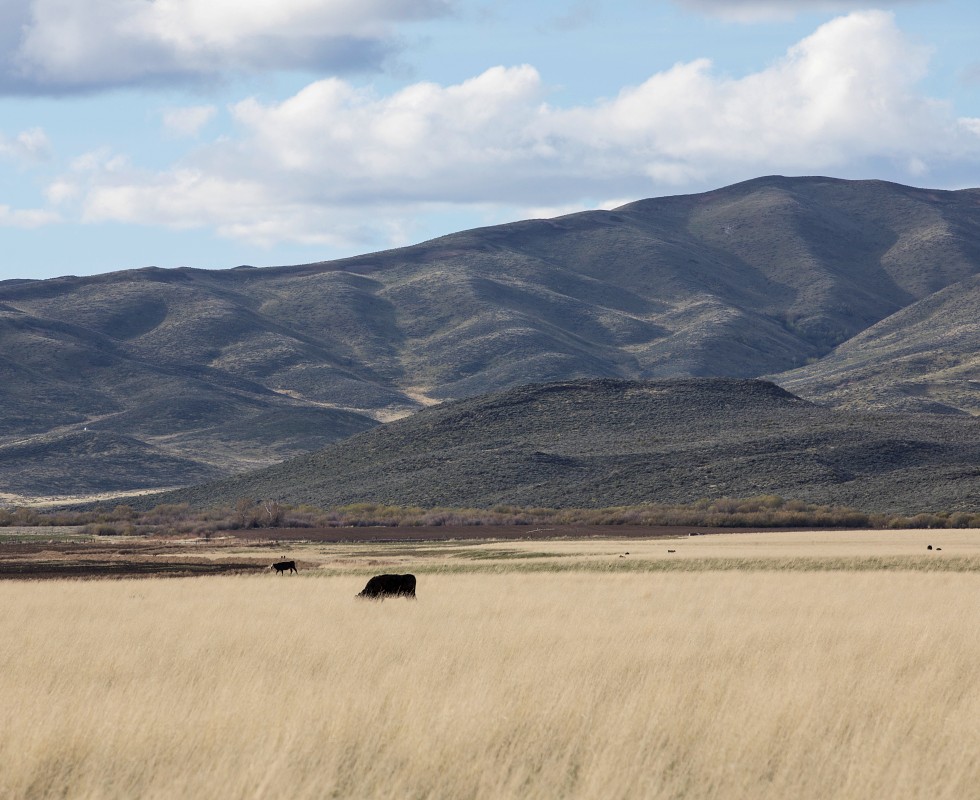
A lover of nature and hunting ever since he learned to shoot at the age of five, Hemingway traveled back and forth to Idaho for the last 20 years of his life before finally settling here. He is said to have put it this way: “Unless you were born in a test tube and think like a machine, you will etch all of this into your mind and never forget it.” The landscape has barely changed since. Thanks to that preservation, 1.6 million hectares spanning the Sawtooth and Boise National Forests have been designated wilderness. In a wilderness area, all forms of transportation, including cars and bicycles, are banned, and only activities that require no mechanized equipment are allowed. It is also the place the International Dark-Sky Association (IDA) named the first dark sky reserve in the United States. That means you shouldn’t panic if your car radio or cell phone signal drops out, and that you should stock up on fuel and food beforehand. You won’t find a gas station; drive more than 100 kilometers, and about all you’ll meet is a herd of cattle in a roadside pasture.
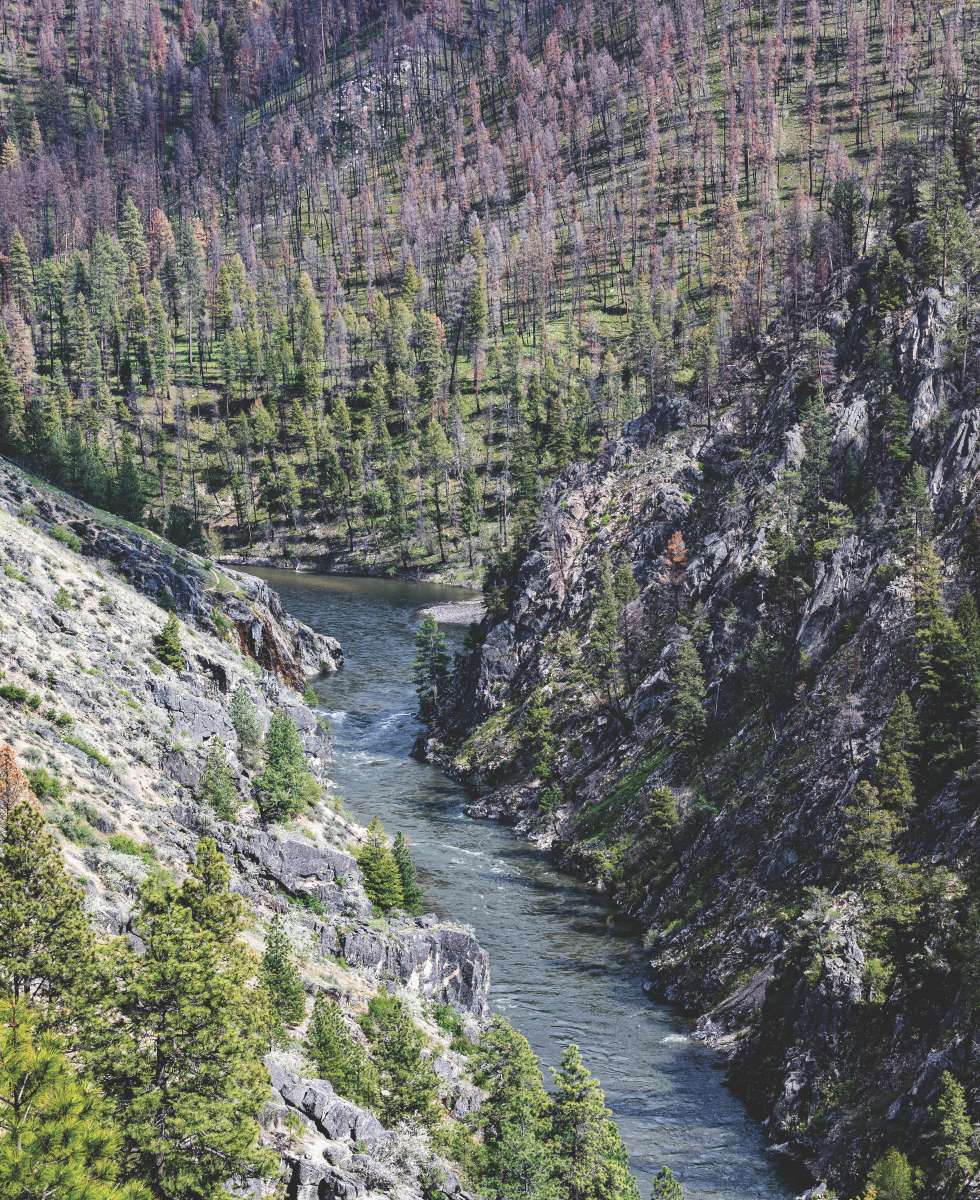
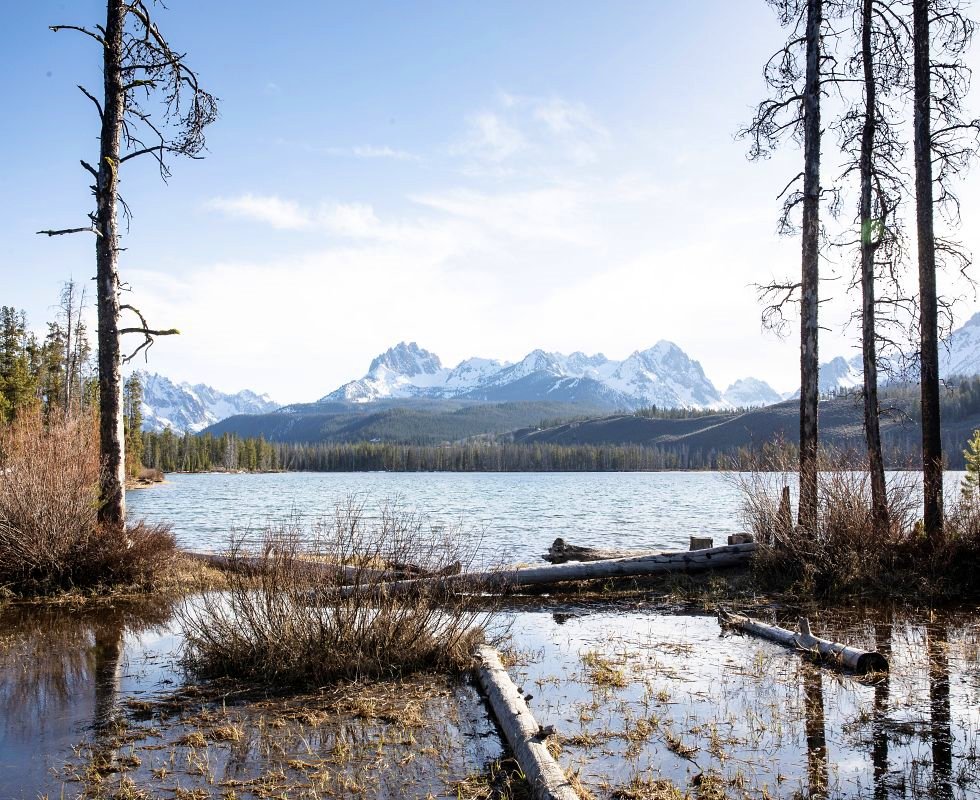
Deeper into the Sawtooth National Forest, ridgelines capped with perpetual snow appear far in the distance, jagged as saw teeth, just as the name promises. At Stanley, the town known as the gateway to the Sawtooth Wilderness, the road meets State Highway 75. With a population of fewer than 100, Stanley is a fine base for fishing, swimming, climbing, hiking and other activities. Even if you don’t stay long, you should pull over for a short hike to nearby Redfish Lake.
Sun Valley
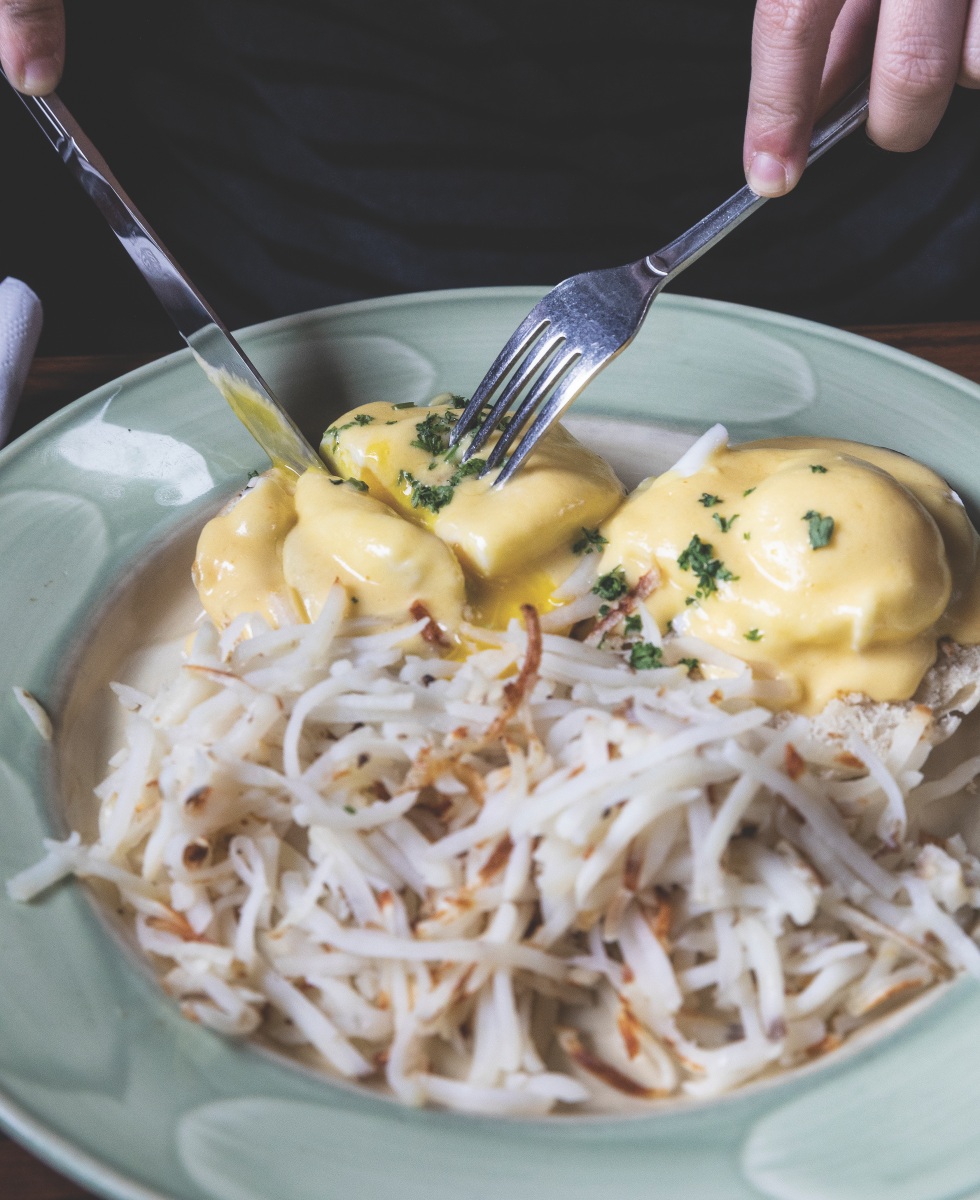
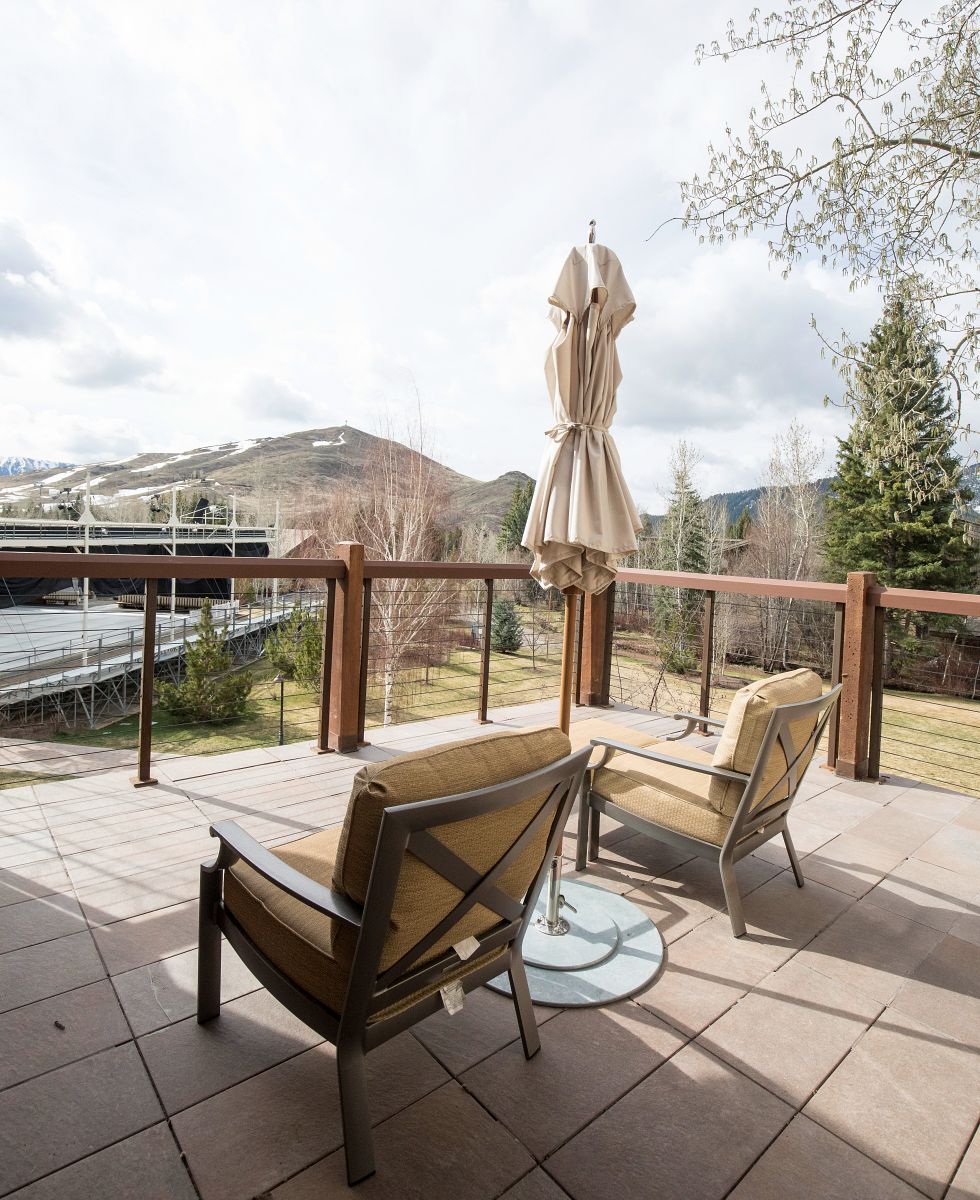
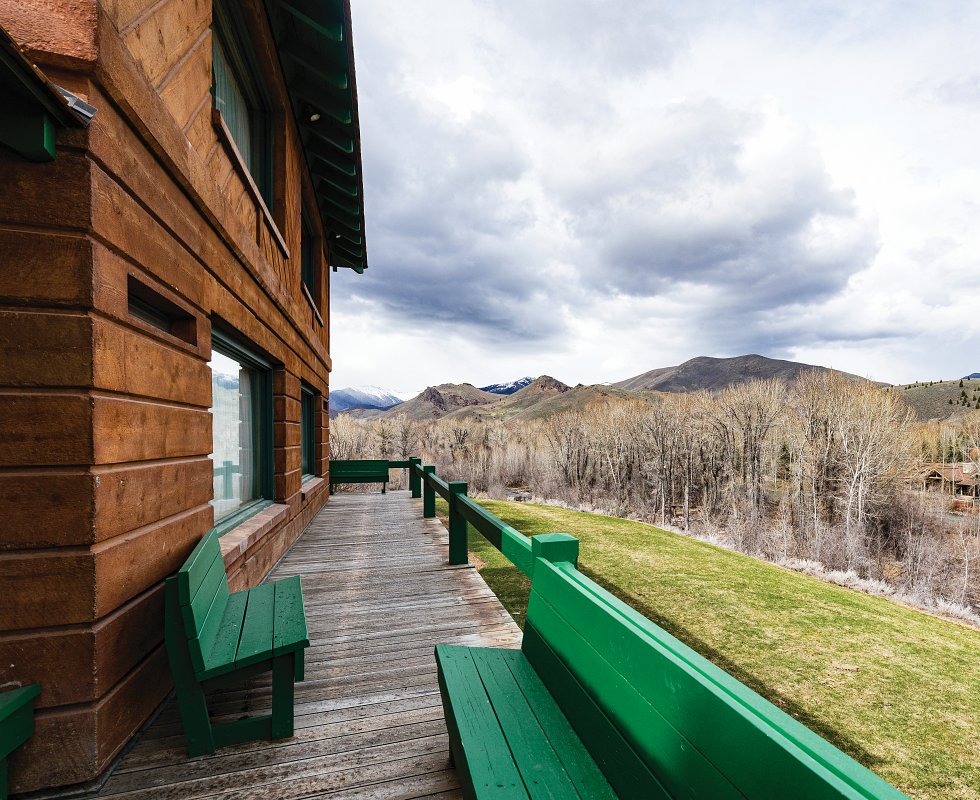
About an hour southeast of Stanley, we arrive at Sun Valley Lodge. In the 1930s, the Union Pacific Railroad combed the American West to develop the country’s first ski resort, and settled on a meadow beside Ketchum, then a mining town. Sun Valley Lodge opened in 1936 and soon became an upscale retreat for countless celebrities. The resort was fully renovated in 2015, but its distinctive exterior, with concrete treated to look like timber, and its understated yet luxurious atmosphere remain. So do the sitting room with its electric fireplace and the beds so huge you almost have to leap onto them. Sun Valley’s allure probably lies in how it delivers such comfortable modernity right beside the wilderness. In fact, since it first opened more than 90 years ago, Sun Valley Lodge has consistently aimed at modernity. The world’s first chairlift and the hokey pokey dance were both born here.
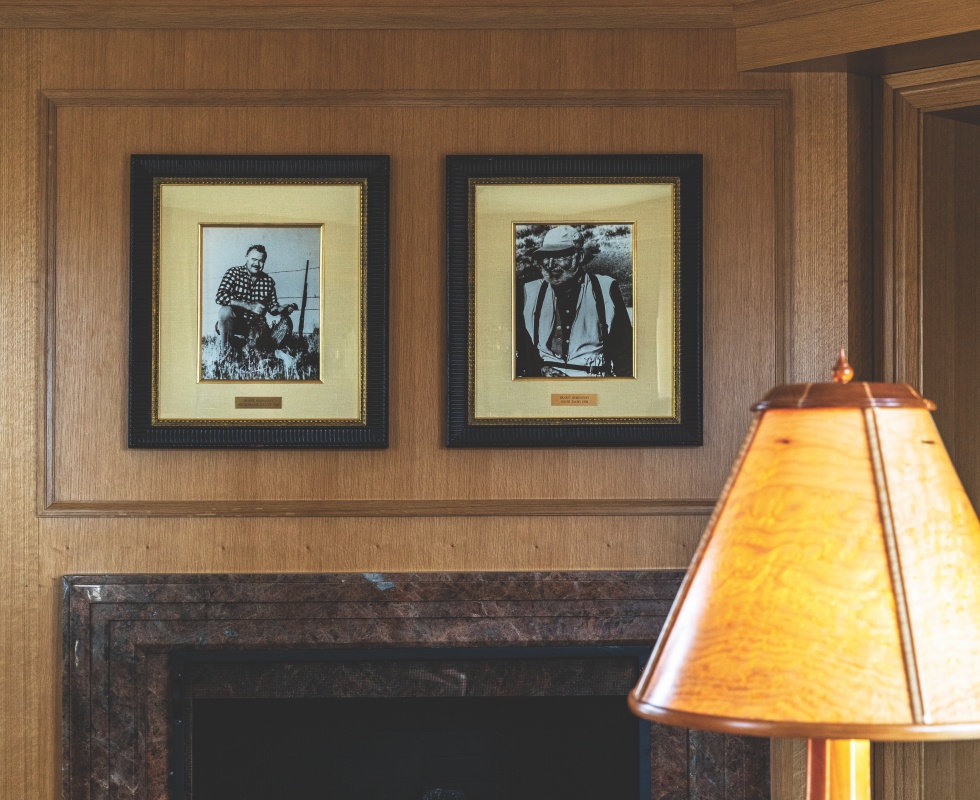
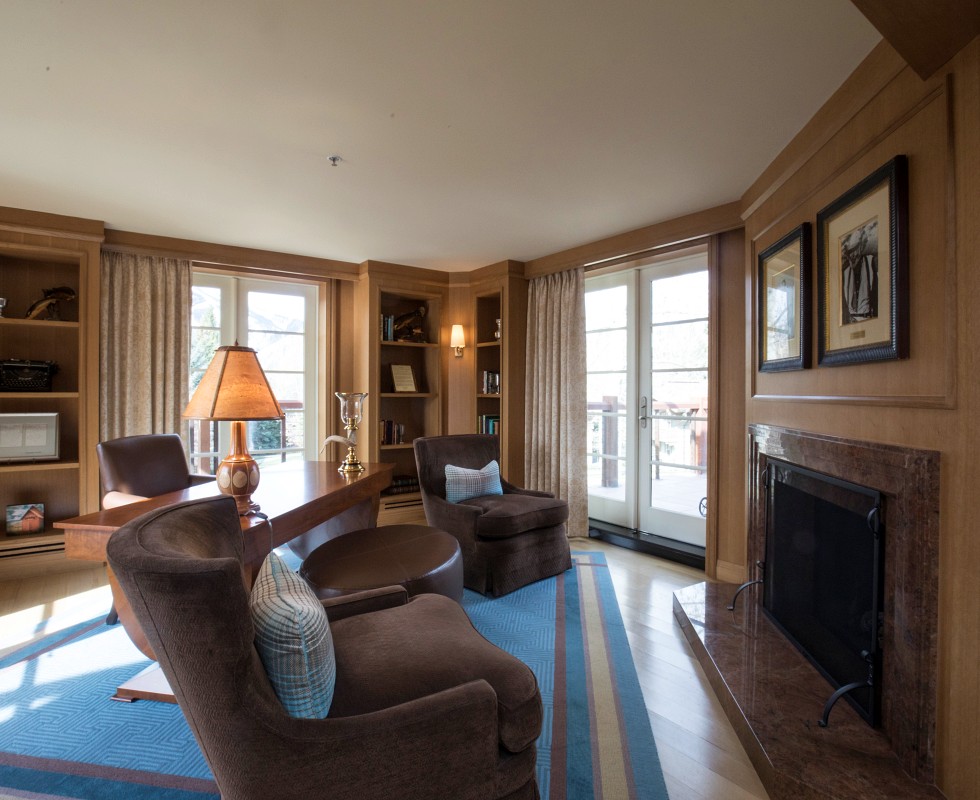
In 1939, Hemingway, one of the celebrities invited by Sun Valley Lodge, fell for the nature of the Wood River Valley and returned from time to time over the next 20 or so years. In exchange for posing for promotional photos for the resort, he could stay in Suite 206 whenever he liked. Each time, he went hunting with the likes of the hotel’s founder, Averell Harriman, and the actor Gary Cooper, and frequented the Casino, his regular bar in nearby Ketchum. Late in life, he commissioned the architect who built Sun Valley Lodge to design a house within walking distance of the hotel, and it was almost indistinguishable from one of the lodge’s rooms. He spent the last two years of his life there.
Sun Valley Lodge offers suites named after some of the countless celebrities who have visited the resort: Marilyn Monroe, Clint Eastwood and, of course, Hemingway. Mike Fitzpatrick, the marketing director and a longtime Hemingway fan, shows us around the Hemingway suite. The interior is dressed with Hemingway’s books, a typewriter and handwritten letters, and the mountain range visible through the picture windows overwhelms the viewer. Fitzpatrick explains that Hemingway would lie on a sun lounger on the suite’s front terrace and work on his typewriter. I imagine that the wild scenery resonated with the writer’s inner life: a natural storyteller’s gift, a linguistic sense that used only the words that were absolutely necessary, and a sense of responsibility, or perhaps a habit, of eating every animal he hunted.
Ketchum
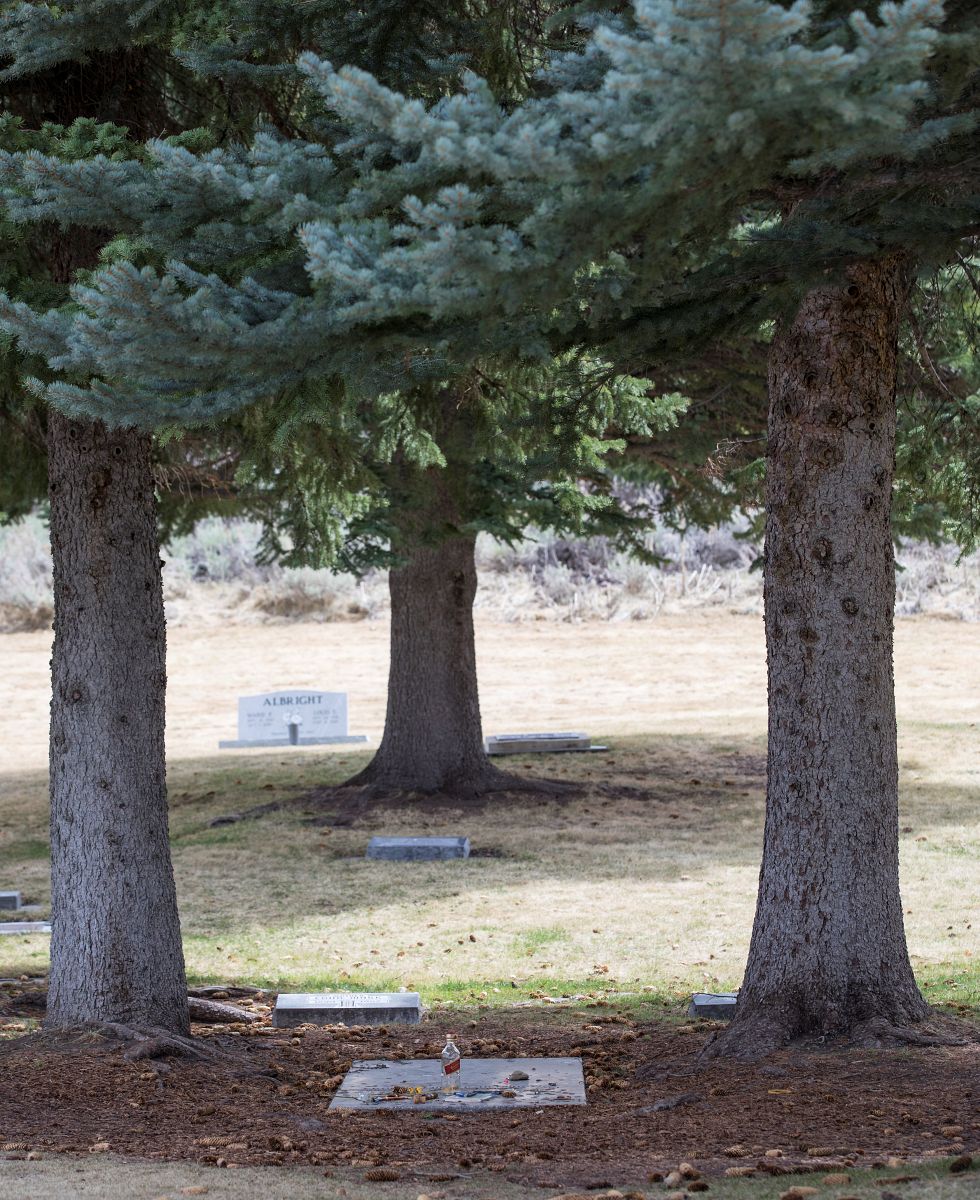
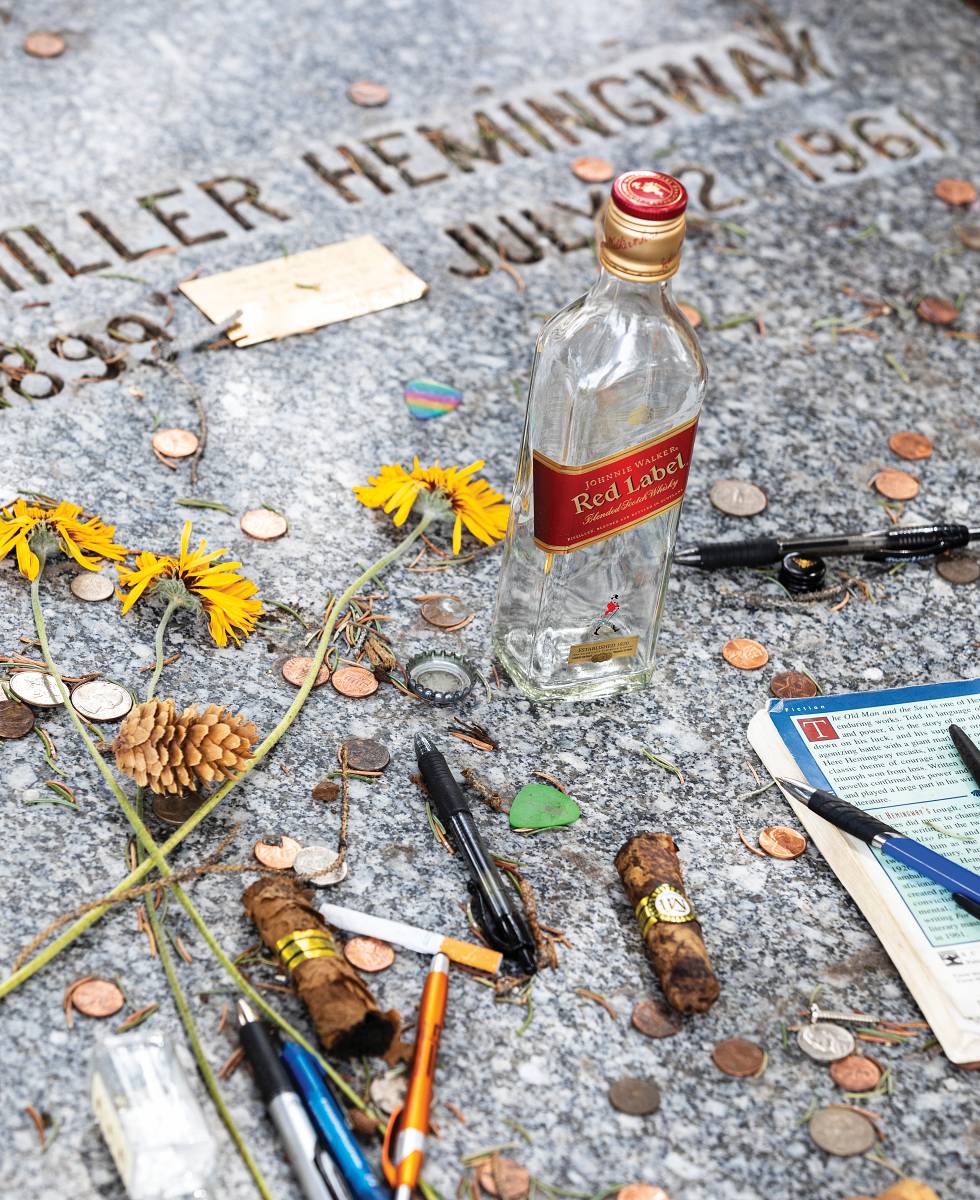
The way to find Hemingway’s grave in Ketchum Cemetery is to “follow the bottles.” Chances are an empty Johnnie Walker bottle or the like will be sitting on the grave of the hard-drinking writer. Alongside it you’ll find a paperback of “The Old Man and the Sea,” several ballpoint pens, coins and a few blooms of balsamroot. This wildflower, which grows in Boise’s Camelback Park as well as in the meadows of the Sawtooth, is said to feed the livestock of the prairie.
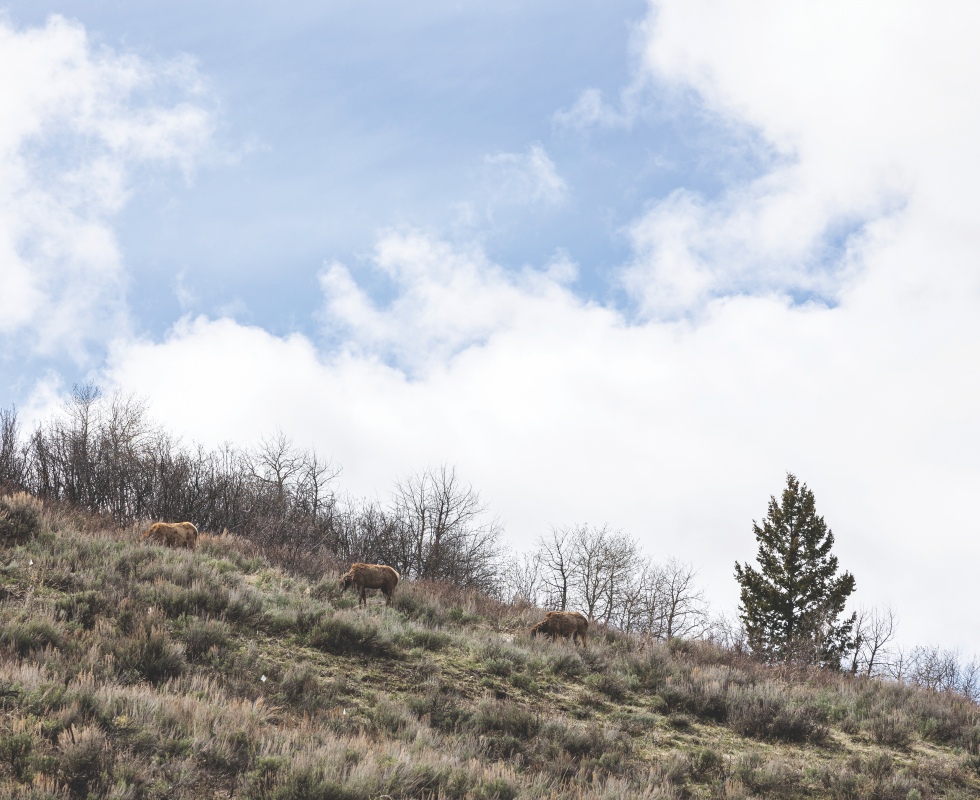
Paris, Key West, Havana, the Serengeti and Idaho. Hemingway left his footprints all over the globe. Some say he moved house every time he wrote a book. Indeed, after finishing “A Farewell to Arms” in Key West, he moved to Ketchum and began in earnest to write “For Whom the Bell Tolls.” Near Sun Valley Lodge stands the Hemingway House. The Hemingways are said to have often invited friends to this house, which was equipped with cutting-edge features including a built-in television. On a summer morning in 1961, Hemingway shot himself in the temple with a shotgun in the front hall. Declining health and paranoia are known to have been the causes. His wife, Mary, sealed off the spot and built a new entrance on the opposite side. The public is not allowed inside, but you can peek through the windows at the interior, preserved just as it was. A few elk wander the ridgelines surrounding the house. The mountainous area he would have looked out on while typing standing up because of back pain is now named the Hemingway–Boulders Wilderness.
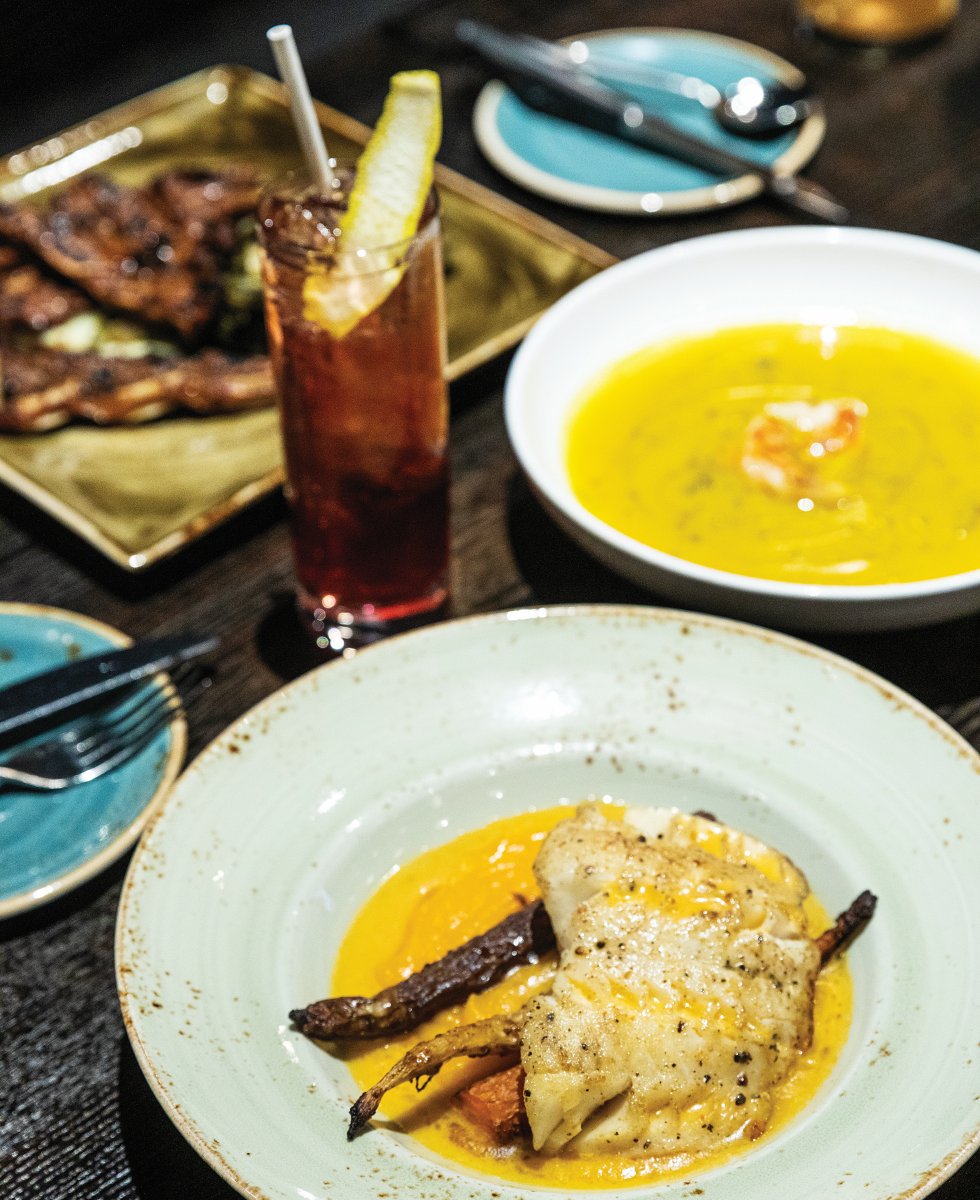
We decide to have dinner at Warfield Distillery & Brewery, next door to the Casino bar that Hemingway frequented. When we order “yesterday’s soup” and a cod dish, the waiter tells us the farm and region where each ingredient was sourced. We pair them with a cocktail made with No Return Gin, distilled from locally grown organic botanicals. “No Return” is also the name of a wilderness area in the northern Sawtooth National Forest. The meal is excellent, and the restaurant grows livelier by the minute.