From the dramatic scenery of the Japanese Alps to the deep scent of the sea. Two 48-hour journeys in search of flavor and style through Gifu and Toyama, prefectures that embrace the rich natural diversity of Honshu
Words Hur Taewoo
Photos Park Shinwoo
There are currently no direct flights from Korea to Gifu or Toyama, the two prefectures featured in this article, but getting there from various parts of Japan is easy, so you can plan your trip along several routes. Considering itinerary and travel efficiency, we recommend the following routes.
Route A: Pick up and return a rental car in Matsumoto, and fly home via Fukuoka
Incheon (International Airport) - Fukuoka - Matsumoto - Gifu - Toyama - Matsumoto - Fukuoka – Incheon (International Airport)
Route B: Return the rental car you picked up in Matsumoto, take the train to Nagoya, and fly home from Chubu Centrair International Airport
Incheon (International Airport) - Fukuoka - Matsumoto - Toyama - Gifu - Nagoya – Incheon (International Airport)
※ The domestic route linking Fukuoka Airport and Matsumoto Airport (Nagano Prefecture) is operated by Fuji Dream Airlines, and a fare for foreign travelers makes the trip more affordable (flight time about 1 hour 30 minutes). www.fujidream.co.jp/ko
Day 1. 10:30 Japan Alps
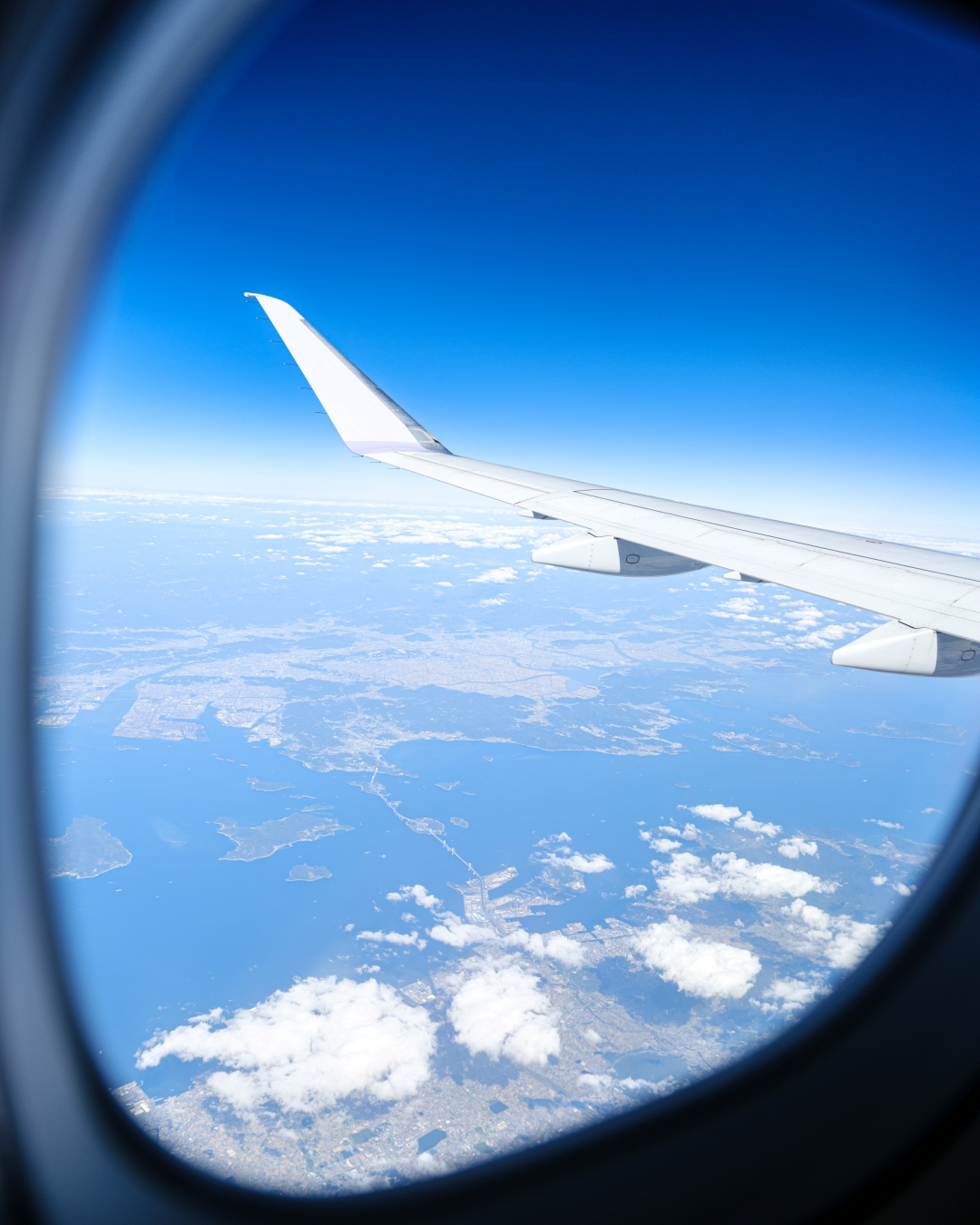
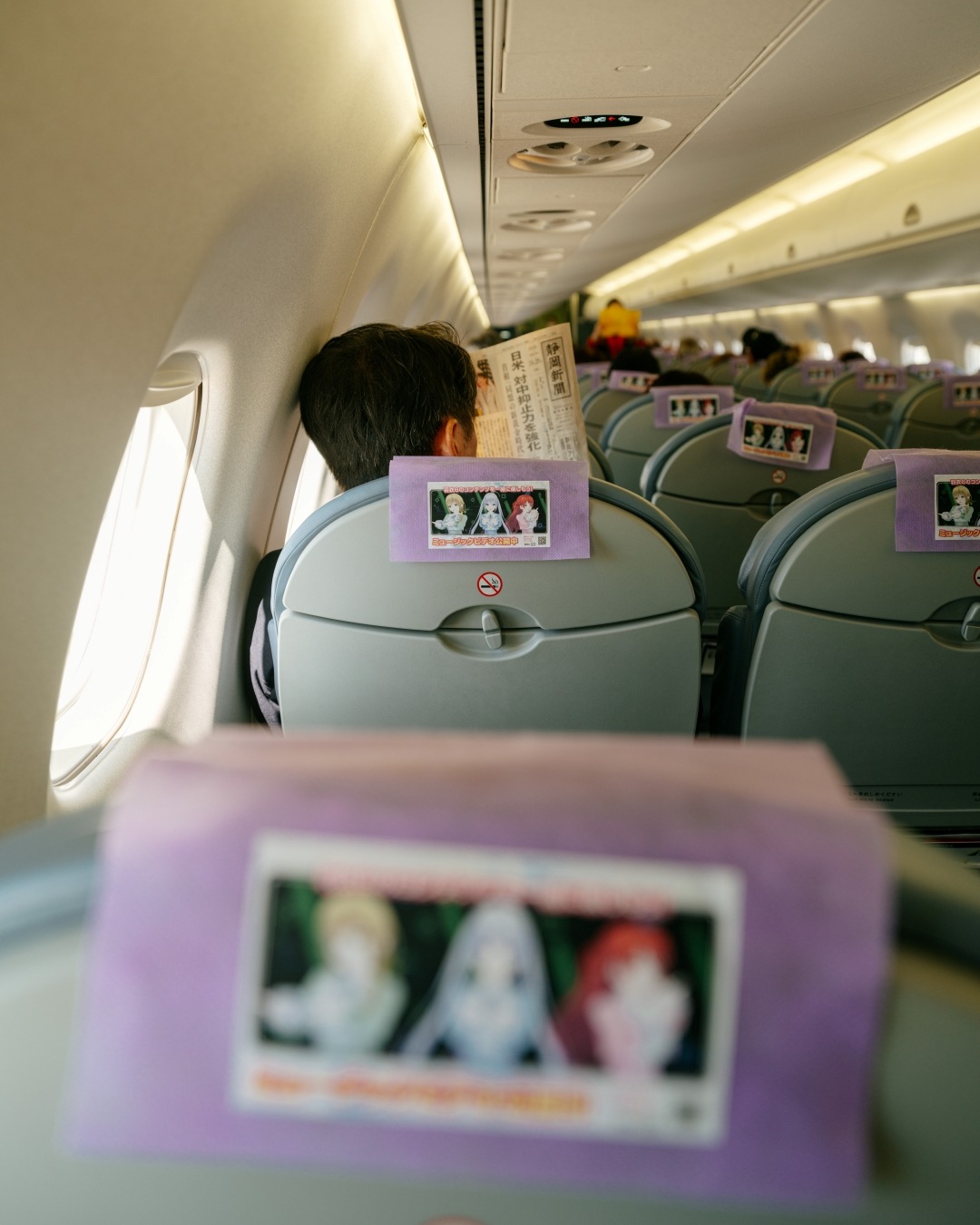
After taking off from Fukuoka Airport, the Fuji Dream Airlines (FDA) plane heads for central Honshu. Having crossed the Seto Inland Sea (瀬戸内海), it soon comes face to face with the massive mountain ranges of the Japanese Alps. The ridgelines run like a colossal folding screen across the land, and the soaring peaks are as fierce as a giant's roar. Looking at the view through the small window, you feel awe and fear in equal measure.
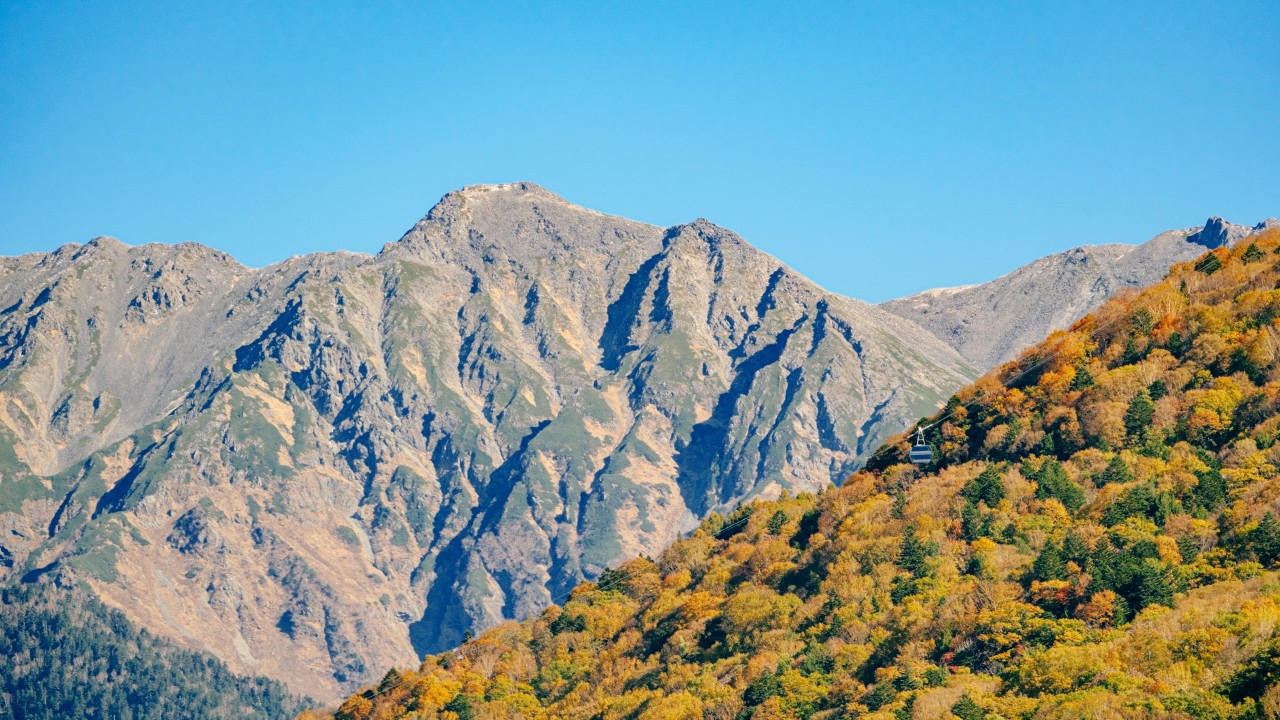
After a flight of a little over an hour, we land at Matsumoto Airport. In the distance, the Northern Alps come into view. The Northern Alps is the nickname of the Hida Mountains (飛騨山脈) in the Chubu (中部) region. Spanning Gifu, Toyama, Nagano, and Niigata Prefectures, the range stretches about 100 kilometers from north to south. Sheer cliffs and deep valleys unfold everywhere, yet transportation reaches areas more than 2,000 meters above sea level, so even beginners can easily experience the wonders of nature. Thanks to well-developed tourism infrastructure, travelers from around the world can't help but flock here from spring through fall to see the range at its best.
14:00 Mount Norikura 乗鞍岳
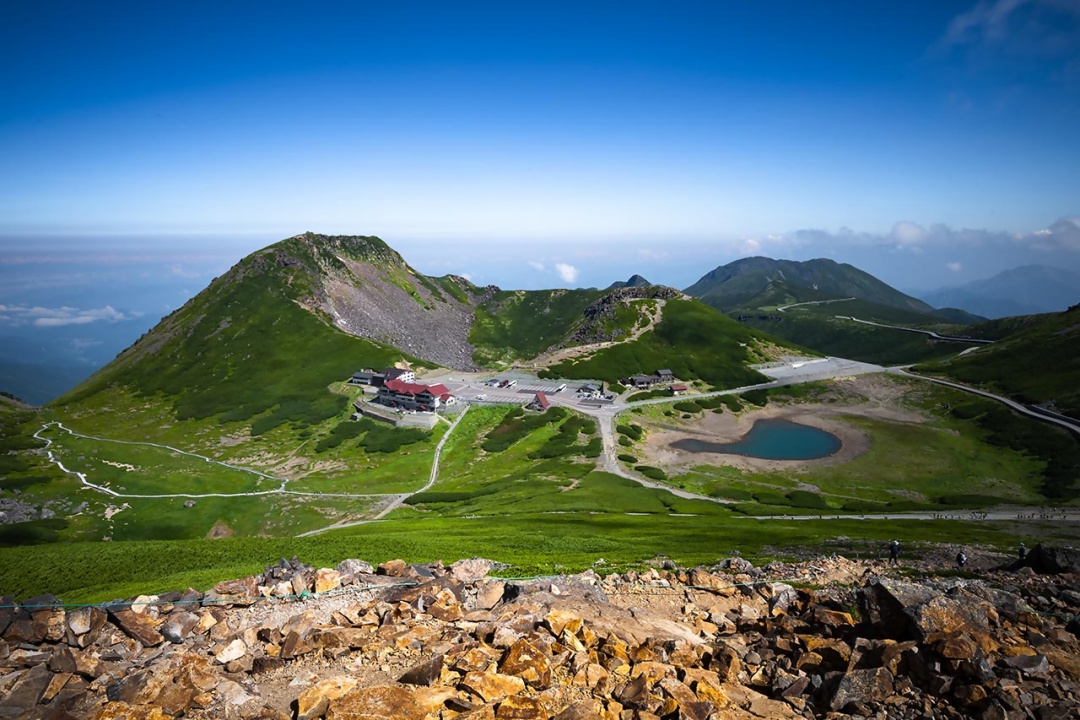
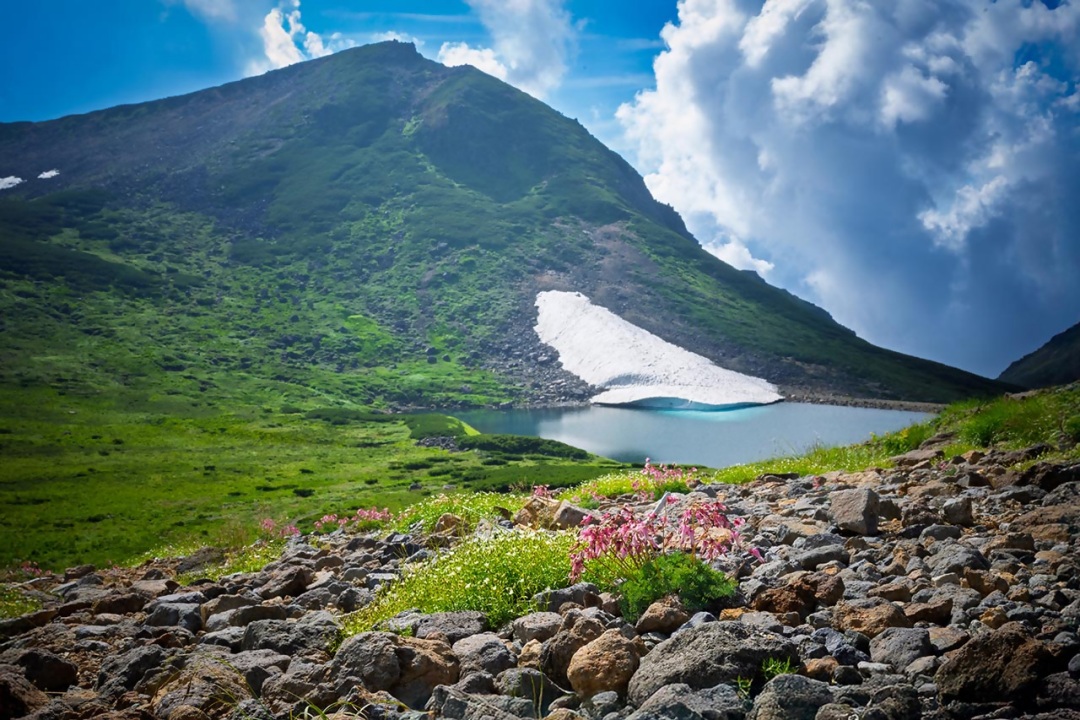
Entering from the east side of the Northern Alps, our car runs along a road that winds deep into the valley of the Azusa River (梓川). Forests ablaze with autumn color blanket the steep slopes, and the valley's waters rush down with the pull of gravity. Our first destination is Mount Norikura (乗鞍岳). At 3,026 meters, it is a high peak, yet it is easy to reach, which makes it a popular destination in the Northern Alps. As with other scenic spots in the Northern Alps, Mount Norikura can be reached only by shuttle bus or taxi to protect the natural environment, and it is usually open from mid-May through October.
If you transfer at the Honokidaira (ほおのき平) stop to the Norikura Skyline bus, you can reach Norikura Tatamidaira (乗鞍畳平), the highest bus stop in Japan, in about an hour. The elevation is 2,702 meters. Around the stop spreads a vast, picturesque treasure trove of alpine plants whose colors and forms change with every season. A nearly flat highland has formed here, and the clear lakes and lingering traces of snow on the peaks make the altitude tangible. You can hike around the area on well-kept trails, or boldly climb up and down the neighboring peaks. The summit, Kengamine (剣ヶ峰), is about 1 hour 30 minutes away on foot. Just push through a few breathless stretches, and you earn the gift of the Northern Alps seen from 3,000 meters above sea level, with grandeur and freshness that invigorate your whole body.
+Norikura Skyline bus round-trip fare from Honokidaira: 3,400 yen norikuradake.jp
18:00 Okuhida Onsen 奥飛騨温泉
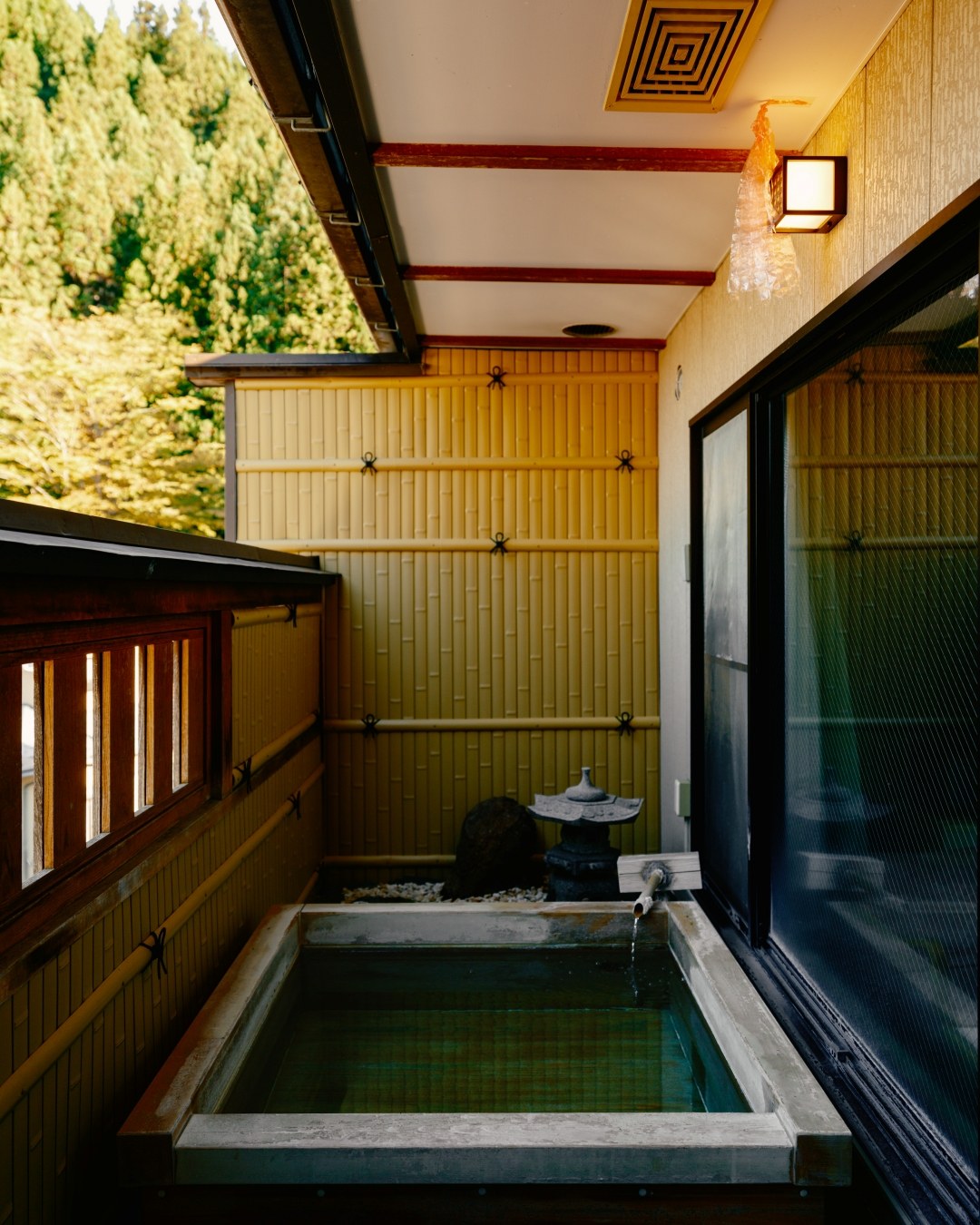
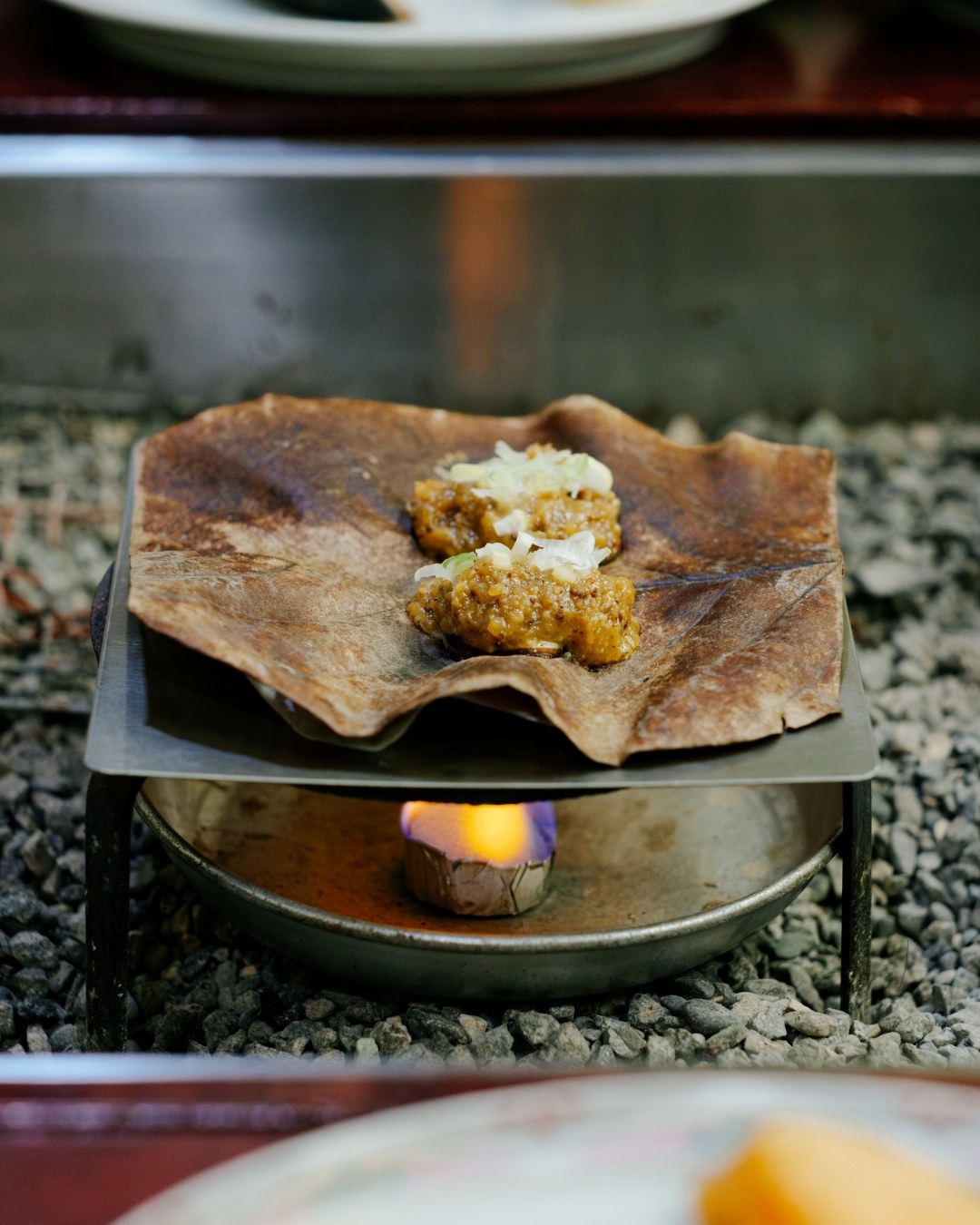
Okuhida Onsen is the hot spring area closest to the Japanese Northern Alps. In other words, it is the ideal place to rest before heading to the Northern Alps' attractions, or after returning from them. It is divided into five villages (Hirayu (平湯), Fukuji (福地), Shinhirayu (新平湯), Tochio (栃尾), and Shinhotaka (新穂高)), and all of them are designated National Hot Spring Resorts. Okuhida is especially known for having the most open-air baths in Japan. Transportation links to the Northern Alps are also convenient. From the Hirayu hot spring village, a shuttle bus reaches Kamikochi (上高地), the finest scenic spot in the Northern Alps, in just 30 minutes, and in Shinhotaka, the Shinhotaka Ropeway runs up to 2,156 meters above sea level.
The open-air baths of Okuhida hold a piece of Gifu's Hida Mountains. Unpack in a tatami room, open the window, and the mountains, already tinged by the sunset, draw near. Ryokan Kouyou (旅館 紅葉), by the roadside in the Shinhirayu hot spring village, is a lodging where you can steal glimpses of that sunset from rooms with their own small open-air baths. With 12 rooms in all, it is cozy, and you can feel the care put into both the hot springs and the meals. It also has a large communal bath and reservable private open-air baths, and above all the kaiseki meal, which includes Hida beef, Gifu's celebrated specialty, is superb. Charcoal-grilled sweetfish, a local dish of the Okuhida area, and gohei mochi (五平餅), rice cakes brushed with miso and grilled, are also delicacies. After dinner, sink halfway into the hot spring and look up at the night sky of the Northern Alps, and the day's fatigue vanishes like bubbles.
+Ryokan Kouyou, one night for two from about KRW 350,000: ryokan-kouyou.com
+Okuhida Onsen village: www.okuhida.or.jp/access
Day 2. 09:00 Hida Takayama 飛騨高山
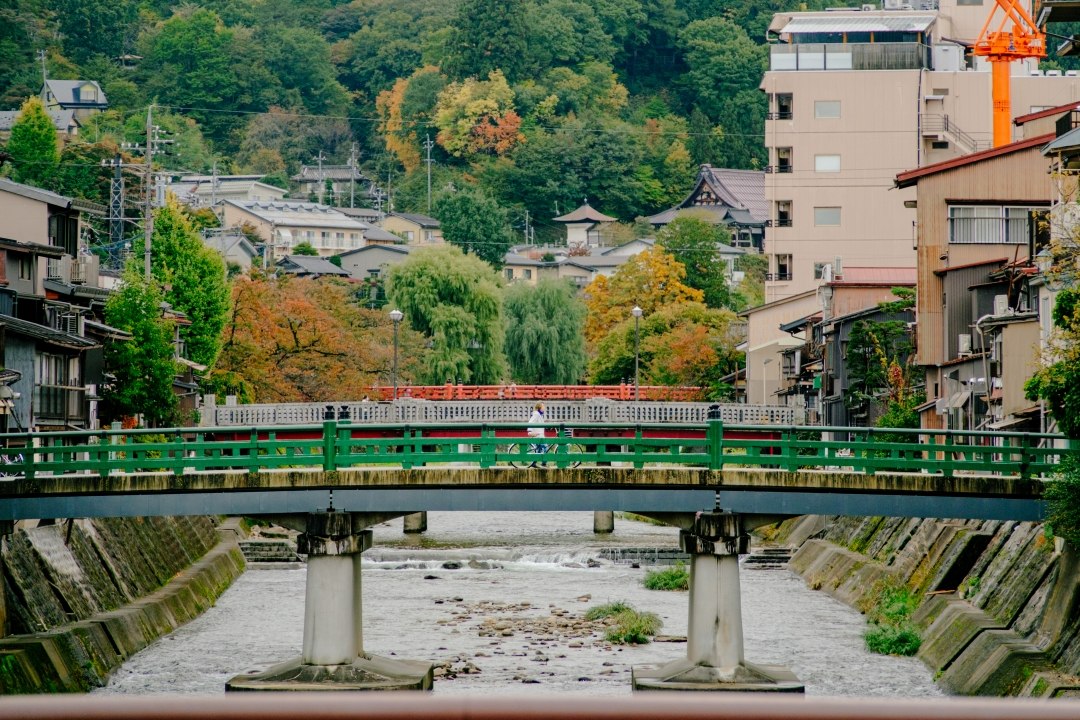
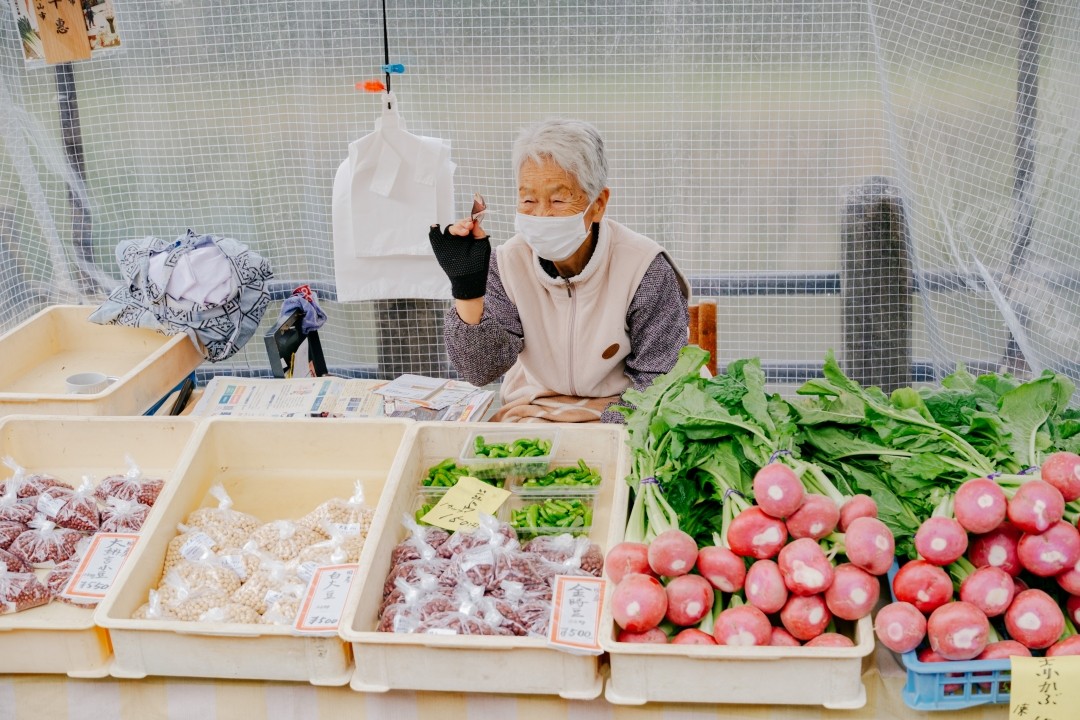
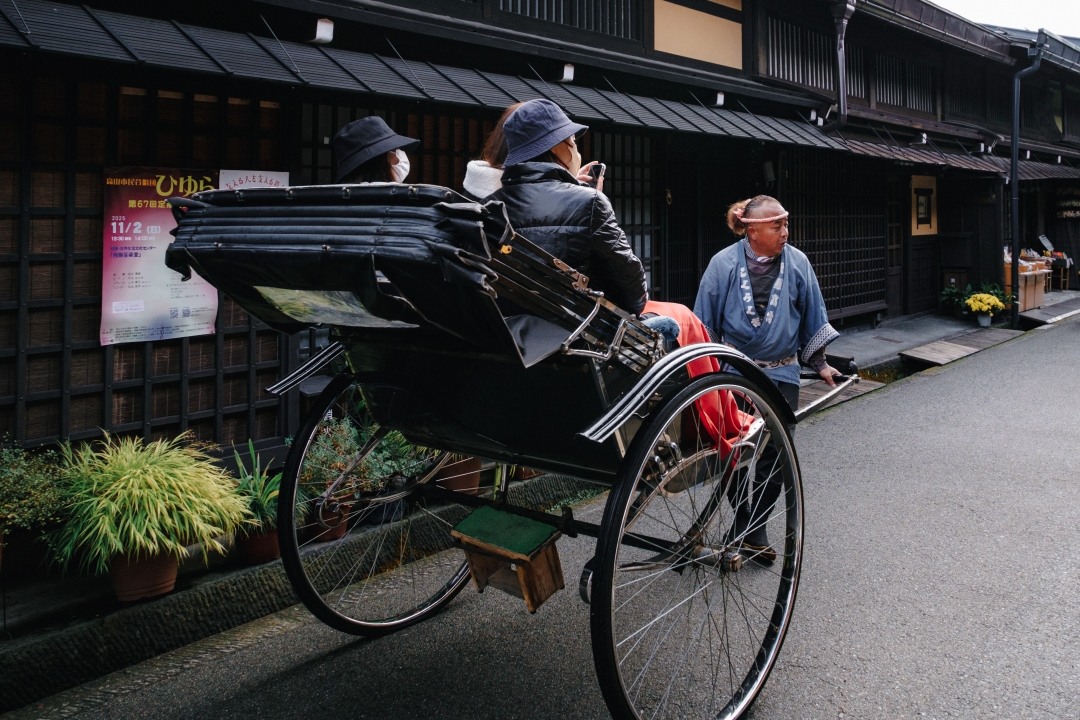
From Okuhida, it is an hour by car to Hida Takayama, known as the Little Kyoto of Gifu Prefecture. If you finish breakfast early and set out, you have plenty of time to explore Hida Takayama's signature Miyagawa Morning Market (宮川朝市). The market, held every morning along the Miyagawa River, is modest yet lively. Widely known as a must-visit in Gifu, it is always crowded with tourists of many nationalities, but it has kept its distinctive charm. Pausing at stall after stall selling fresh produce, handicrafts, and all kinds of food, you will find an hour or two slipping by. Standing on the border between a tourist attraction and a place where people go about daily life, it is an experience that never feels foreign.
Furui Machinami (古い町並), a nationally designated Preservation District for Groups of Traditional Buildings, draws even larger streams of visitors. The streets, which still preserve the atmosphere of the 17th-century Edo period, are charming at any time. The black latticed windows and entrances preserved on each building, the A-shaped roofs, and the small waterways running beneath the eaves fully convey the character of an old mountain town surrounded by the Hida Mountains.
+Miyagawa Morning Market: 7am~12pm, Shimosannomachi, Takayama, Gifu
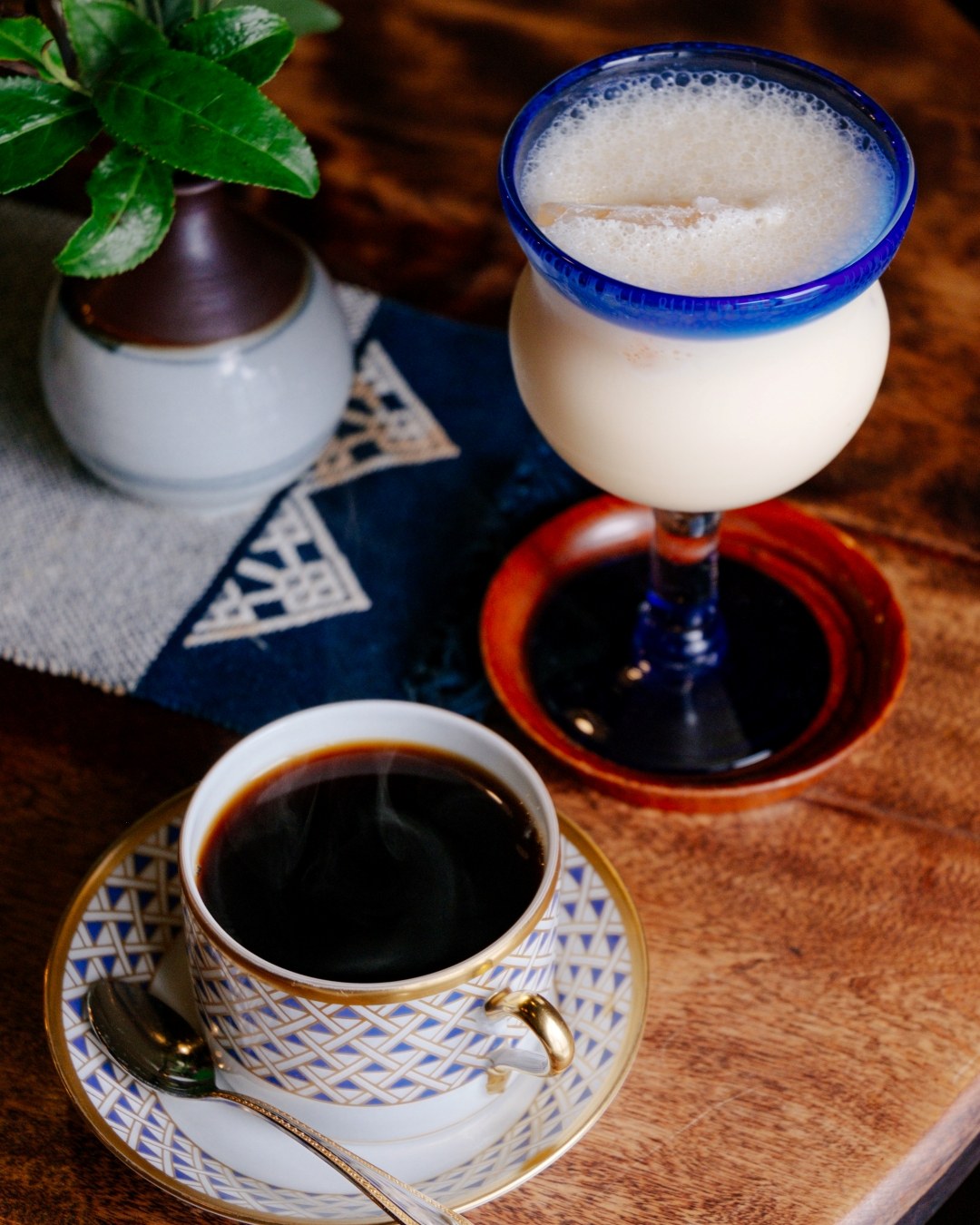
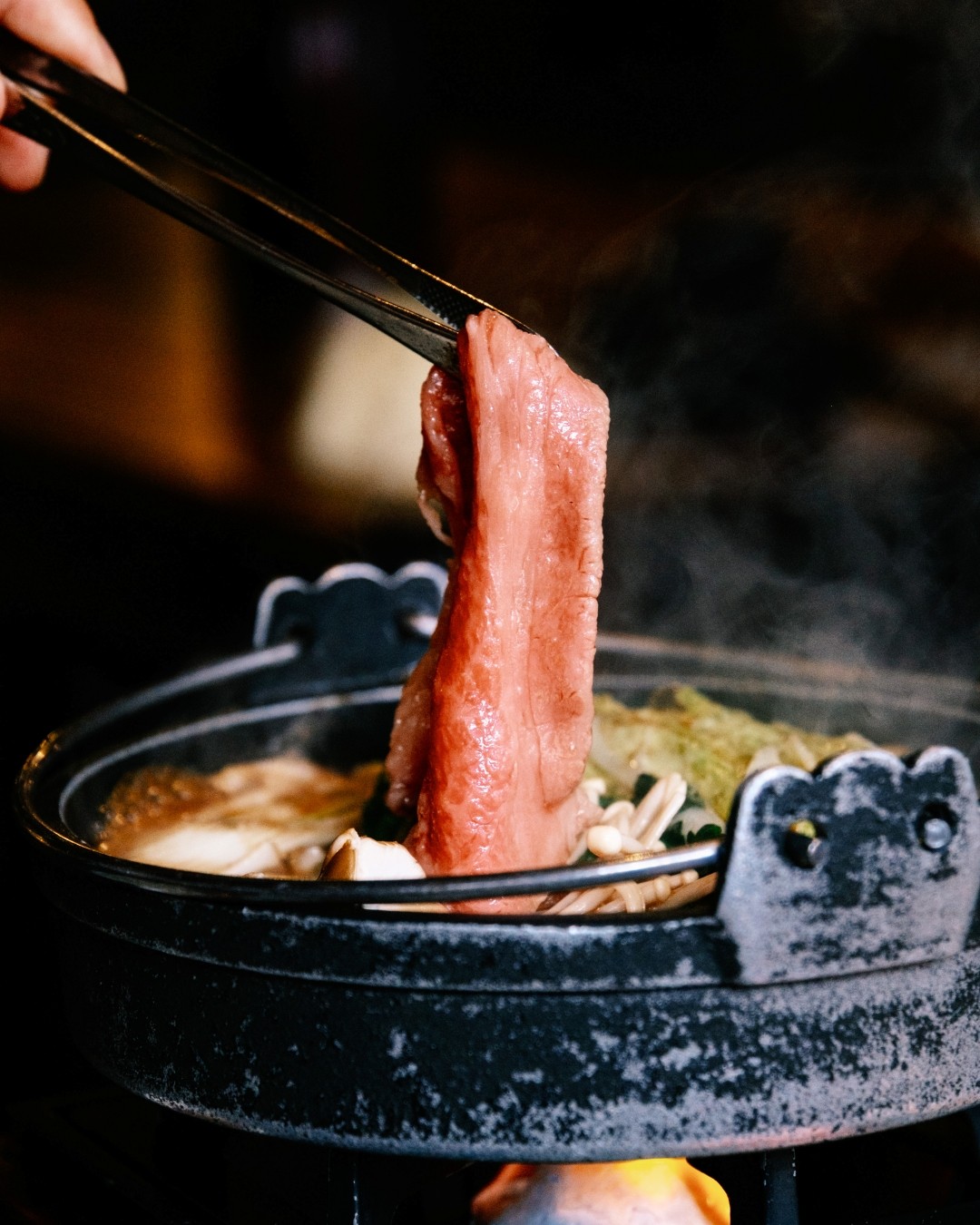
In the retro atmosphere of Ranka Coffee Shop (藍花珈琲店), which opened in 1975, I steady myself with a cup of dark coffee before joining the crowds in the street. The buildings lining both sides of the Sanmachi (三町) lanes in the preservation district are now mostly commercial spaces. As the cafés, restaurants, souvenir shops and sake breweries that lay quiet all morning open for business, tourists gather in swarms. The countless conversations, in a mix of languages, speak to Takayama’s popularity. Among the many shops, an especially long line has formed in front of Sakaguchiya (坂口屋). These people are waiting to taste the original Hida beef nigirizushi (hand-pressed sushi), with Hida beef laid over the rice. At around 1,000 yen for a set of two pieces of premium sushi, it isn’t cheap, but it seems something best eaten where it was born.
Ajino Yohei (味の与平), a Hida beef specialty restaurant, is a frequently recommended spot for lunch. It is run directly by Funasaka Shuzo (舩坂酒造店), a sake brewery with a history of more than 200 years. Inside the restaurant, set in an old private house, service runs with perfect precision. The table is set as soon as you order, and dishes come briskly out of the kitchen. You can try Hida beef steak, sukiyaki (beef simmered in a sweet soy broth), shabu-shabu (beef swished in hot broth) and more, and in the home of Hida beef, there is no need to question the quality of the meat. Thanks to the abundant marbling, it has a tender texture that seems to melt the moment it enters your mouth. The house sukiyaki sauce, made with sake brewed on site and local miso, adds a deep savoriness.
+Ranka Coffee Shop hand-drip coffee 650 yen : www.rankacoffee.com
+Ajino Yohei Hida beef 105g set 4,950 yen : funasaka-shuzo01.jimdoweb.com
13:30 Hida Furukawa 飛騨古川
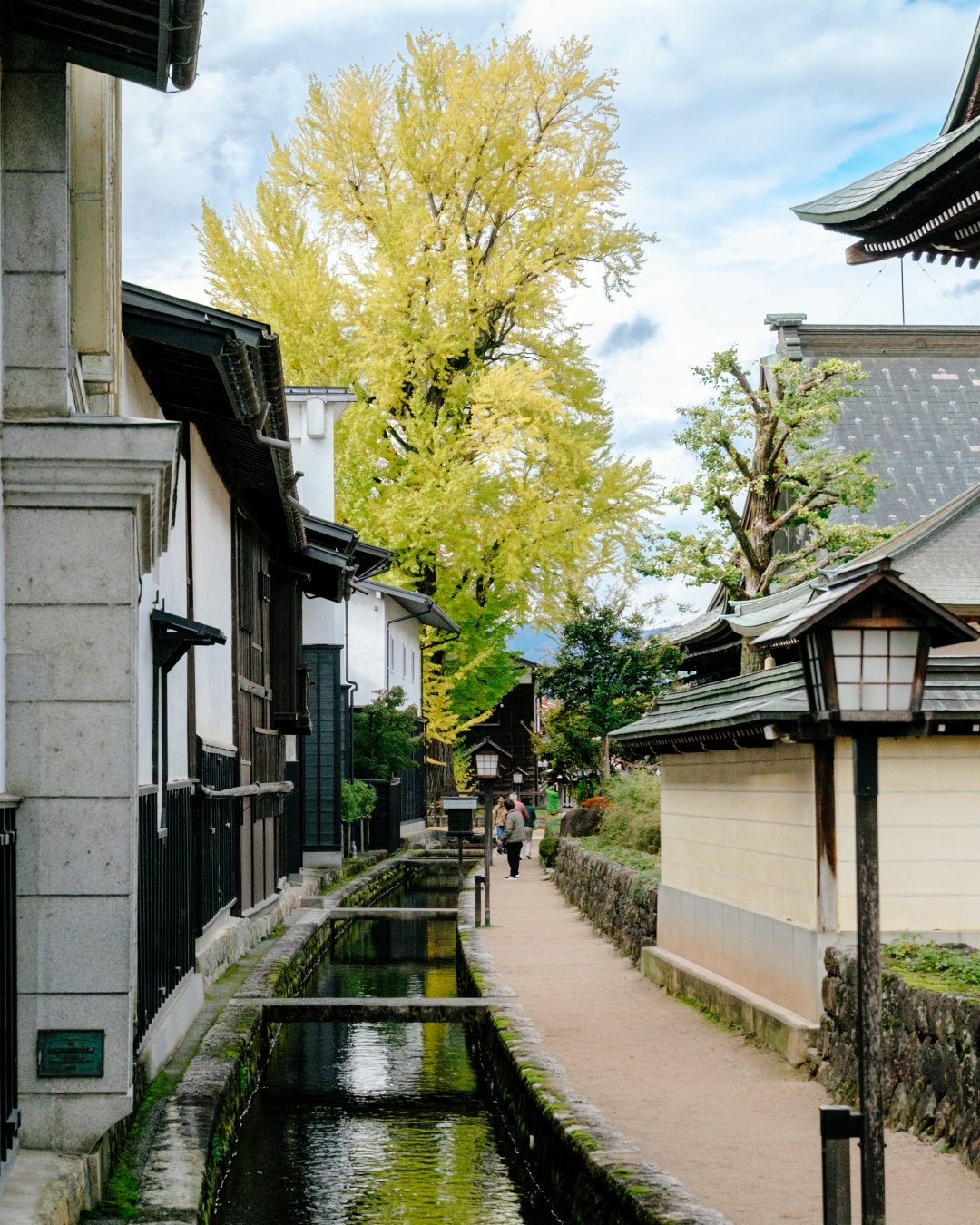
Hida Furukawa, a small town with relatively fewer visitors than Takayama, has a quiet elegance. It began to become widely known in Korea after appearing as a setting in the Japanese animated film ‘Your Name.’ The town’s original pride is the distinctive scenery created by the Seto River (瀬戸川), a clear canal running through the middle of town, and the white-walled storehouses of Shirakabe Dozogai (白壁土蔵街) lined up beside it. Built sturdily of earth in the 19th century by the town’s wealthy merchants and sake brewers to store their goods, the storehouses are said to have signified their owners’ wealth in proportion to their size. From spring to autumn, ornamental carp swim in the Seto River, and from autumn to spring, the surrounding trees fill with fall color and frost-laden snow. The town’s scenery, changing with every season, stops visitors in their tracks again and again.
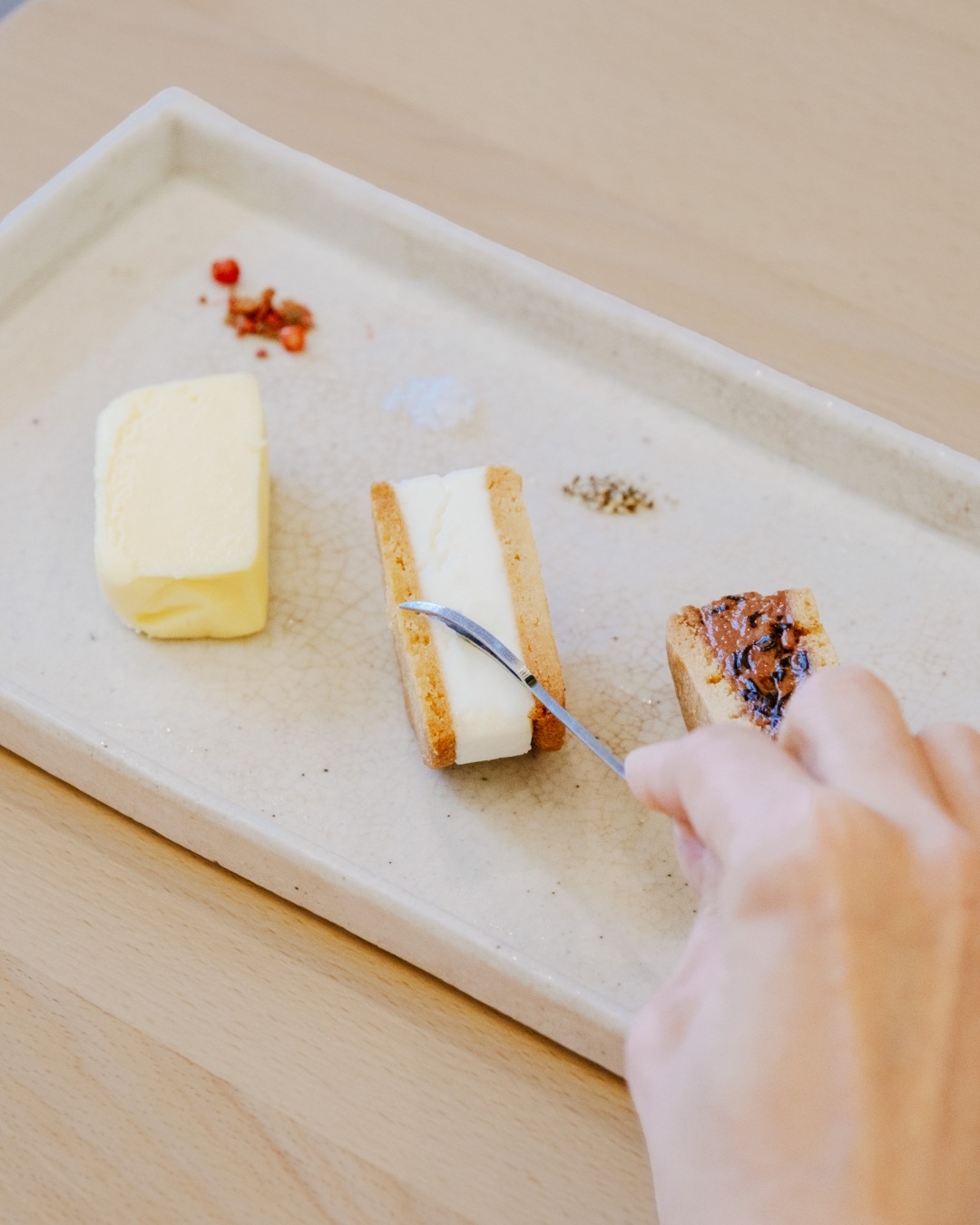
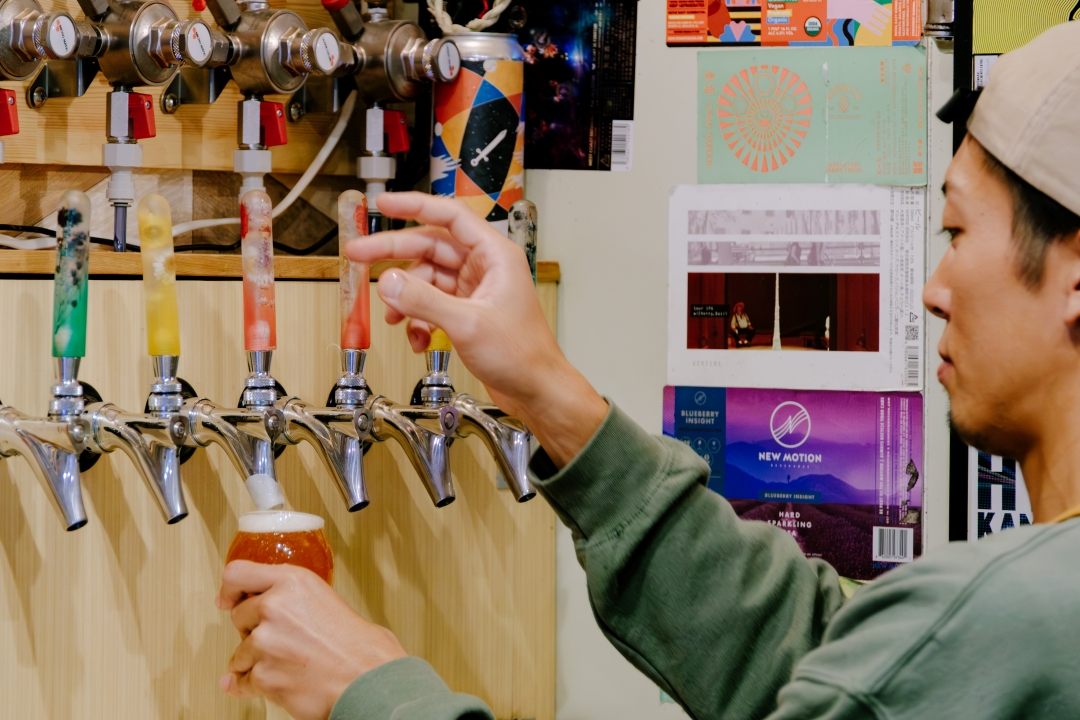
Another charm of Hida Furukawa is its local shops, tucked away out of sight. Wander a little, and you may find surprisingly excellent cafés and boutiques. Among them, Hida no Oku Brewery, the first craft brewery established in Hida, in 2021, may be young but has won several awards at Japanese beer competitions. Here you can taste refreshing beers such as the Kuromoji Dark Ale, infused with the aroma of kuromoji (黒文字) wood gathered from the forests of Hida. Visitors to Hida Furukawa also love to stop at Nijushi (二十四), a dessert shop with a refined sensibility. Run by Yatsusankan (八ツ三館), a renowned ryokan with a 150-year tradition, it serves a rich, deep cheese terrine whose single slice leaves a lingering finish on the tongue.
+Hida no Oku Brewery three-beer tasting 1,000 yen : hida_no_oku.brew
+Nijushi cheese terrine 600 yen : 24-nijushi.com
15:30 Shinhotaka Ropeway 新穂高ロープウェイ
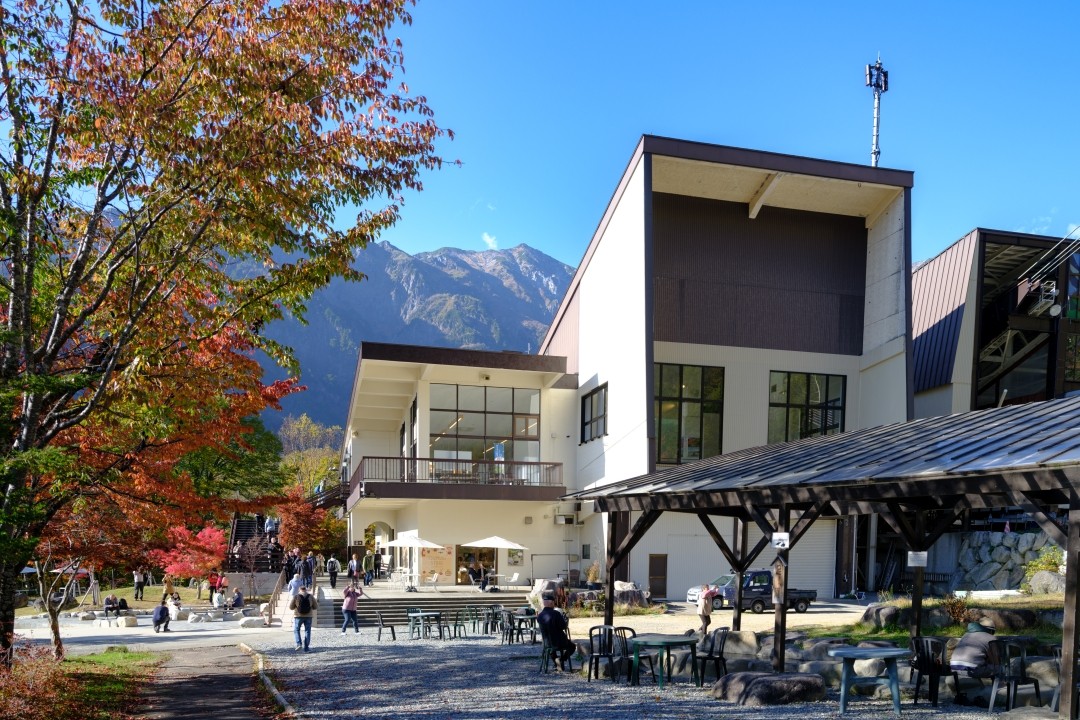
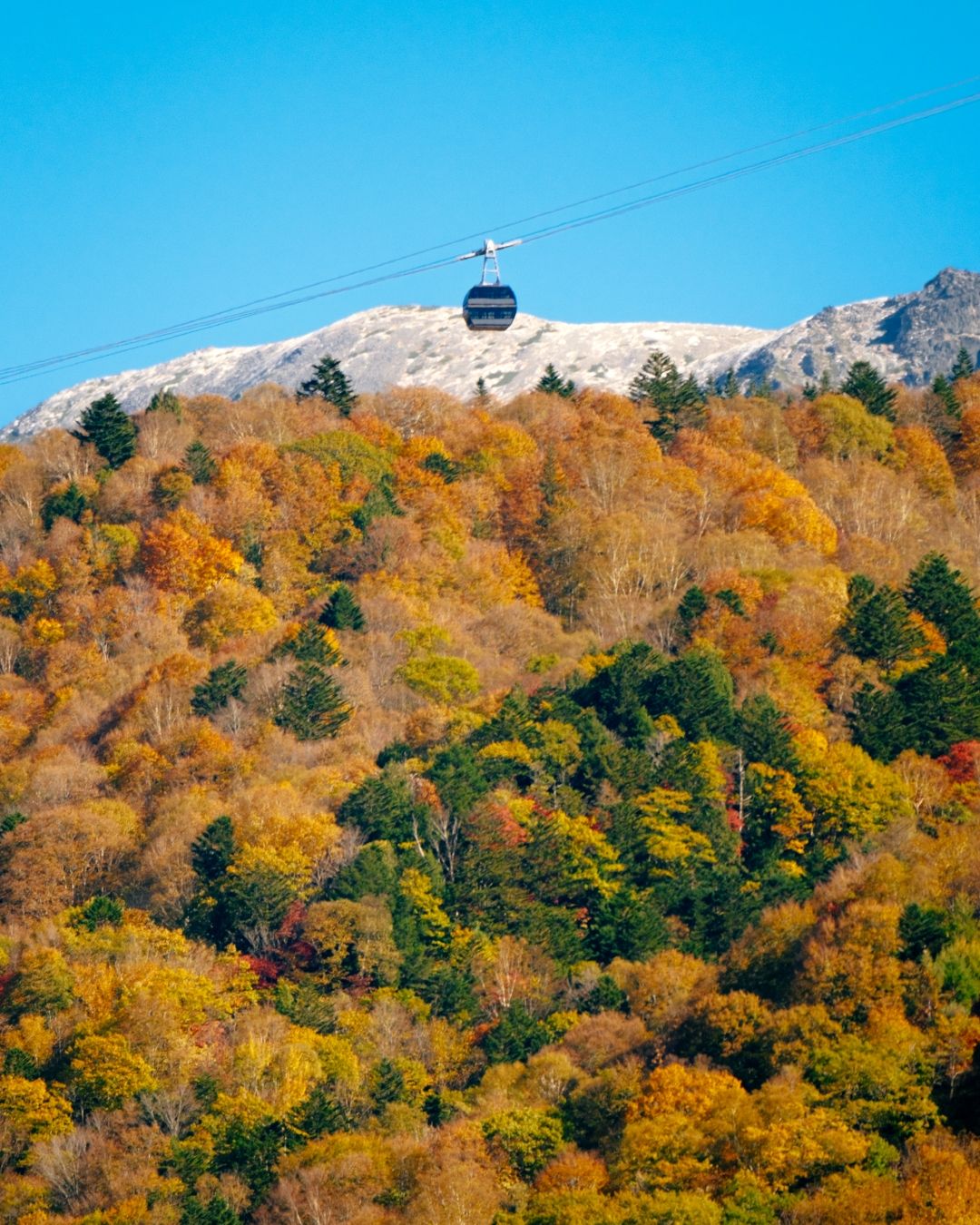
The Shinhotaka Ropeway in Okuhida is a gondola that climbs in one go, by way of Shirakabadaira Station (しらかば平駅), to Nishihotakaguchi Station (西穂高口駅) at 2,156 meters above sea level. Running at a fairly brisk speed, the gondola carries its passengers as if piercing through the panorama of the Northern Alps the moment it leaves Shirakabadaira Station (しらかば平駅), the ropeway’s second stop. During the short ride across the deep valleys and dense virgin forest below, every passenger’s eyes are turned to the surrounding peaks. As Japan’s only double-decker gondola, it offers an exceptional sense of openness and a refreshingly wide view.
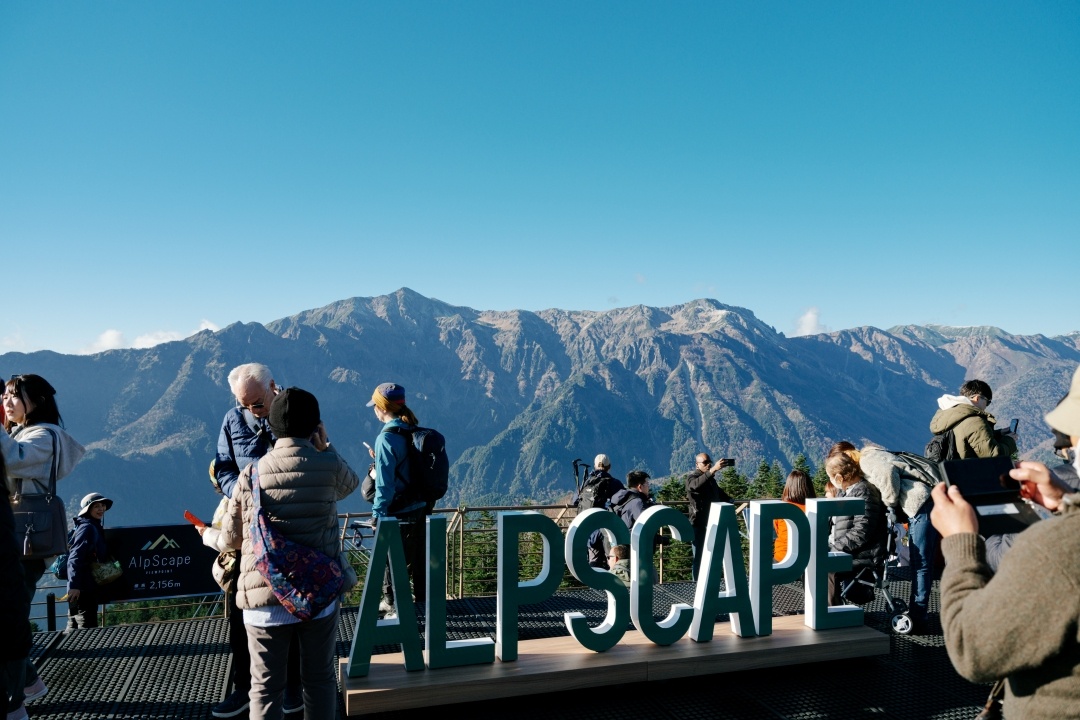
Once you arrive at Nishihotakaguchi, group tourists, hikers and climbers with 50-liter packs scatter to enjoy the Alps in their own ways. The busiest spot is the newly renovated panoramic observation deck. From the timber-decked AlpScape observation deck, the peaks of the Northern Alps unfold in 360 degrees, close enough to touch, including Okuhotakadake (奥穂高岳, 3,190m), the third-highest mountain in Japan, as well as Yarigatake (槍ヶ岳) and Kasagatake (笠ヶ岳). Itadaki no Mori (頂の森, “Forest of the Summit”), connected to the station, lets you take in the surrounding views on a short walk of about 30 minutes. With terraces, observation decks and walking trails, it is easy enough for first-time hikers to enjoy. The Forest of the Summit also links to multiday long-distance routes. You can take on the Nishihotakadake section, considered the most spectacular and most dangerous stretch of the Northern Alps, or follow the steep trails up and down for about five hours of hiking to Kamikochi. Of course, most people simply ride the ropeway back down from the observation deck, but even that is enough to make a moment in the Japanese Alps feel complete.
+Shinhotaka Ropeway round-trip fare 3,800 yen : www.shinhotaka-ropeway.jp