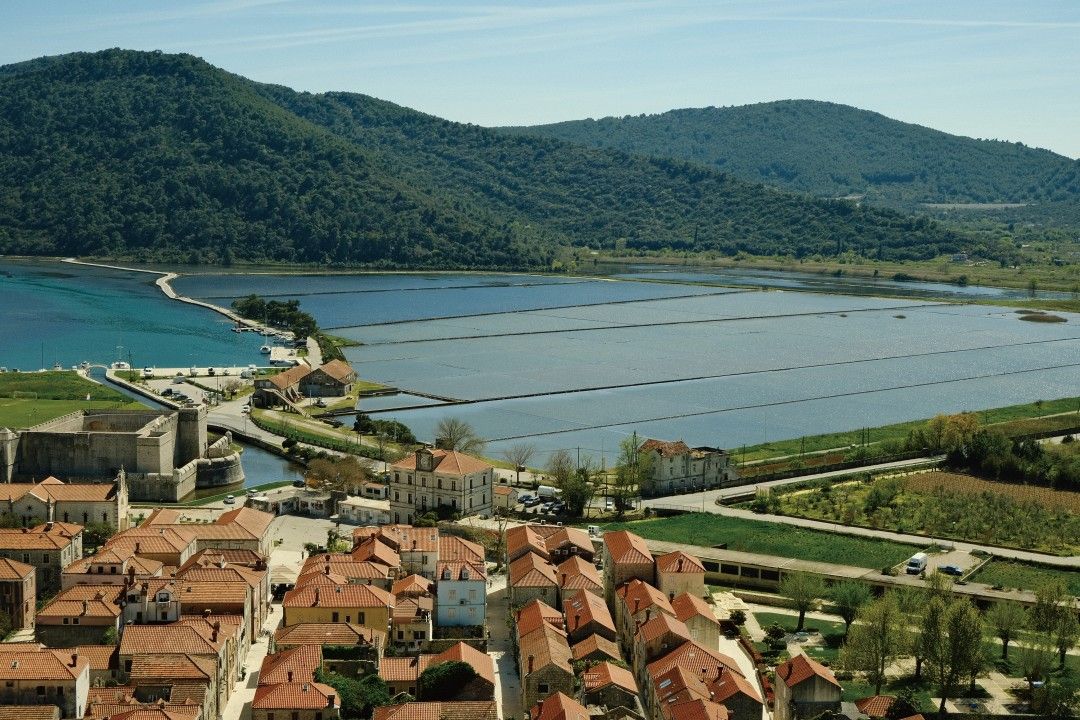
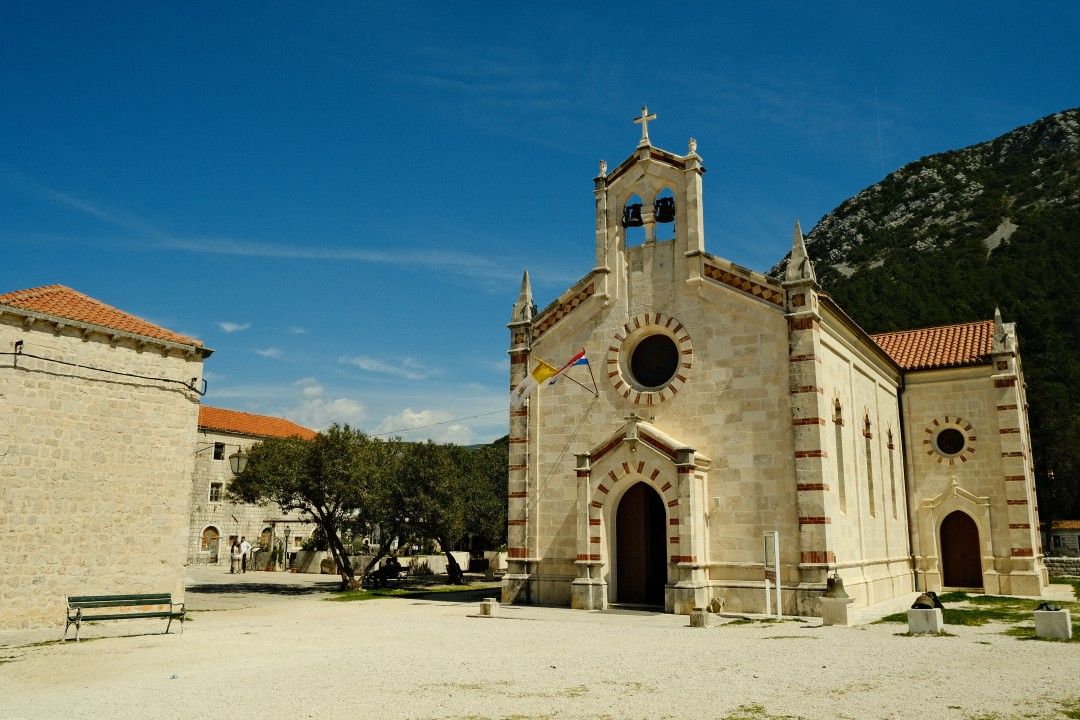
Ston, Croatia, is a small town of salt and walls. To protect its precious salt, the old Republic of Ragusa ringed Ston with fortifications and built a defensive wall of about 7 kilometers all the way to Mali Ston. Today travelers climb Ston’s walls to look down over the gridded town and its salt pans in a single glance, then taste oysters raised in the waters of Mali Ston.
Words & Photos Hur Taewoo
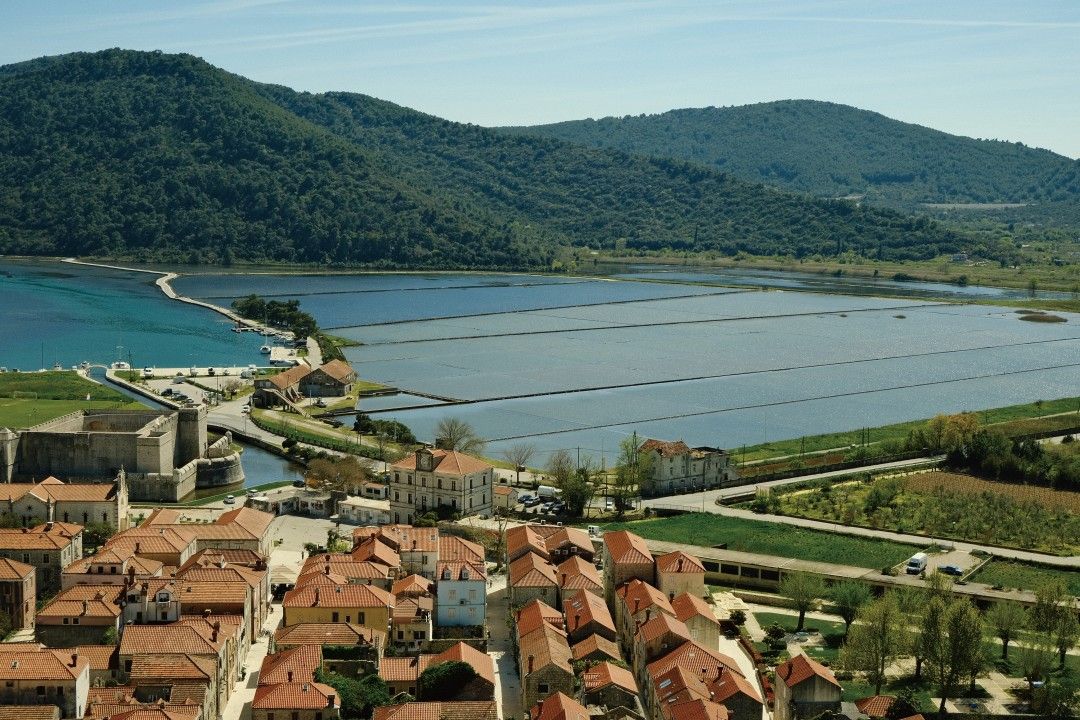
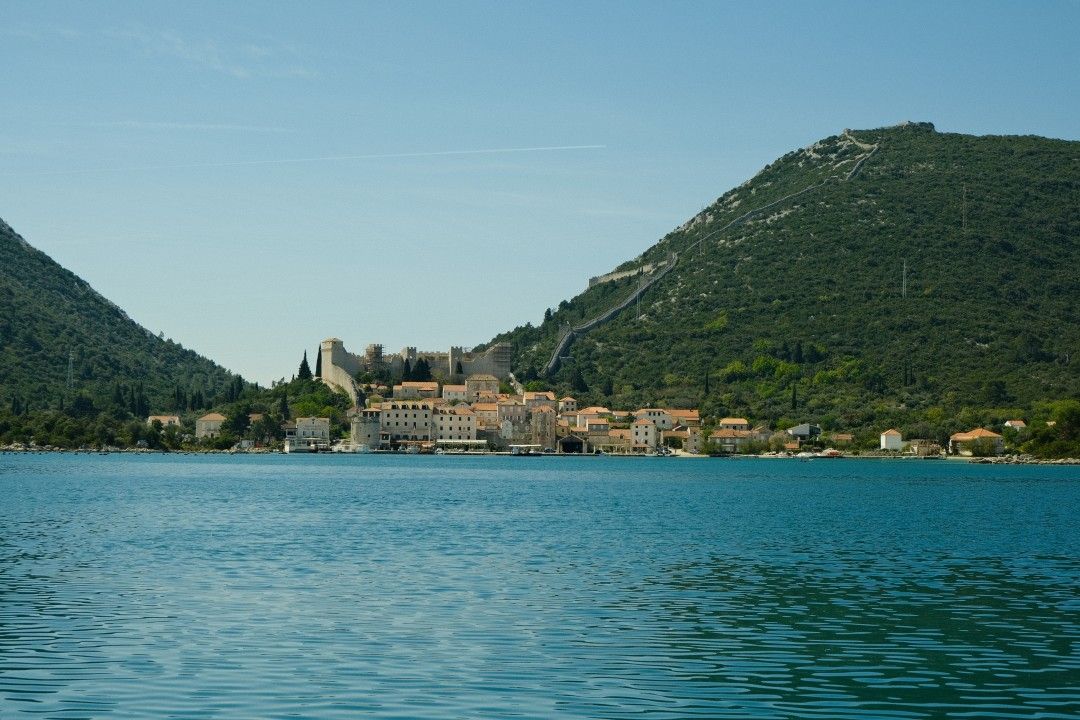
Salt harvesting, which dates back to ancient Roman times, made Ston a strategic stronghold at the gateway to the Pelješac Peninsula. In the 14th century, the Republic of Ragusa bought the area from the Serbian kingdom and built a rigorous defense system to protect Ston’s salt pans. At the time, natural salt was so valuable that it was considered “white gold,” and the state that owned it gained wealth and power. The Republic of Ragusa designed Ston as a gridded town for easier defense and enclosed it within walls. As if that were not enough, it also built a wall about 7 kilometers long, running over the hill to Mali Ston. It was, quite literally, an effort to seal off the entire route by which invaders might arrive.
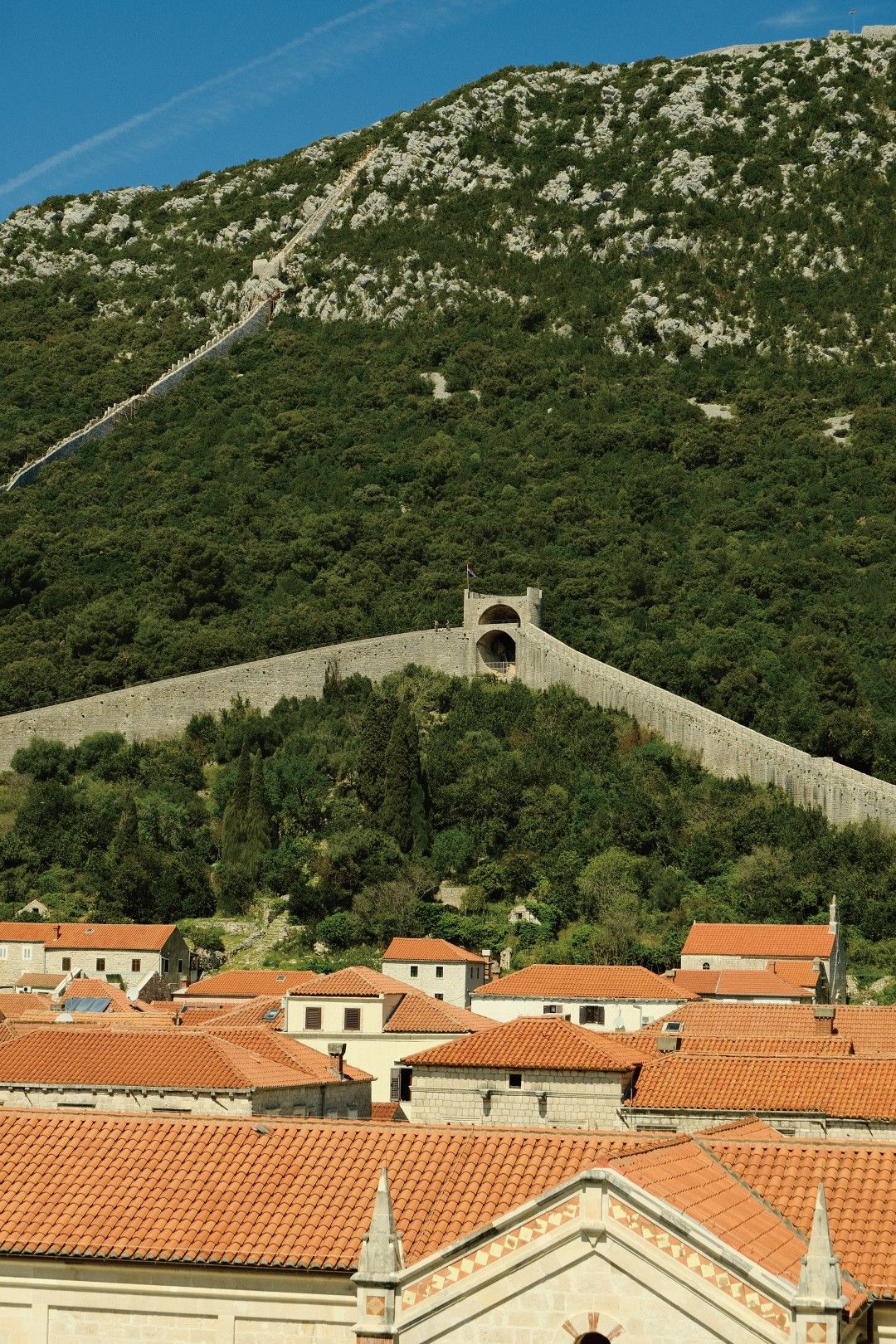
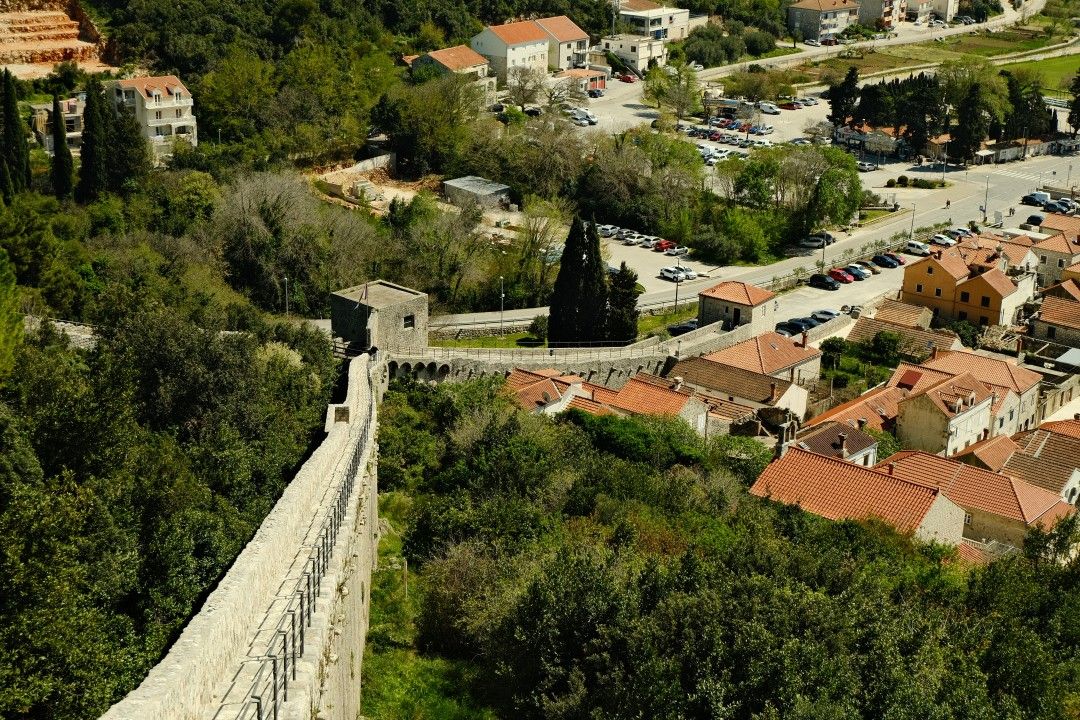
The wall stretching up the hillside still seems to have no end. Yet the town below has a modest air, one where foreign invasion is hard to imagine. For now there are more locals than tourists, and it is peaceful and quiet. After climbing the steep wall for about 20 minutes, I reach the first viewpoint. Catching my breath and looking down, I find the town serene and small in scale. Alleys laid out like a checkerboard and old houses lie right below, while the salt pans and the bay spread wide. People come and go sparsely inside and outside the alleys and walls, and along the wall that meets the salt pans
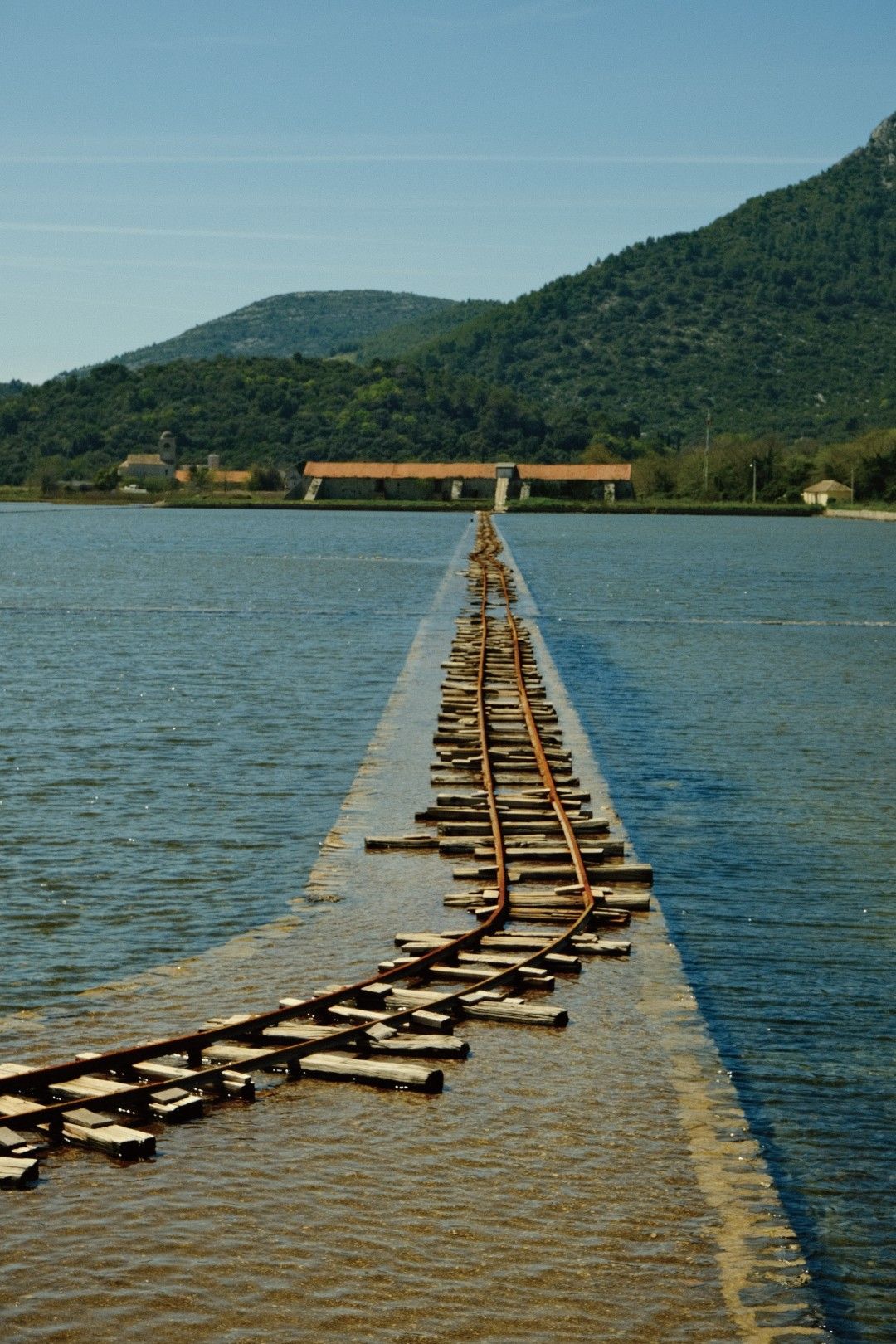
bastions and gun emplacements stand in all the right places. The defenses seem to have been positioned with great care. Beyond the wall, the salt pans glimmer softly in the sunlight. The pans cover about 430,000 square meters, making them the largest
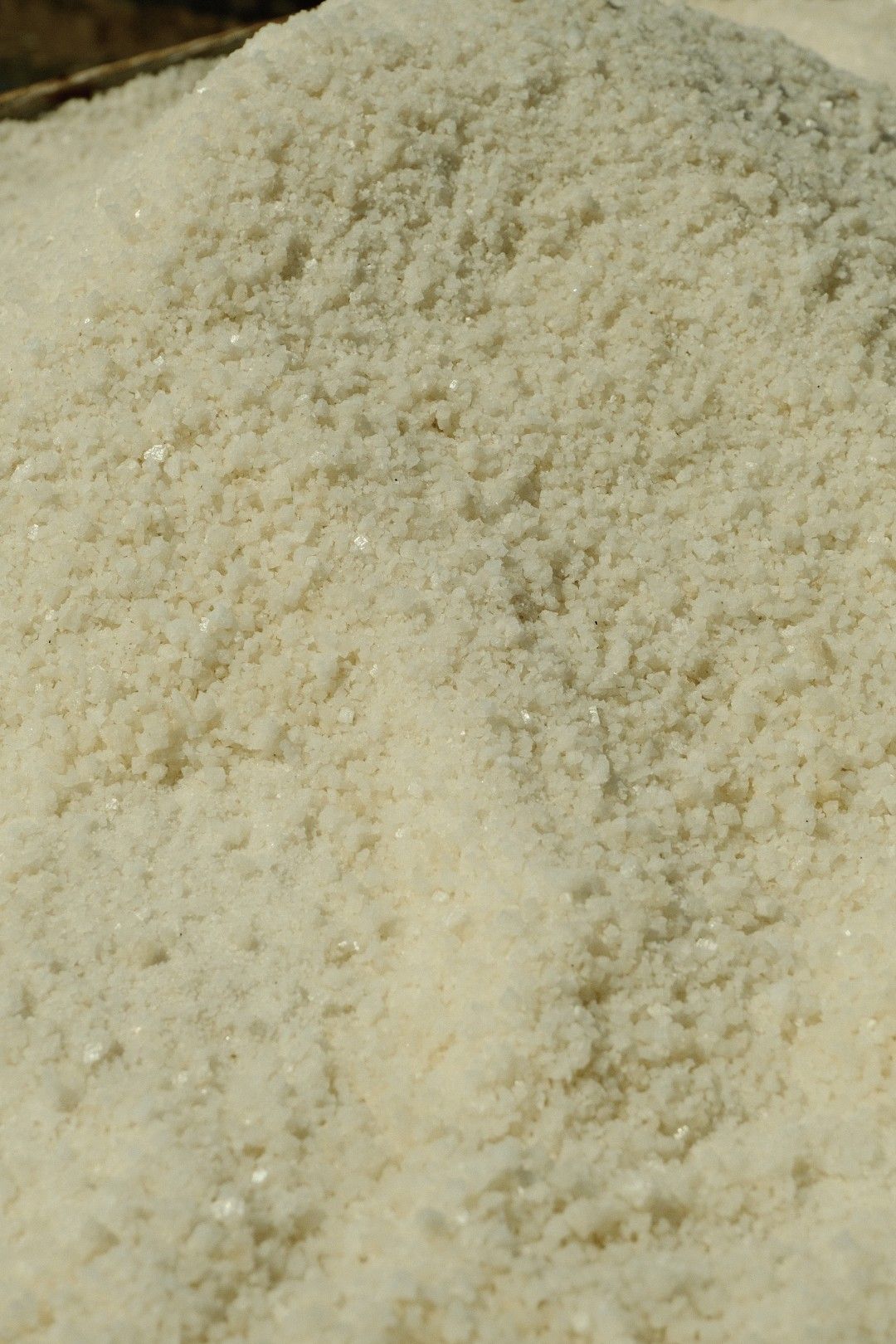
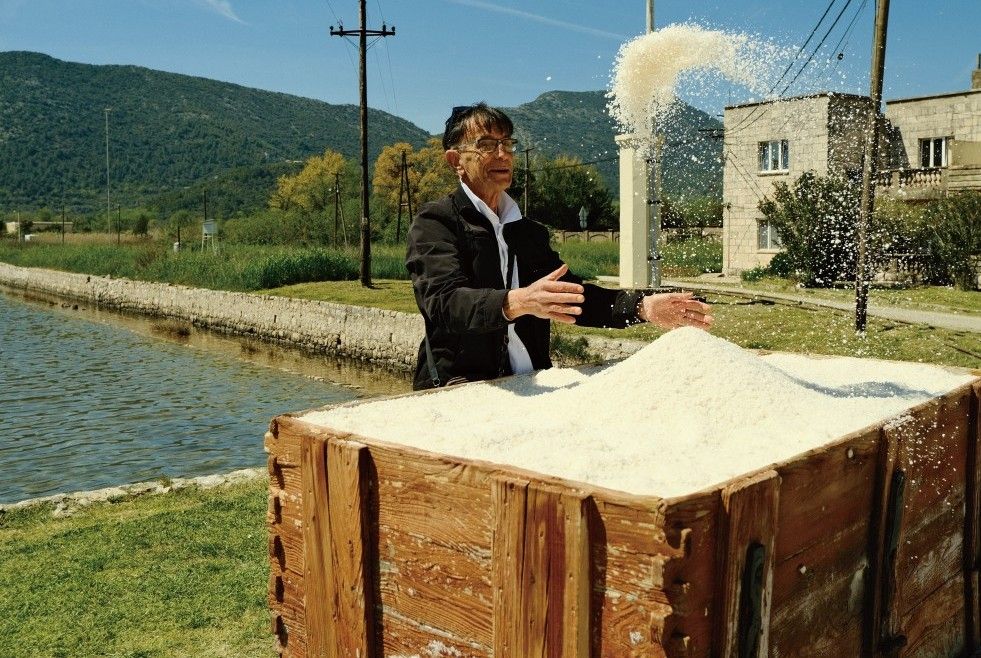
preserved salt pans along the Mediterranean and Adriatic coasts. Sea salt made by traditional hand methods handed down since the Republic of Ragusa yields about 500 tons a year on average. Harvesting begins only in mid-July, when the sun is strong and temperatures soar, and the season lasts two months at most. Thinking of the labor that has continued for more than 2,000 years, a lump of pure white salt feels as heavy as several tons.
The other end of the wall reaches Mali Ston, a fishing village on the shore of a narrow bay that cuts deep inland. Mali Ston has a specialty as famous as Ston’s salt: oysters. The waters off the village, where fresh water and seawater mix in just the right balance, offer
ideal conditions for oyster farming. Roman emperors are said to have eaten Mali Ston’s oysters. It is also one of the few remaining sources in Europe of the ‘European flat oyster,’ and its quality is said to be the best in Croatia.
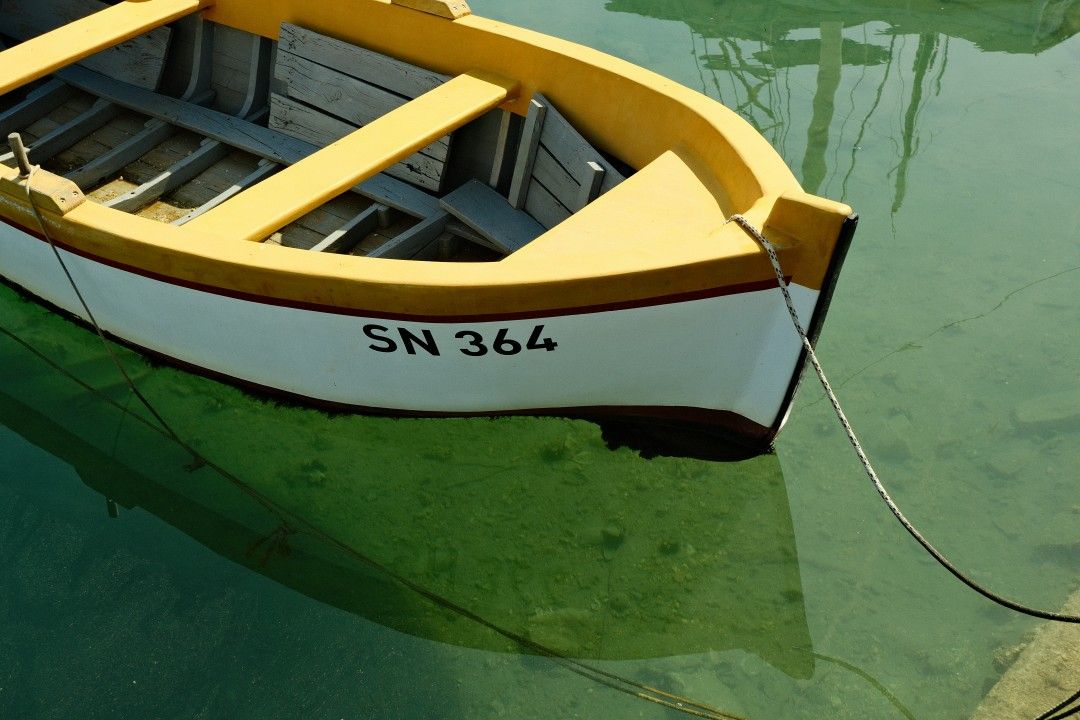
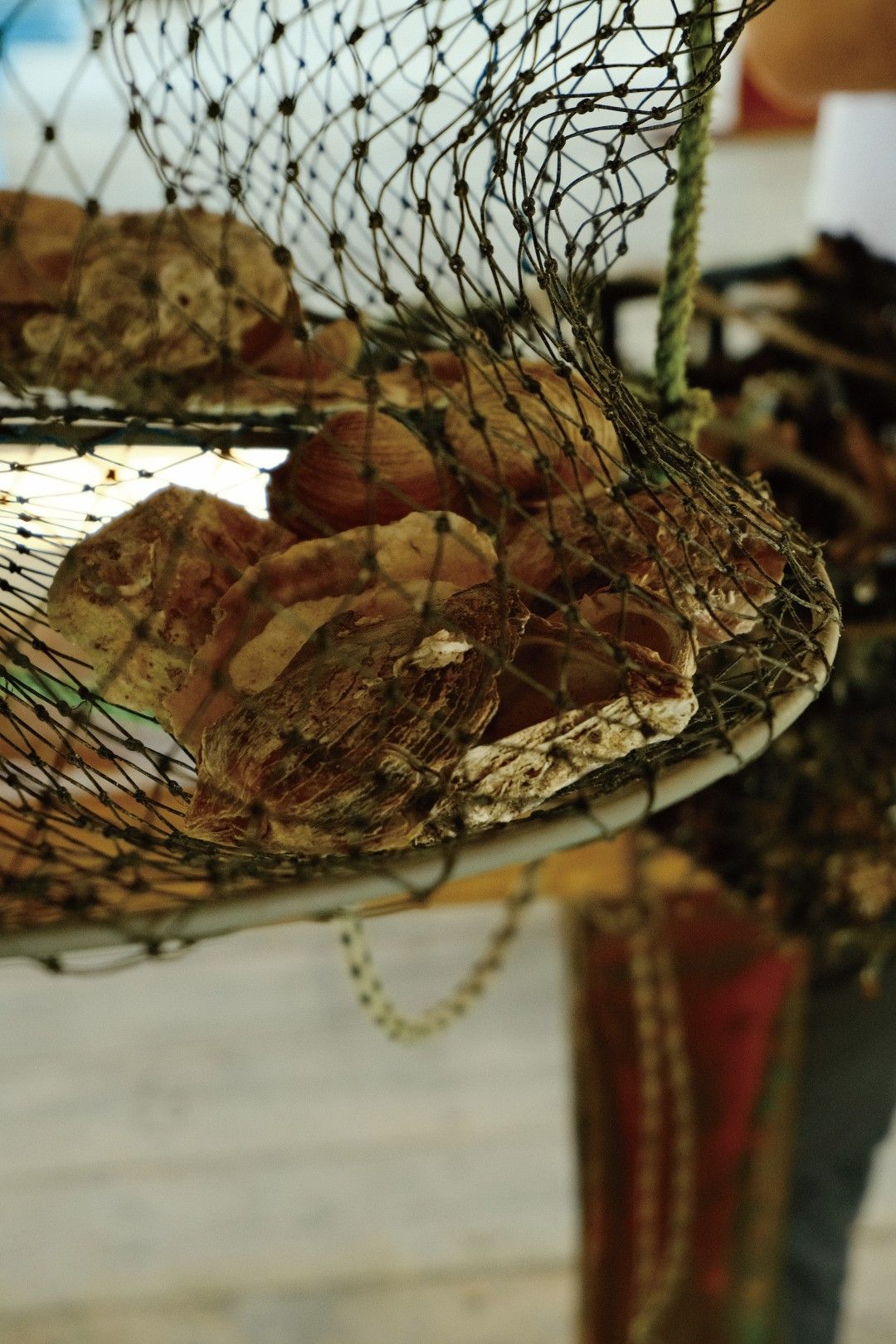
Travel about 20 minutes out into the waters off Mali Ston in a small wooden boat and you reach an oyster farm. Built like a houseboat, it has rope lines for farming and a terrace for visitors. Oysters are usually farmed for about two and a half years before they are sold at market or supplied to restaurants. Most of the residents of the village, which has fewer than 50 households,
make their living from aquaculture. From autumn to spring, gourmands from around the world come for the fresh oysters and fill the farms and restaurants.
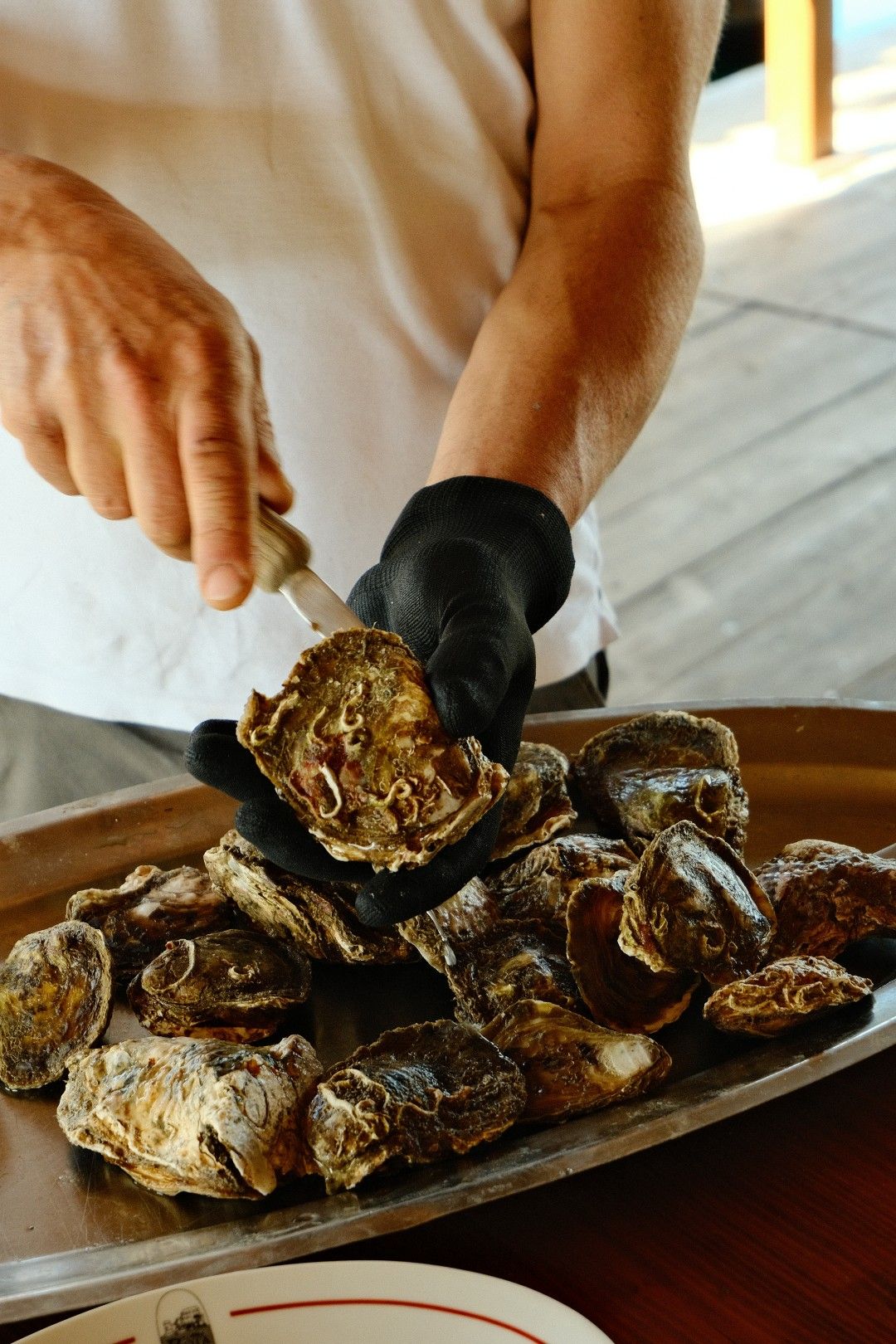
Settle in at a simple table at the farm and you are served freshly pulled oysters and mussels lightly poached in olive oil. The briny scent of the oysters hits the nose, and their color is vivid. I squeeze a few drops of lemon over a raw oyster and slurp it down in one go. The flat oyster’s chewy texture and distinctive smoky aroma fill my mouth. A sip of wine rounds off the tasting, and another reason to come to Ston becomes perfectly clear.
Where to See
Walls of Ston
The longest defensive wall in Europe and a filming location for the series “Game of Thrones,” Visitors can walk the accessible sections of the Walls of Ston, including the route linking Ston and Mali Ston. Apart from the main viewpoints, the route is exposed to the sun, so avoid midday on hot days if you can. Some sections are quite steep. The round trip along the wall from Ston to Mali Ston takes about 2 hours.
+Admission: €10 from March to October, €5 from November to February (free with a Dubrovnik Pass)
Ston Salt Works
The salt pans are a five-minute walk from Ston’s old town. At a small visitor center in a converted medieval salt warehouse, you can learn the history of the pans and watch a video introducing traditional harvesting methods. Salt can also be bought at the pans or in shops around town.
+Admission: €3
Where to Eat
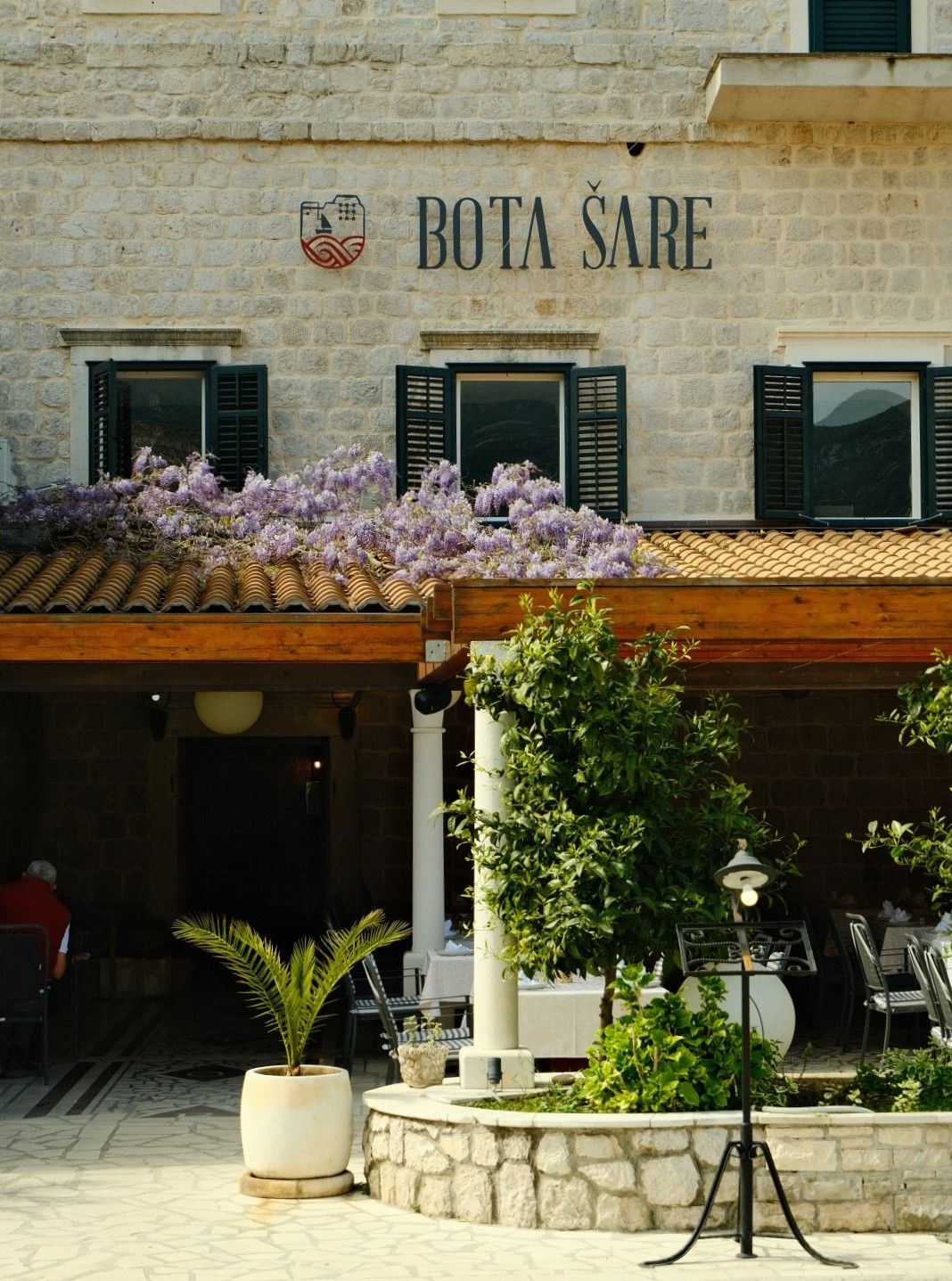
Bota Šare
A restaurant right in front of the Mali Ston harbor, owned by the Šare family, who run several well-known restaurants in Dalmatia. In a space converted from a salt warehouse about 500 years old, it serves raw oysters, mussels buzara (mussels cooked in white wine, garlic and breadcrumbs) and black risotto, all based on traditional recipes. It also offers oyster farm tours.
+www.bota-sare.hr
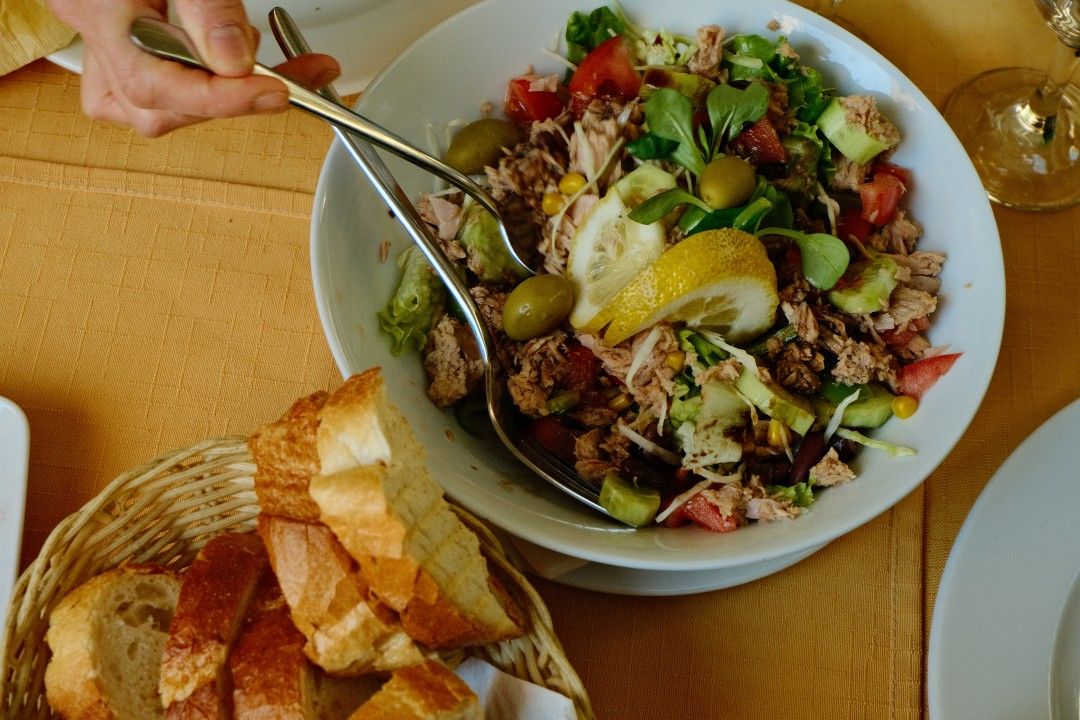
Konoba Bakus
Bakus, set in an alley in the heart of Ston’s old town, is a warm and welcoming local restaurant. Its buzara, a traditional seafood stew, is excellent across the board, and the oyster risotto is also recommended. At lunchtime even the tables set along both sides of the alley fill up, so try to visit slightly outside peak hours.
+www.bakus.hr