It has been 15 years since it opened. Starting in 2025, Resorts World Sentosa is steadily preparing a new chapter, adding sustainability and immersive experiences across its hotels, restaurants, shopping, and entertainment. Here are five experiences that let you feel the change for yourself.
Words Ko Hyeon
Photos Oh Chungseok
In collaboration with Resorts World Sentosa
Stay
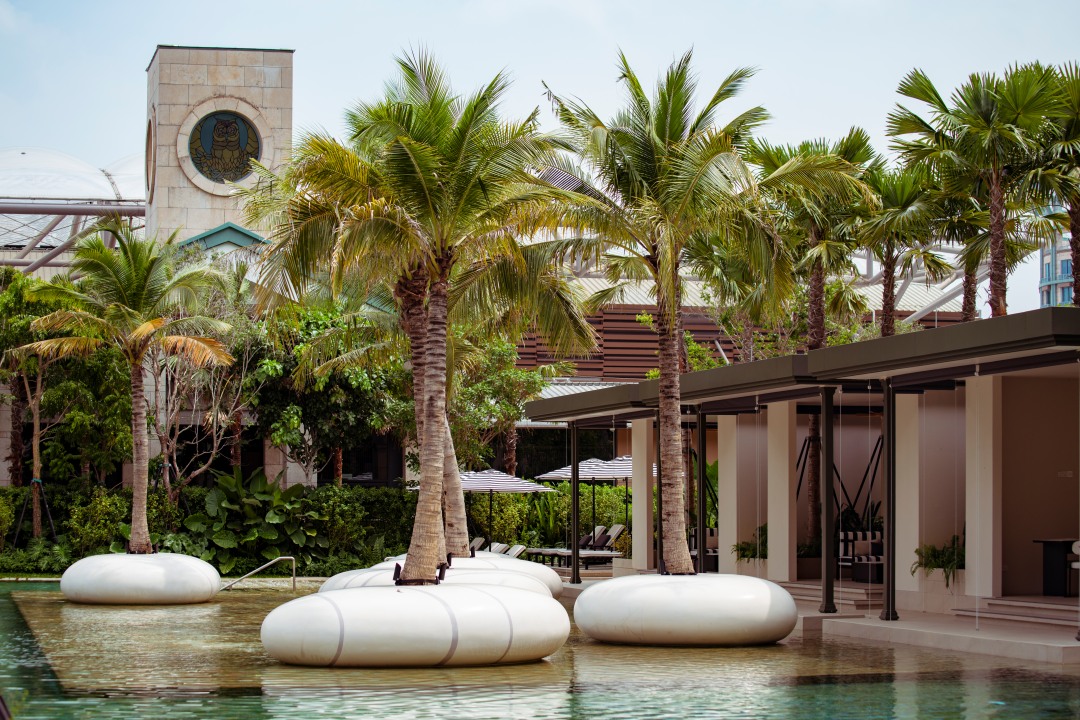
The Laurus, a Luxury Collection Resort, Singapore
The Laurus, a Luxury Collection Resort, Singapore
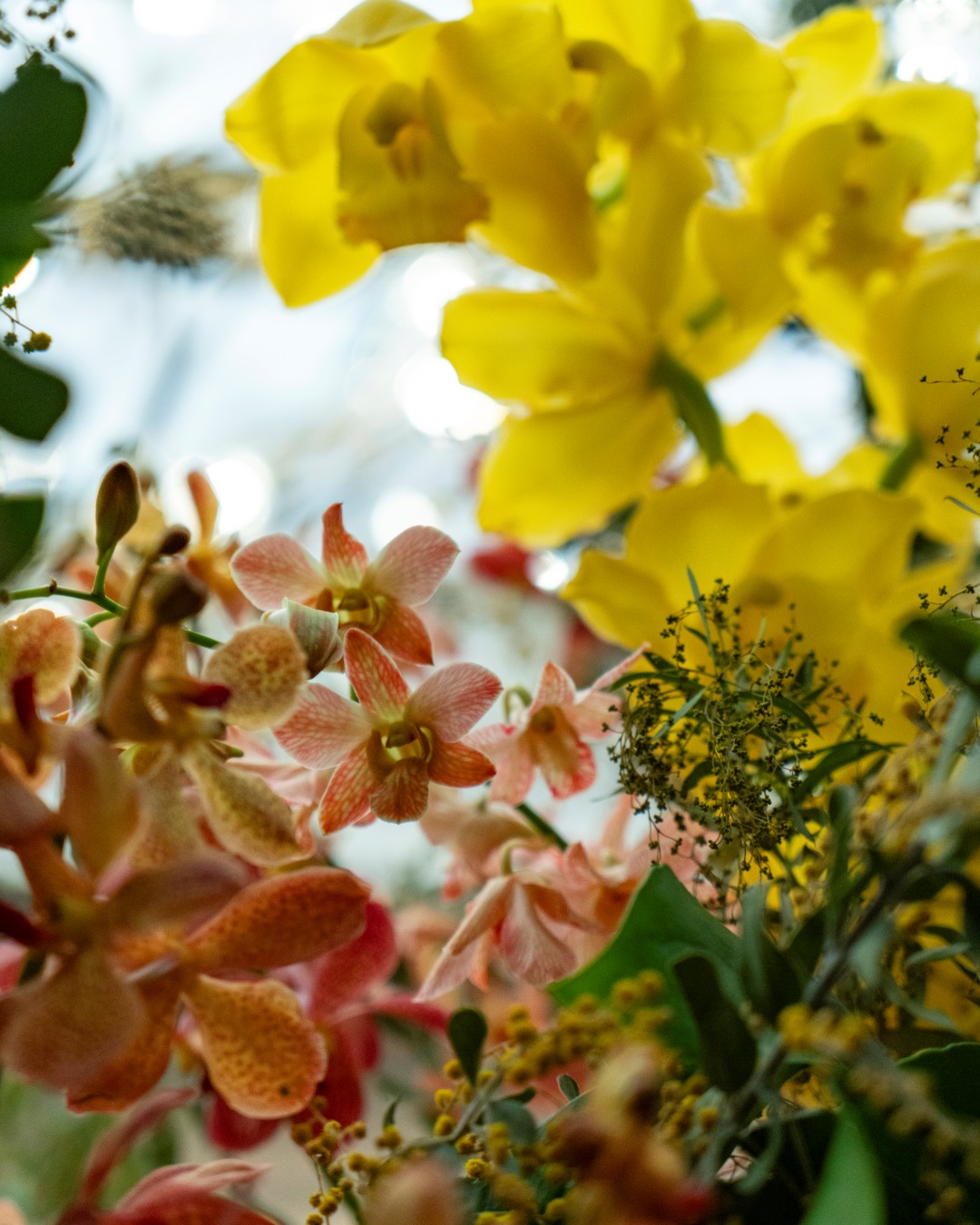
Anyone planning a stay of more than a day at Resorts World Sentosa (RWS) faces a dilemma: choosing among the many hotels and resorts within the complex. Those who plan to focus on Universal Studios or who will be heading to and from downtown Singapore often pick Hotel Michael or Hotel Ora, both close to the monorail station, while those who want to unwind by a nature-inspired pool tend to choose Equarius Hotel. Recently, an appealing new candidate has joined the list. The Laurus, the first Marriott International “The Luxury Collection” member in Singapore, has arrived. Opened in autumn 2025, The Laurus is a luxury hotel with all 183 rooms designed as suites. Under the concept of a “comforting haven like home,” it offers a night that embraces Singapore’s heritage, nature, and culinary culture. On a spacious 7,650-square-meter site, you’ll find a restaurant, spa, fitness center, outdoor pool, library, and other facilities, all reflecting a contemporary take on design inspired by colonial-era architecture and tropical nature. From orchid decorations, Singapore’s national flower, to sculptures and stained glass modeled on the mysterious buffy fish owl native to Southeast Asia, and a collection of natural history drawings by William Farquhar that meticulously documented the ecology of the late 19th-century Malay Peninsula, the region’s rich and varied heritage intersects throughout the hotel, leading guests on a fascinating journey.
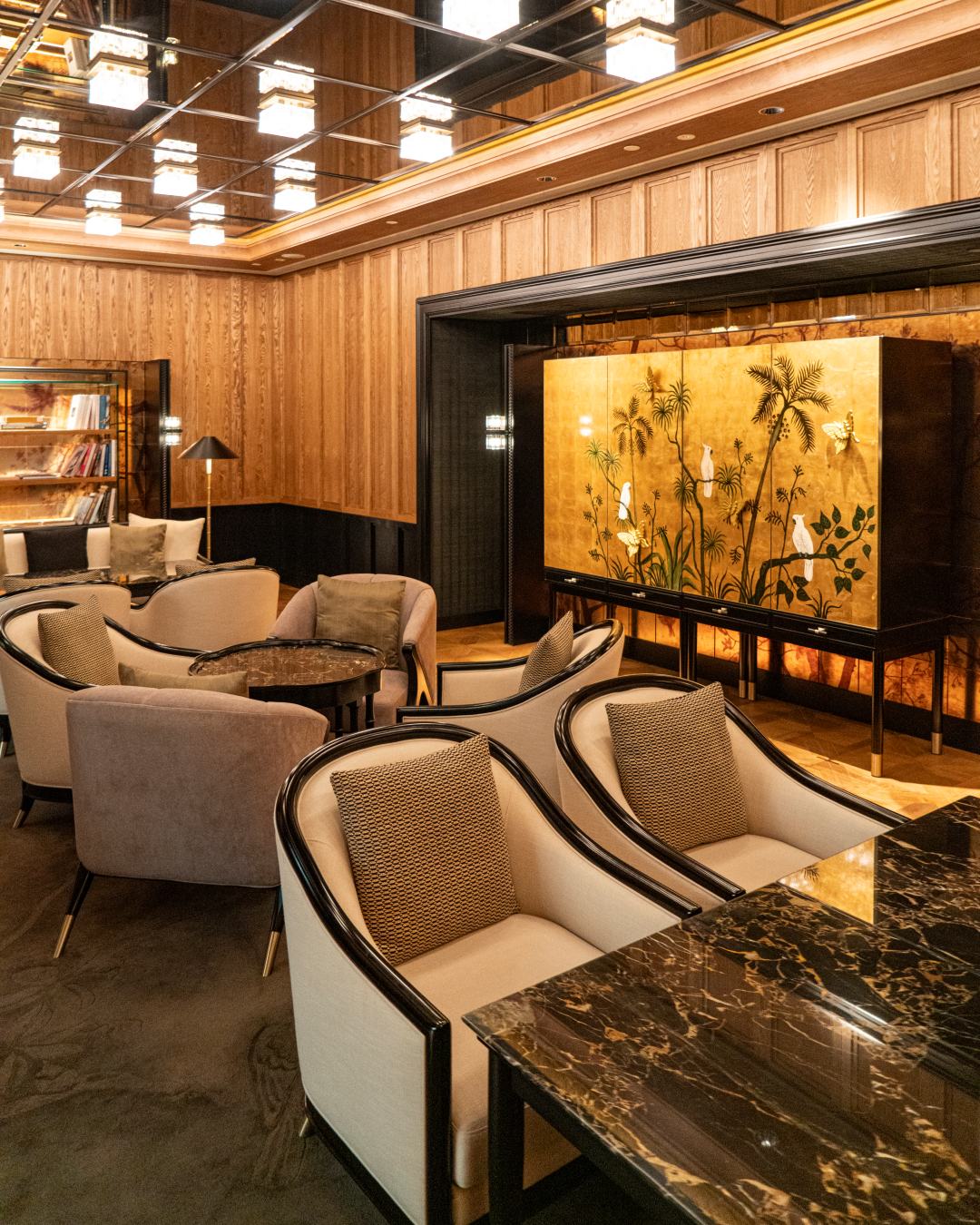
The way The Laurus pursues sustainability is just as impressive. Its rooms, divided into three types, are stocked with products from Singapore’s artisan brands, such as ETTE tea (a Singapore tea brand that curates premium Asian teas around the concept of terroir) and Mr. Bucket chocolate (a Singapore-based bean-to-bar chocolate brand), and refillable amenities are provided. Filtered taps minimize the use of bottled water, and trees felled during the resort’s expansion were recycled into furniture and decor. The hotel even reaches out to the local community through art, displaying works by artists from ART:DIS, a Singaporean organization of artists with disabilities, in its rooms.
+From SGD 665
Eat
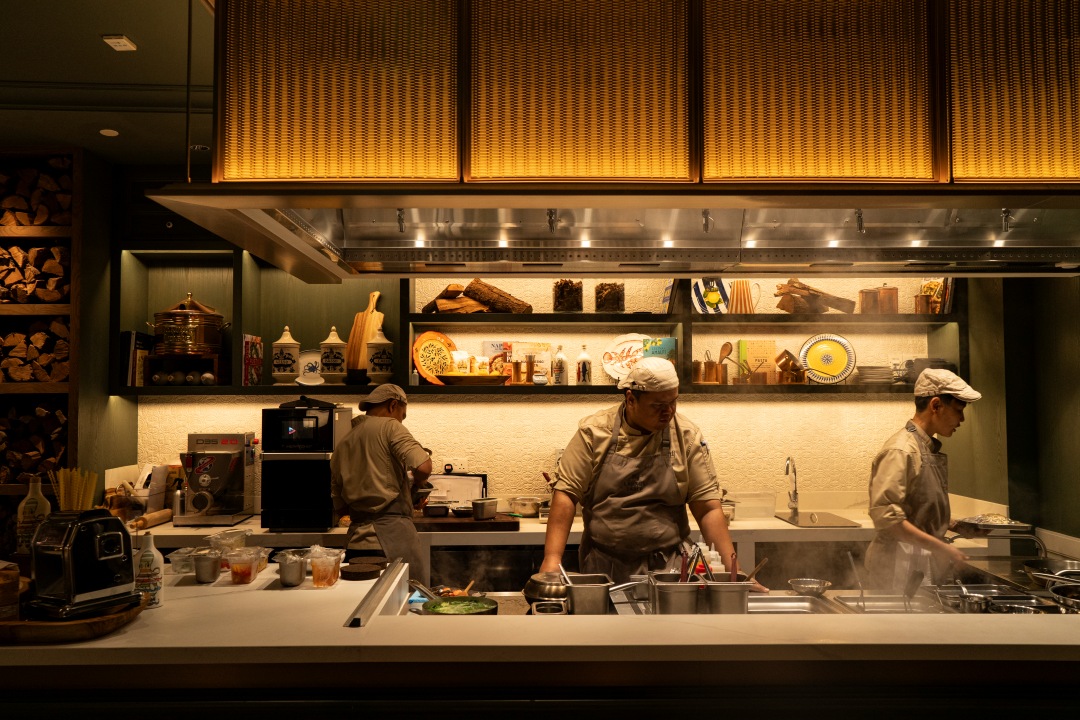
Laurus Table
Laurus Table
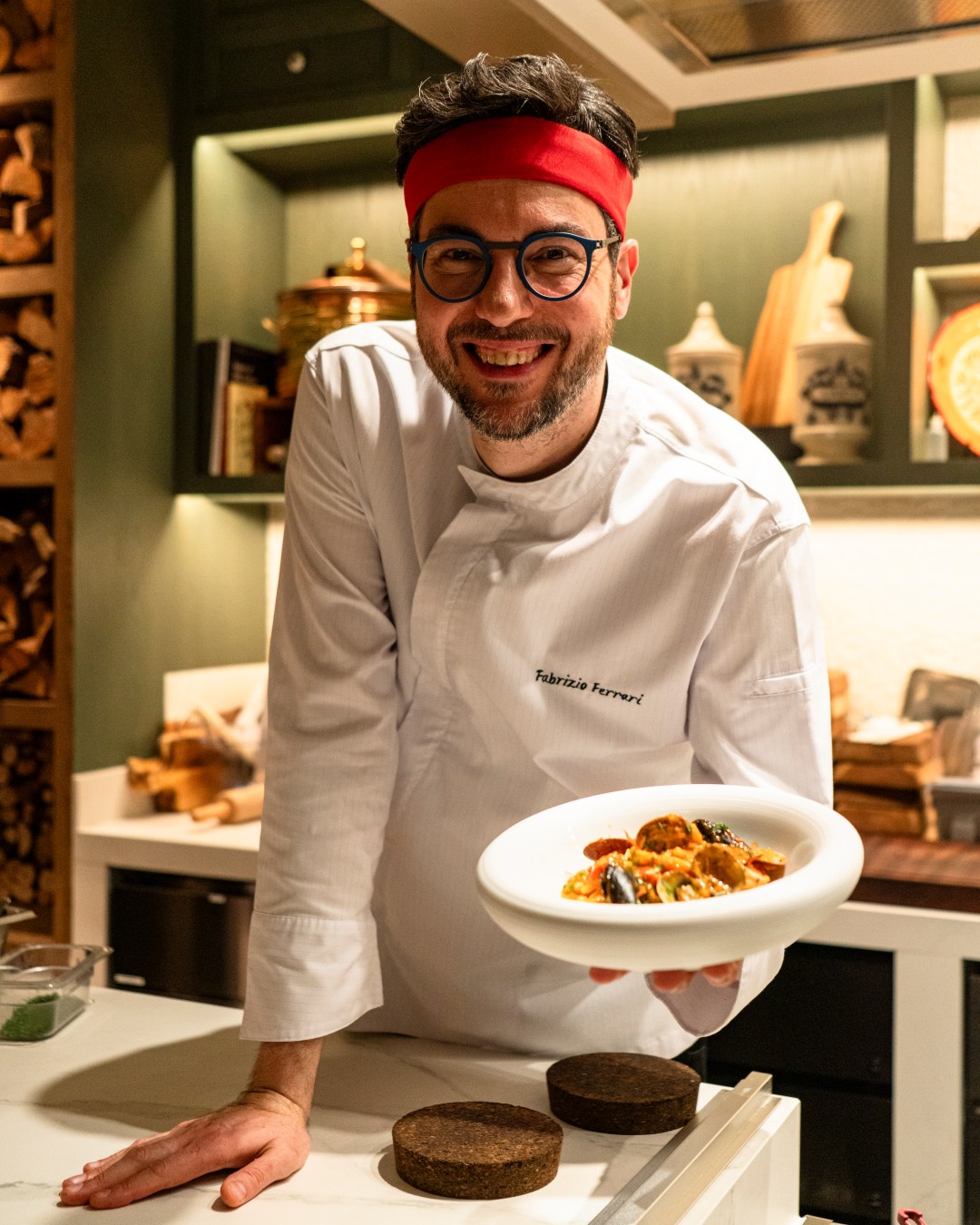
Even if you aren’t staying at The Laurus, the restaurant on the hotel’s ground floor is hard to walk past, especially once you learn the name of the consulting chef who oversaw it. He is Fabrizio Ferrari (hereafter Fabri), a “White Spoon” chef on season 1 of Netflix’s “Culinary Class Wars” who runs an Italian restaurant in Seoul. After running a Michelin-starred restaurant with his family for 15 years in his hometown of Lecco, Italy, he appeared on a Korean cooking survival show almost by chance, and that led him to settle naturally in Korea. Working with Chef Fabri, Laurus Table recreates the traditions of Italy’s Amalfi Coast with local ingredients, drawing the attention of Singapore’s food scene. A global ambassador for the 4Marine Stewardship Council (a global nonprofit certification body founded in 1997 to promote sustainable fishing), Chef Fabri puts his sustainable cooking philosophy into practice at Laurus Table. He makes active use of seafood supplied by 5The Fish Farmer (a sustainable offshore fish farm in the waters of northwestern Singapore), a fishery near Singapore, and organic produce from local growers, and he tends a terrace herb garden growing 18 kinds of herbs.
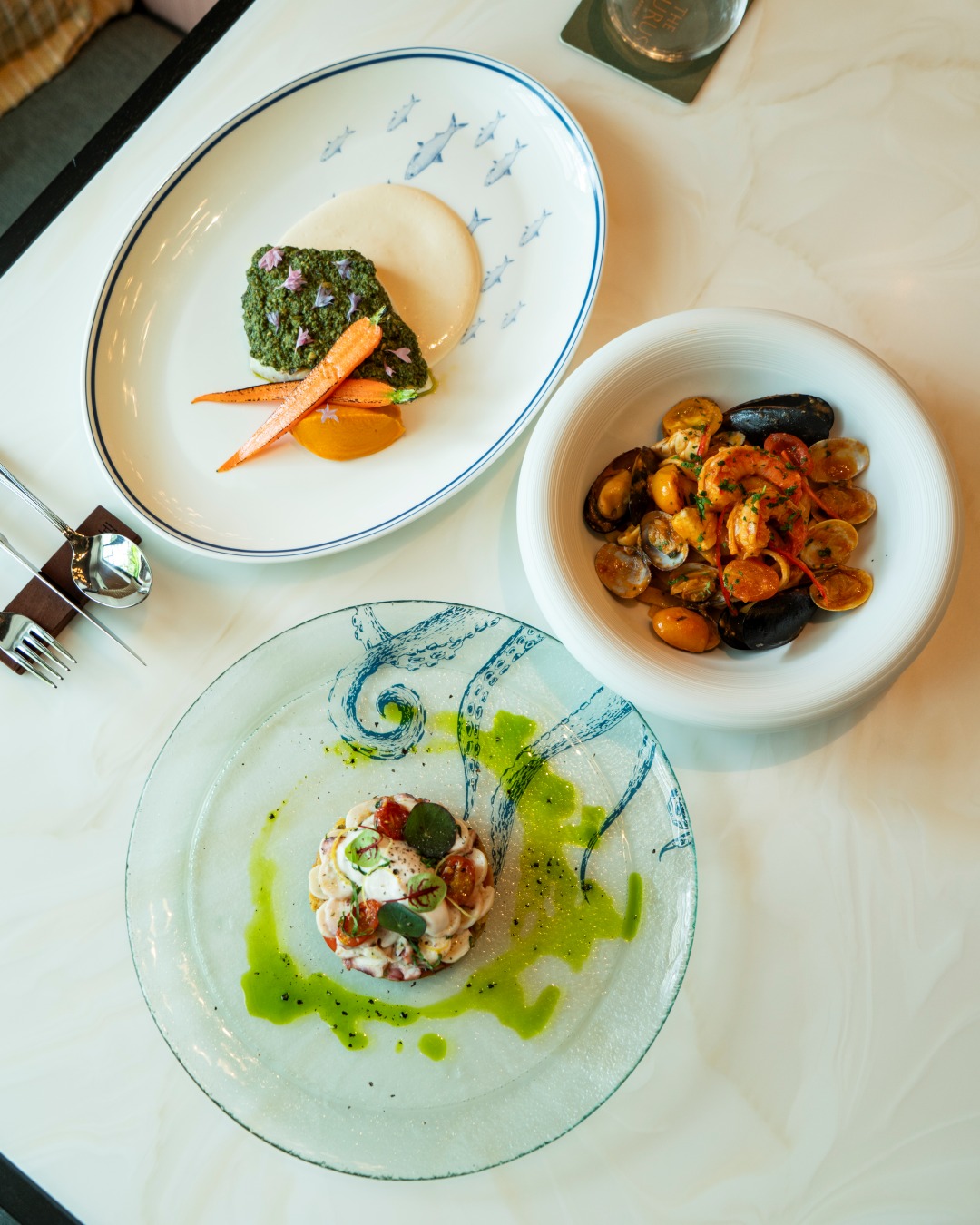
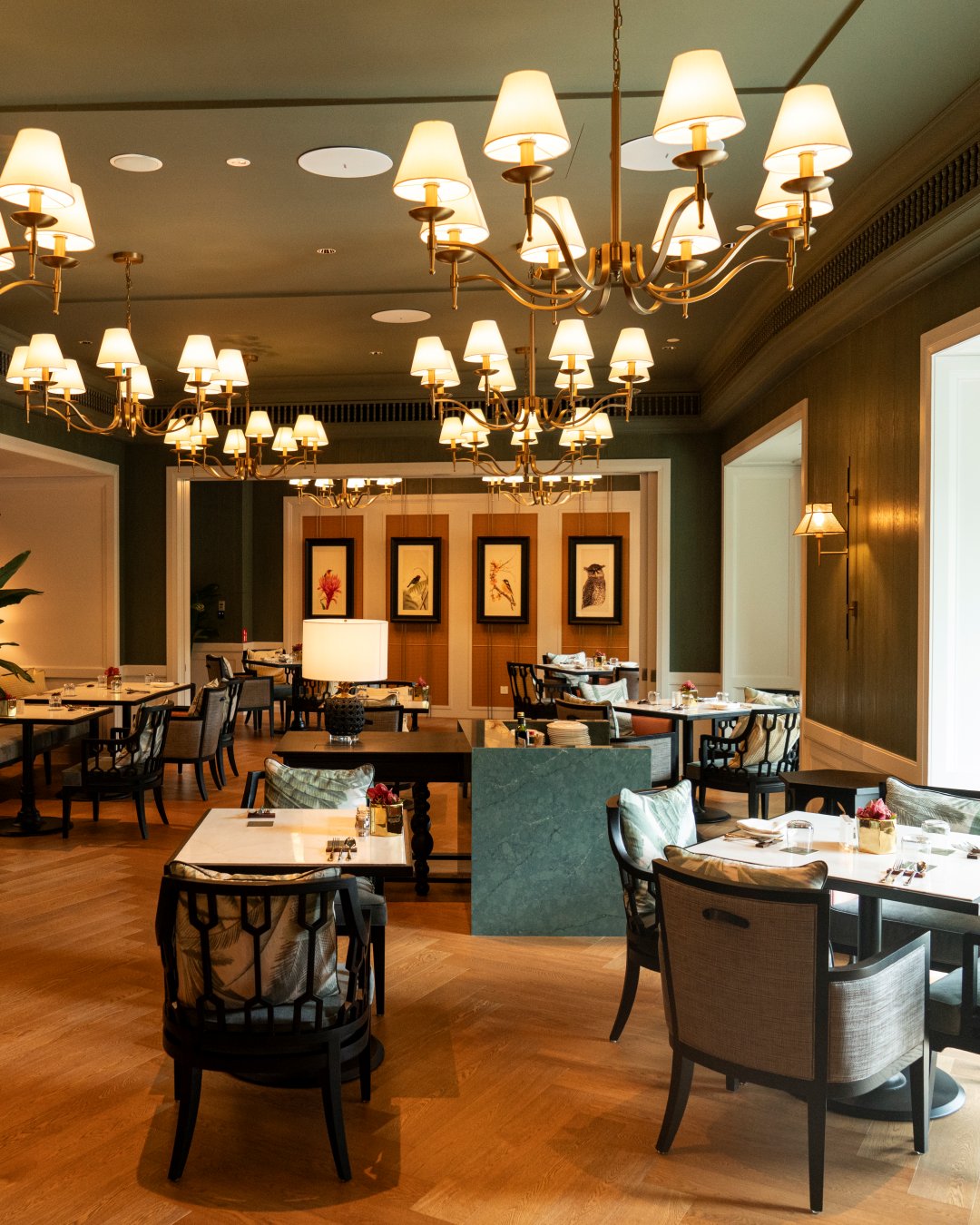
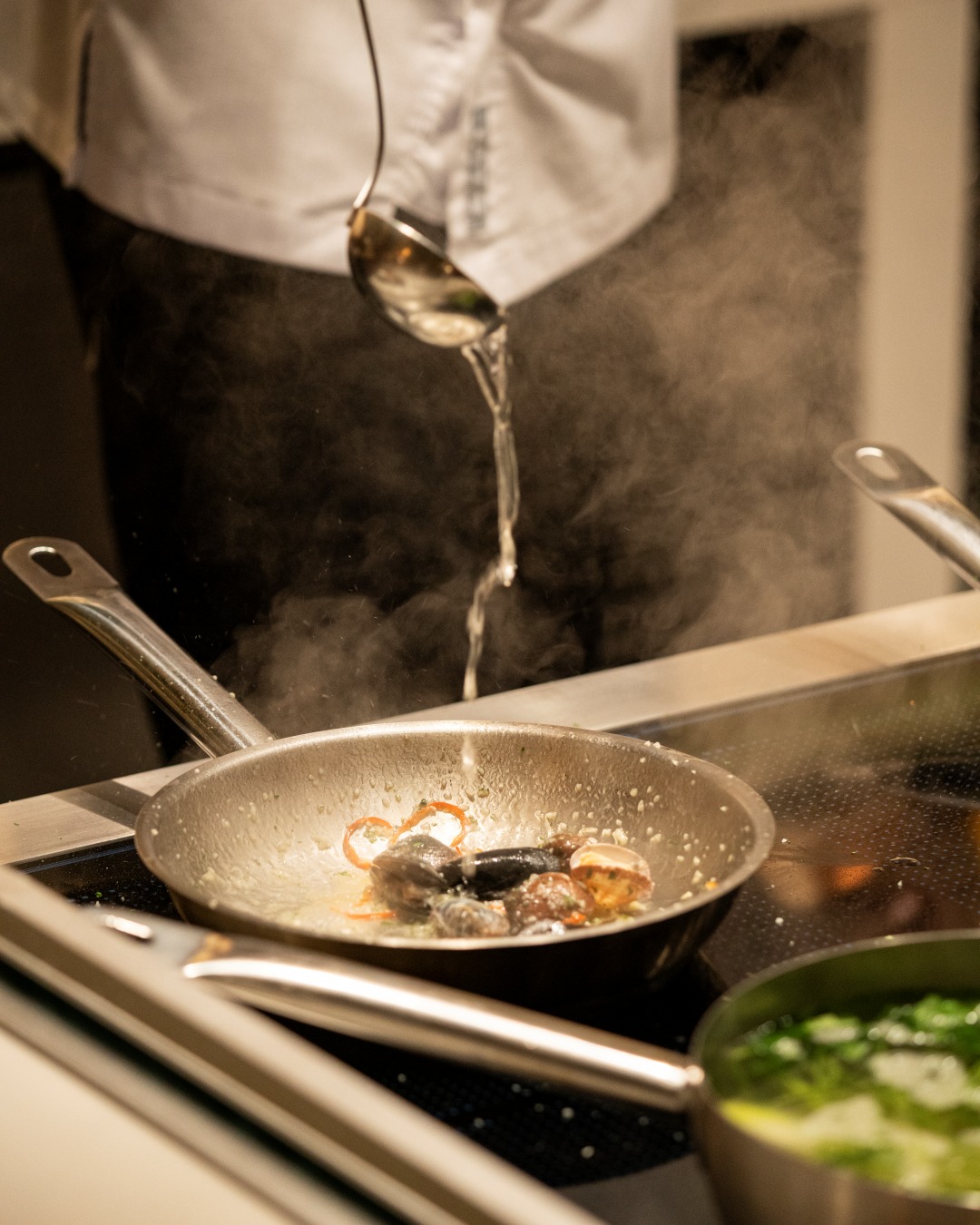
Based on traditional recipes from southern Italy, Laurus Table uses a range of techniques in its open kitchen, including a wood-fired oven, charcoal grill, and steaming. The menu is varied: Panzanella di Polpo, made with slow-cooked octopus; Branzino in Crosta di Sale, sea bass baked in a salt crust; Scialatielli ai Frutti di Mare al Cartoccio, Chef Fabri’s signature pasta generously loaded with seafood; and Mafaldine al burro, served with Amalfi lemon and anchovies. The menu is expected to change slightly with each season.
+Lunch course from SGD 58
Interview
A Conversation with Chef Fabri
Do you have a special connection to Singapore?
I visited Singapore as a tourist with my wife 17 years ago. As a chef, I find Singapore a very impressive city, because so many cultures and cuisines coexist here, from street food to fine dining.
The energetic atmosphere really stood out to me. How did you come to be involved with Laurus Table?
RWS proposed a restaurant built around an Amalfi Coast concept, centered on seafood. They said they wanted to create a beautiful, sophisticated, refined restaurant within the resort. Since I ran a Michelin-starred restaurant in Italy that was 100 percent seafood-focused, I felt this project suited my identity well. And Singapore is a world-class food city. In that environment, I had no reason to turn down the chance to showcase my cooking. Above all, I love a challenge. I also liked RWS’s philosophy of sustainability. I decided to reinterpret the traditions of southern Italy using Singapore’s seafood and the best local ingredients.
Were you personally involved in the plating and the design of the space as well?
Of course. While preparing Laurus Table, we had so many conversations. Which lemon to place next to the fish, how to use the tomatoes. There is a reason behind every detail. Southern Italian cooking has a bright, fresh feel. If the north is somewhat heavier, the south is lighter. I wanted to capture that mood well in the plating and the space. Over the past six months, I invested a lot of time in menu development, recipes, and even how the food is served, hoping every moment a guest experiences would feel fulfilling.
How is it different from Fabri Kitchen, which you run in Seoul?
The originality is the same. I always want to show the taste of “real Italy.” The details, the cooking methods, and the flavors all rest on the same philosophy. The concept is a little different, though. Fabri Kitchen is closer to a family-style trattoria, a place anyone can visit comfortably. You could say Laurus Table is a step-up version of that. I wanted to find the middle ground between fine dining and casual dining, so that guests can enjoy high-quality dining at a reasonable price without feeling overwhelmed.
Besides running restaurants, you're active in many other areas, including YouTube and TV. Do you have any other goals?
This year, rather than starting a new project, I want to focus on what I'm already doing. Between Laurus Table in Singapore, Fabri Kitchen in Seoul, and my YouTube channel, I'm already busy enough. It's also important to keep spreading the name “Fabri” in Korea, which feels like a second home to me. At the same time, I think working in Singapore under my real name is a meaningful challenge too.
Is there any food you'd recommend in Singapore?
Chili crab is the famous one, and it's great, but I'd recommend white pepper crab (unlike the sweet-and-spicy chili crab, it pairs the sharp heat of coarsely ground white pepper with the rich flavor of butter and garlic). The peppery sauce is really appealing. The kaya toast I had this morning was also memorable. The combination of butter, kaya jam, soft-boiled eggs, and strong black coffee is fantastic. I'm Italian, so I love noodles more than anyone. Singapore has a very developed noodle culture, too. When I had stir-fried shrimp noodles with sambal, I loved that sharp kick. The ingredients are different, but southern Italian cooking has a kick, too. That's why I'm convinced that a meeting of Singaporean and southern Italian cooking, Fabri-style, would be wonderful!
Entertainment
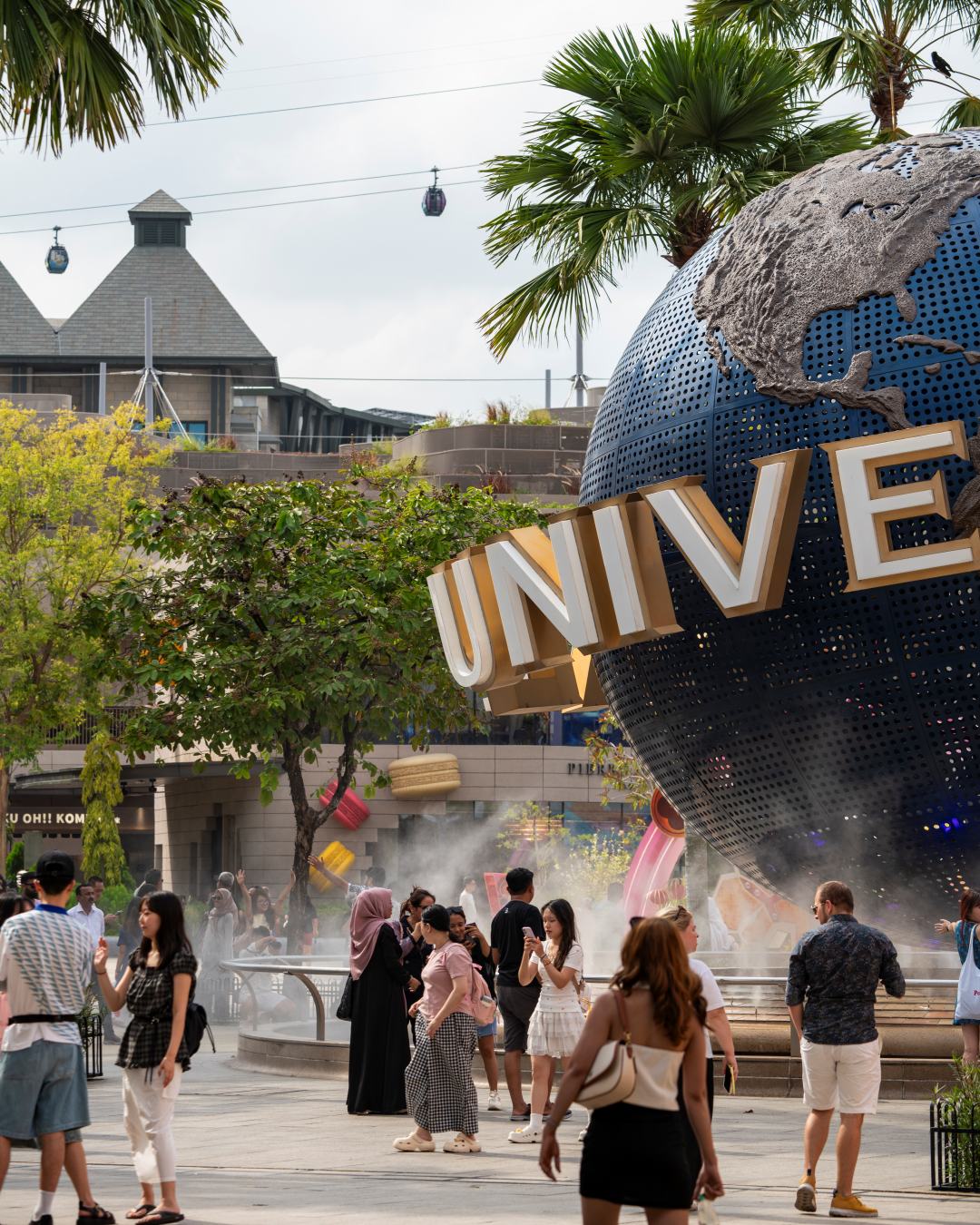
Universal Studios Singapore
Universal Studios Singapore
10 a.m. A long line stretches beside the giant spinning globe. Those waiting to enter Universal Studios Singapore, young and old alike, are all lit up with excitement. Opened along with RWS, it was Southeast Asia's first Hollywood movie theme park. Spread across roughly 200,000 square meters, with seven zones and 46 attractions, it carries visitors off into a world of fantasy all year round. Past the Hollywood area, where restaurants and souvenir shops cluster, the path forks around the lagoon. Those with thrilling roller coasters in their sights will hurry to the right, toward New York, Sci-Fi City™, and Ancient Egypt. Families with children and “kidults” head the other way, because Illumination's Minion Land, which debuted in early 2025, awaits. Themed on the film “Despicable Me” and the Minions franchise, it welcomes visitors with three zones: rides, dining, and souvenir shops.
First, Super Silly Fun Land is a space that leans into play and games. It is packed with fun rides, including Buggie Boogie, the world's first carousel themed as a Minion dance party; the swinging aerial ride Silly Swirly; the game booth Space Killer; and Ba-Na-Na CaBaNa. At Super Hungry Food Stand, which re-creates a snack booth from the film, themed menu items reflect the movie's world, and an outdoor booth sells Minion-shaped popcorn. At Gru's Neighborhood, home to Minion Land's signature attraction, you'll need some patience. After waiting about an hour, you can ride a motion simulator through Gru's lab and experience being transformed into a Minion. Minion Marketplace makes a fitting final stop. In a shop where the characters' laughter never stops, pick out your favorite Minions merchandise.
+Admission: SGD 76; Universal Express: SGD 80 (purchased separately)
Shopping
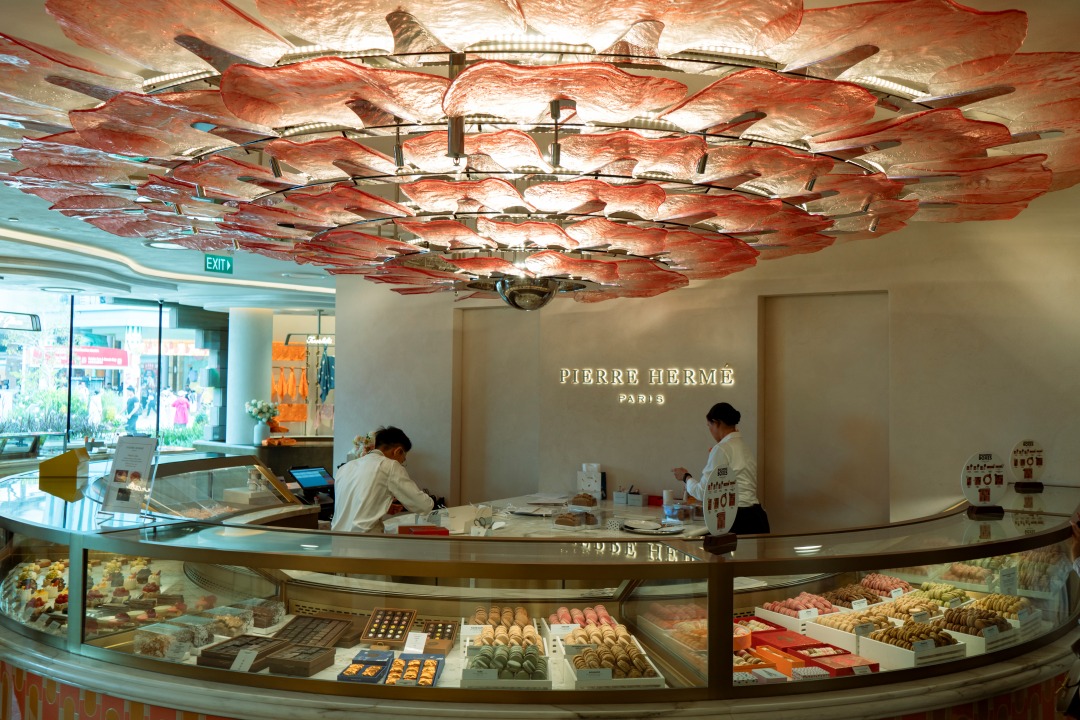
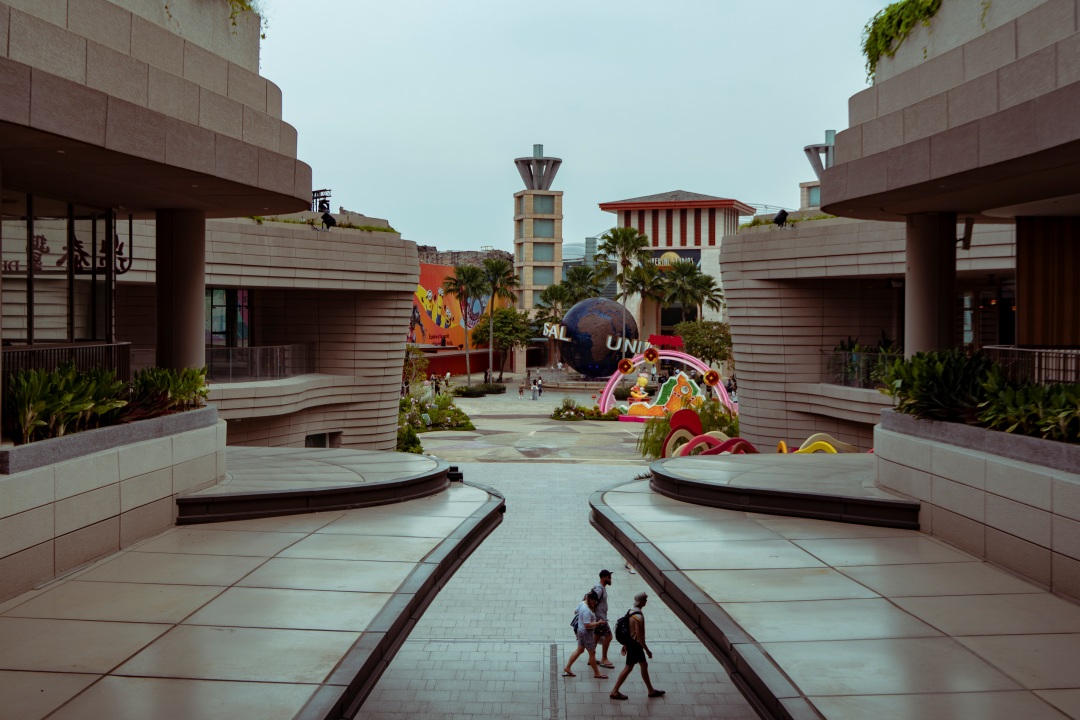
WEAVE
WEAVE
If you're looking for a place to fill a gap in your schedule while staying at RWS, nowhere suits better than WEAVE, which opened in the summer of 2025. A shopping complex created by the UK-based architecture firm Benoy and the Singapore landscape design firm ICN Design, it spans three floors of roughly 20,000 square meters and brings together themes of day and night, forest and city, rest and exploration. Curving structures that blur the line between indoors and outdoors, terraced greenery, and open-air walkways connect the floors organically. The lower level is a shaded botanical space reminiscent of a forest valley, while the upper level is a sunlit floral terrace.
WEAVE brings together global flagship stores and popular local brands. In one place you can enjoy shops and restaurants that lead with the words “first” or “largest”: Singapore's first Coach Coffee Shop; Asia's largest store for the premium swimwear brand Vilebrequin; Moutarde and Sundae Royale by Michelin-starred chef Paul Pairet; and MENSHO X, Din Tai Fung's first cocktail bar concept in Asia. Among them, Pierre Hermé Paris, which opened its first flagship store in Singapore, is not to be missed. Beyond macarons, pastries, and chocolate bars, it offers the brand's first-ever ice cream bars and bubble tea collection. Every menu item delivers Pierre Hermé's signature flavors, such as Mogador, Ispahan, and Infiniment Vanille, along with original desserts like “Trick the Eye,” inspired by Singapore's kaya toast. You might also try the brunch menu at the in-store all-day dining restaurant La Table by Pierre Hermé, which gives classic French dishes such as croque monsieur and French toast a modern reinterpretation.
+10:00am–8:00pm (hours vary by store)
Explore
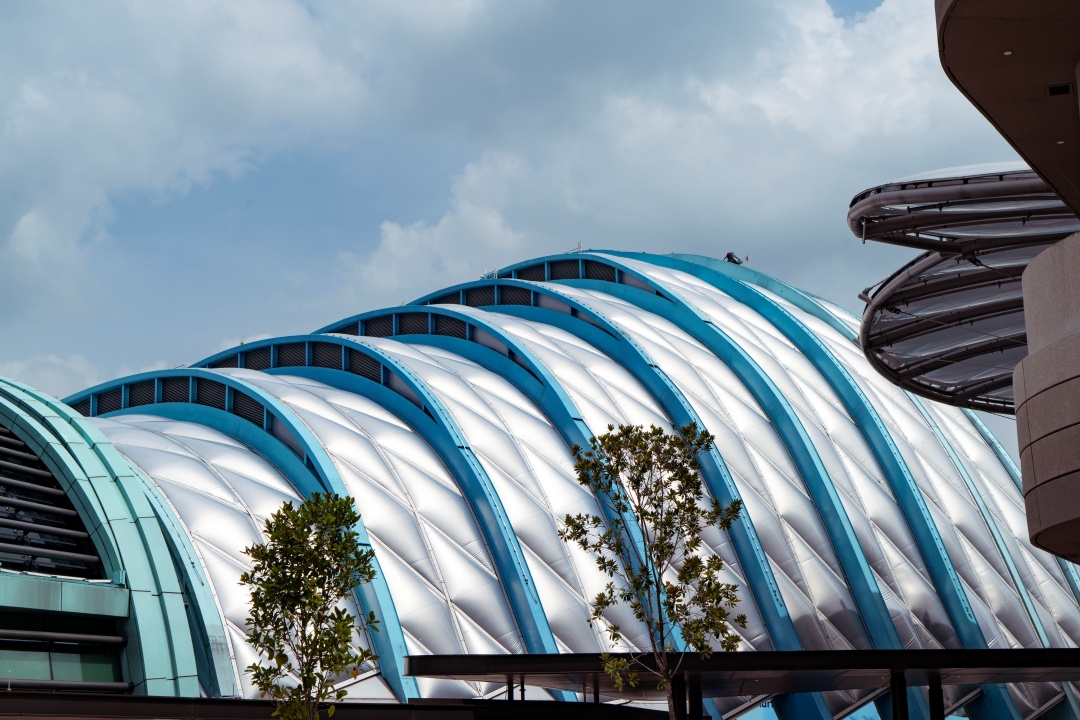
Singapore Oceanarium
Singapore Oceanarium
Observant travelers will have noticed that S.E.A. Aquarium recently changed its name. Singapore Oceanarium didn't just change its name; it redefines the identity of the space and points to the direction an aquarium should take. Rather than stopping at simple viewing like a conventional aquarium, it focuses on education that deepens understanding of the ocean and a sense of responsibility for protecting it. Its size has tripled, and it is organized into 22 themed zones that range across time and space, from prehistory to the modern deep sea.
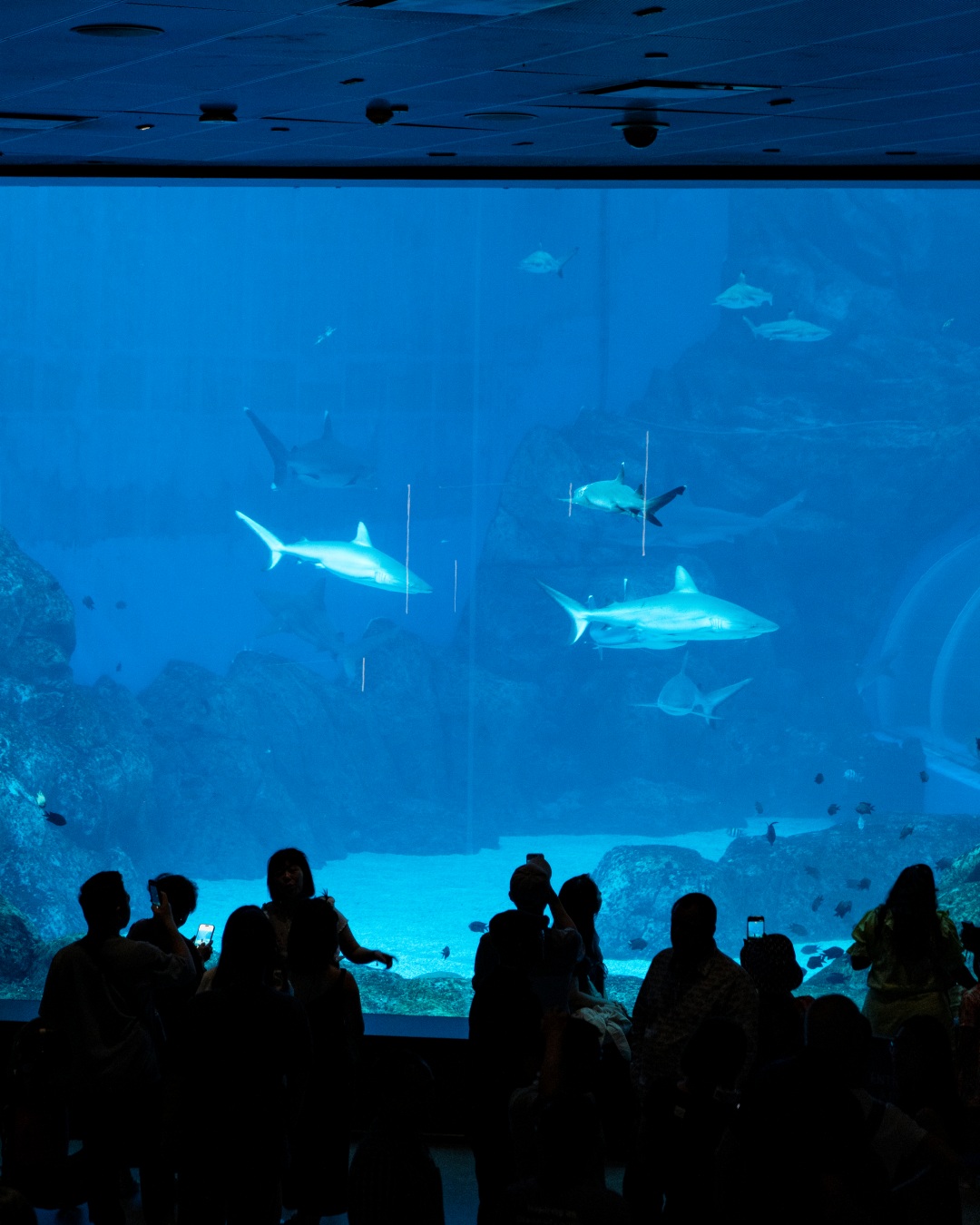
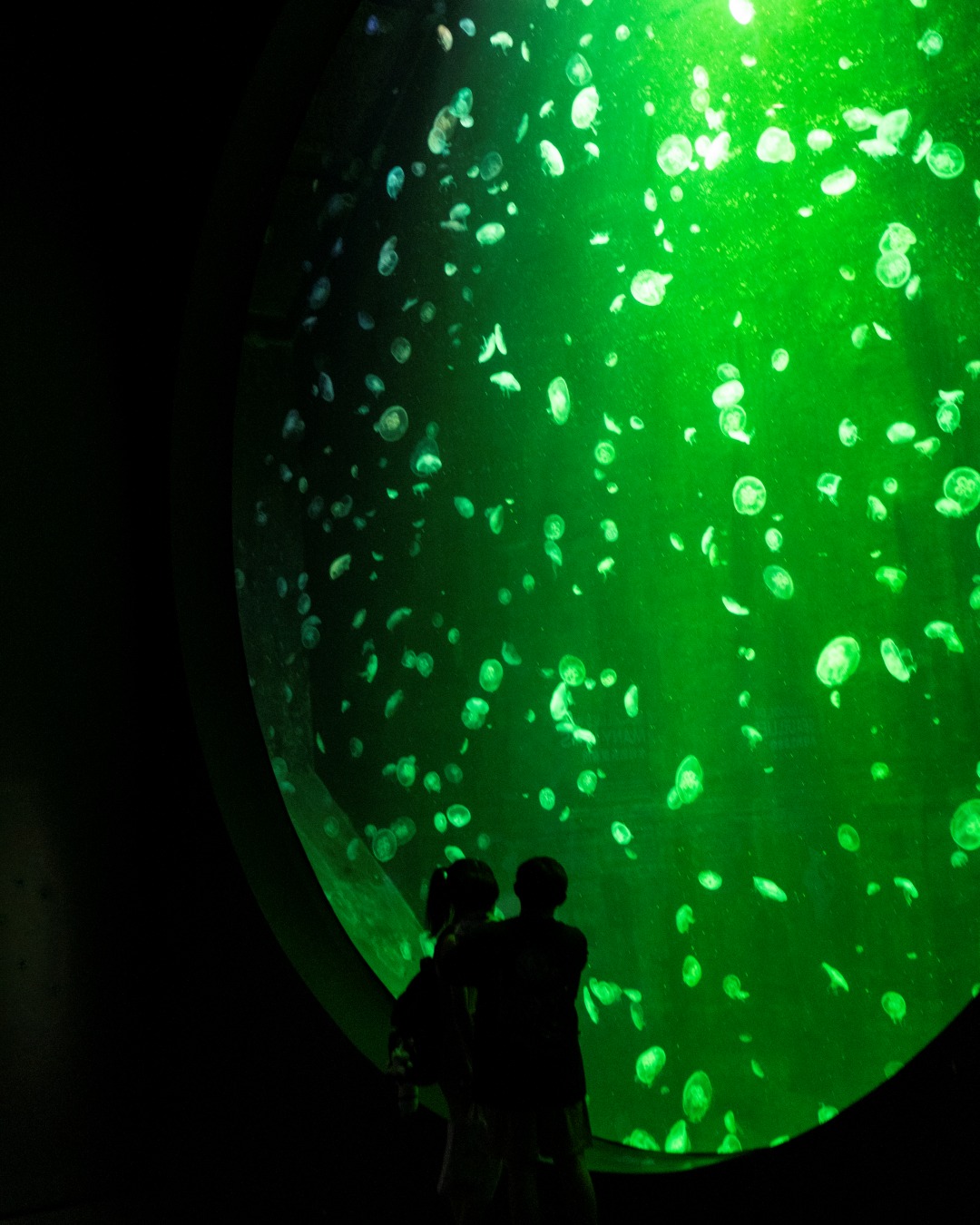
Ocean Wonders, the first zone you encounter at Singapore Oceanarium, greets you with the world's largest jellyfish tank, which creates a mysterious atmosphere. It introduces rare jellyfish from waters around the world, while also running a project to increase their numbers. The Singapore's Coast zone faithfully recreates the original mangrove ecosystem, vividly showing the diversity of local marine life. As you tour each zone, you can satisfy your curiosity about marine ecology step by step: Ancient Waters, which traces ocean evolution through living fossils, and Open Ocean, where manta rays, zebra sharks, and other marine life glide past a 36-meter-long panoramic panel. New attractions and rest areas have also been added, including an exhibit of a reconstructed ninth-century Arabian ship, an aerial net experience space, and an ocean-themed café. At the Research and Learning Centre right next to the Oceanarium, researchers carry out joint studies with the National University of Singapore (NUS) and the Earth Observatory of Singapore (EOS) at Nanyang Technological University, and a range of educational programs for visitors is also in preparation.
+Admission: SGD 55
How to Get to Resorts World Sentosa
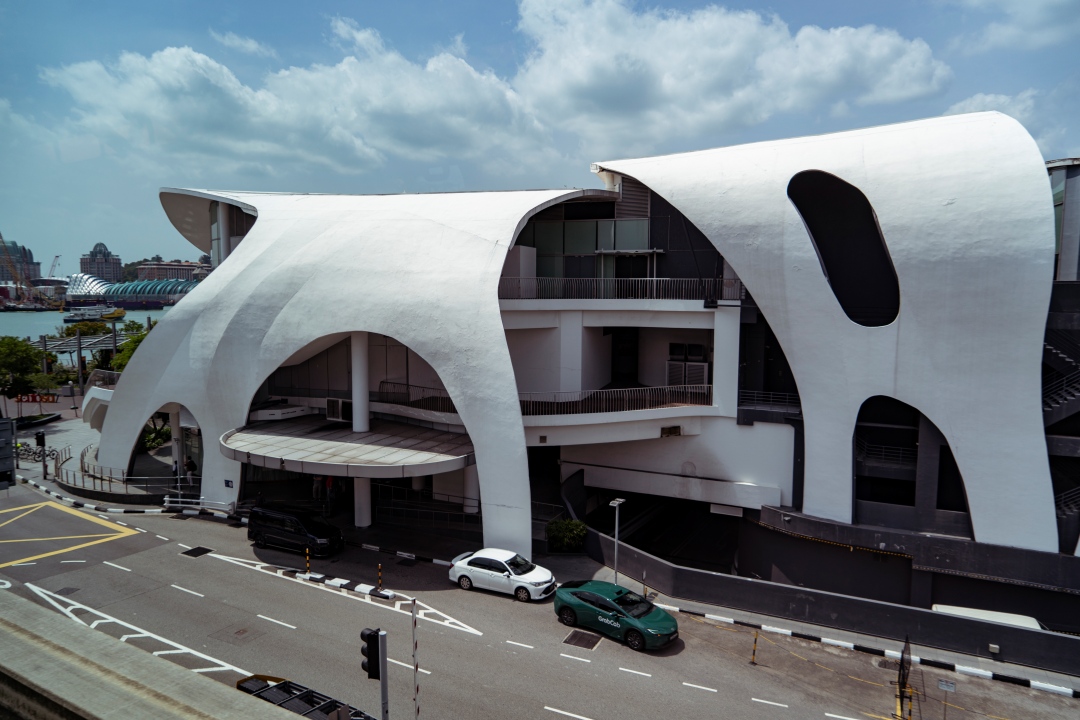
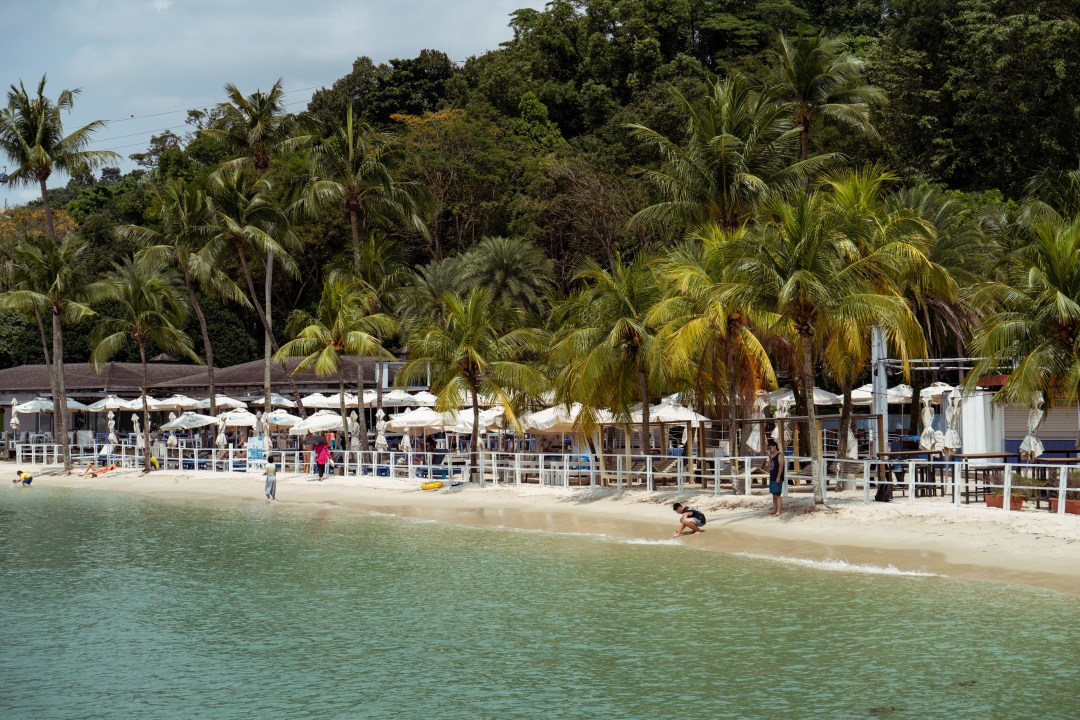
There are three main ways to reach RWS from the main island of Singapore. First is the Sentosa Express monorail, which runs between VivoCity and Sentosa. RWS guests receive a free ride QR code. For getting around Sentosa itself, the monorail is free for everyone. You can also take a cable car to Sentosa from VivoCity or Mount Faber Park. You can call a Grab taxi from the lobby of each hotel in the resort, and if you show your ride QR code when returning to Sentosa, the toll is waived. Within RWS, use the free shuttle bus that runs between the hotels every 15 minutes. In the early morning and late at night, when the shuttle doesn't run, you can ask the concierge for a buggy cart.