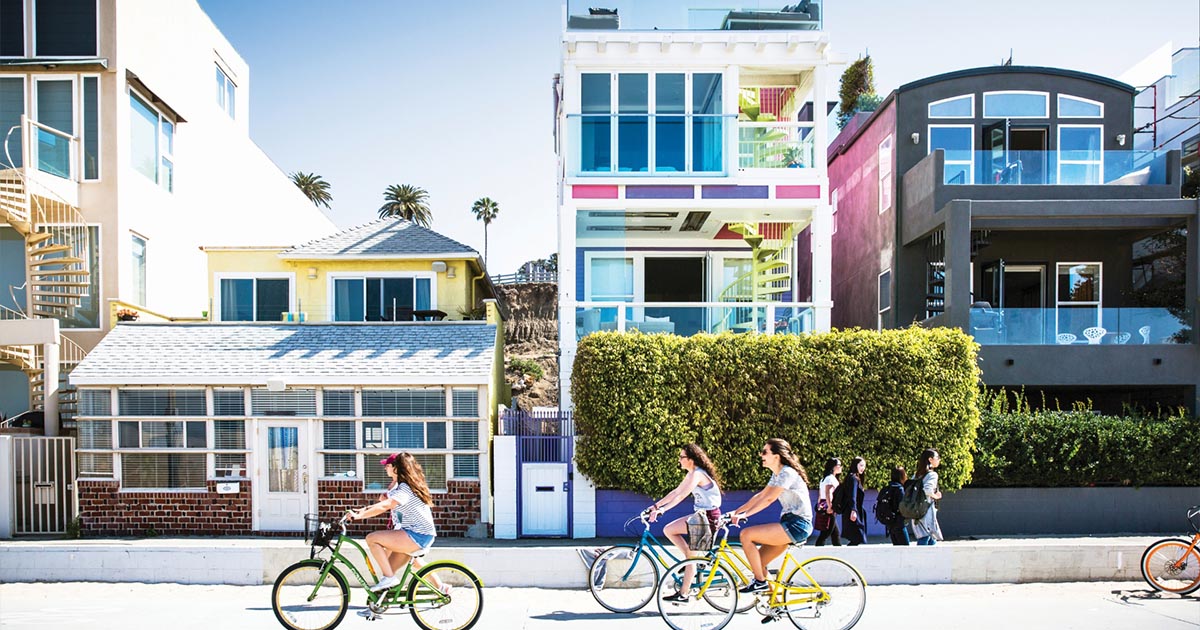
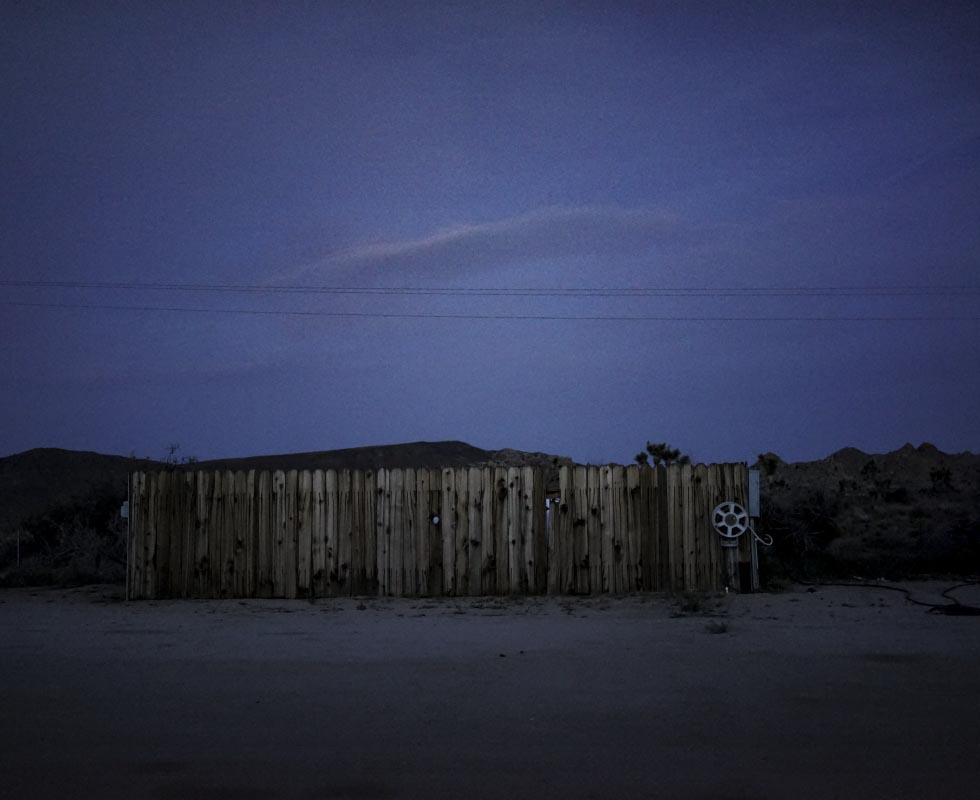
Dazzling sunshine. Laid-back beaches where people surf and sunbathe. Hollywood, the city of stars. Lavish estates of movie actors and celebrities. Desert resorts lined with palm trees. Southern California calls to mind a set of familiar images. They are certainly true, but they are not the whole story. Like a natural environment that ranges from the rough waves of the Pacific to the dust of the desert, this region is full of opposites that collide in sharp contrast. And within that collision, each place asserts its own character and weaves a many-colored pattern. While Santa Monica gained upscale beach resorts and the European-style residential development of the Venice Canals, freestyle skateboarding was born elsewhere among the teenagers of Dog Town. In the mid-20th century, Hollywood stars and the wealthy flocked to the Coachella Valley, which today draws architecture lovers and music-festival fans from around the world, yet it is also home to poor towns of Latin American immigrants who work on date farms. Joshua Tree National Park, smaller than Rhode Island, the smallest state on the American continent, straddles two entirely different ecosystems: the Mojave Desert and the Colorado Desert. Perhaps the high-altitude Joshua trees soaring skyward seem so mystical precisely because of the short, parched shrubs growing in the lowlands right beside them. Starting in Santa Monica, we explore several cities of Greater Palm Springs in the Coachella Valley and then continue on to Joshua Tree National Park, trying to glimpse, even a little, what lies behind California’s fantasy. Sometimes a specialist tour with a local will guide the way; sometimes a self-guided tour with nothing but a single map.
Words Pyo Youngso
Photos Jung Sooim
Santa Monica
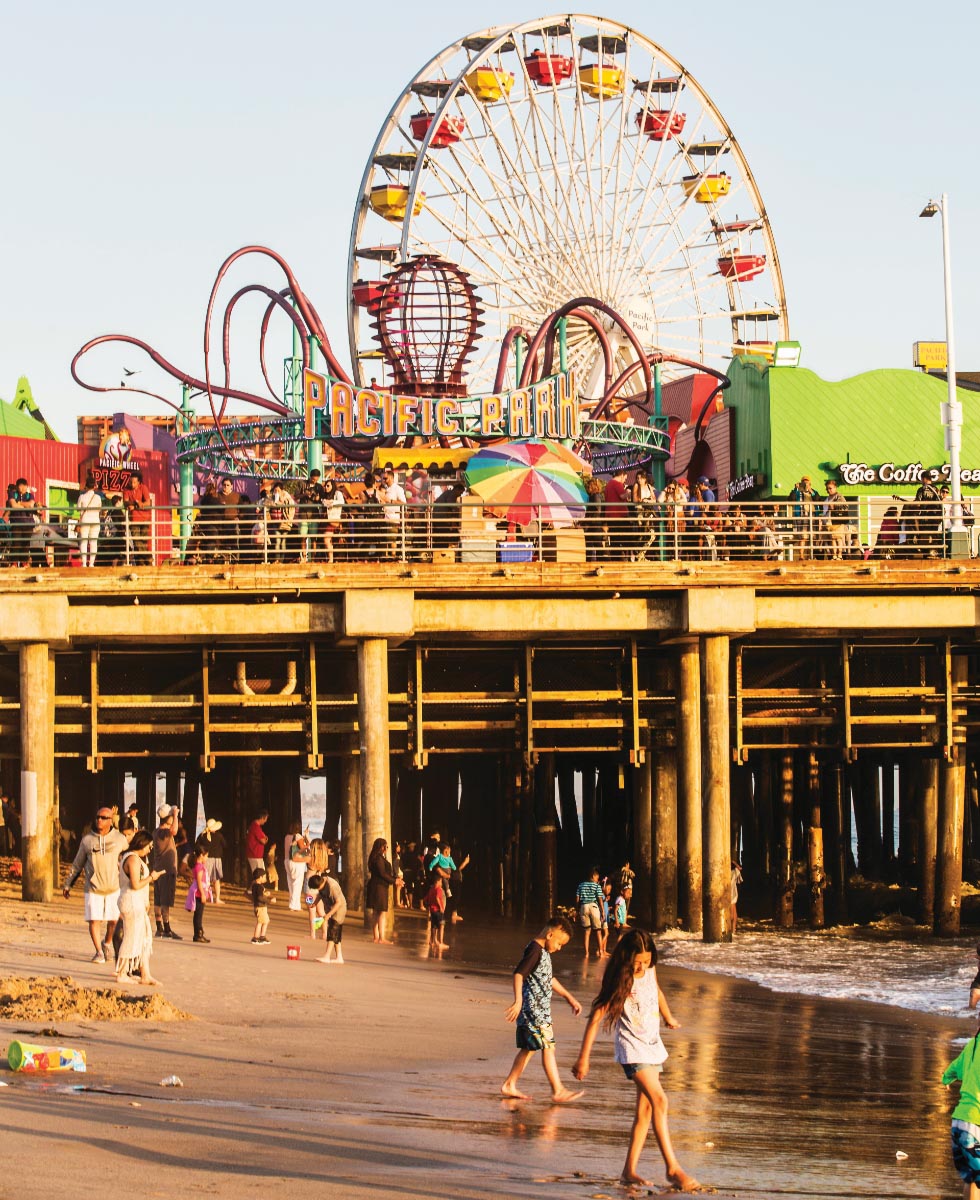
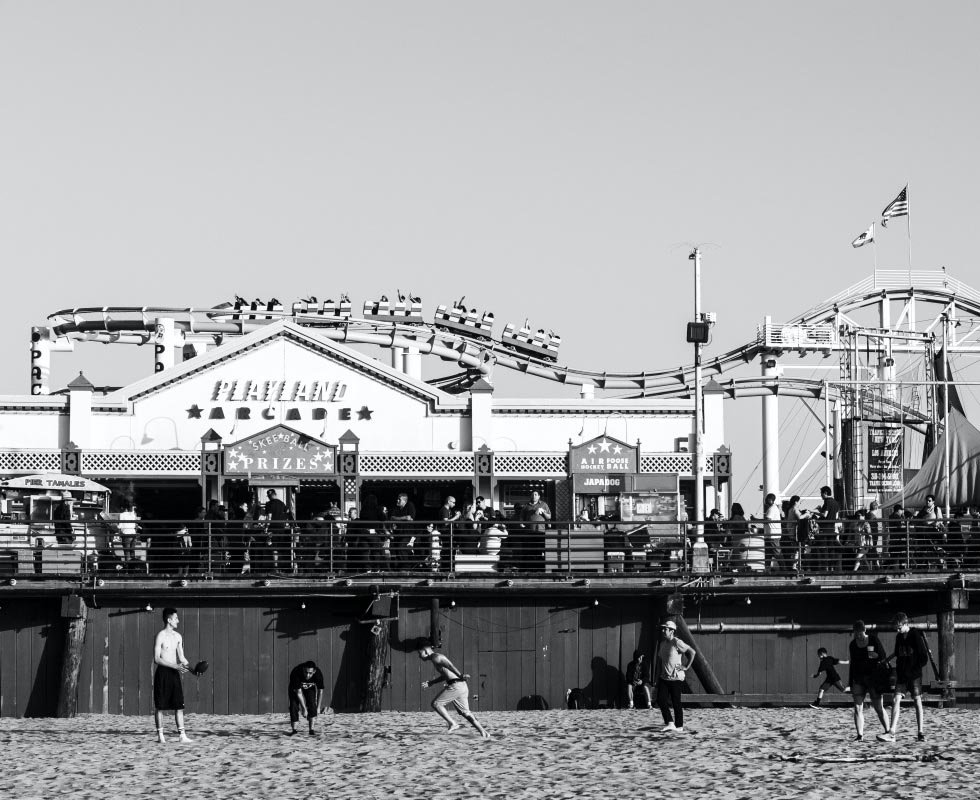
If you visit Santa Monica without any preparation, you may regret it. This coastal city on the west side of Los Angeles County, facing the Pacific, fits the “things to do” category of a guidebook better than the “places to see.” Head to Santa Monica Beach. Weekday or weekend, day or night, it is packed with people, and everyone is busy doing something. While some dive into the water to surf, paddleboard, or kayak, others kick through the sand for kitesurfing and beach volleyball, or twist their bodies earnestly on yoga mats. On the Santa Monica Pier, you will find the Ferris wheel that appeared in the film ‘Iron Man,’ a carousel more than 100 years old that was a filming location for ‘Forrest Gump’ and ‘The Sting,’ and prime fishing spots for city anglers.
And then there is the bike path, the Marvin Braude Bike Trail. Stretching 22 miles (35 kilometers) along the coastline, it is commonly called The Strand. A nonstop procession of zero-emission traffic (walkers, runners, cyclists, skateboarders, roller skaters, and people riding Segways) flows along a paved path just wide enough for a single car. There may be no more efficient route for taking in the beach areas of Southern California.
If you want a closer look at the inner life of Santa Monica, look up Pedal or not…, a specialist company that runs small-group electric bike tours of the area. As the witty name suggests, whether you pedal entirely under your own power or take help from the battery is up to you. One tip: stay as close as you can to the guide riding ahead. You never know when a choice piece of insider information will pop out of the guide’s mouth, such as which of the classic beachside hotels Jack Nicholson or Johnny Depp stayed in, where Ruth Handler, creator of the Barbie doll, used to live, or what year the carousel first arrived on the Santa Monica Pier. The tour runs north along The Strand to the Santa Monica Pier and beyond, then turns around and heads south. It takes in Venice Beach and Muscle Beach, playgrounds for young people dreaming of becoming the next Jay Adams or the next Arnold Schwarzenegger, and finishes with a visit to the Venice Canals. Tours run daily at 10 a.m. and 2 p.m., take about three hours, and the fee includes an electric bike, a helmet, and a short lesson in hand signals.
Palm Springs
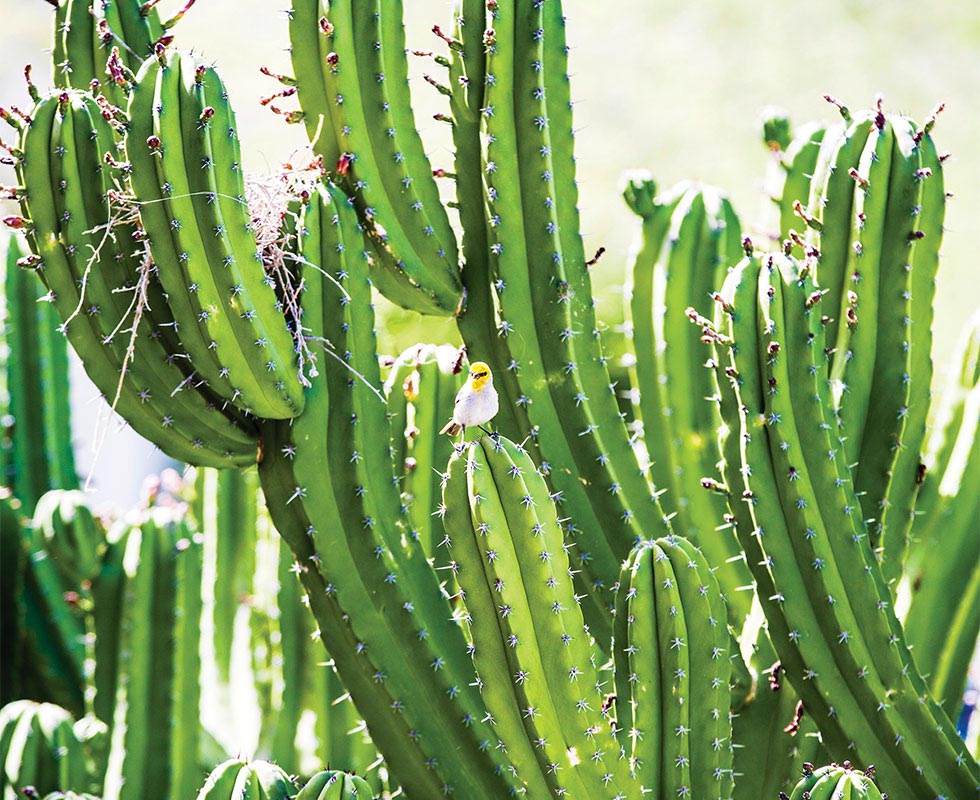
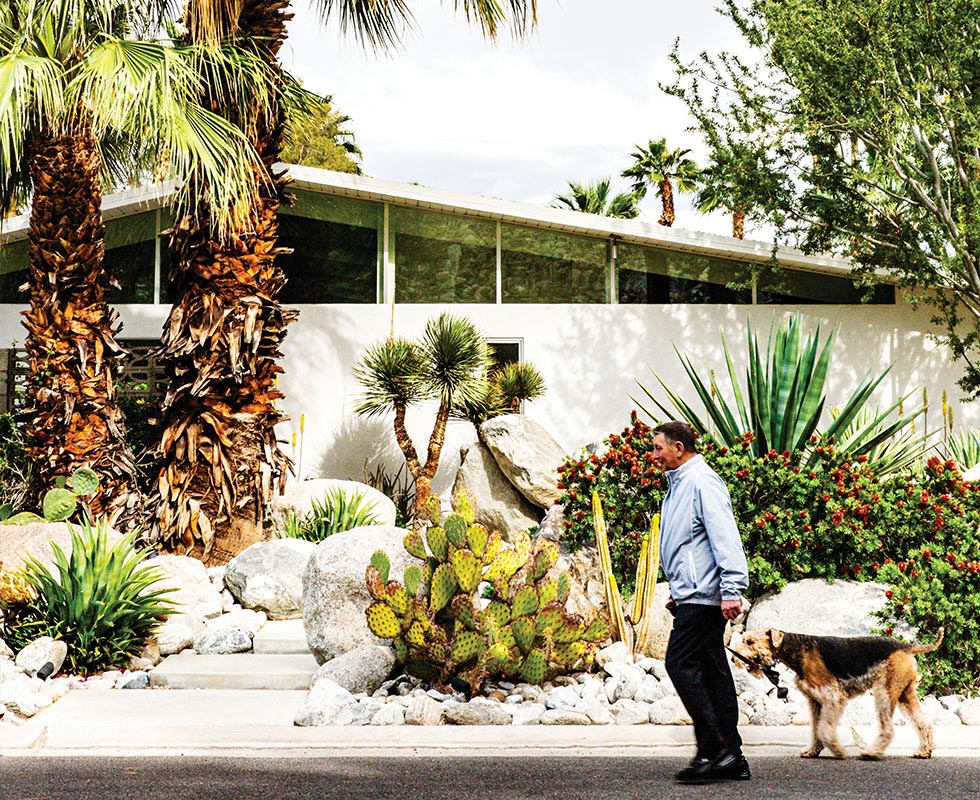
A spring where palm trees grow. True to its name, Palm Springs is a city that formed around water welling up in an arid basin surrounded by mountains. In the early 20th century, people seeking recovery and rest in its pleasant weather discovered this desert oasis, and from the 1940s it began to draw attention as an upscale resort. Its main clientele were Hollywood actors and the wealthy. It was a suitable distance from Los Angeles and other major cities in the American Southwest for a weekend retreat, and it offered privacy along with ample land and sunshine to enjoy to the fullest. Meanwhile, in Europe, modernist architecture and design were in vogue, centered on the Bauhaus. Now everything was in place: land and capital, people who wanted new homes, and architects hungry to try something new. And so the empty desert town of Palm Springs became a holy land of Mid-Century Modern architecture.
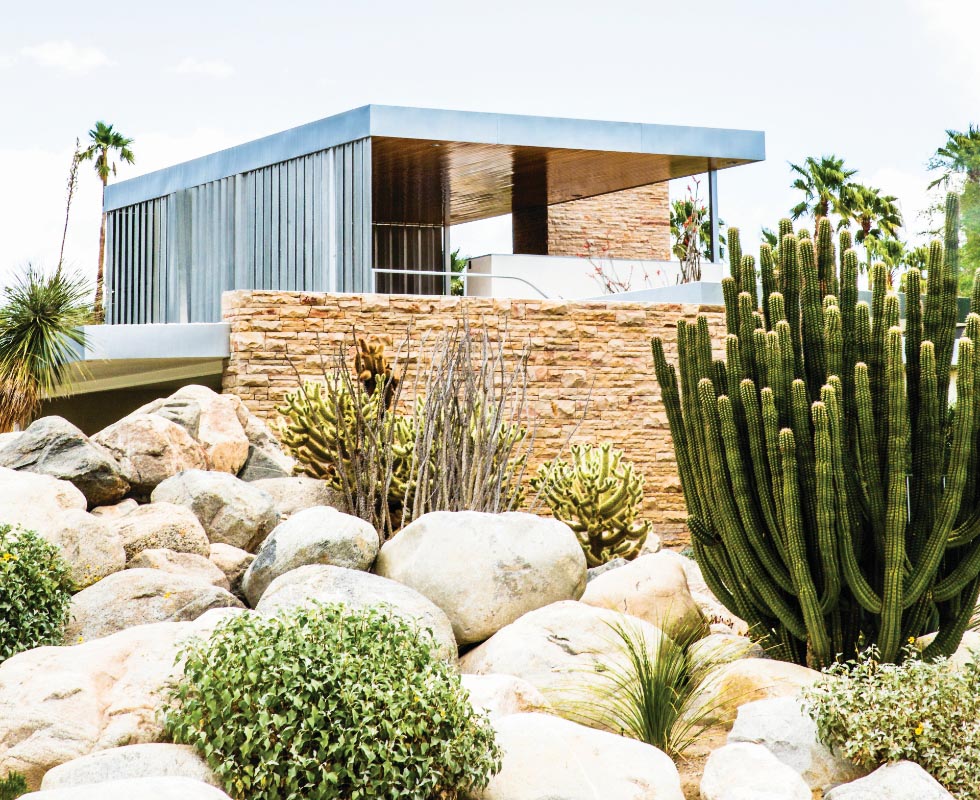
The many Mid-Century Modern buildings that went up then played a decisive role in reviving the city after it declined along with Hollywood from the 1970s onward. According to Trevor O’Donnell, half of Palm Springs’ popularity today comes from Mid-Century Modern (the other half, he says, is probably the resorts). A Pennsylvania native who lived in Los Angeles for 16 years and often visited Palm Springs for weekend getaways, he now lives in a small, neat white house built in 1952 by Richard Harrison. PS Architecture Tours, which O’Donnell runs, is an ideal opportunity to see Palm Springs’ distinct architectural taste for yourself. The tour covers the Tramway Gas Station, now used as a visitor center, and the homes of stars of the era such as Frank Sinatra and Elvis Presley. O’Donnell also drives you to the front doors of some of the finest Mid-Century Modern buildings in Palm Springs, including the Edris House, the Kaufmann Desert House, and the Dr. Franz Alexander House, set among the rocky terrain in the northwest of the city (interiors are open only during Modernism Week, held every spring and fall).
Minimalist yet bold designs that bring out the inherent character of building materials such as concrete, glass, steel, and aluminum blend with the vast, stark landscape of Palm Springs to leave a powerful impression. None of this might have been possible without the capitalists of the time (or their discerning eyes), who became steadfast patrons of the Mid-Century modernists. Half a century later, anyone can enjoy their legacy. The small-group tour with O’Donnell starts at 10 a.m., takes a little over three hours, and costs $110 per person.
Palm Desert & Coachella
Coachella Valley is ringed by four mountain ranges: San Jacinto, Little San Bernardino, Santa Rosa, and San Gorgonio. Nine cities, Palm Springs among them, sit in this valley, and together they are known as Greater Palm Springs. Thanks to the mild weather year-round, most of them developed as winter resort towns, and Palm Desert, a 30-minute drive from Palm Springs, is one of them.
Escaping the cold is not the only reason to visit this city. There is also El Paseo, a 1.5-kilometer-long shopping street downtown. It has luxury boutiques and department stores, fine restaurants and trendy cafés, galleries, and fountains and flower beds tucked between the buildings. It might remind you of the upscale shopping district of Beverly Hills, but what sets this “Rodeo Drive of Palm Desert” (Rodeo Drive is the main shopping street of Beverly Hills) apart is its public art. Along the boulevard, flanked on both sides by some 250 shops, stand 18 works of various sizes, and true to the name “El Paseo Exhibition,” a new set of installations is unveiled every two years. As you wander the street and your shopping bags multiply, it never quite feels snobbish, and that is not just your imagination.
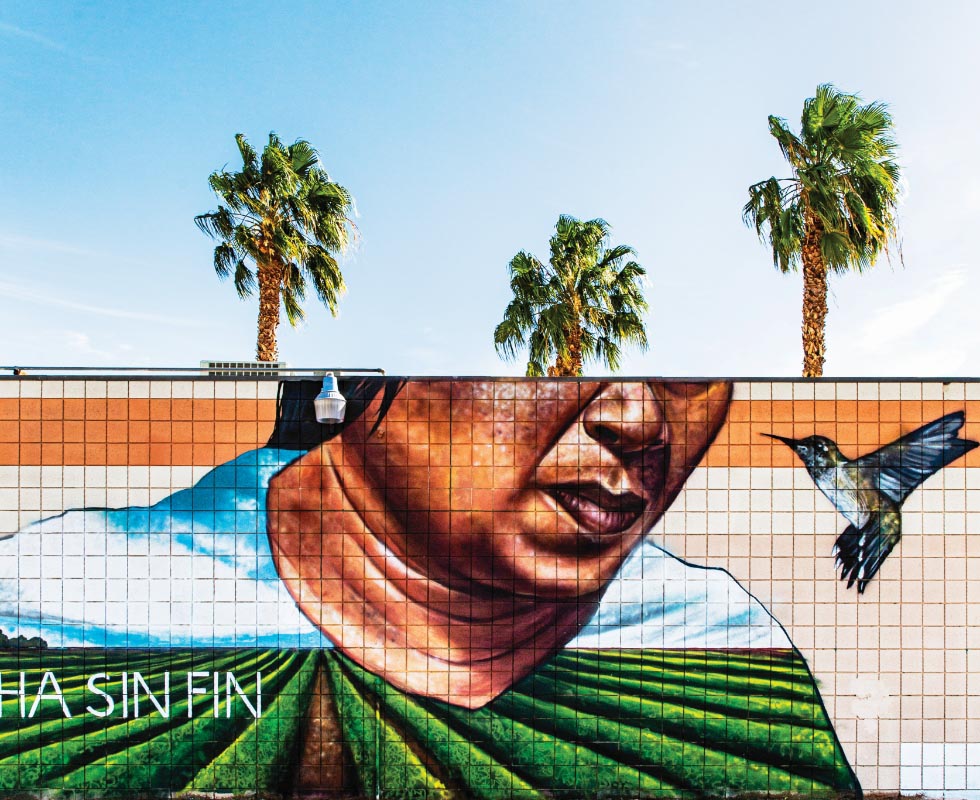
The small city of Coachella draws visitors with its own artistic character. Every spring, the Coachella Valley Music and Arts Festival brings musicians and audiences from around the world to the area. If you miss the three days of the festival, there is no need to feel disappointed. Just a few blocks from the Empire Polo Club, where the outdoor stages are set up, street murals that capture the region’s culture and history can be enjoyed free of charge all year long. This is a Hispanic community whose families have worked in agriculture for generations, and unlike the other resort towns in Coachella Valley, it is far from glamorous. About the only thing in abundance, as the city’s nickname suggests, is sunshine. In 2014, Armando Lerma, a Coachella native, started Coachella Walls, which added art to that sunshine. The street mural project, which the city actively supports as a way to revitalize the town, is still ongoing. Thirteen murals by 14 international artists are scattered within walking distance of the downtown core. In these distinctive paintings, which carry the culture of the local Hispanic community, including the profile of an ordinary farmer, a woman of the desert, and a girl who symbolizes American womanhood, you catch a glimpse of the other side of Greater Palm Springs.
Joshua Tree National Park
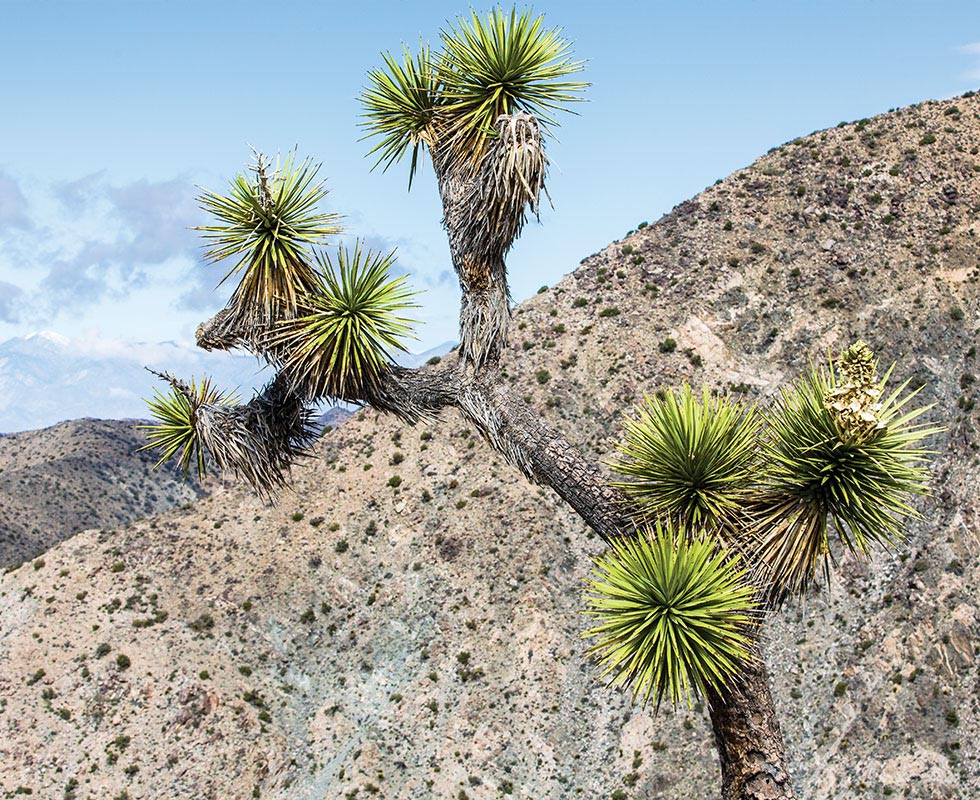
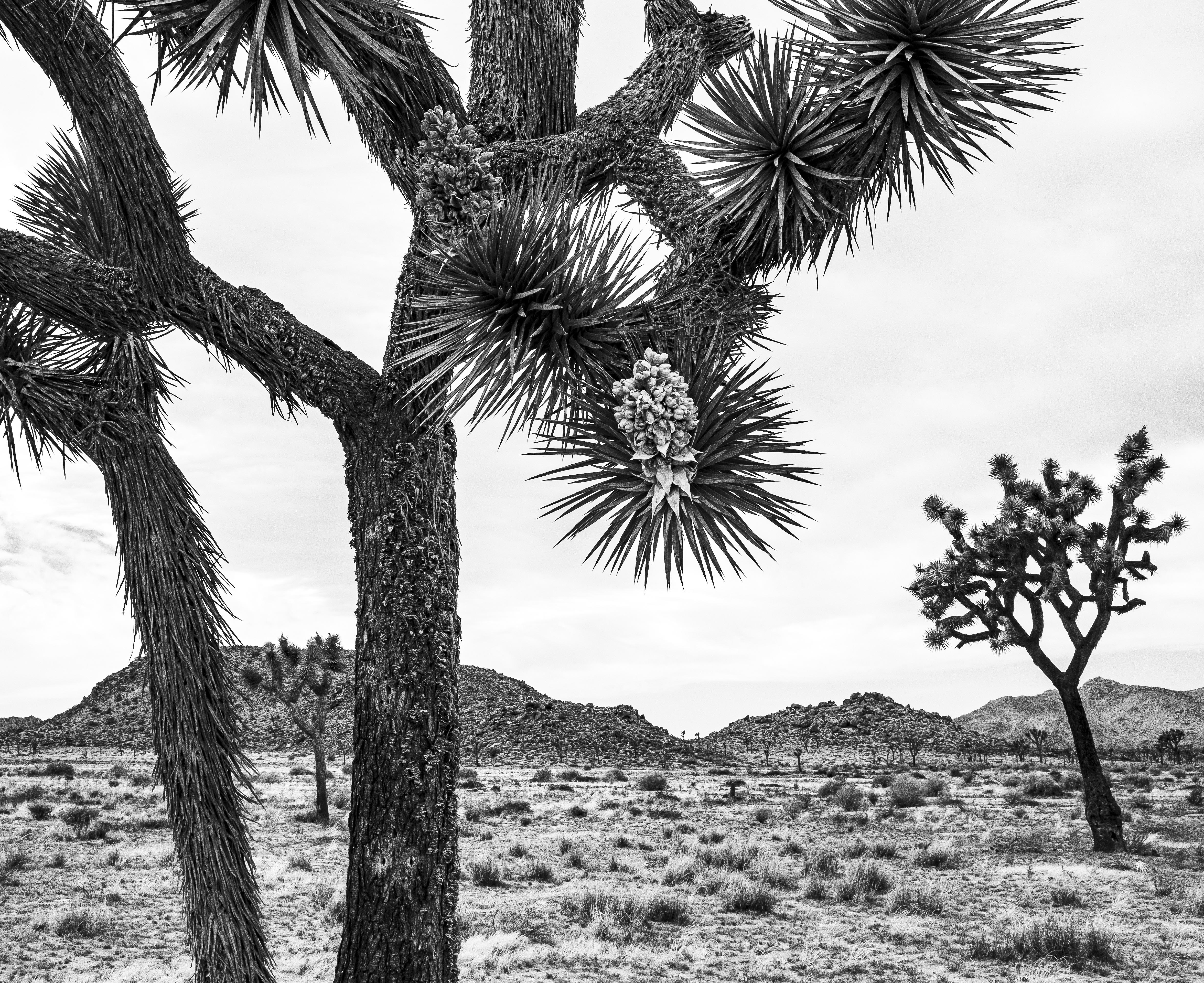
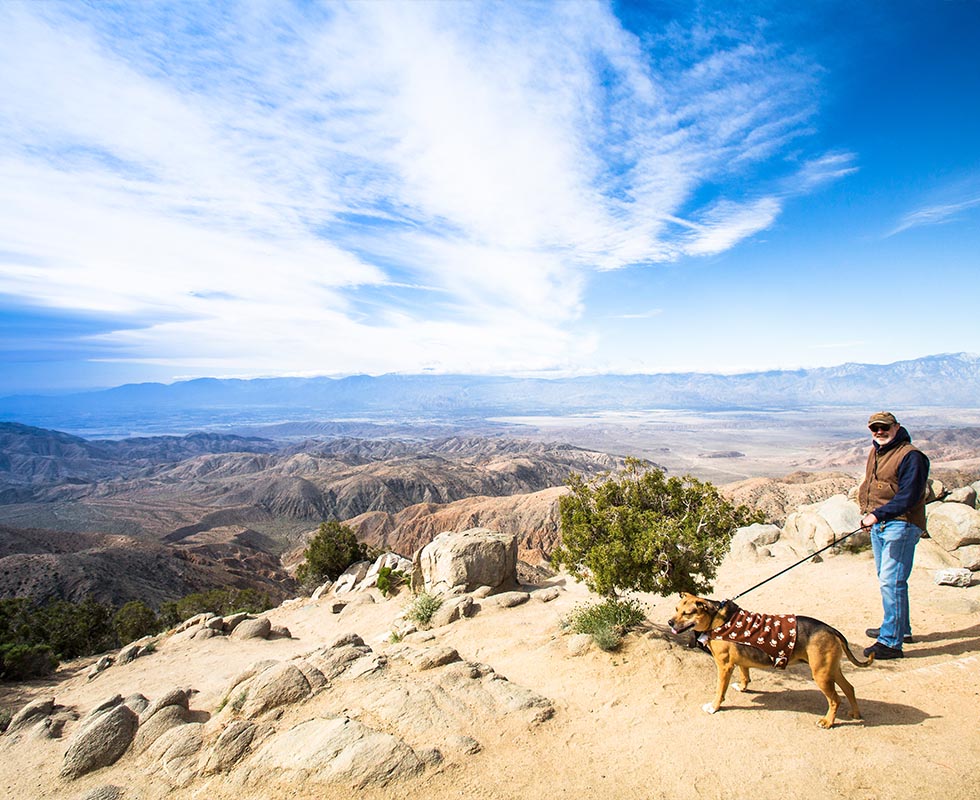
The Joshua tree is hard to forget once you have seen one. When 19th-century Mormon settlers first saw it, it reminded them of Joshua, and the legendary Irish rock band U2 later gave the tree’s name (it is actually not a tree but a perennial of the agave family) to an album that sold more than 25 million copies worldwide. With branches stretching skyward like fingers spread in a cheer, each tipped with a spherical burst of spiky leaves, it has an undeniably strange pull on the eye. As evidence, you could point to the many artists of the 1960s and ’70s who fell for the place, including John Lennon and Gram Parsons, and to the roughly 2 million visitors who come to Joshua Tree National Park every year. Of course, the campsites, good enough to appear on nearly every list of the “best campgrounds in America” from outlets such as “Travel + Leisure” and “Outside,” and the massive boulders that send adrenaline surging just by looking at them, surely play a part too.
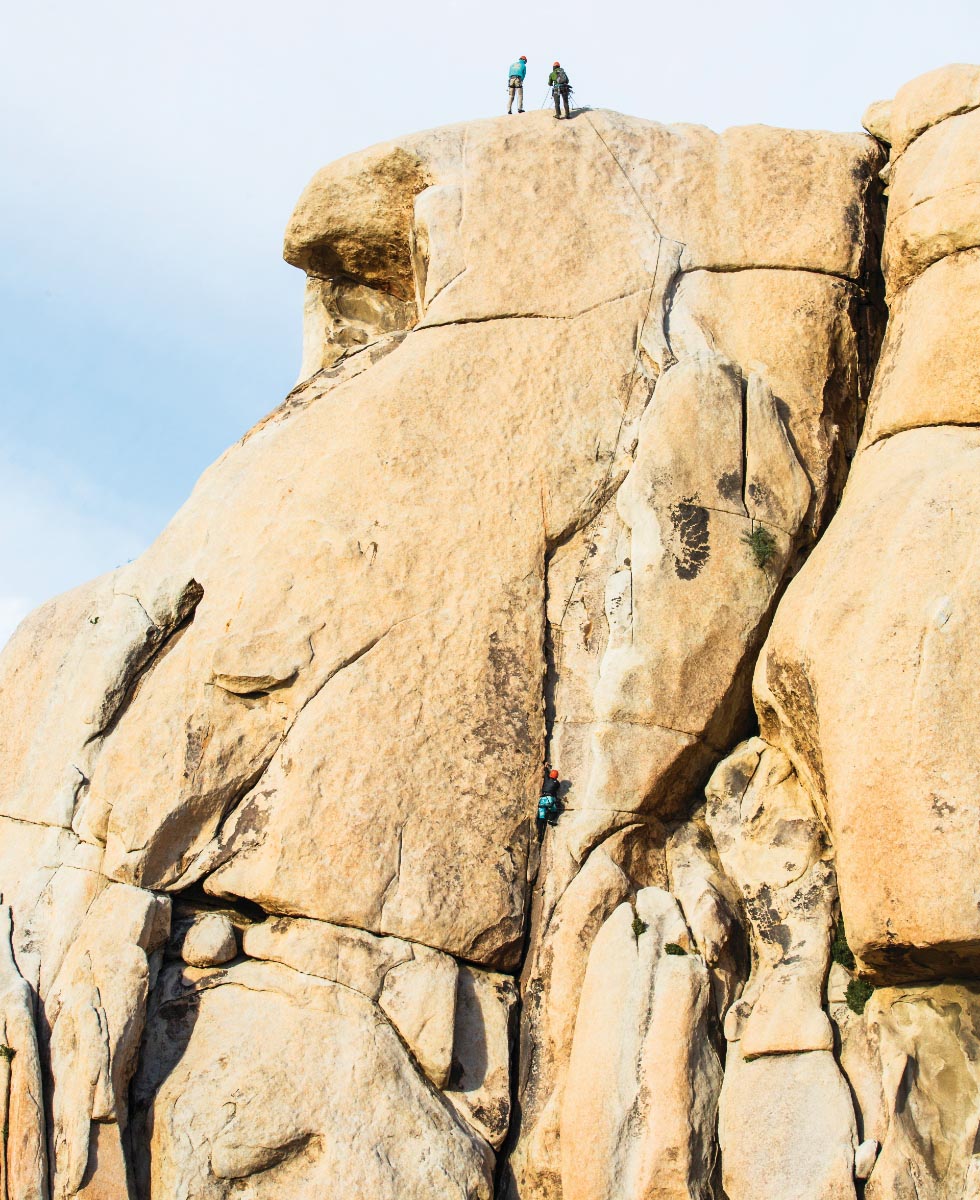
Joshua Tree National Park covers 3,199 square kilometers, which is not especially large, particularly compared with Death Valley (13,650 square kilometers), also in California. But that is part of its appeal. Hiking, camping, climbing, and other activities are packed in compactly, making it ideal for enjoying the outdoors on a short trip. Programs led by park rangers are varied too: a tour of Key Ranch, where traces of early settlers remain, coffee with rock climbers, and lessons in the park’s history and culture under the night sky. Aside from the Key Ranch tour ($10 per person, reserved at least 30 days in advance), no extra fee or reservation is required. Otherwise, you can pick up a map at a park visitor center and go hiking, or scramble up the rocks of the Wonderland of Rocks or the Hall of Horrors. If you have the time, we strongly recommend spending a night at one of the eight campgrounds, including Jumbo Rocks. Nothing compares with sipping your morning coffee amid Joshua trees and boulders.