New Cheongdo Travel Guide — A New Guide to Cheongdo, Gyeongsangbuk-do (1): Activities
A journey in search of Cheongdo's hidden charms, from graceful landscapes where mountains meet lakes and the rich local fare born of them, to places steeped in history and tradition, distinctive cafés, and a wide range of hands-on experiences.
Words Pyo Youngso
Photos Shin Gyucheol
In collaboration with Cheongdo-gun, Korea Tourism Organization Daegu-Gyeongbuk Office
Produced by Inpainter Global
Daegu and Gyeongsan to the north, Gyeongju and Ulsan to the east, Miryang and Changnyeong to the southwest. Cheongdo, ringed by six neighboring cities and counties and separated from them by high mountain ridges, is larger than Seoul in area yet rarely makes its presence felt. In other words, it is a destination where you can enjoy pristine nature untouched by crowds of tourists, along with a humble, endearing atmosphere.
Long from east to west and short from north to south, Cheongdo is divided by the Yonggak mountain range into the Sandong (east of the mountains) and Sanseo (west of the mountains) regions. Sandong is mountainous terrain, home to peaks above 1,000 meters, including Mount Unmun, while Sanseo, with its relatively gentle hills, has been settled since ancient times. The two regions, kept apart by mountain passes and developing separate cultures and spheres of daily life, were joined only in 2013, when the Gomtijae Tunnel opened. This geography makes Cheongdo's appeal all the more varied and abundant. From nature that spans mountains, forests, lakes, waterfalls, and fields, to local specialties that appear in every season and attractions of every theme, Cheongdo reveals a new face the closer you look.
What sets Cheongdo apart from the outside world is the green scenery that unfolds in every direction. Nature that clears the eyes and calms the mind just by looking at it stays with you from the moment you set foot here until you leave. The sights, food, and people you meet within it are much the same. Nothing feels excessive or contrived; there is a natural elegance that yields to the environment and the passing of time. Perhaps that is the true value of this city: a subtle charm that deepens the more you savor it. If you prefer hidden destinations to famous tourist spots, and enjoy new experiments and adventures over chasing trends, turn your eyes toward Cheongdo.
Sights
To See
A Four-Season Favorite of Locals: Unmunsa Temple
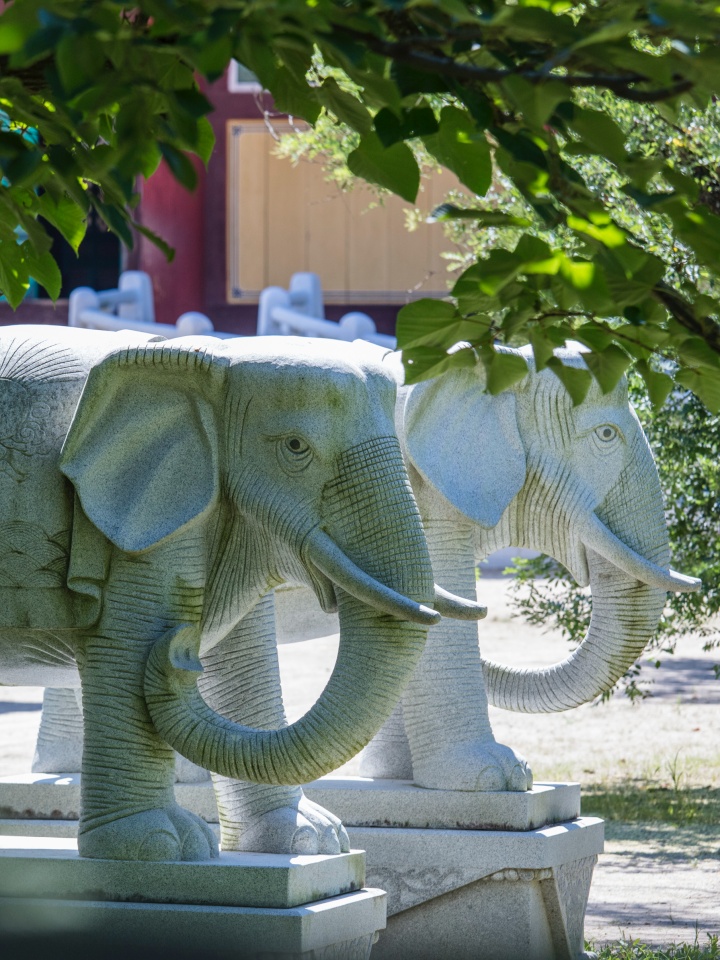
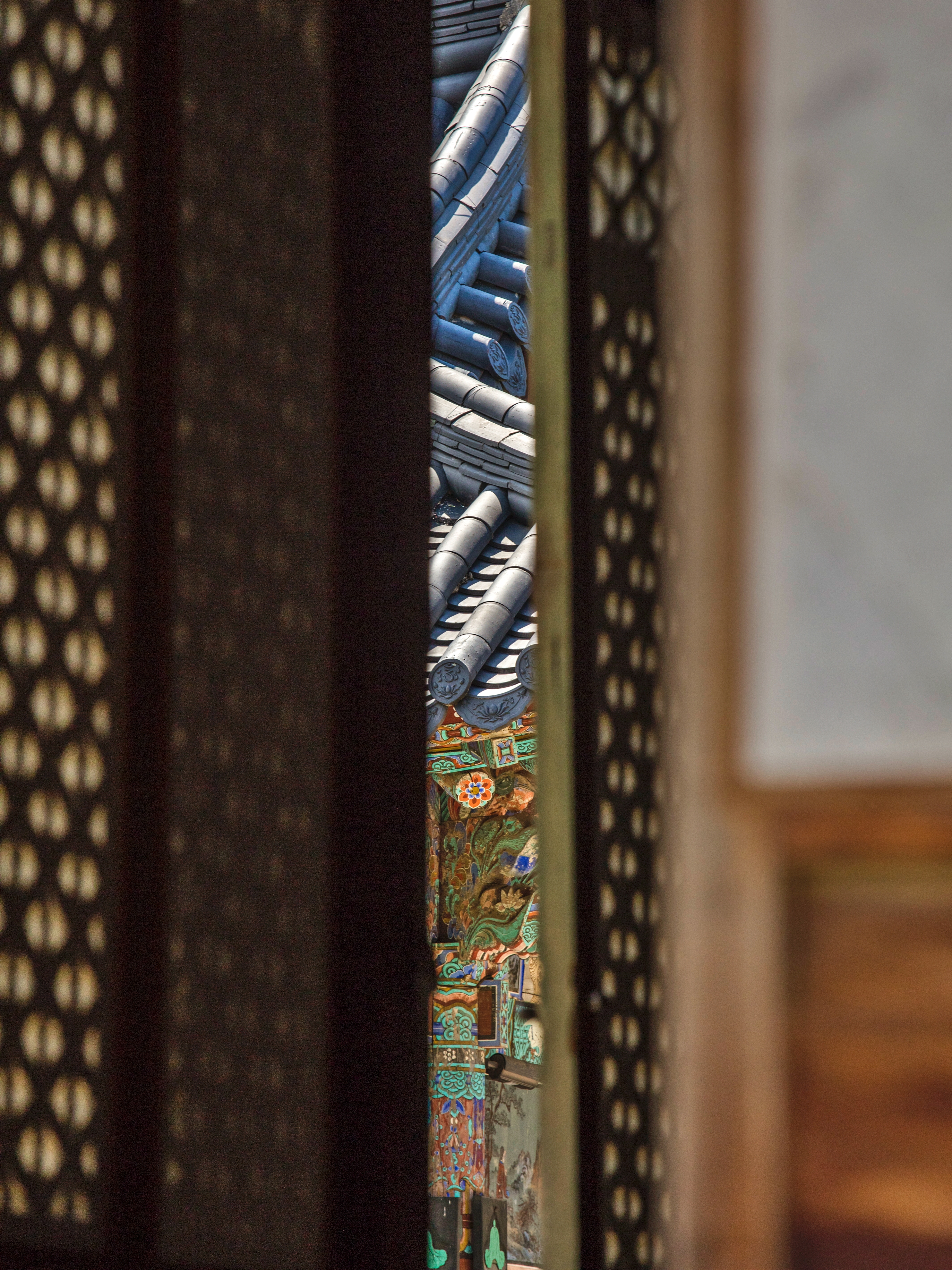
Located on the northern slope of Mount Unmun in the eastern part of Cheongdo-gun, Unmunsa is a storied temple founded during the reign of King Jinheung of Silla. After the monk Wongwang rebuilt it in 600, he is said to have passed on the Five Secular Precepts nearby, which is why the site is considered the birthplace of the Hwarang spirit. It began to be called Unmunsa during the reign of Taejo, the founder of Goryeo. Today it is regarded as a center of education for Buddhist nuns, home to the largest Buddhist seminary in the country. Walking through a pine forest path named Solbaram-gil (Pine Breeze Path) and into the temple grounds, you are greeted first by a 500-year-old pine designated a Natural Monument. True to its name, the Cheojin Pine (Drooping Pine), it spreads flat along the ground, showing off a shape unlike the pines you passed on the path moments earlier. Beyond it, the foothills of Mount Unmun, once called Hogeosan (Crouching Tiger Mountain) because it resembles a crouching tiger, fill your view, giving the grounds a snug, gentle atmosphere. Many halls remain just as they were, including Birojeon, the oldest hall at Unmunsa, along with Mireukjeon, Geumbeopdang, and Manseru. You can also see numerous important cultural properties designated as Treasures, including the stone lantern in front of the main hall, the seated stone Buddha, and the three-story stone pagoda.
264 Unmunsa-gil, Unmun-myeon, Cheongdo-gun
This Is What an Eco Trail Should Be: Unmun Lakeside Eco Trail
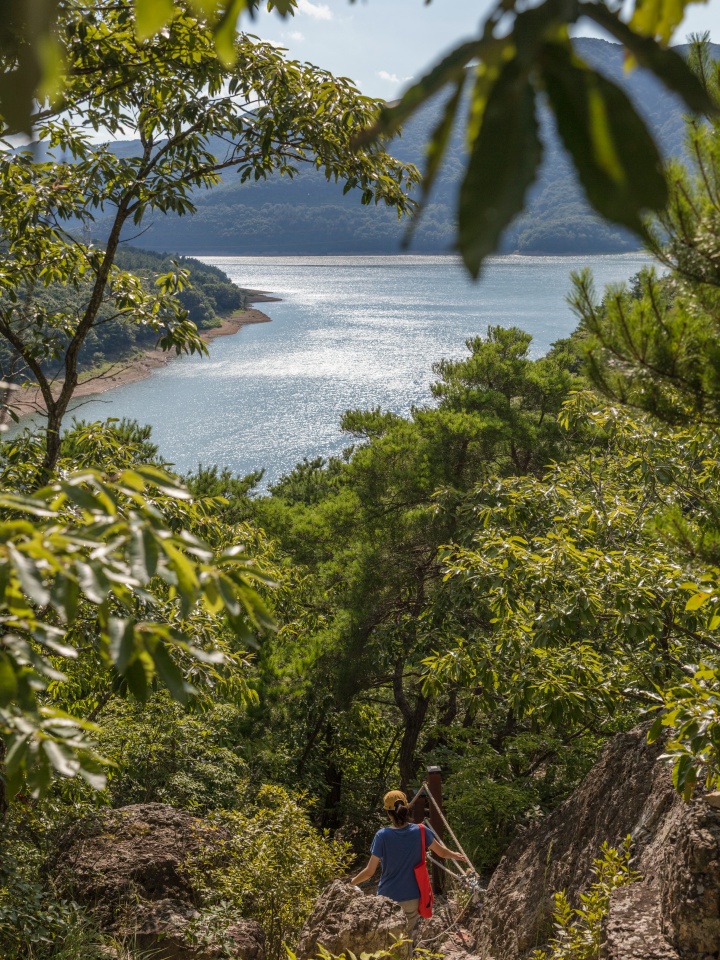
When Unmun Dam was completed in 1996, seven villages around Unmun-myeon disappeared and a lake took their place. The area around Unmun Lake is beautiful in every season, making it popular for drives and treks. Gongampungbyeok (Gongam Maple Cliff), one of the nine scenic sights of Cheongdo, is here too. At the tail end of a ridge stretching from Mount Unmun, a 30-meter half-moon-shaped cliff joins the lake to create a lovely view. It was once called Gongam (Hole Rock) because of a large hole at its summit, where a dragon was said to have lived. It later gained the fine name Gongampungbyeok thanks to a Chinese poem written by the Joseon-era Neo-Confucian scholar Cho Geungseop after he saw the cliff. The trail that runs along the lakeshore to the top of the cliff is one of Cheongdo's hidden trekking courses. It is a short trail, about 3 kilometers round trip, but if you were expecting a well-groomed promenade, think again. True to the name “eco,” most of it is a mountain path tangled with rocks and tree roots. It is also unusual that there are almost no signs or structures marking the starting point; you simply walk toward the lake and come across it. The course climbs uphill all the way to the summit observatory, which adds to the pleasure of the walk. Early on you walk while enjoying views of Gongampungbyeok, and once you reach the top of the cliff, the deep inner reaches of Unmun Lake unfold before you. Starting from the Gongam-ri Community Center parking lot, the round trip takes a little over an hour.
(Gongam-ri Community Center) 64 Gongam-gil, Unmun-myeon, Cheongdo-gun
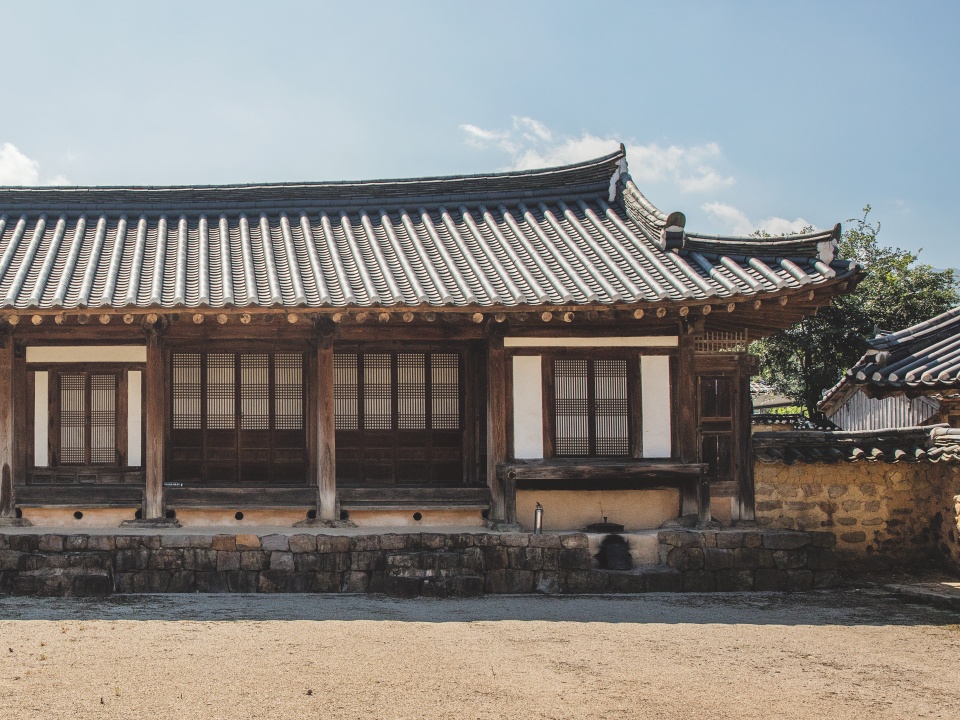
A Journey Through Old Houses with Stories: Seopmari Hanok Village and Unrim Gotaek
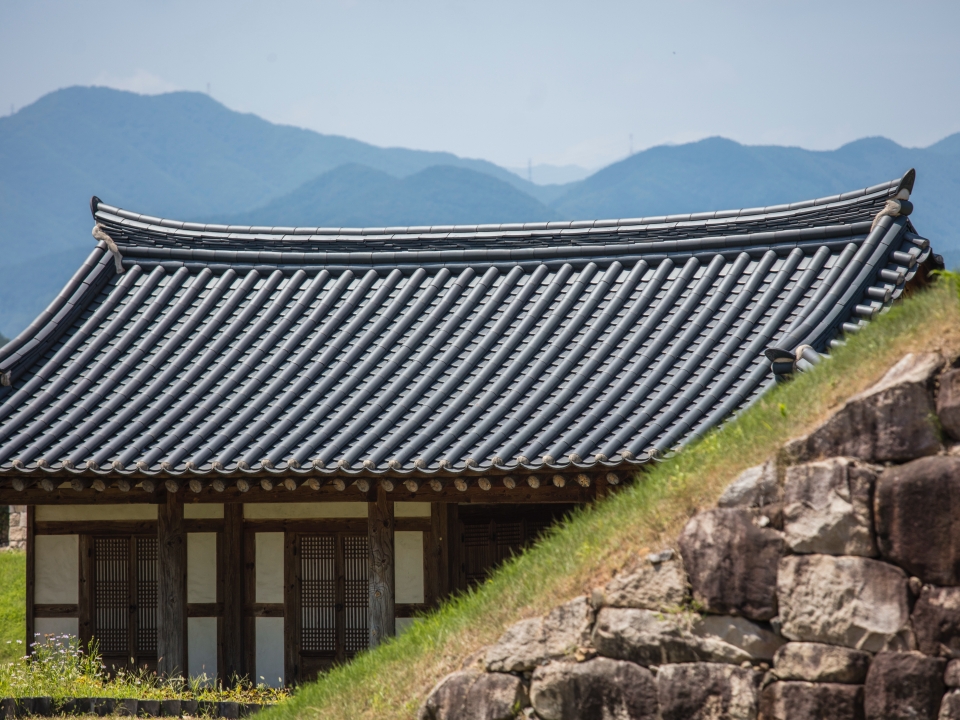
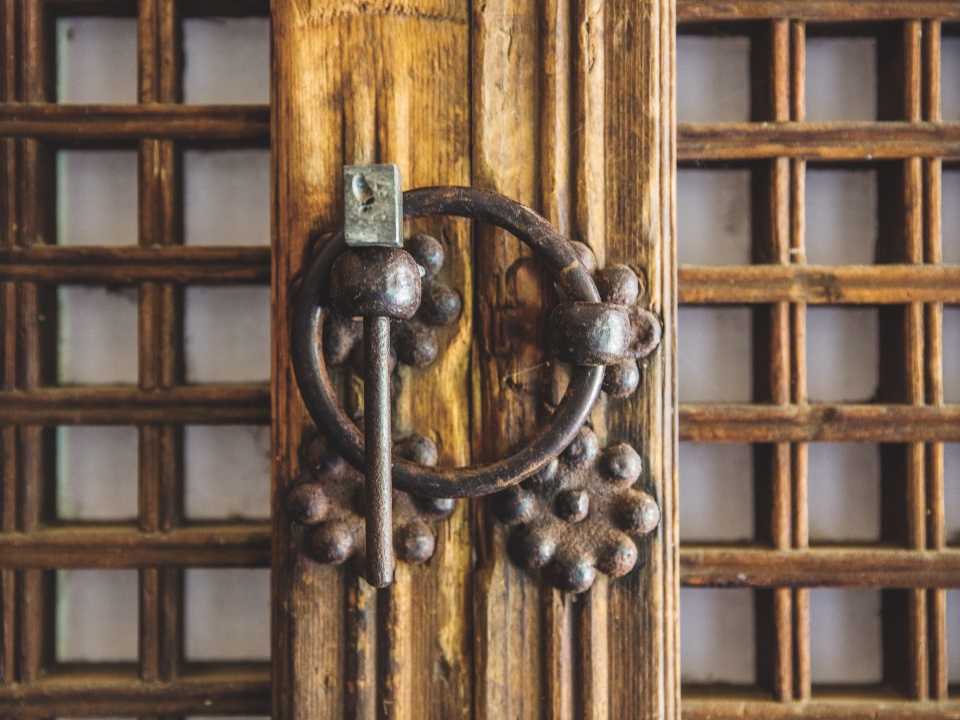
In Sinji-ri, Geumcheon-myeon, Dongchangcheon Stream, flowing down from Unmun Lake, wraps around the village. The clan village of the Miryang Park family and several old houses here are together called Seopmari Hanok Village. Seopmari means a village on a hill with a seopdari (a traditional brushwood bridge), and the tranquil scenery along the stream remains much the same today. In this clan village, which formed after Park Hadam, a Confucian scholar from Miryang, settled here in the early Joseon period, Ungang Gotaek is regarded as the most important building. A heritage that offers a glimpse of how the upper class lived in the late Joseon period, it is designated a National Folk Heritage site, together with Manhwajeong, a separate villa built on a riverside cliff. Seonam Seowon, built to enshrine the memorial tablets of Park Hadam and Kim Daeyu, another literary figure from Cheongdo, is distinguished by its unusual structure in which living quarters and a village school coexist. The school building has rarely seen ornate bracket carvings under its roof, and a 200-year-old crape myrtle fills the courtyard, beautiful as well. Unrim Gotaek, not far from Sinji-ri, is a good place to visit together with Seopmari Hanok Village. It is the only eunuch's residence left outside Seoul and Gyeonggi-do. It is also called the “Kim Family Old House of Imdang-ri,” since it is where Unrim Kim Byeongik, who rose to the junior second rank as a eunuch in the late Joseon era, spent his final years. As you take in the interior layout, such as the placement of the sarangchae (men's quarters) that lets you see the movements within the anchae (inner quarters) at a glance, and the inner quarters cut off from the outside, you can picture the sad life of a eunuch who had a family but, unable to fulfill the role of a husband, was consumed by sorrow. Most of the old houses in the hanok village, including Unrim Gotaek, are private property, so you can visit by applying for a cultural tourism guide.
(Ungang Gotaek) 476 Seonam-ro, Geumcheon-myeon, Cheongdo-gun
(Unrim Gotaek) 14 Imdang 2-gil, Cheongdo-gun
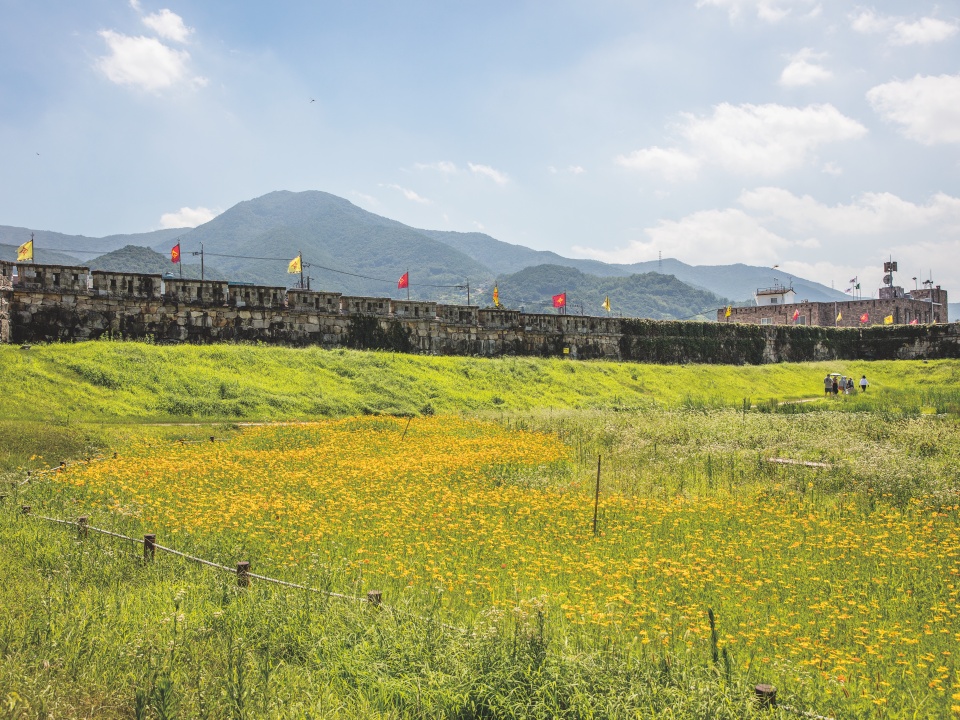
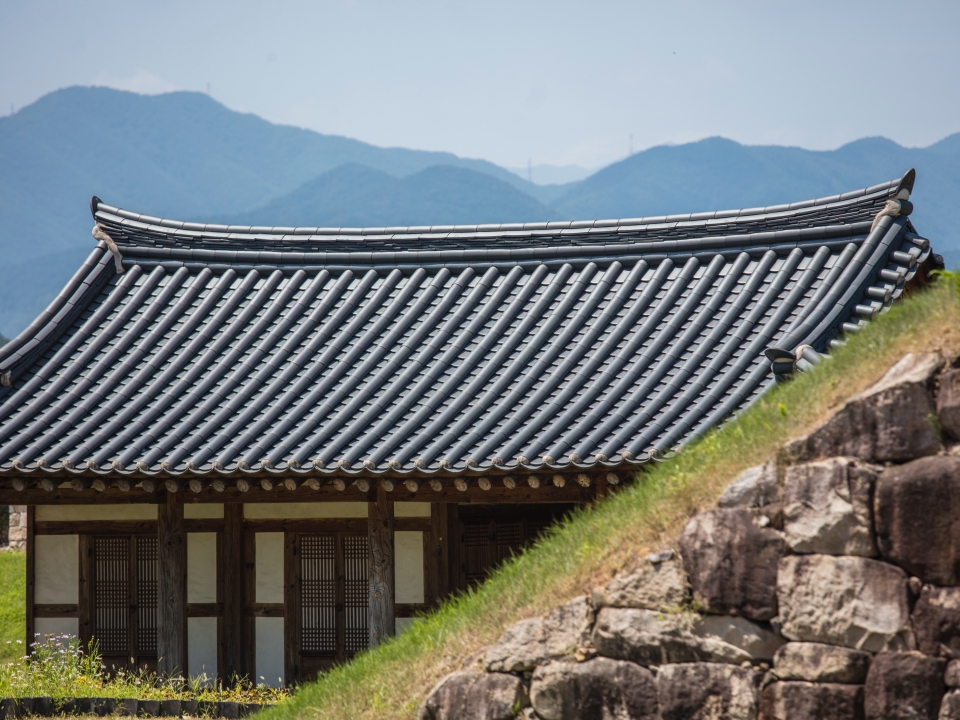
Past Lives in Cheongdo: Cheongdo Eupseong Fortress and the Seokbinggo
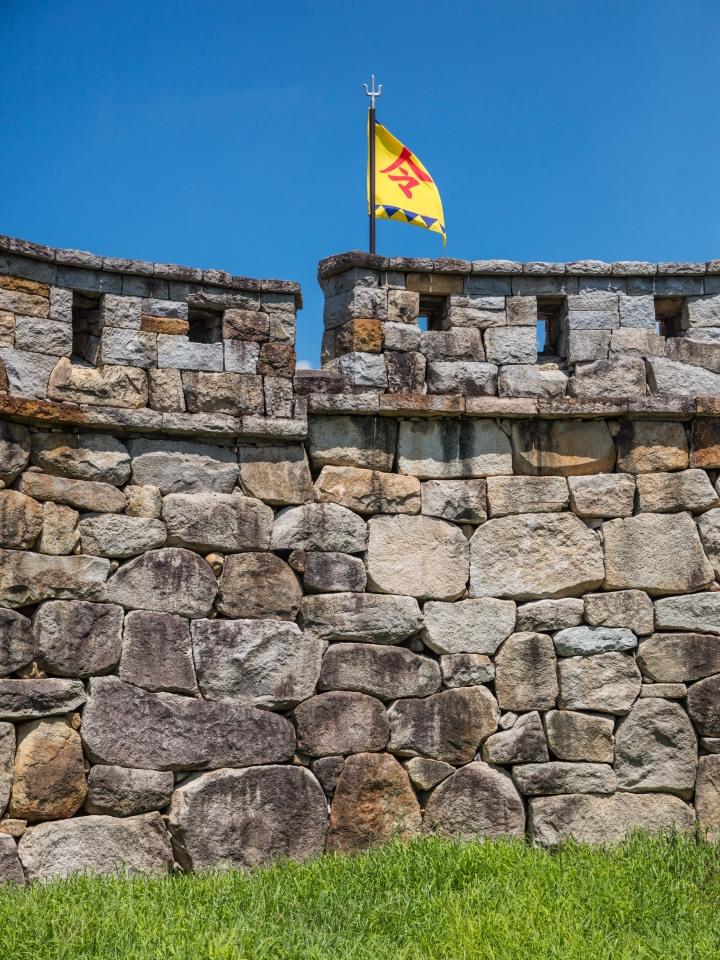
Follow the low hills at the heart of Cheongdo to find traces of the old walled town. Cheongdo Eupseong is believed to have first been built in the late Goryeo period. Originally made of earth and wood, it was rebuilt in stone during the Joseon era, but most of it was lost during the Japanese invasions of the 1590s, and even its traces vanished during the Japanese colonial period. The fortress seen today is a restoration completed after about 15 years of careful excavation and lengthy construction work starting in 2005. Of the full 2 kilometers, 940 meters have been restored, including the north and west gates, and a walking path has been laid out around the walls. It is easy to imagine how the fortress once protected the town, facing Namsan, Cheongdo's guardian mountain, to the south and embracing the wide fields inside the Cheongdocheon Stream to the north.
By contrast, the seokbinggo (stone ice house) near the eastern wall is a place that needs no imagination. Anyone curious about the inner structure of these former ice storehouses will find their curiosity refreshingly satisfied here. The Cheongdo Seokbinggo is believed to have been built in the early 18th century during the reign of King Sukjong. It is the oldest of the surviving stone ice houses (six in Gyeongsang-do and one in North Korea) and the second largest after the one in Gyeongju. Its earthen mound is damaged and the arched framework is exposed, so the inside is in plain view. Among surviving seokbinggo, the one in Cheongdo is the only one whose interior can be seen.
48-1 Dongsang-ri, Hwayang-eup, Cheongdo-gun
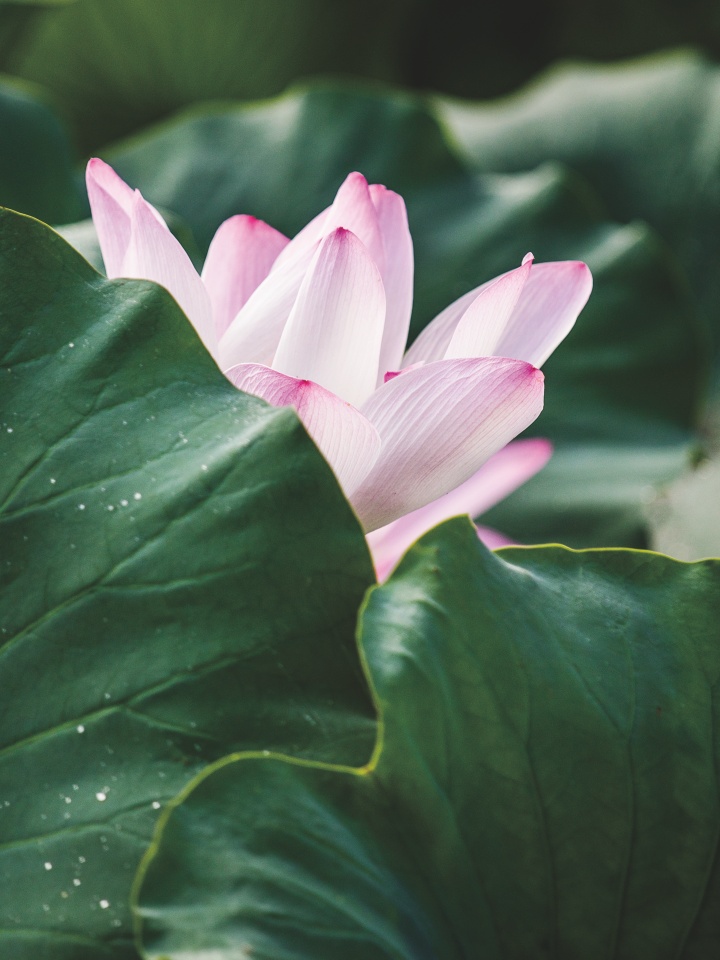
Healing at a 20,000-Pyeong Lotus Pond: Yudeung Yeonji
Ringed by mountain ridges on every side, Cheongdo is a place where green is always close at hand. Outsiders who have settled here tend to say the same thing: the clean natural environment and the peaceful atmosphere. If you are looking for a spot in Cheongdo where you can truly settle in and recharge, we recommend Yudeung Yeonji (柳等蓮池). The pond takes its name from Yudeung 1-ri, the village where it lies. When it was first created in the Joseon era, it was called Yuho Yeonji (柳湖蓮池), meaning “lotus pond surrounded by willows,” and before that a small pond called Sillaji (新羅池) occupied this spot. Lee Yuk, who went by the pen name Moheon, enlarged that pond in the Joseon era and planted lotuses in it, creating today’s Yudeung Yeonji, which measures about 700 meters around and covers 68,000 square meters. Stand in Gunjajeong (君子亭), the pavilion at the water’s edge, and the green pond blanketed in lotus leaves fills your view like one enormous lotus blossom. This is the scenery that soothed the troubled heart of Lee Yuk, who retreated to Cheongdo after weathering the turmoil that followed the Literati Purge of 1498 (Muo Sahwa). Even outside summer, when the elegant pink blossoms lift their heads, it is sure to bring peace of mind.
207 Yeonji-ro, Hwayang-eup, Cheongdo-gun
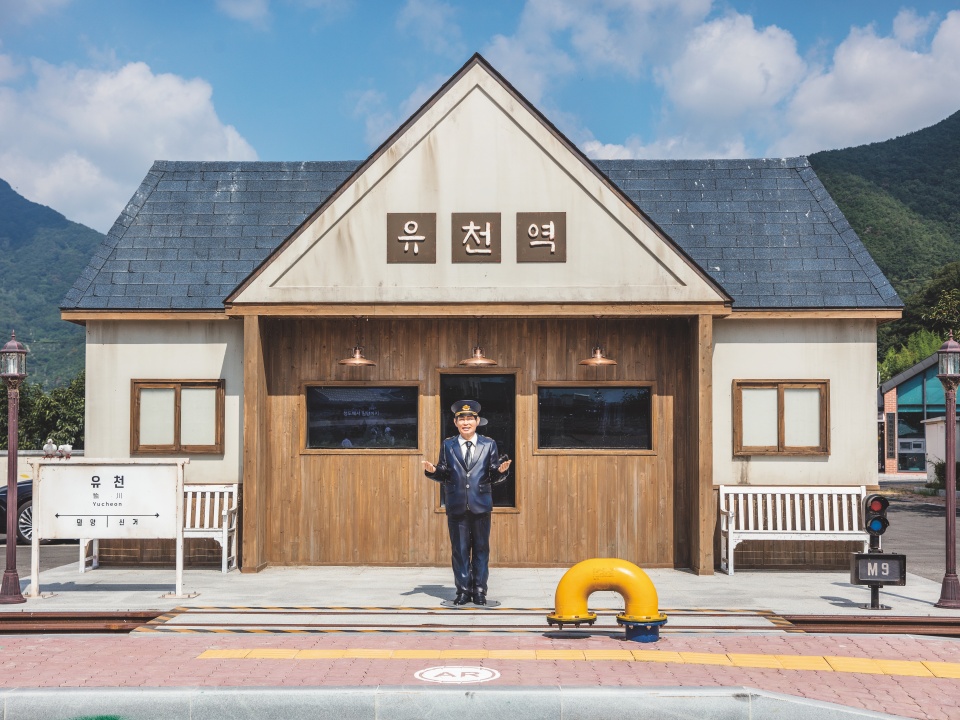
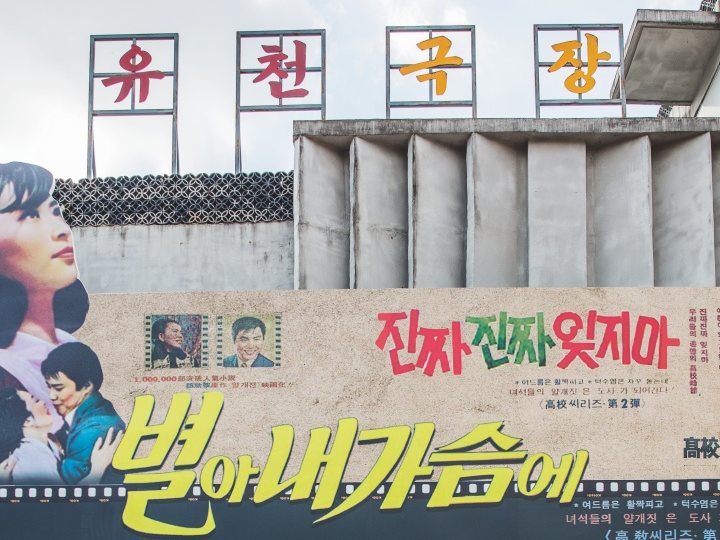
A Stroll Through a Retro Village: The Modern Street of Yucheon Village
Yucheon Village, which borders Miryang to the south, was once an important transportation hub. A post road ran through it from the Goryeo era, and it had a station inn (yeogwon). During the Japanese colonial period, trains on the Gyeongbu Line stopped at Yucheon Station. Because so many people and goods passed through, commerce flourished: rice mills and breweries did a brisk business, and a movie theater opened. Then new roads were built nearby and industry developed elsewhere, and, like many farming villages, the town slid into decline. Thanks to that, visitors to Yucheon today can see the Cheongdo of the 1970s and ’80s. Recent restoration work has brought back the old buildings along the street, including Yucheon Theater, which opened in the 1970s, as well as an ironworks, a brewery, a rice mill and a record shop. The birthplaces of the 20th-century sijo poets Lee Hou and Lee Yeongdo, a brother and sister, are also here, so they are worth visiting together.
276-63 Naeho-ri, Cheongdo-eup, Cheongdo-gun
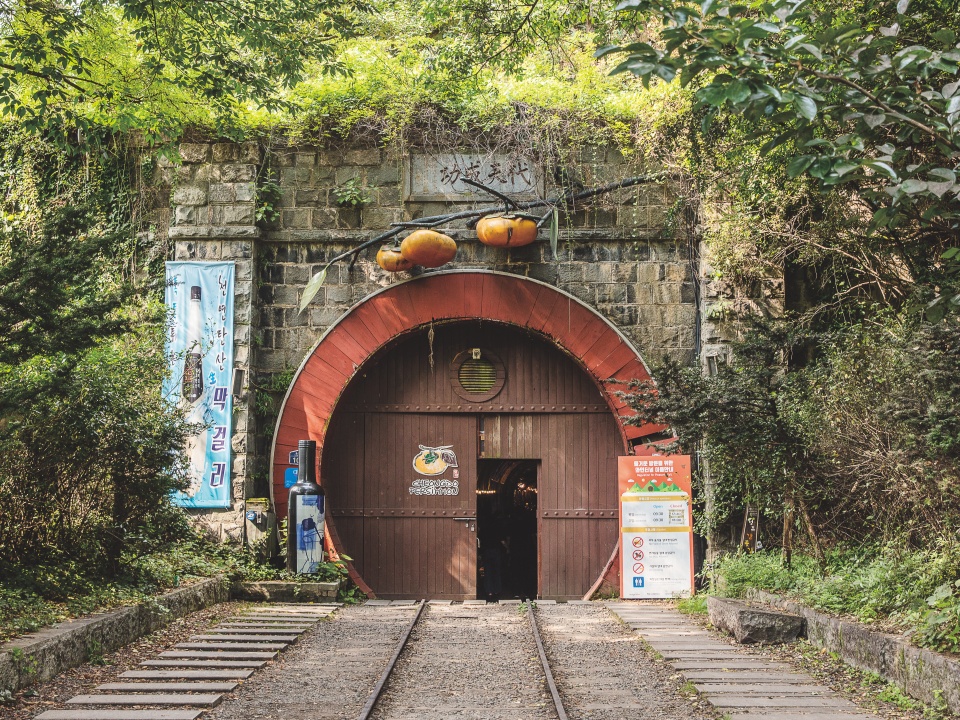
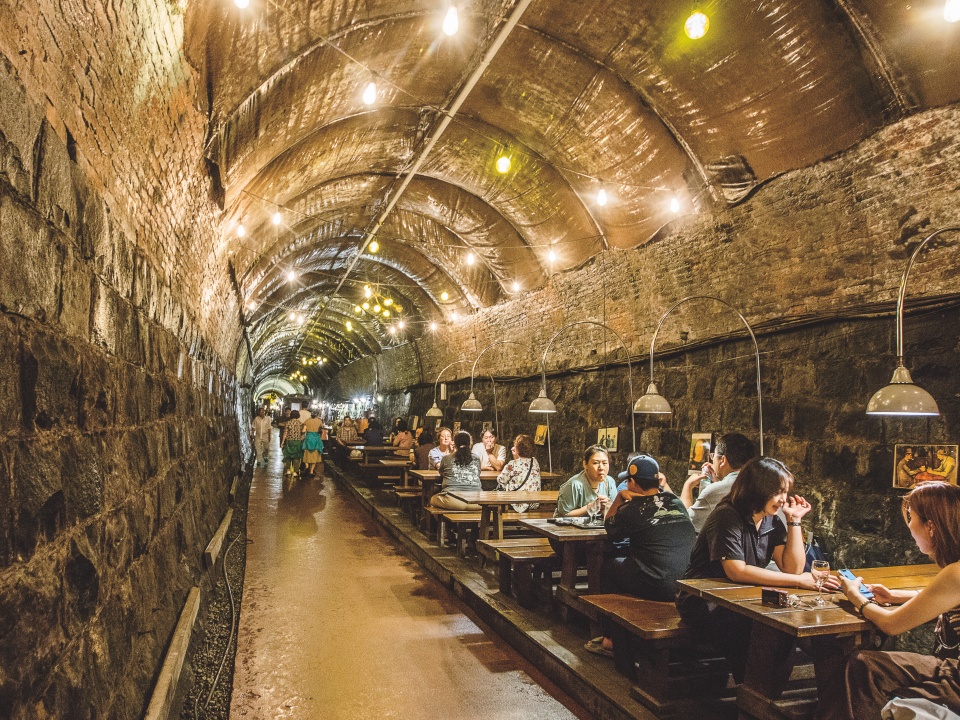
Cheongdo’s Best Summer Escape and Winter Refuge: The Wine Tunnel
Ask which of Cheongdo’s famous attractions draw the biggest crowds, and this one makes the top five. An old tunnel steeped in the history of colonial-era exploitation has been transformed into a wine cellar. Located on a hillside in Songgeum-ri, the tunnel was part of the old Gyeongbu Line, and steam locomotives ran through it until the track was rerouted with the opening of the Namseonghyeon Tunnel in 1937. It later served as a supply route for military goods during the Korean War and as a national highway until the 1960s, then sat neglected for years before opening as the Wine Tunnel in 2006. Inside, the temperature holds at 15 degrees Celsius year-round with 60 to 70 percent humidity, ideal conditions for aging wine, and a perfect place to escape the midsummer heat. Along the tunnel, which runs a little over one kilometer, stand oak barrels of persimmon wine made from Cheongdo bansi (flat, seedless persimmons), along with assorted sculptures and colorful lighting. Traces of the past are also on view, such as the bricks in the tunnel ceiling, brought over as spoils of the Russo-Japanese War in 1904, and the soot left by steam locomotives. Walk past the golden bat said to grant wishes and on to the end of the tunnel, where a full moon glows, then on the way back take a seat at one of the tables set up along one side and sample the persimmon wine.
100 Songgeum-gil, Hwayang-eup, Cheongdo-gun
Activities
To Do
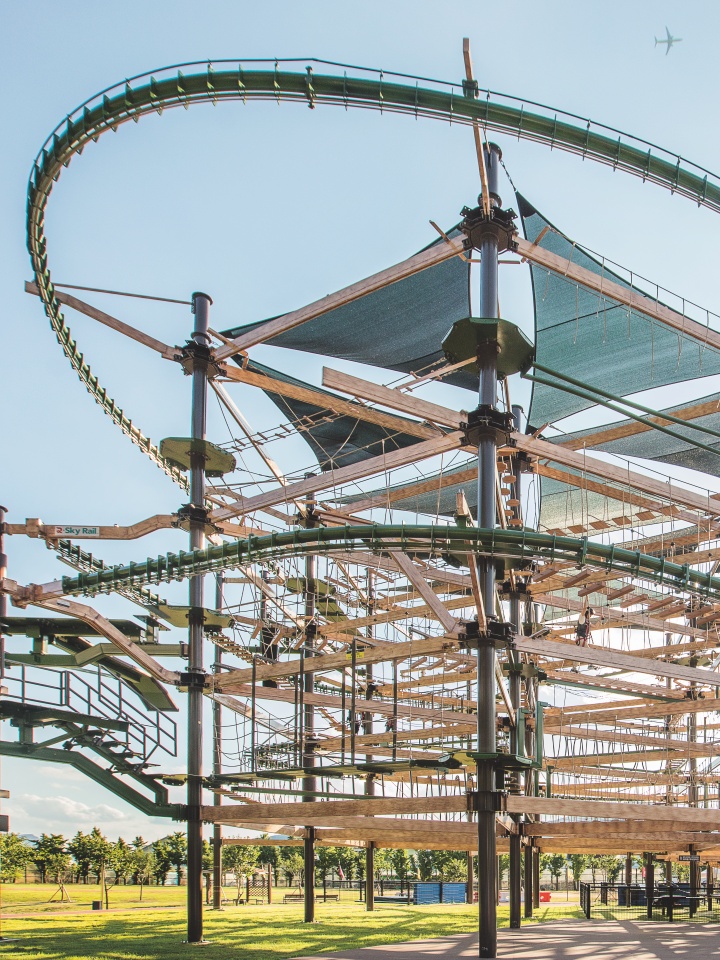
A Modern Hwarang Training Course on the Ropes: Cheongdo Sinhwarang Pungnyu Village
This cultural experience space reinterprets the spirit of the hwarang, the elite youth warriors of Silla, which began in Cheongdo, for the present day. Set amid the green nature of Unmun-myeon, it offers a range of outdoor activities, exhibitions and hands-on programs. The highlight is Sky Trail, the largest multilevel rope leisure facility in Korea. It has four levels and 118 courses in total, including ziplines, a bungee jump and a course just for small children, and it has proved so popular that some 10,000 people visited in the three months after it opened in August 2023. Elsewhere on the grounds you will find a Hwarang VR zone that turns the hwarang’s martial arts into a game, a traditional archery range for trying your hand at archery, a physical training ground and a playground. There are also condo-style rooms, an auto camping site and caravans. cheongdo_uri
1 Sinhwarang-gil, Unmun-myeon, Cheongdo-gun
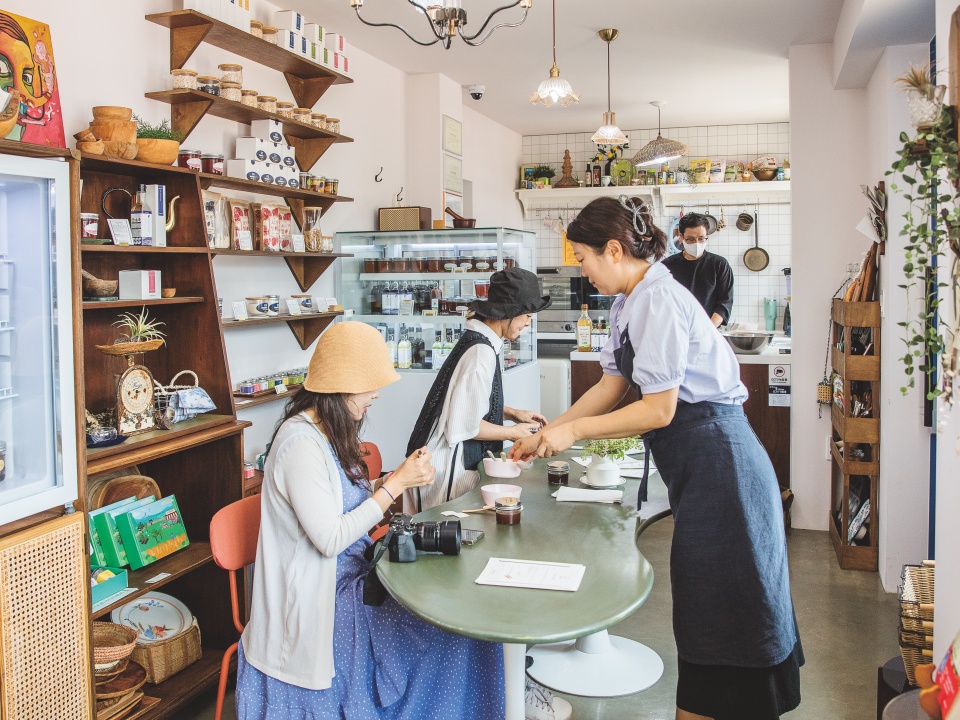
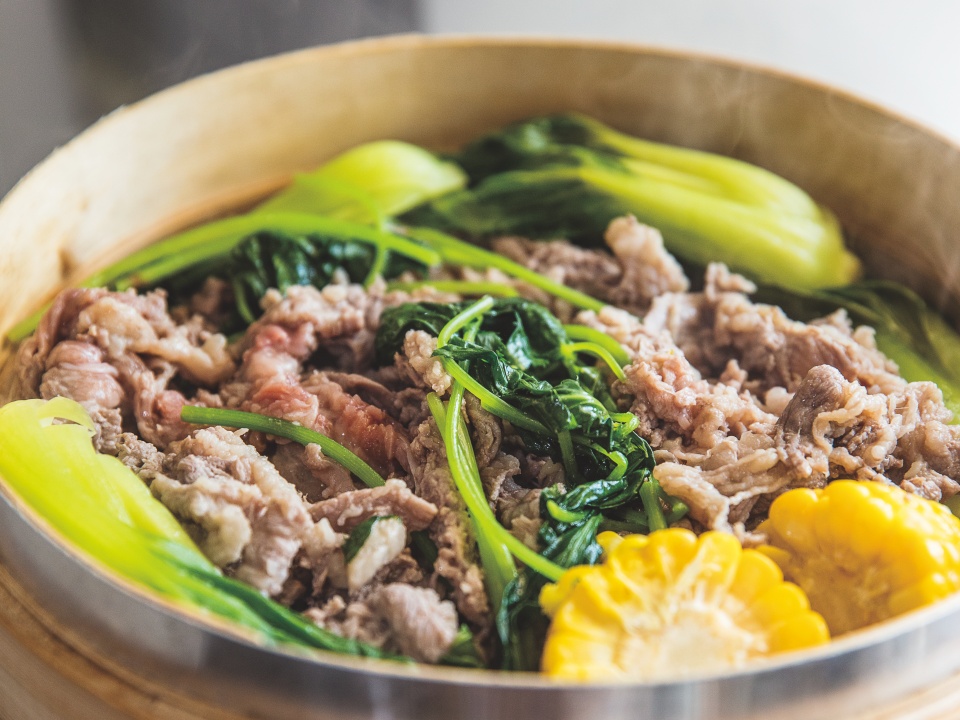
A Slow-Food Cooking Class: Cozitame
A one-story brick building with a blue front gate catches the eye. Not far from Cheongdo Eupseong Fortress, this is the anchor store of Cozitame. The name combines koji, the mold used as the base of fermented sauces, with the English word “tame.” True to it, Cozitame aims to help people grow accustomed to healthy flavors and offers wholesome food built on fermentation. If you want to experience the low-sodium, low-sugar cooking Cozitame stands for, join the Tame Table cooking class. There you can enjoy a meal of a chef’s dishes made with seasonal ingredients, served with fermented sauces you have made with your own hands. Set aside any prejudice that healthy food is bland. You will find a generous spread in which the flavor of every ingredient comes through. cozitame
145 Dojugwan-ro, Hwayang-eup, Cheongdo-gun
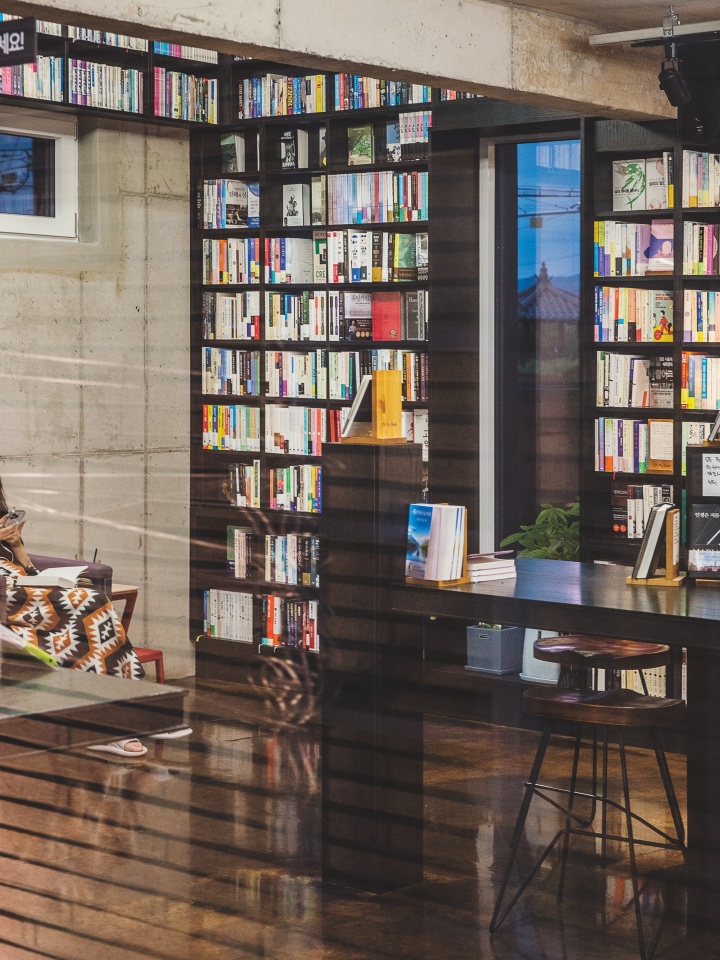
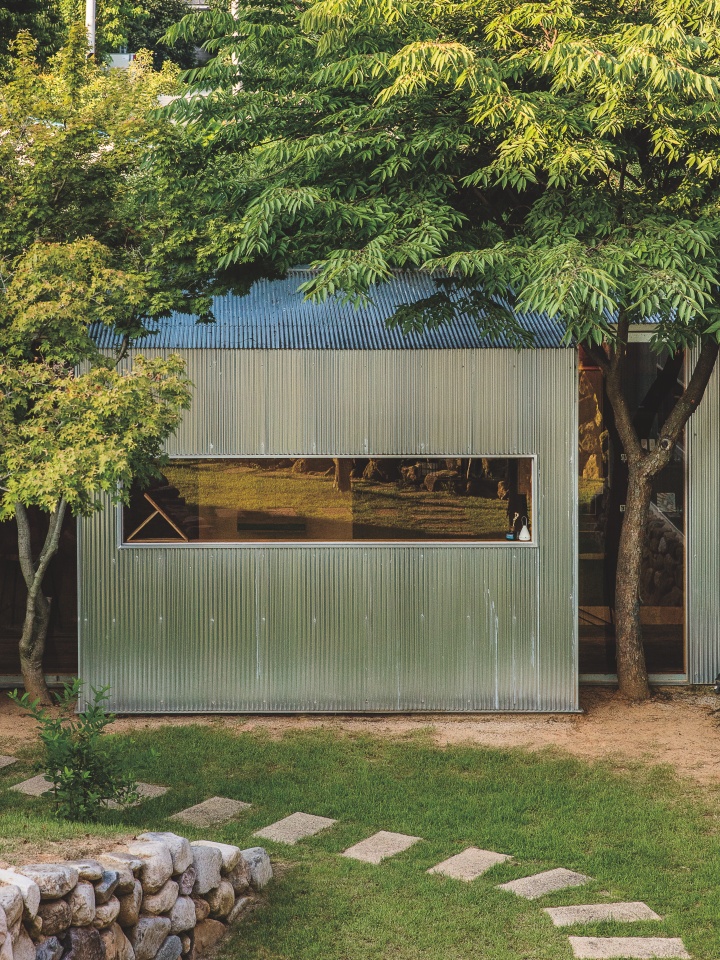
A Cup of Coffee or a Drink With Your Book: Oh My Book & Oh My Agit
Kim Insik, the owner of Oh My Book, moved from Daegu to Cheongdo because he had grown so sick of bookstores. After joining a bookstore and eventually running one himself, he had done just one job for 19 years and burned out. That he then gave up years of commuting to Daegu, committed to living fully in Cheongdo and opened a book café is one of life’s great ironies. Oh My Book occupies the entire second floor of a high-ceilinged building and combines books, coffee and a guesthouse. Last year he opened Oh My Agit behind the book café, filling it with nothing but things he loves. A secondhand bookshop and late-night bookstore that sometimes turns into a cocktail bar, the small container building is thick with romance, where worn books, CDs and liquor bottles mingle. stay_on_page
67 Dongcheon 3-gil, Hwayang-eup, Cheongdo-gun
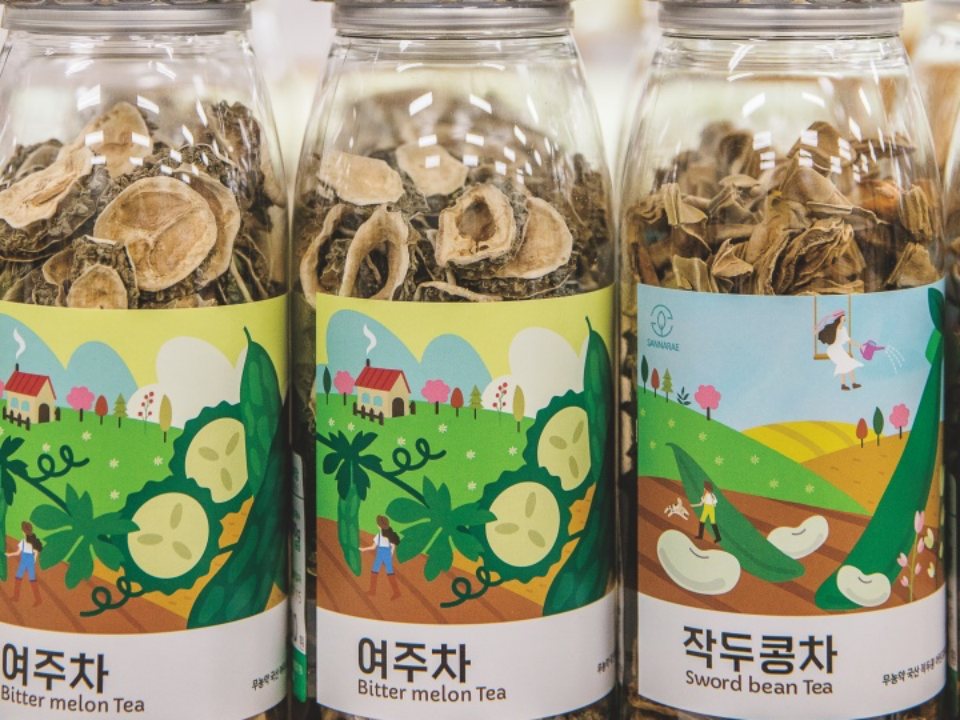
Cheongdo’s Real Hot Spot, Once You Know: Seocheongdo Local Food Store
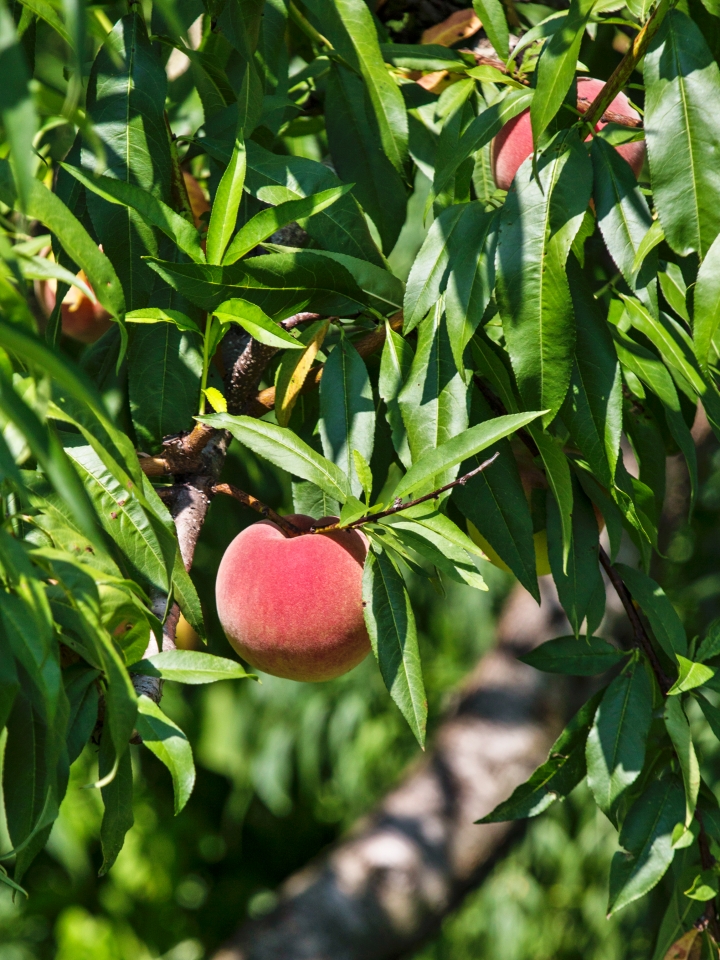
If you want to buy produce grown in Cheongdo, this is worth a stop. Producers sell their goods directly, so you can buy all kinds of Cheongdo food with confidence at low prices, from signature specialties such as peaches and bansi persimmons to vegetables, fruit, grains and processed goods. Sales revenue goes straight to the producers, so shopping here means taking part in sustainable local travel that helps the regional economy. Since it first opened in October 2013, it has been a hot spot beloved by locals and travelers alike, and the foot traffic never stops. By evening, many of the display shelves stand empty.
73 Yangwon-gil, Iseo-myeon, Cheongdo-gun
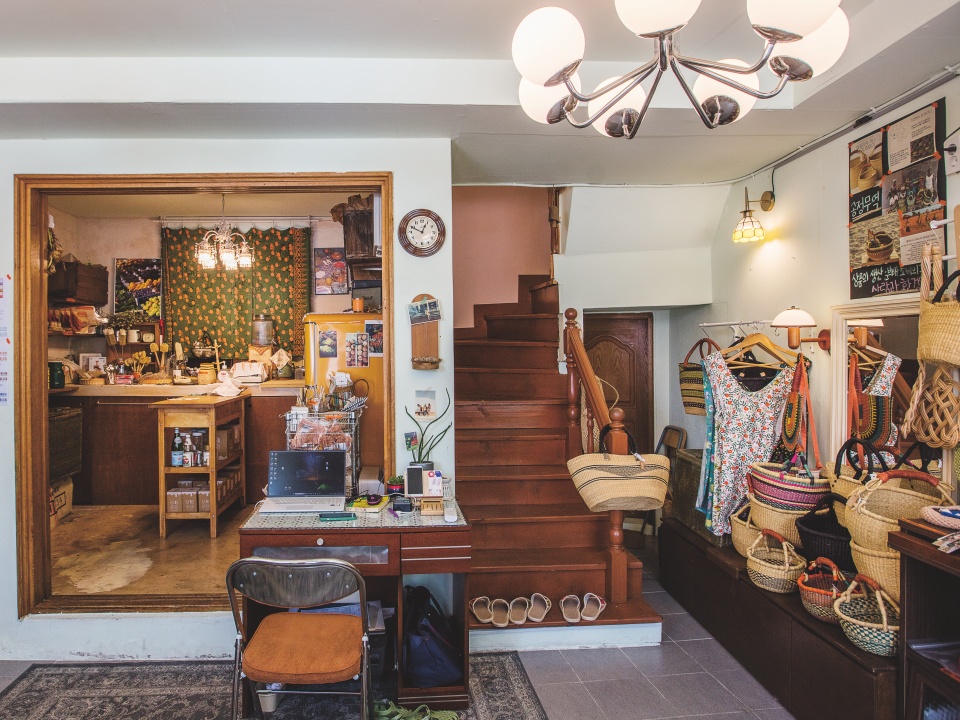
Zero-Waste Country Living: Hongsi Saenghwal
This is Cheongdo’s only zero-waste shop. Owner Kim Eunseong worked at a children’s book publisher in Paju Book City before moving to Cheongdo, and she started Hongsi Saenghwal (literally “ripe persimmon living”) because she wanted to introduce a zero-waste lifestyle to the countryside. The small two-story shop is packed with eco-friendly products such as detergent, toothbrushes and scrubbers, as well as stationery, beeswax candles, baskets and other household goods. It also runs craft classes using natural materials such as beeswax, wool and pressed flowers. Her story is charming too: deciding she preferred the countryside to the city, she spread out a map of Korea, looked over the small cities of Gyeongsangbuk-do and picked Cheongdo because she liked the sound of its name. The shop sits near Cheongdo Eupseong Fortress, which Kim names as her favorite place in Cheongdo.hongsi.life_
152 Dojugwan-ro, Hwayang-eup, Cheongdo-gun
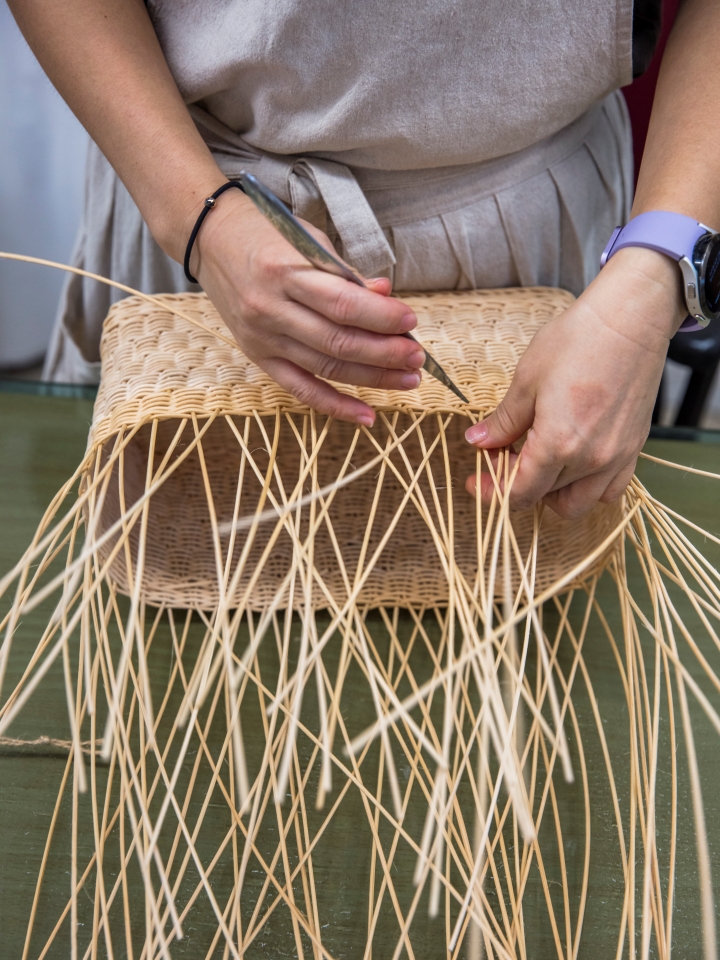
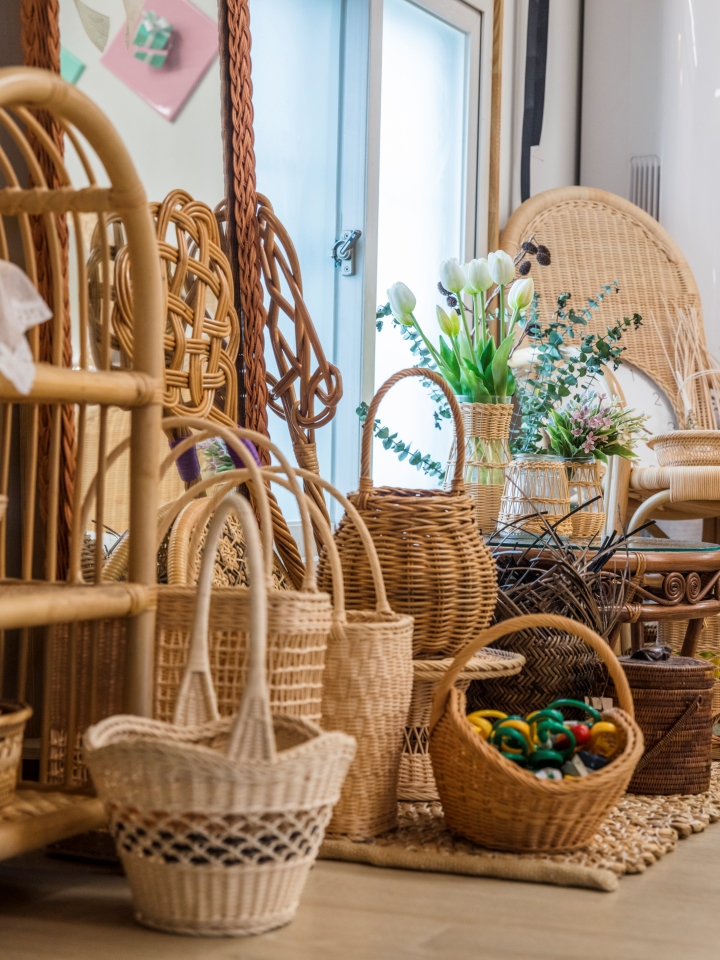
A Travel Souvenir Made by Your Own Hands: Wooahan Hojakjil (Elegant Tinkering)
In Gugok-ri, Gaknam-myeon, about a 15-minute drive from Cheongdo Station, there is a workshop where visitors can try their hand at rattan crafts. Cho Eungyeong, who runs Wooahan Hojakjil, is in her 14th year of living in Cheongdo. She majored in painting and took up rattan weaving as a hobby, then completed an instructor course and opened the workshop in February 2020. In a one-day class, you can make a variety of rattan items yourself, including baskets, mood lamps, hand mirrors, and coasters. Classes are held one-on-one or in very small groups, so beginners have nothing to worry about. All classes are by reservation only, and the price and time required vary depending on what you make. wooahan_rattan
25-15 Gugok 1-gil, Gaknam-myeon, Cheongdo-gun
Gyeongbuk Cheongdo New Travel Guide (2) – Where to Eat and Drink