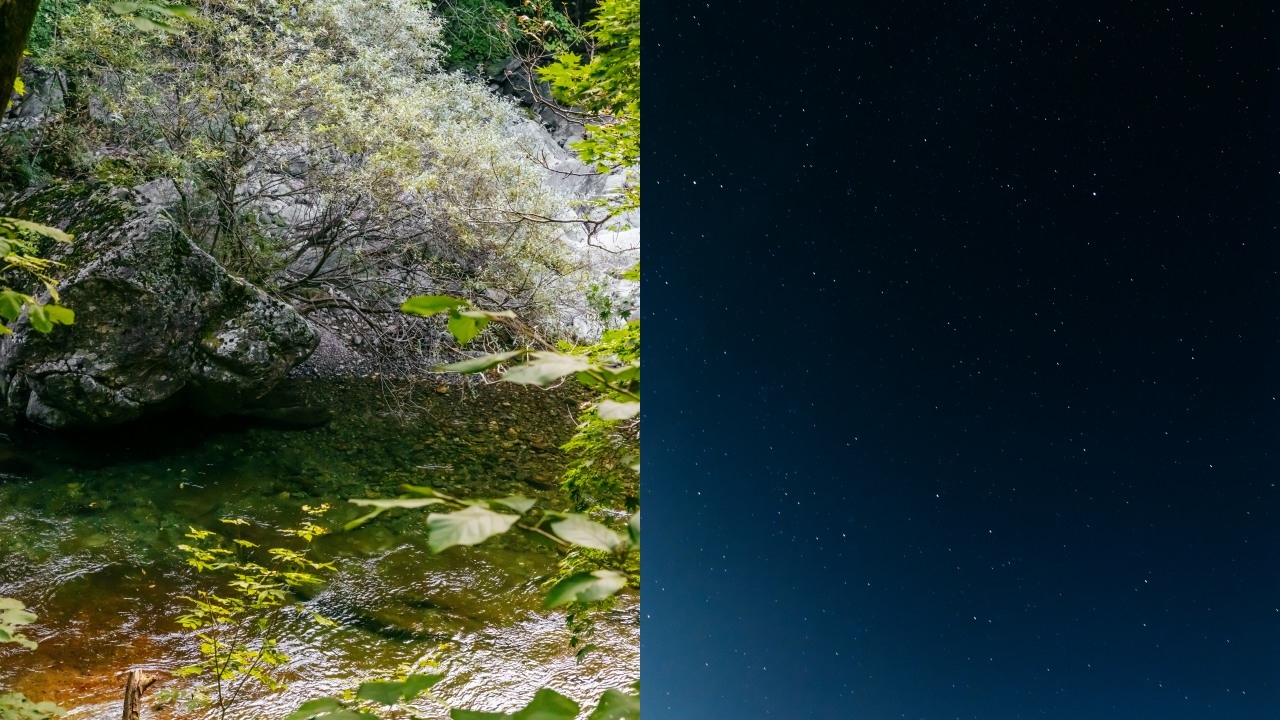
Light and darkness create a striking contrast in Muju’s natural landscape. The sun-drenched ridges of Deogyusan Mountain and the Gucheondong Valley welcome travelers with light-filled forests and the sound of flowing water, while after sunset, the Milky Way and starlight embroider the pitch-black sky in another kind of spectacle.
Words Pitch by Pitch
Photos Kim Yoonkyung
Deogyusan National Park, Muju’s Symbol of Ever-Changing Seasonal Beauty
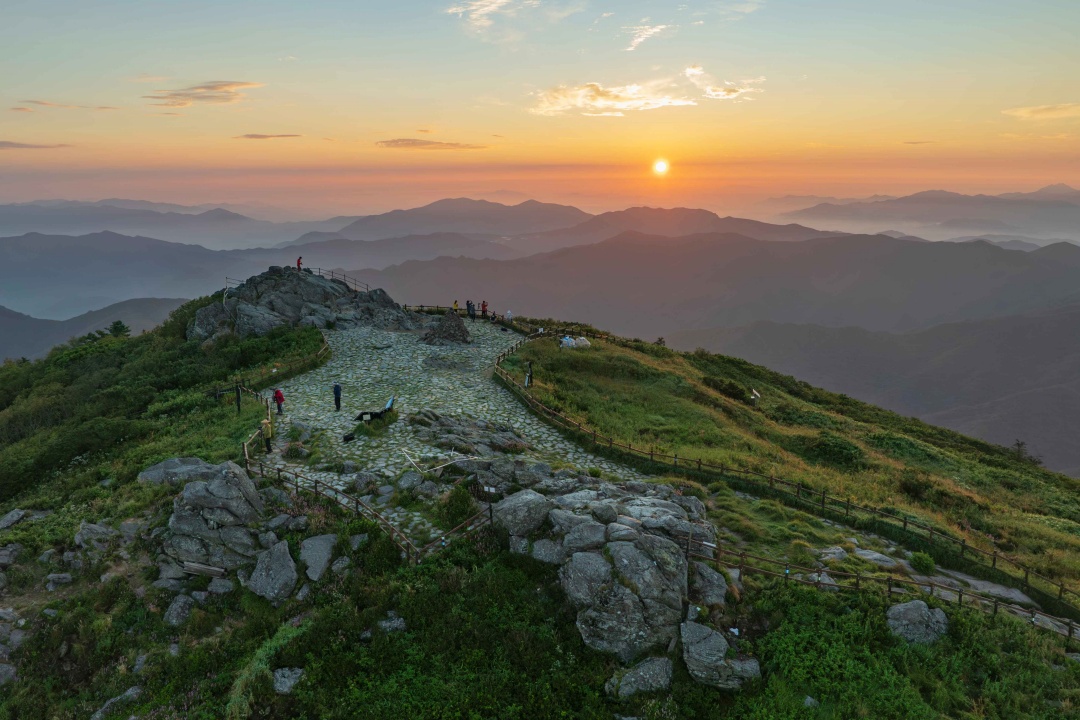
Of Muju’s total area of 631.8 square kilometers, 82 percent is mountainous terrain. Peaks well over 1,000 meters above sea level—Deogyusan, Daedeoksan, Jeoksangsan, and Minjujisan—surround the county on all sides. Among them, Deogyusan, which spans Muju, Jangsu, Geochang, and Hamyang counties, is Muju’s defining symbol. Located at the center of the southern ridge of the Baekdudaegan mountain range that leads to Jirisan, its main peak, Hyangjeokbong, stands at 1,614 meters above sea level. It is the fourth-highest peak in South Korea, yet its summit opens onto a gentle, rolling ridgeline with a softer charm. Many visitors come for the dramatic way the mountain’s scenery transforms with the seasons. In spring, royal azaleas and Korean azaleas paint the ridges red; in summer, the cool waters of Gucheondong Valley offer relief from the heat. In autumn, crimson foliage blankets the mountain in spectacular color, and in winter, rime-frosted trees create a dazzling snowscape. Visitors can hike trails of varying length and difficulty, or take a gondola that runs nearly to the summit for an effortless view from the high peaks. The Deogyusan area was designated a national park in 1975, becoming Korea’s tenth national park and a treasure trove of rare flora and fauna. Traces of endangered species such as otters, Korean flying squirrels, leopard cats, and yellow-throated martens have been observed here, and more than 1,000 plant species—including yew trees, Korean fir, and a variety of wildflowers—grow wild in the area.
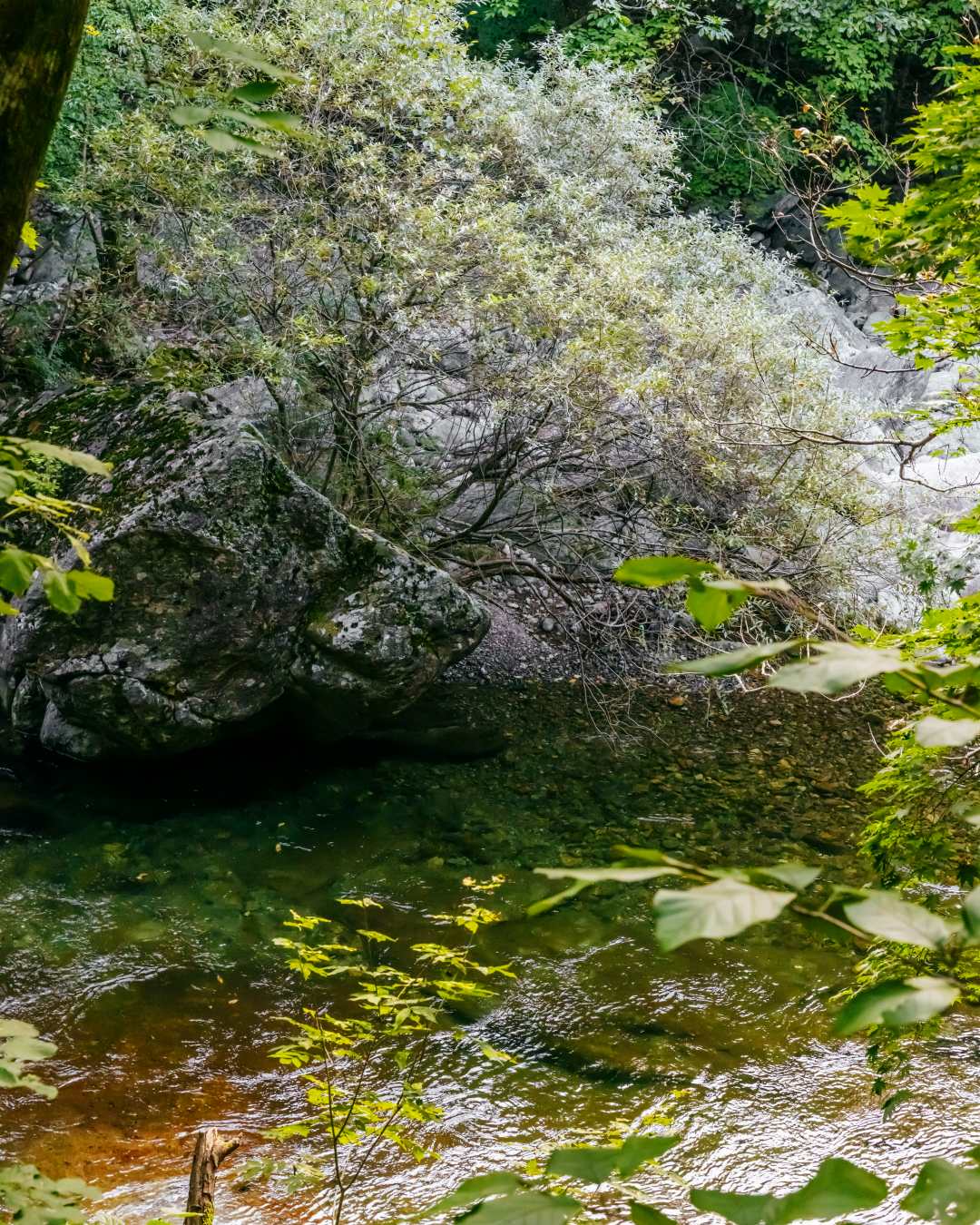
A Winding Scenic Wonder: Gucheondong Valley
The signature trail of Deogyusan National Park begins at Gucheondong Valley. Waterfalls, pools, cliffs, and oddly shaped rock formations line the long valley, forming a picture-perfect landscape. From Rajetongmun, a rock cave once marking the border between the Silla and Baekje kingdoms, past Baengnyeonsa Temple to Hyangjeokbong Peak on Deogyusan, the 36-kilometer stretch encompasses as many as 33 scenic spots. Thanks to such stunning scenery, people have enjoyed excursions along Gucheondong Valley since ancient times, and in summer, vacationers from across the country would flock here. It is also a popular destination for autumn foliage and winter snowscapes. Of the “33 Scenic Spots of Gucheondong,” the first, Rajetongmun, through the 14th, Sugyeongdae, lie along the outer approach toward Deogyusan and are known as “Oe-Gucheondong” (Outer Gucheondong); the true valley trail begins from the 15th spot, Wolhatan. The Gucheondong Eosagil trail, stretching from the 16th spot, Inwoldam, to the 32nd, Baengnyeonsa Temple, is an excellent way to take in the hidden beauty of “Nae-Gucheondong” (Inner Gucheondong). The one-way hike takes about an hour and a half, and since the terrain is flat and gentle, it’s an easy walk for anyone. Legend has it that this is the same path once traveled by the royal inspector Bak Munsoo, who visited Gucheondong to look after the welfare of its people.
Night
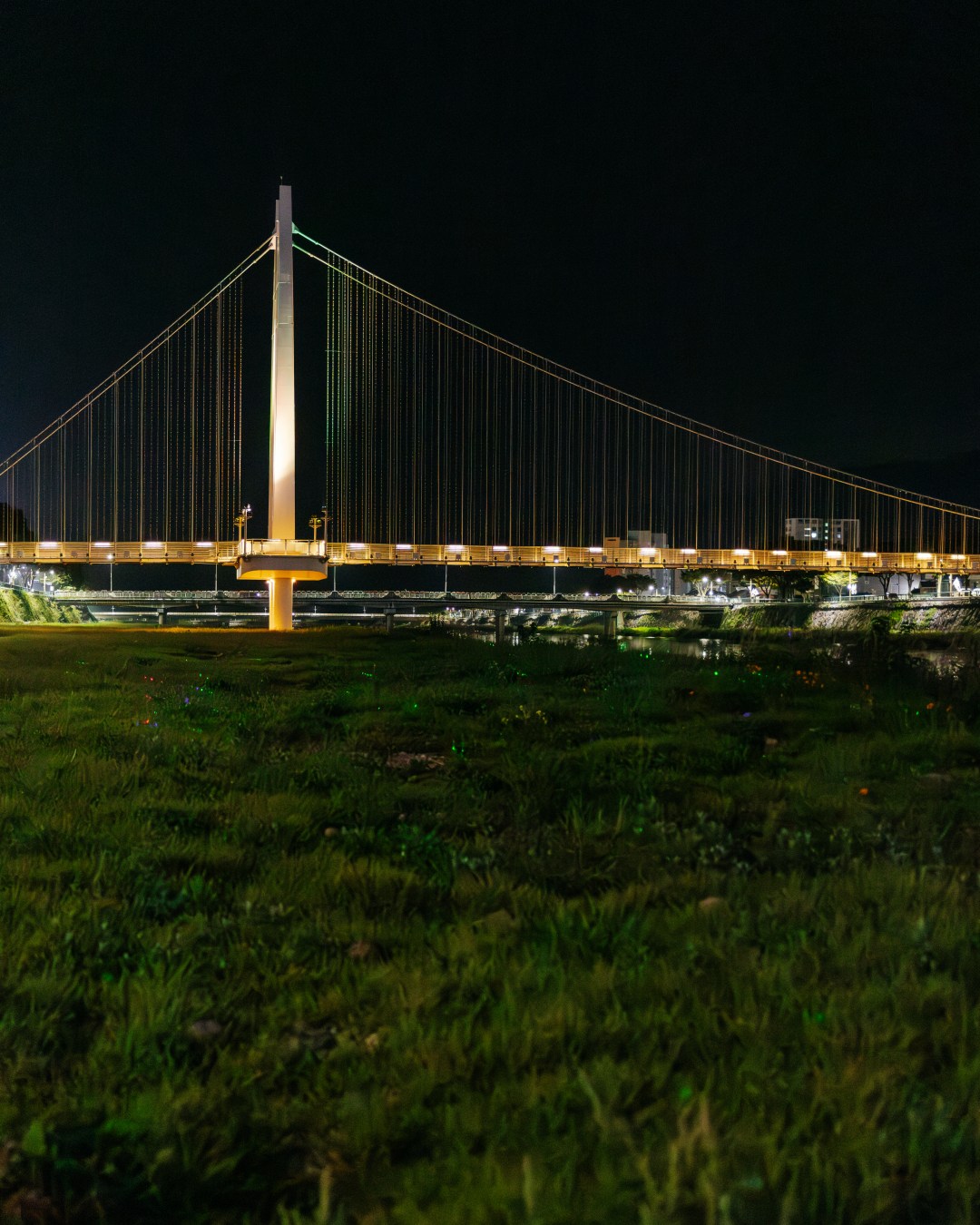
Modest Yet Beautiful Riverside Night Views: Namdaecheon Stream
Originating in Mupung-myeon and flowing through downtown Muju, Namdaecheon Stream runs alongside the daily life of the town. While it once served as a vital water source for local farmland and a channel for regional exchange, today it lends a serene, nostalgic atmosphere to the town center and is beloved as a place of rest for residents and travelers alike. It is also the stage for some of Muju’s signature festivals, such as the Firefly Festival and the Nakhwa (Falling Flowers) Festival. Since the opening of Byeolbit Bridge in 2023—133 meters long with a 30-meter-tall main tower—Namdaecheon’s nightscape has taken on new charm. A perfectly ordinary pedestrian bridge by day, it lights up at night, its name meaning “Starlight Bridge” made real as colorful lights reflect quietly on the water and ripple gently along with the current. It may not be as flashy as a downtown night view, but the true beauty of Namdaecheon at night lies in the coexistence of starlight and artificial light, just as its name suggests. Standing by the water, the Milky Way flows overhead while artificial lights shimmer softly on the river below—natural light and human light blending together without overpowering one another, a uniquely beautiful nightscape found only in Muju. It was even selected as one of the “10 Best Night Attractions in Jeollabuk-do 2025.” Walking paths line both sides of the stream, making it a lovely spot for a nighttime stroll in the river breeze.
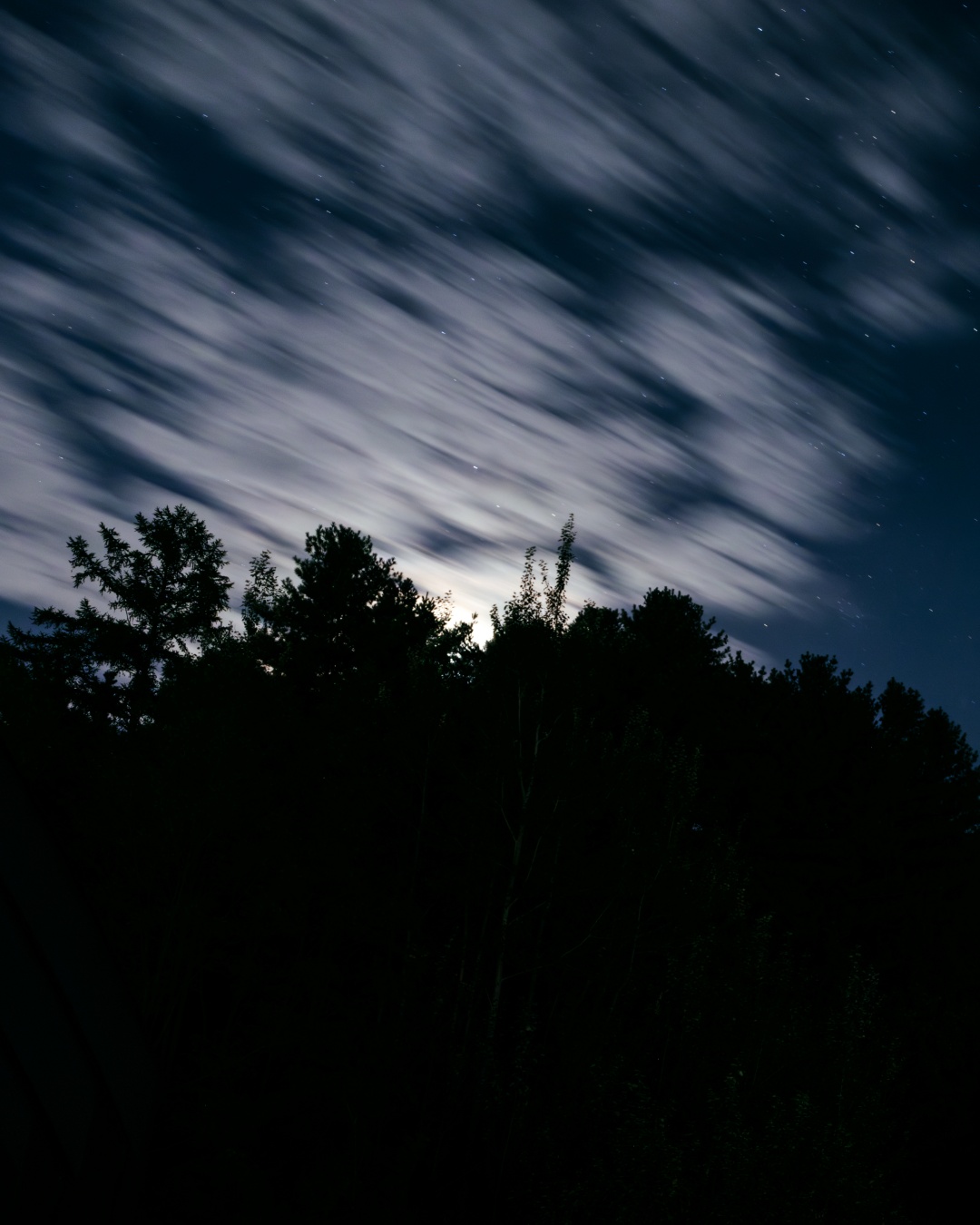
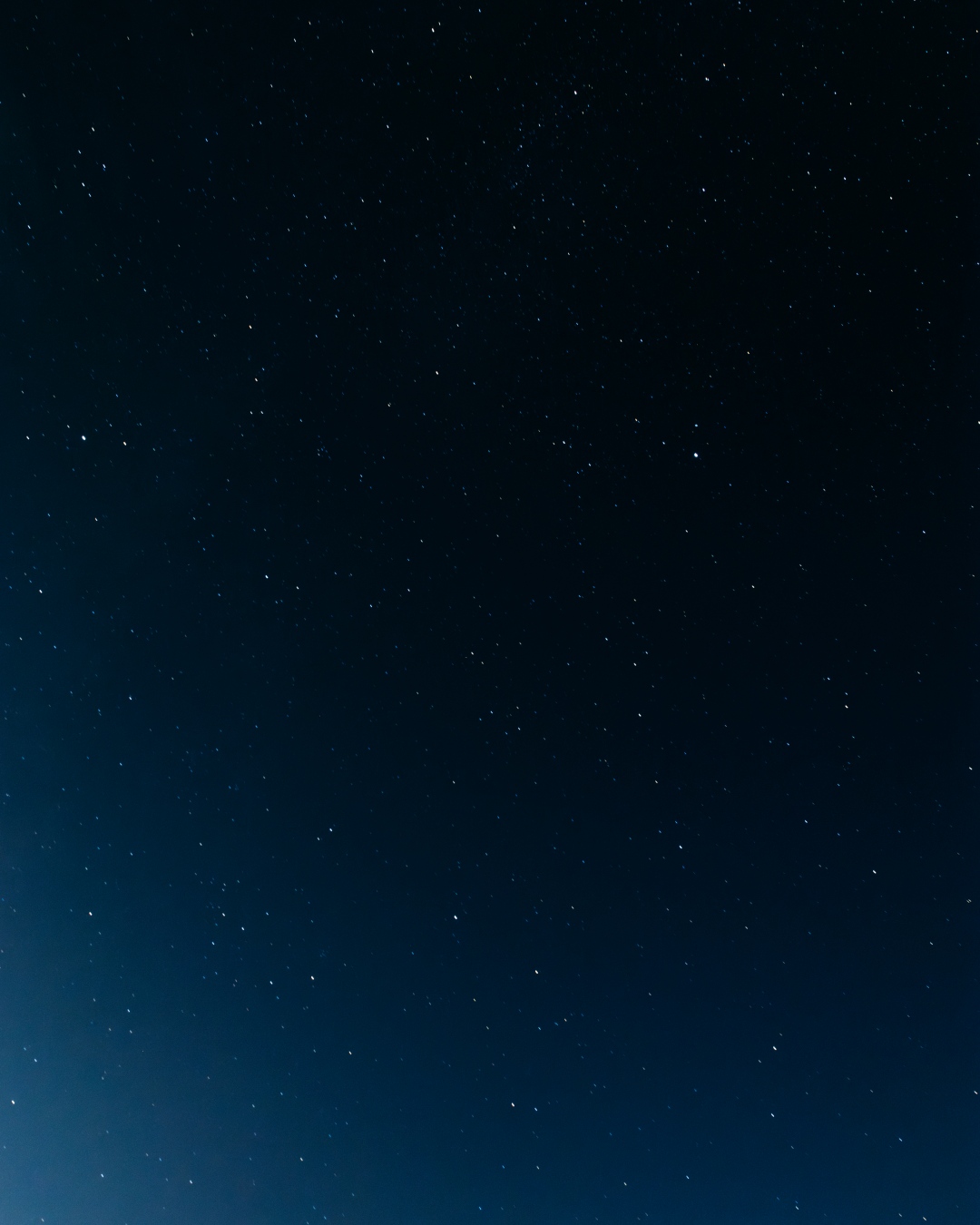
A Dark Sky and Sparkling Stars: Bandibyeol Astronomical Science Museum
Once the sun sets, Muju’s natural landscape reveals an entirely different face. Deep in the mountains, surrounded by peaks and valleys, the night here is nothing like the night in a city. With almost no artificial lighting, the night sky grows deep and dark, while the stars shine all the more vividly. Nestled at the foot of Deogyusan Mountain is the Bandibyeol Astronomical Science Museum, a place to take in Muju’s beautiful night sky. As its name—meaning “firefly star”—suggests, the museum symbolizes Muju’s pristine natural environment, much like the firefly, a creature that only survives in a clean environment and glows on its own in the dark of night. Thanks to its high elevation and minimal light pollution, Muju boasts an ideal location for stargazing. At the science museum, visitors can learn about constellations and the principles of the universe, and observe the actual night sky. Seeing the Milky Way and seasonal constellations rarely visible from the city—or even spotting the moons of Saturn and Jupiter through a telescope—is an experience that’s sure to leave an unforgettable impression.