Gwangju, a city of art and culture where tradition and modernity coexist. Here’s a 1-night, 2-day travel itinerary for Gwangju, tailored to your taste.
Words Parc Jinmyoung
Photos Shin Gyucheol
In collaboration with Gwangju Tourism Organization
Day 1, 10:00 — Asia Culture Center
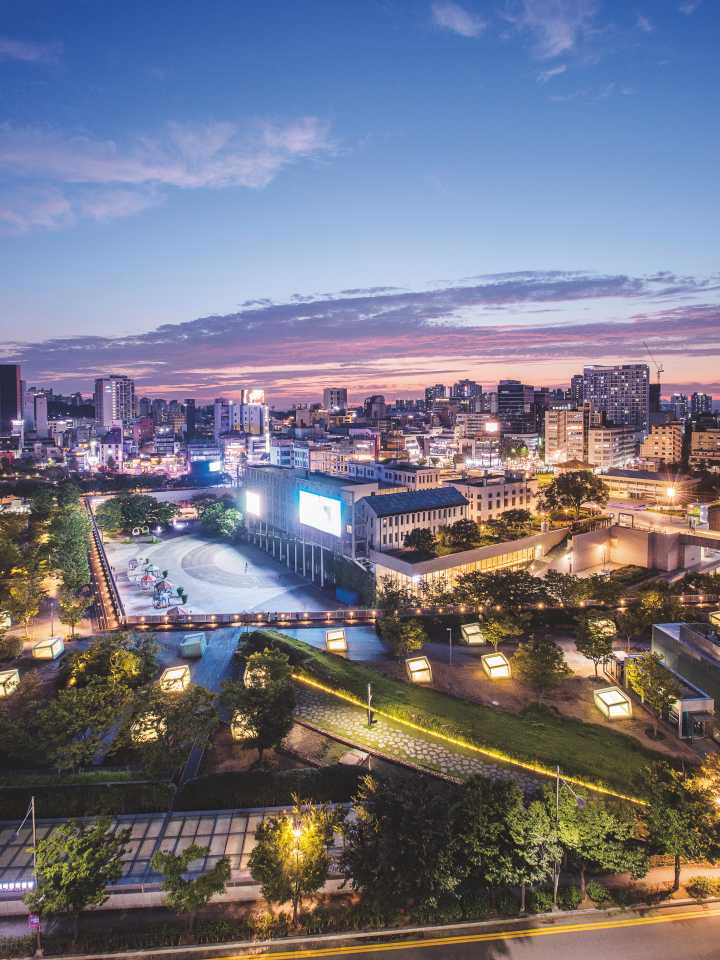
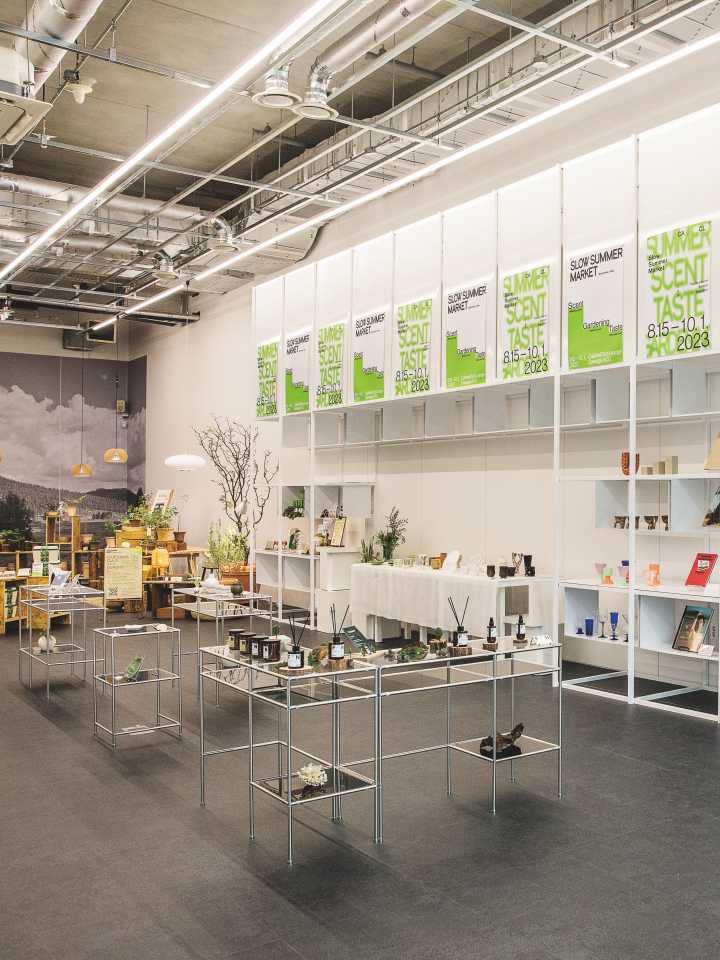
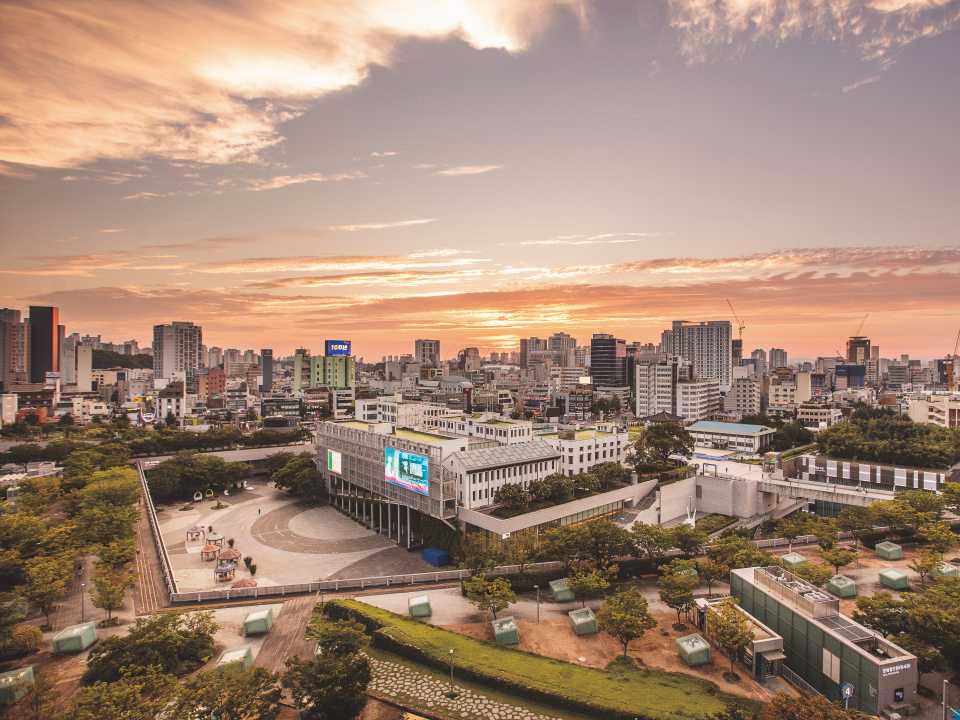
Start your trip at a world-class complex cultural space where you can explore Asian culture. The Asia Culture Center is a place dedicated to cultural exchange across Asia, encompassing the collection and research of cultural resources, content production, exhibitions, and performances. The scale is so vast that a single day isn’t enough to see the entire complex. Before visiting, it’s a good idea to book the free one-hour guided tour on the website so you can efficiently see the main spaces. If you can only visit one place, we recommend the Library Park on the first floor of the main building. It’s a new type of cultural space combining exhibitions and hands-on experiences, functioning as a library, gallery, museum, and theater all at once. Another charming feature is the large windows in the exterior walls, which let you vividly feel the weather and season. It sits behind the former Jeonnam Provincial Office, a symbol of the May 18 Democratic Uprising.
Nearby recommendation Parkment (Cabinet Lounge Club, Cafe Jinjeongseong)
A newly opened complex cultural facility within the Asia Culture Center. The art shop Cabinet Lounge Club, which showcases various local brands and content, and Cafe Jinjeongseong are must-visits!
12:00 — Fluke Coffee
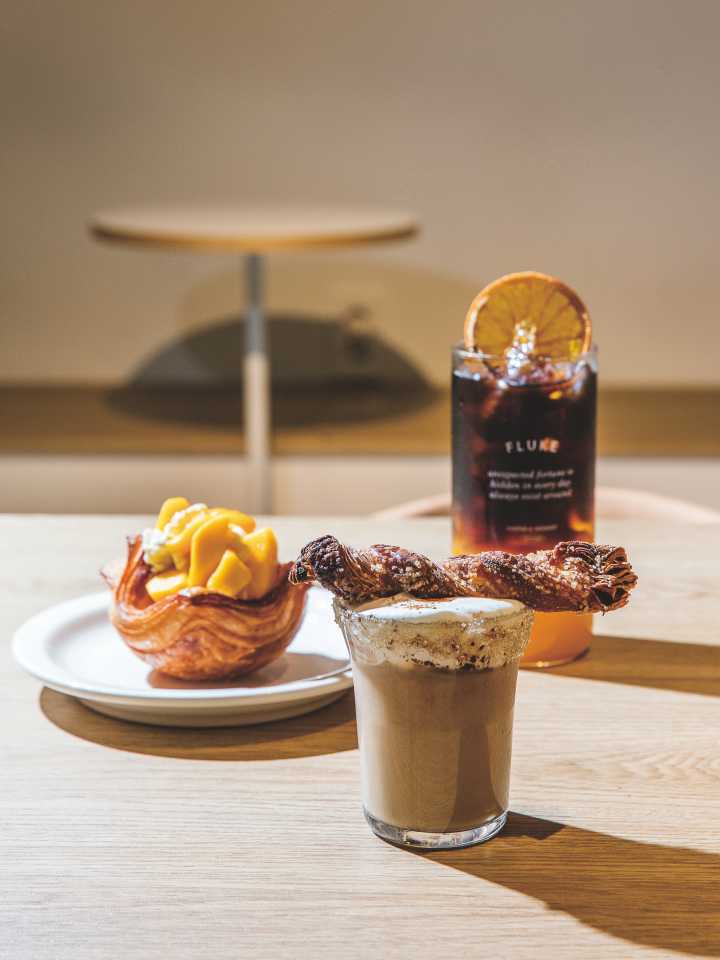
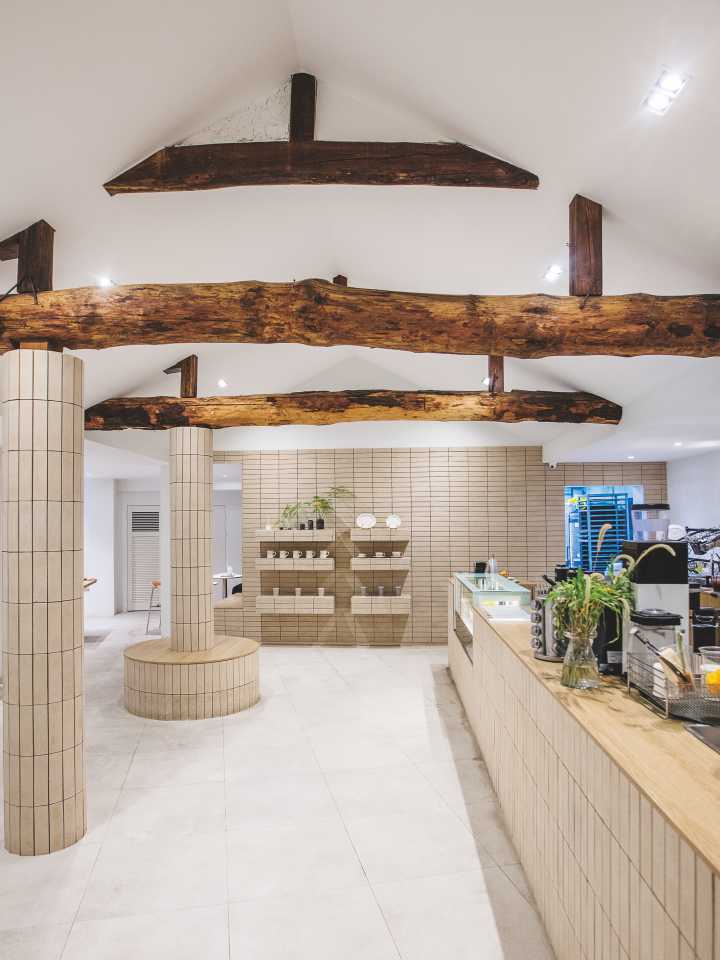
Fluke Coffee is a roastery cafe and bakery located on Chungjang-ro. Decorated primarily in white, wood, and plants, the interior gives off a modern yet comfortable atmosphere. The coffee drinks are made with house-roasted beans, and menu items featuring chocolate or milk tea stand out. The bakery menu is hearty enough for a full meal, including sandwiches made with croissants filled with mortadella ham or spice chicken, and croissants topped generously with fresh cream and strawberries or green grapes.
Nearby recommendation Cafe Museum CM
Located across from the Asia Culture Center, Cafe Museum CM is a cafe-and-pub complex cultural space that supports local galleries and artists. Don’t miss the live performances held every week.
15:00 — Lee Inam Studio
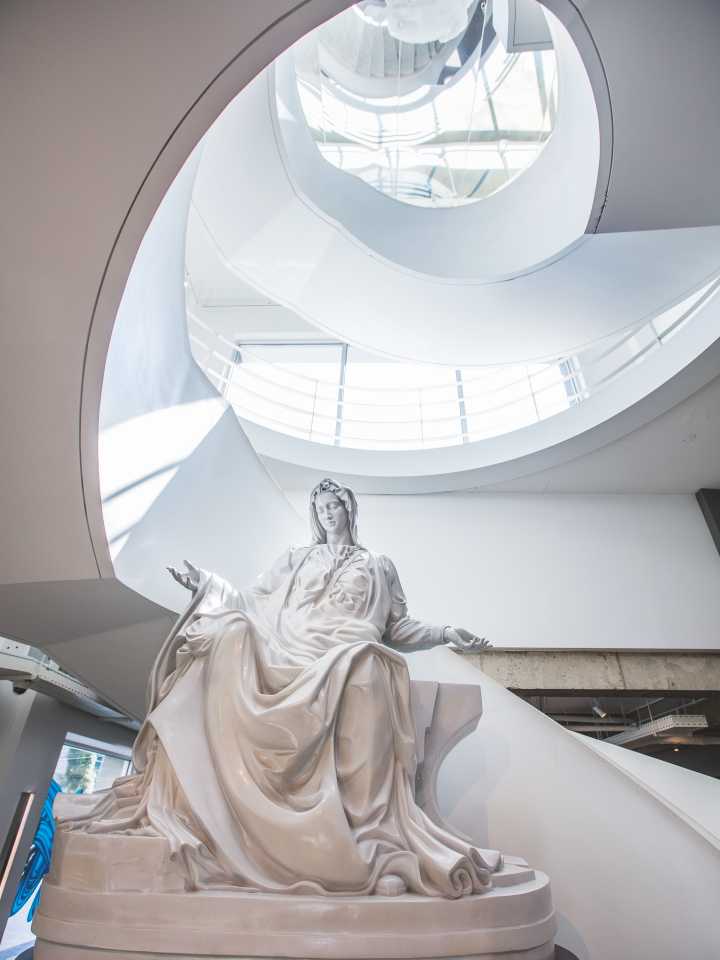
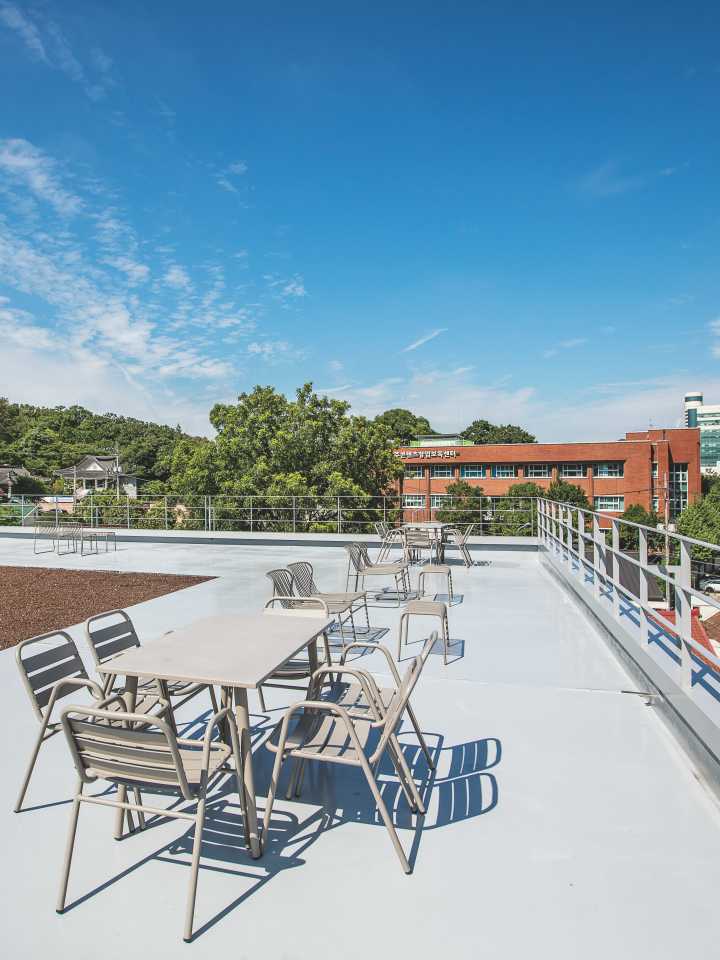
This is the studio and cafe of Lee Inam, a world-renowned media artist from Gwangju. The space was created to bring together his body of work in one place while giving locals and travelers a comfortable place to rest. The building is divided into a cafe, exhibition spaces of various sizes, and Lee Inam’s studio. Inside, it’s filled with fascinating architectural elements, including a courtyard that runs from the cafe up to the rooftop, an outdoor space on the second floor, and a rooftop terrace. It stands on the former site of the residence of missionary Peterson, who worked to reveal the truth about the May 18 Democratic Uprising, and was reborn from the renovated former Shinkwang Pharmaceutical logistics center.
Nearby recommendation Lee Kangha Art Museum
An art museum where you can view the works of the late painter Lee Kangha, known as ‘the artist of Yangnim-dong.’ The building, a renovated former Yangnim-dong community center, is also worth seeing.
18:00 — Testa
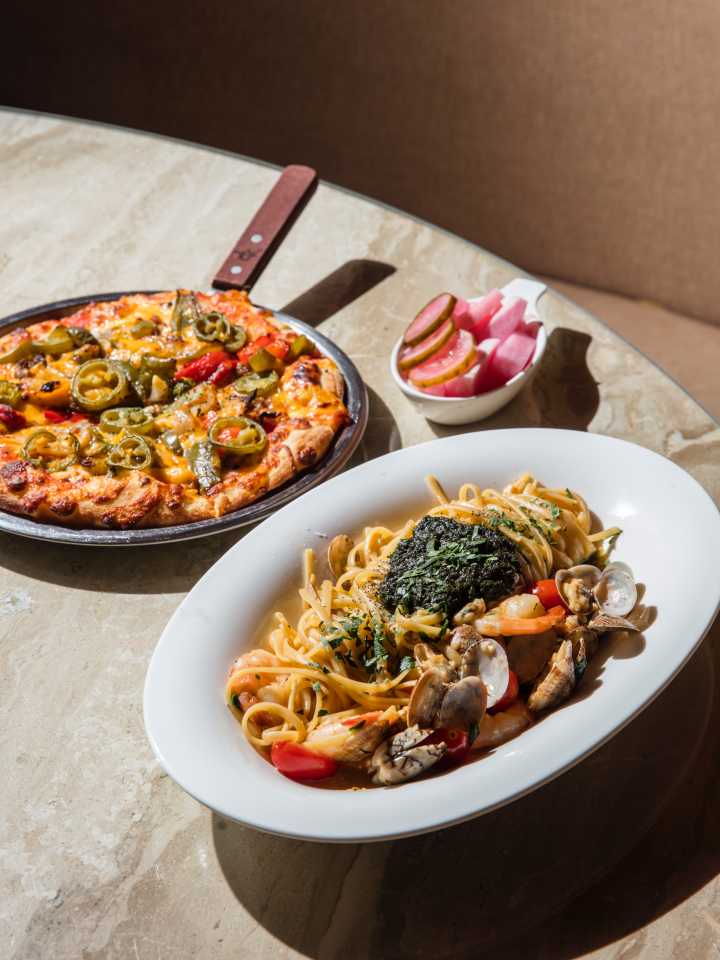
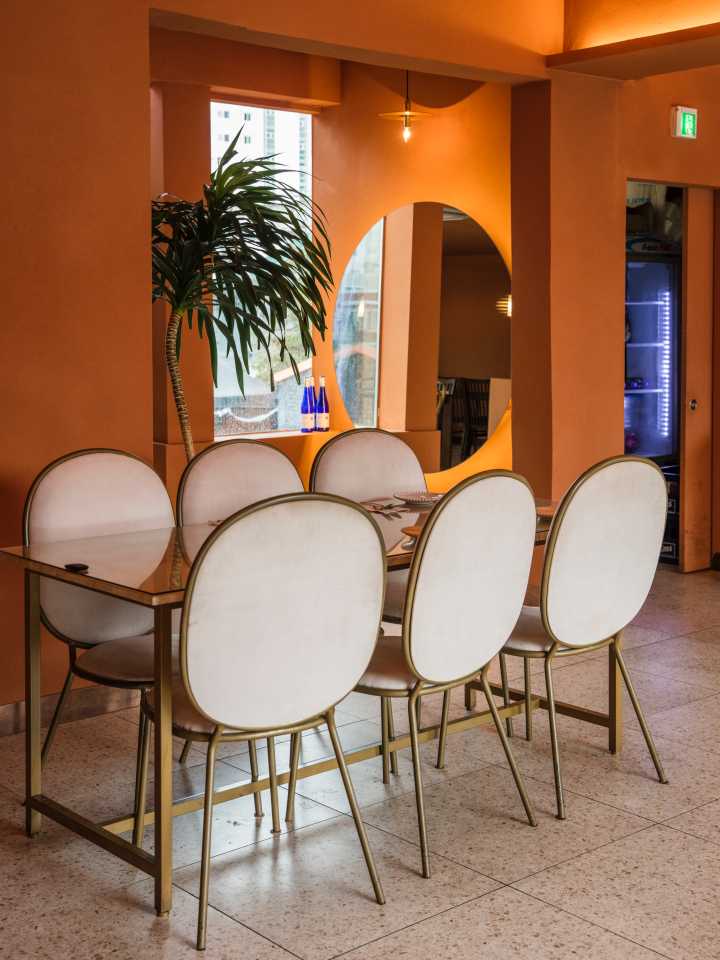
Enjoy both Italian food and American-style pizza at this hotspot in Yangnim-dong. Opened in 2018, Testa is a restaurant specializing in wood-fired pizza and pasta. Right next door is ‘Hustle Pizza,’ an American-style pizzeria run by the same team, and you can also order Hustle Pizza’s menu items at Testa. Signature dishes include a risotto that balances a rich bacon-and-mushroom sauce with truffle paste, and gamberi basilico oil pasta, where the savory flavor of seafood like clams and shrimp harmonizes beautifully with fragrant basil. Vegetables and fruits are sourced directly from farms, and the key ingredient—seafood—is delivered same-day from the waters of Yeosu.
Nearby recommendation Gwangju Folly III ‘View Folly’
We also recommend taking in the night view of the Asia Culture Center from Gwangju Folly III ‘View Folly,’ installed on the rooftop of the Gwangju Media Complex Cultural Center!
Day 2, 11:00 — Casa del Coffee
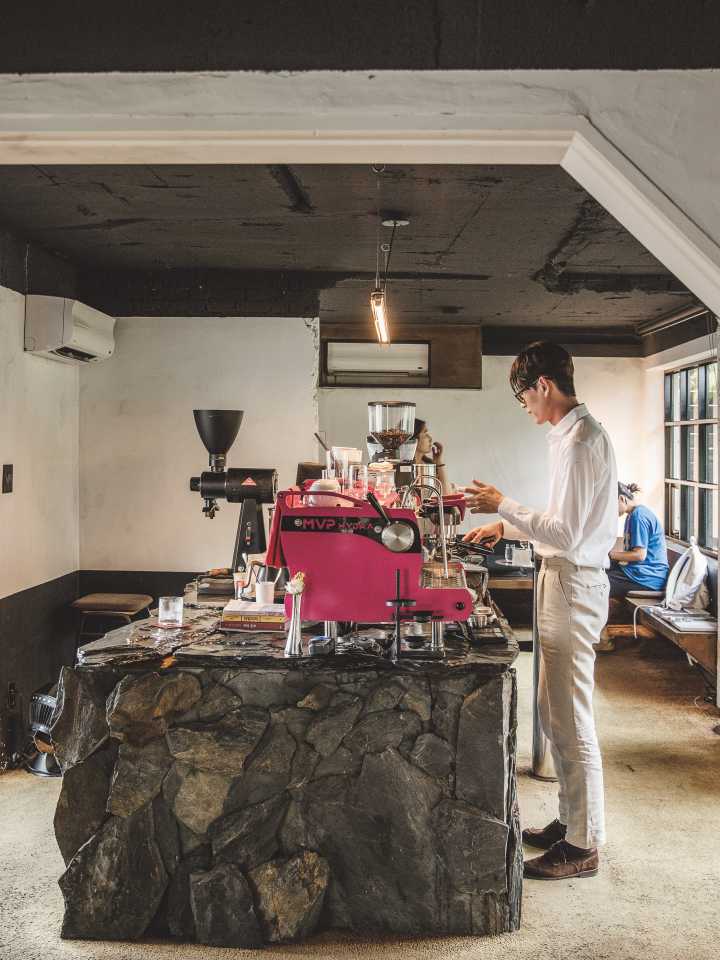
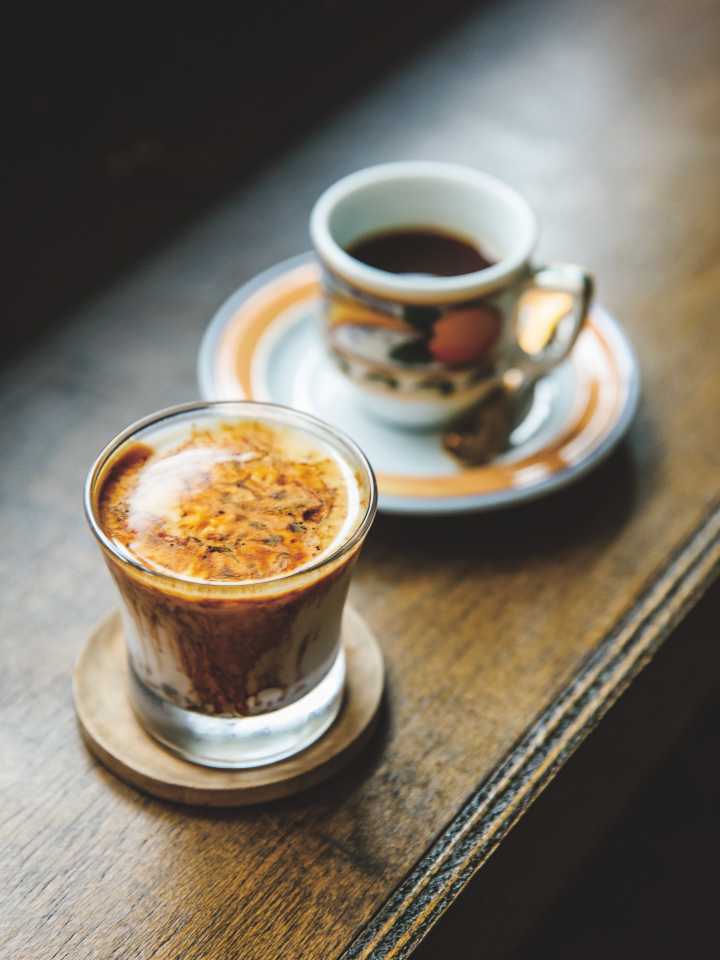
Located behind Sajik Park in Yangnim-dong, Casa del Coffee is a place you’ll want to keep as your own secret spot. There’s no sign, so look for the hot pink door instead. Step through the boldly colored door and your eyes will be drawn to the coffee bar at the center of the space and the hot pink espresso machine that matches the front door. The attention to detail in service is another strength here. Once you’re seated, a staff member brings you an order sheet where you can choose your preferred beans and temperature for each menu item exactly as you like. Your drink is then served along with a detailed explanation.
Nearby recommendation Donggu Institute of Humanities
If you visit Casa del Coffee’s second location, Casa del Coffee Tre, in Dongmyeong-dong, be sure to check out the Donggu Institute of Humanities, a complex cultural space nearby. Its architecture, a mix of hanok, Western-style, and Japanese housing styles, is a highlight.
13:00 — Gwangju Media Art Platform (G.MAP)
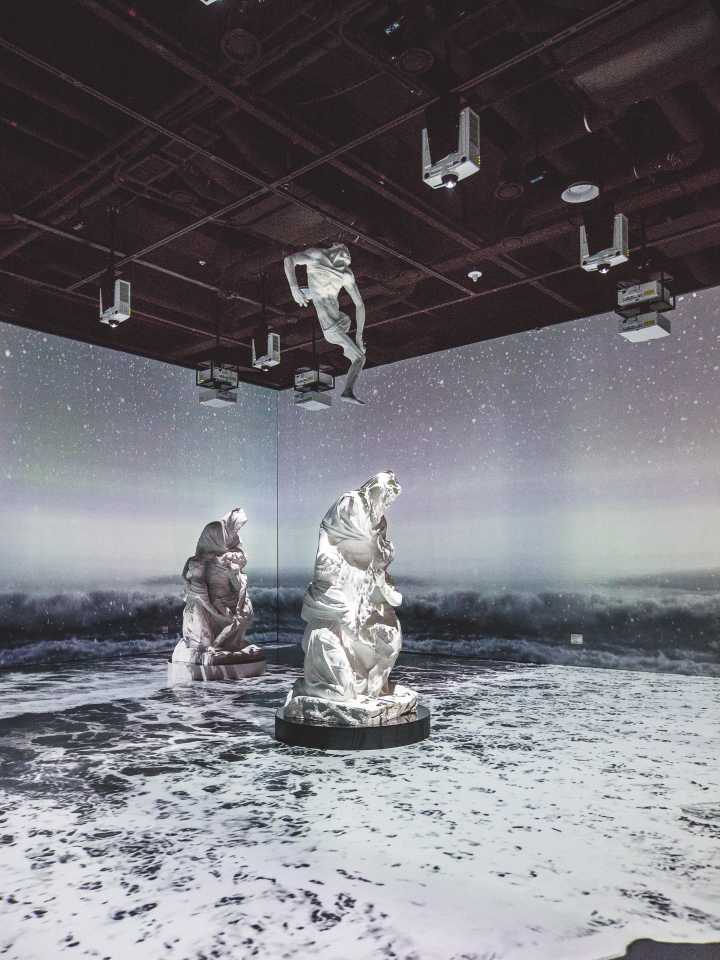
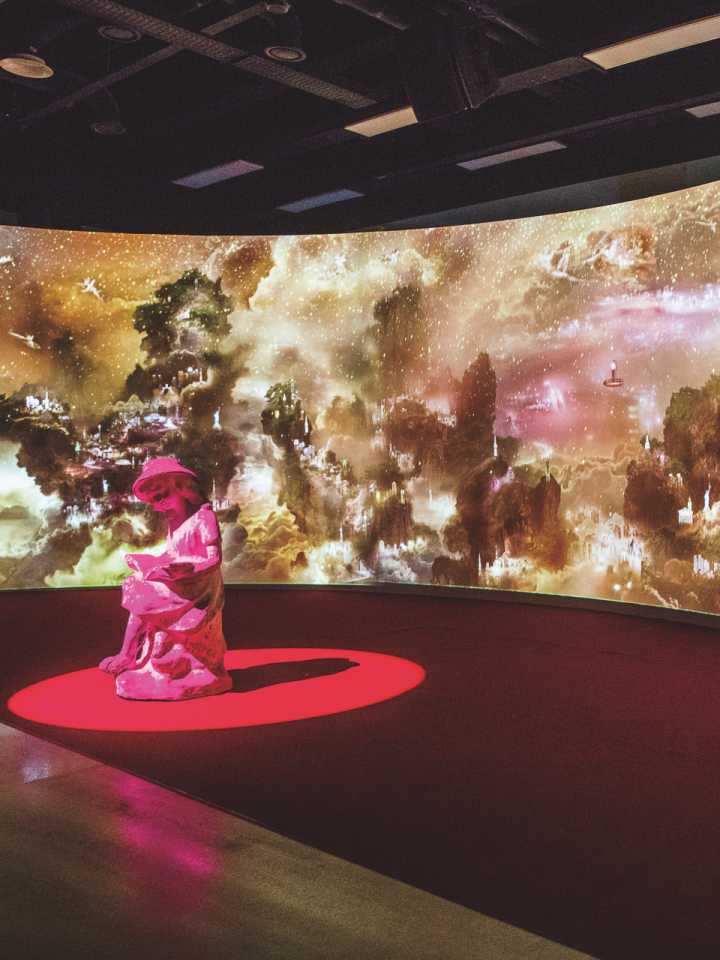
Opened in March 2022, the Gwangju Media Art Platform, the country's first dedicated media art venue, is the perfect place to wrap up a modern Gwangju trip. It consists of six zones where cutting-edge technology and art come together: a hologram theater, media playground, hologram facade, media art archive, Media 338, and digital gallery. Take a look at the Media Art Archive and Media 338, where you can explore the history and present of Gwangju's regional media art, and discover why Gwangju was selected as Korea's first UNESCO Creative City of Media Arts in 2018. Besides exhibitions and performances, the platform also runs a residency program for cultivating talent.
Nearby recommendation Bitgoeul Citizens' Culture Center
The rooftop of the Bitgoeul Citizens' Culture Center building, home to the country's first hologram facade.
Day 1 11:00 Hyungje Songjeong Tteokgalbi
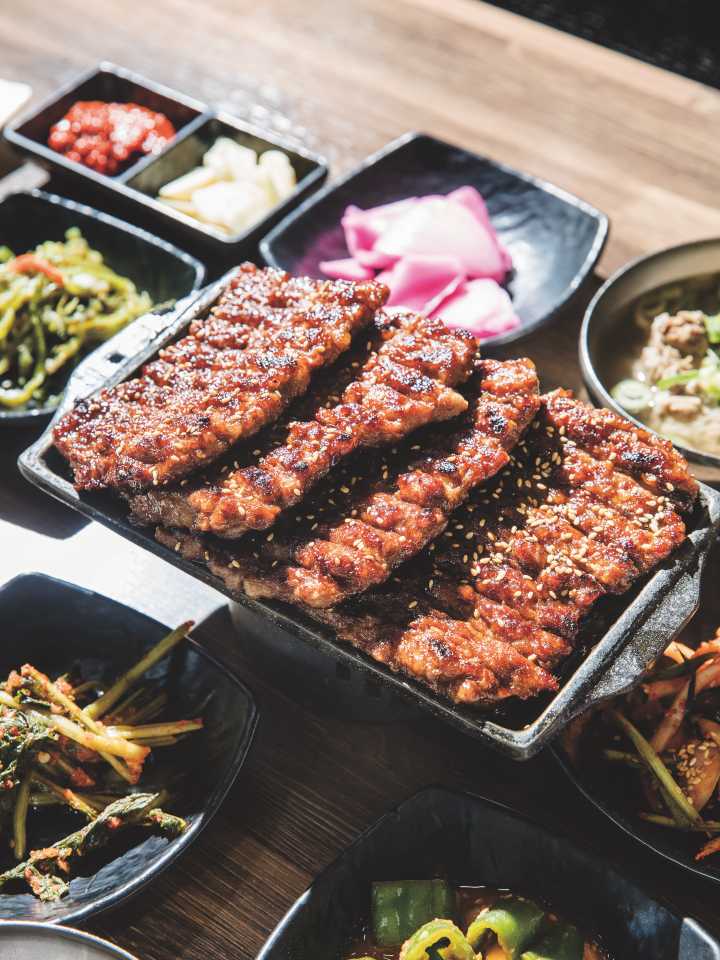
If you're visiting Gwangju by KTX, starting your trip at Songjeong Tteokgalbi Alley near Gwangju-Songjeong Station is a great idea. Among the roughly ten tteokgalbi (grilled minced short rib patties) restaurants there, Hyungje Songjeong Tteokgalbi has carried its reputation through three generations. Its golden-grilled handmade tteokgalbi has a chewy yet tender texture and rich juiciness. The table fills up with an array of side dishes that reflect Jeolla-do's generous hospitality, and among them the rich bone broth is a delicacy found only in Gwangju's tteokgalbi alley — a refreshing way to cleanse your palate after the meal.
Nearby recommendations 1913 Songjeong Station Market, Songjeong Park
The 100-year-old 1913 Songjeong Station Market, reborn through a traditional market regeneration project. In spring, be sure to also visit Songjeong Park, famous for its cherry blossoms.
13:00 Chungjang-ro (Gwangju Theater)
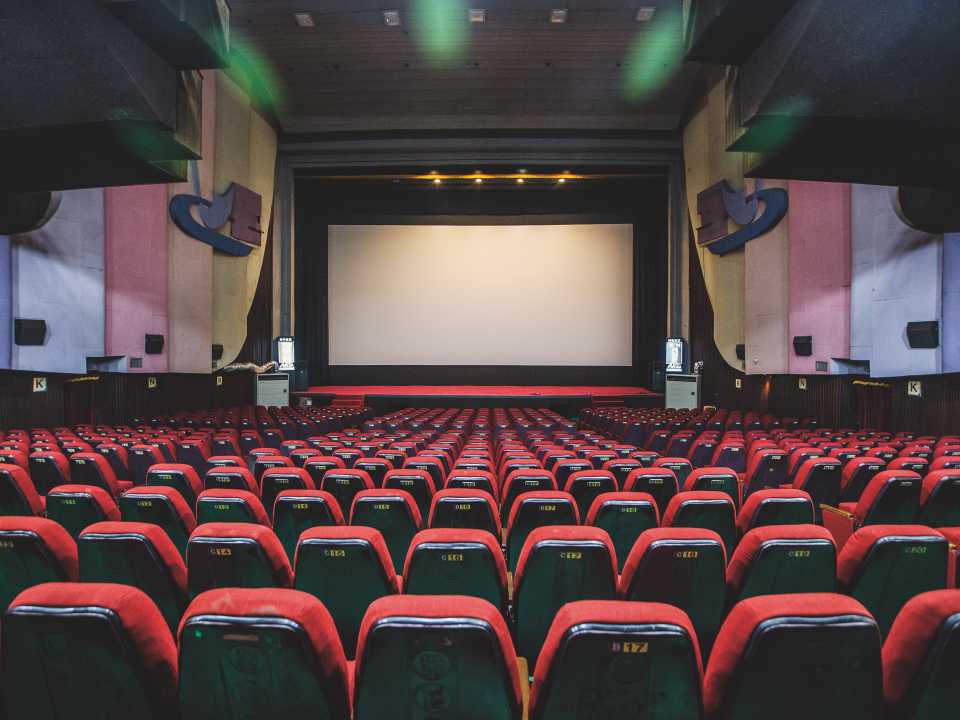
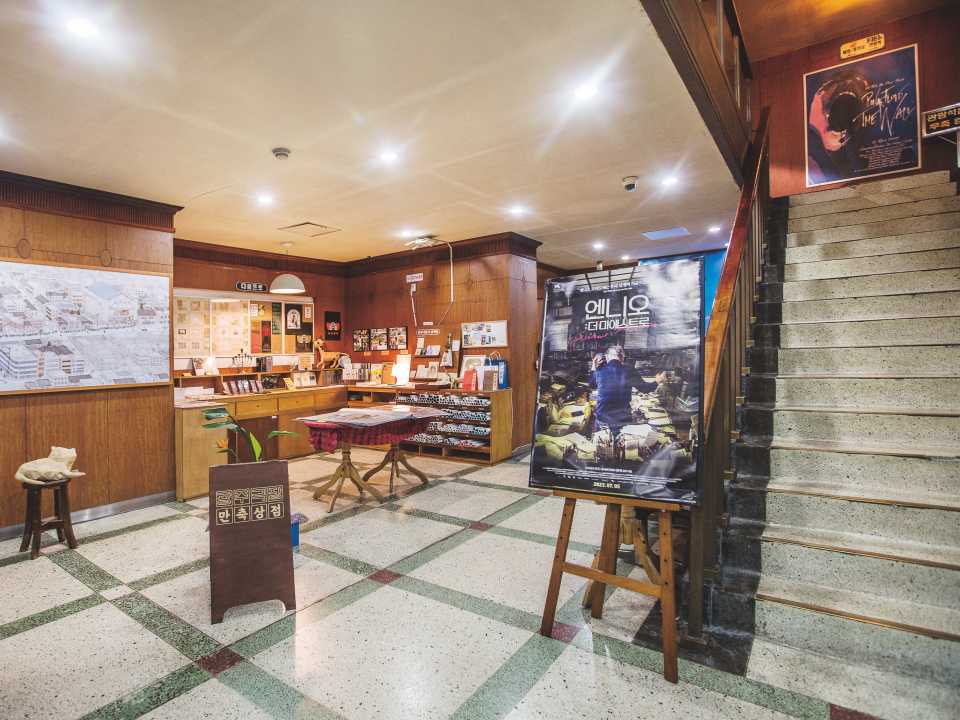
Take a walk down Chungjang-ro, once known as Gwangju's ‘Myeong-dong,’ and reminisce about the city's past. Chungjang-ro was originally the road connecting the north and south gates of Gwangju's walled town during the Joseon dynasty. Commercial activity took root here early during the Japanese colonial period, establishing it as the city's premier downtown district. Among the large and small shops and shopping malls, spaces that preserve Chungjang-ro's old character still remain. Gwangju Theater, the second-oldest theater in Korea, is one such place. Its interior has preserved the passage of over 80 years intact, and visitors can see old film projectors and black-and-white photographs from the past. These days, it mainly screens art house and independent films.
Nearby recommendation Beethoven Music Room
A classical music listening room that opened in 1982. Its wood-paneled interior and brick-patterned DJ booth are sure to stir up warm nostalgia.
15:00 Tea Edit
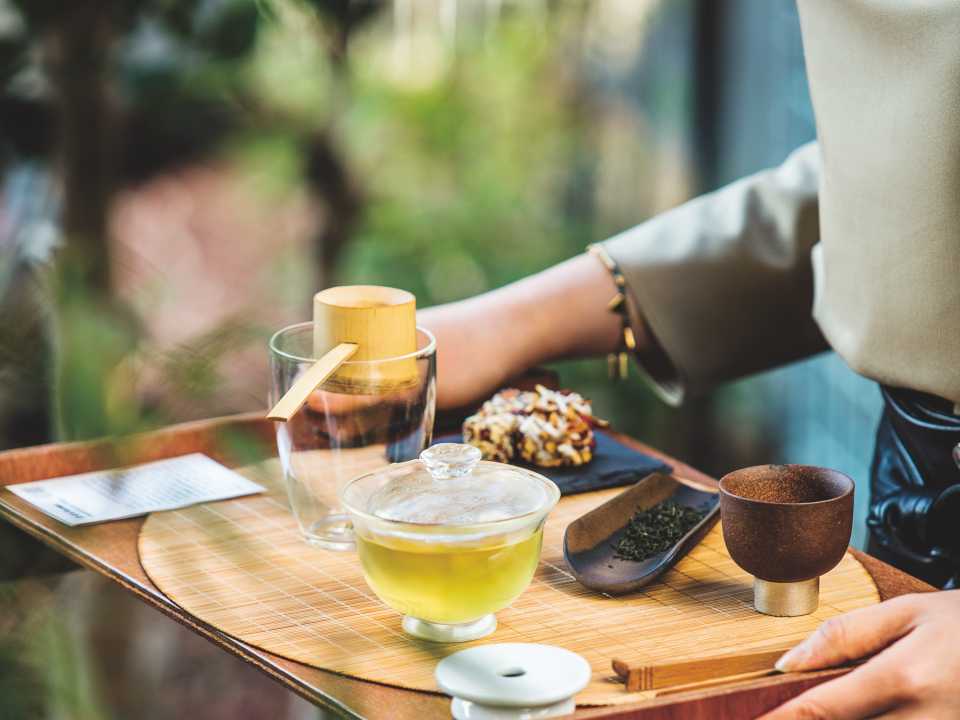
Run by a tea sommelier, Tea Edit is a place to enjoy blended teas inspired by Mudeungsan and a variety of tea-paired dishes. Centered on Gwangju, the shop showcases various teas from the Jeollanam-do region, alongside teaware pieces and works by local artists. When you order tea, the leaves are measured and placed on a tea tray, and a set of teaware and tea snacks suited to the tea arrive on a tray. Take in the tranquil garden view while experiencing an approachable tea ceremony.
Nearby recommendation Goyoyu
If you want to indulge in tea a bit more, try Goyoyu's tea course, where a tea sommelier selects teas and snacks to match the season and weather!
17:00 Uijae Museum of Korean Art
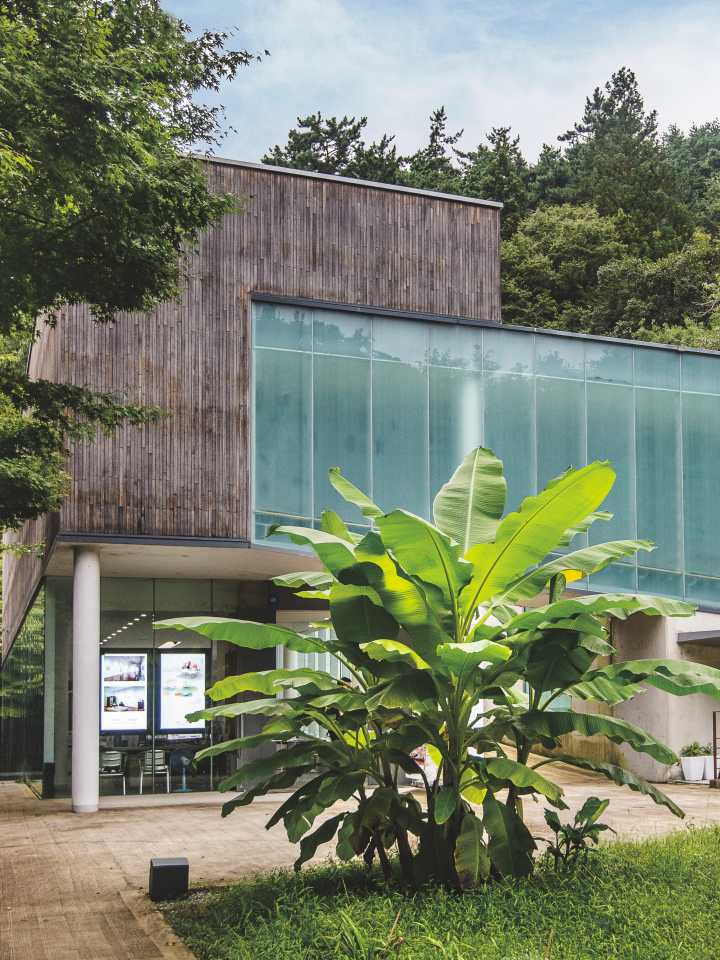
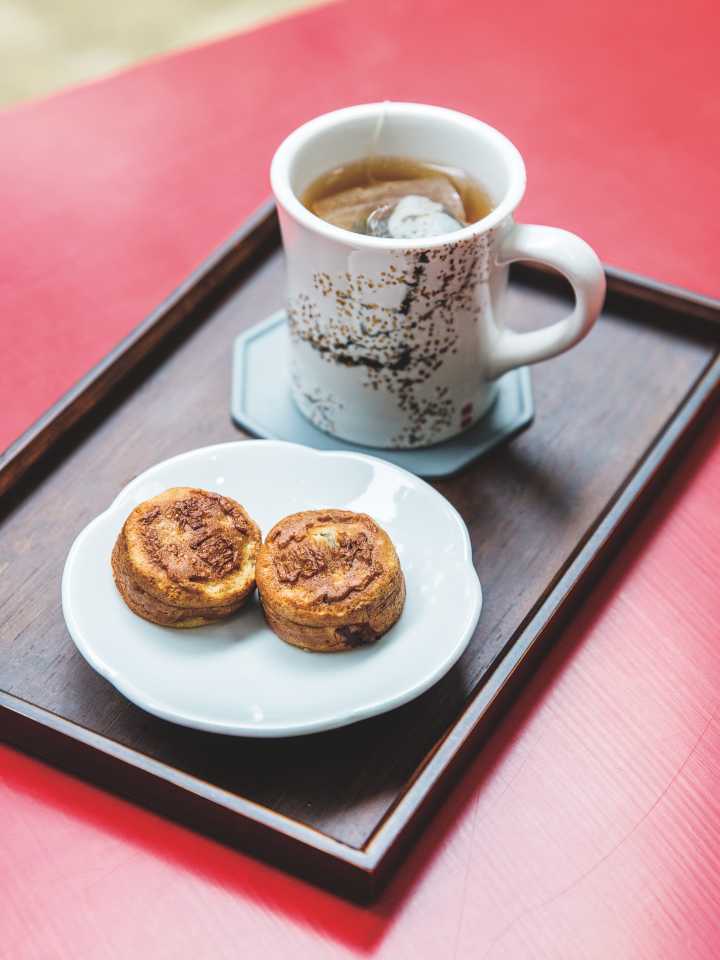
Having enjoyed tea made from leaves picked on the slopes of Mudeungsan, it's time to head to the Uijae Museum of Korean Art, where you can glimpse the passion of an artist who lived nestled against the mountain. It is Korea's only art museum located within a national park, built to honor Uijae Heo Baekryeon, a master of 20th-century Southern School painting. The museum houses the brushes, inkstones, and tea utensils he used during his lifetime, as well as landscape paintings, calligraphy screens, four gentlemen paintings, and flower-and-bird paintings. Around the museum stand his legacies: Chunseolheon, which served as his residence and reception room; Munhyangjeong, once used as a barn for an agricultural school; and Chunseol Tea Garden, a tea field he cultivated himself. The museum building received the Korea Architecture Award in 2001.
Nearby recommendation Woo Jaegil Museum of Art
One of the museums forming Unlim-dong's museum street alongside the Uijae Museum of Korean Art. The building is the work of architect Seung H-Sang.
Day 2 10:00 Yangnim Historic Cultural Village
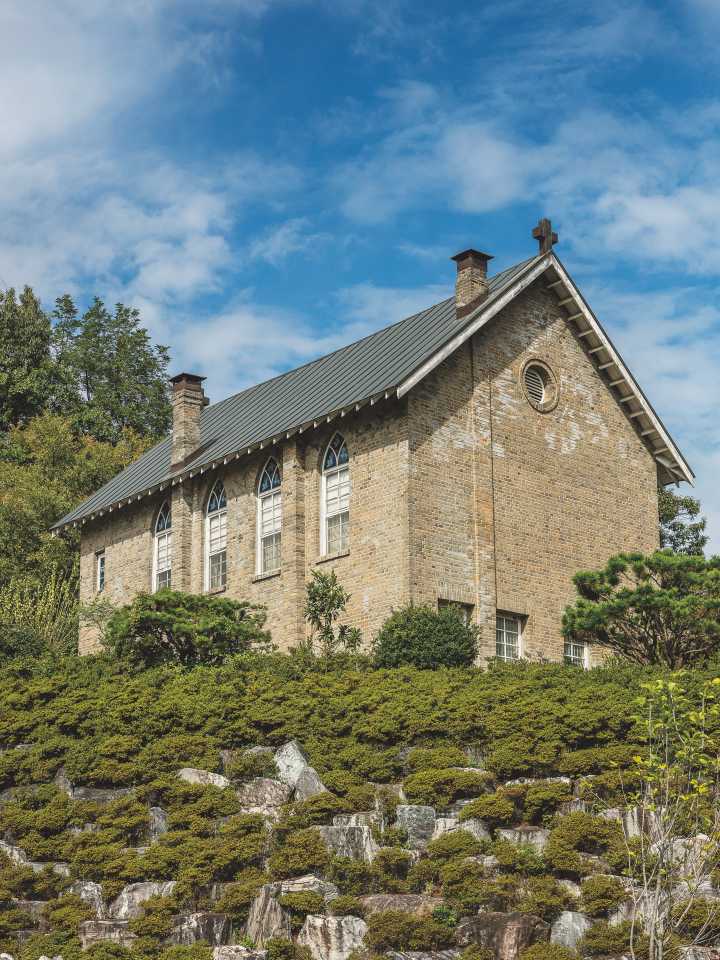
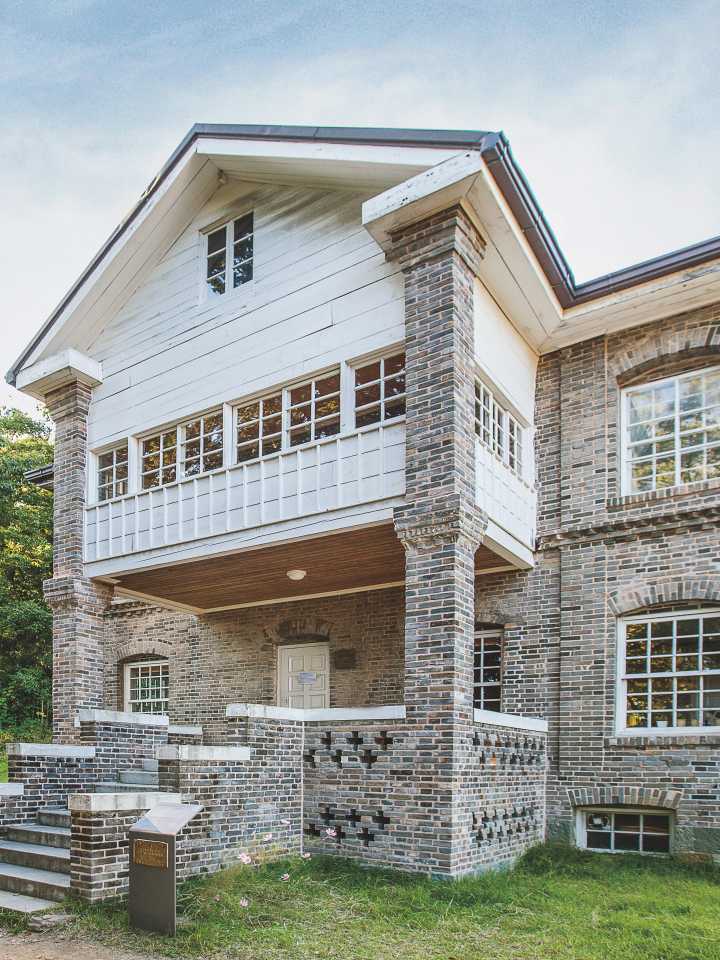
Developed as a historic cultural village, Yangnim-dong is an open-air museum offering a glimpse into Gwangju's modern history. The neighborhood came to be called Yangnim (楊林), meaning ‘willow forest,’ due to the dense willow trees that grew there from the mid-Joseon dynasty onward. Though all the willows were cut down during the Japanese colonial period, leaving no trace today, modern-era buildings scattered throughout the area still draw travelers in. Since 1884, American missionaries who came to Gwangju settled here and built churches, residences, schools, and hospitals. The Wilson Missionary House, Owen Memorial Hall, Yangnim Church, Suphia Hall, and the Neuschamer Missionary House are among the modern buildings that remain as legacies of that era. The Lee Jangwoo House, which offers a glimpse into the housing style of the upper class during the port-opening period, is also located here.
Nearby recommendations Horangasinamu Art Polygon, Ground after 10 Years
Horangasinamu Art Polygon, a multipurpose cultural space converted from the garage of the Neuschamer Missionary House, and Ground after 10 Years, housed in a kindergarten building that opened in 1957 and closed its doors in 2018.
13:00 Yeongmi Duck Soup
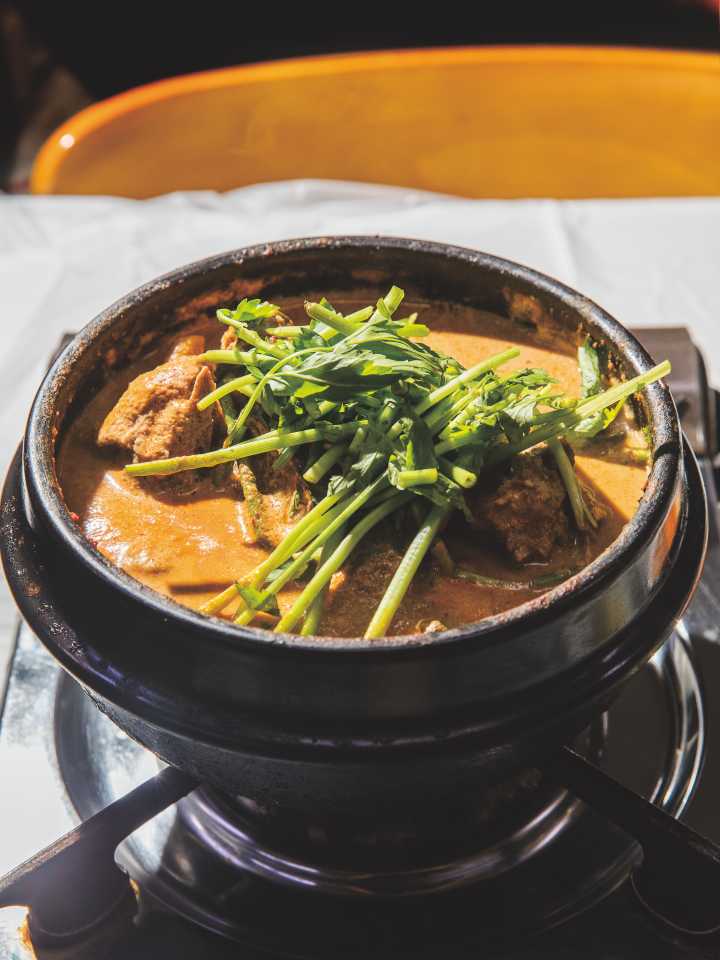
Wrap up the trip at Yudong Duck Soup Street, which dates back to the 1970s. With a 40-year history, Yeongmi Duck Soup has its main location on the duck soup street, plus branches in Sangmu District and Gunja-dong in Seoul. What defines Gwangju-style duck soup is a broth made by straining finely ground perilla seeds and simmering it to a cream-like consistency, then adding water dropwort and perilla powder. The secret behind Yeongmi Duck Soup's flavor lies in its house-made chojang (vinegared gochujang sauce) mixed generously with perilla powder. Dip the tender duck meat in the sauce and pair it with water dropwort lightly blanched in the broth for a taste that's both refreshing and nutty.
Nearby recommendation Yangdong Market
Try Yangdong-style fried chicken at the historic Yangdong Market, once the largest market in Jeollanam-do.