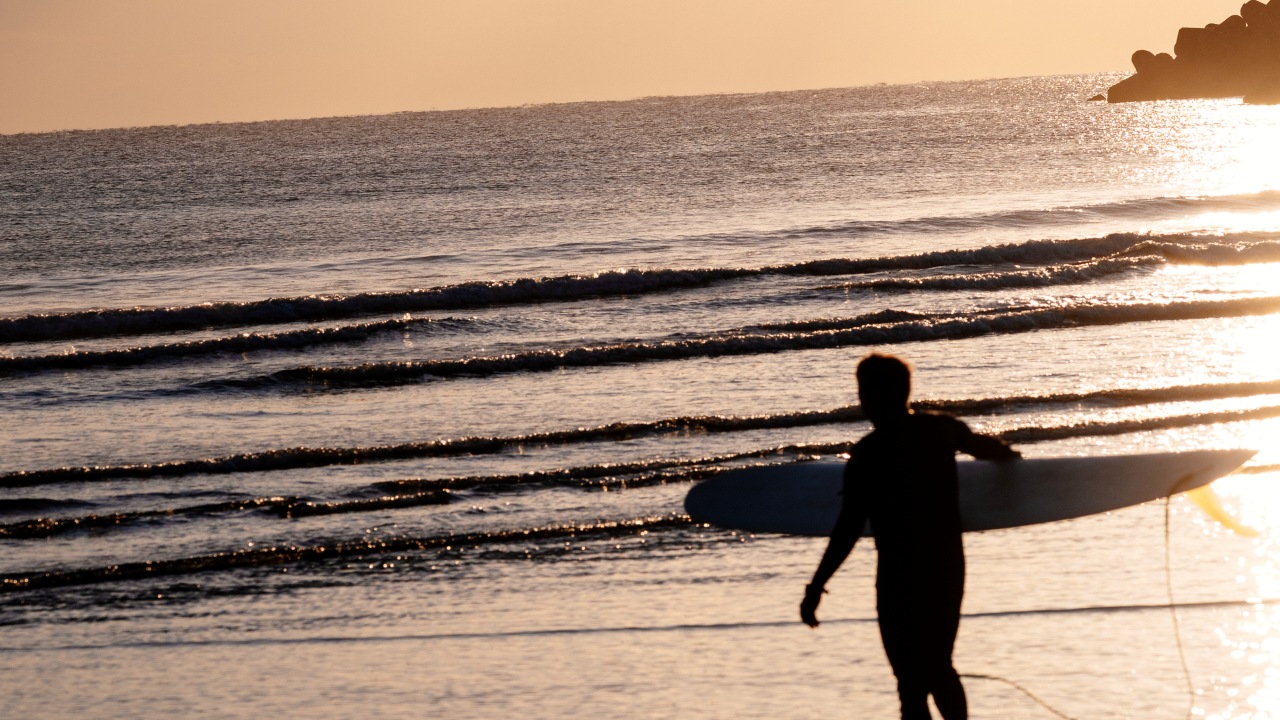
Centered on Okuragahama and Kisikihama, two of Miyazaki Prefecture’s signature surf spots, this trip covers surfing, food, sights and things to do. Experience a different kind of lifestyle in Miyazaki, where the daily routine means heading to the sea when you wake up and waiting for waves.
Words Pyo Youngso
Photos Ahn Soohyang
In collaboration with Miyazaki Prefectural Tourism Association
Okuragahama
お倉ヶ浜
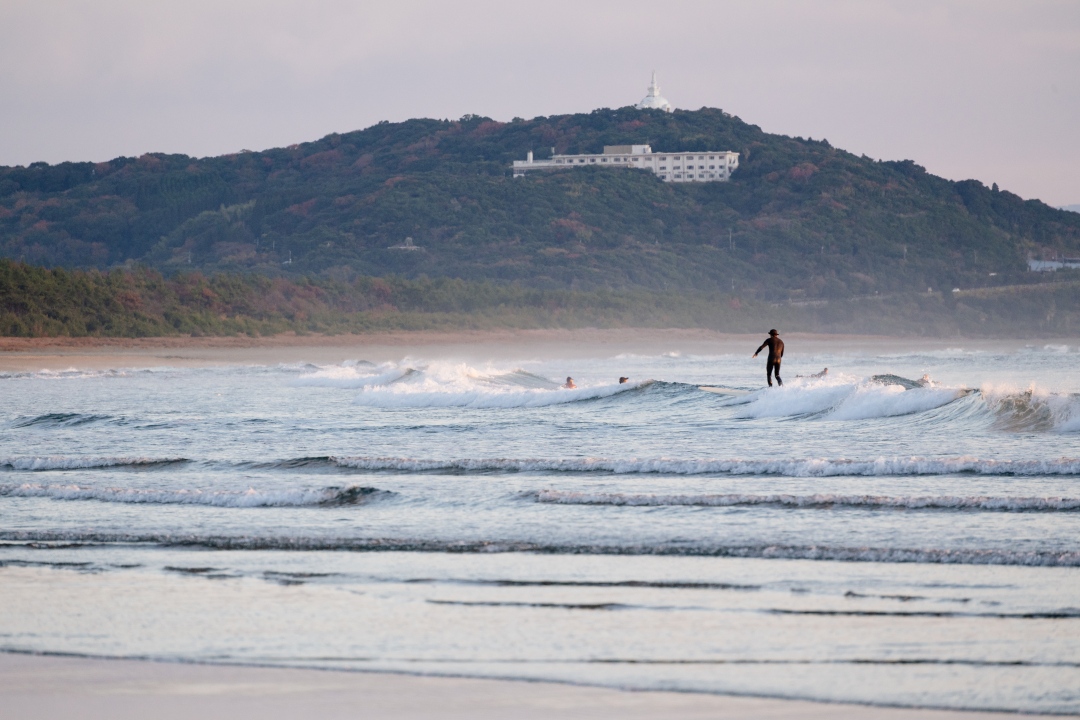
Miyazaki Prefecture (宮崎県), in southeastern Kyushu, has a coastline more than 400 kilometers long, and big, powerful Pacific waves roll in without pause. An unobstructed view straight ahead, wide beaches stretching far into the distance, palm trees lining the shore, and surfers rising and falling with the waves: these four elements sum up the seascape of Miyazaki. Its surf culture goes back to the 1970s, when the region was Japan’s most popular honeymoon destination. After hosting the World Amateur Surfing Championships and the Association of Surfing Professionals (ASP) World Tour, among other events, Miyazaki began to gain real recognition on the global surfing stage. In particular, the sight of the legendary surfer Tom Curren, then competing on the ASP World Tour, riding a huge typhoon-generated swell is regarded as a landmark moment that showed Miyazaki’s potential as a surf destination. The Seagaia Ocean Dome, listed in the Guinness World Records as the “world’s largest indoor beach,” appeared around the same time.
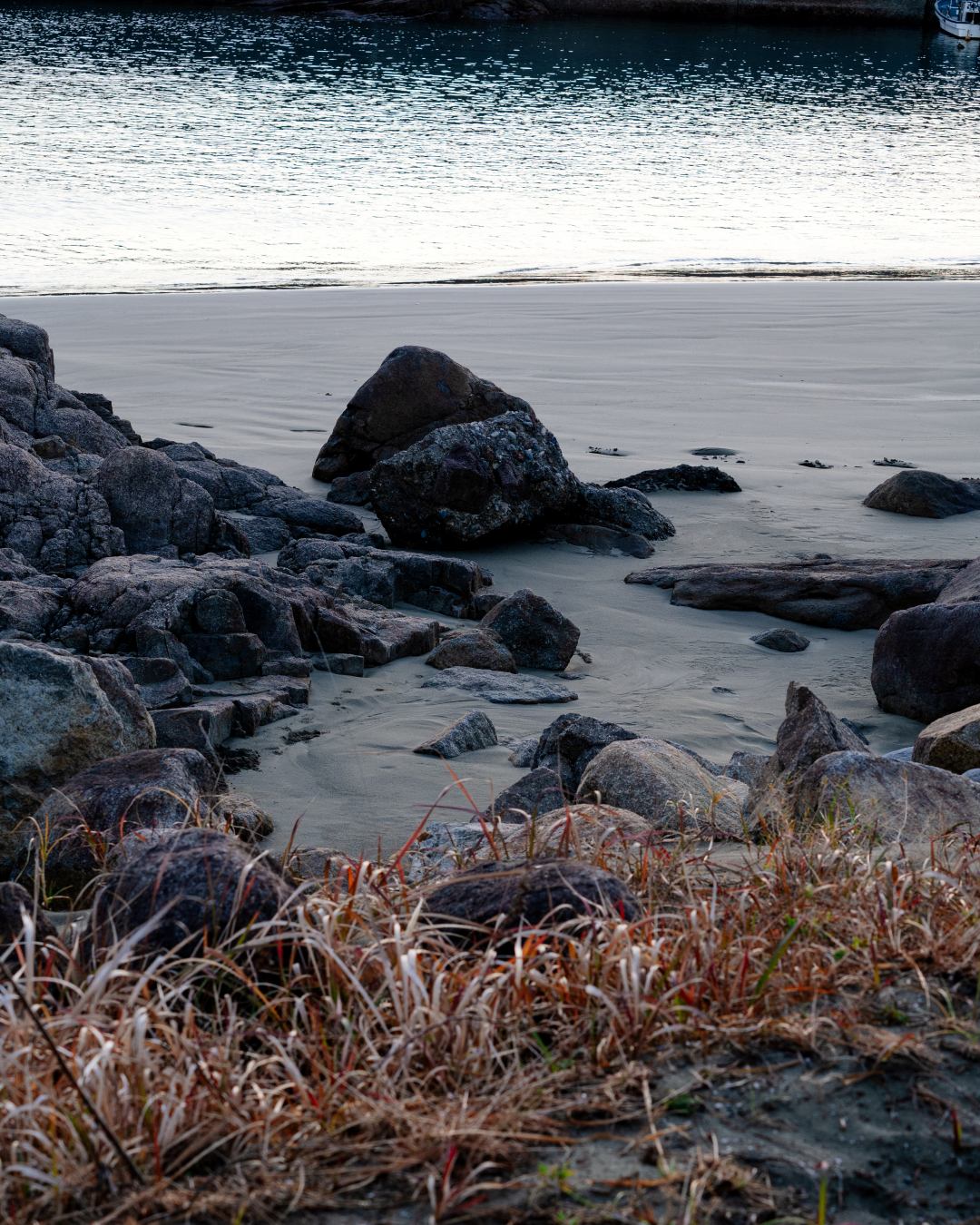
Today in Miyazaki, surfing is not a sport but a way of life. Whenever there are waves, people of all ages and both sexes head to the beach, whatever the hour. The prefecture’s surf areas fall into three zones: Hyuga in the north, Miyazaki City in the center, and Nichinan in the south. Okuragahama, in Hyuga, is a surf point where you can glimpse the everyday lives of locals who enjoy “waves every day.” The waves aren’t dramatic, but that is part of the appeal: they suit everyone from beginners to advanced surfers without pressure. Apart from the low ridgeline running gently along the coast, nothing blocks the view. Surfers begin gathering on the roughly four-kilometer beach of fine, wide-spread sand around sunrise. The first to arrive start their day in the quiet morning sea, where the sound of the waves is all there is. A variety of people come and go throughout the day, and at dusk, office workers just off work and students finished with their day join in again. The mild climate year-round and the stable swells are certainly part of Miyazaki’s appeal. But what really excites surfers is that surfing here is not an event for a select few. It blends naturally into everyone’s daily life. A culture in which surfing is life itself is what sets Miyazaki apart.
To See
Umagase Promenade 馬ヶ背 遊歩道
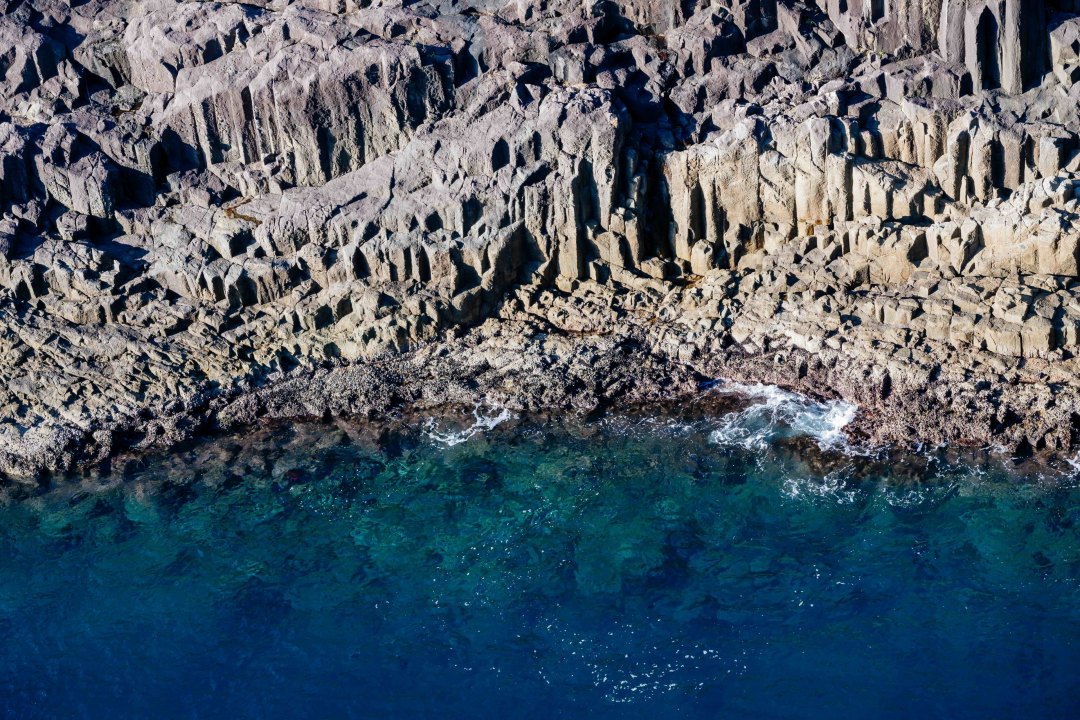
The 120-kilometer stretch of coast running from southern Oita Prefecture to northern Miyazaki Prefecture is designated the Nippo Kaigan Quasi-National Park (日豊海岸国定公園). It is famous for its scenic, indented ria coastline, and among its highlights is Hyuga Cape (日向岬), about a 10-minute drive from Hyuga City. A walking path runs along the coastal cliffs, and as you walk you’re accompanied by trees that have grown into dense woods despite the sea wind, by the color of the sea seeping into narrow, canyon-like gaps cut into the land, and by birds gliding leisurely above it all. The name Umagase comes from the shape of the cape, which looks like a “horse’s back” when seen from the sky. After a walk of about 10 minutes, you reach the observation deck at the tip of the cape. From there, the dramatic contrast between the dizzying columnar-jointed cliffs rising 70 meters above the water and the still horizon of the distant sea is breathtaking. It is a place where you can feel the Pacific’s energy, both calm and fierce. On the way back, walk up the forest path to the Hososhima Lighthouse (細島灯台). This small white lighthouse stands 100 meters above sea level and offers wide-open views of the ocean.
Mimitsu Historic District 美々津地区
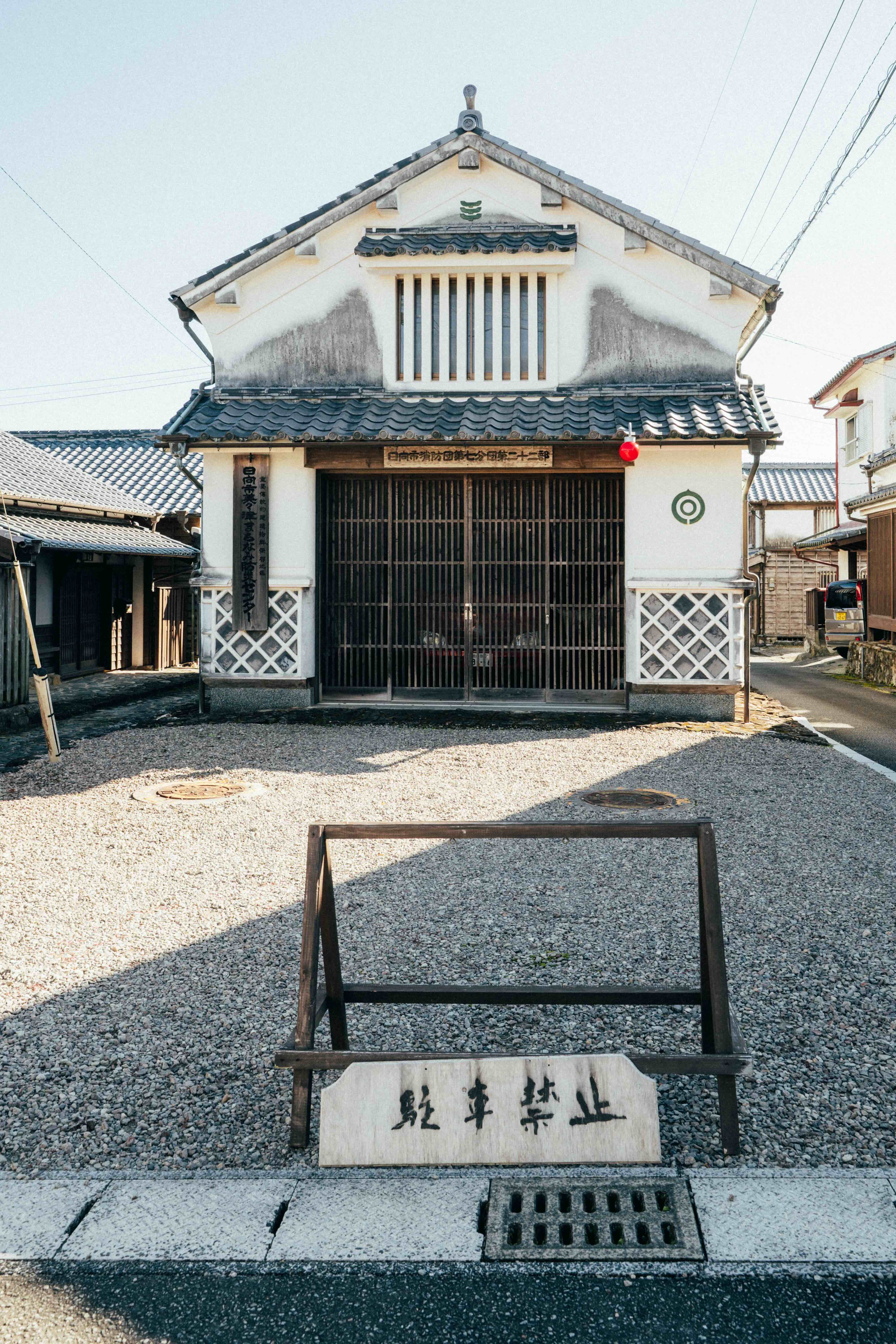
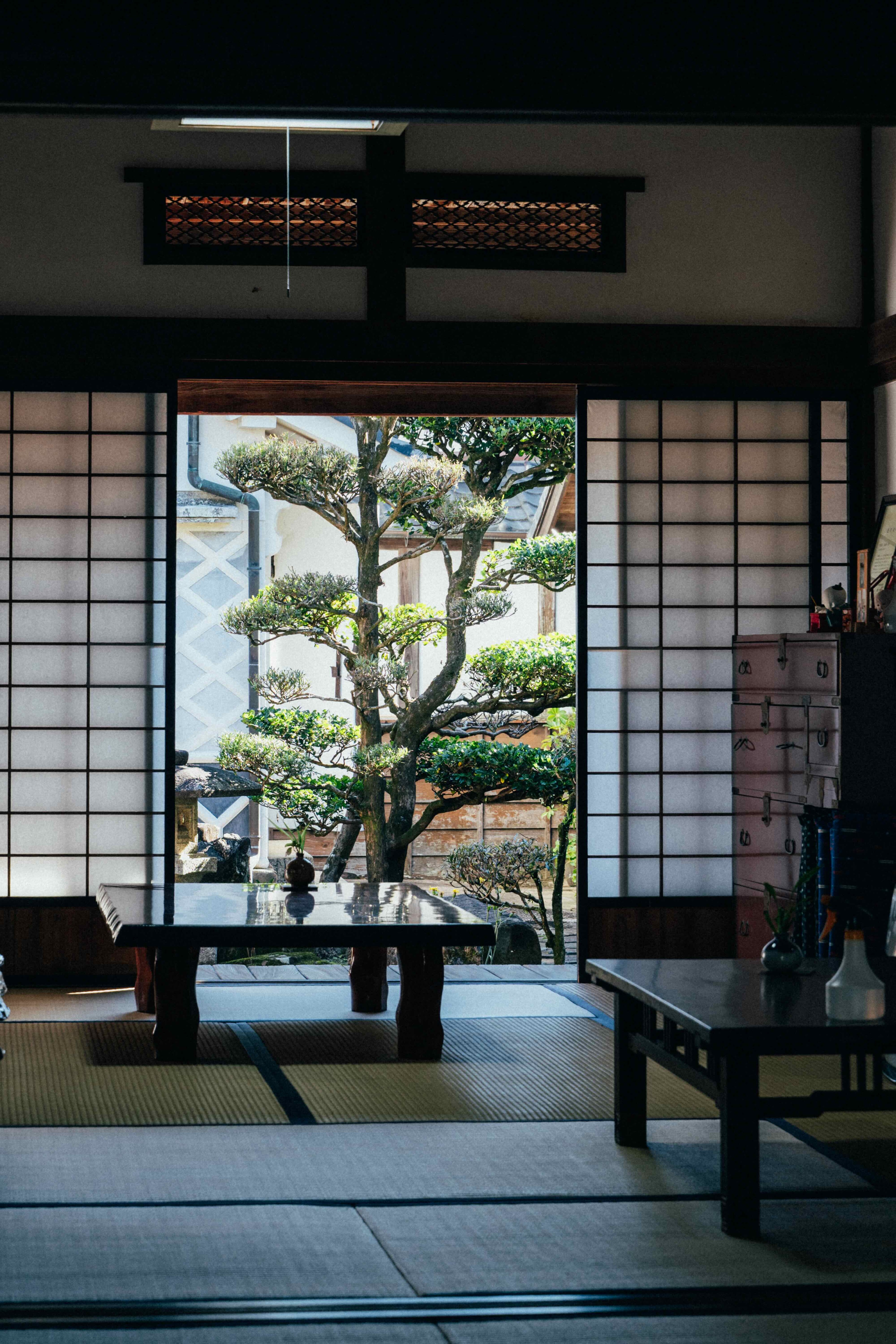
South of Hyuga City, the Mimi River (耳川), which rises in the Kyushu mountains and runs through northern Miyazaki Prefecture, meets the Pacific. A port developed early at the river’s mouth. The town of Mimitsu prospered from the Edo period on through trade with major cities such as Kyoto, Osaka, and Kobe, then declined in the early 20th century with the arrival of the railroad. Today the harbor is quiet and calm, unlike the days when trading ships came and went: only gently flowing water beyond a low embankment and a few scattered fishing boats remain. Walk inland from Tateiwa Shrine (立磐神社), which preserves a legend of departure by sea, and you’ll find traditional houses, old stone walls, cobblestone lanes, and wells no longer in use, all holding on to the past. Low two-story buildings line the straight street, and it’s fun to see wooden mailboxes carved with images of ships hanging at each house, a nod to the town’s history. At the entrance, the Mimitsu Machinami Center (美々津まちなみセンター) is a good place to stop before exploring the town. Converted from an old kimono shop, it serves as a visitor center. You can look inside a merchant house from the town’s heyday and rest with a cup of tea in a tatami room.
To Eat
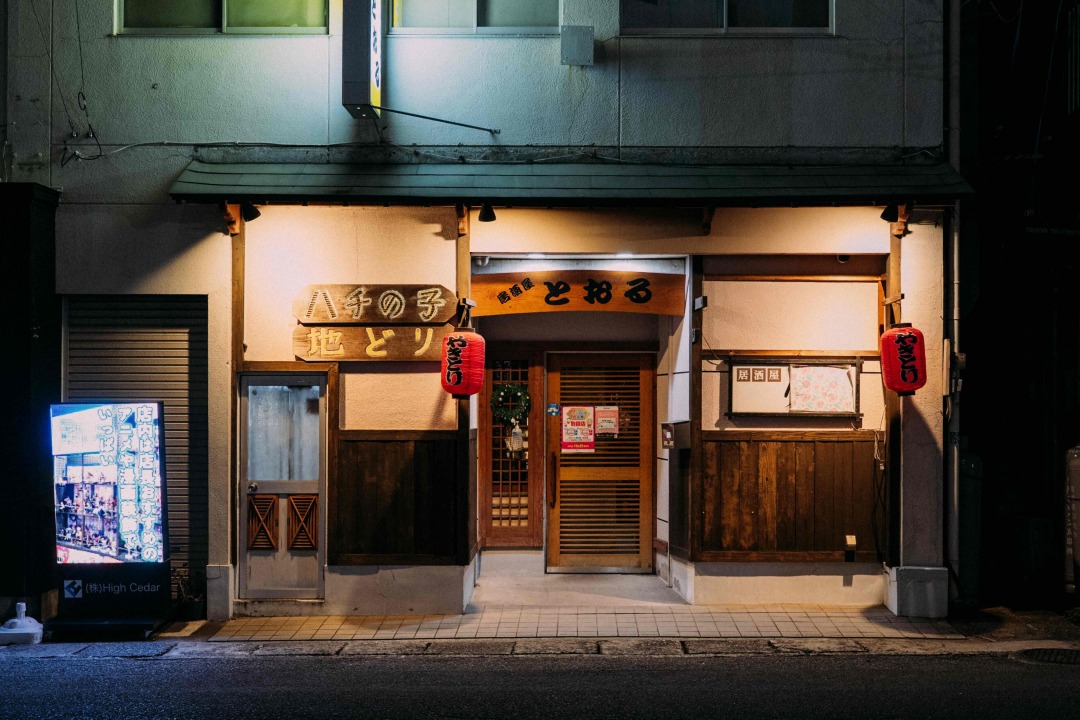
Tooru とおる
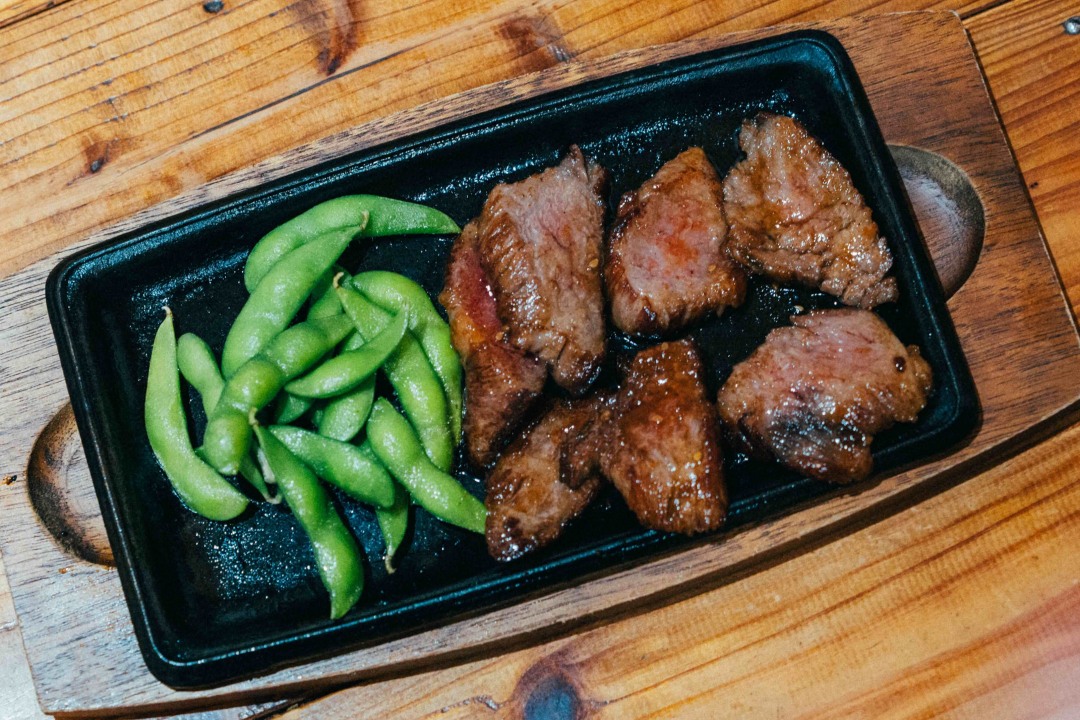
An izakaya (Japanese pub) worth visiting in Hyuga. It is a long-established place that Tooru, a Miyazaki native, has run for more than 20 years. Among locals who come for a drink and dinner after a day’s work, you can enjoy a wide range of dishes with your drinks: sashimi, salads, yakitori, fried dishes, fried rice, and more. The menu also includes regional specialties such as chicken nanban (チキン南蛮, fried chicken served with tartar sauce), charcoal-grilled Miyazaki jidori (native chicken), Miyazaki wagyu, and sweet potato shochu. The interior, with bar seats and a sunken tatami area, has a simple atmosphere with a true local feel. It is within walking distance of JR Hyuga-shi Station.
Price: Yakitori from 150 yen, chicken nanban 780 yen
Tue–Sun: 5:30pm–10:00pm
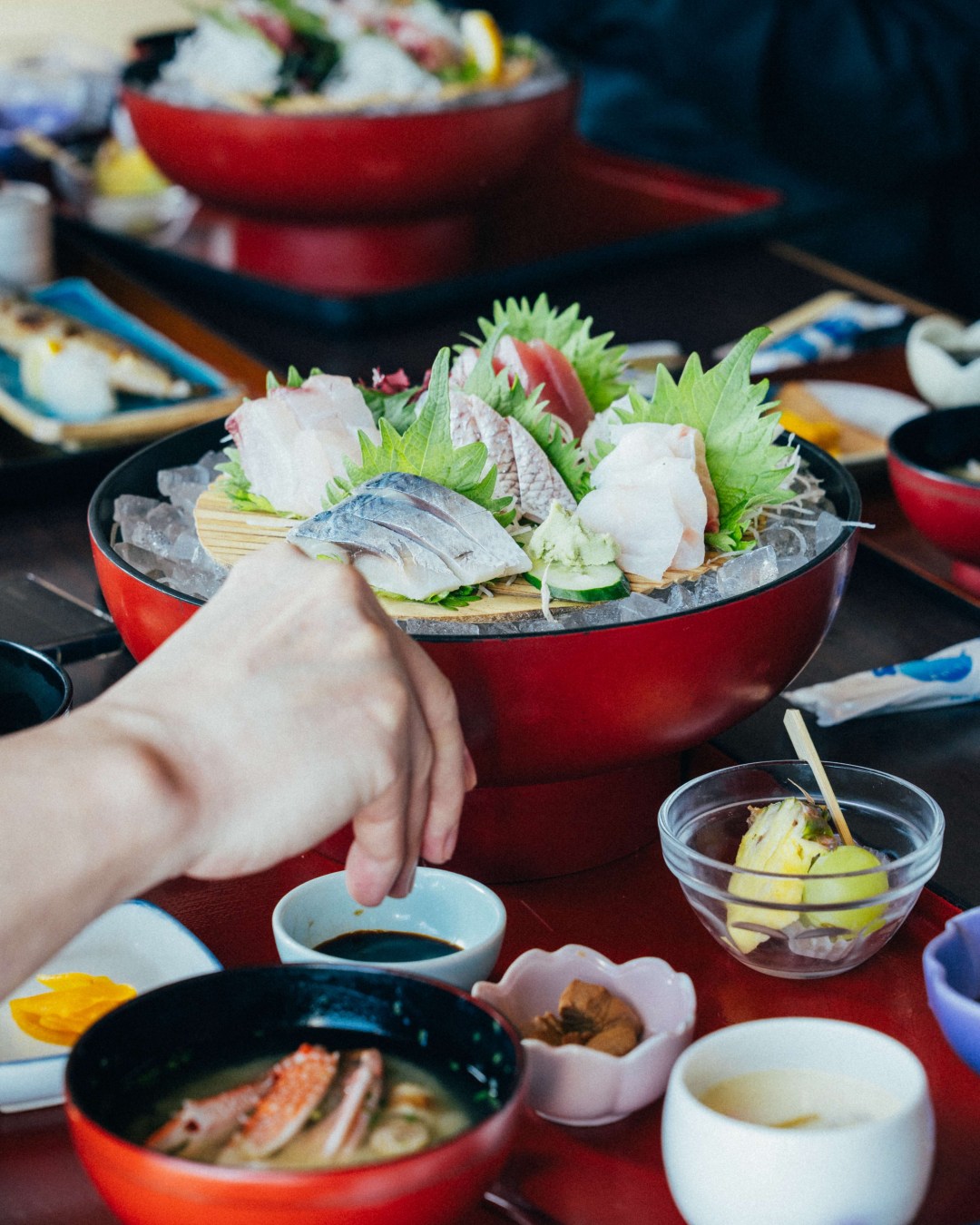
Tairyomaru 大漁丸
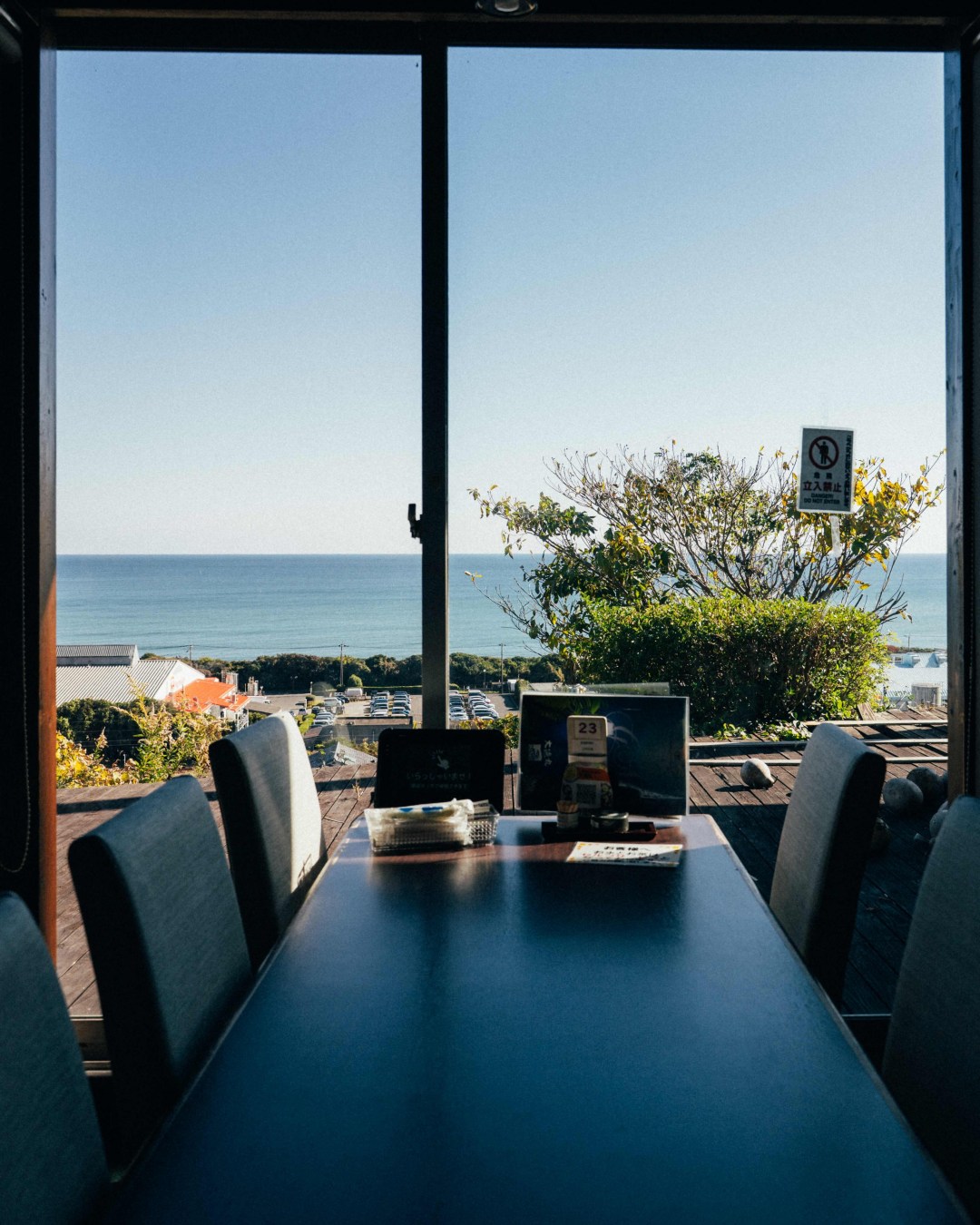
The waters off Miyazaki Prefecture are famous for high-quality seafood. Deep waters, a coastline rich in plankton, and the warm Kuroshio Current mean a variety of fish are caught all year round. Seafood restaurants cluster around the ports and coast, and Tairyomaru, not far from the Mimitsu Historic District, is one of them. Its strength is the freshness of seafood just caught off the Hyuga Sea (日向灘, the waters east of Miyazaki Prefecture), and the prices are reasonable given the generous portions. Set meals of seasonal fish and kaisendon (海鮮丼, a rice bowl topped with raw seafood) are the popular choices. We recommend a window seat, where the sea spreads out beyond floor-to-ceiling glass.
Price: Sashimi set meal 1,700 yen, kaisendon 1,600 yen
Hours: 10:00am–19:30pm
To Stay
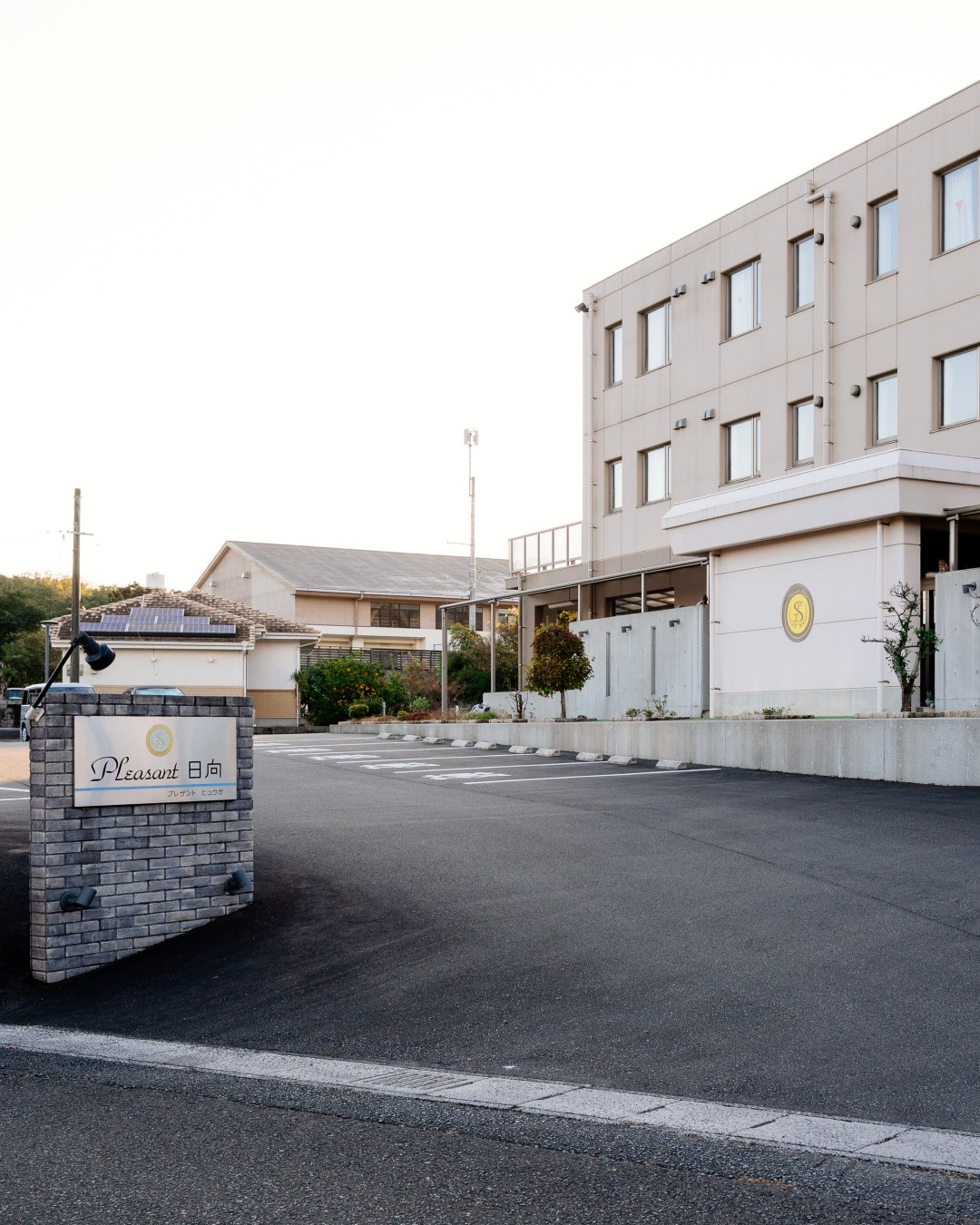
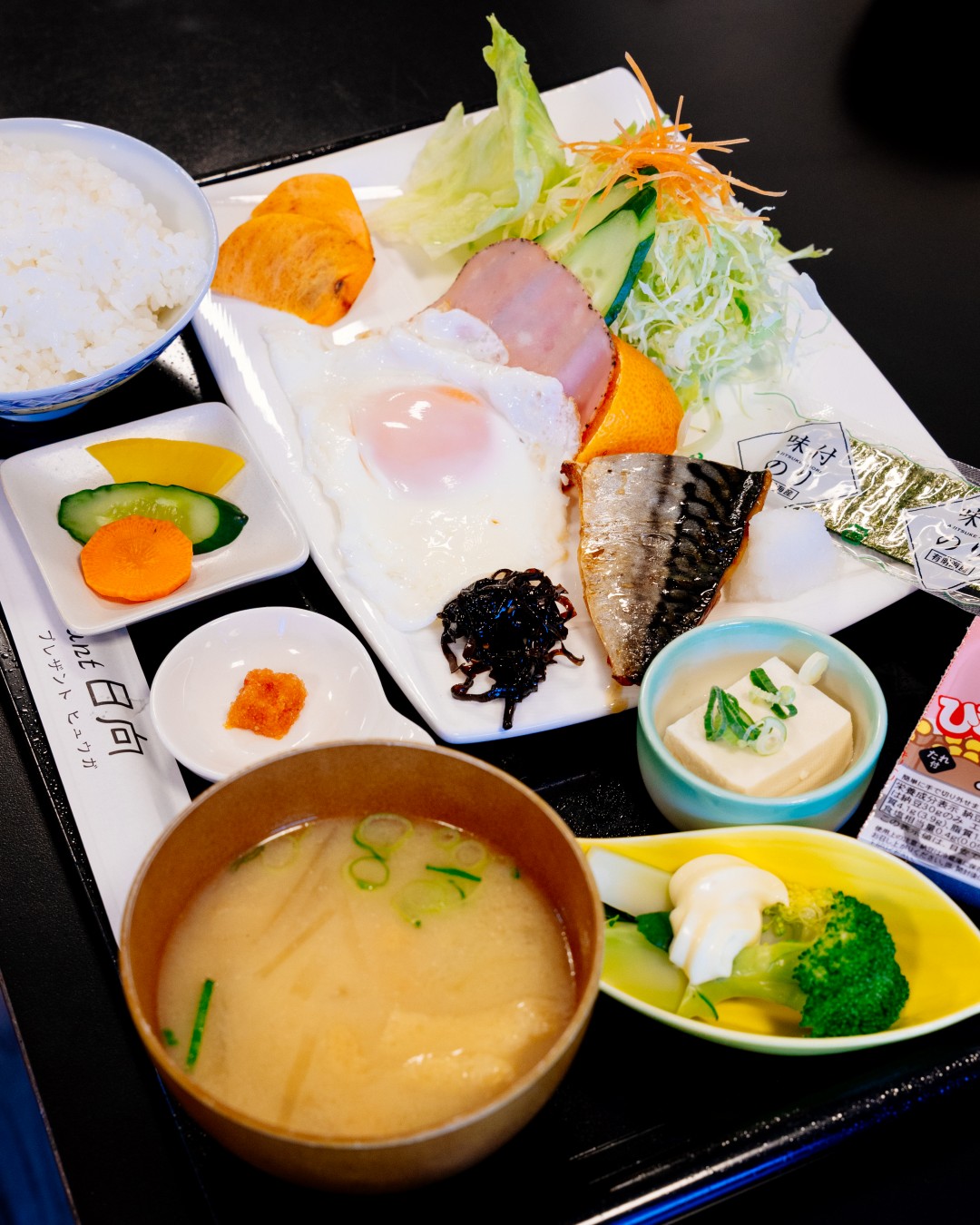
Pleasant Hyuga
For anyone planning to surf at Okuragahama, Pleasant Hyuga is the top choice. Set on a hill with a sweeping view of the beach, it lets you check the weather and the waves from your room window, and the surf point is just a 20-minute walk away. With little artificial light nearby, you can also watch a sky full of stars without any effort, a nice bonus. Rooms offer plenty of choice, from singles and twins to semi-double rooms with kitchens and a tatami room that sleeps up to 10, and there is a cozy communal bath as well. Breakfast and dinner, prepared each day with fresh ingredients from the fish market, are clean and carefully presented.
► The story continues in ‘Miyazaki Surf Trip, Part 2: Kisakihama.’