Food is the most important element of Hong Kong's local culture. From a dai pai dong with a history of more than 70 years to a modern French restaurant that earned a Michelin star through creative, sustainable cooking, here are the restaurants you need to know before visiting Hong Kong.
Words Parc Jinmyoung
Photos Kim Yoonkyung
In collaboration with Hong Kong Tourism Board
Bing Kee Cha Dong
The Most Ordinary Meal, Made With Diligence
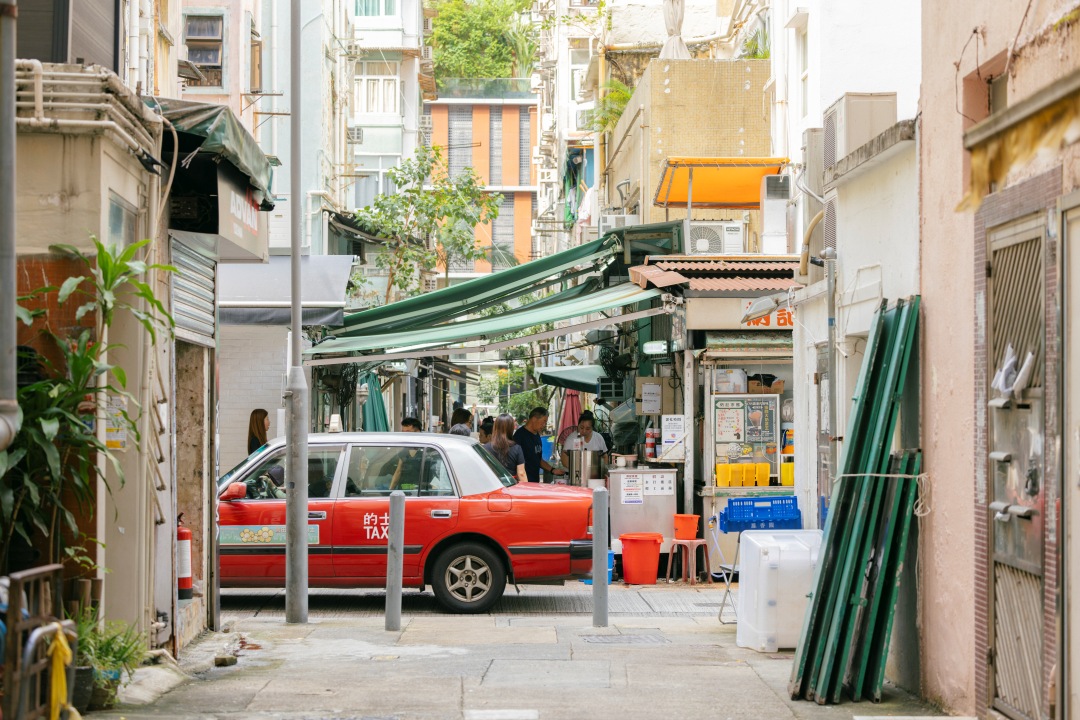
Just one bus stop from Causeway Bay, with its luxury malls, department stores and boutiques, lies Tai Hang, where local life hums along. On its quiet streets, a rarity in Hong Kong, you'll find local cafés, dessert shops and brewpubs, all with a distinctly vintage local atmosphere. Early in the morning, the alleys of Tai Hang are calmly lively. Among them, cha chaan tengs and dai pai dongs stand out, each one catching hurried passersby with the savory aromas of pineapple buns, toast and milk tea, congee and beef noodles. It's a glimpse into a local culture that takes breakfast seriously.
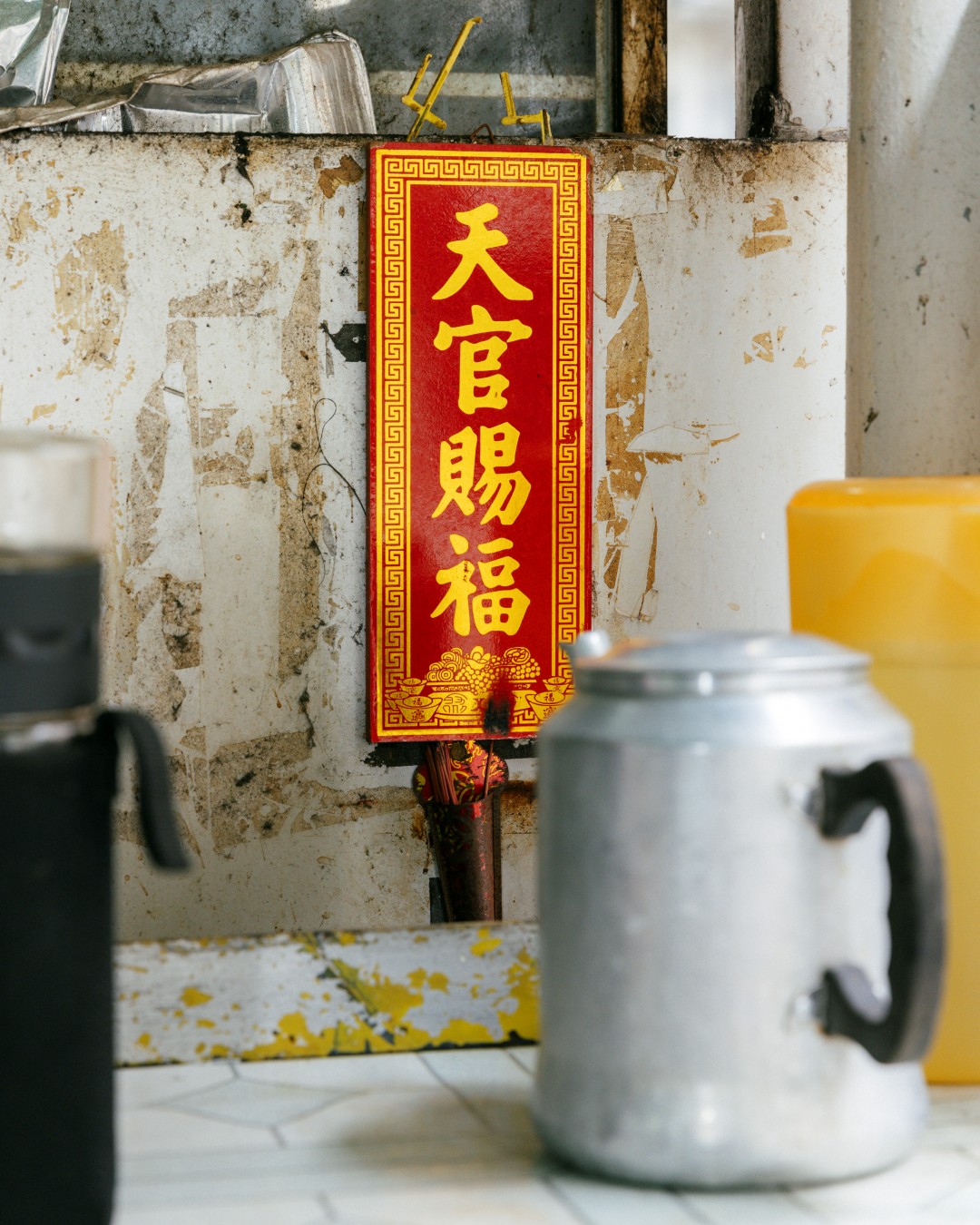
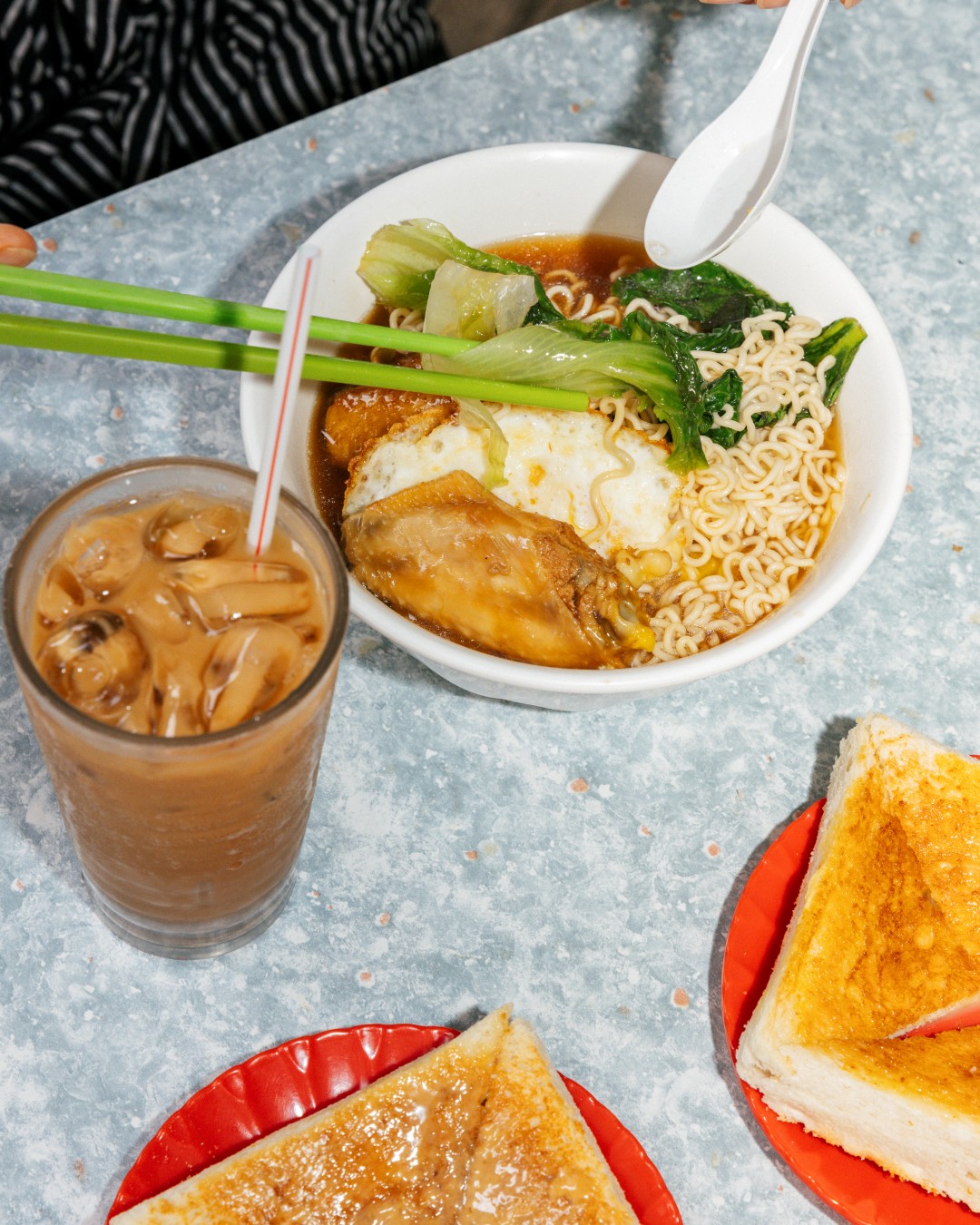
A cha chaan teng is an indoor restaurant serving tea and food, while a dai pai dong is an open-air food stall. Both are considered essential stops on any Hong Kong food tour, but sadly, dai pai dongs have become hard to find on the streets in recent years. Their numbers are said to be shrinking because of high rents and hygiene concerns. It's no exaggeration to say that Hong Kong's food culture grew up alongside these open-air eateries. In their heyday, from the 1950s to the 1970s, a single dollar could buy a meal, and there was no better place to fill the stomachs of ordinary people. These days, a growing number of modern indoor restaurants are borrowing the dai pai dong concept.
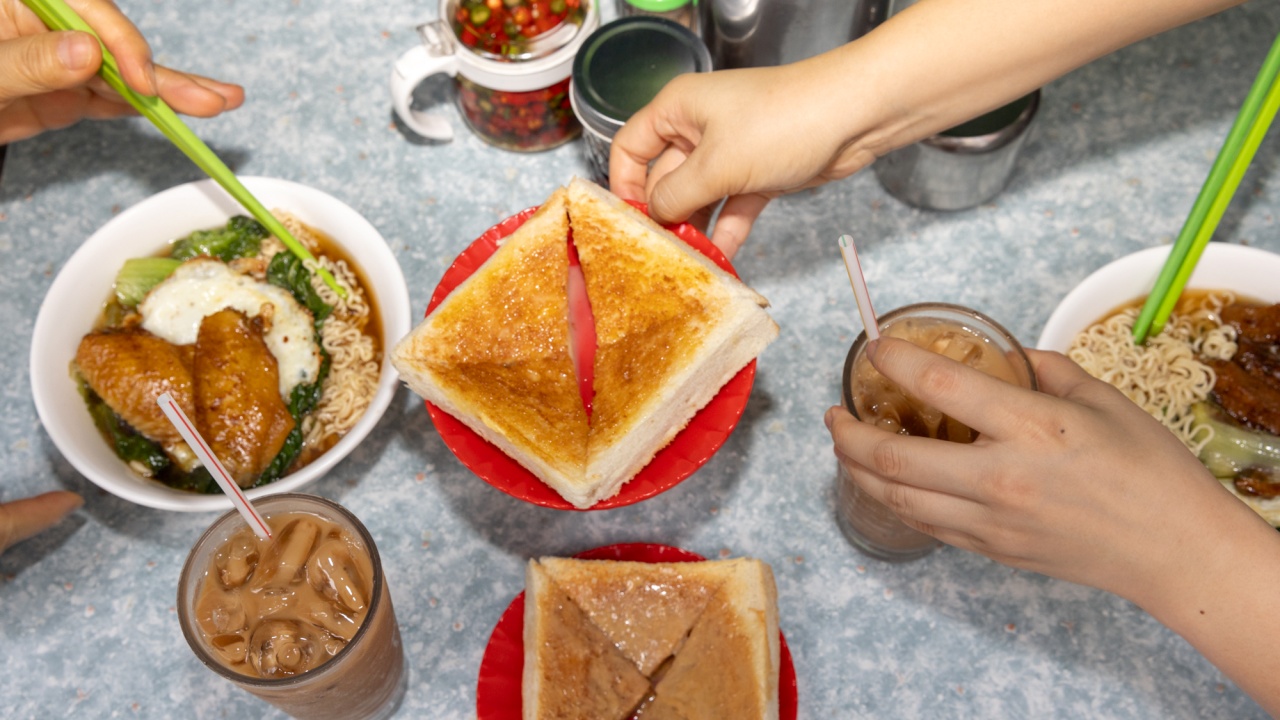
Bing Kee Cha Dong, tucked into an alley in Tai Hang, is a dai pai dong with more than 70 years of history, run by the third generation on the same spot. Except on Mondays, its day off, and on days of heavy wind and rain or extreme heat, it serves neighborhood residents breakfast and lunch from 7:30 a.m. to 3 p.m. Its signature dishes are instant noodles topped with pork, chicken, ham or a fried egg, and Hong Kong-style French toast spread with condensed milk and peanut butter. From students to office workers, people sit on colorful folding chairs and enjoy breakfast before plunging into their busy days, a scene that can't help but feel endearing. And what about the cook inside the kitchen, tossing a wok with passion over a roaring flame in the heat? Perhaps Hong Kong's food scene could develop into what it is today thanks to the diligence of ordinary people who hold their ground.
Halfway Coffee
How a Local Café Holds On to Passing Time
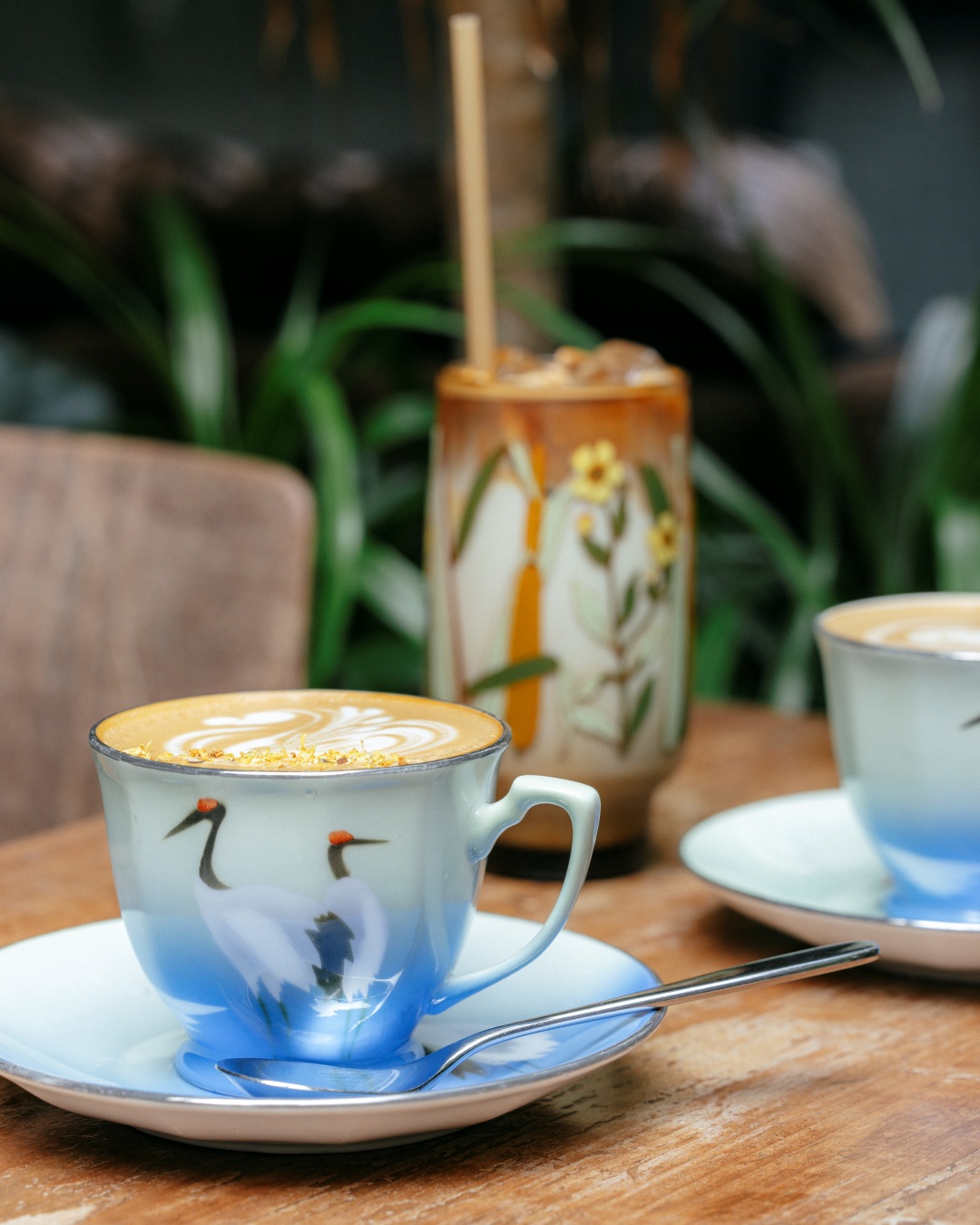
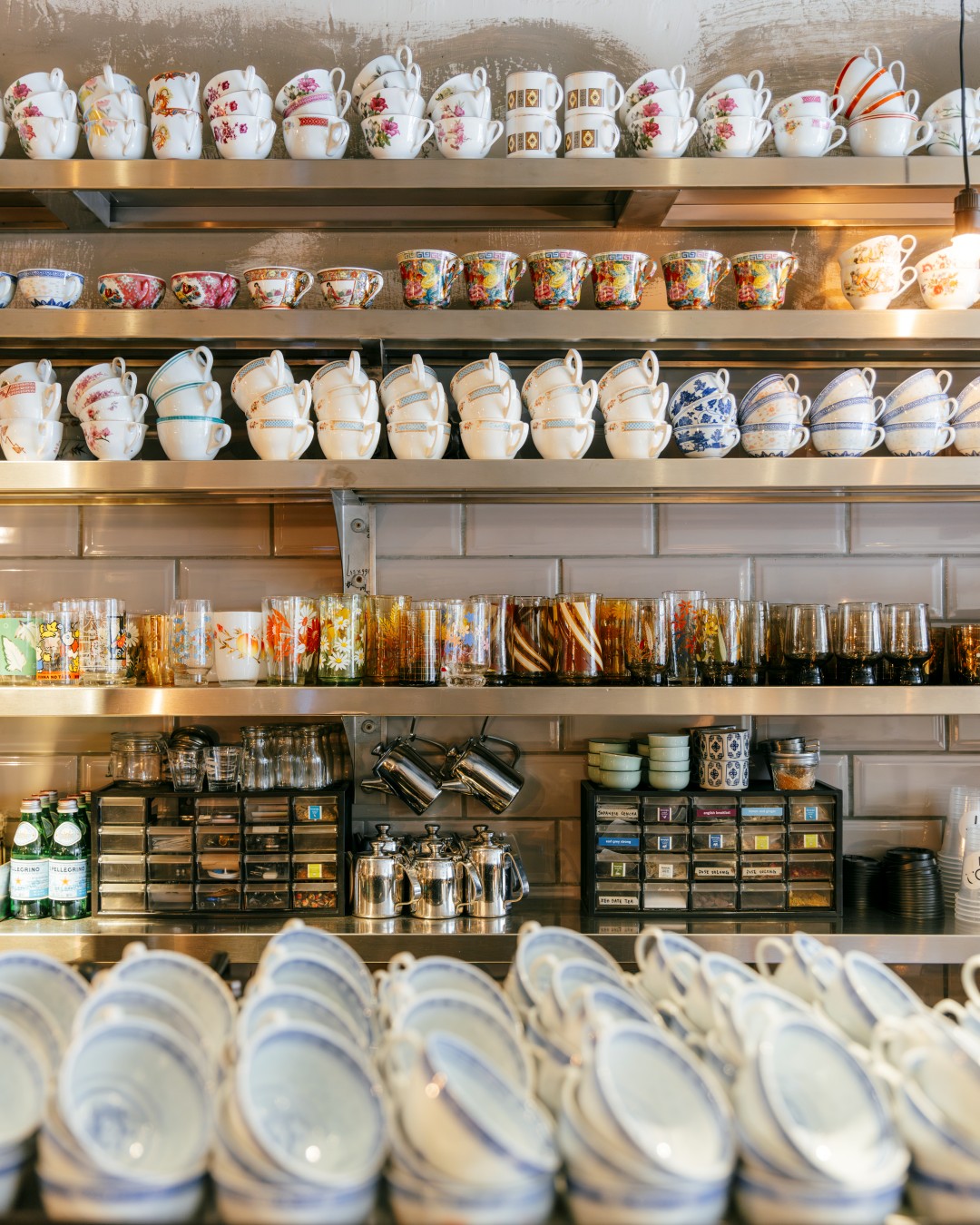
Sheung Wan is home to the 19th-century British-style Western Market, along with an antiques street and a street food lane. It is one of the districts that preserve Hong Kong's past. Halfway Coffee, filled with historic vintage furniture and teacups, is another place you can't just walk past. It opens at 8 a.m., so it's already bustling. When asked why he opens so early, Halfway Coffee owner Tommy Chui answers, “Because of the hot, humid weather, many cafés in Hong Kong open early in the morning.” A former chef, Chui opened Halfway Coffee drawing on his experience working in a range of dining spaces, from cha chaan tengs to Michelin restaurants. He explains what inspired the café: “Hong Kong changes so fast. For a long time, I've been documenting the things that are disappearing every day on my personal social media, and Halfway Coffee is an extension of that record.”
Inside the shop, built in 1978, folding wooden chairs once used in old public housing and chairs discarded when the airport relocated blend together, deepening the distinctly Hong Kong atmosphere. “Most people in Hong Kong live in small homes, so they use a lot of folding chairs.” Chui believes small stories gathered in a space create its own feeling. There's the mirror on the wall opposite the bar, so that you can watch coffee being brewed from anywhere; the lighting, tuned to strike the right balance of dark and light; and the furniture, which changes often, apart from the table at the entrance. Listening quietly to Chui's philosophy of space, the café feels even more special.
The signature drinks are the flat white and the Longan Honey Latte (made with honey harvested from the flowers of longan, one of the four great fruits of southern China, and known for its floral aroma). The honey in the latte is sourced directly from a nearby farm, and every item on the menu is developed in-house, a sign of the effort that goes into making healthy drinks. Next to the café is the Halfway Museum, which displays Chui's collection. If you're curious about the story behind any piece, just ask him. With sparkling eyes, he'll show you objects with even rarer and more curious tales.
Feuille
A Long Journey Toward Sustainable Dining
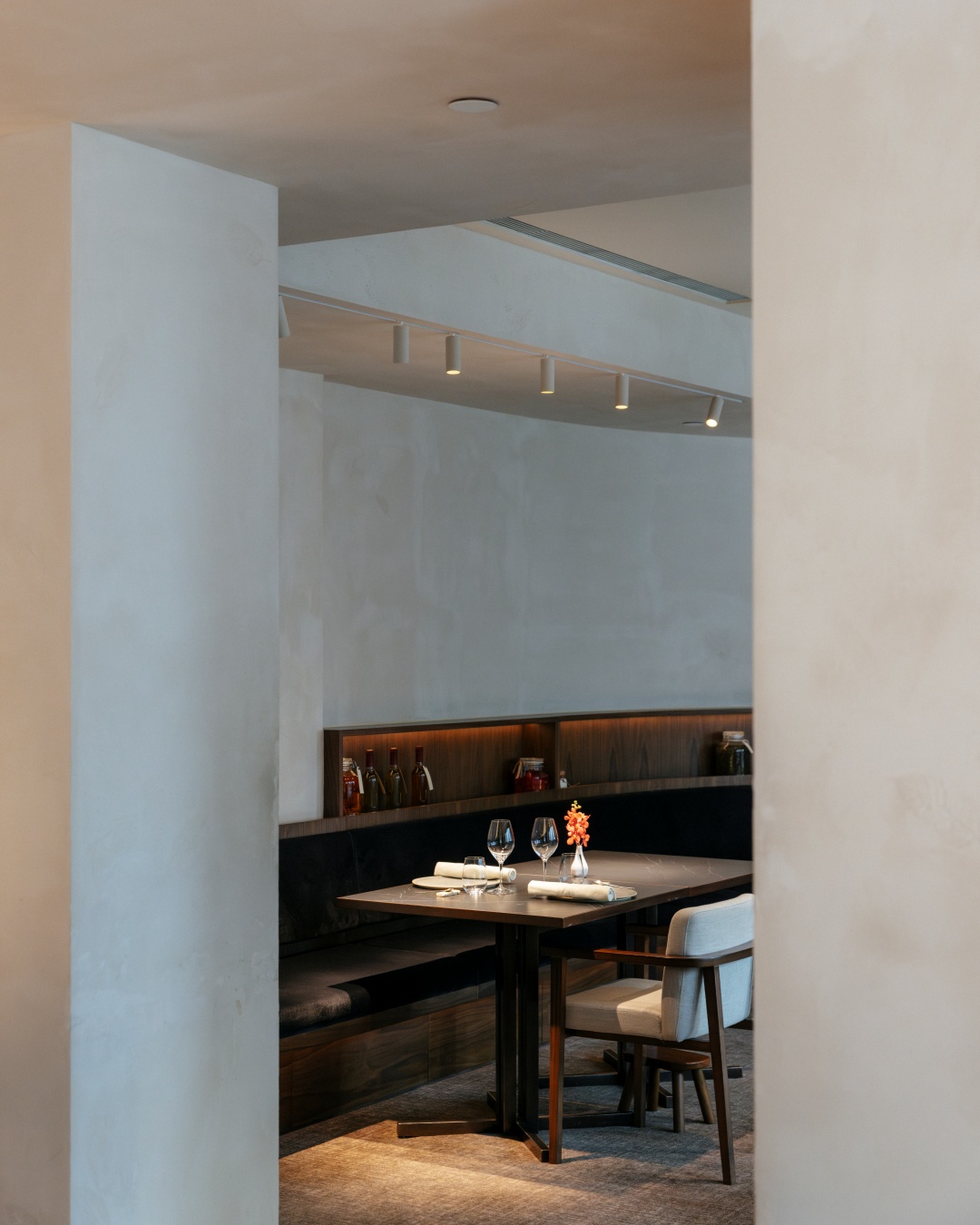
“I think Hong Kong is a gourmet city full of people who crave new flavors 365 days a year.” That was the answer from Joris Rousseau, head chef of the modern French restaurant Feuille, when asked to describe Hong Kong in a single phrase. Located on the fifth floor of a high-rise in Central, Feuille is led by French owner-chef David Toutain and serves nature-inspired French cuisine using Hong Kong's abundant ingredients. In 2024, it earned both one Michelin star and a Green Star (awarded to restaurants that meet five or more criteria, including conservation of natural resources, protection of ecosystem diversity, use of local ingredients, animal welfare and zero waste), recognition of its creativity, passion for cooking and sustainability efforts.
Feuille has just nine tables overlooking the city. Wallpaper that mimics the texture of stone and wooden furniture create a sense of comfort, and glass jars of fermenting ingredients sit on the shelves like objets. According to Rousseau, who joined Feuille in 2023, the restaurant is something like a mission for Toutain, who has worked at top restaurants such as L'Arpège and Mugaritz. Beyond taking on French cuisine with Hong Kong ingredients, the restaurant's top priorities are respecting local nature and working with local farms.
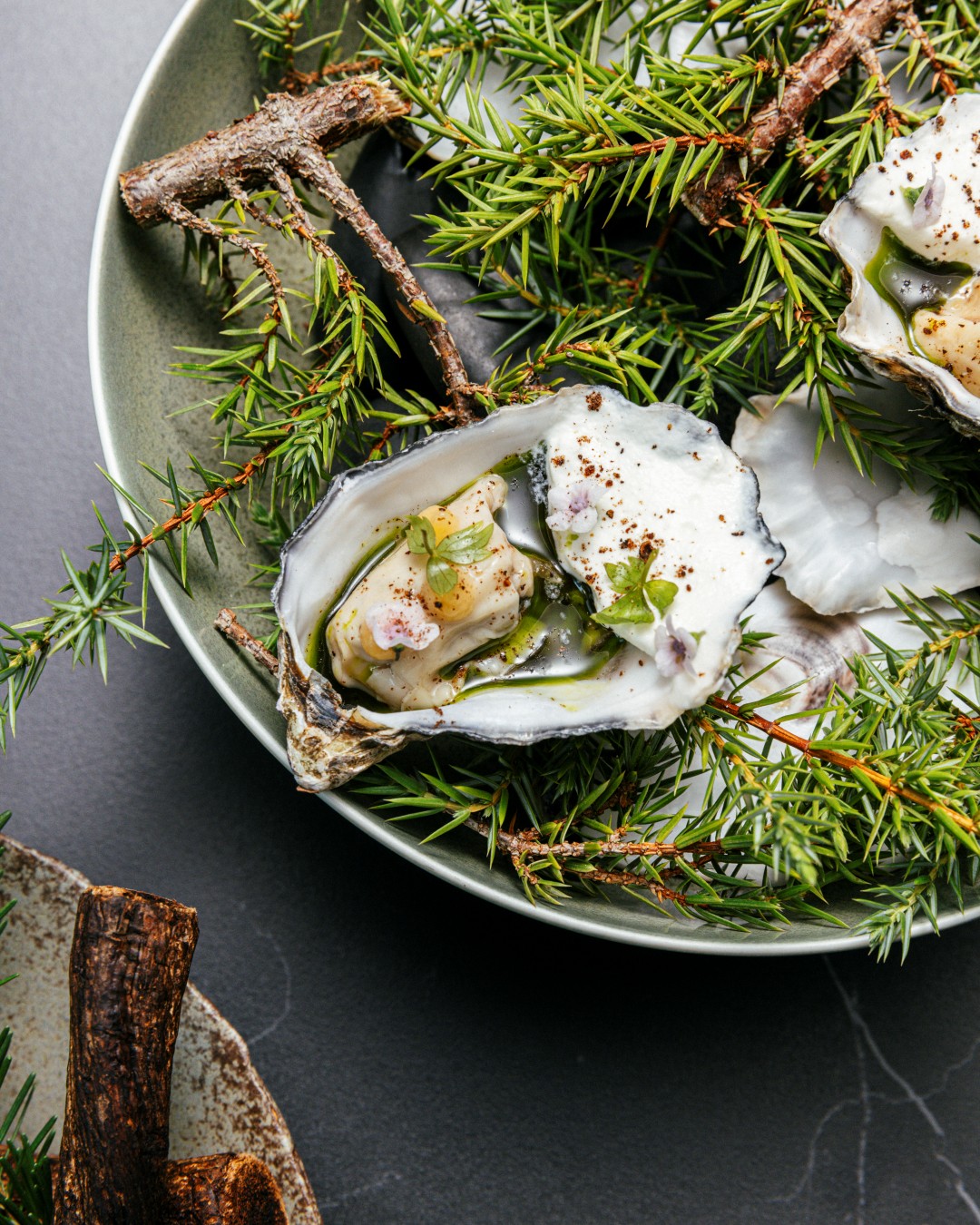
Most of Feuille's ingredients come from local farmers who grow them sustainably. A map on the back of the menu shows where each ingredient is grown, and their sincerity feels all the more weighty. At Feuille, nothing is carelessly thrown away, from the roots of an ingredient to its leaves and skin. The sauce served with the signature bread, “Dill Pil Pil,” shows the zero-waste philosophy they pursue. Rousseau adds, “We slowly cook fish bones, extract the collagen and blend it with homemade dill oil. It's a signature dish that shows our promise to minimize food waste.”
For Rousseau, who grew up with grandparents who tended a garden, practicing sustainable gastronomy comes naturally. Come to Feuille and taste what dishes made with zero-waste principles, as natural as breathing, and with respect for nature and farmers, really taste like.
Shop B
A New Face for the Dai Pai Dong
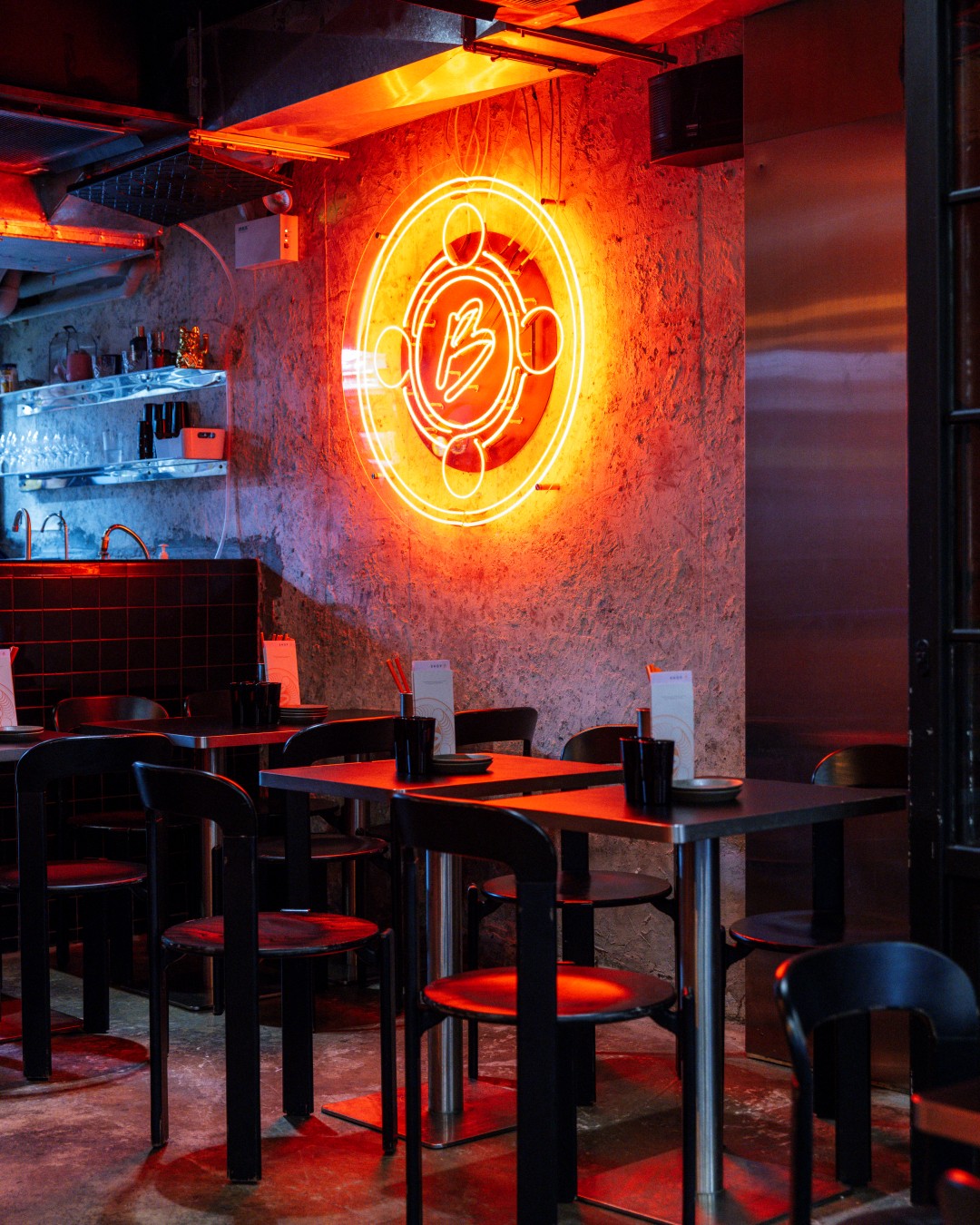
Hong Kong’s nighttime streets, lit by neon signs overhead, seem to turn everyone into a character in a Wong Kar-wai film and carry them back to the Hong Kong of the 1980s and ’90s. The streets of Sai Ying Pun, just one subway stop from Sheung Wan, are also washed in neon light. As the dai pai dong (open-air street food stalls) open for the evening, they set out folding tables and chairs and get ready for customers. Shop B, across from a scrapyard, is not the typical dai pai dong we thought we knew. Trendy music that fills the space like a club’s thumps from the speakers, and stylishly dressed young people mingle with older regulars as they wrap up the day. Resembling something between a cha chaan teng (Hong Kong–style tea restaurant) and a dai pai dong, Shop B is a place that embodies the younger generation’s struggle to carry on dai pai dong culture. “Everyone my age grew up eating dai pai dong food.”
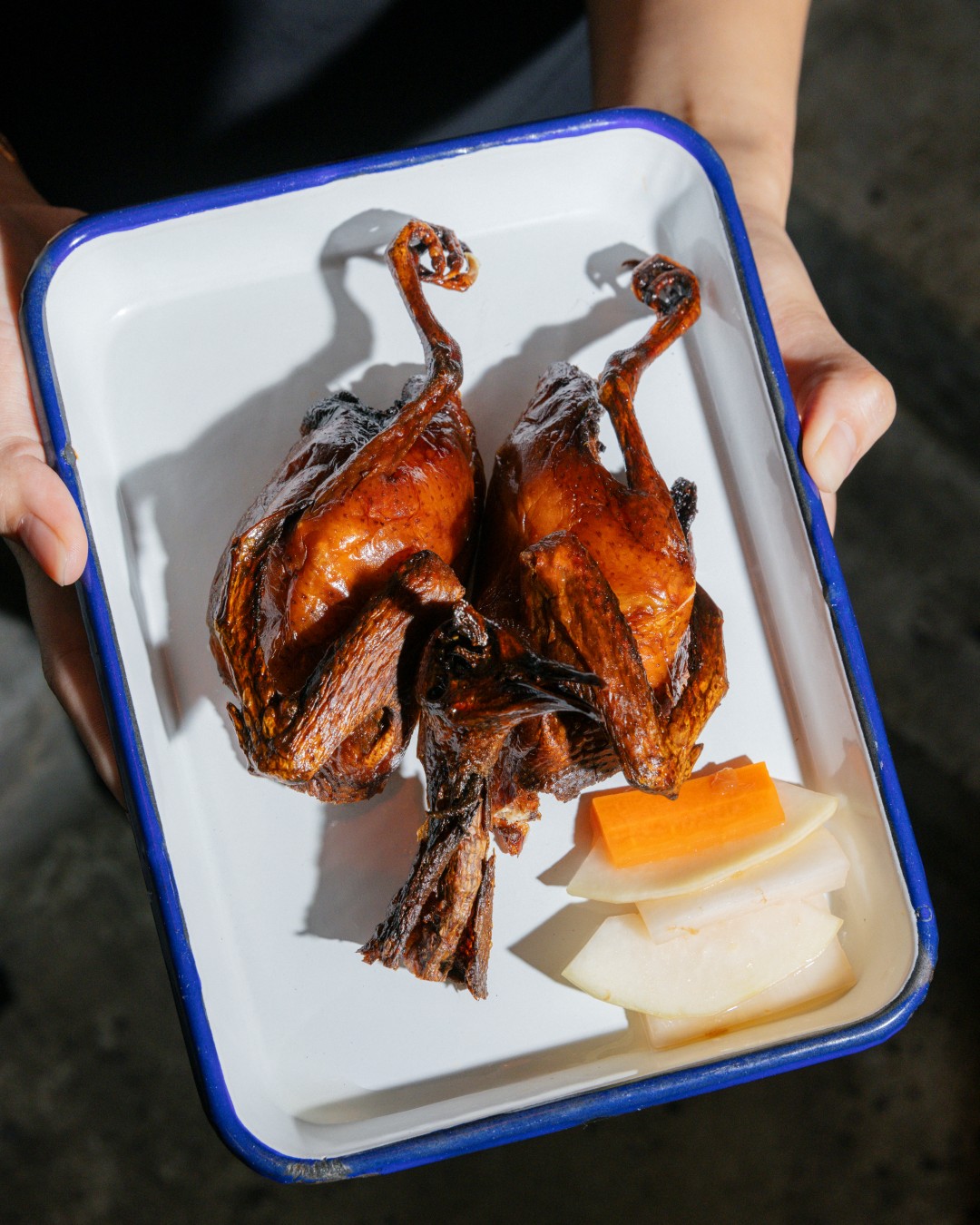
Natalie Ngan, who worked in the restaurant business, explains that she opened Shop B to preserve the fading food and culture of the dai pai dong. According to Ngan, dai pai dong food is defined by wok hei, the smoky “breath of the wok.” It is hard to fully reproduce that flavor in Shop B’s indoor kitchen, but the restaurant reinterprets traditional dishes with modern techniques to express the nostalgia of the dai pai dong through food. Signature dishes include fried pigeon, steamed scallops with fermented black beans, and fried oysters served with port wine. If you are traveling alone, all the more reason not to hesitate to knock on Shop B’s door. There is also a “menu of your own,” in which you order six to eight dishes for a set price per person (388–588 Hong Kong dollars).
Yardley Taproom
The Craft Spirit, Found in Hong Kong
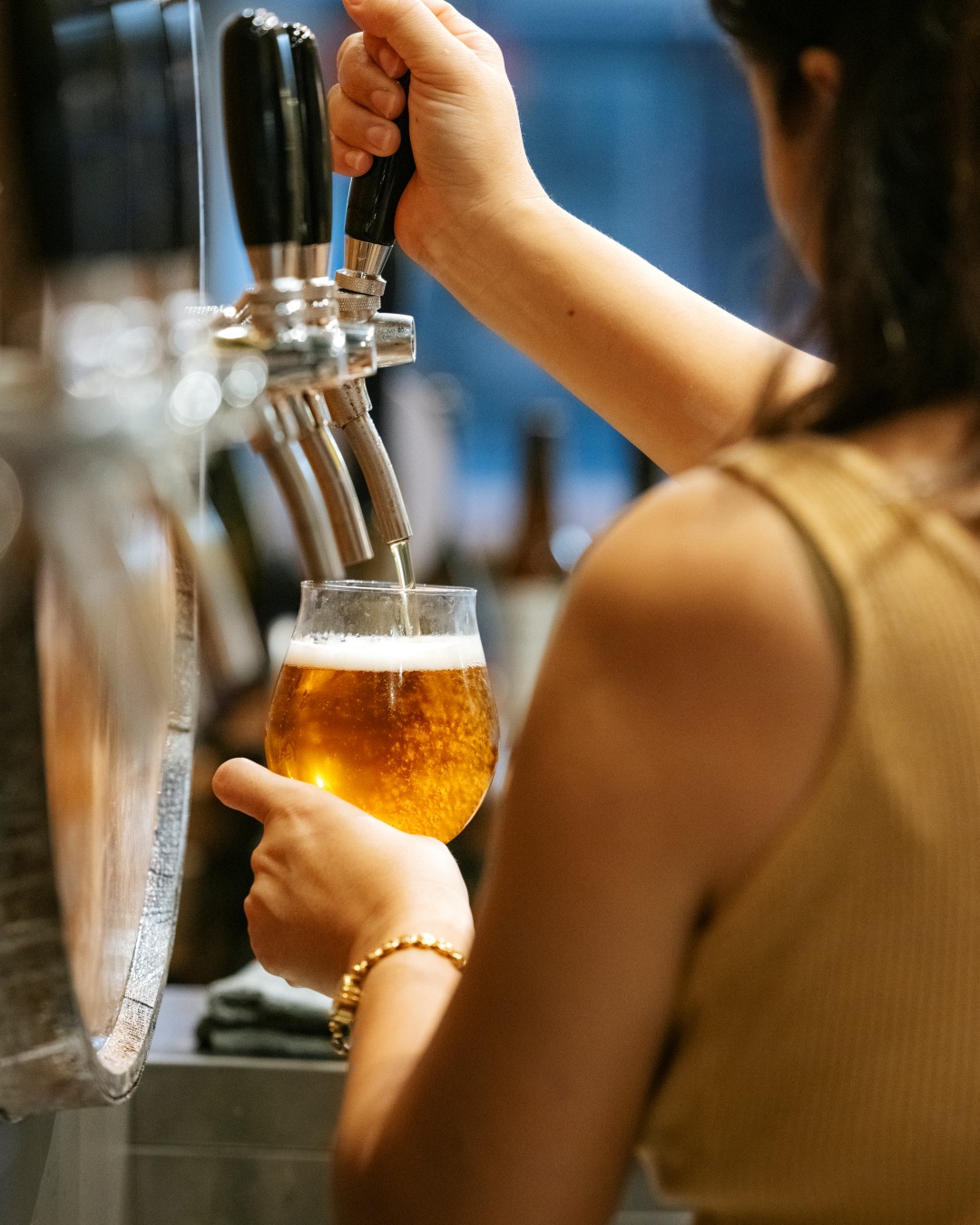
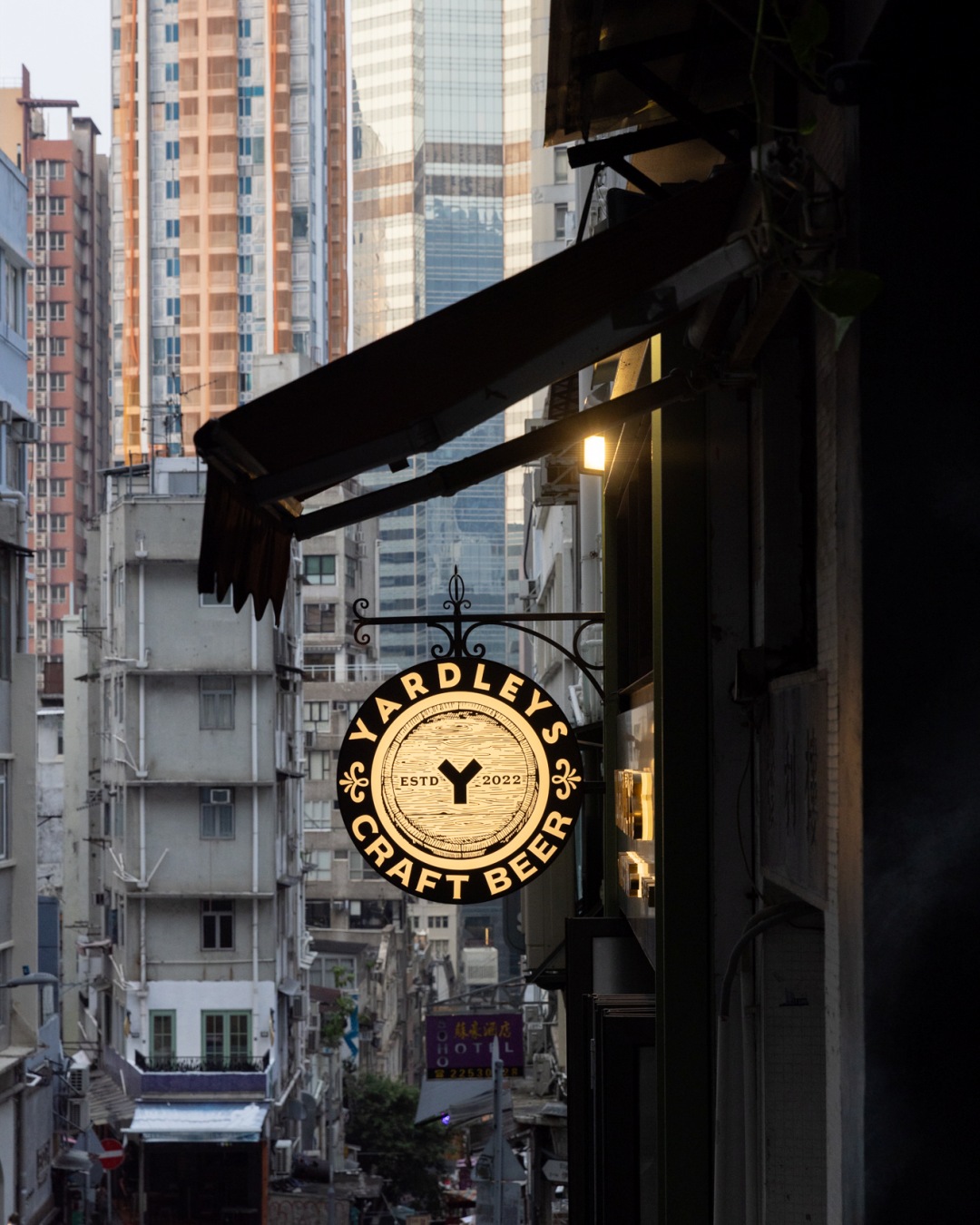
The craft spirit usually means a willingness to take on new flavors or a spirit of resistance, a refusal to follow established ways. At Yardley Taproom, a craft beer pub on an uphill road overlooking Central, you can feel Hong Kong’s craft spirit in full. The pub is run by the craft brewery Yardley Brothers, which has a factory on the Kowloon Peninsula and a brewery in Lan Kwai Fong. As the name suggests, the brewery is led by the Yardley brothers, who hail from Scotland.
Founder Luke Yardley, who has now lived in Hong Kong for 15 years, began making craft beer from the city’s abundant ingredients and founded Yardley Brothers in 2016. The greatest hallmark of Yardley beers is the range of styles they cover, from classic craft beers such as pale ale, IPA, and stout to trendier ones such as high-alcohol beers, sour beers, and cask ales. Most of the beers go through three years of aging before they reach the world. The brewery also runs a variety of experimental projects, and the most intriguing product is a beer that captures the flavor of Vietnamese pho. Named ‘This is not a pho,’ it has a crisp cucumber taste and a bright lime note that wake up the palate. Yardley doesn’t forget to advise drinking This is not a pho with Vietnamese food. He takes the food pairings as seriously as the beer. It is in the same spirit that he recruited Ken Wong, who had worked at a two-Michelin-star restaurant, as head chef and put him in charge of the kitchen. Wong offers creative dishes that add traditional elements to Western food, such as making cheese with fermented saffron and making sauces from tomatoes he ferments himself.