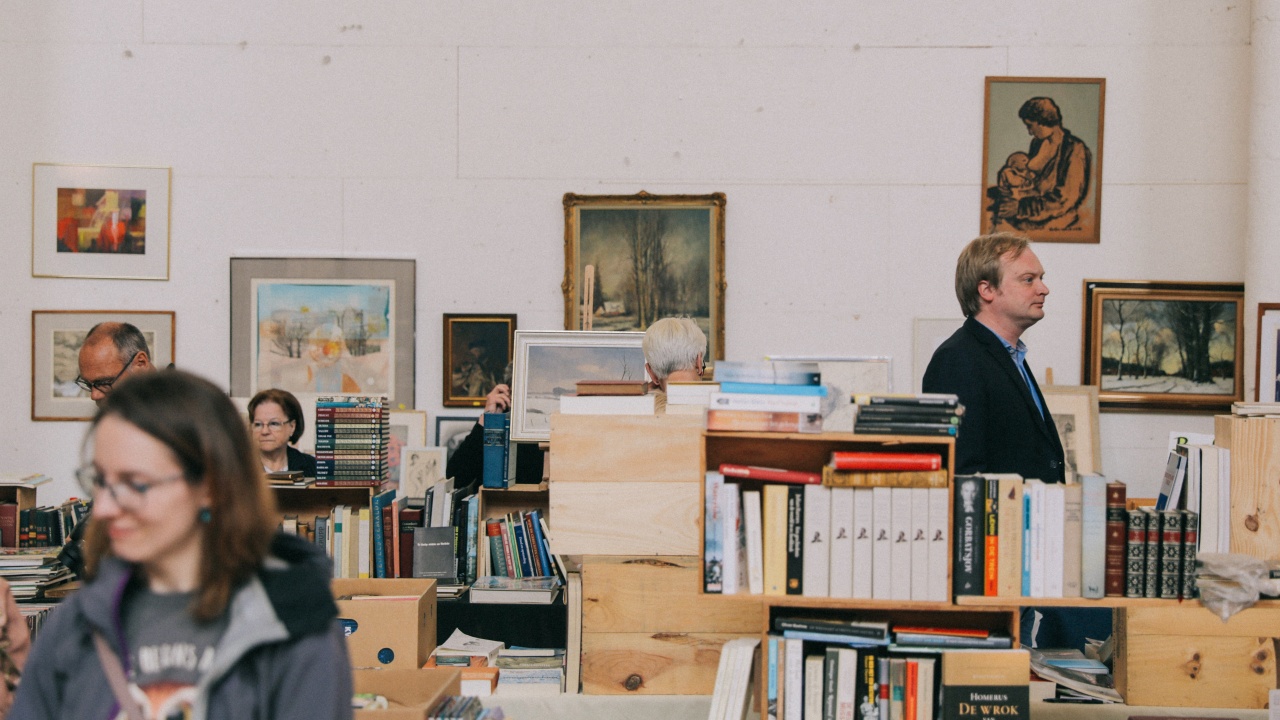
A glimpse of sustainable Belgian life on a trip through Brussels and Ghent.
Words Jang Bohyeon
Photos Kim Jinho
A Stroll Through Brussels Central Station
More and more people are boarding trains in the name of ‘sustainable travel.’ France has banned flights on routes that can be covered by train in under two and a half hours, and Spain is reportedly considering a similar policy as part of its 2050 climate action plan. Attitudes toward rail travel in Europe are shifting in remarkable ways.
Belgium was the first country on the European continent to build a railway. It began in Brussels in 1835, then extended to Oostende, Gent, Brugge, and Antwerpen by 1840, and in 1843 the lines linking the country east to west and north to south were completed. Today, 3,607 kilometers of track weave densely across all of Belgium. One early summer day, I boarded a train bound for Belgium at Paris Gare du Nord. After a little more than two hours of watching a green horizon slide past in panorama, the train pulled into Brussels Central Station.
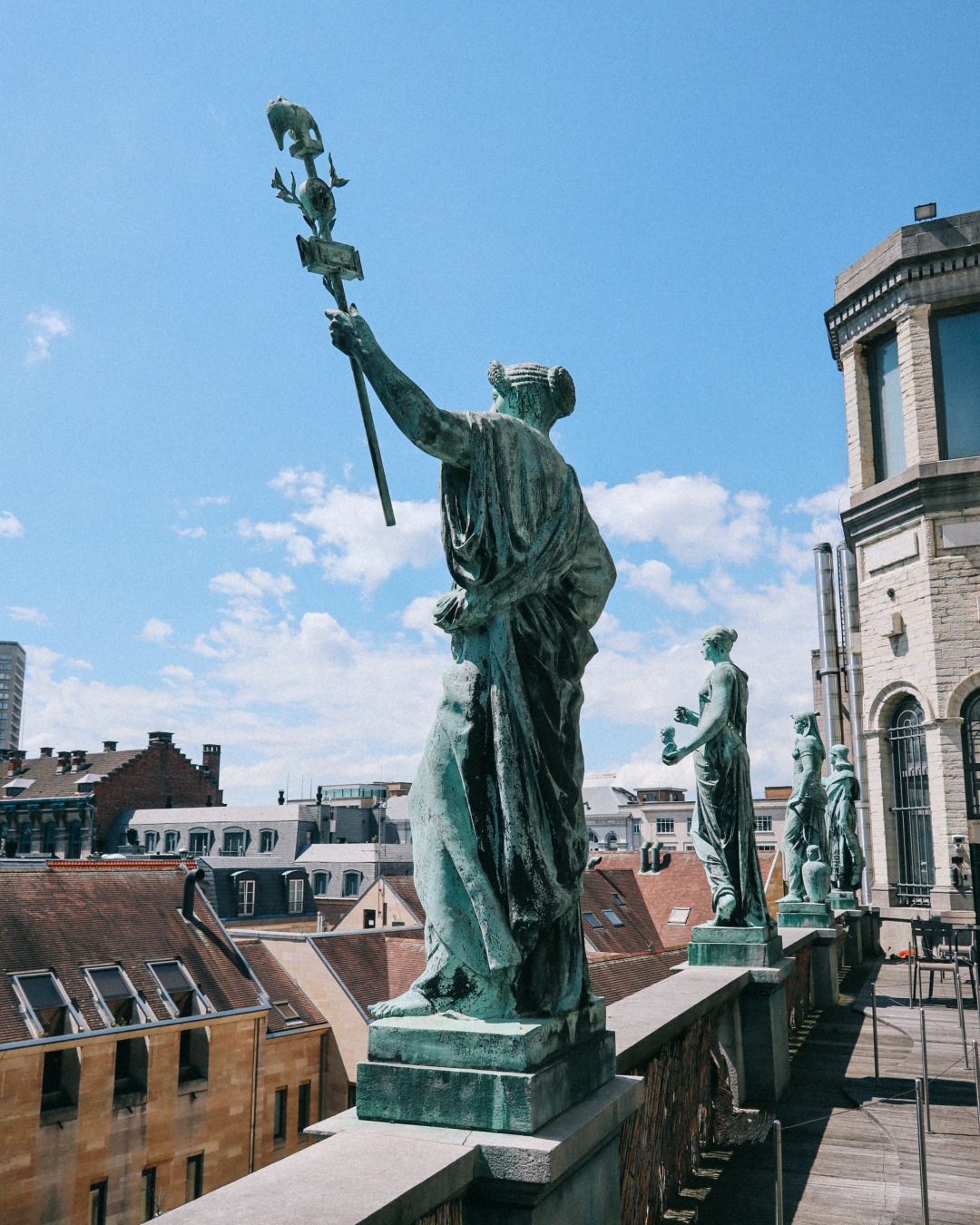
Belgium’s national railway runs on a flat-fare system. Buy a ticket marked with your departure and destination stations, and you can ride the trains, which run every around 30 minutes, freely for the day. For travelers, it is an incomparable luxury. I take my time looking around the inside of the station, a place that shrank time, expanded space, and upended the paradigm of travel. The clear light pouring down beneath the grand arcade feels like a radiant lantern lit for travelers. It is the masterwork of Victor Horta, a native of Ghent and known as the founder of Art Nouveau. Tintin graffiti painted here and there on the walls makes it clear that I have arrived in the birthplace of the comic strip.
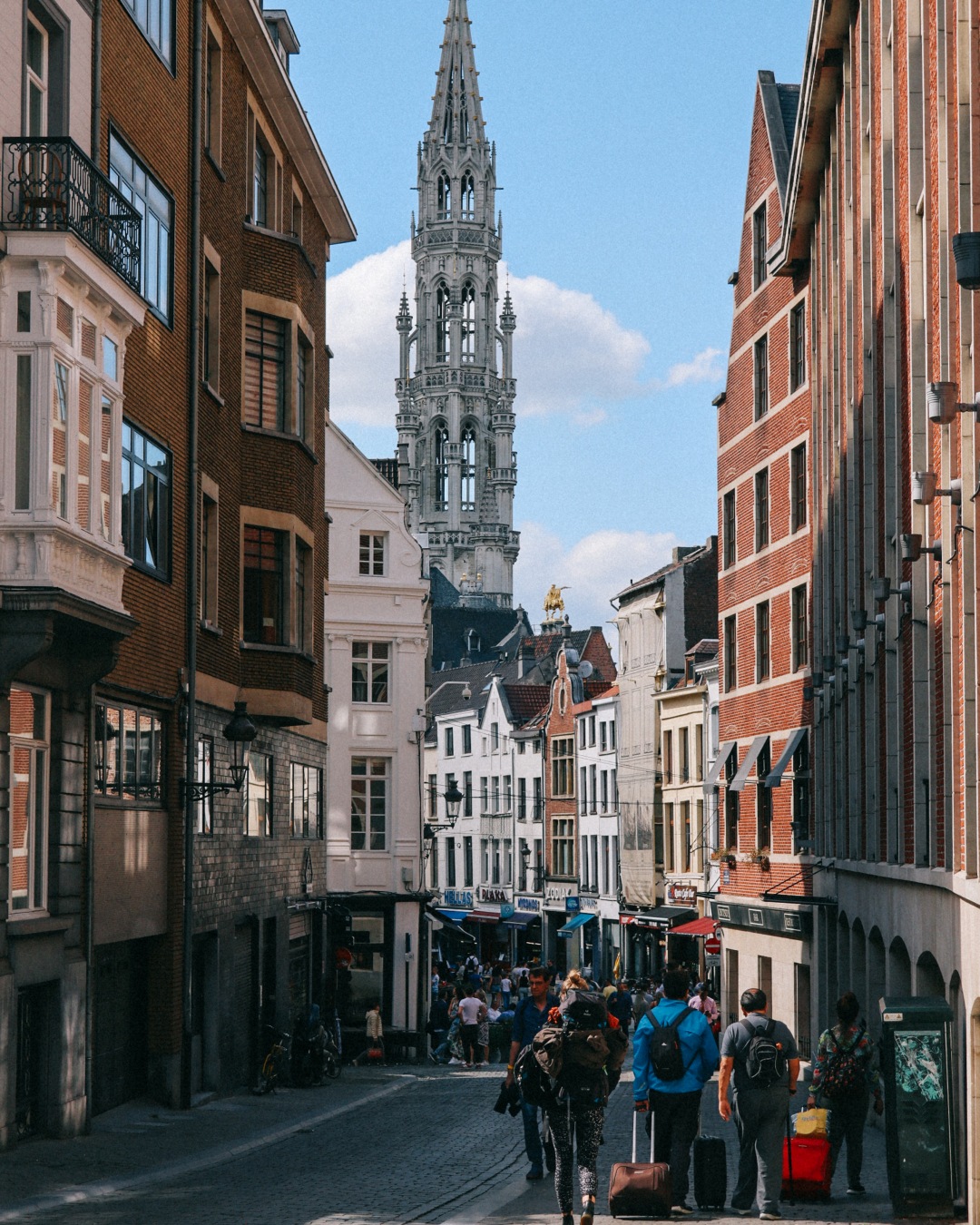
Since I am here, I leave the station and set out on foot. Over uneven cobblestones and up a gentle hill, the whole of Brussels spreads out in a single view. This is one of the city’s landmarks, known as the ‘Mont des Arts’ (Kunstberg). The city center is full of venerable Flemish heritage and refined Art Nouveau buildings. The Grand Palais, which Victor Hugo praised as ‘the most beautiful square in Europe,’ is close by too. I have only dawdled for half a day, yet I feel like the winner of a treasure hunt. If I simply boarded a train from here, it seems I could go anywhere: Brugge, the so-called Venice of the North; Antwerpen, said to have the most beautiful train station in the world; or Blankenberge, which faces the Strait of Dover.
Life on Two Wheels in Ghent
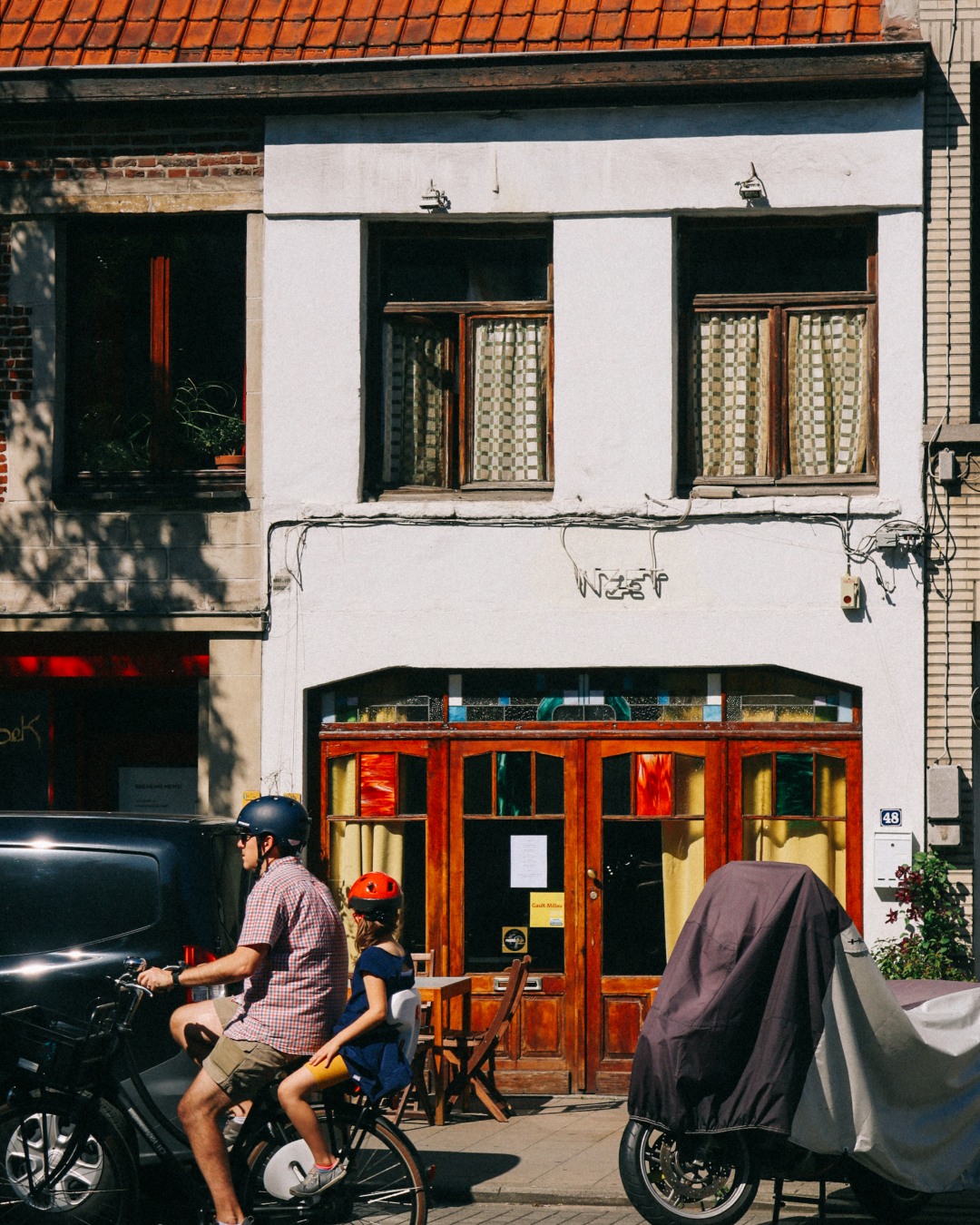
Thirty minutes by train from Brussels brings you to Ghent. It doesn’t take long to realize how bicycle-friendly this small city in northwestern Belgium is. I head out to the square to say my first hello to the city, and bicycles are everywhere. Couriers, food delivery riders, office workers in high heels and dress shoes, toddlers who have only just learned to walk, police officers: everyone is on a bike. They weave deftly across tram tracks and car lanes, pedaling without pause. Underlying it all is a network of bike paths that spans the entire city. In 2017, the city of Ghent established a car-restricted zone and gave priority to bicycles and pedestrians. In the center, dedicated bike lanes and intersections guarantee cyclists’ safety and convenience.
During my stay in Ghent, I follow the city’s unspoken rules and get on a bike every day. When crossing tram tracks, I take care that my wheels don’t slip into the gap between the rails, and when I pass the intersections of car roads and bike paths, I am seized by an inexplicable sense of liberation. Bicycles have the right of way over cars! On cobblestones, I enjoy the bouncing sensation, and when I finally reach a dedicated bike lane, I surrender my whole body to the headwind and savor the speed. Three spires rising above the city skyline, Sint-Niklaaskerk, Sint-Baafs, and Sint-Jacobskerk, serve as excellent guides. In Ghent, a bicycle is like a pair of magic shoes that takes you anywhere.
From Guilds to Urban Commons
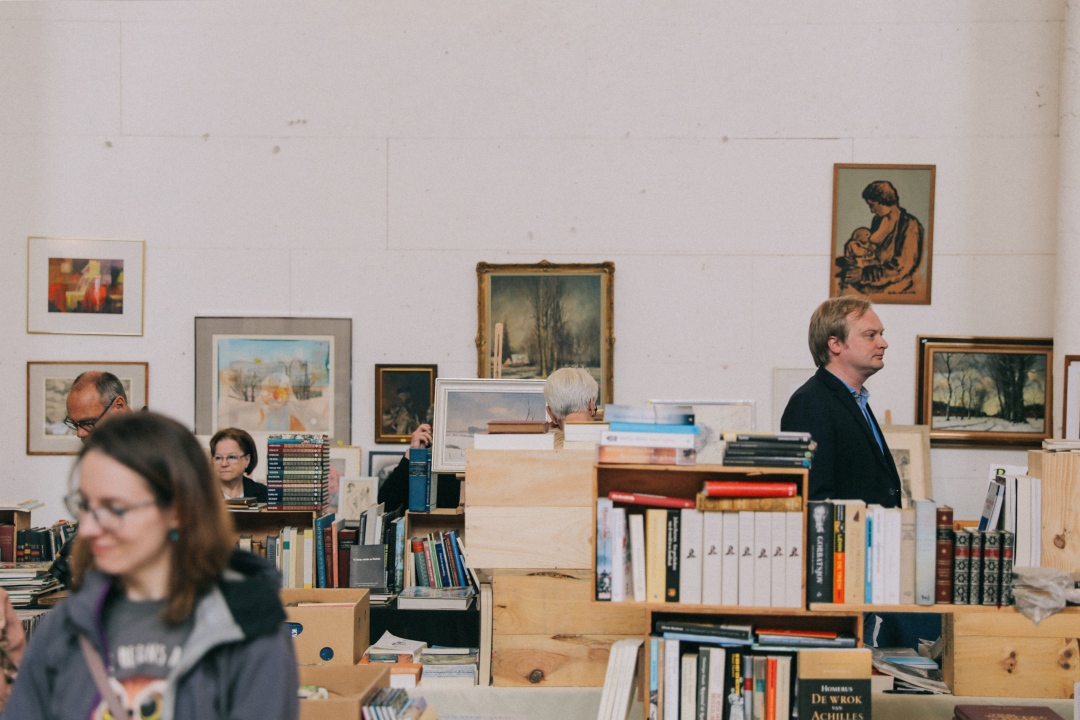
Urban commons are a kind of social experiment. The city listens to its citizens, and citizens form bonds of solidarity to tend the city on their own initiative. Ghent is the first place that comes to mind as a model for urban commons. Building on the solidarity economy of the guild system that took root in the Middle Ages, the city has steadily pursued sustainable policies. Ghent has more than 500 urban commons, which form a commons ecosystem across fields such as community, environment, energy, housing, food, and education. Putting human rights and ethics first, and drawing on open knowledge about the community, they pursue the sustainability of a circular economy that coexists with nature. They have set up a renewable energy cooperative to manage solar panels on home rooftops, and they link up with a pig farm in the city center to process food waste. They encourage the distribution of fairly produced local organic food, connecting city and countryside and narrowing the distance between producers and consumers. They run a community land trust that takes the lead on housing for low-income residents, and they transform old, worn-out facilities such as churches and ports into shared experimental sites.
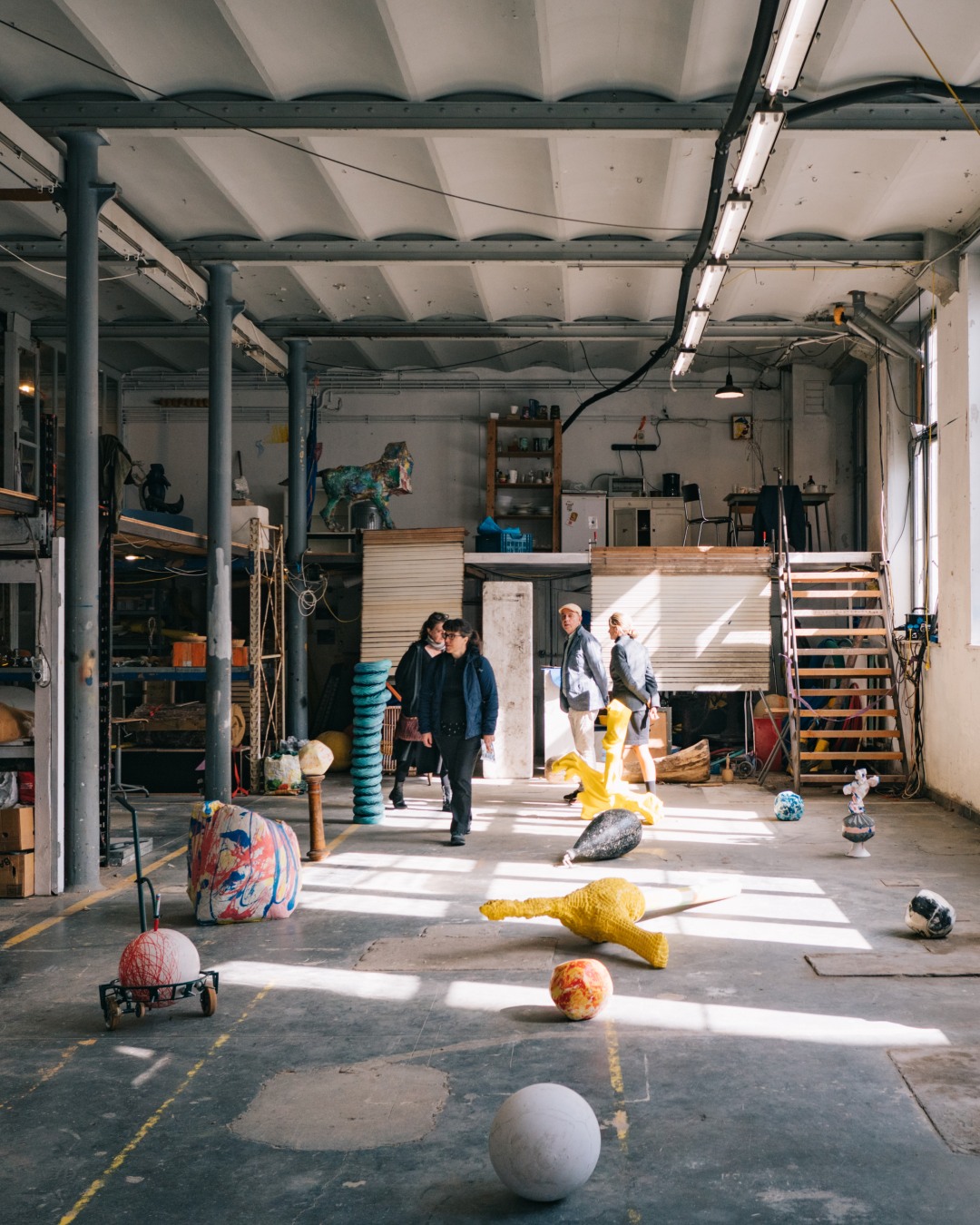
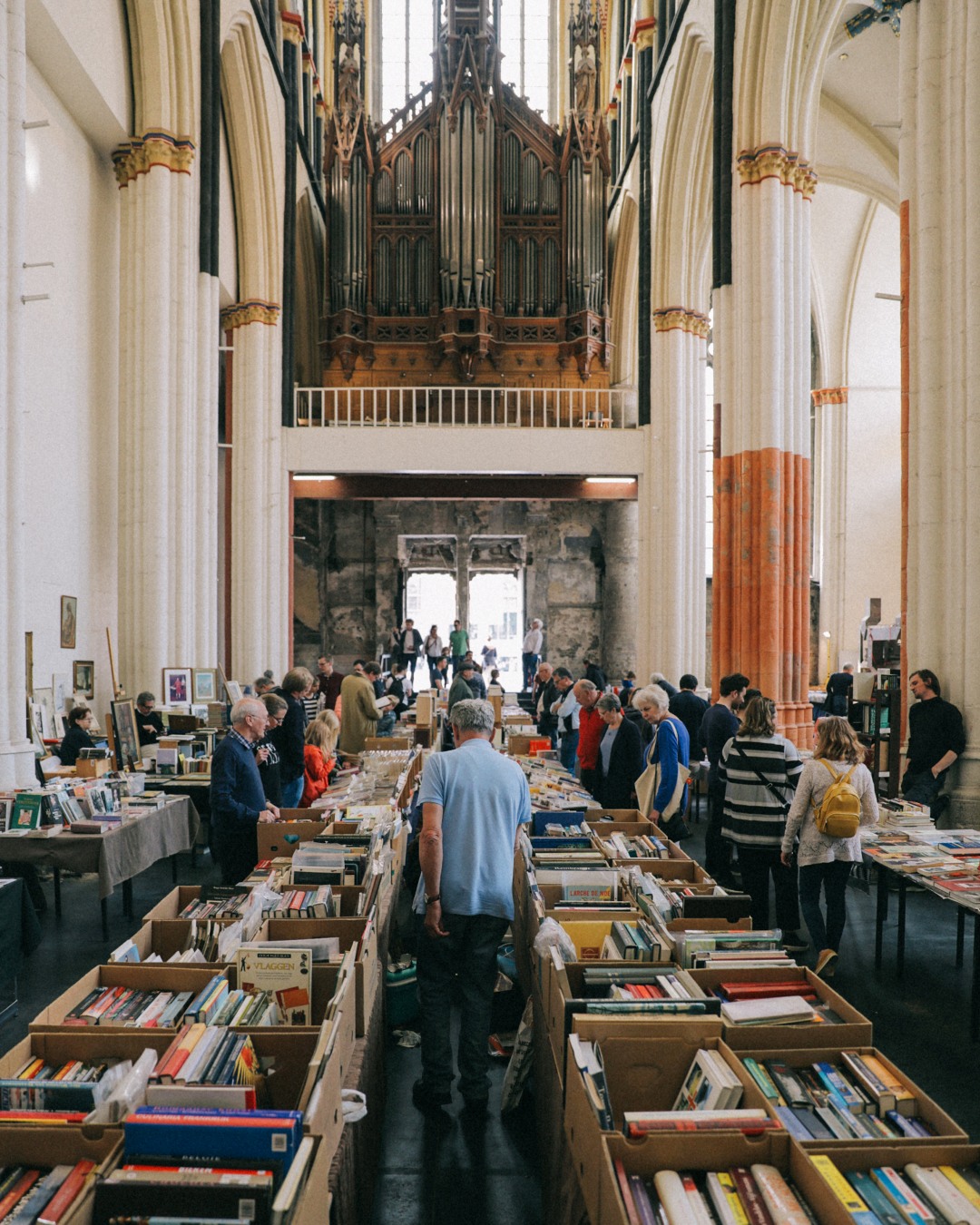
During my stay in Ghent, I drank tap water. I never saw a food waste bag, and I could run the washing machine only once the laundry basket was overflowing. People welcomed strangers warmly and didn’t hold forth on the lives of same-sex couples. Once I joined an herb workshop, walking through the fields of Flanders to learn about the uses of wild plants. It is a place where everyday habits of willingly accepting a little inconvenience for the sake of the community add up to a new wave in the city, and that wave is bringing the city back to life. ‘Sustainability’ is the very identity of Ghent.
In the Fields of Flanders
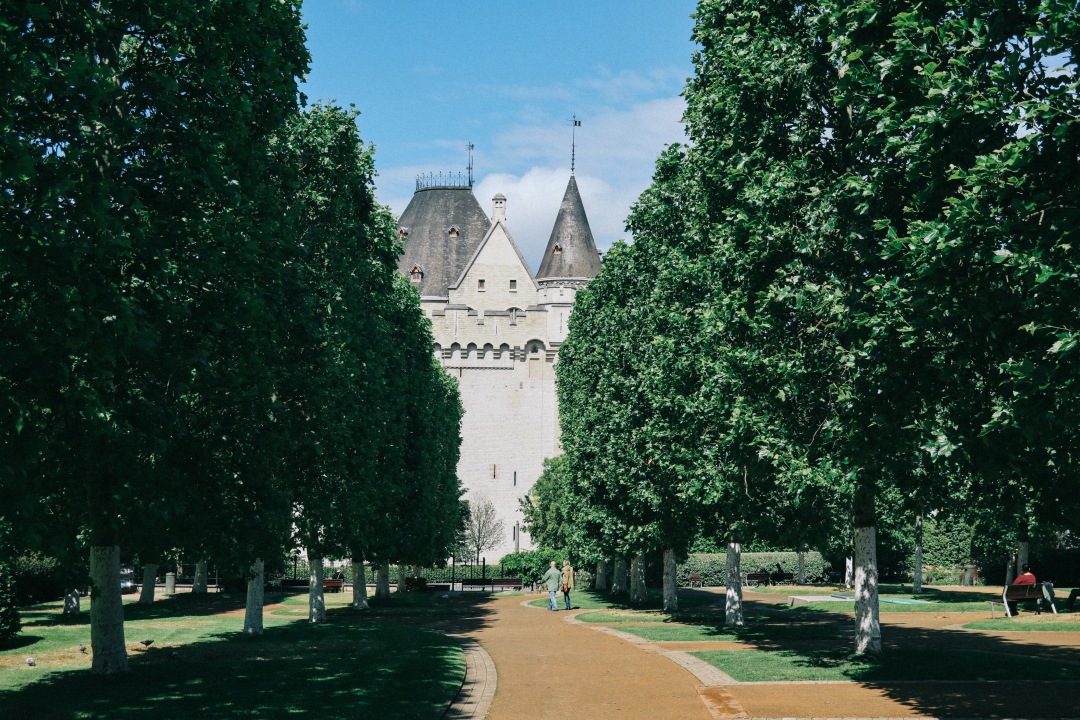
Kasteel Ooidonk in Deinze, a 30-minute drive from Ghent, is an old castle that preserves the history of Flanders in full, from medieval territorial disputes and popular uprisings to wars of religion. It now belongs to a count’s family and access to its interior is restricted, but the walking paths laid out around the castle are open to everyone. Thanks to the Flemish government’s sustainable green space regeneration project, the 7.7-kilometer Ooidonk trail is becoming a new attraction in East Flanders.
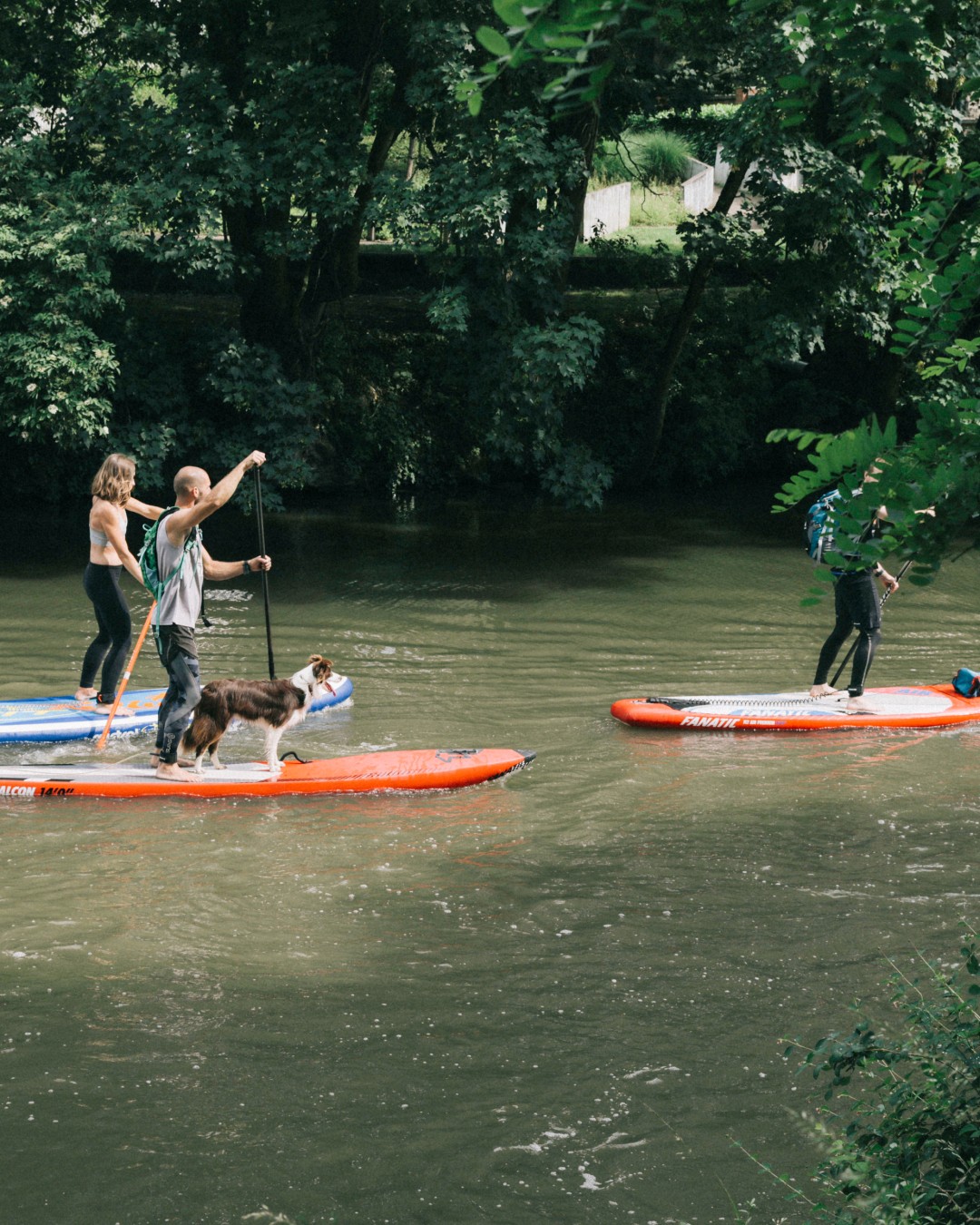
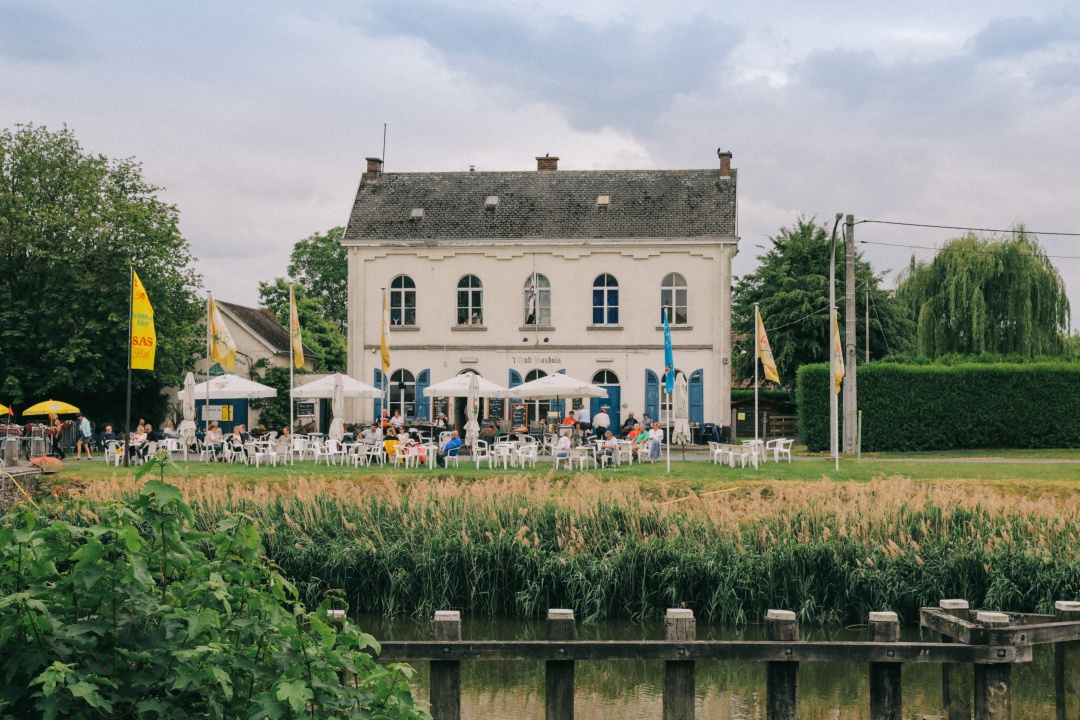
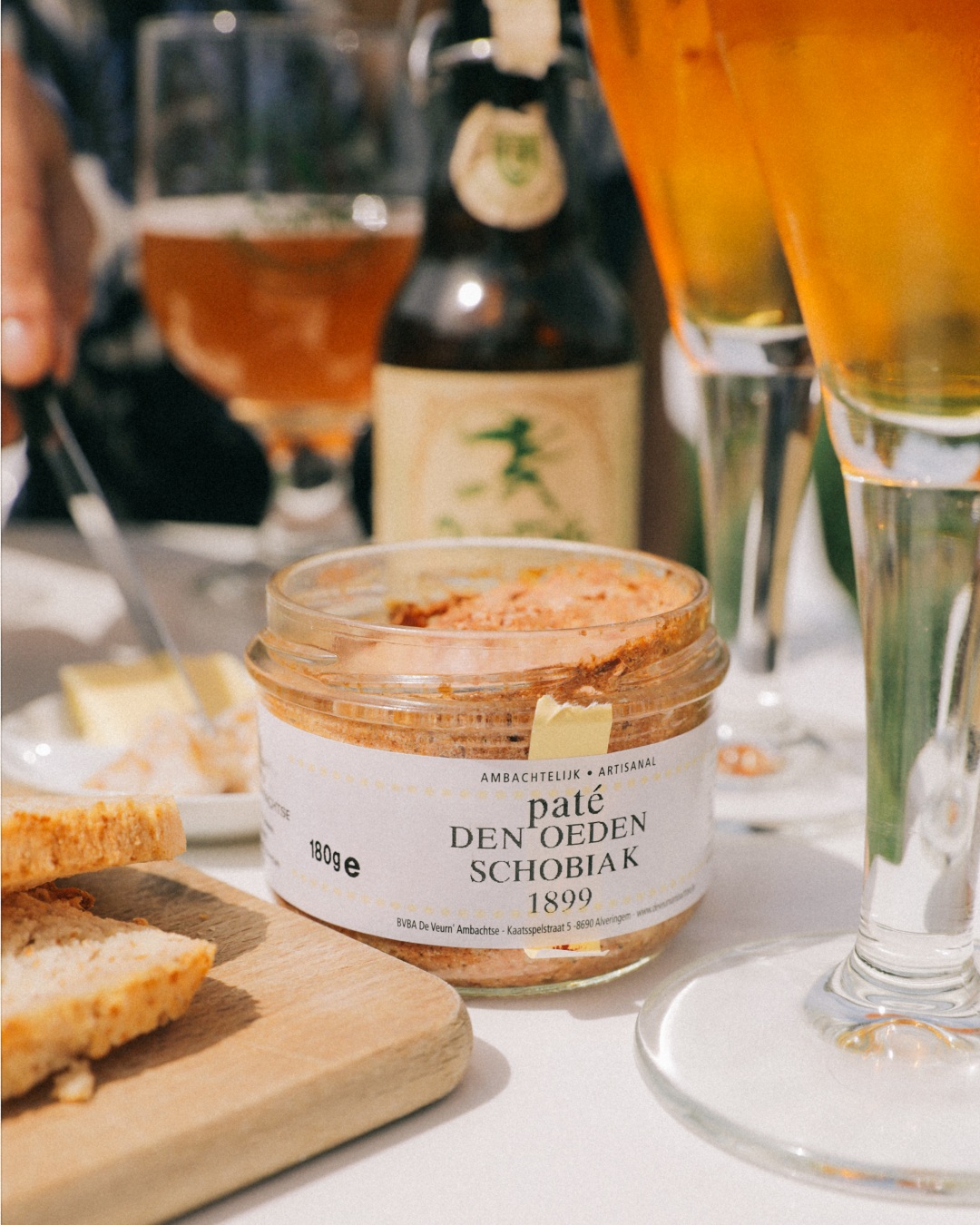
I set out from the Blue Gate, the only one left of the castle’s seven gates. Old linden trees line both sides, and on this holiday the road is abuzz with a car parade of colorful vintage automobiles. Past a stand of aspens, cattle, sheep, and horses wander across land thick with wild grasses. Distracted by the boats passing ceaselessly along the glittering river, I soon find myself at a bridge. It is the Astene Sas, a monumental lock built in 1861 with a bascule bridge over the Leie River. At a 19th-century-style cafeteria (Sashui) with a small museum attached, I stave off hunger with a beer said to be brewed by monks and a pâté made from mashed pork liver.
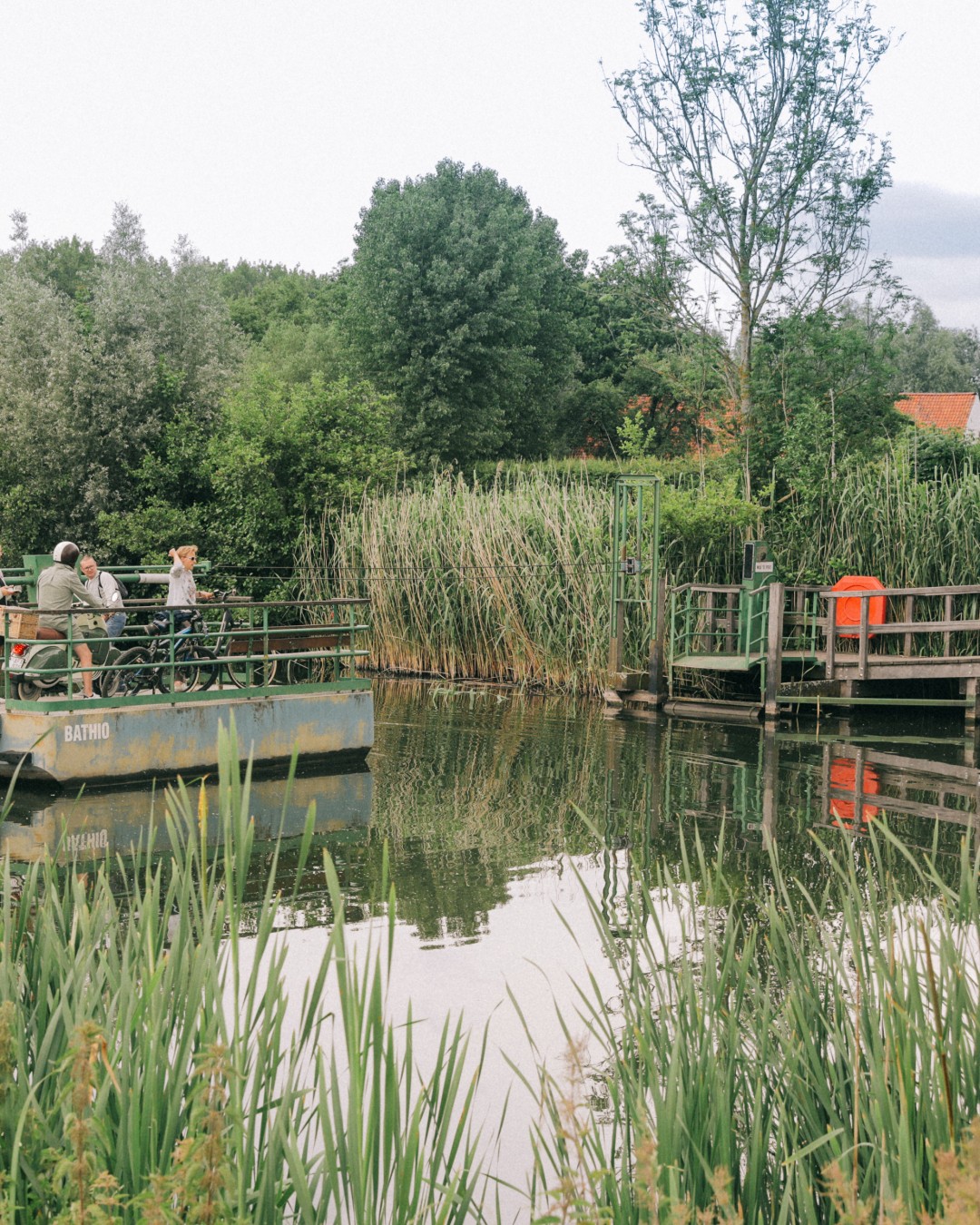
Since I’m already out here, I leave the trail and head wherever my feet take me. Dog rose, wild roses, and the lush petals of elderflower, which have adorned the start of summer, drift down the river and gather in a pond. Vosselare Put, where people swim and sunbathe, hasn’t opened yet. Once summer begins, this quiet pond will be bustling with revelry. Before I stray too far from the trail, I have to turn back the way I came. As we cross the river on the manually operated Bathio ferry, everyone becomes a boatman.
The Flemish passengers who stepped off the ferry with me disappear from view with practiced strides, while this stranger, boldly off the path, walks aimlessly. Somewhere in an endless expanse of potato fields, the snow-white potato blossoms are as distant and hazy as a nebula. The pastoral scenery of Flemish paintings unfolds before my eyes, and poplar trees, which must have been painted countless times, point in the direction the sunlight and wind have passed. A blankness like that of the Flemish countryside slips quietly into a corner of my mind. This brief adventure off the trail leaves behind a map of the heart that is clearer than the dots and lines marked by GPS.