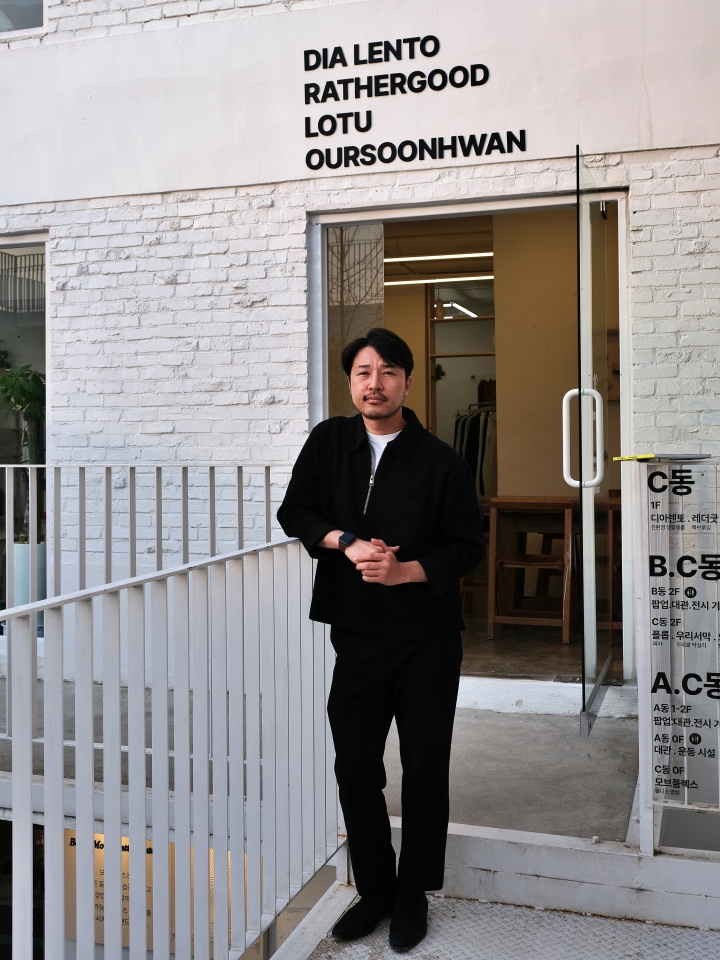
Have you ever heard of the urban regeneration projects in Europe that rent out empty houses or abandoned buildings for just 1 euro? In 2023, a building in Songjeong-dong, Seoul, made headlines for renting out space for just 1 euro. That was the start of the ‘1 Euro Project,’ which opened its second location in Bukgajwa-dong this past March, two years later. We sat down for an in-depth conversation with Choi Seongwook, head of the Old Future Space Research Institute, who leads this project.
Interviewer Parc Jinmyoung
Interviewee Choi Seongwook (Head of the Old Future Space Research Institute)
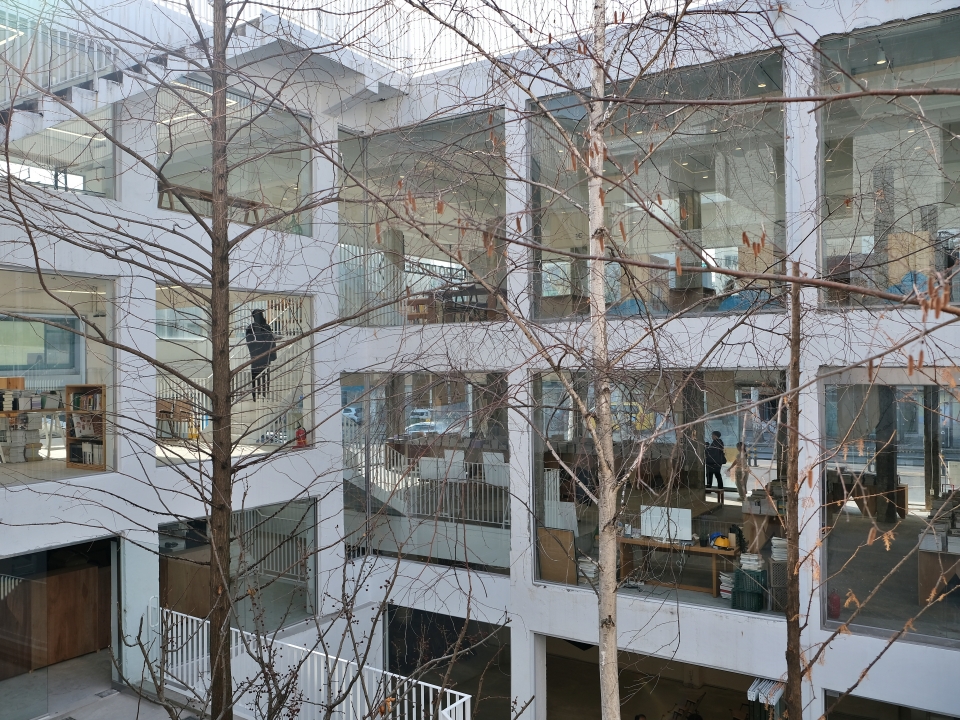
Could you briefly explain the 1 Euro Project?
Simply put, it’s a project that charges only 1 euro in rent. I studied architecture and urban regeneration in the Netherlands and worked at an architecture firm there. During that time, I got a close-up look at projects where the government would purchase abandoned factories or apartments and private companies would join in to revitalize declining areas. I was also impressed by how the businesses in the buildings worked both independently and together, supporting one another. That experience made me want to try something similar in my own way in Korea, and I’ve been realizing that dream step by step, purely through private initiative.
I understand the 1 Euro Project concept has long been actively tried in Europe.
It’s true that many projects lease out space for 1 euro, but none of them actually use the name ‘1 Euro Project.’ We were the first to call it that, when we started our leasing business with a long-neglected building in Songjeong-dong, Seoul.
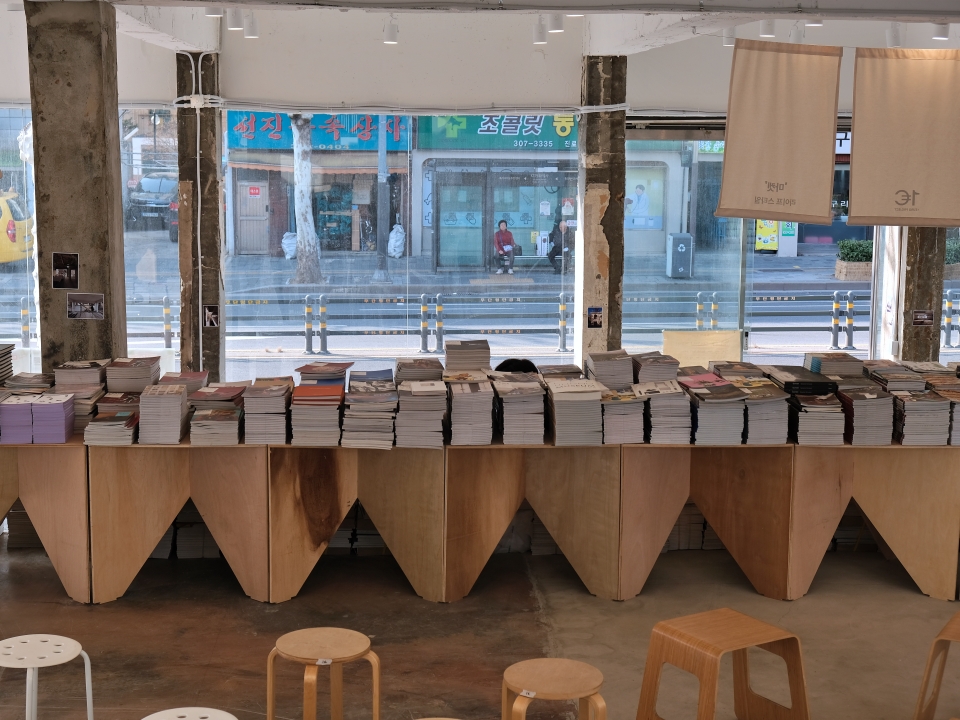
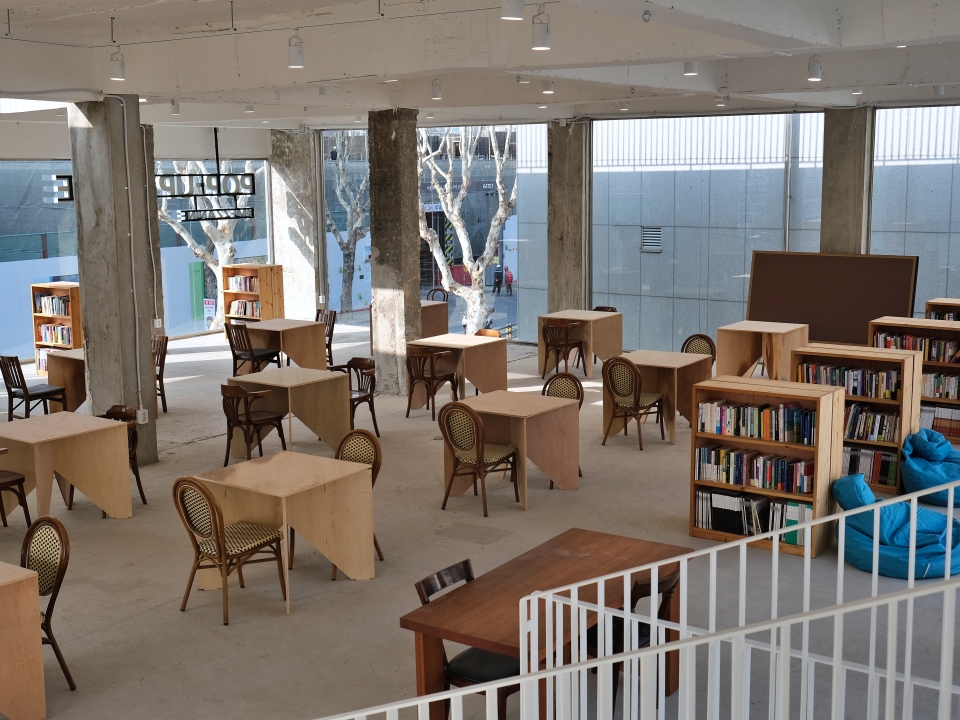
I’m curious how you came across the building in Songjeong-dong.
As soon as I came back to Korea, I began working as a private advisor for the Seoul Metropolitan Government, mainly on projects to revitalize old neighborhoods. Over seven years of participating in public projects, I always felt it was a shame that regenerated spaces lacked good content. While serving as the head of the Songjeong-dong Urban Regeneration Support Center, I had my eye on an old building in the neighborhood, and as it happened, the building’s owner came to find me. He wanted to make good use of the neglected building. I told him about Europe’s 1 euro leasing projects, and he responded positively. I tried to persuade the local government to move forward with the project, but since the concept was unfamiliar in Korea at the time, it wasn’t easy. So I left the center and founded a company called the Old Future Space Research Institute to start the project in earnest.
How are the construction costs covered?
The building owner covers things like electricity and facilities, we share the remaining costs equally with the tenant brands, who are carefully selected through *a four-step process. That amount includes individual interior work, usage fees for shared spaces like restrooms and hallways, and operating management costs. The 1 Euro Project isn’t simply about leasing space — it also plays the role of incubating brands. For the brands, it’s a good deal, since it carries less psychological burden than going it alone and creates synergy through shared growth.
*Tenant brands are selected through a process that includes submitting a project application, a building tour, a space operation proposal, and an in-person interview.
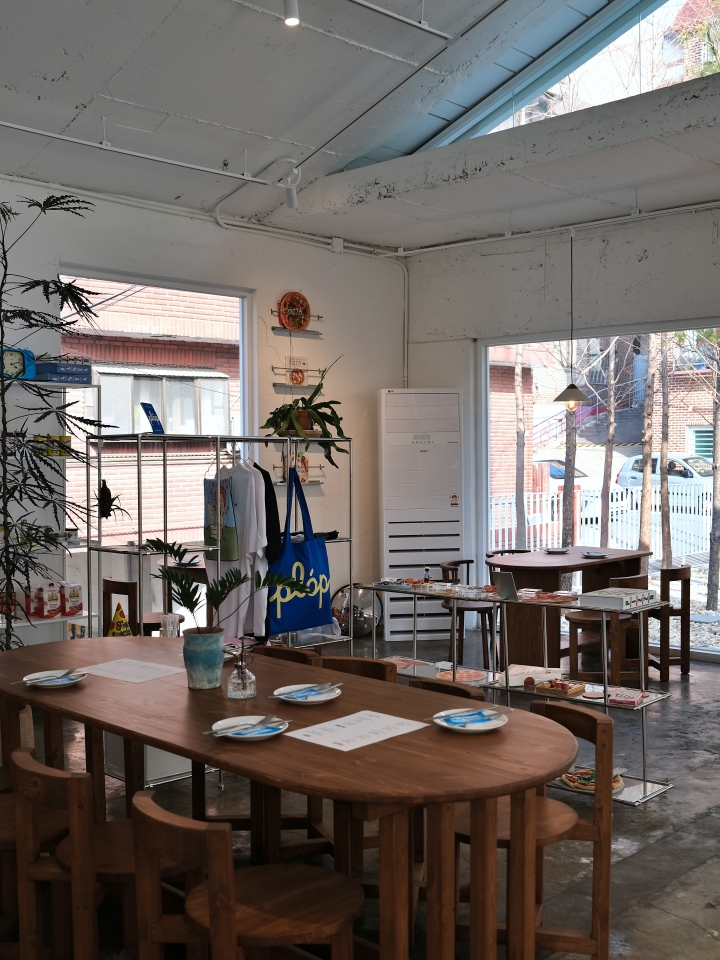
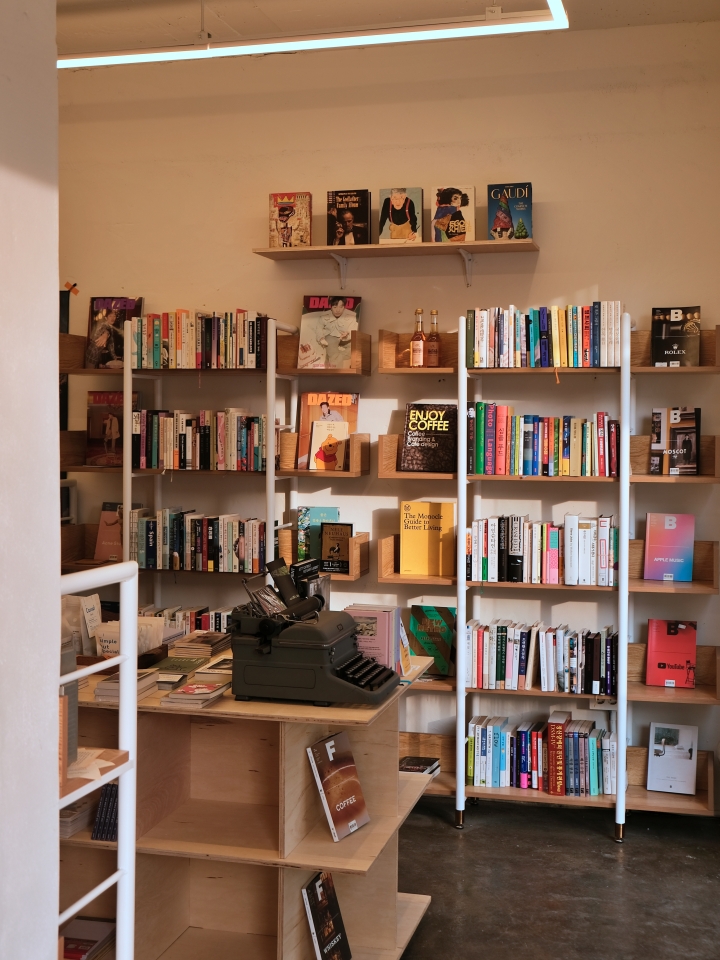
It’s impressive how each brand’s individuality shines through while still maintaining a sense of unity in the interior.
There are interior guidelines in place, with a base color of off-white and brick, wood, and concrete as the main materials. Since the brands gathered here share a similar overall sensibility, that’s part of why it feels cohesive.
How long is the lease term?
The first 1 Euro Project location in Songjeong-dong operates on three-year leases. Once the contract term ends, we decide whether to renew. There are also internal rules in place to encourage synergy through shared growth. Aside from one or two mistakes, a brand that intentionally breaks the rules receives a warning, and accumulating ten warnings results in expulsion. On the other hand, businesses that keep their promises and provide inspiration receive incentives such as discounts on operating management fees, priority for lease renewal, and a say in business decisions.
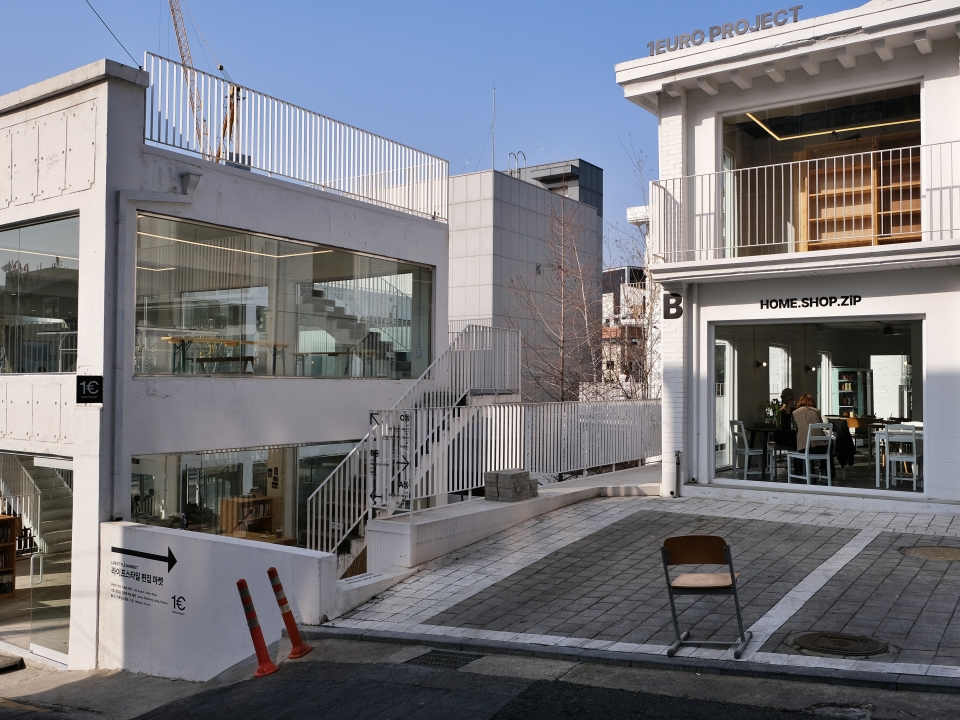
Is the second location, which recently opened in Bukgajwa-dong, run the same way?
From what we tested at the first location, we found that the shared-growth system could feel exhausting for some brands. So at the second location, we decided to renew leases every year. We thought a one-year term would be an appropriate length — long enough for tenant brands to try new things, while still leaving room for other possibilities.
The second location consists of three buildings. How did that come about?
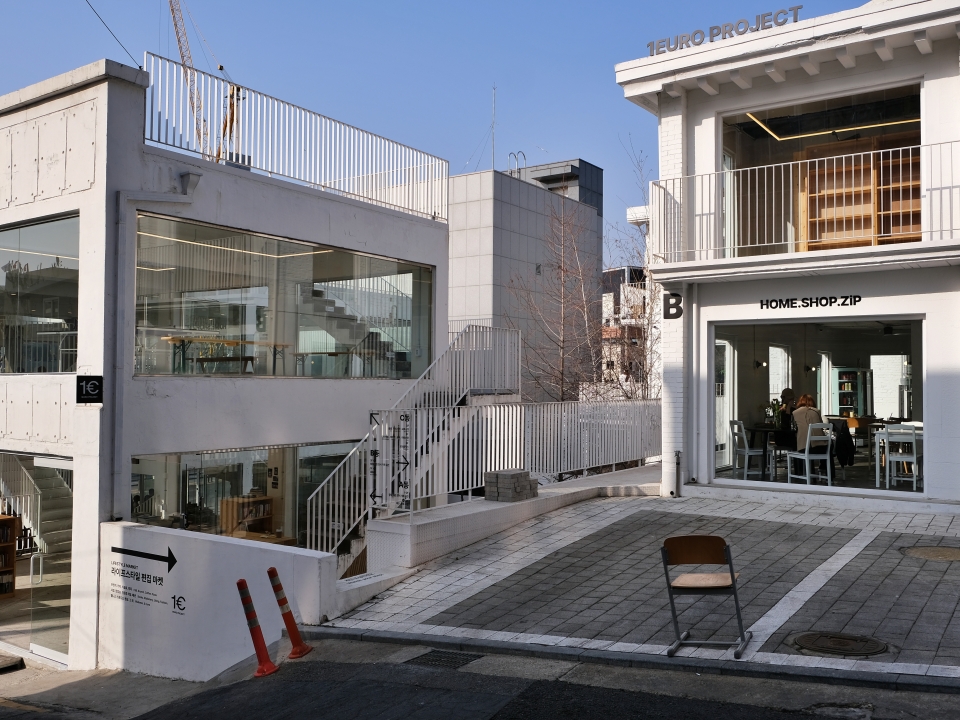
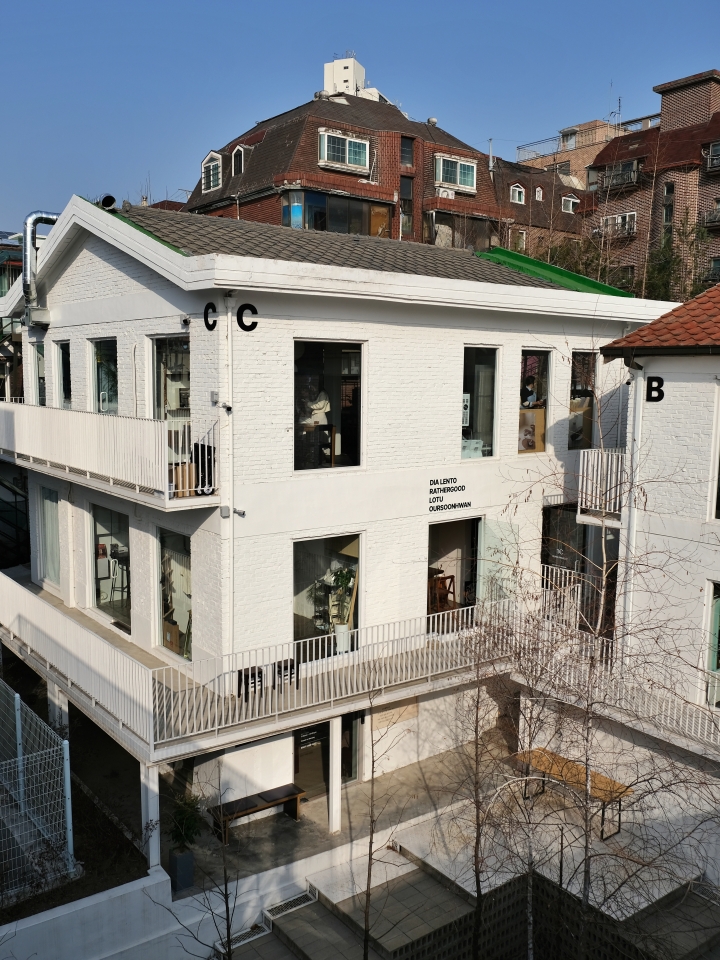
Building A, which we use as a pop-up event space and shared office, used to be a bathhouse. Buildings B and C, where the brands are located, used to be residential villas. They all belong to the same owner, whom I met through an acquaintance I’d made while working on the Songjeong-dong 1 Euro Project. These days, there’s hardly any industry that isn’t struggling, and the leasing business is no exception — it’s extremely difficult. Vacant buildings are increasing nationwide as well. Since we shared a similar desire to address these difficult economic conditions and social issues, we thought together about how to regenerate the building, and that’s how the second location came to open.
Is there something you pay particular attention to when renovating an old building?
For the second location, I wanted to preserve the first impression I had of the building. I loved how it felt the very first time I saw it. Rather than adding things artificially, I tried to preserve its original state as much as possible while also reflecting the new needs of the tenants.
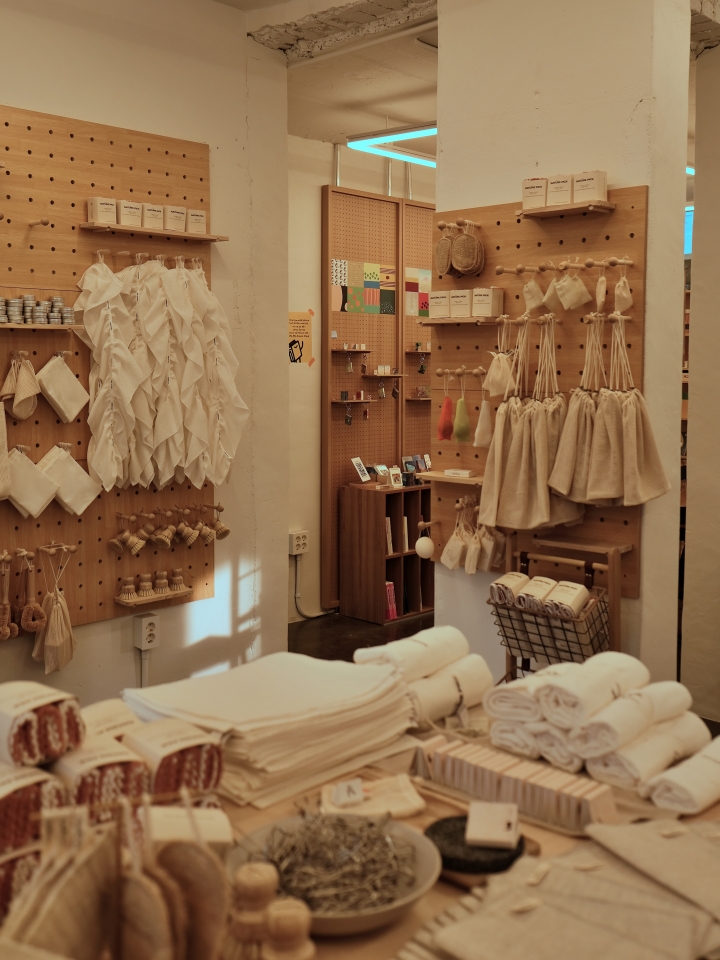
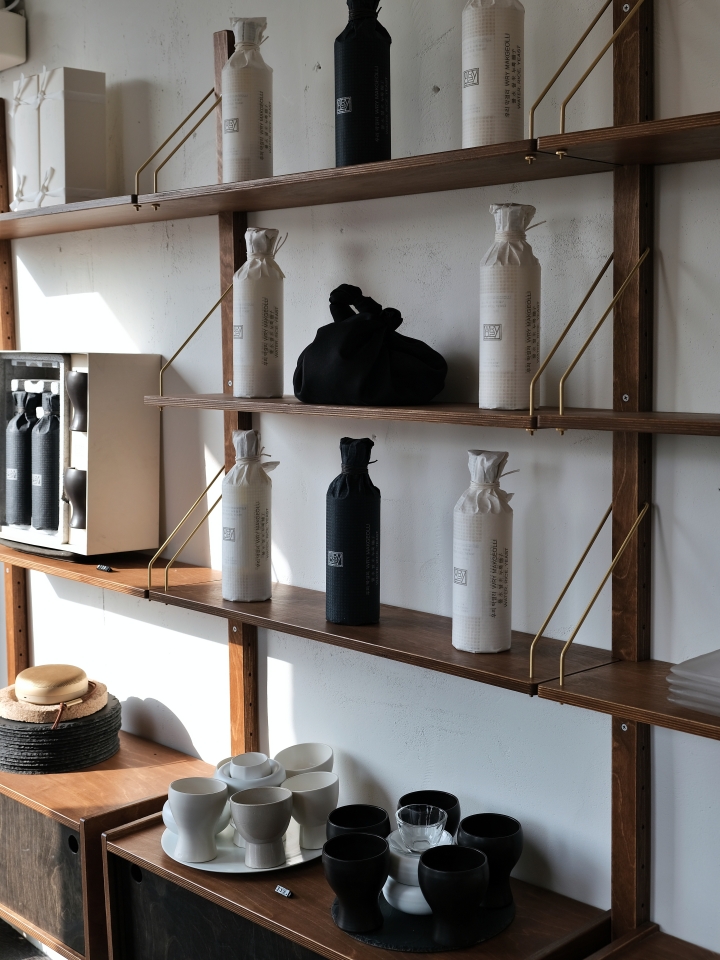
Could you introduce the brands at the second location?
The 1 Euro Project isn’t just a commercial space — it’s a two-way community platform proposing a good lifestyle. A total of ten brands are housed there, including Nature Pick, which makes household goods from natural materials; Woori Seomak, which brews makgeolli entirely by hand; Move Flex, which runs low-intensity recovery exercise programs; and Our Circulation, an eco-friendly fashion brand focused on comfort.
Was there a reason for turning all of Building A into an event space?
I wanted to use it as a platform to test what kind of content could be sustainable. When there’s no scheduled rental, we use it as a shared office. Right now, we received a donation of 5,000 books from a publisher, which we’re giving away for free to customers who use our 1 euro service.
What’s the most memorable trip you’ve taken?
I recently went to LA. The weather was great, the natural scenery was beautiful, and people were friendly, but the gap between rich and poor was so stark you could feel it. If I can take a little detour here — becoming a travel YouTuber has long been a dream of mine. (Laughs) I’d like to make videos centered around trips that start with a question. For example, asking ‘Where will I be living three years from now?’ and then setting off to find the right home for that answer. In LA, I wandered around talking to myself about architecture, real estate, design, and lifestyle. People often think of LA as a dream destination, but when I actually imagined living there, question marks started popping up. In the end, I didn’t find a place I’d want to live.
When will the video be uploaded?
That’s still undecided. (Laughs) The 1 Euro Project is planning to be run by an operators’ self-governing committee. Once that happens, the only thing left for me to do in this project will be to maintain its identity and tone and manner. Then I’ll finally have time to edit videos, right? (Laughs)
Is there a space you want to create in the future?
We’re planning to open a community hotel in a building near the 1 Euro Project in Songjeong-dong. Since the 1 Euro Project already houses cafés, restaurants, clothing shops, and household goods stores, both local residents and travelers can simply stay in the area and enjoy everything it offers. I think the 1 Euro Project created a single point by matching vacant spaces with specific brands. Now I want to connect those points to build a system that manages the neighborhood’s lifestyle as a whole. When the settlement rate in an area rises, the economy, culture, and community naturally develop along with it. What matters is that architecture and design preserve the neighborhood’s original character while also meeting residents’ new lifestyle needs — much like small towns in Europe or Japan. I want to show that redevelopment isn’t the only answer for revitalizing an old neighborhood.