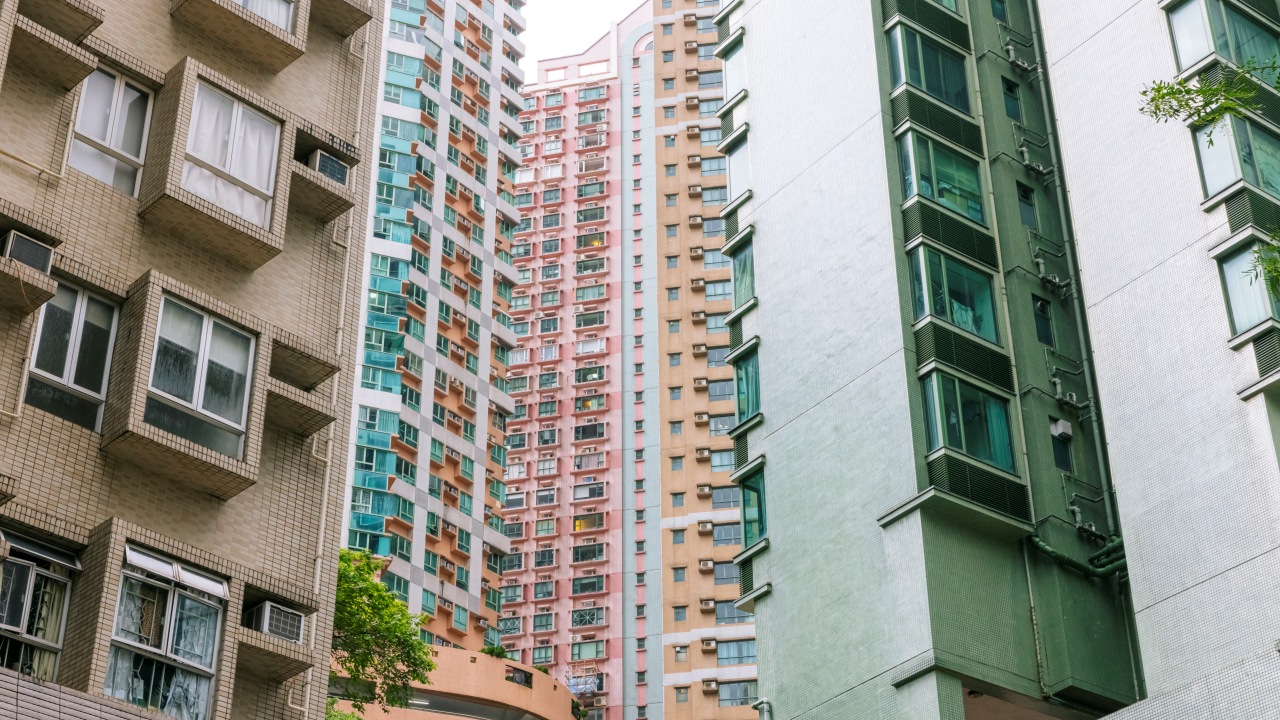
Where does Hong Kong’s kaleidoscopic culture come from? We found its source in art spaces where old and new, quiet and bustle, the familiar and the unexpected all coexist.
Words Parc Jinmyoung
Photos Kim Yoonkyung
In collaboration with Hong Kong Tourism Board
M+ Museum
Bringing Asian Art into Everyday Life
When darkness falls over Hong Kong Island, the nighttime skyline of the Kowloon Peninsula comes into view across Victoria Harbour. Among skyscrapers twinkling like stars, one thing especially catches the eye: the letters ‘M+’ glowing on a facade. Hong Kong shut its doors for a time because of the pandemic, but it never became isolated and never stopped moving. One result of that momentum is M+, Asia’s first global museum of contemporary visual culture. Its name, which stands for ‘more than a museum,’ made its debut in the West Kowloon Cultural District in November 2021, at the height of the pandemic. Completed after roughly five years of construction, counting from the groundbreaking, the museum holds a wide-ranging collection spanning architecture, design, moving images, and contemporary art.
The Swiss architecture firm Herzog & de Meuron describes its design concept as a ‘floating museum,’ and true to that description, M+ stands out for a minimalist building that interacts with Hong Kong’s urban landscape. The structure, with seven basement levels and ten floors above ground, takes the shape of an inverted T, and its underground levels house large-scale exhibition spaces, including storage. At Found Space on the second basement level, an M+ marketing representative gives us a tip: “There’s a tunnel for the Airport Express railway running beneath this building.” In other words, Found Space is an exhibition hall built to follow the contours of the tunnel. ‘Sonic Rescue Ropes’ by Haegue Yang, one of Korea’s leading installation artists, hangs from the ceiling of the first-floor lobby, its long strands almost, but not quite, touching the floor of the second basement level. Exhibitions in this space, which hosts installation art and immersive shows, are free to view. A shortcut running through the building is open to everyone, so that visitors can stumble upon art at any time.
We pass through the first floor, where video art and films are screened, and arrive at the second floor, made up of 33 galleries. There, an opera singer is wandering the corridor, looking for an audience member to sing to. The marketing representative explains this unexpected scene: “This performance is also an installation. It’s ‘Sonic Blossom’ by Lee Mingwei, a visual artist from Taiwan.” In this way, M+ brings influential contemporary Asian artists, architects, and designers together under one roof and is opening up a colorful future for Hong Kong culture.
Hong Kong Palace Museum
When 600 Years of Chinese Culture Meet Hong Kong’s Dynamism
In 2022, Hong Kong welcomed travelers with a new landmark. The arrival of the Hong Kong Palace Museum, which displays part of the collection and cultural relics of the Palace Museum in Beijing, was also proof that the West Kowloon Cultural District was nearing completion.
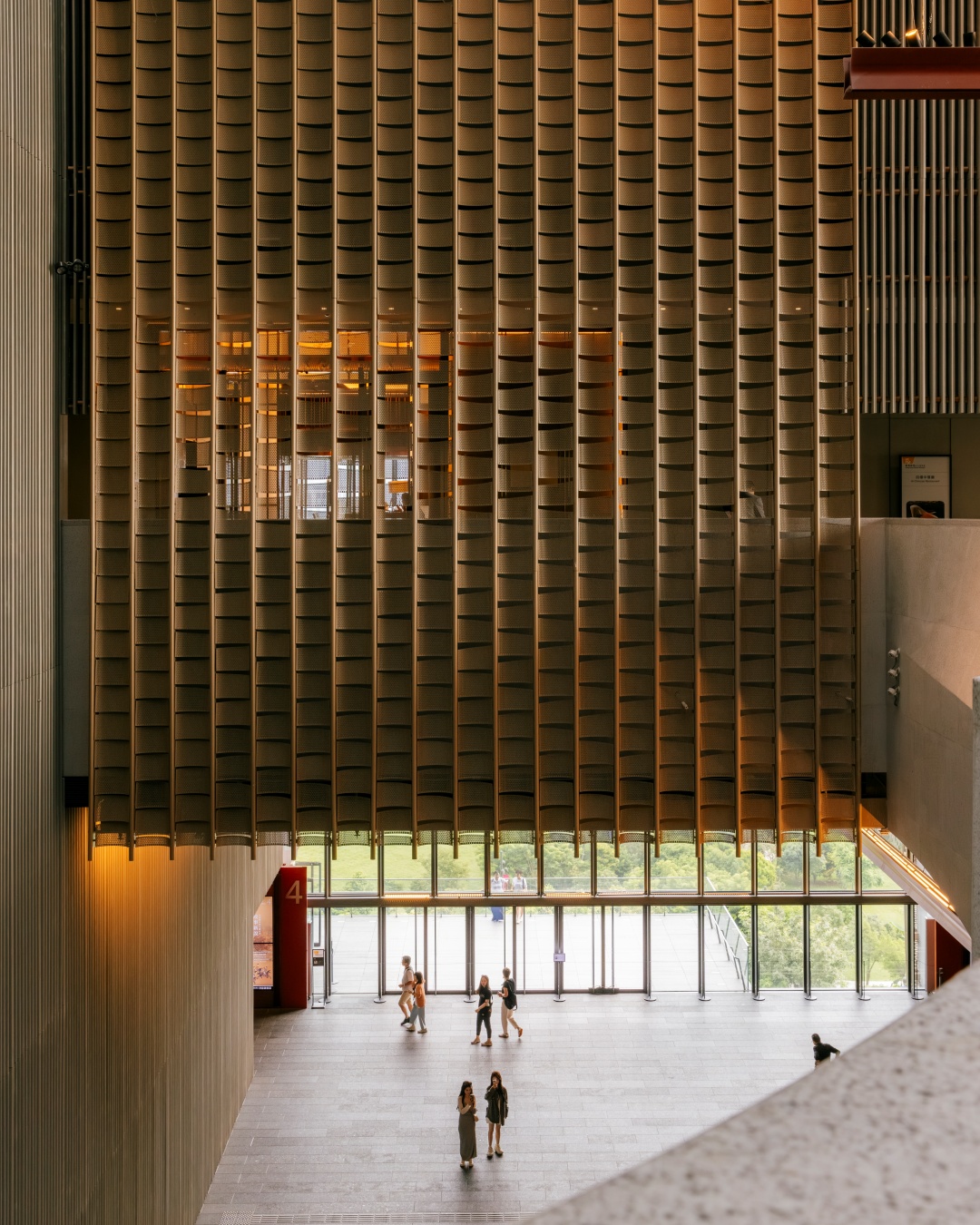
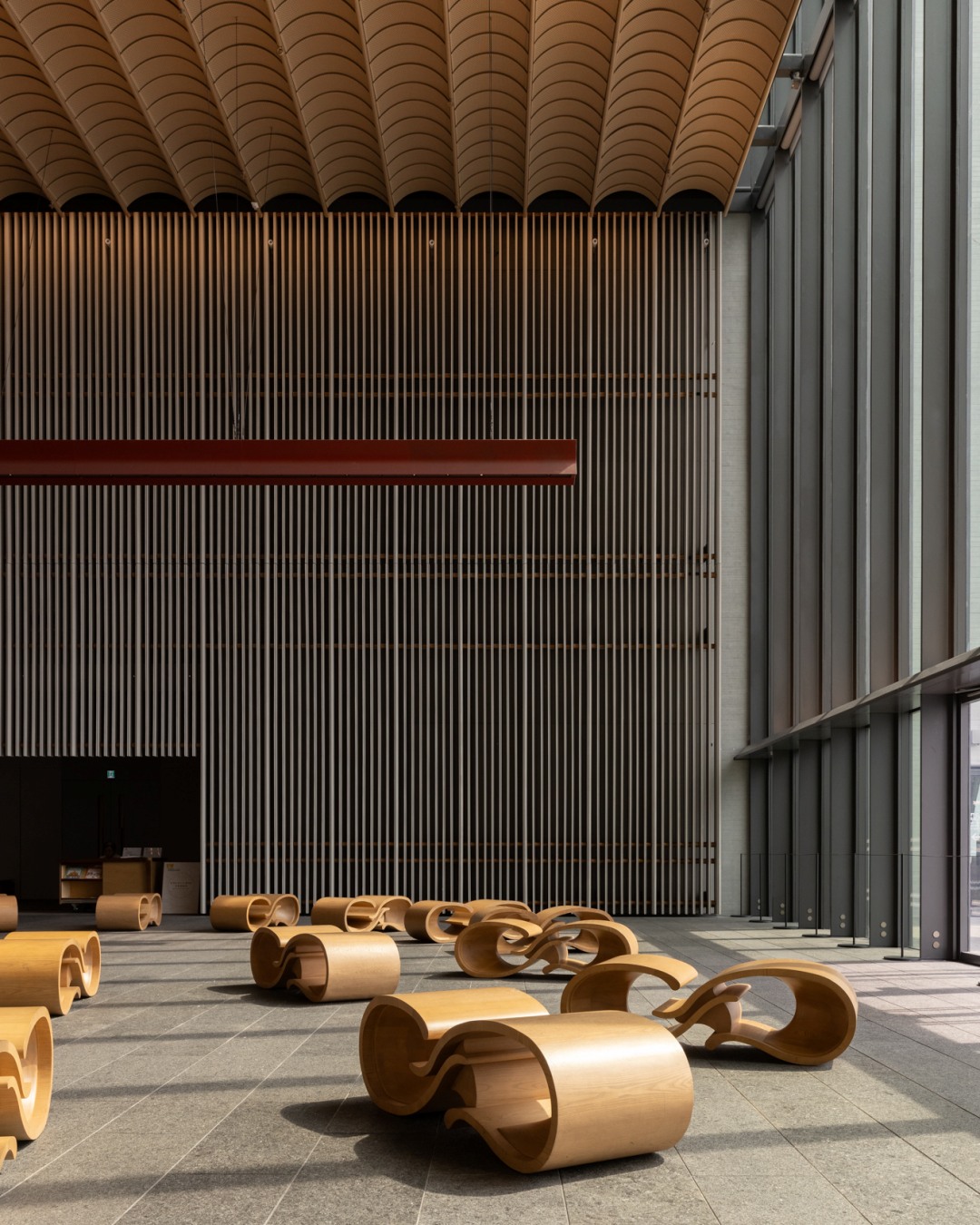
From the museum entrance, I tilt my head all the way back. I want to see for myself the exterior, said to reinterpret the beauty of the Forbidden City, with its air of mystery, in a refined, modern aesthetic. With a floor area of 13,000 square meters, the sheer scale of the building carries the grandeur of Beijing’s Forbidden City all the way to the West Kowloon waterfront. The identity of the Forbidden City continues inside as well. Metal roof tiles inspired by the Forbidden City’s golden tiles form graceful curves across the ceiling. The museum’s most distinctive feature is its three atriums, each facing a different direction, which connect multiple floors vertically. The closer the tiles get to the open ceiling, the more translucent they become, recalling Chinese bamboo and silk curtains. A building that balances traditional culture with modern aesthetics clearly shows the direction the museum should take in the years ahead. It also seems rather like the city of Hong Kong itself, where past and present blend in harmony.
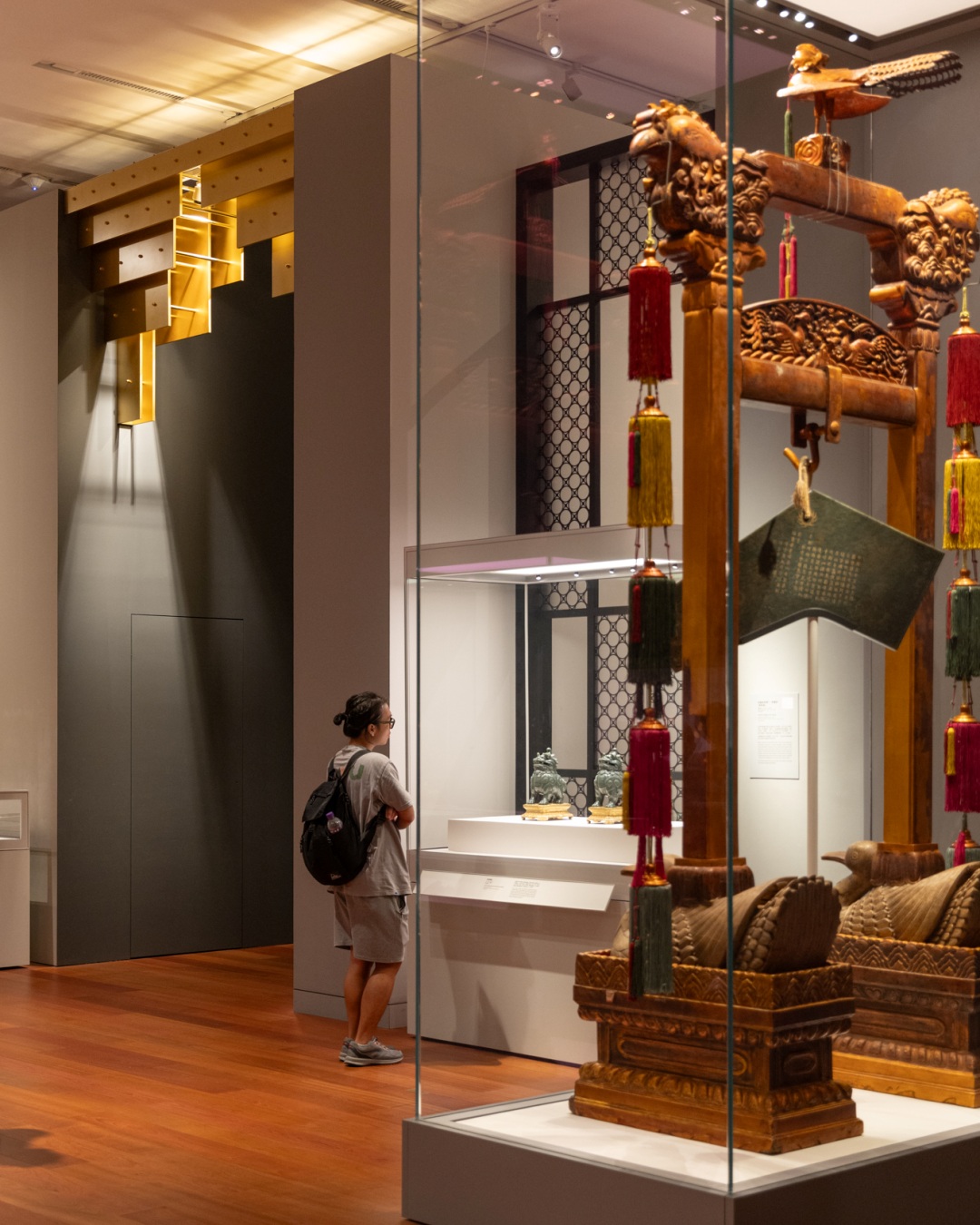
The first through third floors, which are free to visit, house permanent collection galleries where visitors can see imperial treasures from the Forbidden City, ancient Chinese ceramics, Chinese paintings and calligraphy, Buddhist artifacts, and more. On the fourth floor, special exhibitions are held for an admission fee. In the lobby, where floor-to-ceiling windows open onto Victoria Harbour and Hong Kong Island across the water, we sit down with Chief Curator Qing Pan to hear more. She came to Hong Kong in 2024 after being appointed to the post from mainland China.
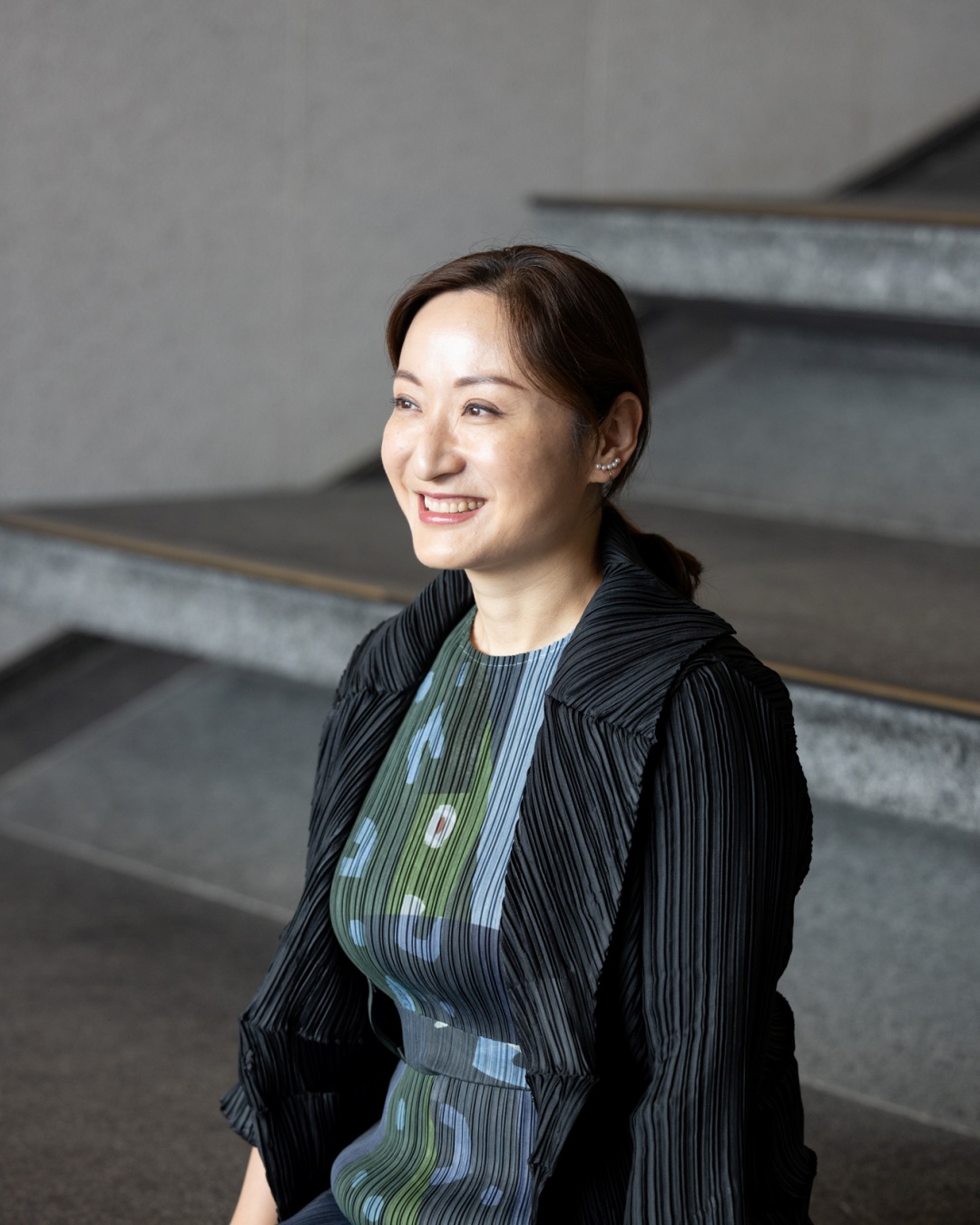
Interview with Qing Pan (Chief Curator, Hong Kong Palace Museum)
When the Hong Kong Palace Museum opened in 2022, the fact that it would display some 900 pieces from the Palace Museum in Beijing drew a great deal of attention. What criteria did you use to select the artifacts?
That’s a very good question. It’s not easy for a curator to choose what to show the public from within such a vast treasure house. Do you know how many artifacts the Palace Museum in Beijing holds? More than 1.86 million. Most of them have never been exhibited. You could say that what you see in Hong Kong is ‘one object chosen out of roughly 1,000.’ In a case like this, it’s important to set a firm goal and keep your own ‘holy grail’ in mind. Curators from a variety of academic backgrounds each propose exhibitions on different themes, and then we work out what visitors want and select several themes that can capture their interest. We also take care to reach visitors of all ages and from different regions. On top of that, when we ‘invite’ these precious artifacts here, we use excellent storytelling, modern design, and interactive devices to help people understand them more deeply.
Following last year’s exhibition in collaboration with the Musée des Arts Décoratifs in Paris, France, * this year you have an exhibition co-organized with the Palace of Versailles. ** What matters most when you plan an exhibition in partnership with another culture?
I think it’s a close partnership. Both exhibitions were projects realized through tight cooperation between curators from the two cultural institutions. In the former case, curators from the Musée des Arts Décoratifs in Paris and the Palace Museum’s in-house curators discussed and decided everything together, from selecting the artifacts to writing captions and explanatory texts and determining how to stage the exhibition. What impressed me most was that we chose well-known films to show, in an engaging and vivid way, how clothing changed from era to era. In this way, the Hong Kong Palace Museum will keep trying to break the prejudice that exhibitions of artifacts are difficult and boring.
* The special exhibition ‘The Adorned Body: French Fashion and Jewellery 1770-1910,’ held from June to October last year, used more than 400 pieces of French clothing and accessories from the late 18th century to the early 20th century to show their fascinating development and their power to define social status.
** ‘The Forbidden City and The Palace of Versailles: China-France Cultural Encounters in the Seventeenth and Eighteenth Centuries.’ The exhibition, which showcases the exchanges between two palaces across a geographic divide, will run through May 4.
What efforts are you making to draw younger generations to the museum?
Many people think traditional art is harder to understand than contemporary art, but that’s a misconception. Contemporary art is difficult to appreciate in depth without a solid grounding in the complex art theory and criticism of the 20th century, whereas the objects at the Palace Museum aren’t very different from things we use today. Most of them are everyday items that combine practicality with aesthetic appeal. Most importantly, these artifacts let us experience beauty and joy that transcend time and culture. That is exactly the message the Hong Kong Palace Museum wants to convey. Through the stories contained in historical objects, we can converse with the past and shed light on the present.
Is there a visitor route you'd recommend?
For first-time visitors, I recommend getting a general overview of the Forbidden City first, then moving on to the special exhibitions that match your interests. Start with ‘Entering the Forbidden City: Collection, Architecture and Heritage’ in Gallery G1 on the ground floor. Through more than 100 artifacts from the Forbidden City, it introduces the architecture and collections of a palace with more than 600 years of history.
What is the mission of the Hong Kong Palace Museum?
We hope to be a leading museum that embraces new approaches to curation while offering a perspective all its own. I have no doubt that before long it will serve as a channel of dialogue among the world's civilizations and establish itself as a place where Eastern and Western cultures meet.
Central Market
A Hub of Sustainable Living
Hong Kong Island's Midlevel Escalator is 800 meters long in total, linking Central with the residential neighborhoods higher up the hill. It is, in effect, a means of transportation designed to make life easier for people who live in the Mid-Levels. It runs downhill from 6 a.m. to 10 a.m. and uphill from 10:20 a.m. until midnight, and the trip from start to finish takes about 20 minutes. As seen in the film ‘Chungking Express,’ it sweeps past one quintessentially Hong Kong scene and exotic view after another, making it one of the city's sights that travelers shouldn't miss.
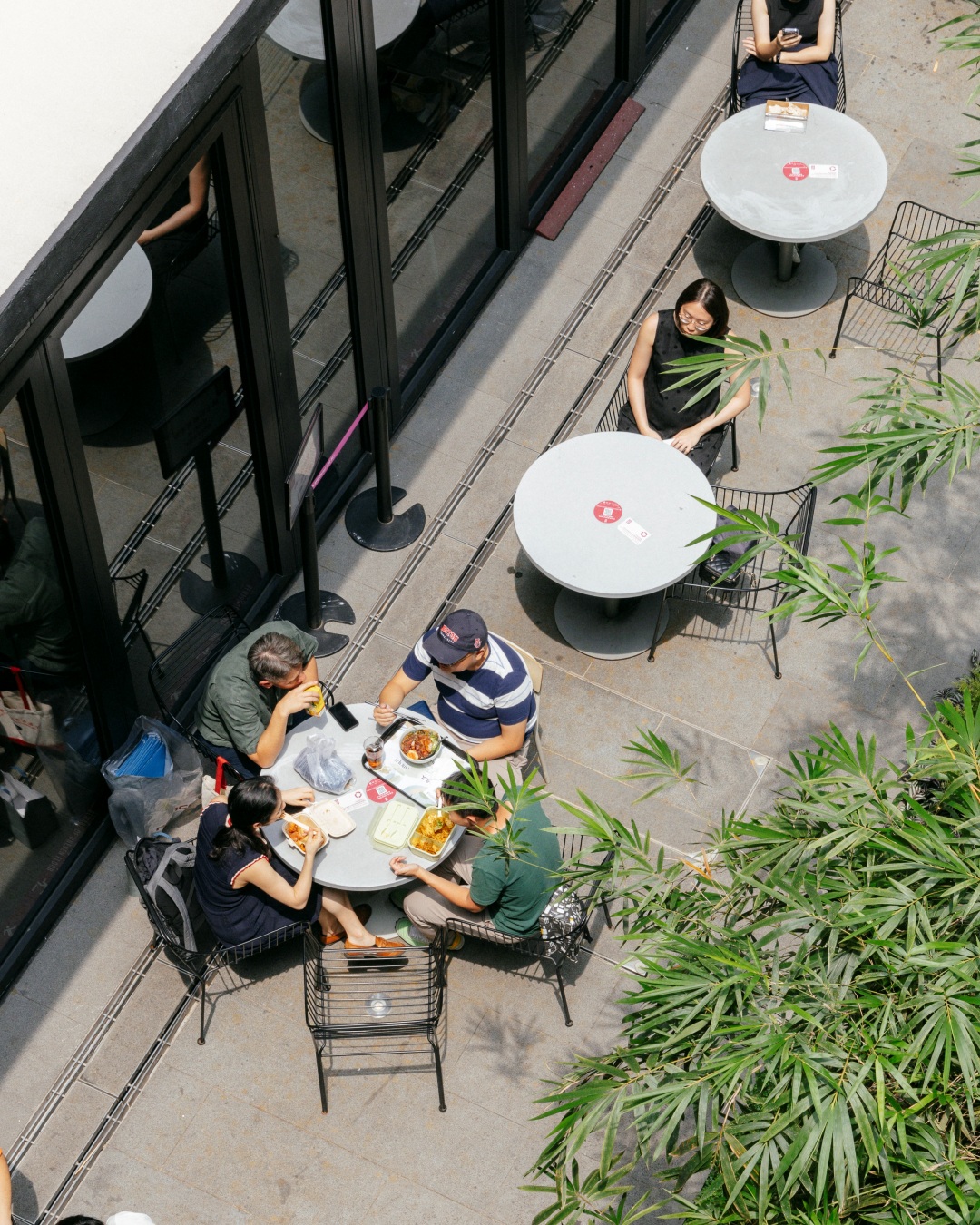
Central Market sits at the starting point of the Midlevel Escalator. It opened in 1939 in a four-story building in the Bauhaus style. It served as a meeting ground for Eastern and Western cultures, between the neighborhood where Westerners lived in the 19th century (today known as Lan Kwai Fong) and the area uphill where the local population lived. As the surrounding residential district turned commercial, the market lost its original function and closed in 2003. In 2021, after renovation and rebranding, it was reborn as a hub for sustainable daily life for local residents, a community space and a lifestyle hub.
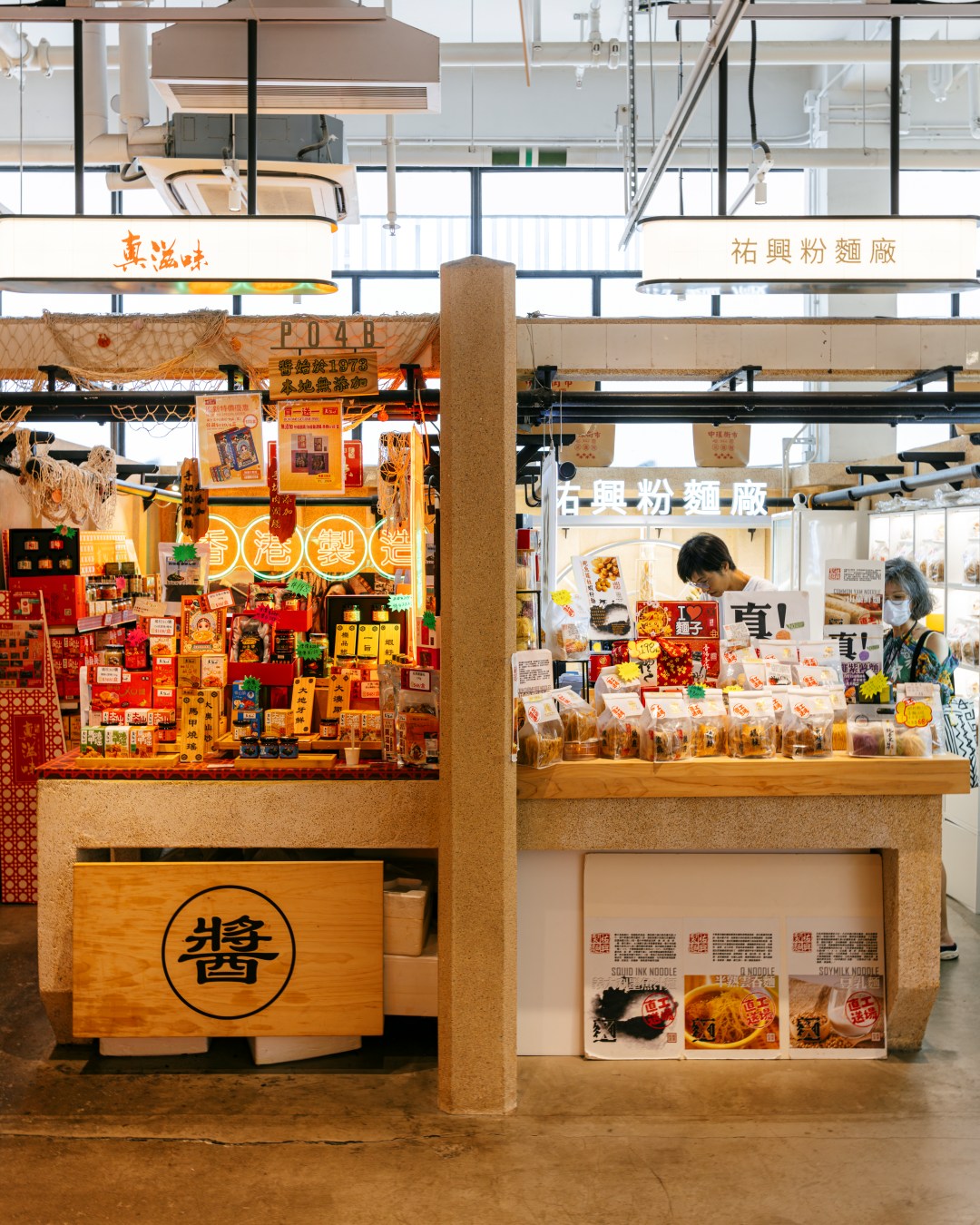
The building's exterior, defined by clean lines and minimal ornament, was restored to look as close to the original as possible. Inside, too, traces of the old building remain in some of the signs and stalls and in the wide central staircase. Where fishmongers, herbal medicine shops, and butchers once kept their stalls, the counters are now full of products from local brands that represent Hong Kong, and countless shops have moved in, from local zero-waste shops to global brands, restaurants, and cafés. Campaigns and brand events are also held here. If you join the market's own Heritage Tour, a guide will take you through the past and present of every corner of the building in detail.
FWD House 1881
Hong Kong's Elegant Side
A city where luxury and grit are thrown together. If that sentence calls Hong Kong to mind, it is probably because you have experienced Tsim Sha Tsui. And all the more so if you have seen the scenes entwined in a single neighborhood: the opulent Peninsula Hong Kong and, behind it, the sharp-edged hangout of youth, or what has been called the city's ghetto, Chungking Mansions (the name of a building packed with budget guesthouses, multicultural restaurants, and more, famous as a filming location for the movie ‘Chungking Express’). In truth, most of Hong Kong's neighborhoods, Tsim Sha Tsui included, are like this. Turn your head on the street and you are in a center of luxury shopping; look the other way and you find a neighborhood where you can glimpse the everyday lives of ordinary people. Everywhere in the city, Hong Kong leaves no one out and has an abundant capacity to embrace people of every class.
The dazzling cultural heritage you shouldn't miss in Tsim Sha Tsui is FWD House 1881. The building, once used as the Marine Police Headquarters, has been preserved as it was and transformed into a boutique hotel, fine-dining restaurants, and a shopping complex. After winning the Second Opium War (1860), Britain annexed the Kowloon Peninsula and in 1884 established the Marine Police Headquarters in Tsim Sha Tsui, then a small fishing village. After the turbulent era passed, the Marine Police moved to Sai Wan Ho on Hong Kong Island in 1996 for reasons of security and aging facilities, but the Hong Kong government decided to preserve the old buildings rather than tear them down. After the heritage site was restored, in 2019 the Hong Kong insurance company FWD Group leased the building and began using it as a hotel steeped in history.
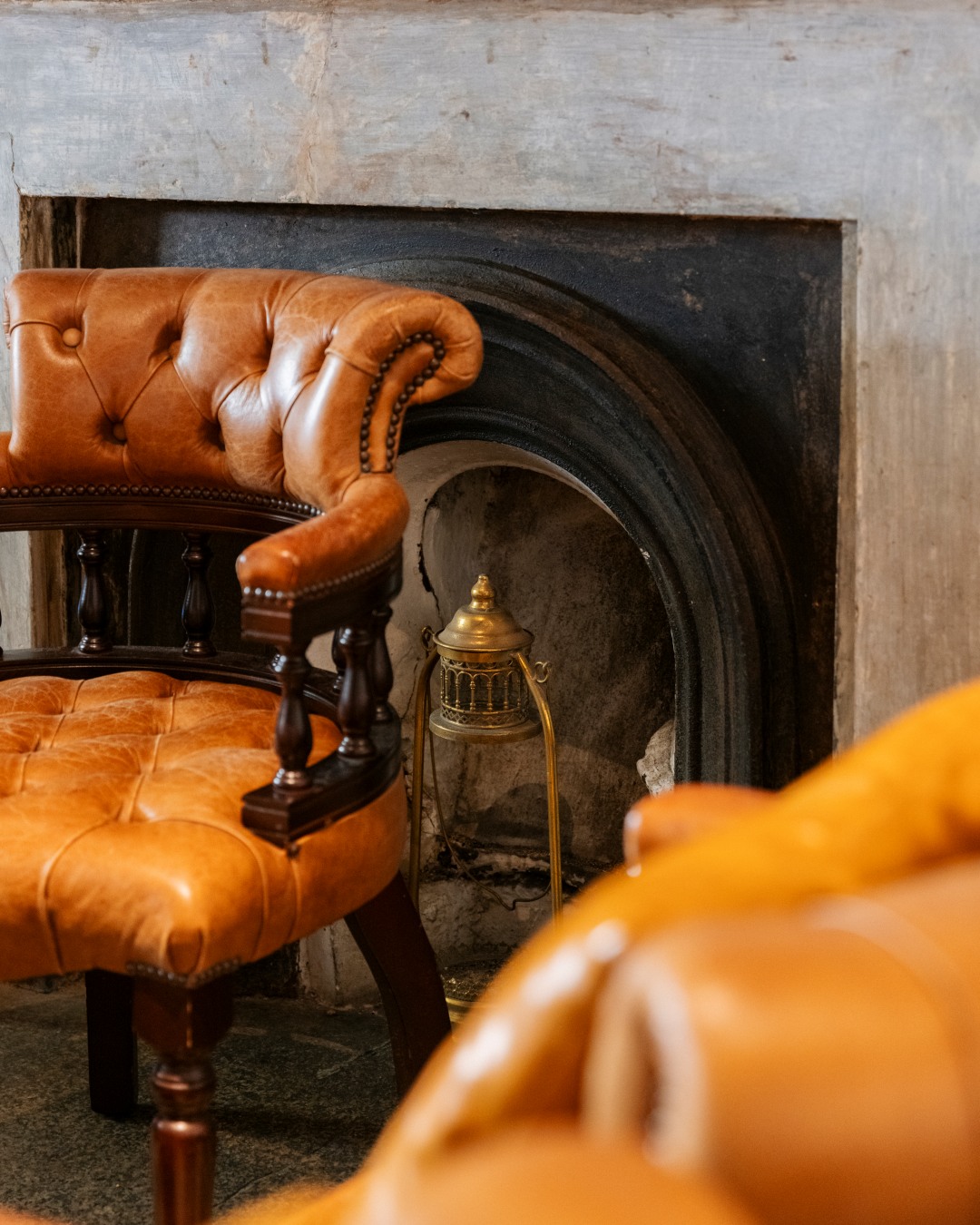
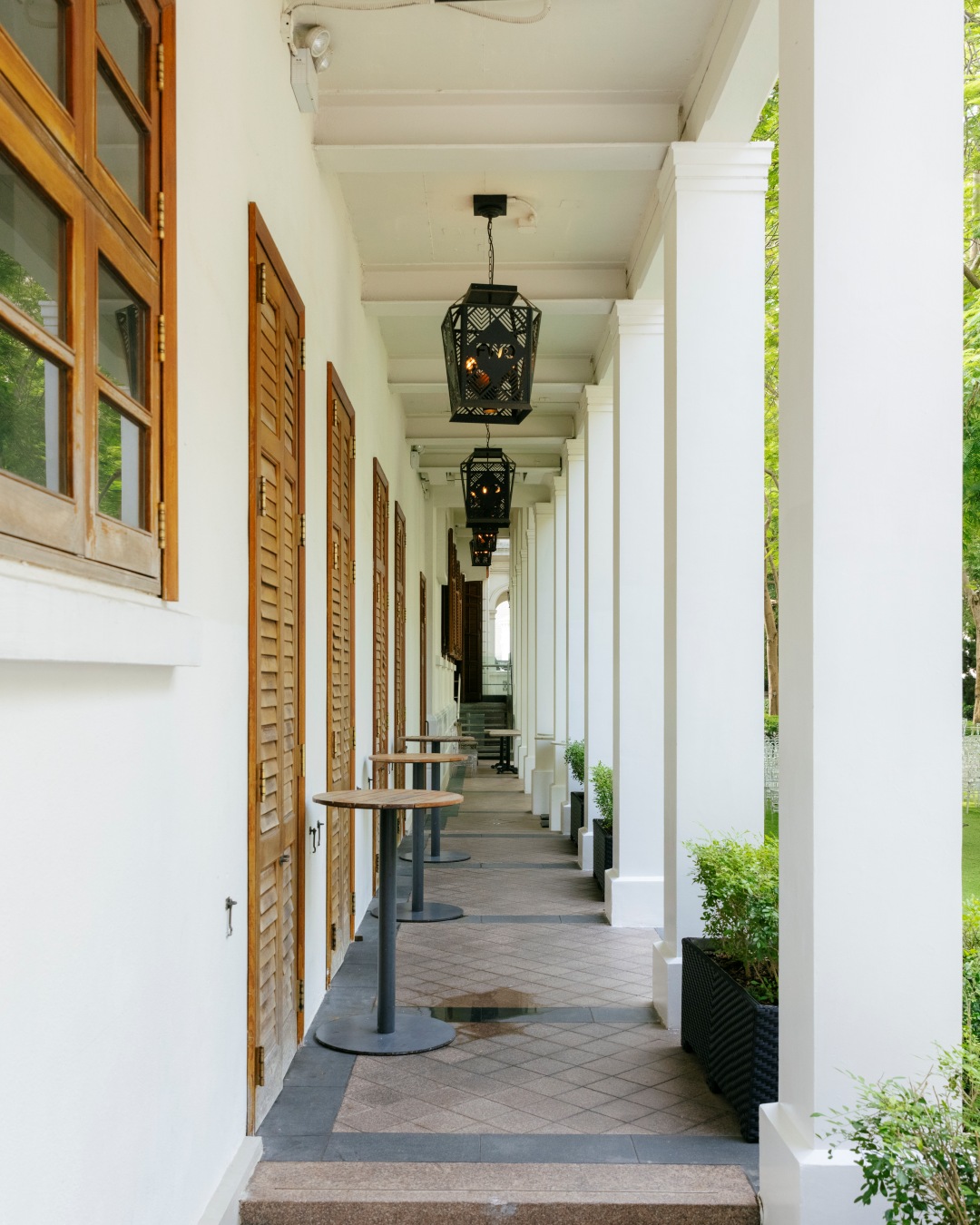
Step into the building's courtyard and the bustle of the big city is shut out, revealing another world. Buildings that showcase Victorian neoclassical style, with arched columns, white plaster walls, and decorative balustrades, wrap around the central garden. Old facilities remain in place, such as the armory where firearms were turned in and the post box where pigeons once delivered letters. The ten guest rooms, converted from the offices of senior officials of the day, no longer take overnight guests, though they can be reserved for events such as wedding photo shoots and ceremonies. To make up for that disappointment, head to the dining area, which has a French restaurant, a Chinese restaurant, a Japanese restaurant, a steakhouse, and one bar. Spend time at the sushi restaurant ‘Udatsu Sushi,’ set in the former stables, or at ‘The Cell,’ a bar converted from the old holding cells, and you can travel back to a far more vivid past.
ACO Books
A Home for Artists
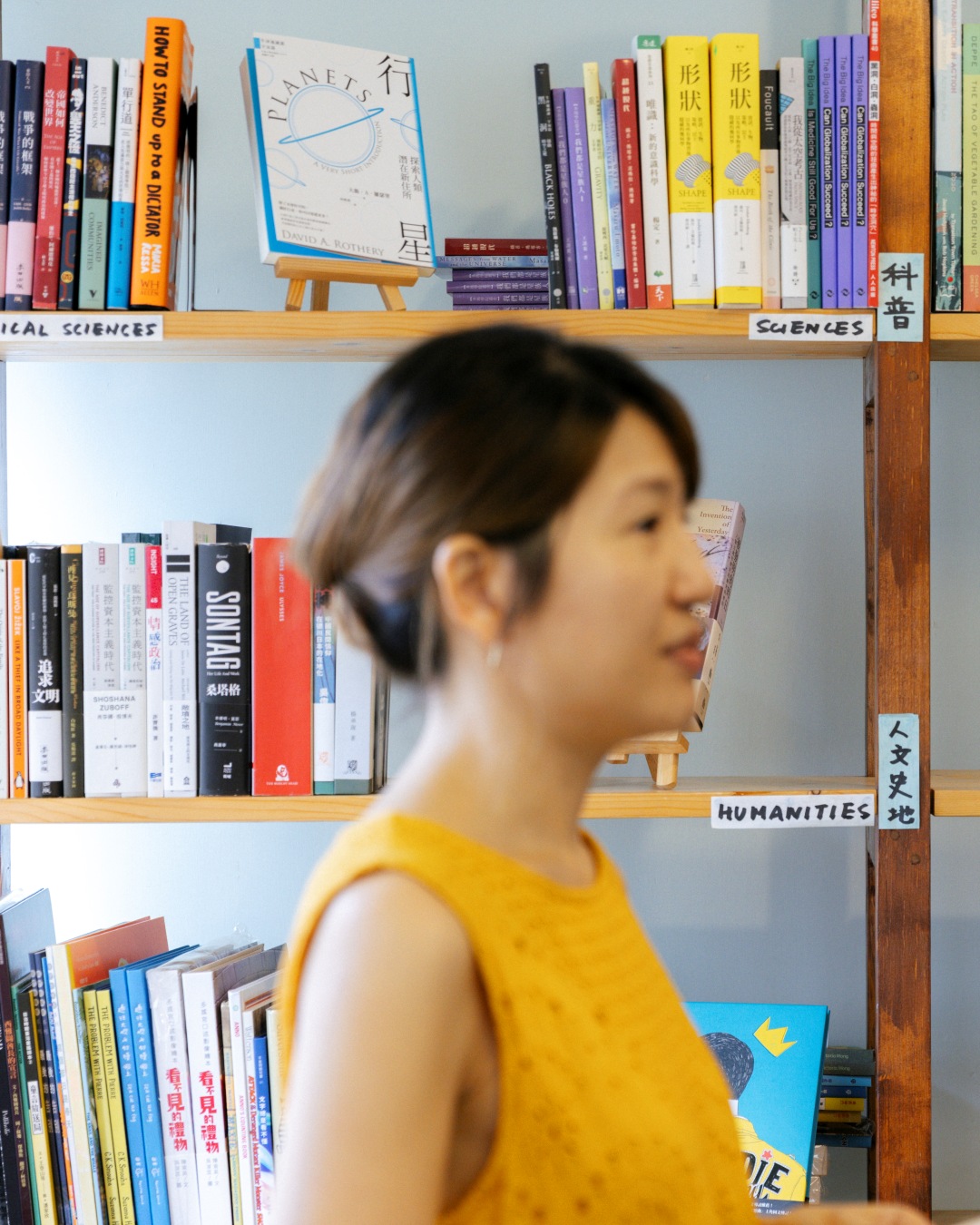
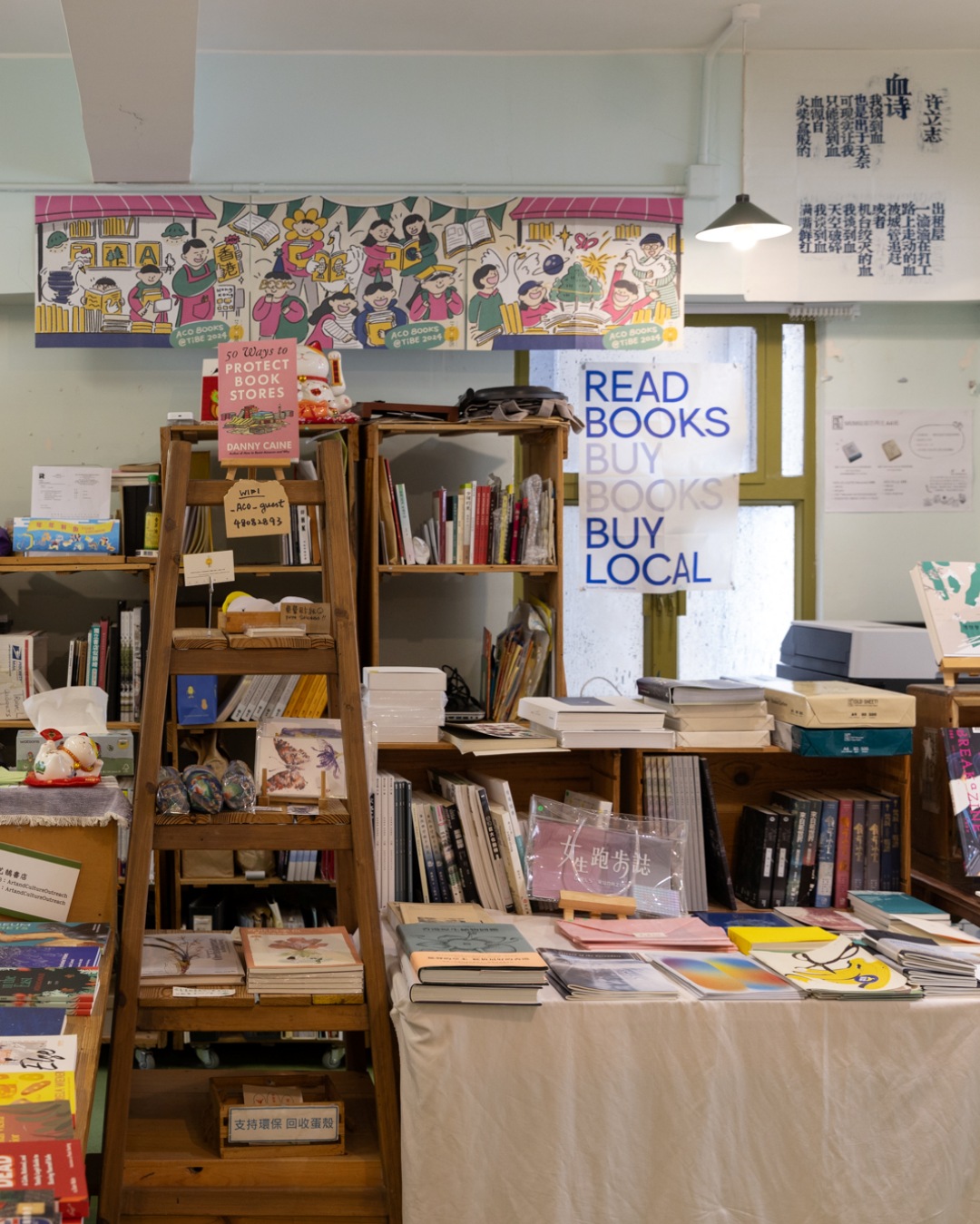
Walking among Hong Kong's forest of tall buildings, one thought often crosses my mind: what kind of lives are unfolding on the upper floors? Most of the commercial spaces that travelers visit are on the lower levels, after all. ACO Books, an independent art bookstore on the 14th floor of an old building, can't speak for everything, but it seems likely to satisfy at least some of that curiosity. You ride an elevator plastered with graphic design, Cantonese-lettered stickers, and exhibition posters up to the building's top floor. The scene inside the elevator alone is enough to convince you that an art bookstore must be somewhere in this building.
ACO Books, short for ‘Art and Culture Outreach,’ is a publisher and independent bookstore that mainly curates humanities and art books and presents paintings, posters, and crafts by artists from Hong Kong and across Asia. Going further, the nonprofit of the same name uses the entire Foo Tak Building, where the bookstore is located, as a hub for artists. ACO discovers and supports emerging artists in two ways: it helps cover exhibition costs, or it rents out studios at low prices. In the latter case, resident artists who have become self-sufficient must vacate the space for other artists.
Since ACO Books opened in 2008, the whole building has gradually transformed into a space for art and culture. As a result, it has become an art center where exhibitions are even held on blank walls along the stairs and corridors. Over the past 20 or so years, countless artists have passed through, and every floor has art galleries, artist residencies, and more. Workshops with artists are held on an irregular basis, so check the schedule before you visit.