Documenting the Demilitarized Zone, a site of national division that conceals boundless beauty
Words & Photos 1 Park Jongwoo park-jongwoo.com
1 Documentary photographer Park Jongwoo travels the world recording culture and nature. He was the first Korean photographer to publish a photo book, ‘DMZ,’ with the German photography publisher Steidl, and in 2020 held the exhibition ‘Demilitarized Zone—DMZ’ at the Goeun Museum of Photography in Busan.
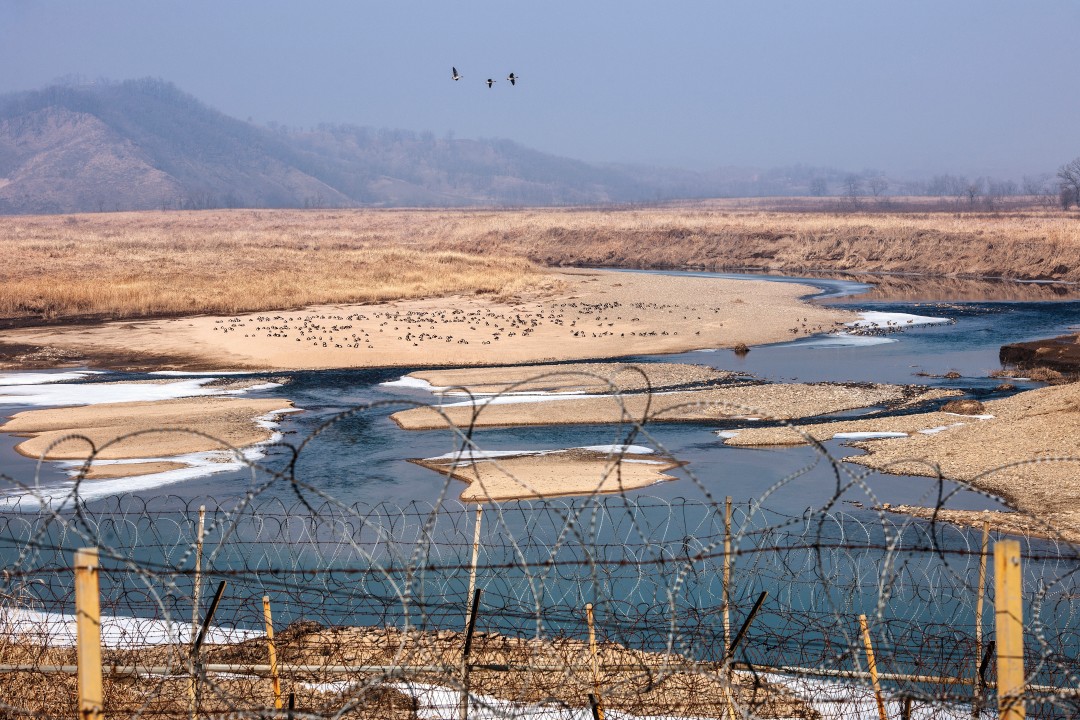
In the fall of 2009, I was offered a project by the Ministry of National Defense of the Republic of Korea to enter the Demilitarized Zone as the first civilian photographer to do so since the 1953 armistice, and to document what I found there. My DMZ work, which continued for three years from that point, is a photographic reportage of the facts and landscapes I encountered inside the DMZ. Through this reportage, I focused on recording what I saw exactly as it appeared, without subjectively reinterpreting or judging the heartbreaking reality embedded in the suffocating landscape of the North-South standoff. Since no photographic work on the Demilitarized Zone had ever been done before, I believed that an objective, unembellished record would hold far greater value than any half-baked artistic interpretation.
The reason the Ministry of National Defense opened the interior of the DMZ to a civilian for the first time since the armistice was to mark the 60th anniversary of the outbreak of the Korean War by documenting ‘the present state of the Demilitarized Zone.’ Since civilian access had been fundamentally impossible for sixty years, it was only natural that no documentation of the DMZ existed—but what was truly surprising was that even the military itself had never conducted any regular or irregular photographic record-keeping of the Demilitarized Zone.
Working in the Demilitarized Zone was not easy. Every time I set foot inside the DMZ, I had to simultaneously obtain permission from the United Nations Command Military Armistice Commission, the Ministry of National Defense, the Joint Chiefs of Staff, the Army Headquarters, and the division stationed in the relevant area. Visit schedules were planned down to the minute months in advance, and no deviation from the predetermined schedule was tolerated, even due to external factors like sudden weather changes.
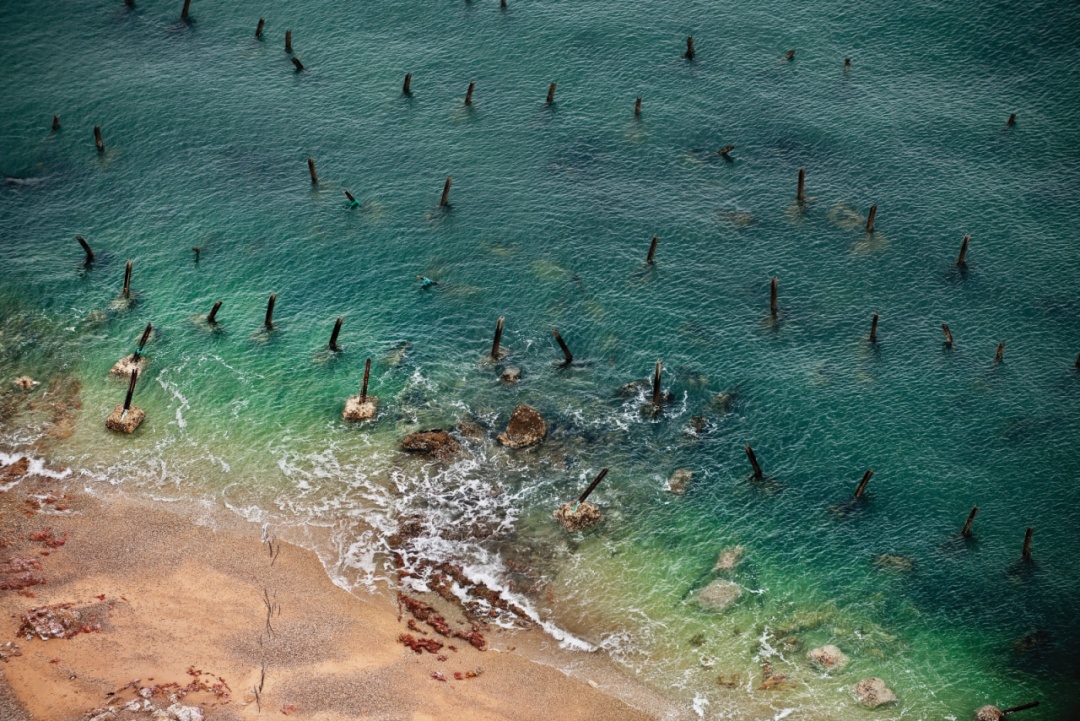
What did I see inside the Demilitarized Zone, which I had entered with such difficulty? Between the DMZ and the outside world stood only the triple fence of the Southern Limit Line, and the landscape inside and outside the boundary looked little different. Nor was there any obvious subject to point my camera at. Feeling that the beautiful natural scenery was somehow menacing, and being unable to shake off the tension lingering in that landscape, was simply due to my own preconceptions. The soldiers who had stood guard all night were all asleep, and aside from the occasional water deer startled into leaping up by the sound of footsteps, hardly any living creature could be seen moving.
The western side of the Demilitarized Zone, mostly flatland, was once home to many people. Over the more than sixty years that have passed, human traces in the DMZ have faded, and the land has slowly reverted back to nature. Few places in the world have seen time flow backward quite like this. Walking along the reconnaissance paths of the DMZ, I still found many traces of past human habitation. Irrigation facilities built during the Japanese colonial era and the remains of the electric railway that once ran to Mt. Geumgang remained almost exactly as they had been; in the woods, collapsed gate posts and shattered earthenware jars caught the eye, as did the remnants of a small garden pond that must have once graced some family's front yard before the war.
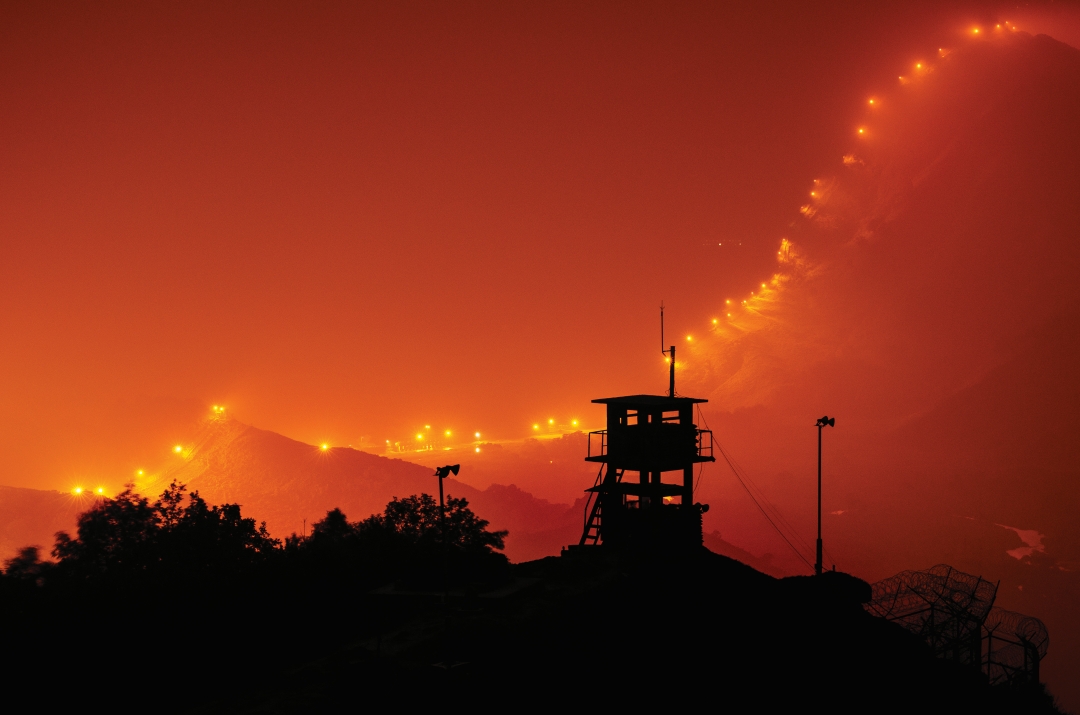
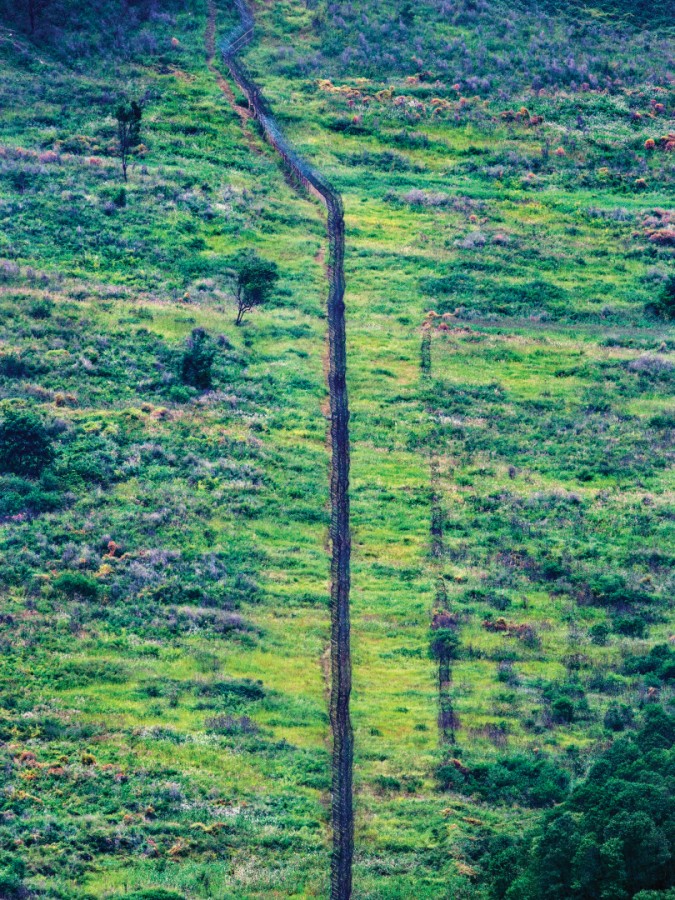
It was from the sky, not on the ground, that I truly felt the Demilitarized Zone in my heart. Flying by helicopter back and forth between the flatlands of the western front and the mountainous terrain of the eastern front, I looked down and saw clear scars of tearing and clawing across the DMZ. These marks were caused by the barbed-wire fences installed by both North and South Korea and by operations to clear the surrounding vegetation to maintain a clear line of sight. The expression ‘they slashed open the belly of the land’ fit perfectly. Only then did it truly sink in that this was ‘the site of national division.’
The boundary between North and South was strikingly clear. The lush forests of the South and the barren mountains of the North naturally revealed the line between them, and the fence built between them ran unbroken from east to west. On the ground, the fence looked formidable and impossible to cross, but seen from the sky, it appeared as nothing more than a flimsy obstacle.
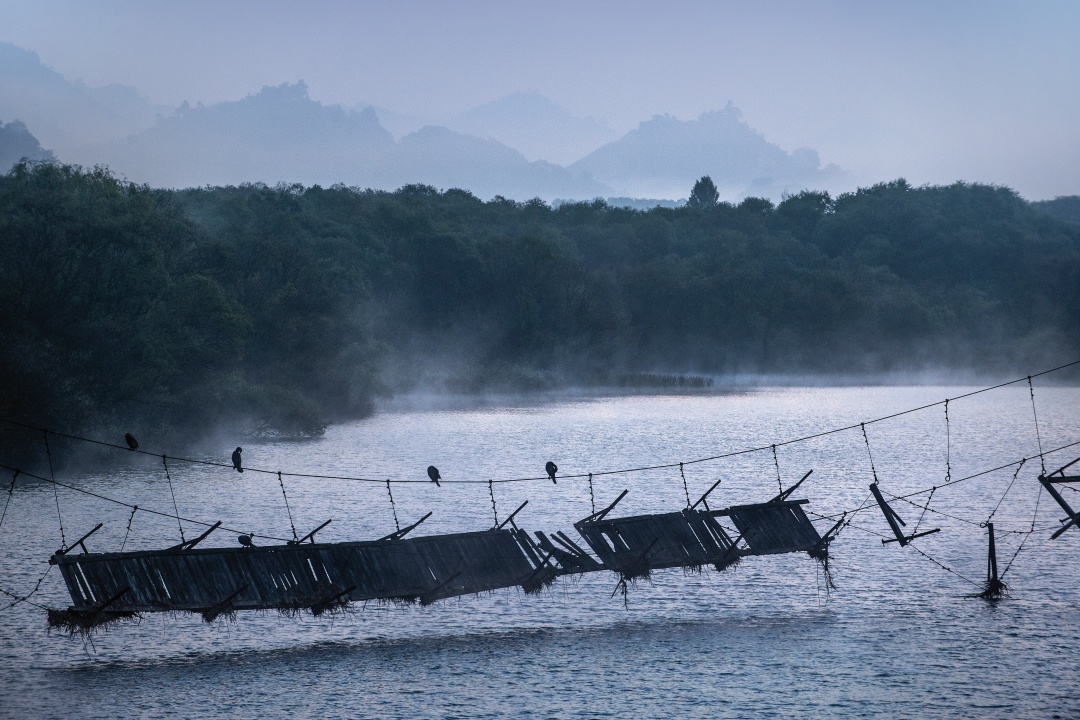
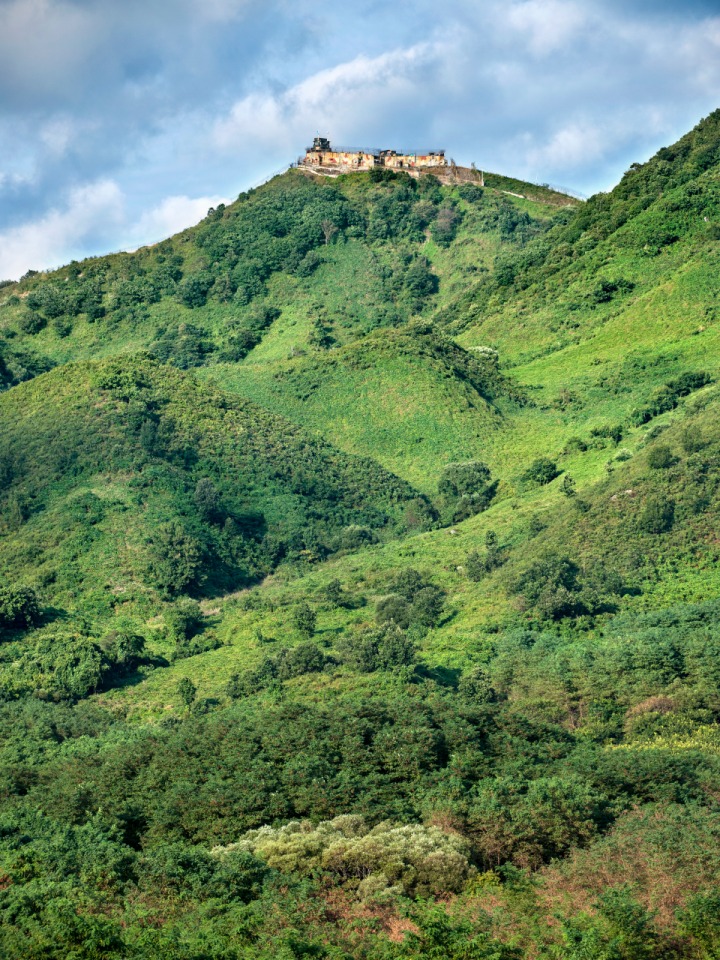
In the rugged mountainous terrain of the eastern front, where peaks are high and valleys deep, the helicopter flew almost grazing the Southern Limit Line as it followed the ridgelines, and the soldiers climbing up and down the seemingly endless staircases descending into the far-off valleys looked like ants. The fence of the Southern Limit Line, precariously built along near-vertical cliffsides, drew gasps of admiration—“Did we even know such places existed in our own land?”
When people speak of the Demilitarized Zone, with its rugged mountains, dense thickets, and marshlands as its representative images, the phrase most commonly used is ‘a treasure trove of natural ecosystems.’ But in reality, the DMZ was not a paradise for flora and fauna, nor a treasure trove of natural ecosystems. Contrary to expectations of dense primeval forest, frequent wildfires had prevented the trees from growing properly.
Under the terms of the armistice agreement, the Demilitarized Zone is four kilometers wide, but in many places both sides had built additional forward fences ahead of the original ones, gradually narrowing the space—in some spots to less than two kilometers. From the roof of our guard post, looking north, there were places where the North Korean guard post stood barely a few hundred meters away. It was close enough to hold a conversation by shouting. Such a narrow width is far too cramped a space for wildlife. As a result, animals were not as numerous as one might expect—just the occasional water deer, goral, or wild boar.
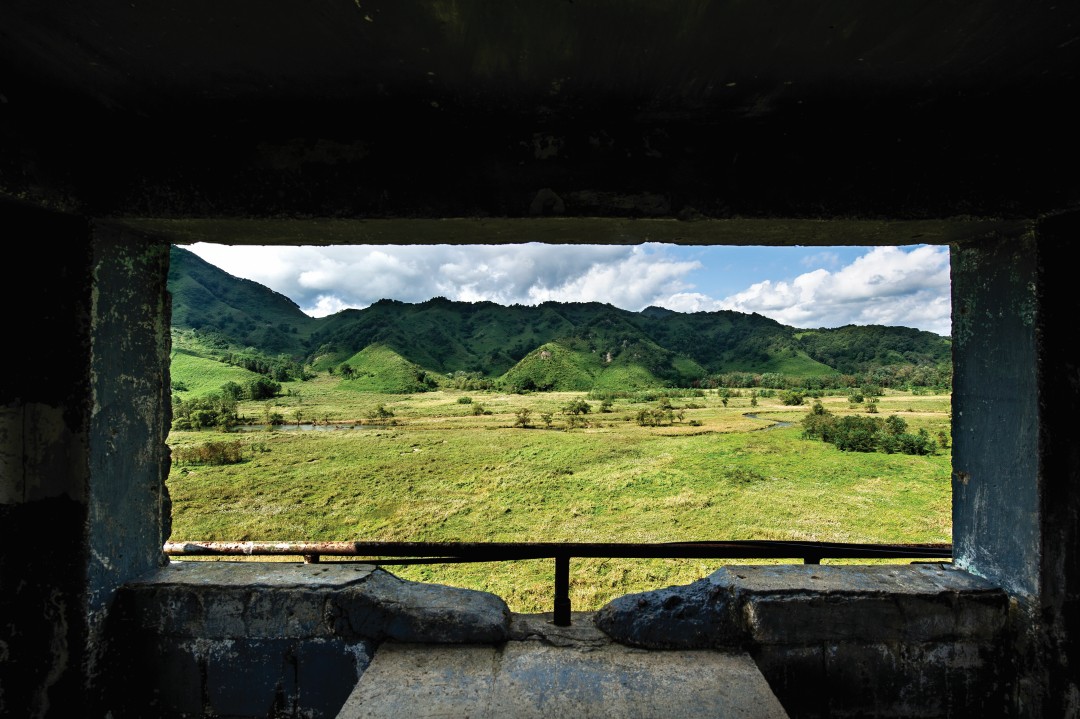
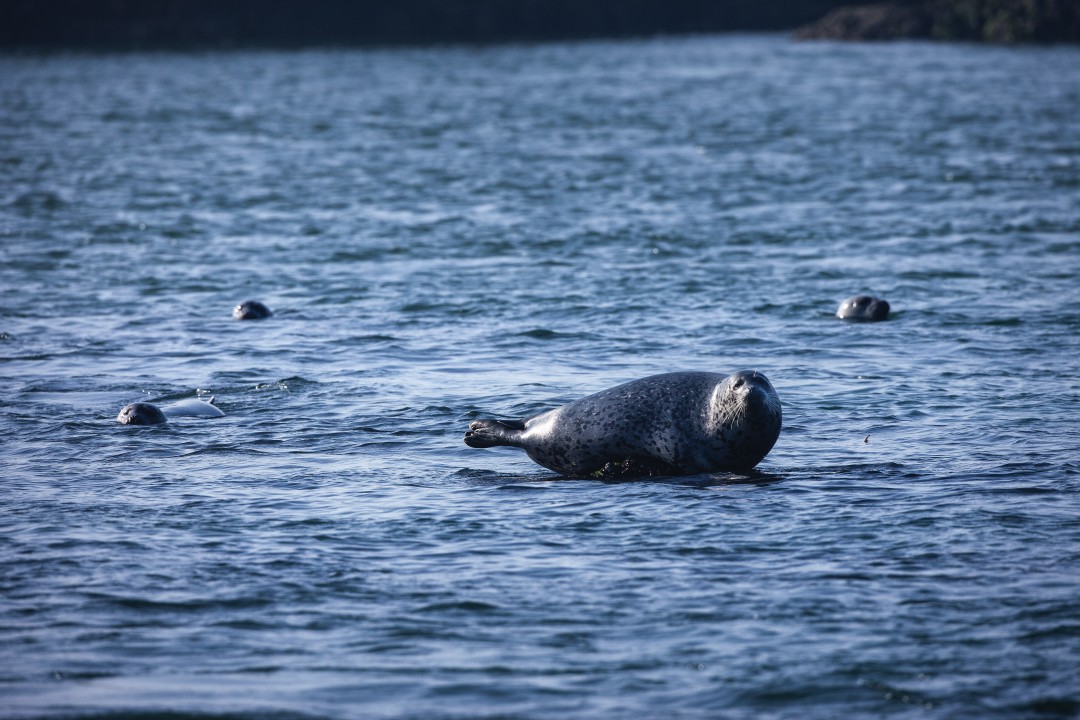
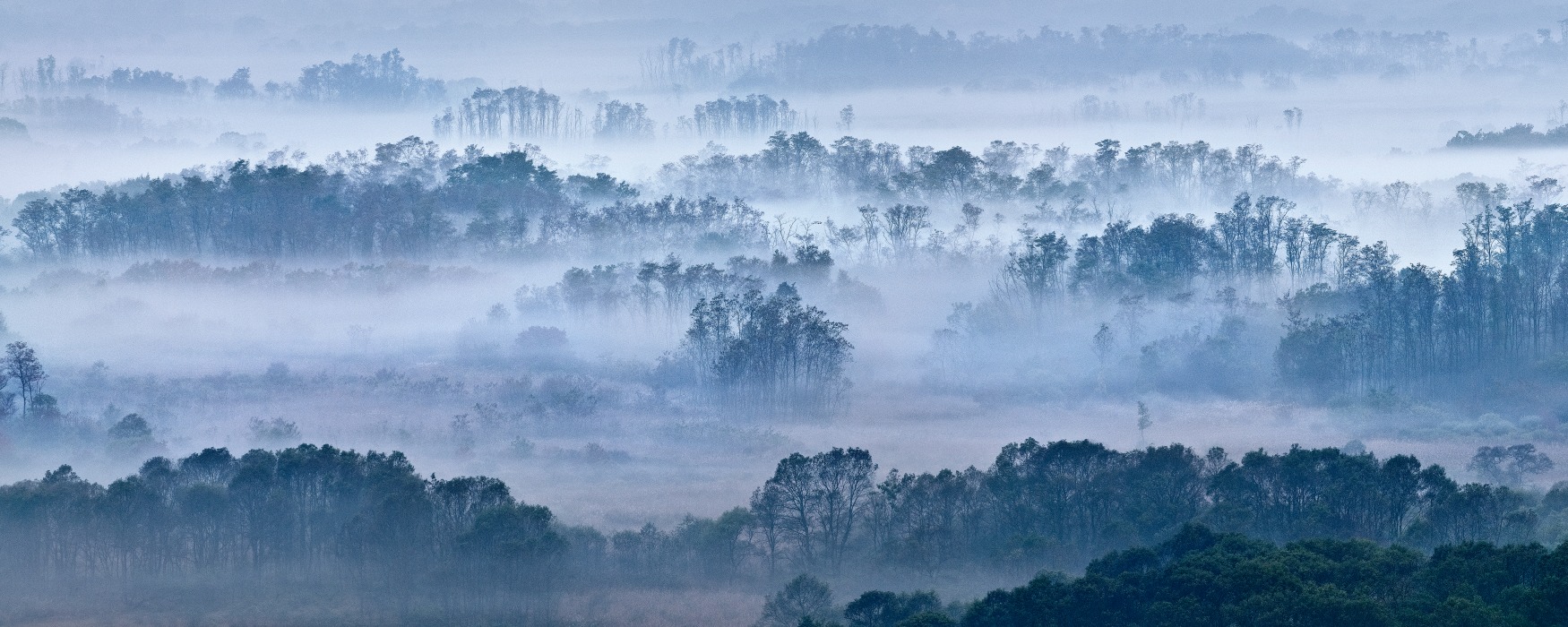
And yet the Demilitarized Zone was endlessly beautiful. When morning mist rose from the marshlands, a scene of otherworldly beauty unfolded before my eyes—one found nowhere else on the Korean Peninsula. Despite the facilities and fences of the North-South standoff, the mountains and rivers of the DMZ were vast enough to embrace it all without a trace.
The Demilitarized Zone was also quiet. Occasionally, the sound of gunfire or artillery from soldiers' training exercises could be heard from beyond the Southern Limit Line, but otherwise it always lay submerged in heavy silence. The cry of a water deer that occasionally broke that silence seemed all the louder for it.
The moment you step outside the DMZ, noises large and small immediately fill your ears. The reach of development extends right up to the DMZ's doorstep. The Civilian Control Zone (CCZ), between the Civilian Control Line (CCL) and the Southern Limit Line (SLL), is already groaning under the weight of development. And yet many people, organizations, and local governments continue to bring up DMZ development issues, packaged in slogans of ‘peace’ and ‘eco-friendliness.’ If this unique space—one of the few places on the Korean Peninsula that still retains a natural environment untouched by human hands—is damaged and lost, the future of our environment will not be bright. The Demilitarized Zone should be left untouched, exactly as it is. So that when unification eventually comes, future generations may forever remember it exactly as it stood, holding within it the long-held sorrow of a divided people.
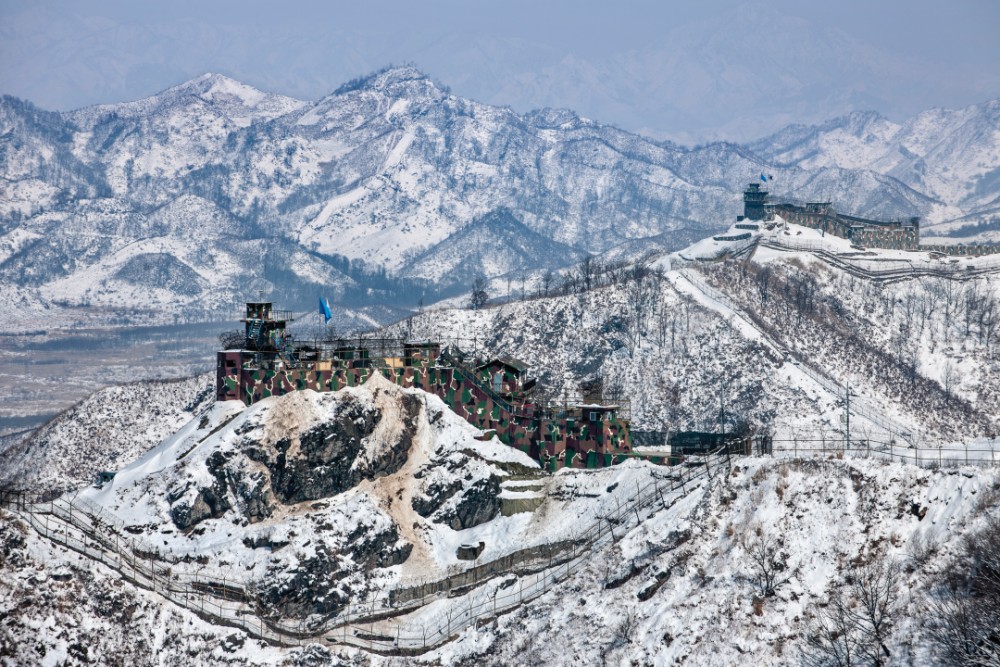
As someone living in the world's only divided nation, through my ongoing DMZ photography work I have come to read various codes for contemplating this silent land of the Demilitarized Zone and the Civilian Control Zone. Among them: forests that, covered in landmines and refusing human approach, have taken on a distinctive atmosphere; strange and unsettling scenes of division found nowhere else in the country; fences that not only physically separate North and South but impose the reality of division on the thinking of every Korean; various warning signs cautioning of danger; and dragon's teeth, the concrete anti-tank barriers. War has already become a chapter of past history, but division remains an ongoing present.
The many codes that have shaped my perception in the DMZ will continue to serve as important motifs in my future work concerning the ongoing reality of national division.