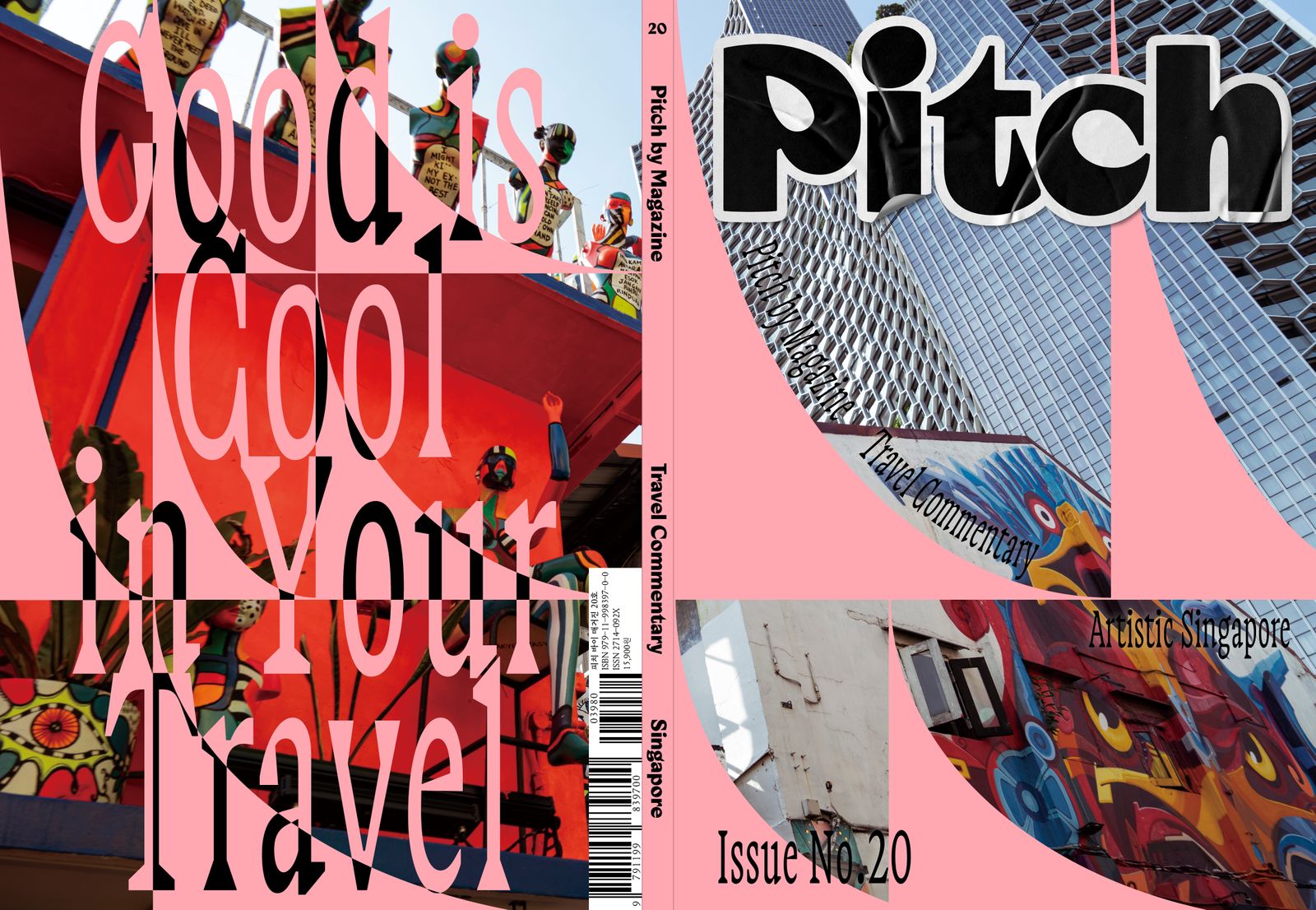
In Singapore, artistic inspiration isn’t found only in museums and landmarks. Look for the city’s aesthetic sense woven into everyday life: murals that fill every nook of the alleyways, buildings in a variety of forms and colors, and shops tucked into housing estates and shophouses.
Words Ko Hyeon
Photos Oh Chungseok
Tiong Bahru
Art Deco Town
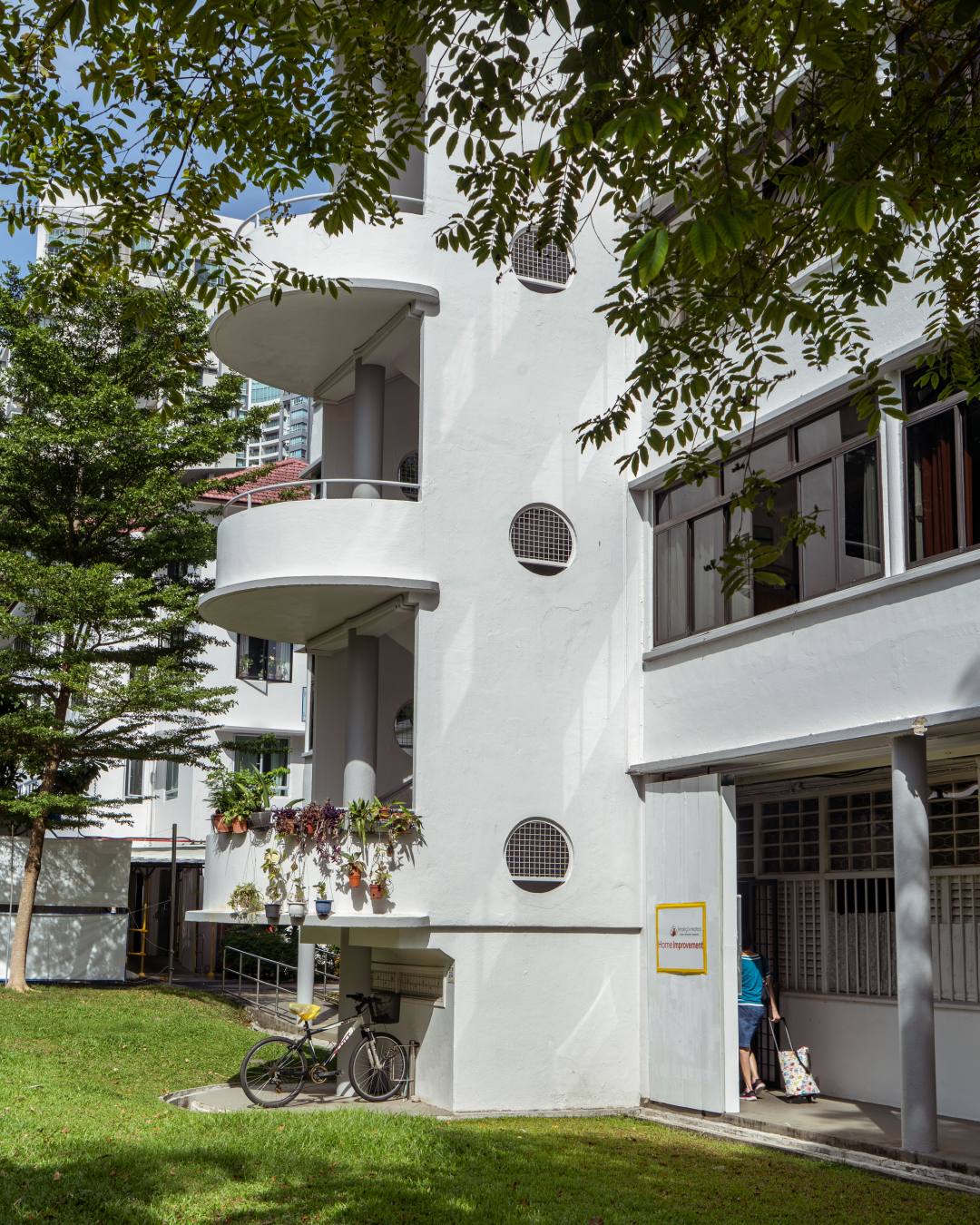
Gleaming white Art Deco buildings stand low along a grid of streets, with gracefully curved corners, long horizontal canopies and sculptural terraces. Tiong Bahru, which reads like a fascinating textbook for architecture lovers, is the area where Singapore’s first public housing estate was built. In the 1930s, the British colonial government developed this marshland into a large-scale public apartment complex to ease the city’s housing shortage. The neighborhood’s name combines tiong, meaning “end” in the Hokkien dialect, and bahru, meaning “new” in Malay, and it reflects the goal of the time: to build a forward-looking residential district. Having preserved more than a century of history, Tiong Bahru is still counted among Singapore’s most stylish neighborhoods. Artists, writers, designers and others have gathered here, layering a new creative language over the old architectural heritage. With the sun blazing nearly year-round in Singapore, the ground floor of each building has an arcade-style walkway, which makes the area pleasant to explore on foot.
Begin your tour of Tiong Bahru along Eng Hoon Street. Tiong Bahru Bakery, where you can enjoy fragrant coffee and delicious pastries, makes a good starting point for the journey. At the southern intersection of the lane stands Qi Tian Gong Temple, dedicated to the hero of “Journey to the West,” one of China’s great works of literature. Known as the “Monkey God Temple,” it is a celebrated landmark of the neighborhood. Past Ah Chiang’s Porridge, famous for its charcoal-boiled congee, the lanes leading to Yong Siak Street reveal one building after another inspired by 1920s industrial design. Stroll at a leisurely pace and look closely at the ingenious Art Deco buildings, whose motifs include cars, trains, ocean liners and airplanes.
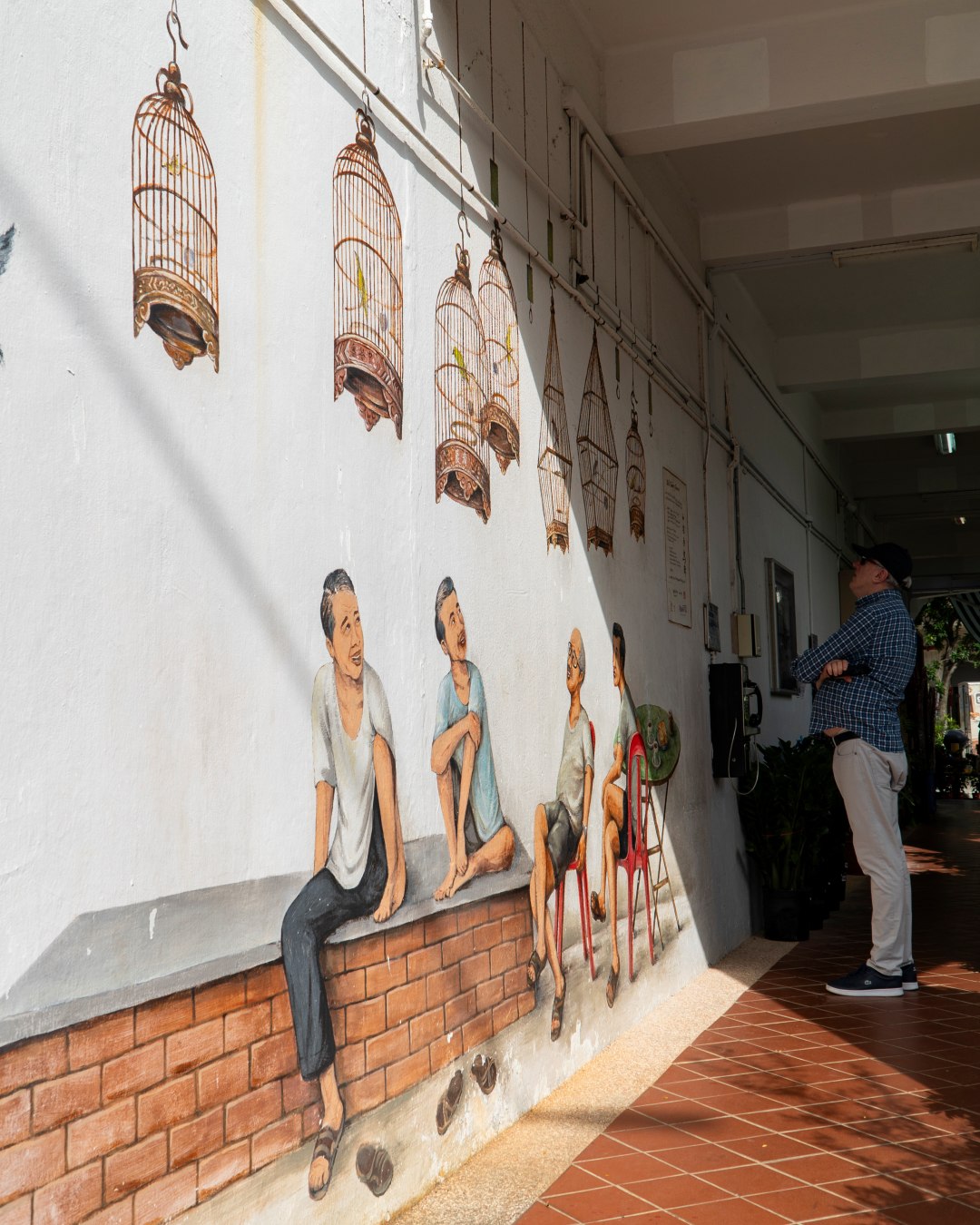
Cat Socrates, a bookstore and gift shop, has been a hub for travelers since it joined Yong Siak Street in 2013. It gathers local independent publications and design goods, and as the name suggests, you will also find charming cat-themed items. On Seng Poh Road, which borders the north side of Tiong Bahru, you will find the antique shop Aphorism, open only on Saturdays. Filled with antiques and vintage frames that Jean Baptiste, a Frenchman, has handpicked from across Europe, it feels like a secret hideout for vintage collectors. At the eastern end of the road, Yip Yew Chong’s mural “Bird Singing Corner” is painted on a wall. Its scene of elderly residents gathering with their birdcages to socialize seems to capture Tiong Bahru’s peaceful daily life, unchanged by the passing of time.
Side Trip
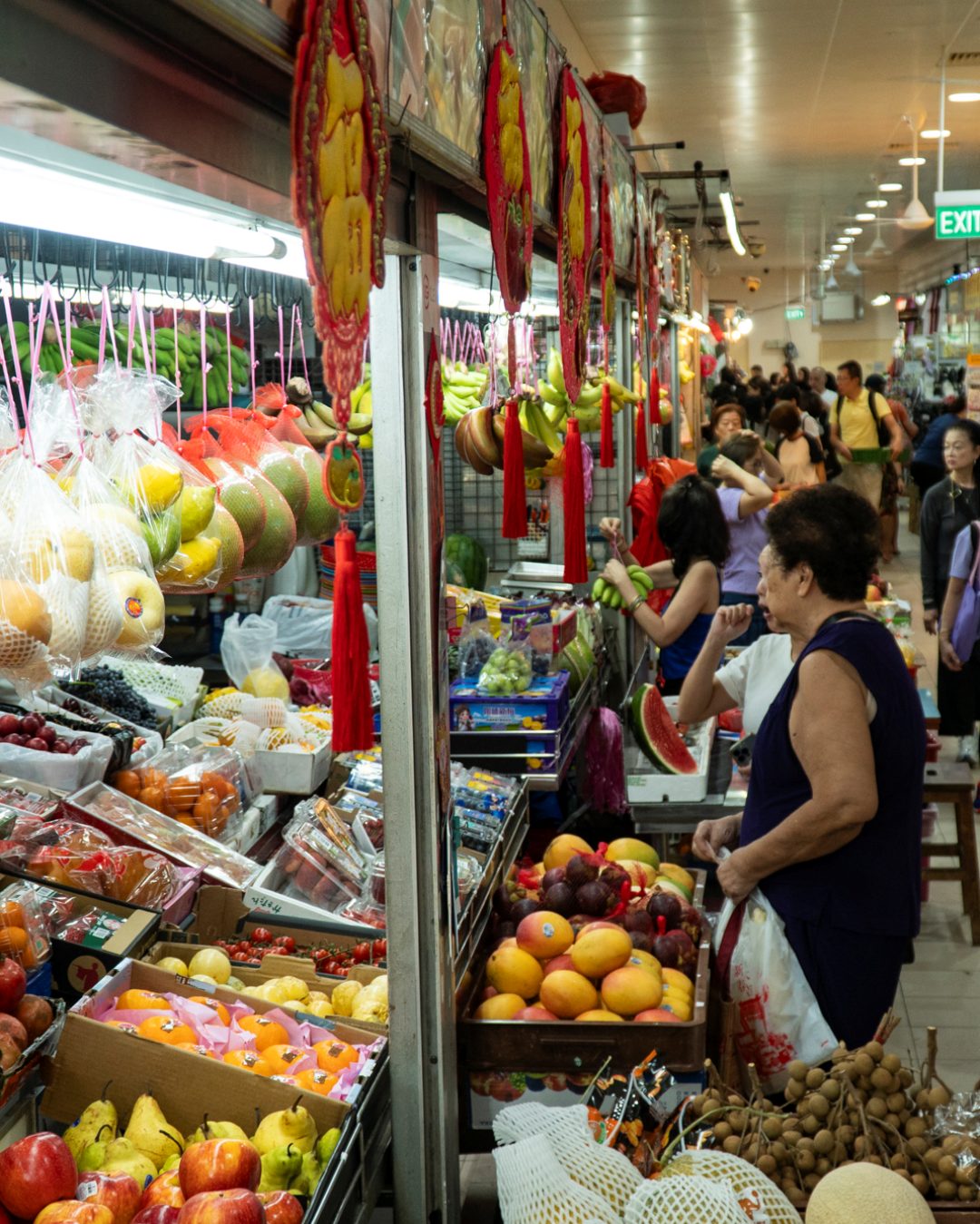
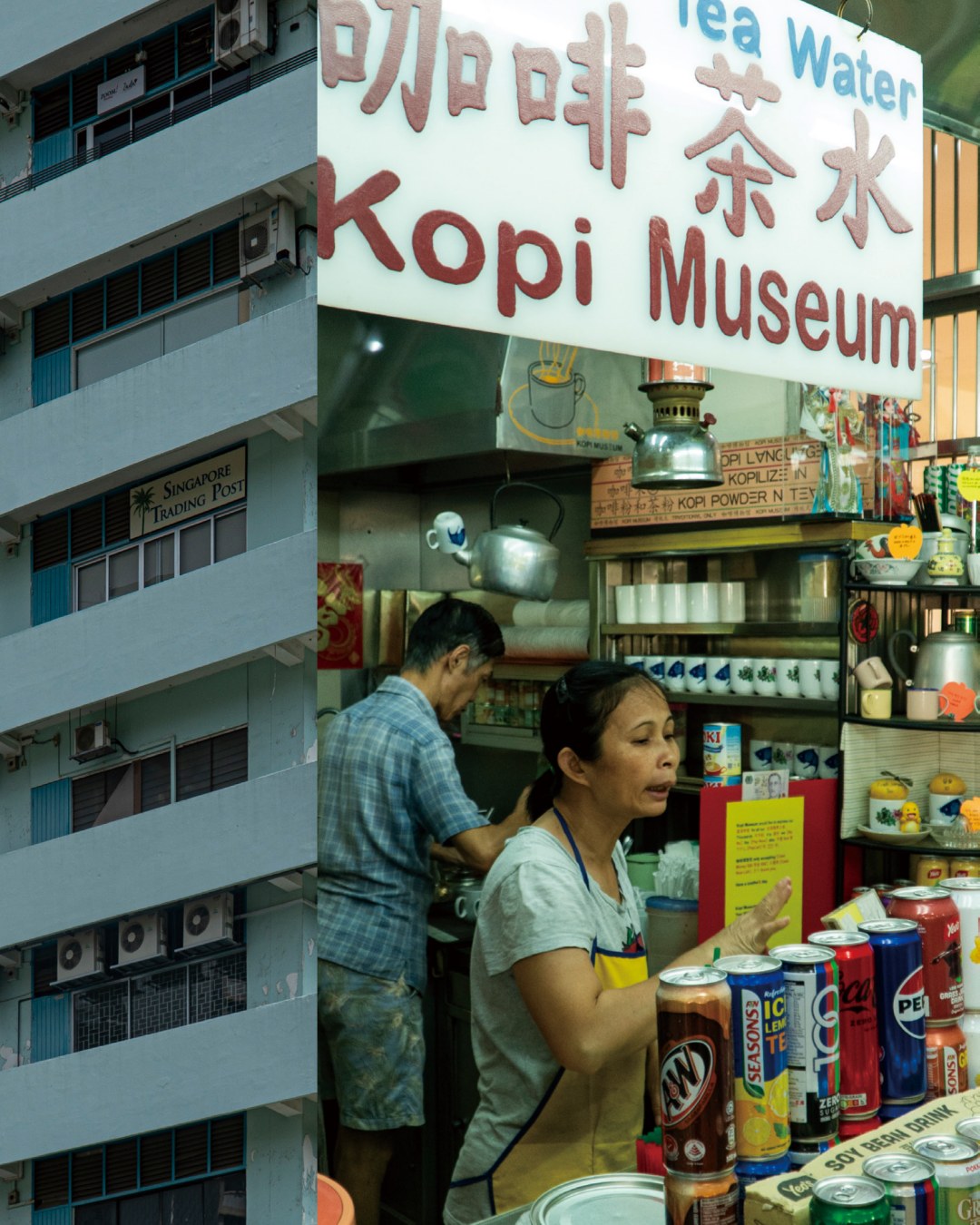
Exploring a Hawker Centre
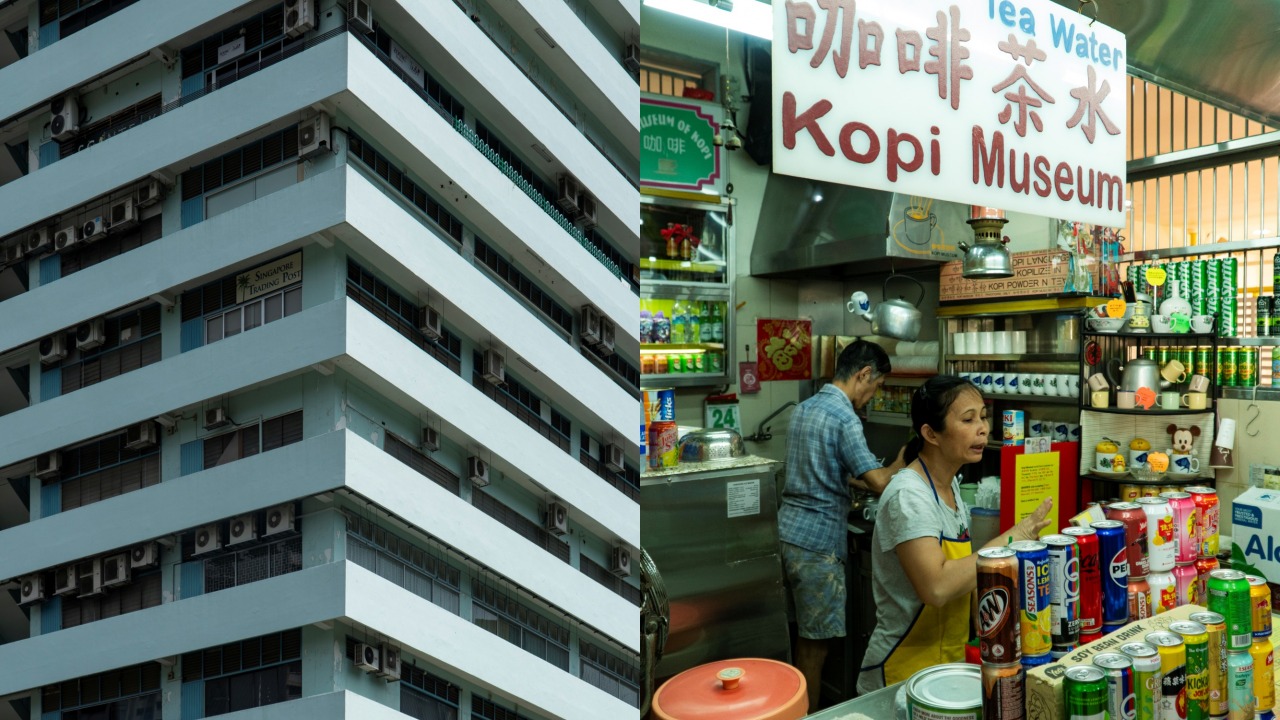
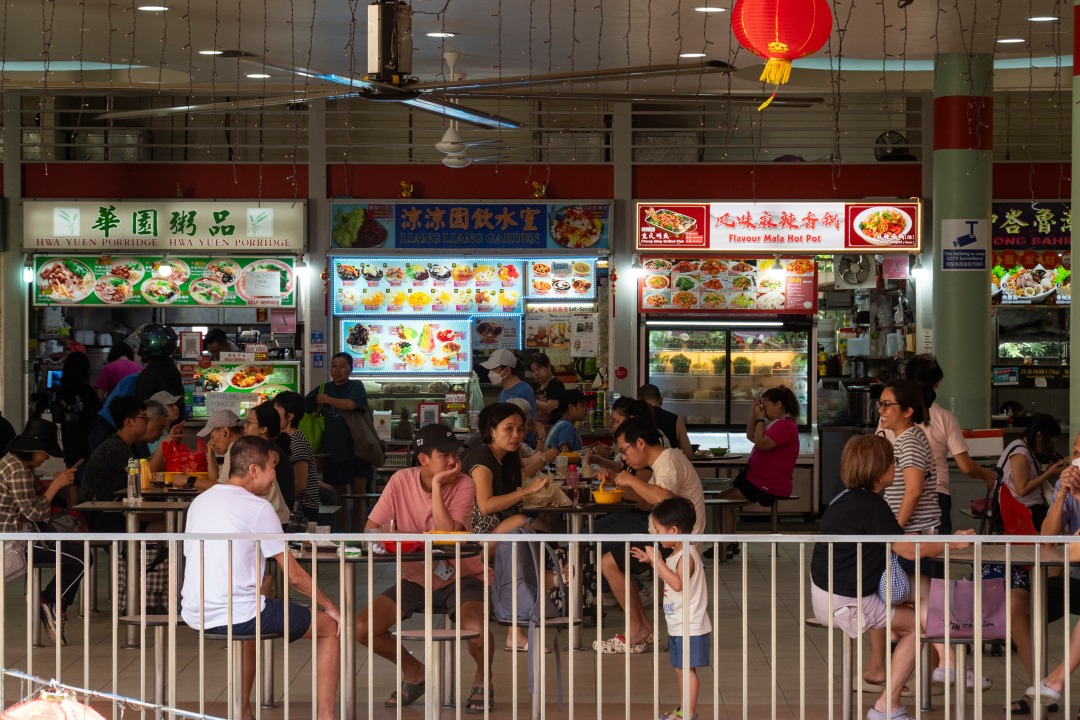
Every neighborhood in Singapore has a hawker centre, a food court–style complex. “Hawkers” once referred to street vendors who sold food on the roadside; as part of its urban renewal, the Singapore government built a hawker centre in each neighborhood to manage the existing vendors more safely and hygienically. Even in expensive Singapore, hawker centres are beloved as places to enjoy cheap, tasty food. The second floor of the Art Deco–style Tiong Bahru Market also houses one. Its open courtyard gives the space an airy feel, and it is filled with stalls serving the everyday meals of locals, including carrot cake, laksa, bak kut teh and chicken rice. The stall selling hokkien mee (stir-fried prawn noodles), which has been featured in the Michelin Guide, is especially popular. After your meal, finish with traditional Singaporean coffee at Kopi Museum.
Exploring an Apartment-Style Shopping Complex
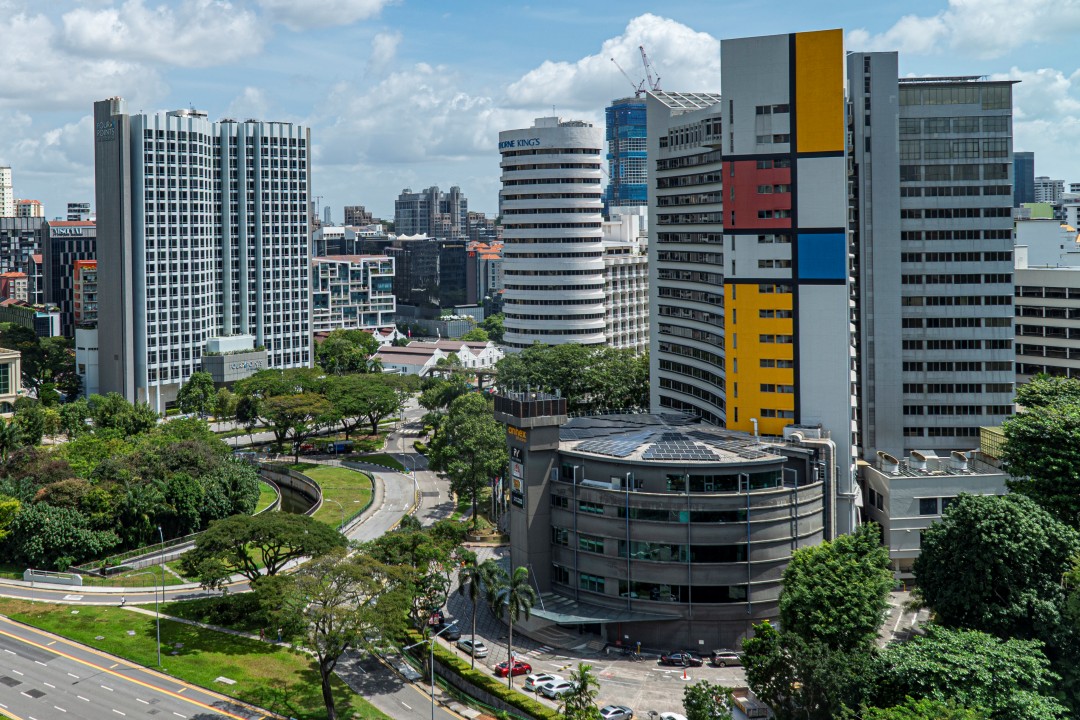
If you have time to spare during your Tiong Bahru tour, stop by the sky-blue Tan Boon Liat Building. This long, corridor-style commercial building is home to a cluster of furniture and interior accessory shops. One place that draws a steady stream of travelers is Mud Rock Ceramics, on the 14th floor. Ng Seok Har and Michelle Lim have run the pottery studio for 18 years, and it showcases delicate ceramics and offers a well-structured class program.