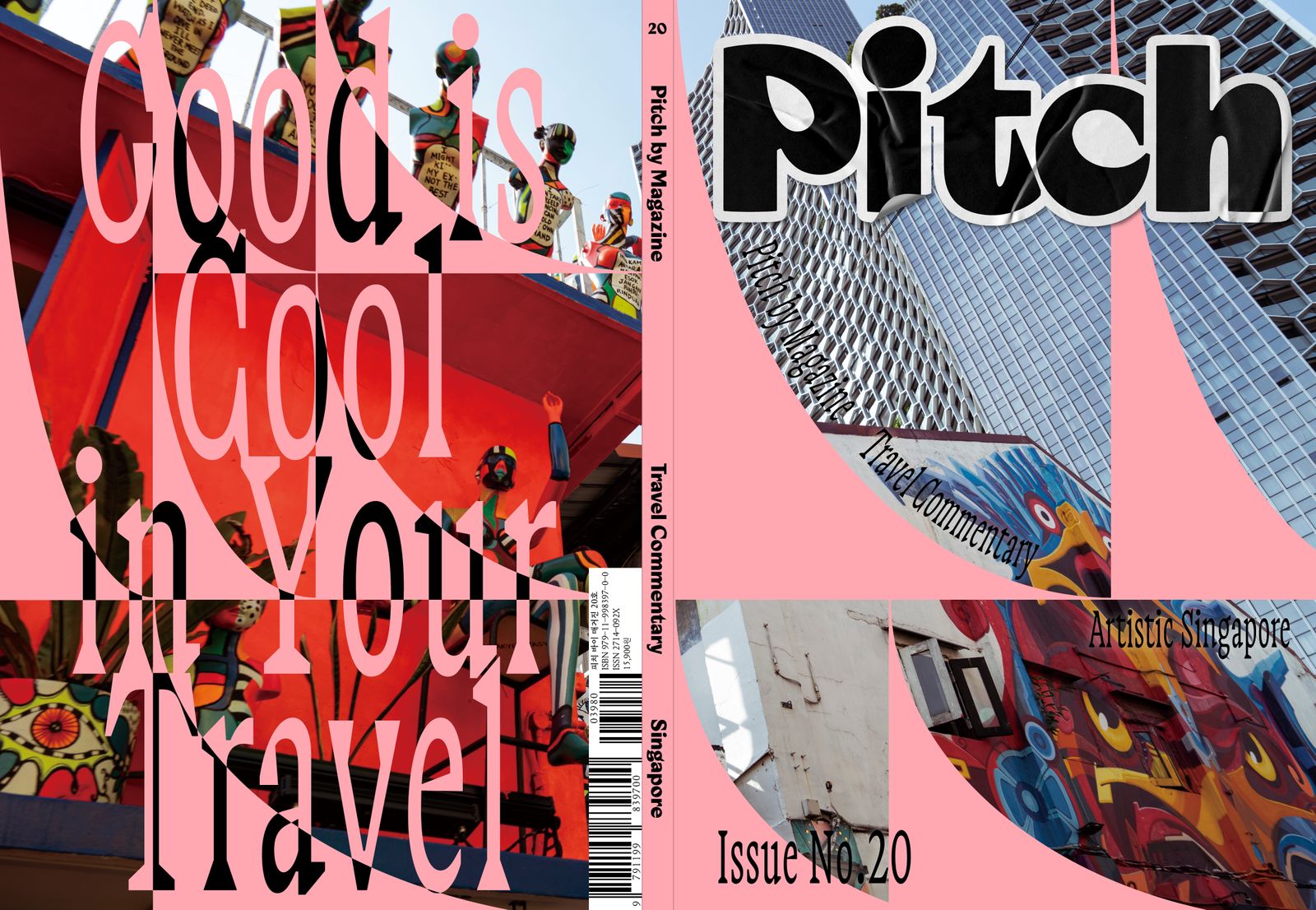
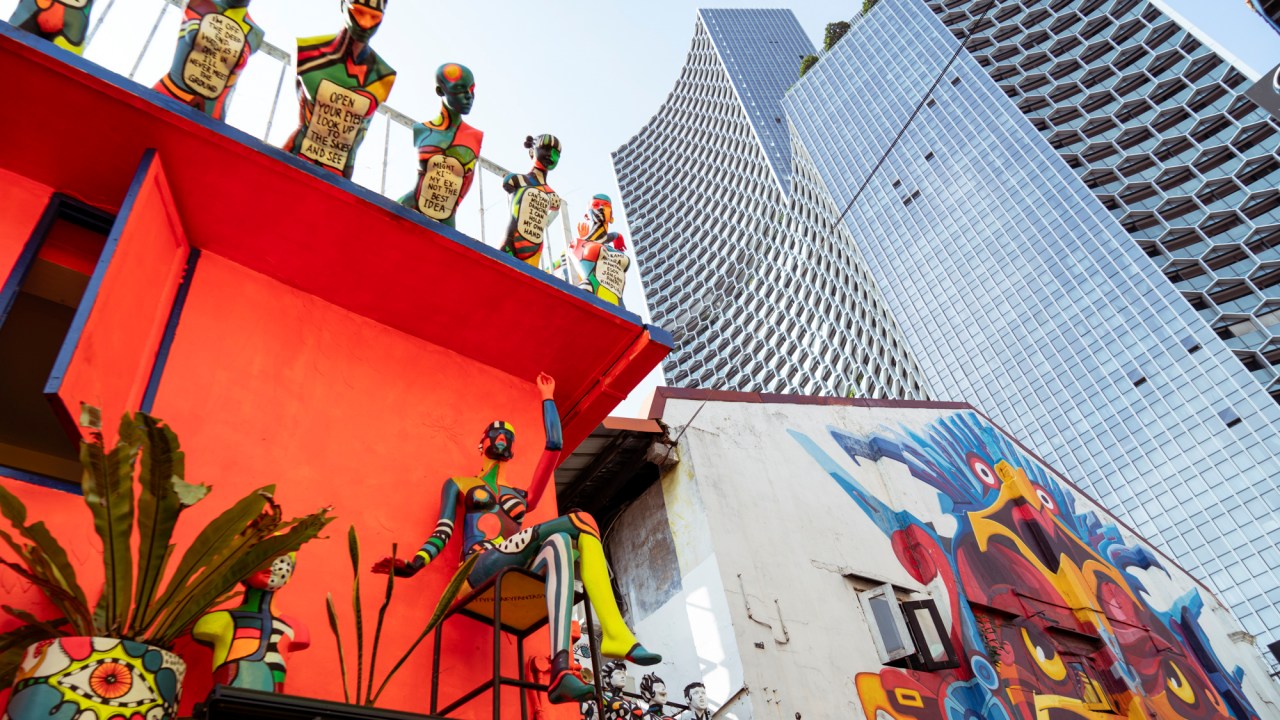
In Singapore, artistic inspiration isn’t found only in museums and landmarks. Look for the city’s aesthetic sensibility woven into daily life: murals filling every nook of the alleyways, buildings in a riot of shapes and colors, and shops tucked into housing estates and shophouses.
Words Ko Hyeon
Photos Oh Chungseok
A Multicultural Maze of Scents and Colors
Kampong Gelam & Little India
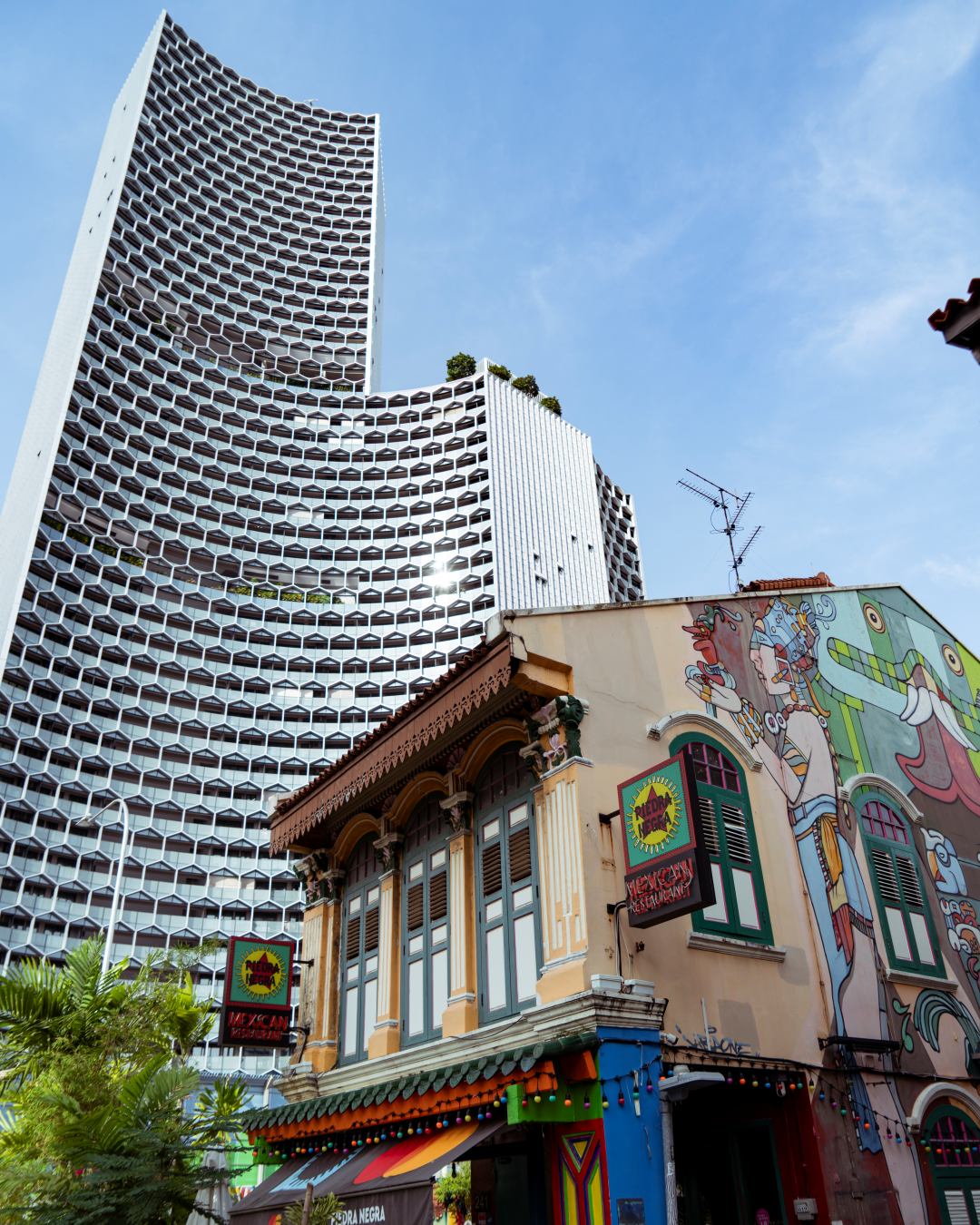
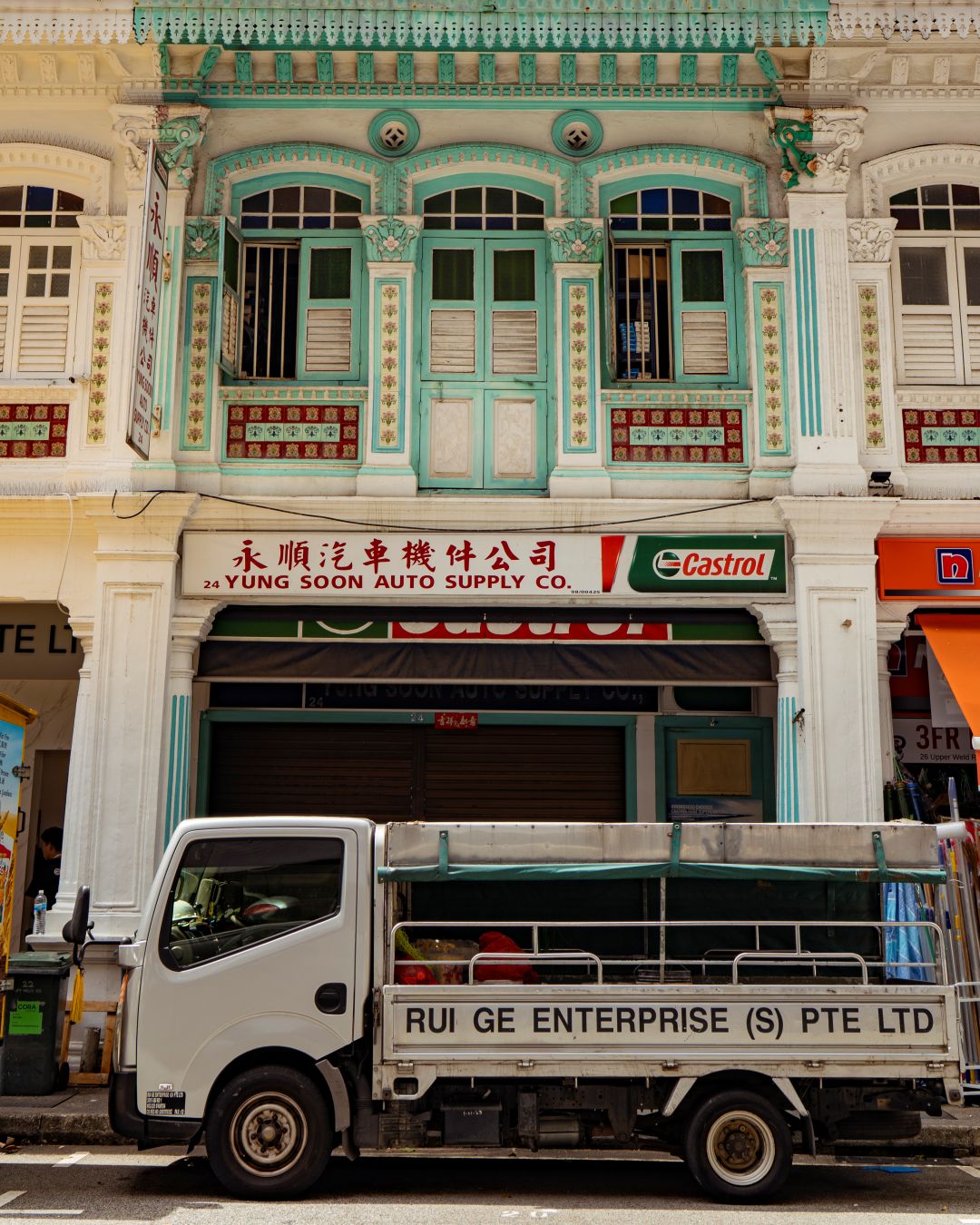
First-time visitors to Kampong Gelam may be taken aback by its free-spirited scenery, a far cry from Singapore’s polished urban image. Sir Stamford Raffles set this area aside for Malay and Arab merchants when he drew up the city’s plan, and it has since established itself as one of Singapore’s most exotic neighborhoods. Haji Lane and Muscat Street, with narrow alleys lined on both sides with graffiti and colorful decorations, are practically symbols of Kampong Gelam. Gelam Gallery is a graffiti project staged in these alleys, where local artists regularly unveil new works that catch travelers’ eyes.
Beyond the alleys, Arab-style shops are scattered throughout. Jamal Kazura Aromatics is one of them. Opened in 1933, this perfume boutique has three branches in Kampong Gelam alone. It deals in attar, the traditional Middle Eastern oil-based perfume, and from more than 100 scents you can blend your own and order a custom fragrance. Aliwal Arts Centre, on the eastern side of Kampong Gelam, is a space for local artists and creators. During Singapore Art Week and other local arts festivals, it hosts experimental performances, including street dance, live acts, and DJ sets. Cross the Rochor River and continue on to the Veerasamy Road public housing estate. On the ground floor sits Loop Garms, one of Singapore’s best-known vintage shops. It offers vintage clothing from the 1980s and ’90s, and its distinctive logos and flashy graphic T-shirts, which connect naturally to the street culture of Haji Lane, make fine souvenirs with a difference.
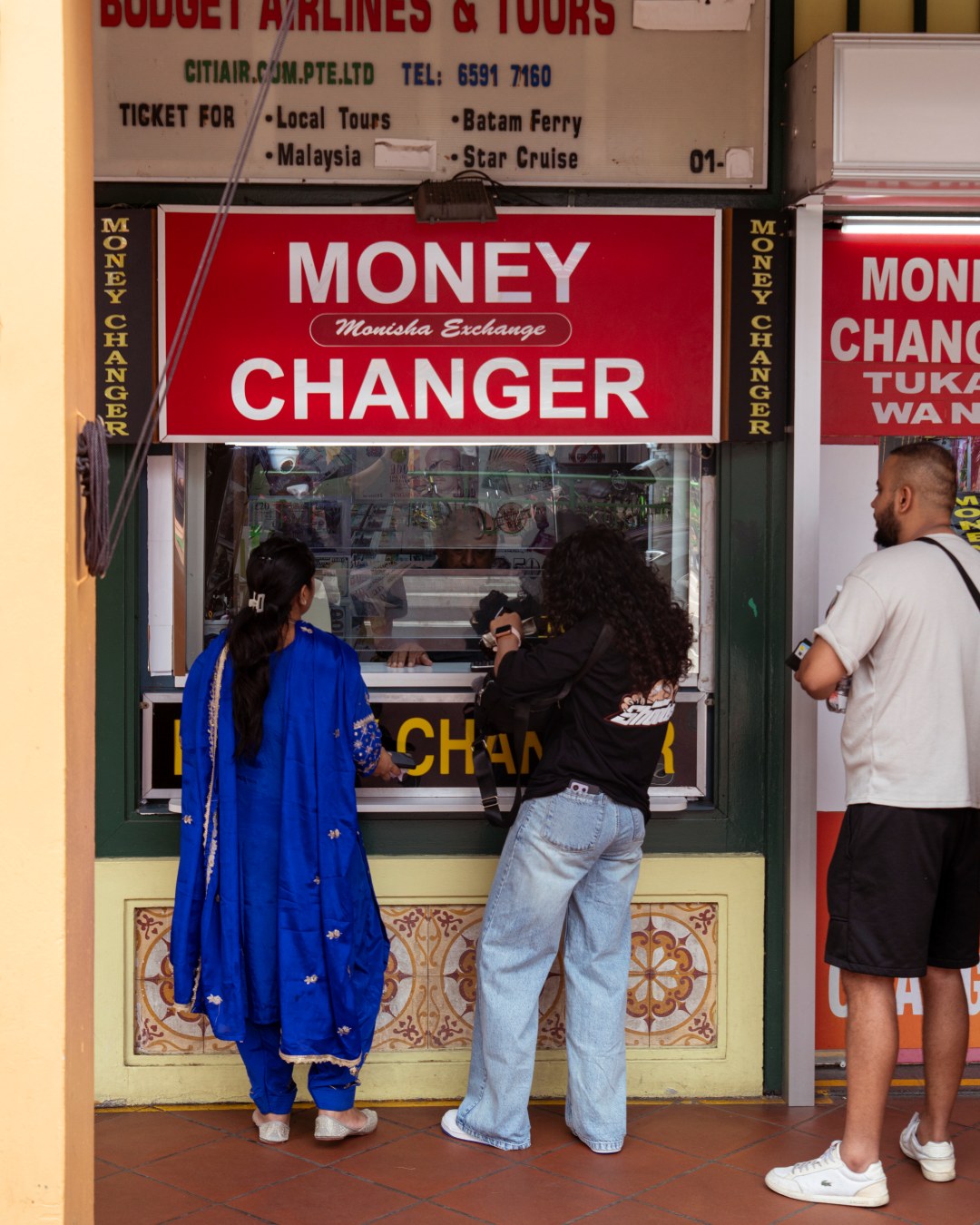
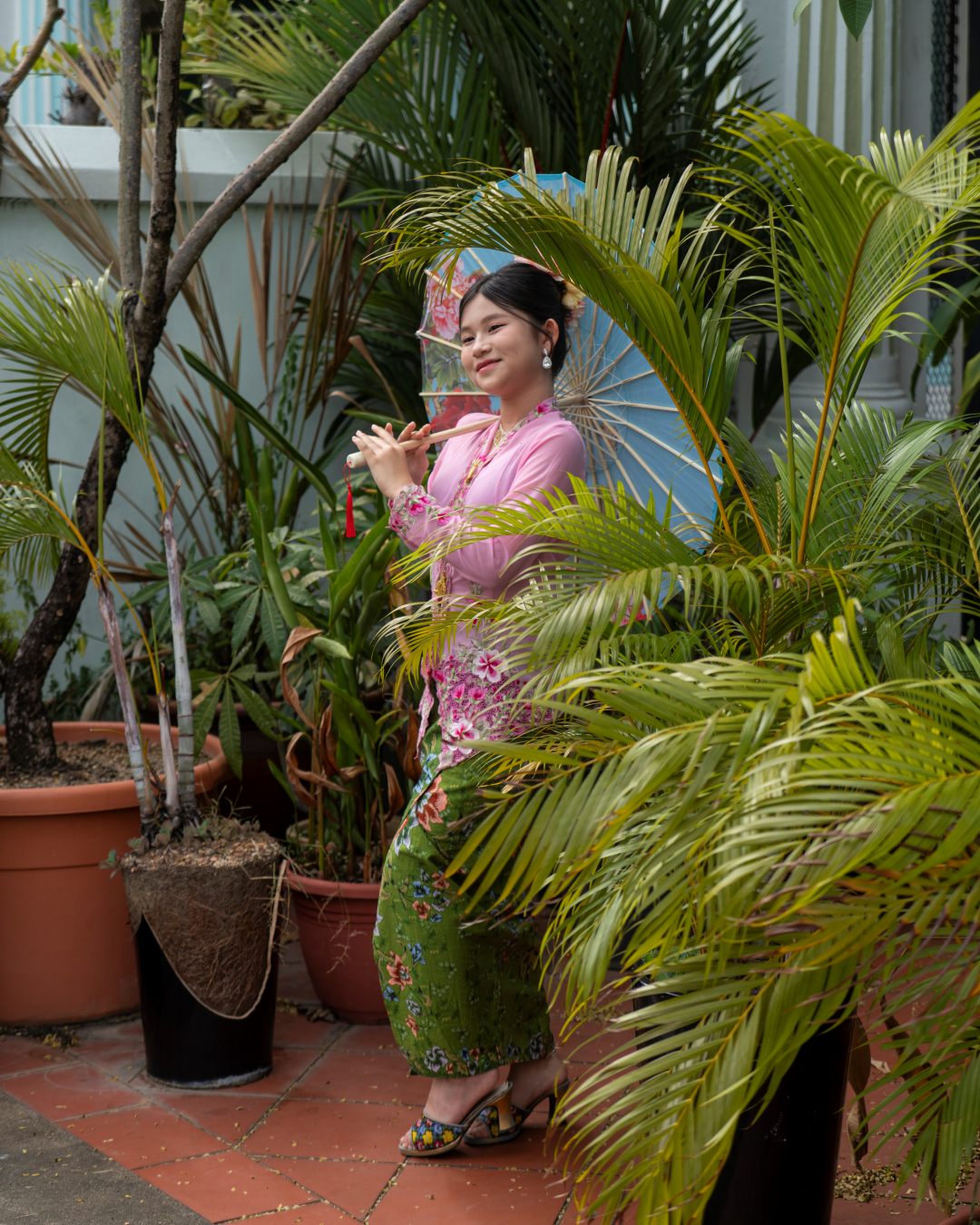
The free-spirited mood of Kampong Gelam reaches a peak as you arrive in Little India. The neighborhood took shape as Indian workers from the nearby racecourse settled here, and a chaotic atmosphere reminiscent of India itself pervades the entire street. Tekka Centre, known as the ‘Indian kitchen’ and thick with the smell of spices, and Mustafa Centre, which sells hundreds of thousands of everyday goods and never turns off its lights, look at a glance like an entire neighborhood of Delhi or Calcutta transplanted whole. If a giant Hindu temple made an incongruous statement in Chinatown, Little India has a building of its own that creates an unexpected scene in the heart of the district. The Former House of Tan Teng Niah, a Chinese merchant’s residence with a kaleidoscopic facade, is counted among Little India’s landmarks. Built in the early 1900s, the two-story villa symbolizes a city history in which the memories of different communities overlap in a single space. It is also the only surviving Chinese villa in Singapore. A walk from Kampong Gelam to Little India, with graffiti, fragrance, fashion, and architecture changing the scene in turn, awakens the traveler’s senses like a single performance.
Side Trip
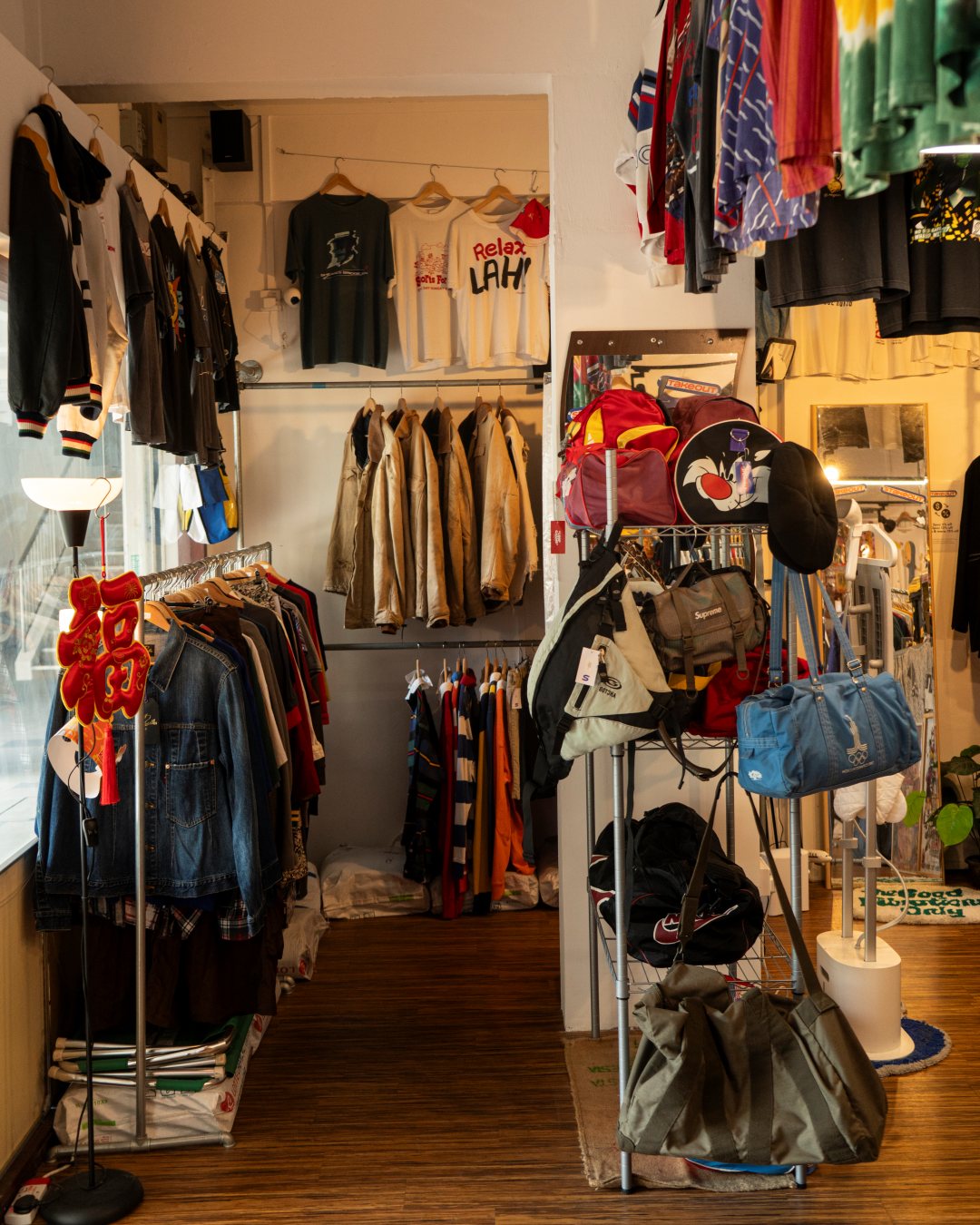
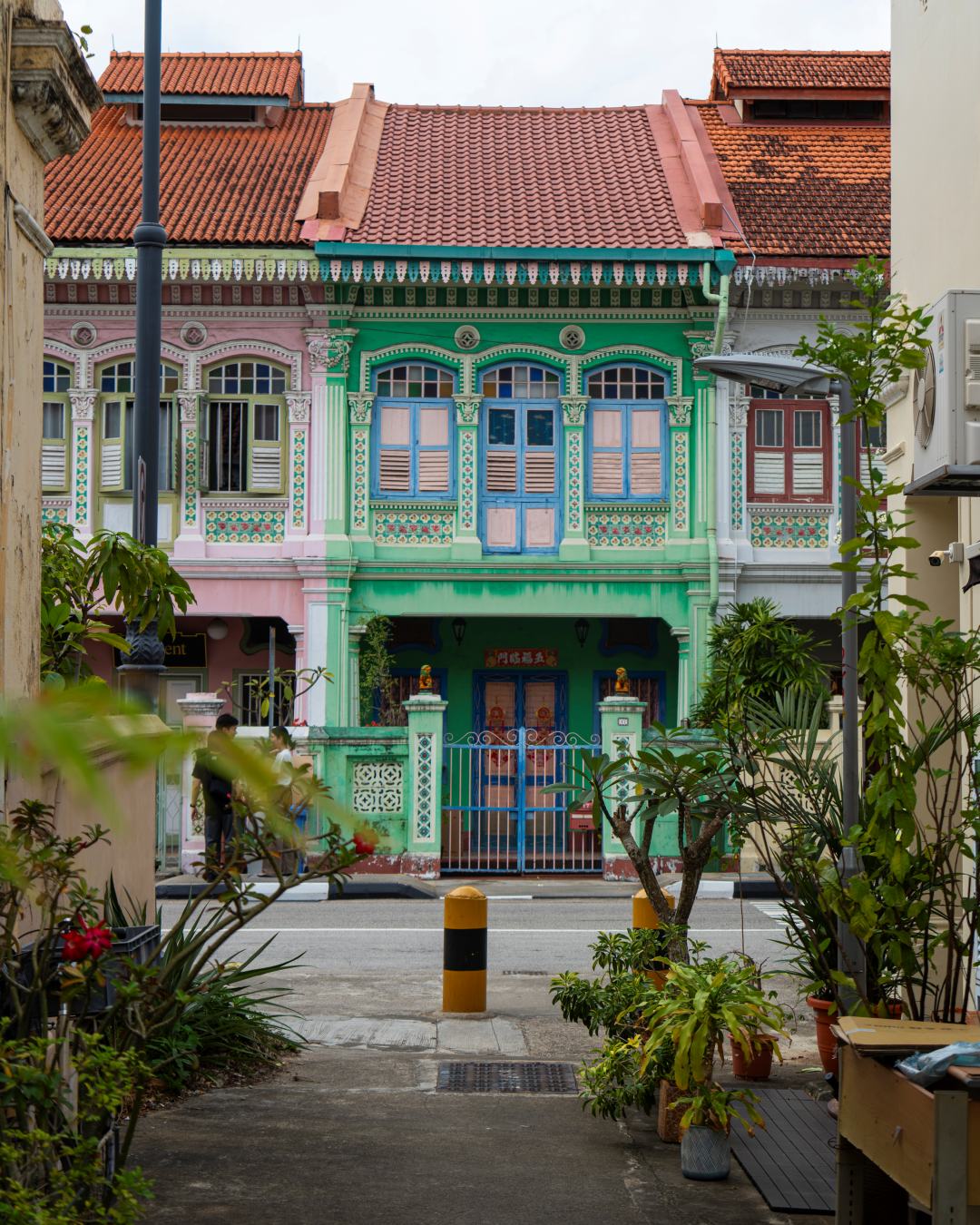
A Vintage Trip to Katong
Katong, in eastern Singapore, has recently emerged as a hip neighborhood favored by young locals. Spending a weekend afternoon hopping among Katong’s offbeat spaces, such as barbershops, record shops, cafés, and craft beer pubs, has become something of a trend. And no visit is complete without photos in front of the pastel-toned shophouses lined up along Koon Seng Road. Ornate tilework and wooden window details are hallmarks of Peranakan-style shophouses. Katong is also the home of laksa, a noodle dish made with a rich, spicy coconut sauce. 328 Katong Laksa, with two branches on East Coast Road, is considered the original Katong-style laksa.