
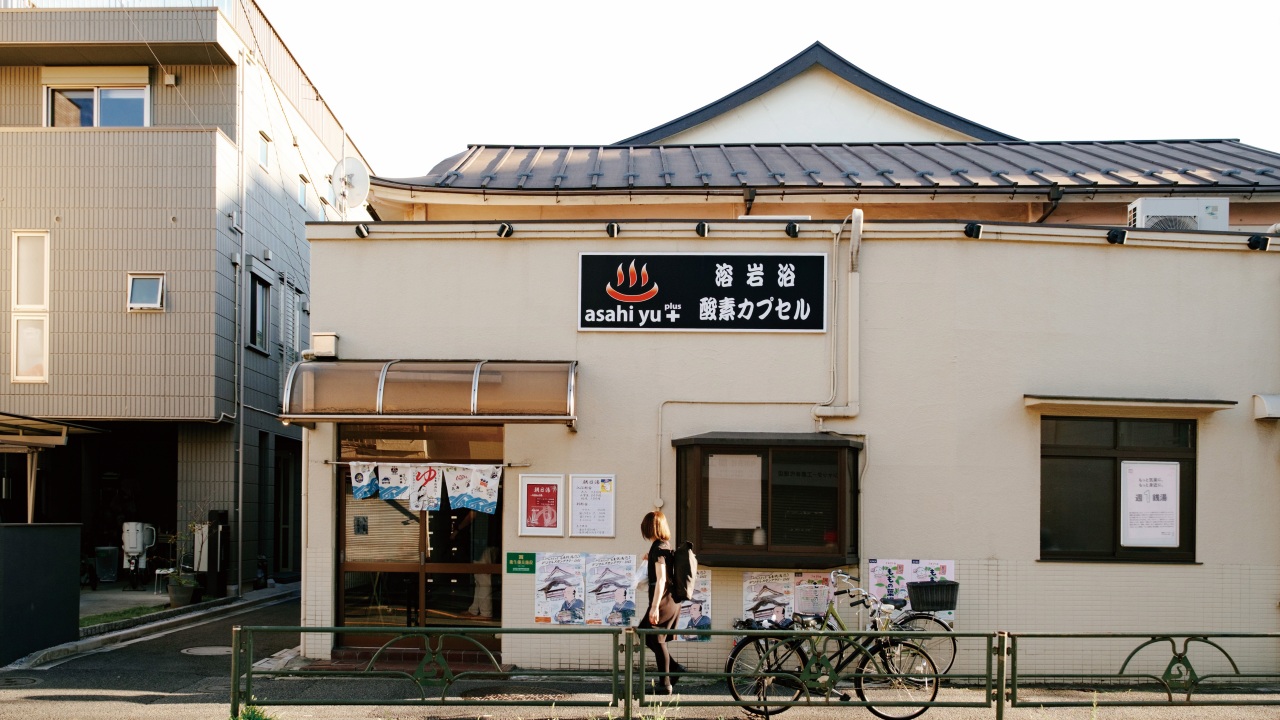
Dazzling skyscrapers and jammed downtown intersections are not all there is to Tokyo. Starting from Ueno, we set out to meet the Tokyo where true local life still breathes.
Words Hur Taewoo
Photos Park Shinwoo
Coordinator Park Seonghui (Inpainter Global)
In collaboration with Keisei Skyliner
Yanaka
The Hidden Charm of a Neighborhood Where Tradition and Daily Life Blend
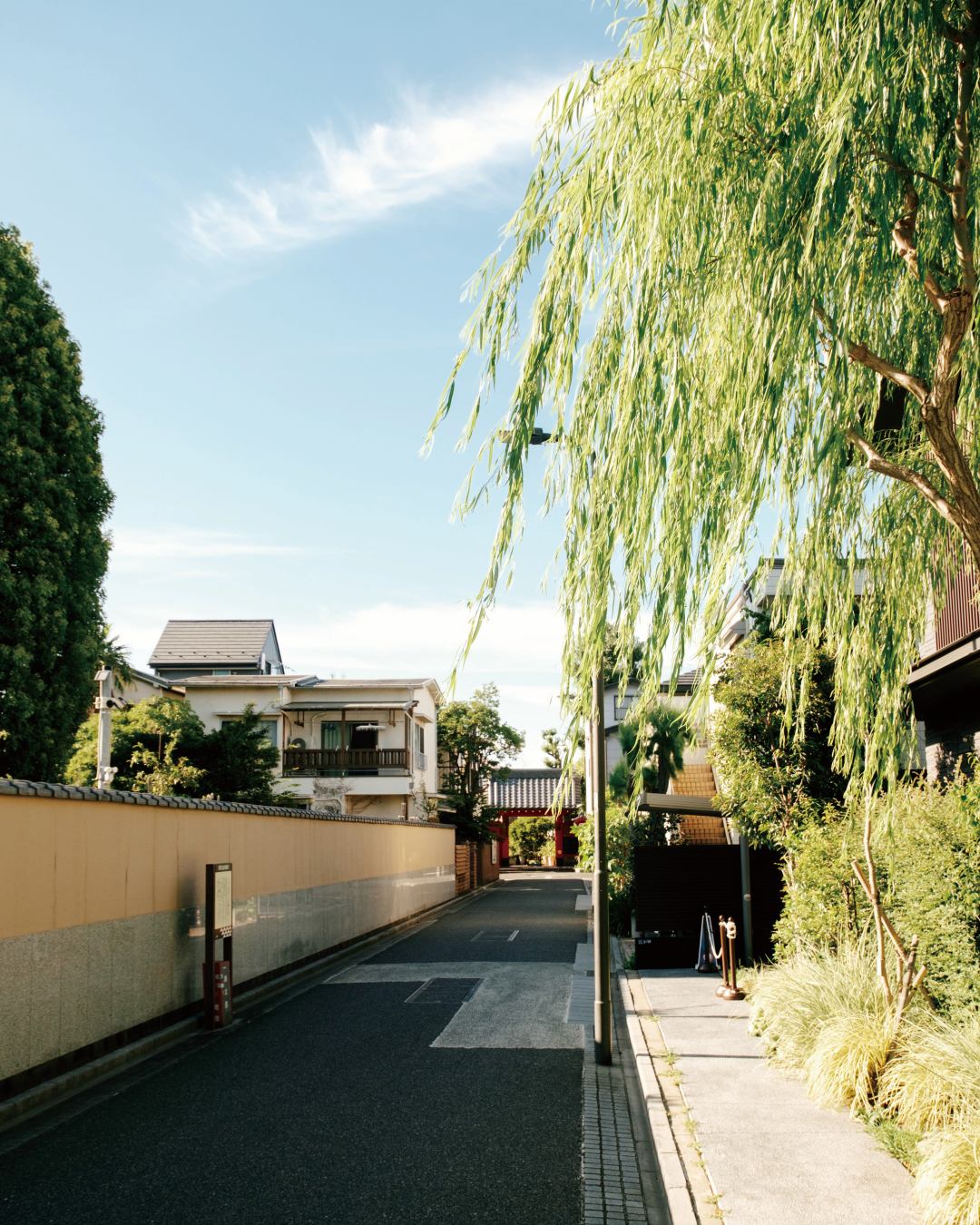
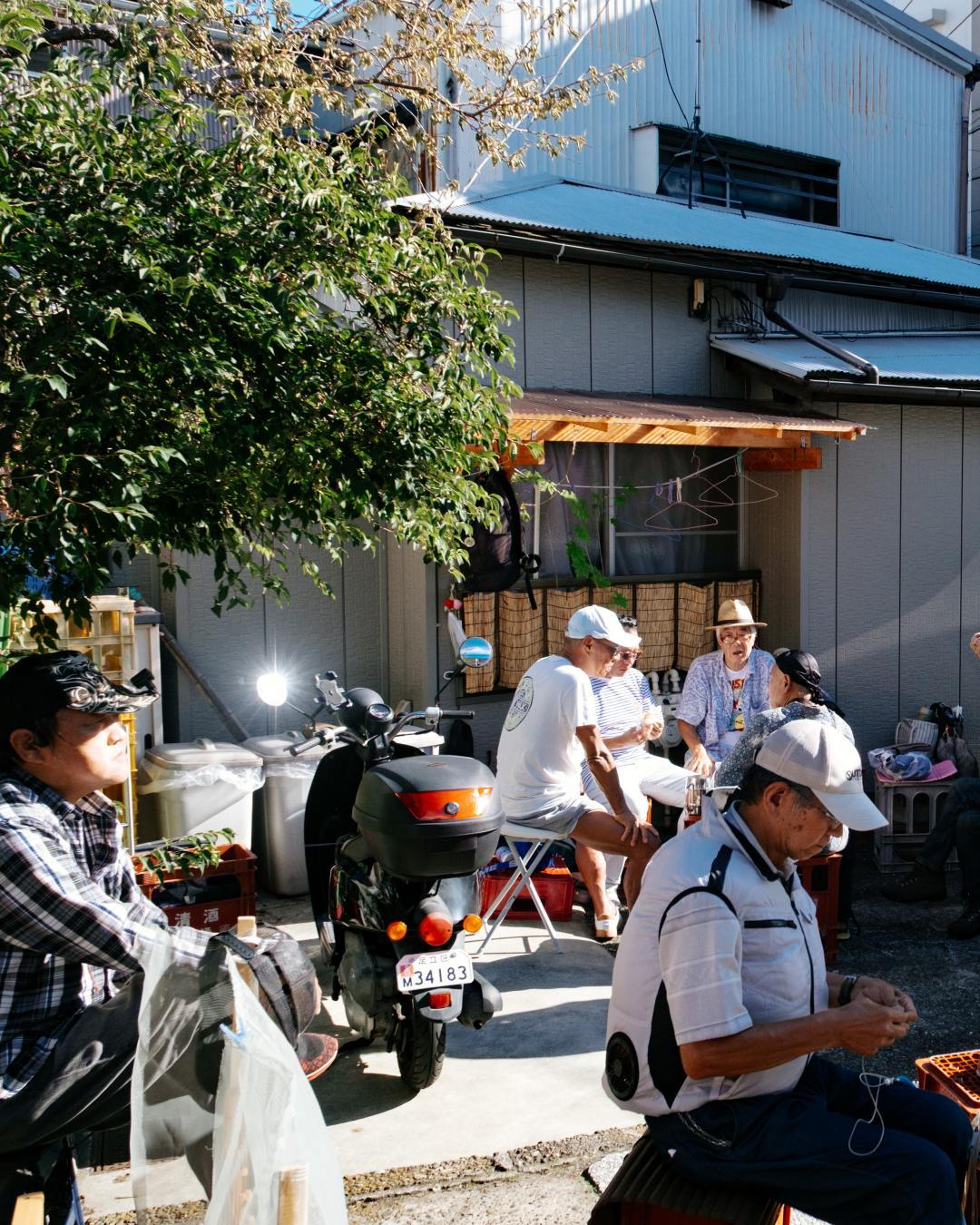
In northeastern Tokyo, Yanaka belongs to Yanesen, a name formed from the first syllables of three districts: Yanaka, Nezu, and Sendagi. The area was spared much of the damage from the Great Kanto Earthquake and the bombing of World War II. As a result, the old streets of Tokyo remain relatively well preserved, and the bonds among local residents are known to be unusually close. In the alleys of Yanaka, you can see for yourself how the past lives and breathes. Old shops and artisans’ workshops hold their ground, and a warm, easygoing energy spills out of the bustling Yanaka Ginza shopping street and the neighborhood pubs. Beyond that liveliness, small temples and cemeteries sit quietly, and they, too, help shape Yanaka’s distinctive atmosphere. Yanaka alone is home to more than 70 temples, and Yanaka Cemetery is the largest public cemetery in Tokyo. Residents stroll quietly through the cemetery and gauge the time by the sound of temple bells at dusk. Once you come here, it is hard to believe that a neighborhood where time seems to have stopped exists in the middle of Tokyo.
Hagiso and Hanare: From an Old Wooden House to a Neighborhood Hub
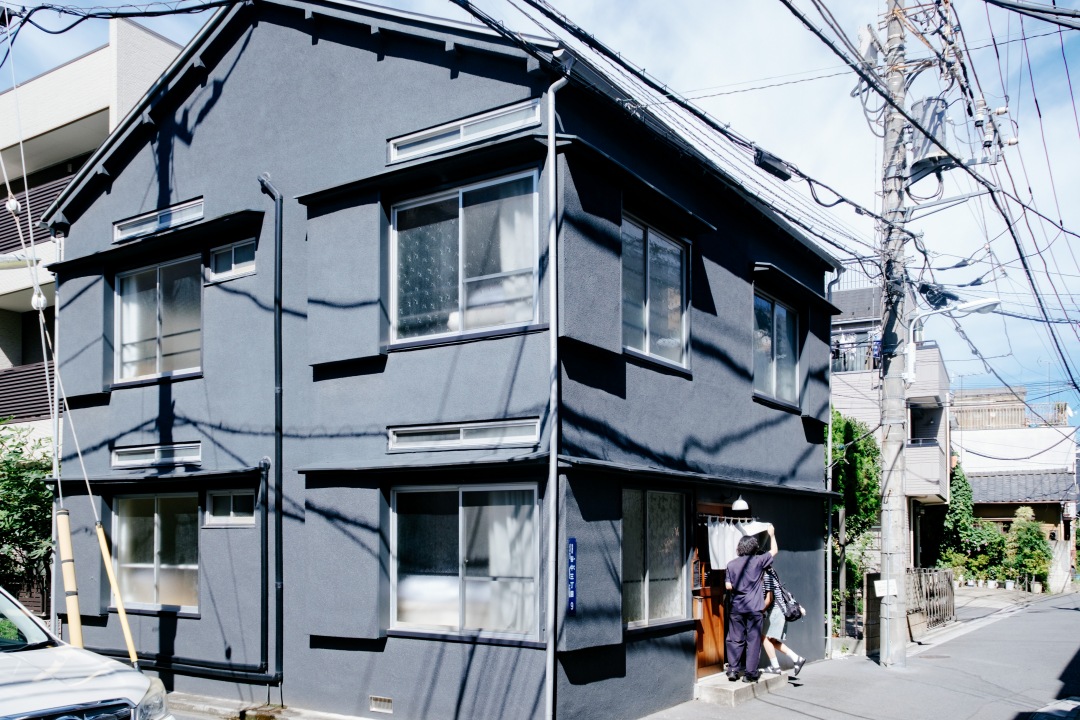
Hagiso, tucked into one of Yanaka’s alleys, stands out at once, because its exterior, walls included, is painted entirely black. Renovated from a two-story wooden multi-unit house built in 1955, it serves as the home base of the Yanaka hotel-in-a-town project. The building was originally put up by Sorinji, the temple right next to Hagiso, as a rest facility. Somehow, for a time it came to be rented mostly by students from the nearby Tokyo University of the Arts. In 2011, it was slated for demolition over safety concerns, but a final exhibition prepared by the art students and local residents was a great success, and two years later the building was reborn as Hagiso.
The first floor of Hagiso is a café and gallery. The second floor serves as a reception lounge for guests of Hanare, the town hotel, as well as an event space. The building reportedly had 14 rooms originally; the first floor has been opened into a single space, while the second floor keeps its old layout. From the moment guests check in at the second-floor reception, they hear about fun things hidden all over the neighborhood. The manager unfolds a map of the area, explains Yanaka’s charms, and answers any questions on the spot. Once the welcome is over, guests are escorted to Hanare, about 30 meters away.
Interview

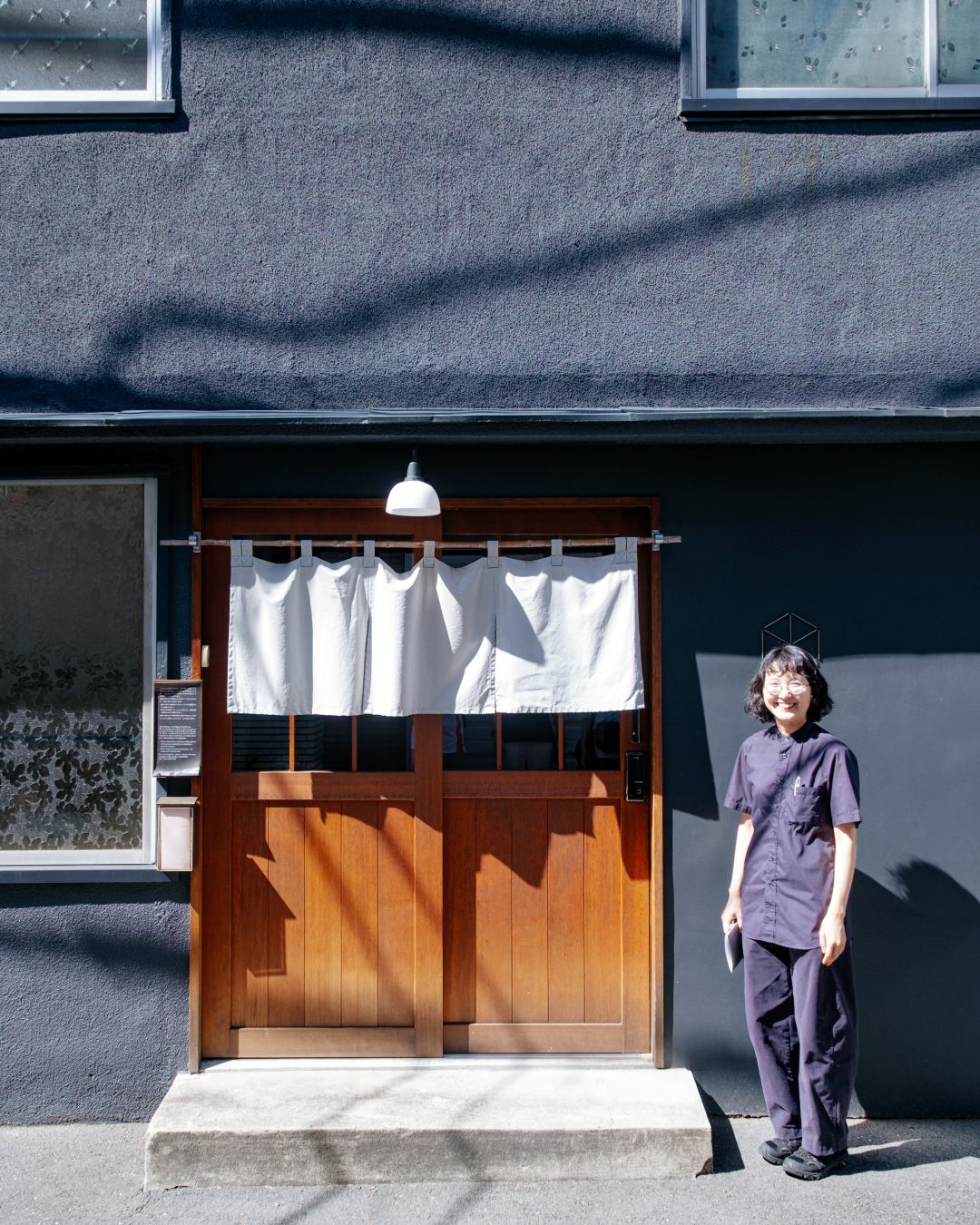
Oura Momoko, Manager at Hagiso
Even the check-in at Hanare feels different.
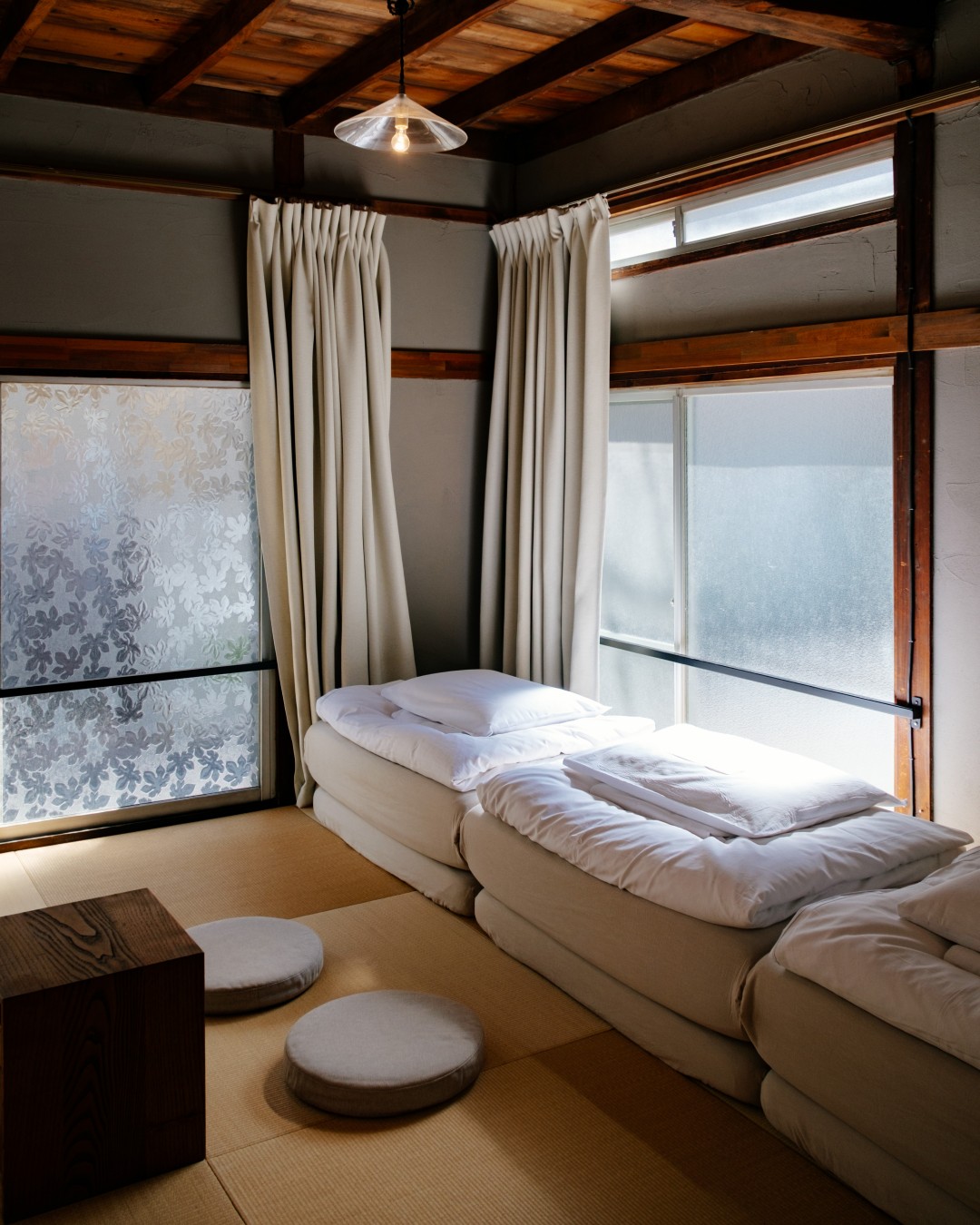
Hotel check-in these days is getting faster and faster, moving toward a process that needs no conversation at all. Hanare is the exact opposite. We check guests in over about 30 minutes of conversation, and sometimes we talk for more than an hour. Hanare, the lodging building, is a wooden apartment house more than 60 years old, so sound carries easily. That may feel inconvenient, but the flip side is that you can hear the neighborhood. You wake to birdsong in the morning, or hear people greeting one another outside. It’s something you can’t experience in a stylish hotel: you feel as if you actually live here. The rooms at Hanare are very simple. There’s no TV, which might be a little inconvenient. But step outside and there are restaurants and a public bath. So you enjoy the entire neighborhood as if it were a hotel.
I’m curious about the history of Hagiso.
It’s a bit of a long story. First, the Hagiso building was a wooden apartment house, and students from the nearby Tokyo University of the Arts used it as a shared house. Before that, it was housing for the temple’s parishioners. It sat vacant for a long time, and people began to gather there again once the students started living in it. More than ten years ago, after the Great East Japan Earthquake, the head priest, who owned the building, planned to tear it down and turn the site into a parking lot. But the students felt it was a shame to simply demolish it, and asked if they could hold a ‘funeral’ for the building as a last farewell. Because they came from an art school, they were skilled at architecture and DIY, so they transformed the building into an art space, invited people, and held a funeral-cum-exhibition. More than 1,300 people came. It was completely unexpected. We saw the possibility that, with just a change of mindset, even old things can be given new value. The central figure who led that exhibition is now the head of our company. He is the one who started Hagiso. At first it was a café; at one point the upper floor became a hair salon, and there was a salon next door as well. At that time, the owner had poured all his money into this building, so he had to live in a room at the back. Naturally there was no shower, no bathroom, and no proper kitchen, so every day he went to the sento and ate at restaurants in the neighborhood. It was an inconvenient life, but in it he rediscovered things he had forgotten. He came to feel that inconvenience might actually be something this era needs. Out of that, he thought that if he turned this experience into a business, many guests would resonate with it, and that’s how Hanare began. There happened to be an apartment building nearby, so we tracked down the landlord and turned it into a hotel. That’s the background of how ‘Hanare’ came about.
Are there other shops connected to Hagiso?
Plenty. To name a few, there’s a gelato shop, a bakery, and a Japanese set-meal restaurant. There are also three shops in a nearby building: a crêpe shop, a bookstore, and a place that becomes a bar at night.
Are they all repurposed vacant houses?
Yes. Each shop has its own circumstances, but most of them were vacant buildings at first. Usually, when you open a restaurant, you first decide ‘what to do’ and then look for a location. We do it the other way around: we look at the place first and think about what kind of business suits it. In other words, we give new value to buildings whose value has already disappeared. For example, the building that houses the crêpe shop actually belongs to the train station and was scheduled for demolition. We were asked to do something with it until it was torn down, and since the demolition was postponed, we’ve been able to keep using it for a few more years.
So you find new value in vacant houses?
Yes, exactly. We find value in places that look like ordinary parts of everyday life. It might be a restaurant, or it might be lodging. We also have an architecture team that builds buildings ourselves, and a graphics team. In a word, the concept is to ‘re-edit the town.’
What is the hardest part of that process?
We focus on creating value, but that doesn’t necessarily lead to profit. The hardest thing is balancing our philosophy with the profitability needed to run the company.
What kind of guests stay with you?
Right now, about 90 percent are foreigners and 10 percent are Japanese. Overwhelmingly, they are European travelers. From Asia, we get many guests from Korea and Taiwan. People who come to Hanare often prefer things that are delicate and beautiful over things that are flashy. They like a sensibility like Japan’s wabi-sabi, and they’re travelers who prefer small old houses and modest places.
With so many outsiders visiting, doesn’t it affect the neighborhood’s atmosphere?
You’re right. I think our role is to connect guests with the people of the neighborhood. That’s why we often go to the local restaurants and build relationships. In doing so, we come to understand each shop’s philosophy and guide guests so that they’re well matched. That said, many residents are conservative, and some say foreigners might be difficult, and we sometimes get feedback that it’s troublesome when guests make mistakes because they don’t know the rules. So we’re working to make sure that doesn’t happen.
Tayori Brings the Farmhouse Table to the City
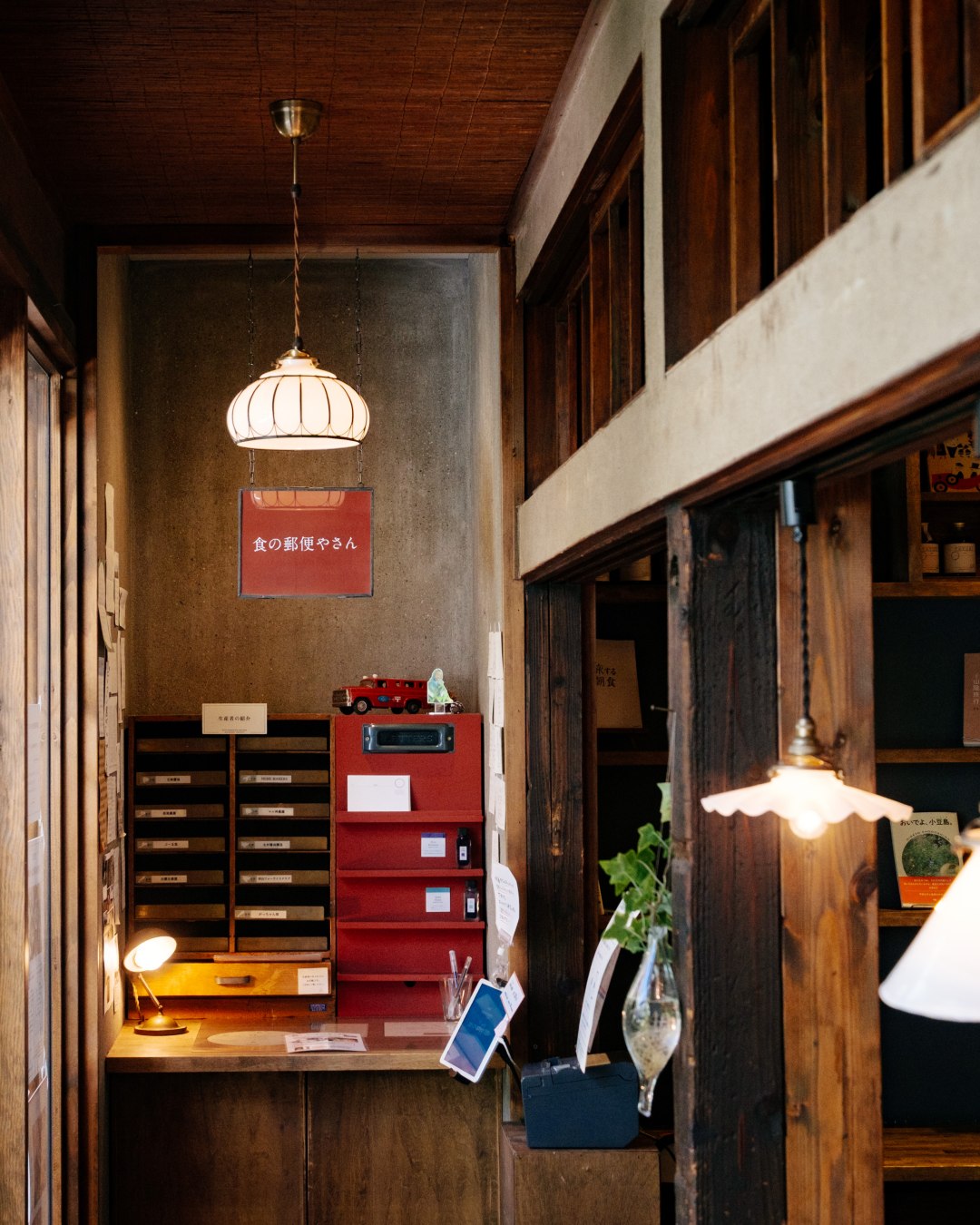
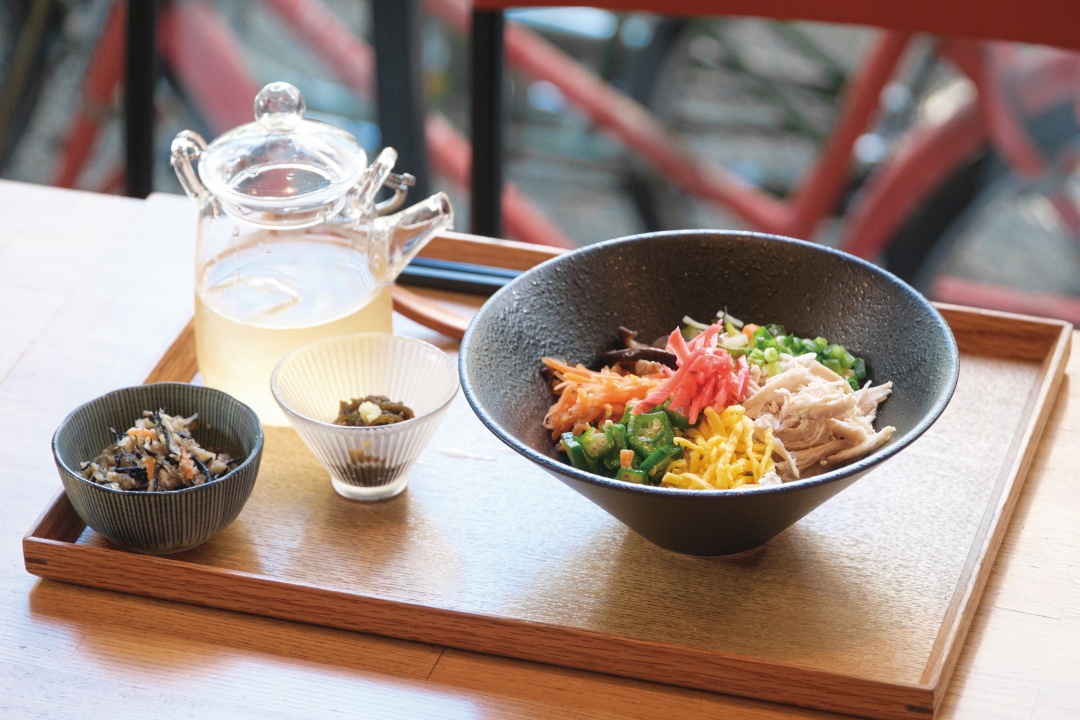
The members of Hagiso are running a range of food projects as well, all aimed at building a sustainable local community. The best-known is TAYORI, which opened in an alley in Yanaka. It is both a restaurant and a grocery shop, serving home-style meals made with seasonal ingredients bought directly from farmers and fishers across Japan. Like its name, which means “letter” in Japanese, the shop is built on an unusual concept: connecting producers and consumers through letters. One corner is set aside as a “Food Post Office,” where letters sent by farmers are displayed and customers can send thank-you postcards to the producers. The idea began with the belief that even a small word of encouragement can be a great source of strength for local producers. Every morning, fresh side dishes are carefully packed into lunch boxes shaped like handwritten letters, so even visitors short on time can enjoy a wholesome TAYORI meal.
Asatte no Gelato, the Neighborhood Gelateria
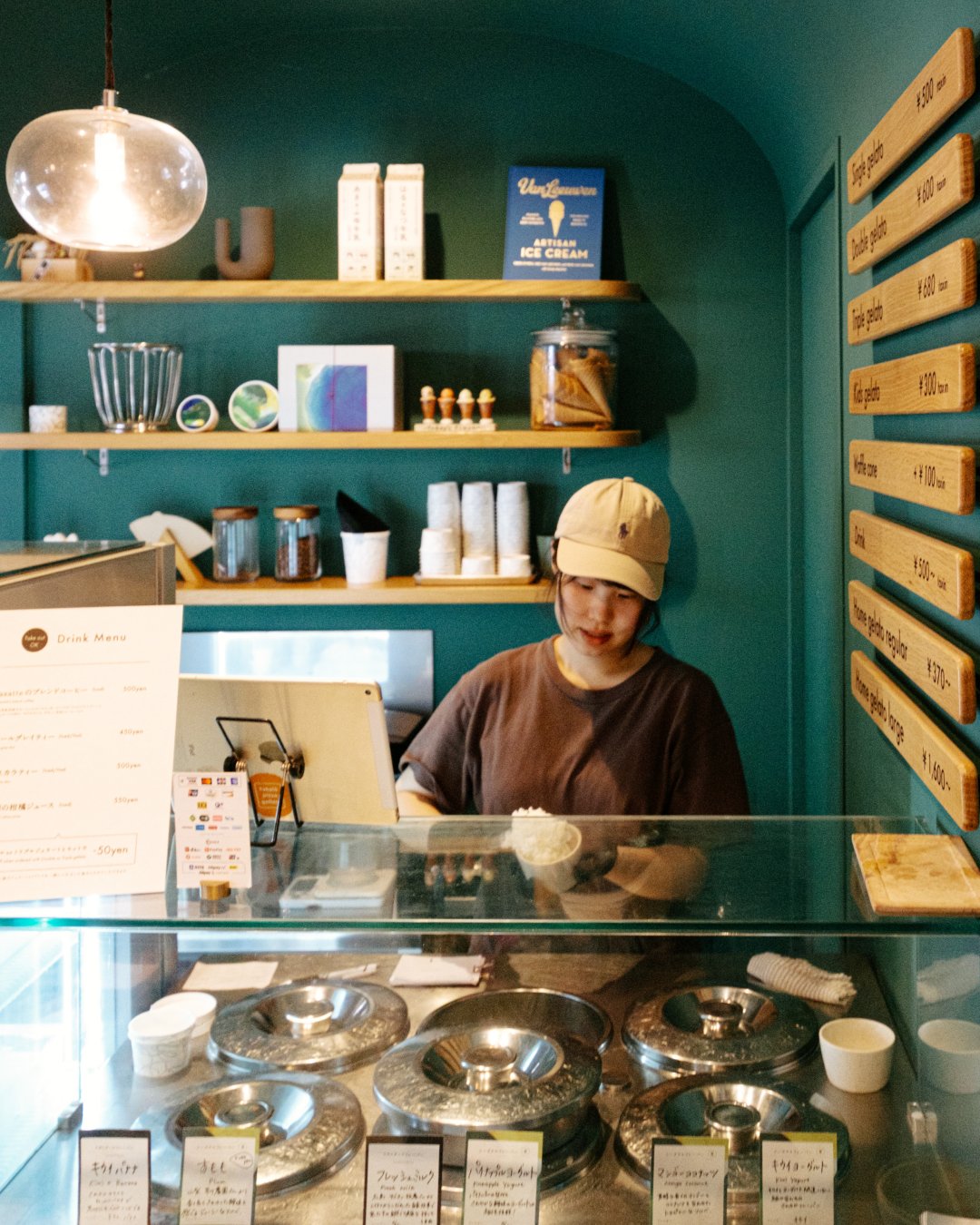
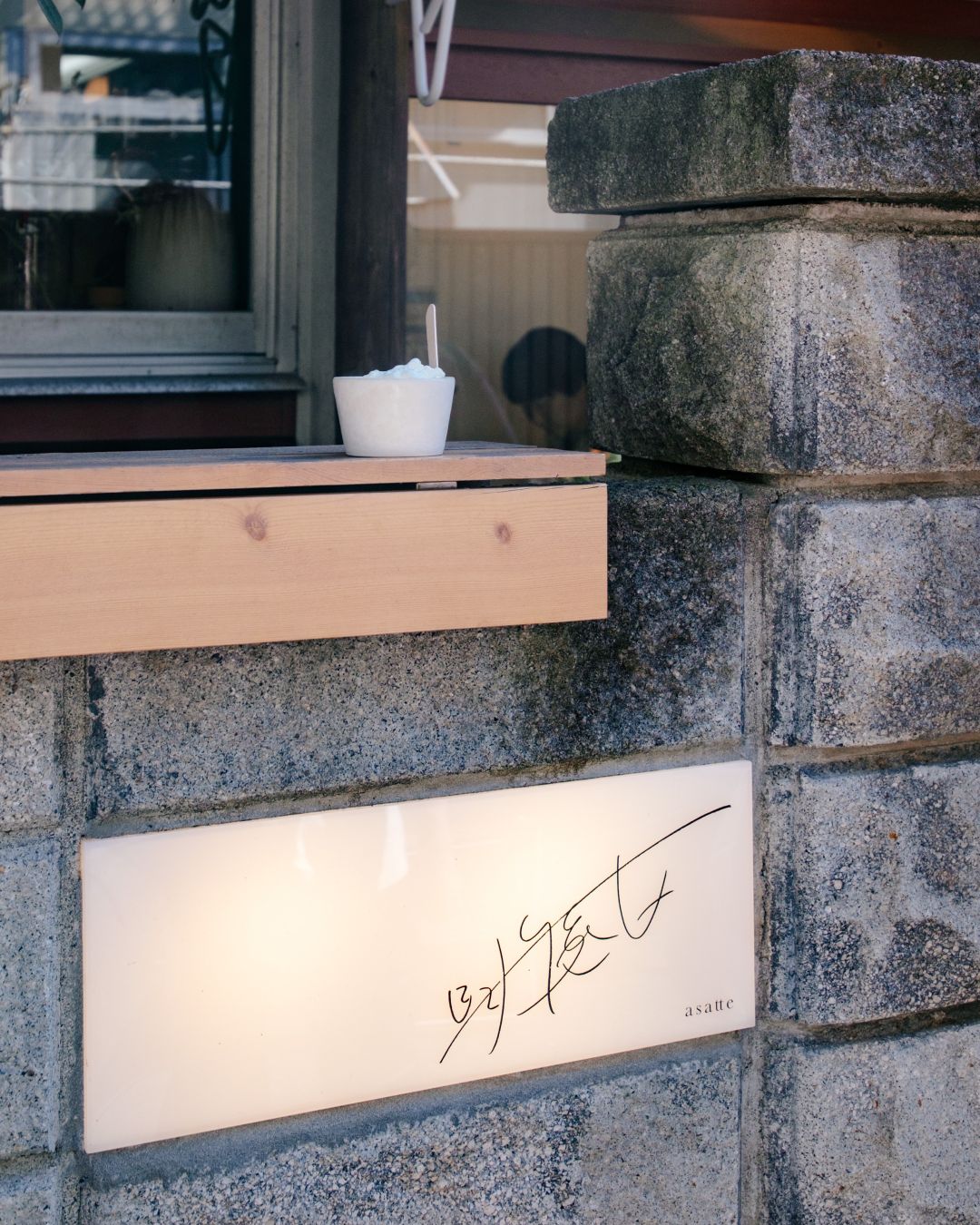
Tucked into a narrow Yanaka alley, Asatte no Gelato is a gelateria run by Hagiso. It occupies a 50-year-old single-story house that has been renovated, and it is so tiny that it is easy to walk right past if you don’t look closely. The shop may be small, but the gelato is superb. Its specialty is handmade gelato made with ingredients carefully sourced from around the country. Flavors that bring out the natural character of each ingredient, such as fruit, nutty sesame, and fragrant tea, change with the seasons. Asatte’s aim is to be not a place for a ‘special-occasion treat’ but an ‘everyday dessert shop’ that locals visit daily. Everyone from neighborhood children to grandmothers drops in for a sweet scoop, and for travelers it is an offbeat place to taste a local specialty.
Chofu
The Charm of a Small Town in Tokyo
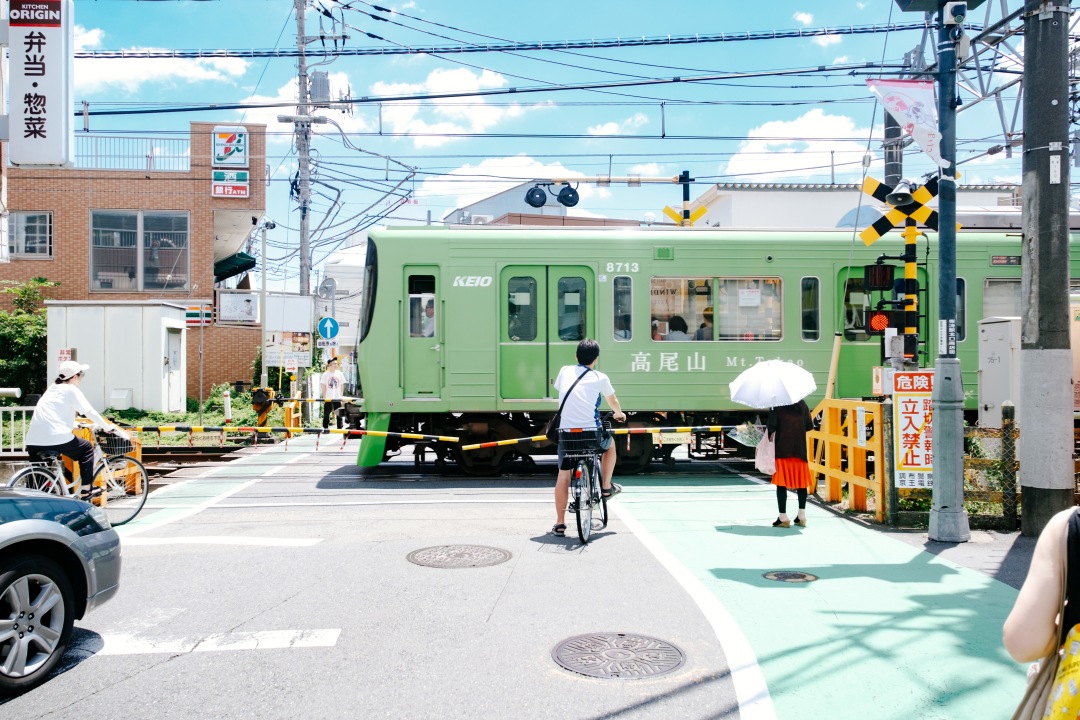
Chofu, in the western part of Tokyo, is about 20 minutes from Shinjuku by train. It has the quiet charm of a small town, completely unlike the bustle of downtown Tokyo. That charm comes from the nostalgic atmosphere of old temples and shrines, and from its local culture. Chofu’s Jindaiji, founded in 733, is the second-oldest Buddhist temple in Tokyo, and its setting of dense forest and clear spring water lets you feel the old-world mood. Soba shops line the area around the temple, and the annual soba festival is famous. Mizuki Shigeru, the beloved Japanese manga artist, lived here for many years, so the facilities commemorating him are also of interest. Yokai characters from his manga decorate the shopping street, and a yokai-themed teahouse, Kitaro’s, is open for business. You might think of Chofu as little more than a bedroom community of Tokyo, but its distinctive sensibility is more than enough to draw travelers in.
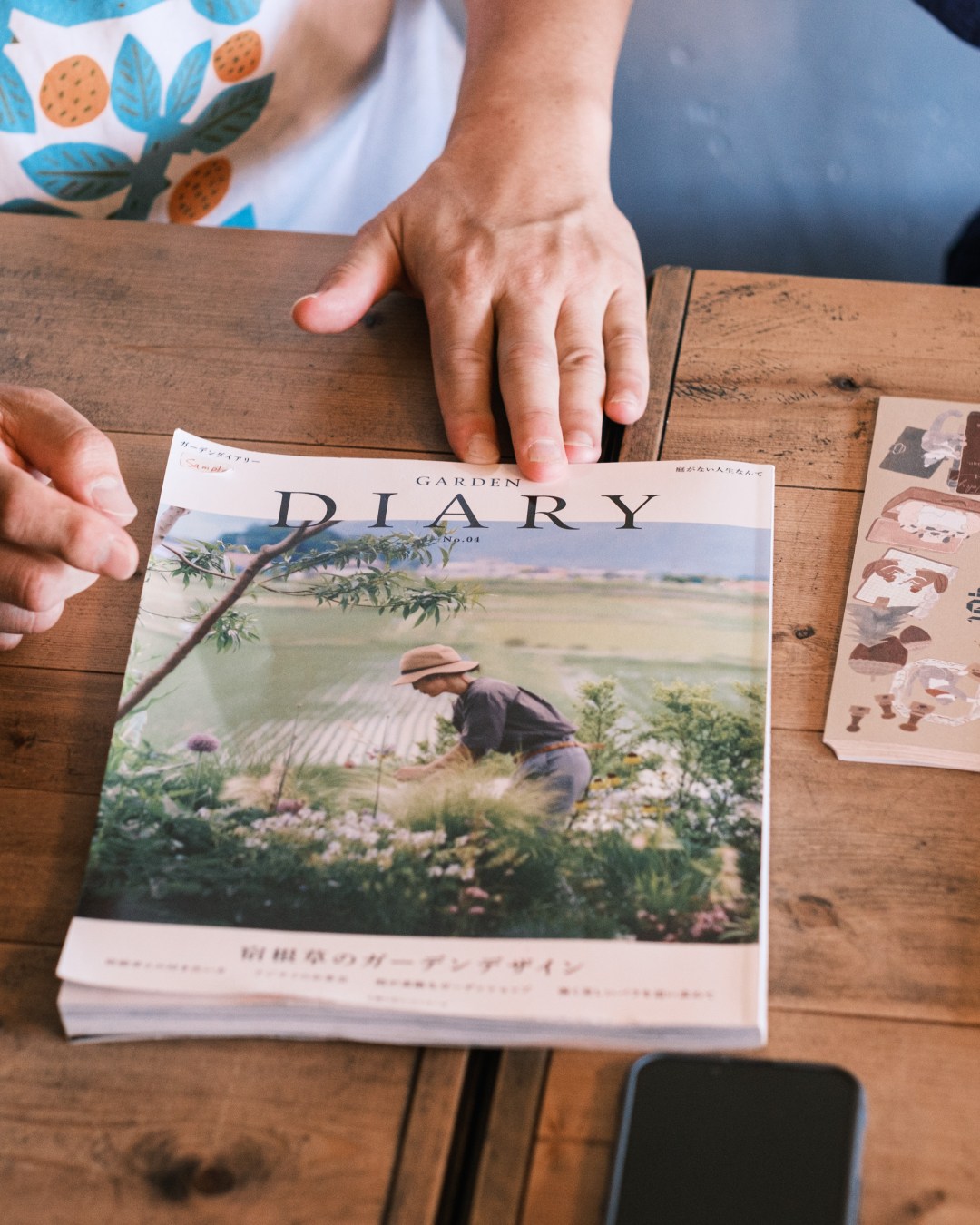
Tegamisha, Chofu’s Creative Hub
Tegamisha is a pioneer of another side of Chofu’s local culture. It started in 2008 as an independent magazine publisher and now runs a variety of spaces, including cafés, a select shop, a bookstore, and a brewery, leading the region’s arts and culture. The flagship café sits in a shopping arcade of a public housing complex more than 50 years old, a perfect spot to spend time enjoying the tranquil atmosphere of the small park. You might wonder who would come all the way out here, but it is so popular that visitors queue up even for weekday lunch.
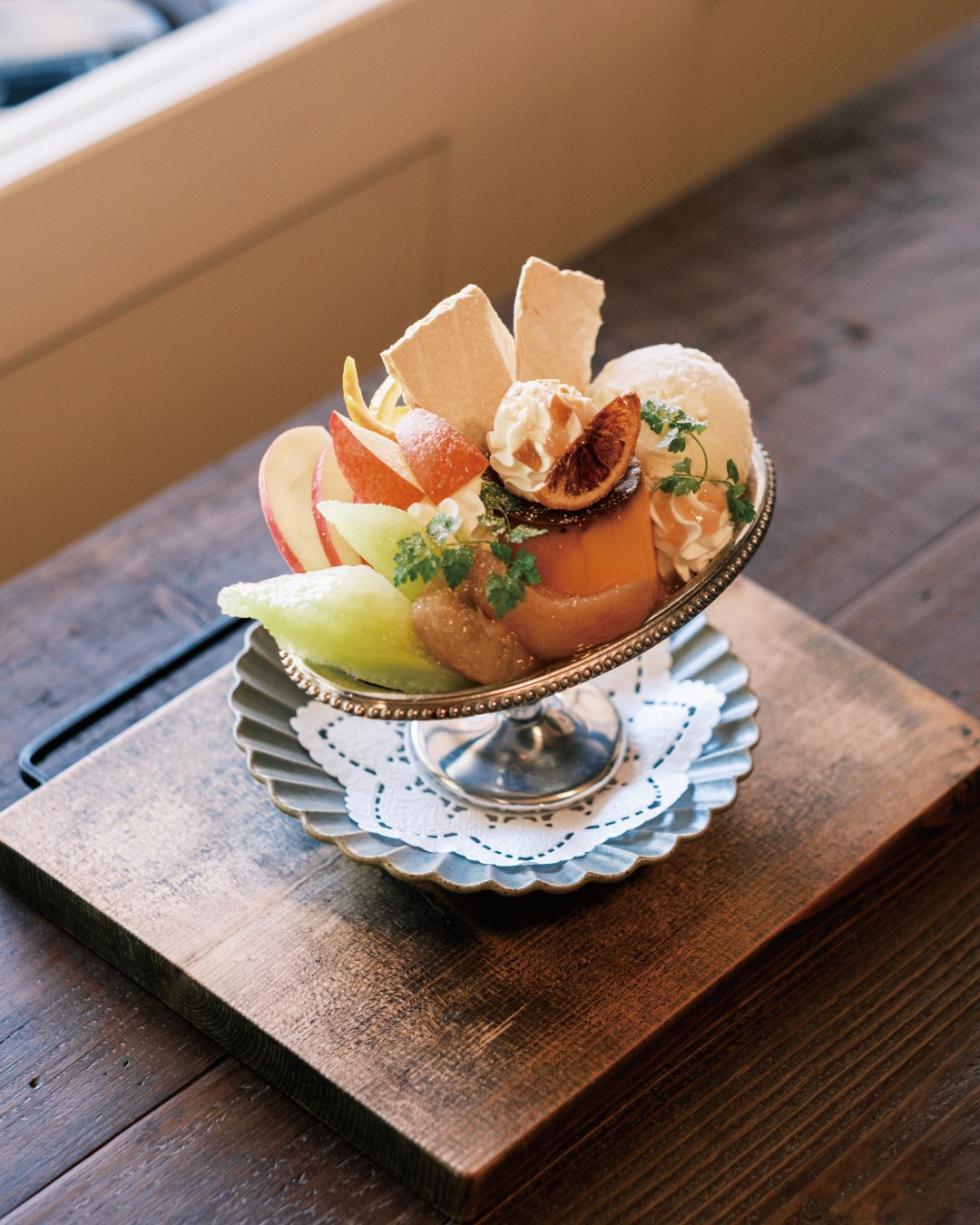
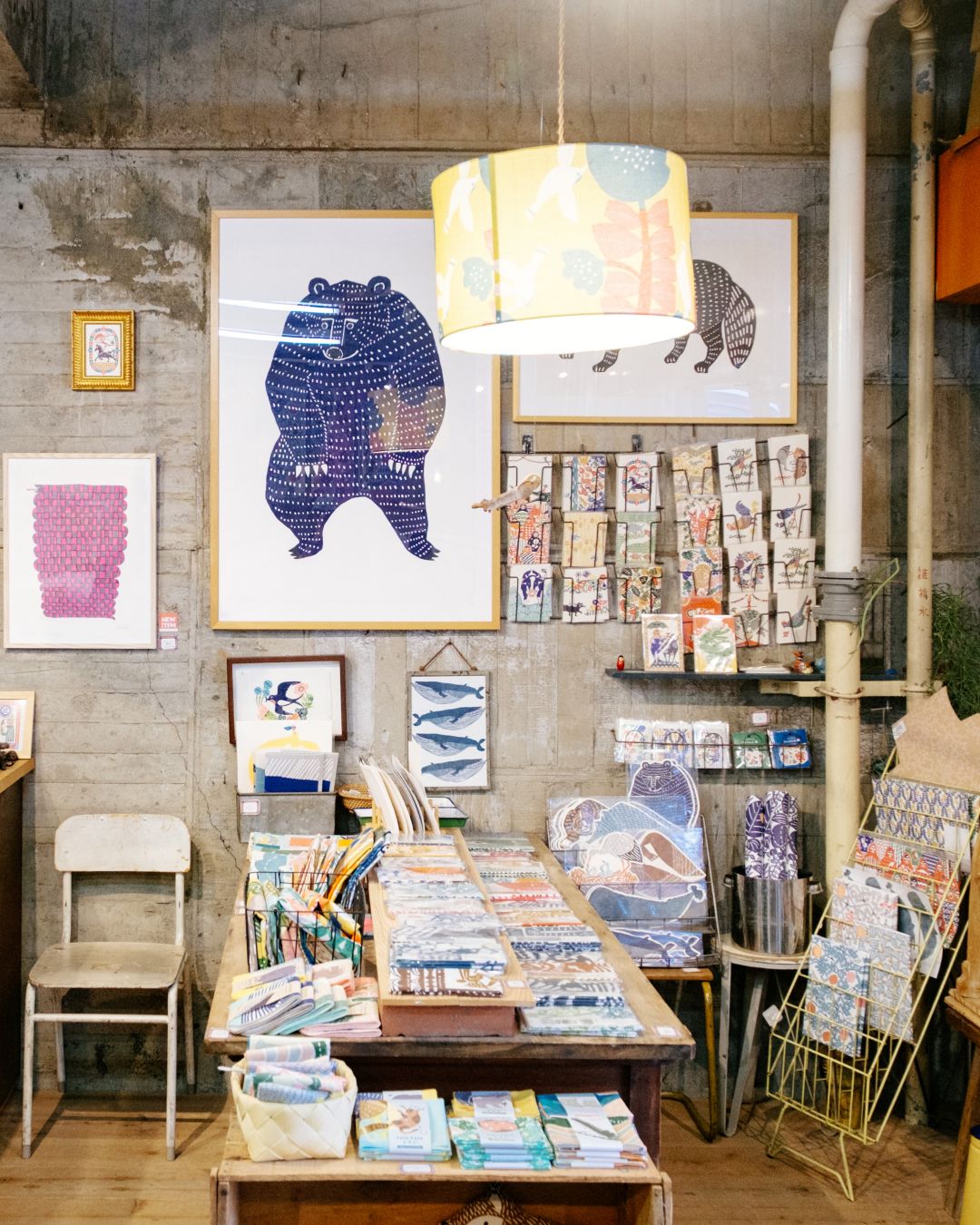
True to a name that means “house of letters” in Japanese, Tegamisha, which believes in the value of handcraft, is involved in a wide range of activities. It publishes ‘Letters,’ a magazine themed on stationery, paper, and illustration, and it collaborates with various creators to hold exhibitions and produce goods. The Tegamisha 2nd Story shop, about a 10-minute drive from the flagship, is a café and select shop that distills all this work. Stationery curated by the editorial team to exacting standards, along with crafts, ceramics, and fabrics, is displayed with charm, so it feels like stepping into a small museum. The café corner serves house-blended coffee, seasonal drinks and desserts, and lunch dishes such as pasta and curry. Enjoying dessert and a meal surrounded by the work of distinctive local artists is an experience in itself.
Beyond Chofu’s physical spaces, large-scale events such as Nomi no Ichi (flea market) are what Tegamisha has focused on lately. At Nomi no Ichi, a bazaar of handcrafts and vintage culture, anyone can share in Japan’s craft culture and creative scene. It is held not only in Tokyo but also in major regional cities, and its influence is expanding overseas. Born on the outskirts of Tokyo, Tegamisha has established itself as far more than a shop: an all-purpose hangout where artists and the public from each region connect.
Interview
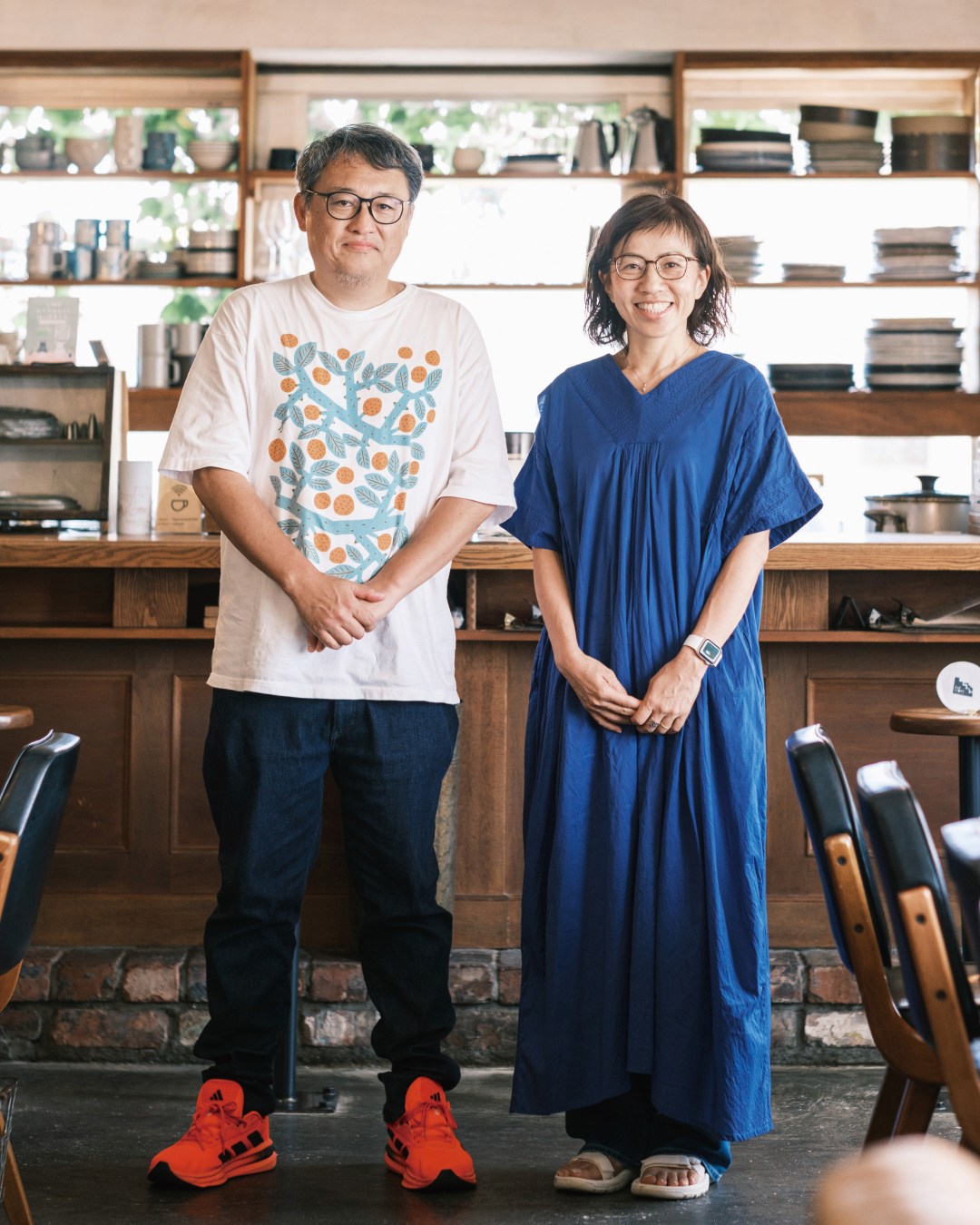
Kitajima Isao and Watanabe Yoko, Co-founders of Tegamisha
How did you start Tegamisha?
We were both magazine editors originally. We worked at different publishers, and after we married, we went independent and founded Tegamisha in 2008. We opened this flagship in 2009 and began doing editorial work and running the café in earnest. Back then, we would be doing editing work, and when a customer came in, we’d bring out the curry. When we first went independent, we started in an old, run-down apartment, but we had to leave, and while looking for a new place we found this location. We loved the view of the plaza and the old housing complex so much that we boldly chose it. We’d always had a thought that we wanted to run a café someday.
You run a number of businesses, including events, don’t you?
Yes. At first, the event business was closer to a hobby than a business. Since we interviewed all sorts of creators for the magazine, we thought it might be fun to bring them together for an event, and we started half for fun. Before we knew it, the shops and events had become the center of our business. So we hardly did any publishing. The Japanese publishing industry wasn’t doing well, either. We couldn’t publish because the shops and events kept us busy, but in the end we wanted to return to our original roots in editing, so three years ago we resumed publishing books and magazines. Broadly speaking, we now have shops, events, and publishing, and recently we’ve started real estate as well. Of these, the flea market event called Tokyo Nomi no Ichi is the largest. It’s held at Showa Kinen Park in Tachikawa, Tokyo, which is the largest park in the city. Nomi no Ichi runs for three days, with about 250 stalls taking part. There are more than 50,000 visitors. Shopping and live music take place together, so it’s a format that combines a marché with a music festival. You’ll mostly find old sundries, secondhand books, and vintage clothing. Artists’ works, florists, and bakeries also take part.
When did Nomi no Ichi start?
We started in 2012. We had begun an event called Momiji Ichi for fun in 2006, and as it grew popular and drew crowds, it turned into work. The next one we launched was Tokyo Nomi no Ichi, and this time we thought of it as a proper profit-making business and charged a 300-yen admission fee. At the time, it was unheard of to charge admission at that kind of event. There was opposition, but it was such a big turning point that you could say Tegamisha as it is today exists because of it. For the four years after we went independent, our salary was zero, and we paid our employees out of our savings. In that situation, this event led to a real business. Even so, we still think of ourselves as editors. We see making a magazine and making an event as the same thing.
Can people find Tegamisha elsewhere, too?
There are six locations in Chofu, Tokyo alone, and others in Maebashi and Matsumoto. Our customers are mainly women in their 30s to 50s. The shops differ a little from one another, but overall they share a warm atmosphere. Our customers love things made by hand, like stationery and crafts. The shops sell original Tegamisha goods, and we also bring in and sell items from the artists who exhibit at our events.
What do you think was the key to your success?
Simply put, I think we succeeded because we worked with ‘top-level people.’ We gather only first-rate artists and shops.