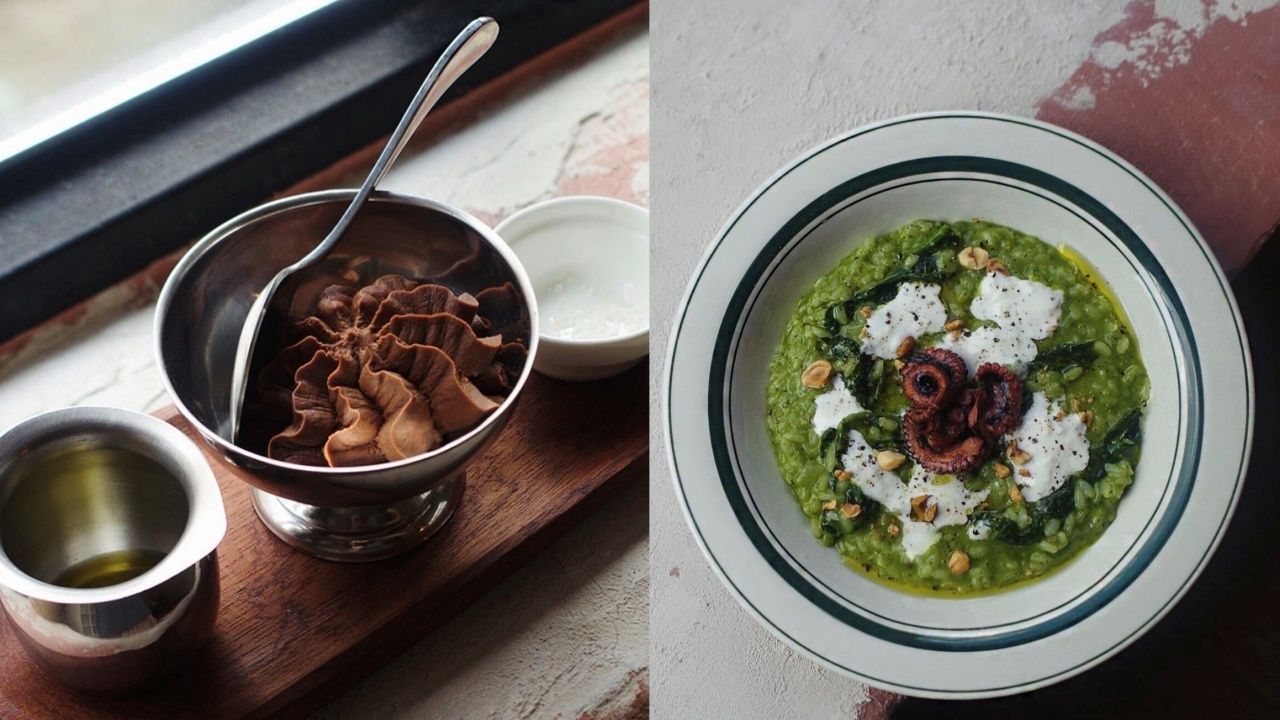
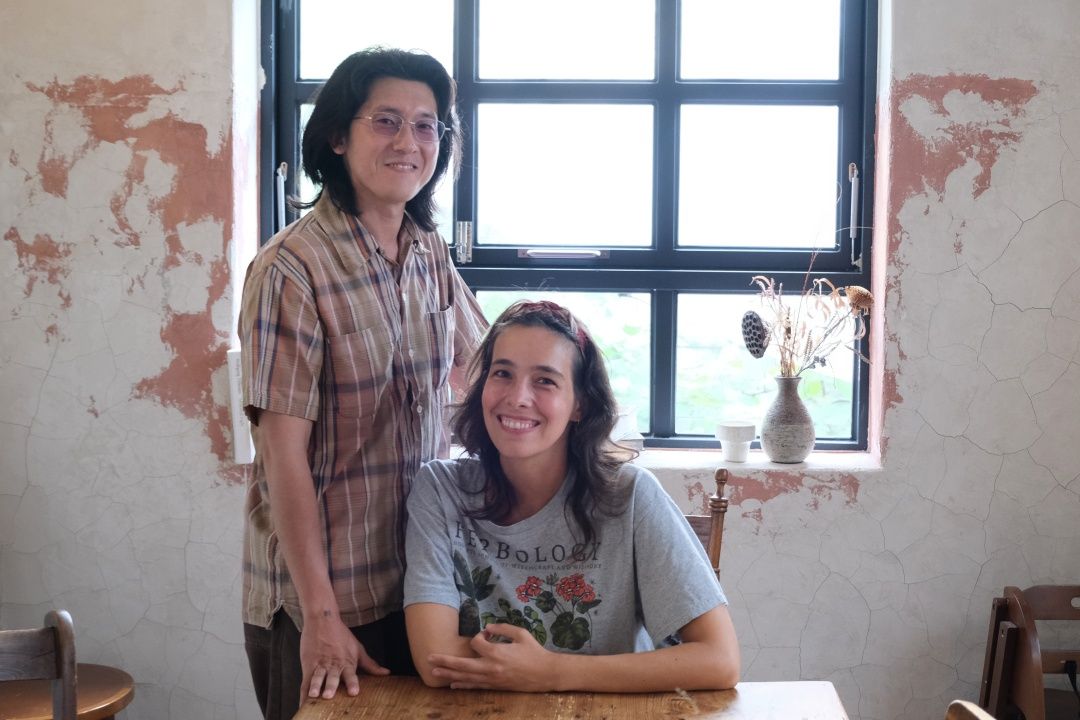
Tucked away on a quiet street in Seoul’s Yeonhui-dong, Tarai is a bit different from your typical Italian restaurant. Every meal served here carries chef Patricia’s childhood memories and longing for her hometown. We visited Tarai—where seasonal Korean ingredients meet northern Italian home cooking—to hear the story behind it from chef Patricia and her husband, Sejong.
Interviewee Patricia Franciskovic Magro, Jang Sejong
Interviewer Ryu Sunwoo
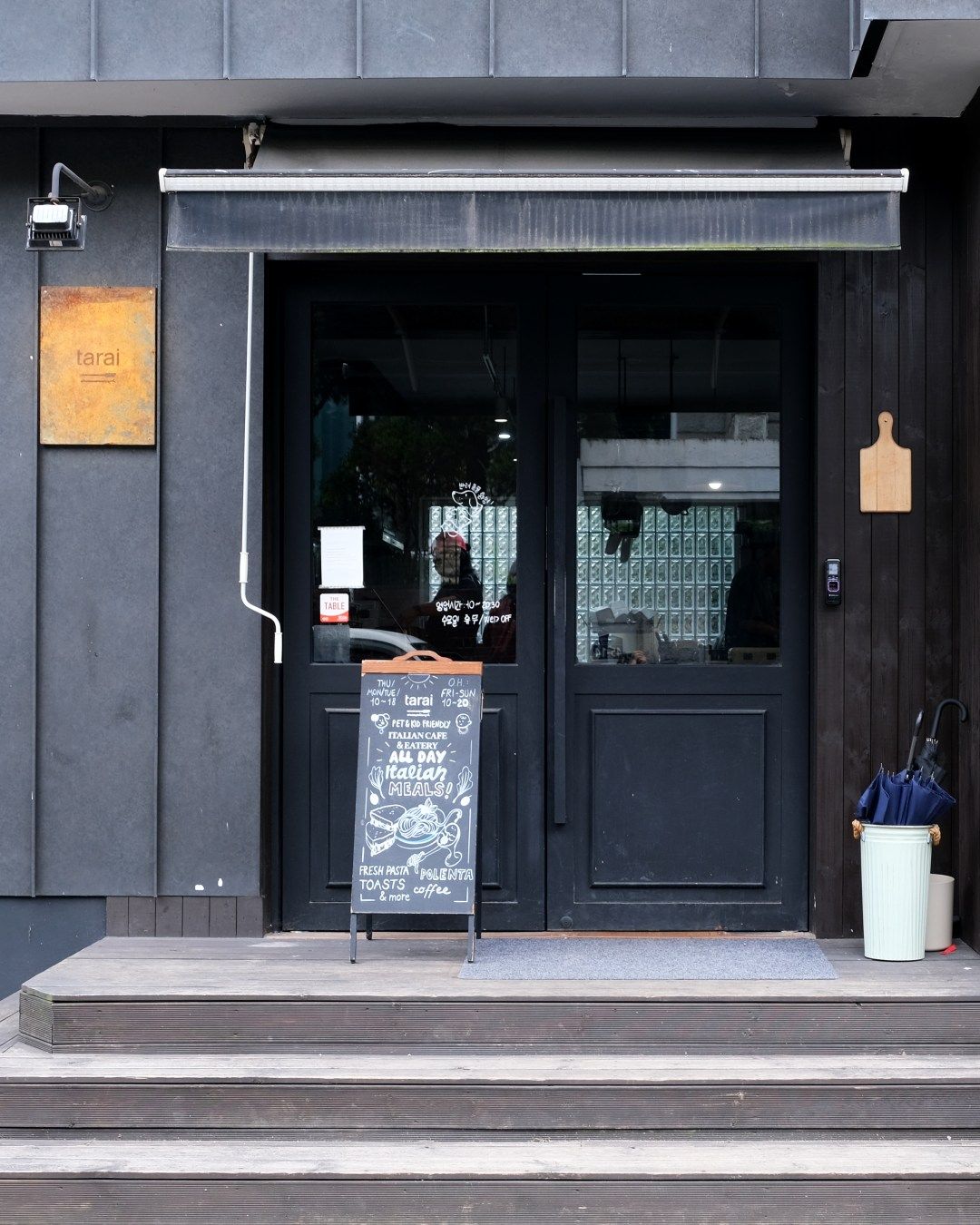
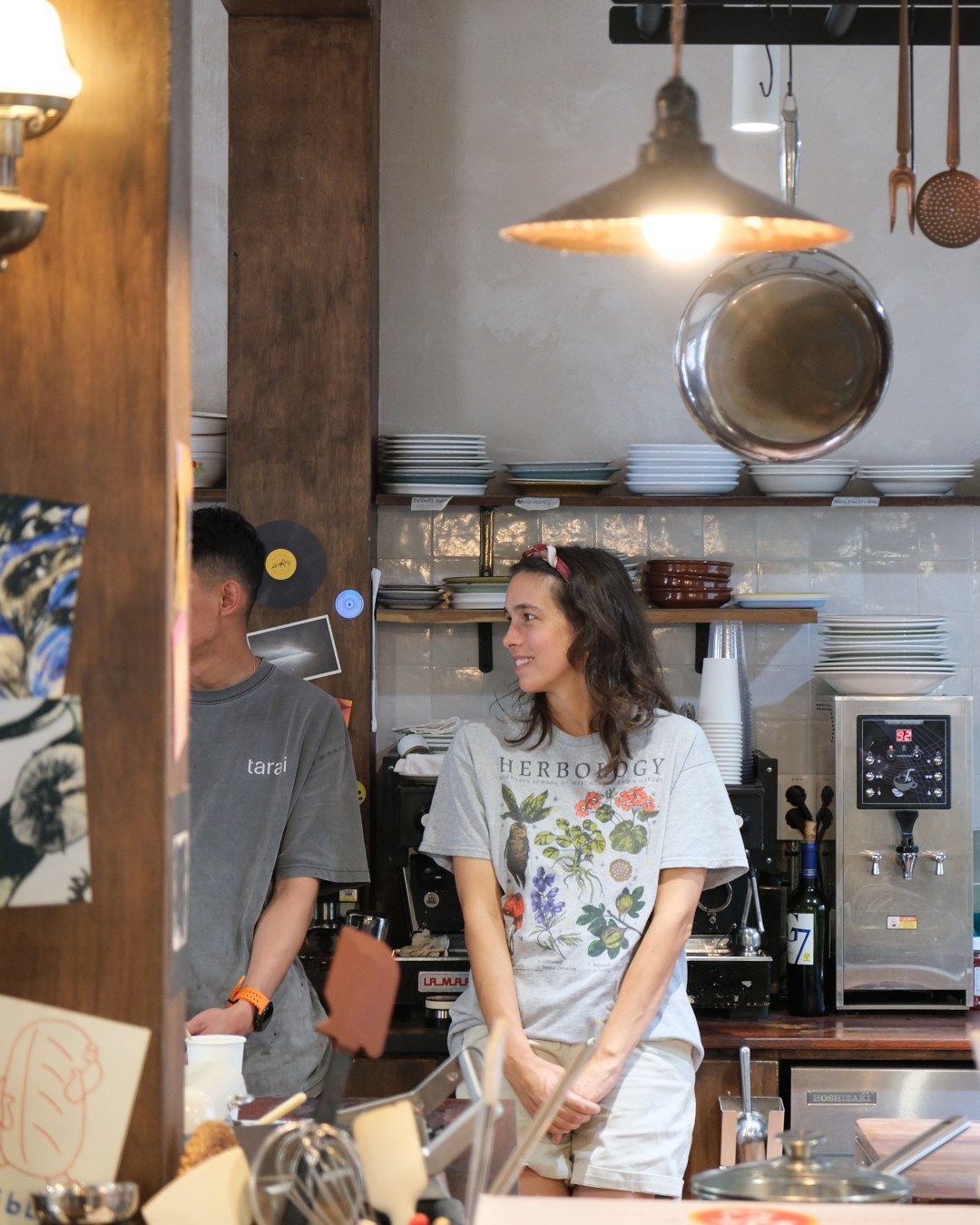
I heard Tarai is a space that reflects your hometown, Chef. What kind of place is it?
Patricia It’s called Tirano, a mountainous region in northern Italy just a five-minute drive from Switzerland. It has its own distinct food culture, quite different from what people usually imagine as Italian cuisine. Most people probably think of olive oil, tomatoes, or seafood, but the food in the Tirano region tends to be much heartier. The natural environment is harsh, winters are cold, and in the past people mostly did physical labor in the fields and pastures, so getting enough nutrition and calories was essential. That’s why dairy products like cheese and butter are so popular there. Polenta is one of the dishes that represents our region. It has a particularly special meaning to me—it’s deeply connected to memories of my grandmother making polenta and my whole family gathering around to eat it together when I was a child.
What does the name Tarai mean?
Sejong Polenta is made by stirring cornmeal and water in a copper pot for three to four hours, and the stick used to stir it is called a ‘tarai.’ When we think of northern Italian home cooking, the polenta Patricia’s grandmother used to make comes to mind, so we named the restaurant Tarai.
What led you to come to Korea and start cooking here?
Patricia It was almost by chance. I never imagined I would end up living in Korea. When I was living in France, I traveled to Korea for two weeks. It was a fascinating experience—so different from the environment I grew up in that it made me want to learn more about the country. That’s when I met my now-husband, and little by little, I began building a connection to this place. Eventually, an opportunity to work in Seoul came up, so I moved here, and we got married. Adjusting to life in Korea was quite difficult, especially when it came to food and daily habits. Naturally, I became deeply immersed in cooking. Through the food of my hometown, I could reaffirm my identity and feel reconnected to where I was born and raised. That’s how I ended up opening a gelato shop called Melecotte (@melecotte_gelateria), and as my desire to introduce good food grew, I started Tarai nearby. In other words, none of this was planned from the beginning. I think it’s all the result of many coincidences strung together. Life often takes you to places you never expected.
Sejong Italians are taught about food from a young age, preparing meals together with their grandmothers or mothers. They place great importance on the whole process—from buying good ingredients to cooking and eating. Preparing and having a meal can take three or four hours. That kind of culture became second nature to Patricia, and I think living in Korea made her realize it all over again.
What is Italian dining culture like?
Patricia In Italy, having a meal is more than just eating—it’s an intimate social act and a time for family. I believe mealtime is the most important moment of the day.
What do you find charming about Yeonhui-dong after running Tarai here?
Patricia There’s greenery scattered throughout the neighborhood, so it doesn’t feel like being in a big city. It’s also great for biking. It has a sense of community that feels a bit different from other neighborhoods in Seoul.
Sejong We came to this neighborhood because we wanted to live somewhere quiet and charming. The slow food scene here is well developed, and there’s less of that ‘hurry hurry’ atmosphere. With low-rise houses instead of big buildings, it even resembles my wife’s hometown a little.
What was most important to you when preparing to open Tarai?
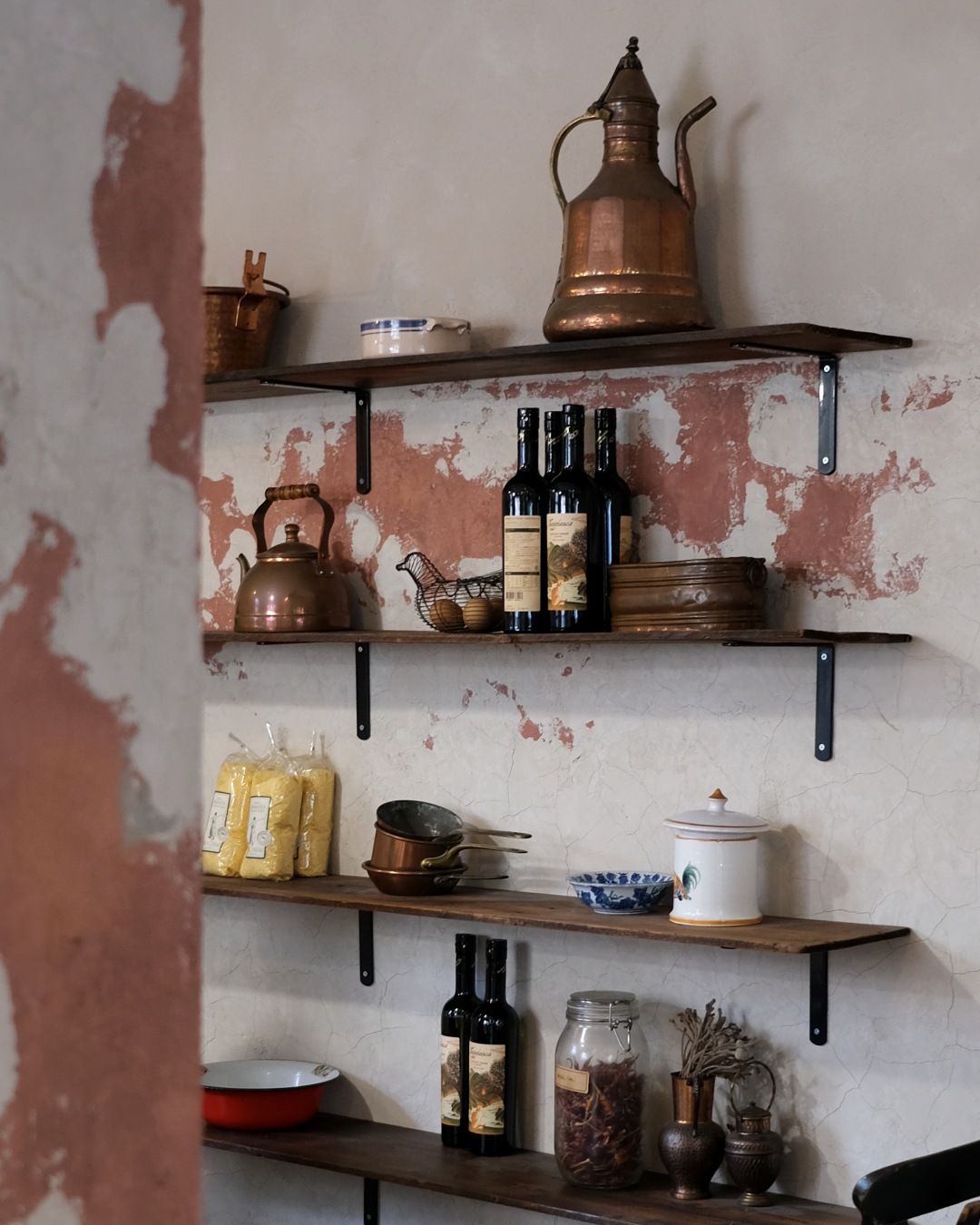
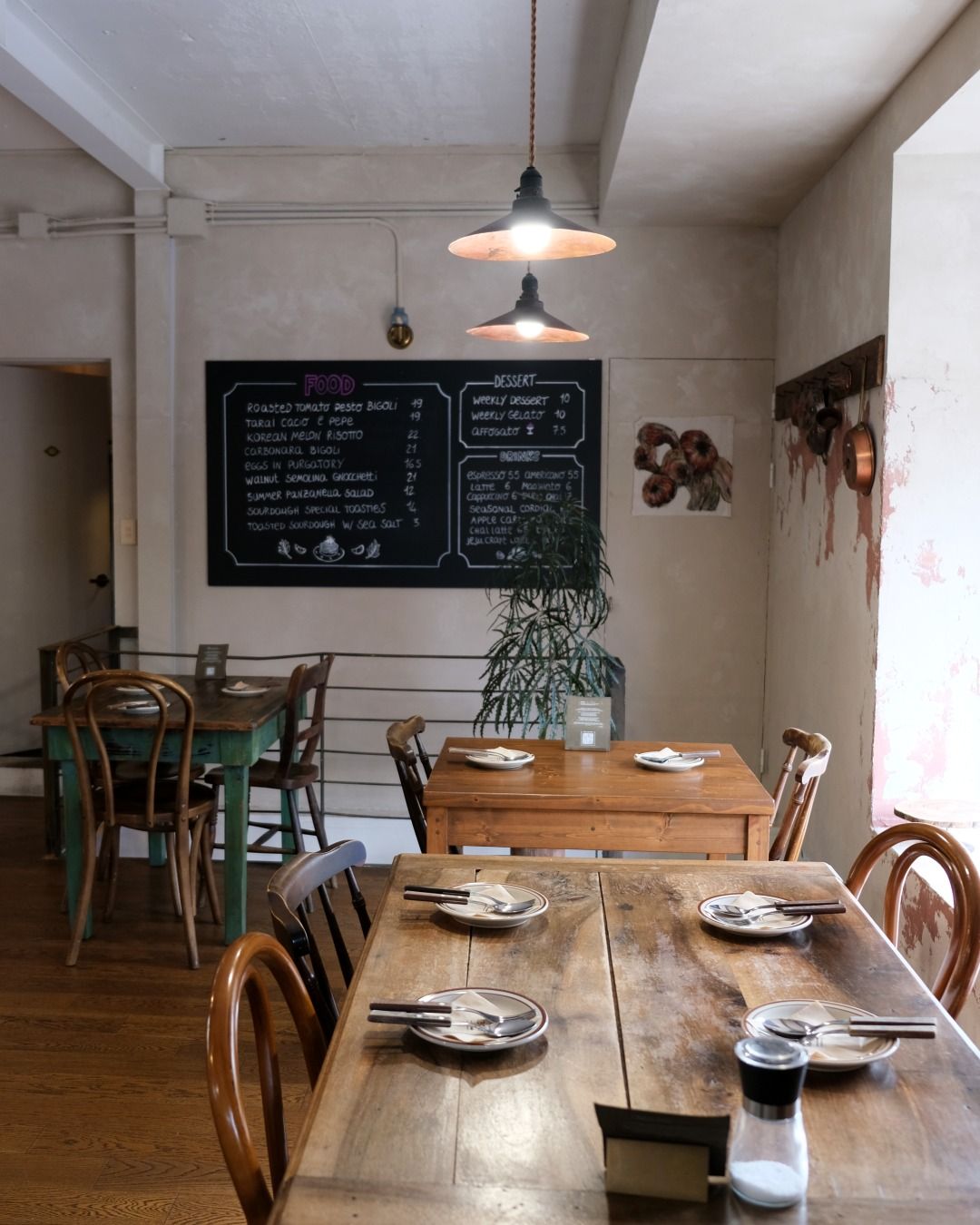
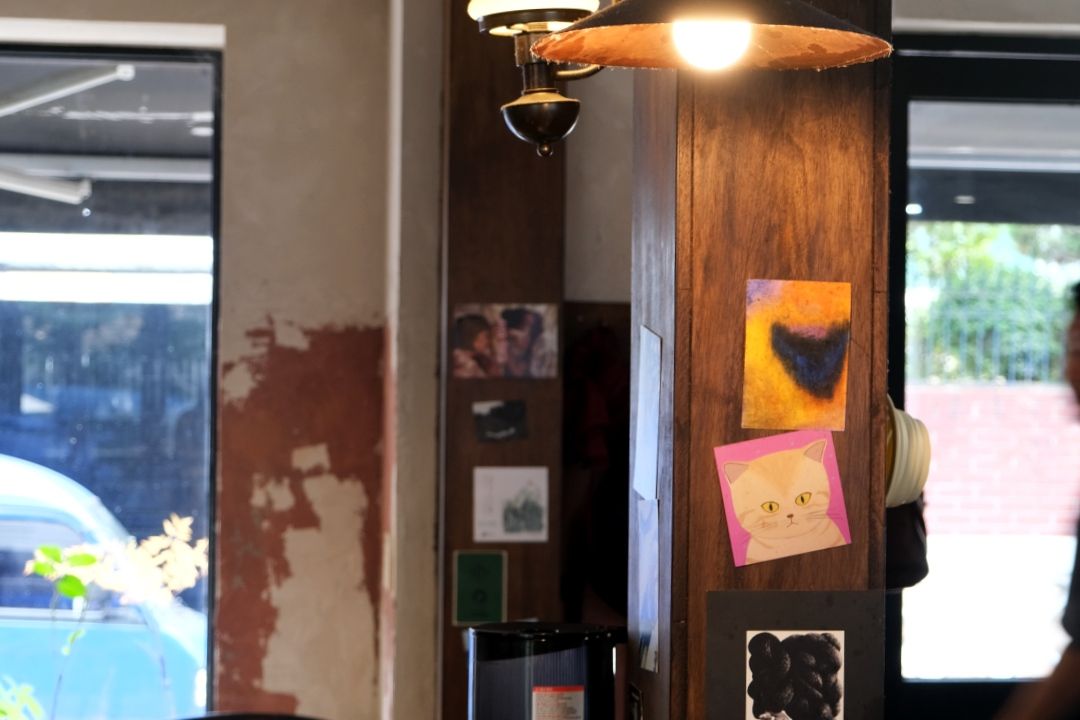
Patricia I wanted people to feel the authenticity of what we do. I wanted to bring a piece of Italy to Korea, just as it is. We thought a lot about that when designing the space, too. We wanted guests to feel as if they’d been invited to a friend’s house, so we made sure the kitchen and the dining area weren’t too far apart. We painted the walls ourselves—I wanted them to look like the walls in the house where I grew up. We tried to create a warm, comfortable atmosphere using antique furniture brought from Europe and small items and kitchen tools from my grandmother’s house. We wanted the space itself to convey who we are and why we do what we do.
What do you consider most important when cooking?
Patricia I think everything matters—from where a dish originates and what ingredients go into it, to the entire process before it reaches the table. Above all, I try to respect the ingredients themselves. Cooking in a way that lets their natural flavors shine through is our most important principle. Even the syrups we use in drinks are made from scratch using real fruit. It takes a lot more work, of course, but the result is incomparably different.
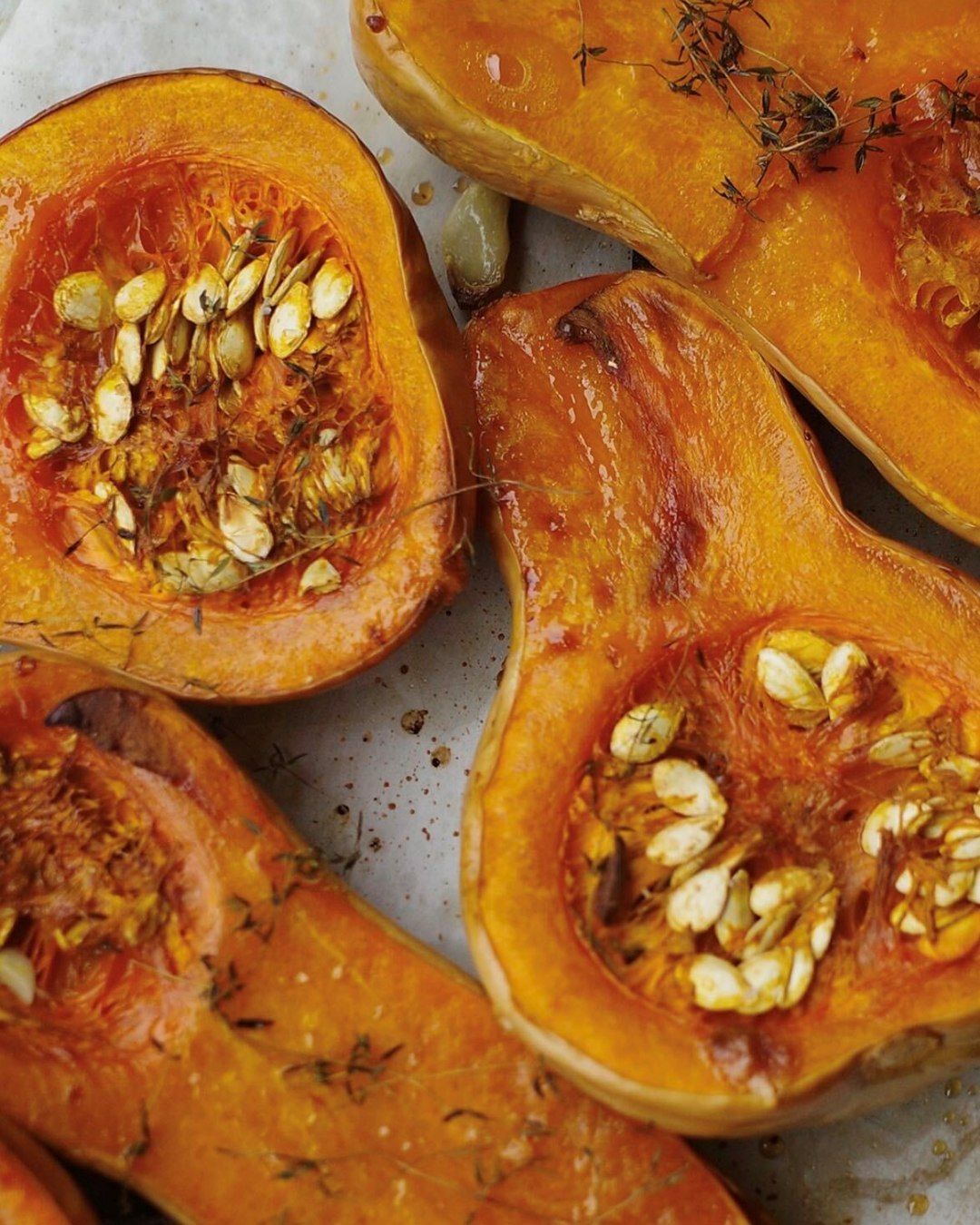
The menu changes with the seasons—where do you get ideas when developing new dishes
Patricia Creating new recipes requires teamwork. We talk things through and share opinions as a team when developing the menu. First, we focus on bringing out the best in seasonal ingredients. It wasn’t easy when we first opened the restaurant—we didn’t know enough about Korean seasonal produce at the time. When creating new dishes, we respect Italian culinary tradition, but we don’t insist on it rigidly. Many Italian chefs take great pride in their national cuisine, and some find it hard to accept any reinterpretation of traditional recipes. We try to preserve the roots while adding something Korean—building a kind of bridge between Italy and Korea. I think that approach is what sets Tarai apart from other Italian restaurants in Korea.
Sejong We source most of our ingredients ourselves and make as much as we can from scratch. With store-bought products, you can’t see how they’re actually made. For example, we buy pistachios, roast them ourselves at a low temperature, and grind them with a stone mill to make pistachio paste. It’s more work, but that’s the concept behind Tarai—it lets us control where our ingredients come from and how they taste. We also make our pasta and sauces ourselves as much as possible.
How did you come to hold that philosophy?
Sejong My experience at an Agriturismo—a traditional Italian farm stay—left a deep impression on me. They grow herbs and vegetables in the garden and raise their own livestock to make the food they serve. I remember thinking, ‘That person must have no falsehood or shame in their work.’ I think values like that will become even more important going forward. I want to preserve what’s valuable among the things that are disappearing.
Italian and Korean ingredients must be quite different—how do you deal with that?
Sejong Even when we try to find similar ingredients, the climate and soil are fundamentally different, which can be frustrating at times, but it also makes things interesting. Korea uses a much wider variety of seafood than Italy, and because there are so many mountains, there’s also a wide variety of wild greens. In spring, we taste different kinds of namul (wild greens) to see which ones might work well on pasta. Combining various ingredients, discovering things we didn’t know before, and developing new menu items—that’s one of the most fun parts of running Tarai.
I heard Patricia’s grandfather was a chef. Did you inherit anything from him?
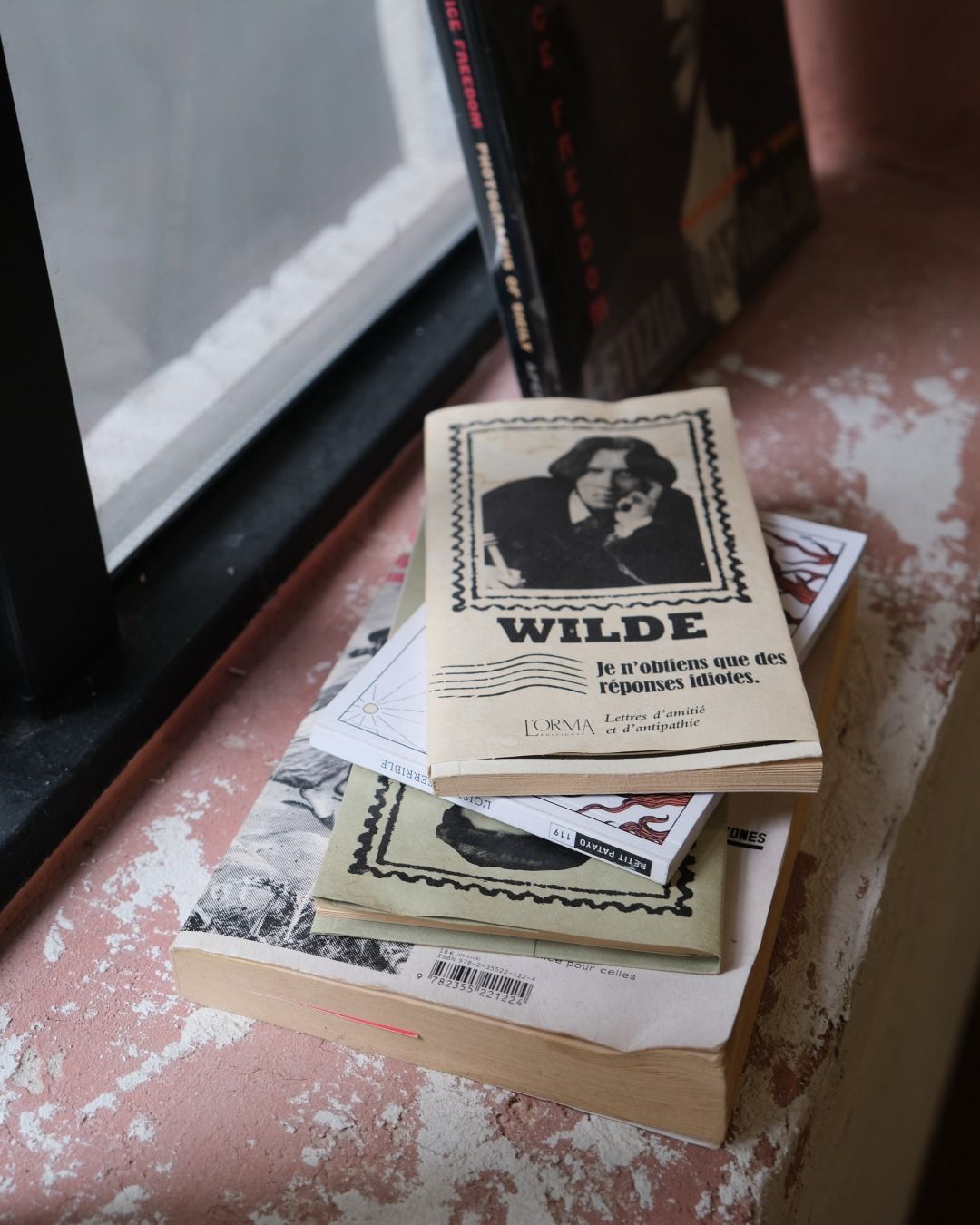
Patricia He passed away when I was six, so I don’t have many memories of him—just faint images of him cooking. He worked as a chef in Switzerland his whole life. His cooking greatly influenced my mother, and I learned his recipes and dishes through her. Even now, our family home still has the cookbooks and handwritten notes he left behind. Some of them are kept at Tarai.
Sejong There’s also a cookbook he inherited and used—it’s called ‘The Art of the Kitchen,’ published in the 1800s. You can see that book downstairs at Tarai, too.
Tell us about Tarai’s signature dishes.
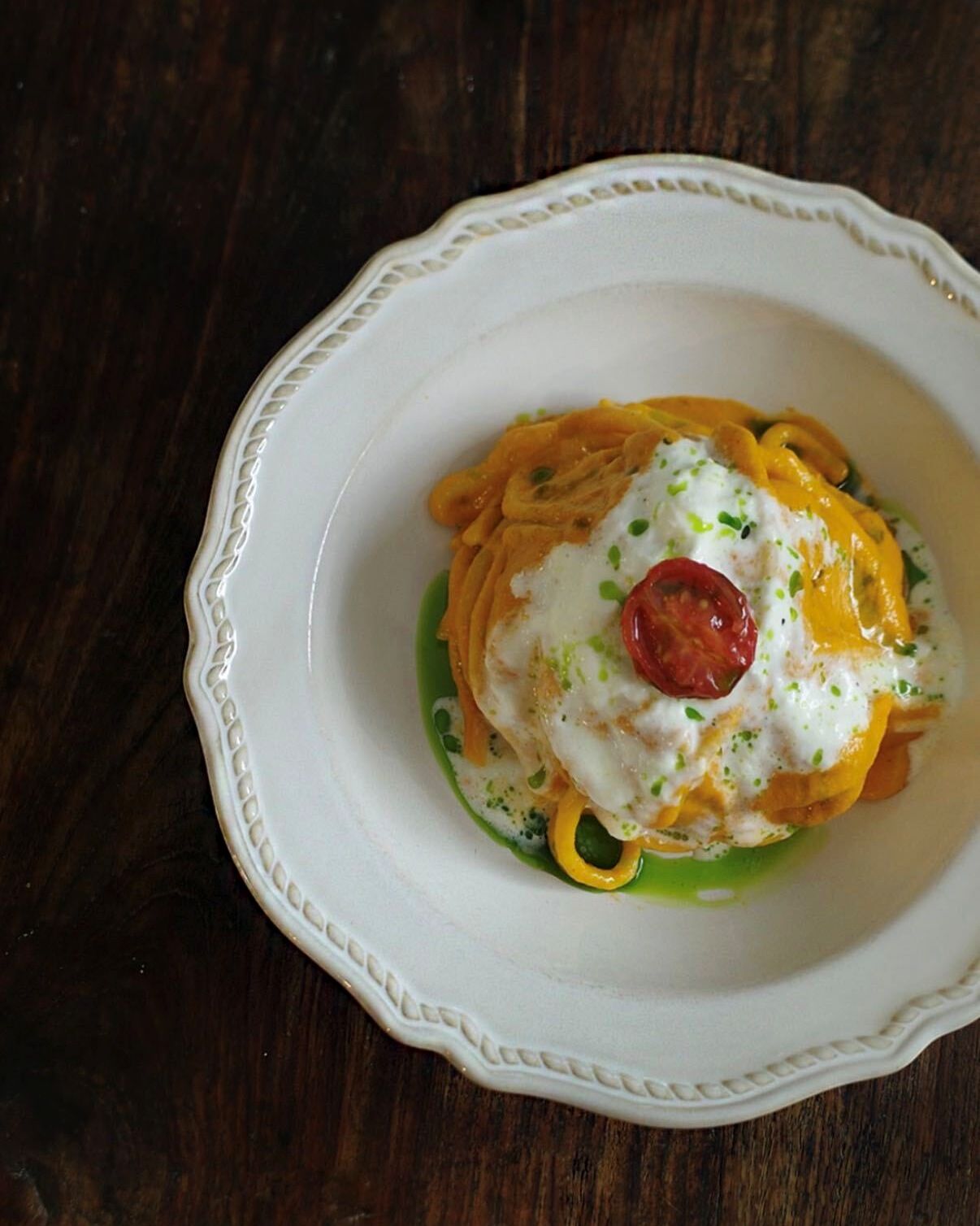
Sejong Our signature dish is the tomato bigoli pasta. We make the sauce with cherry tomatoes slow-roasted in the oven, and the bigoli noodles—thick like udon—are made in-house. It’s the simplest dish, yet it best represents Tarai’s philosophy. We also occasionally serve a meatball pasta made from Patricia’s grandmother’s recipe. It’s named ‘Nonna Visa’s Meatball Pasta,’ after her grandmother’s nickname, Visa.
How was your recent vacation? What kind of time did you have?
Sejong We traveled to Denmark. We think Denmark is at the forefront of contemporary dining culture. There are many Michelin-starred restaurants, and the contemporary food scene there blends slow food culture with creativity. In Italy, we mostly stayed in Milan and the Tirano region. It was a trip centered around restaurants serving traditional food—eating, walking, eating, walking, over and over. Since we run a restaurant, we felt almost compelled to keep eating out in search of insight.
Is there a place you always visit when you go back to your hometown?
Patricia I definitely recommend hiking. There are many different trails, including routes that go up to about 3,000 meters above sea level. After hiking, you can stay overnight at what’s called a ‘rifugio’ in Italian—a mountain hut. Most of them serve food made with local ingredients. The area is also quite famous as a winter ski destination. I’d also recommend visiting Bormio and Teglio, near Tirano. Bormio has ancient Roman natural hot springs, and Teglio is the birthplace of pizzoccheri, a pasta made from buckwheat flour.
What are your future goals or any fun plans?
Patricia I have a few ideas, but right now we’re focused on running the restaurant steadily. Since our team has grown bigger than when we first started, this is an important time to make sure everyone fully understands the vision and direction I have, and that we’re all working well together in sync.
Sejong We’re growing grapes in the backyard, and if that goes well, it’d be nice to grow other crops too and try making desserts with them.