From Da Lat through Mui Ne to Ho Chi Minh City, a journey through Viet Nam’s varied landscapes, rich culture and dynamic change.
Words Hur Taewoo
Photos Park Shinwoo
In collaboration with * ASEAN-Korea Centre
* The ASEAN-Korea Centre is an international organization established in 2009 to promote economic, social and cultural cooperation between Korea and the ten ASEAN member states. This trip to Viet Nam was carried out as part of a cultural and tourism promotion event organized by the ASEAN-Korea Centre.
Da Lat
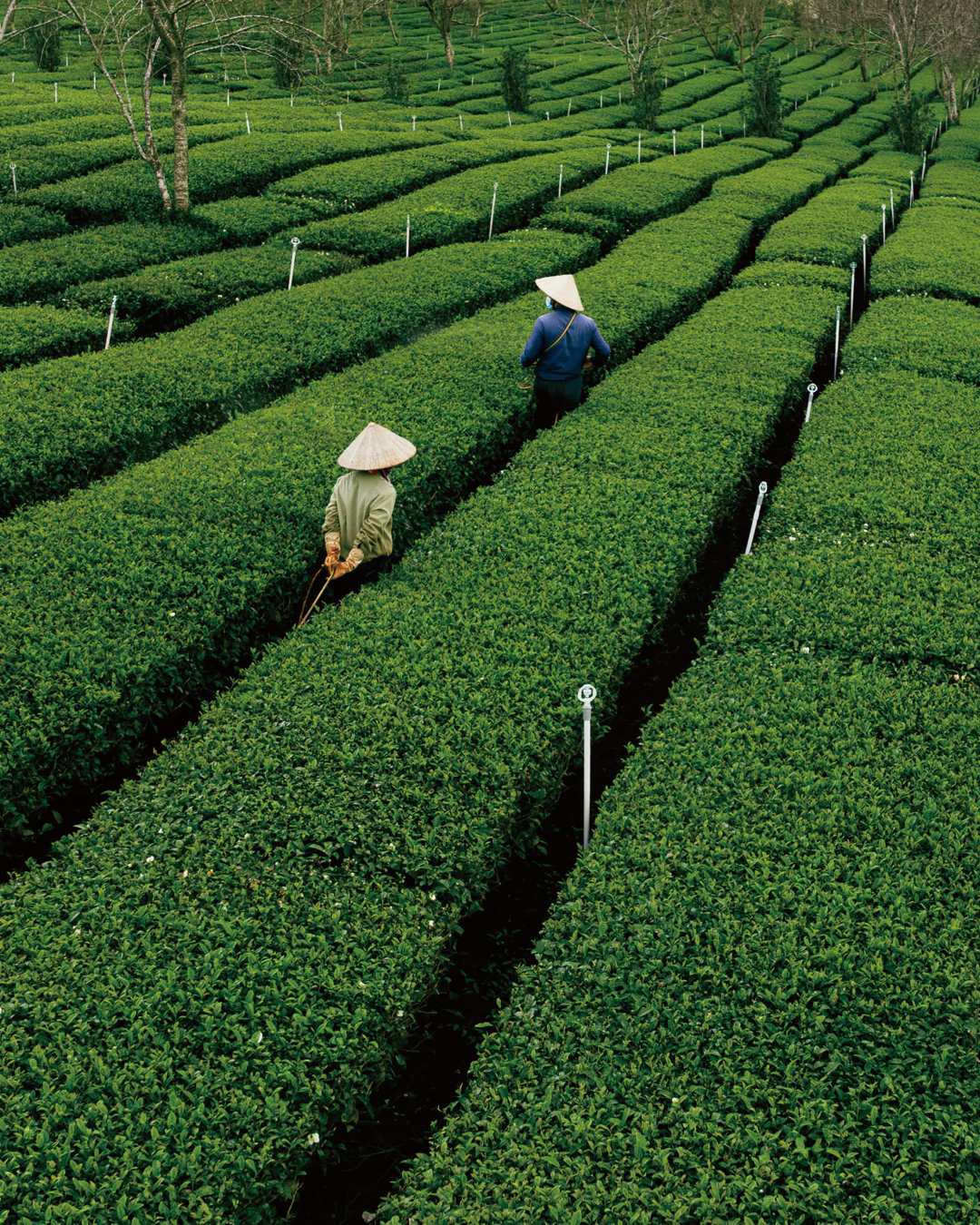
Da Lat, the capital of Lam Dong Province (Tỉnh Lâm Đồng) in Viet Nam, goes by many nicknames. The first is the “city of eternal spring,” a name it earns from its location on a highland plateau 1,500 meters above sea level, where the climate stays mild and cool all year. The second you hear most often is “Little Paris,” because French colonists developed the town as a retreat from the heat during the colonial era. There is also the “city of love.” Da Lat is the number-one honeymoon destination for Vietnamese couples, and it is every bit as romantic as that suggests.
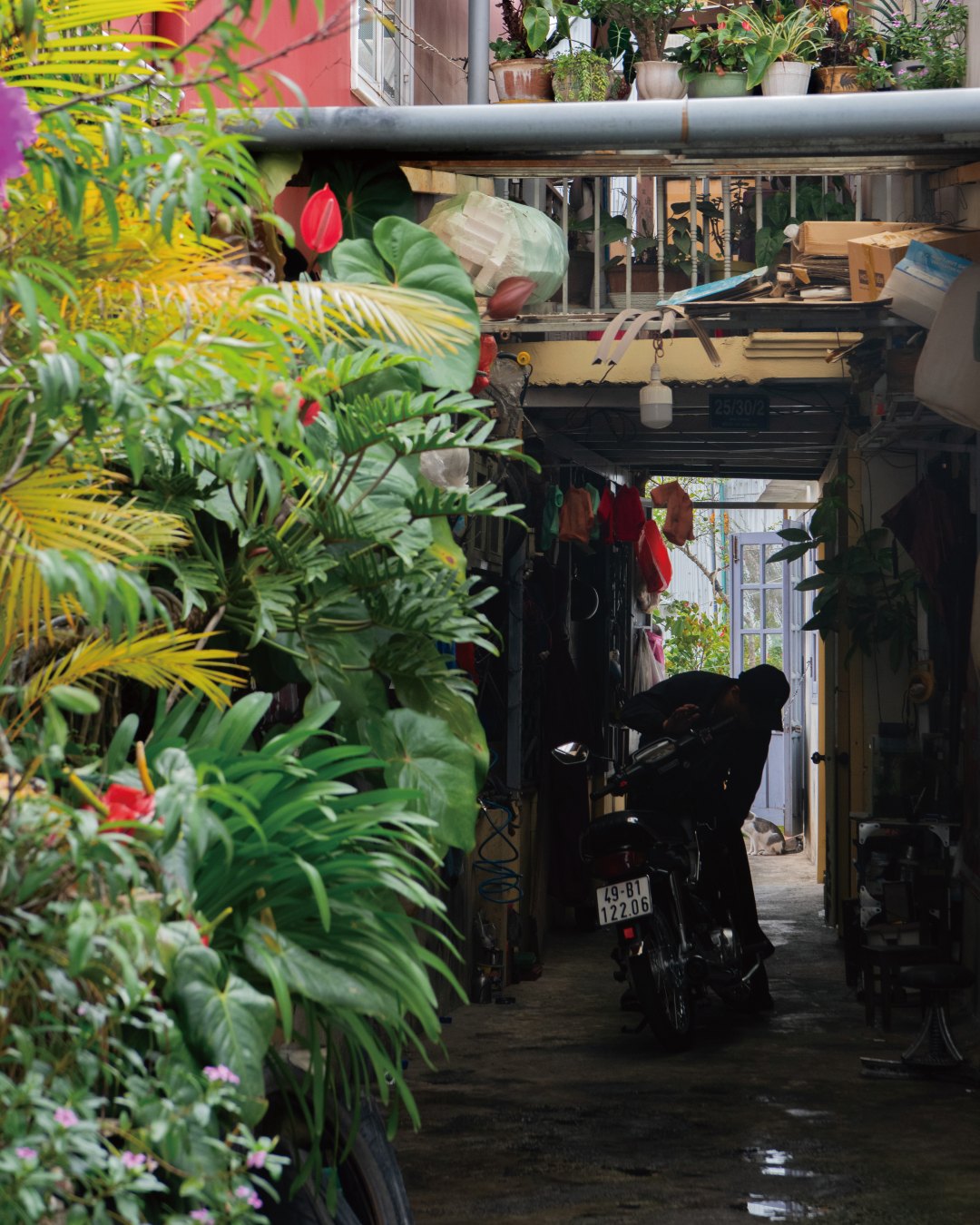
After landing at Lien Khuong International Airport and following the winding road uphill, you slowly begin to see Da Lat’s alluring character. Buildings that recall a small European town of a century ago rise above a thin veil of mist, while the brisk movement of locals adds bustle and energy to every street. The cityscape builds up in layers around Xuan Huong Lake. Away from the main roads, narrow alleys climb and descend the slopes, and tastefully designed cafés and restaurants tucked into every corner catch the wandering traveler’s eye. Though Viet Nam lies within the tropical monsoon zone, Da Lat stays cool and crisp throughout the year. Temperatures hover between 14 and 20 degrees Celsius, so refreshing that even in midsummer you will want a light jacket in the mornings and evenings.
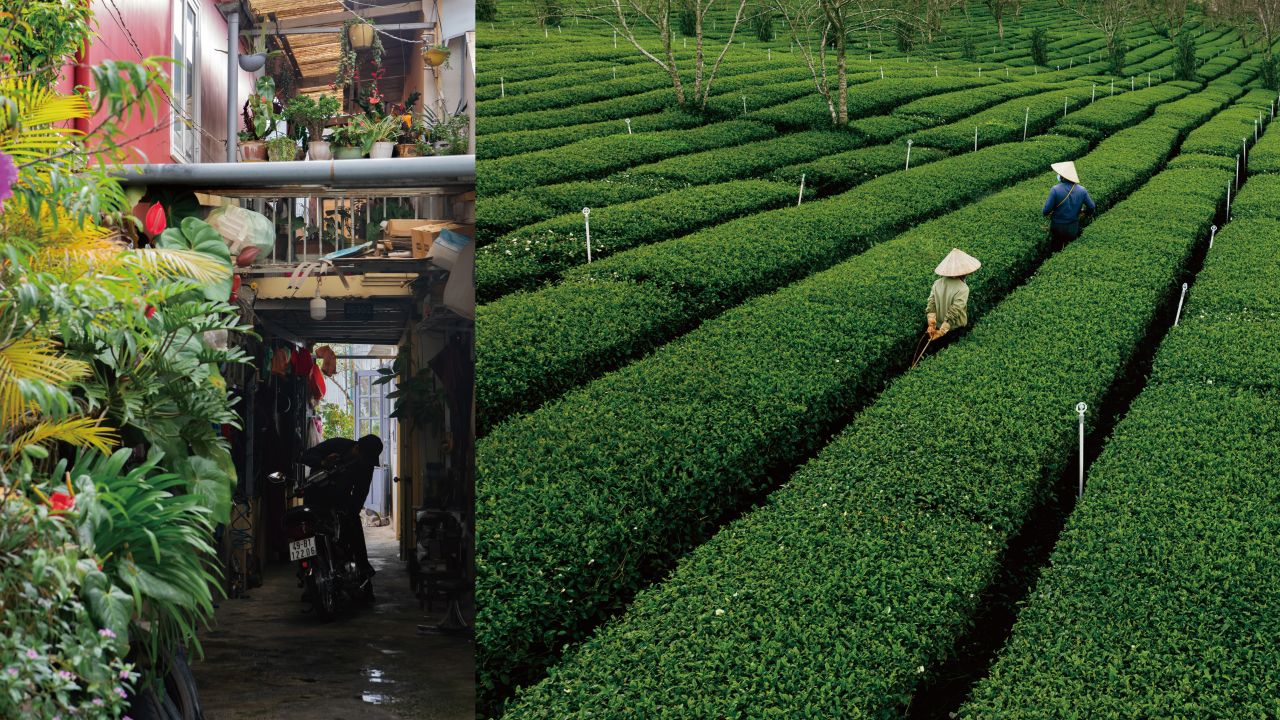
Da Lat’s favorable highland climate and soil have made it one of Viet Nam’s foremost agricultural regions. Beyond the city center, strawberries, tea, coffee, an array of vegetables and flowers grow in abundance, and you can even find the country’s largest winery. The view from a stylish hilltop café, with deep green tea fields set against a blue sky, has become the signature scene of Da Lat. More recently, young Vietnamese creators have been bringing fresh energy to the city. Mural projects that transform the old town, along with lively art activities centered on small communities, are prime examples. With nature, culture and art in harmony, Da Lat is surely a city that offers travelers something more than rest.
Memories of French architecture from a century ago: Ana Mandara Villas Dalat
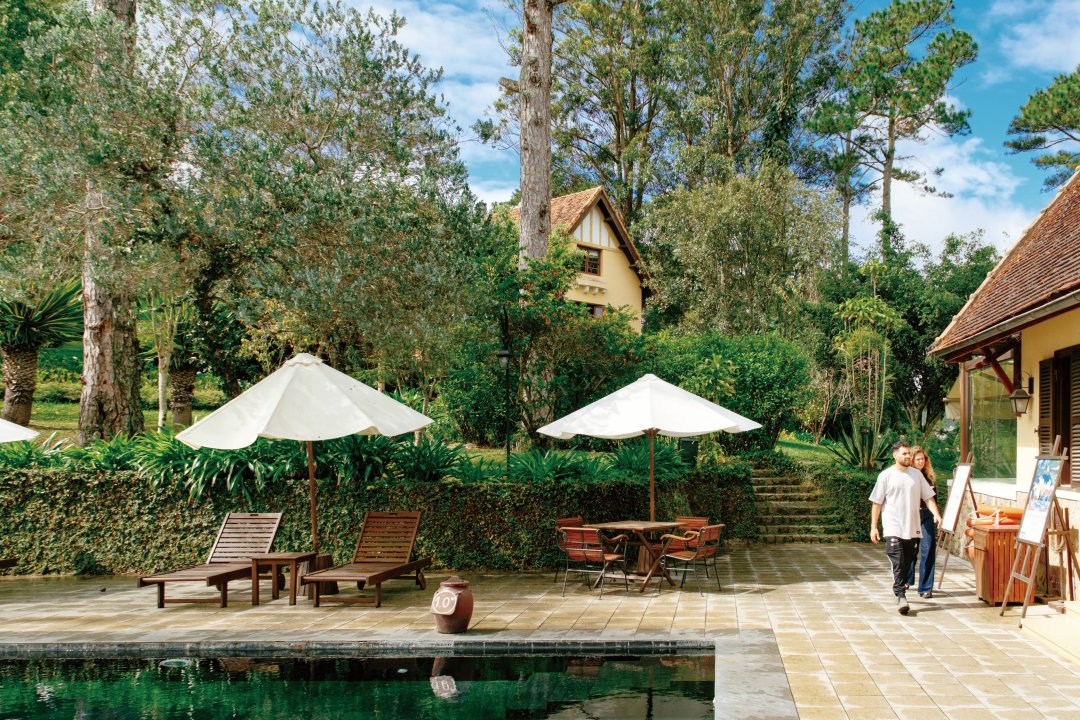
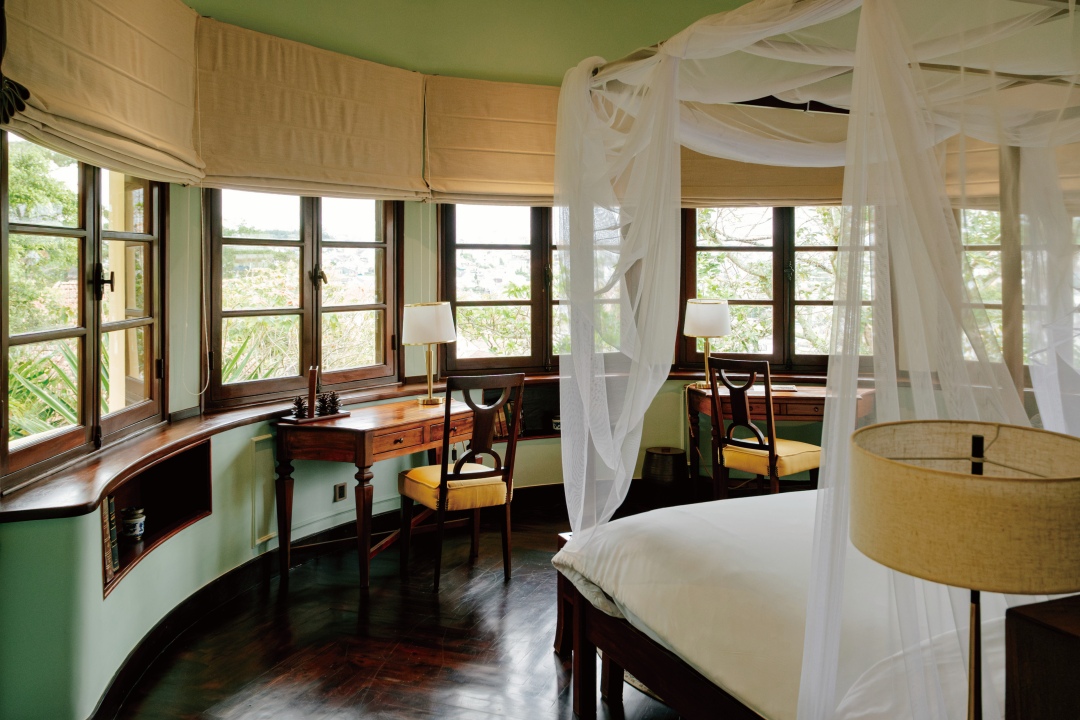
French architecture played an important role in the city’s growth into a resort town during the colonial era, and it remains part of Da Lat’s cultural heritage today. The villas of Ana Mandara are one such legacy. Fourteen original villas built between 1926 and the 1930s, along with three replicas, have been converted into a hotel, offering a brief glimpse of elegant life in French Indochina.
Settlers from different regions of France are said to have built their villas to resemble the homes they had left behind. The villas, restored to their original form, still each have a distinct interior and exterior, so the whole hotel complex feels like a retreat village for the upper class. Each villa was named after the occupation of its first residents, such as “the Archaeologist’s House” and “the Artist’s House.” The guest rooms carry the traces of time. With wooden floors, fireplaces, old-fashioned light switches and four-poster beds, the classic interiors feel like a return to France a century ago. Open the window and you see a garden scented with pine, with the city of Da Lat spread out in the distance, a true taste of the romance of a highland resort town. At Le Petit restaurant, which carries the warmth of an old house, the kitchen serves refined French and Vietnamese dishes, and the outdoor pool, kept at a steady temperature all year round, invites you to slip in as if it were a cozy nest.
The scent of tea in the mist: Cau Dat Tea Hill and Museum
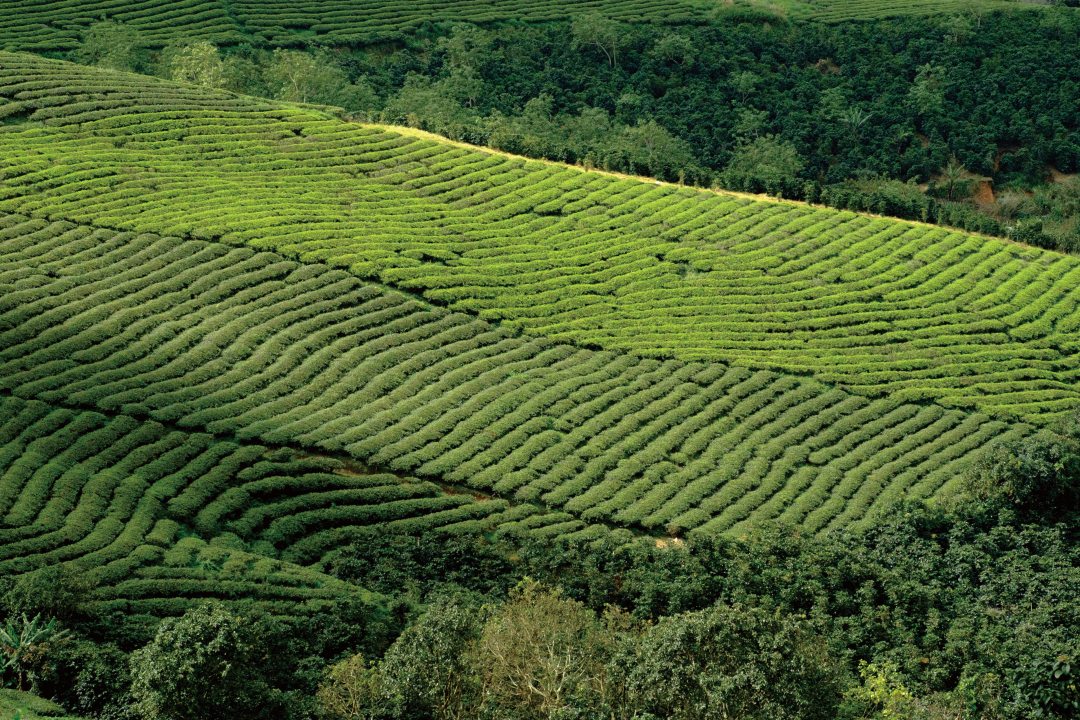
On the highlands about 20 kilometers from central Da Lat, dark green tea leaves ripple along the slopes. Where the blue sky meets the curve of the hills, wind turbine blades turn here and there. Arriving at Cau Dat Tea Hill early in the morning, just as the mist is lifting, we found plenty of visitors already busy taking photos. First discovered by a French explorer in the late 19th century, the area, at an altitude of more than 1,600 meters and with a cool climate, offered ideal conditions for growing tea. In 1927, the Cau Dat farm was established, the first in Southeast Asia built for tea production, and full-scale production began.
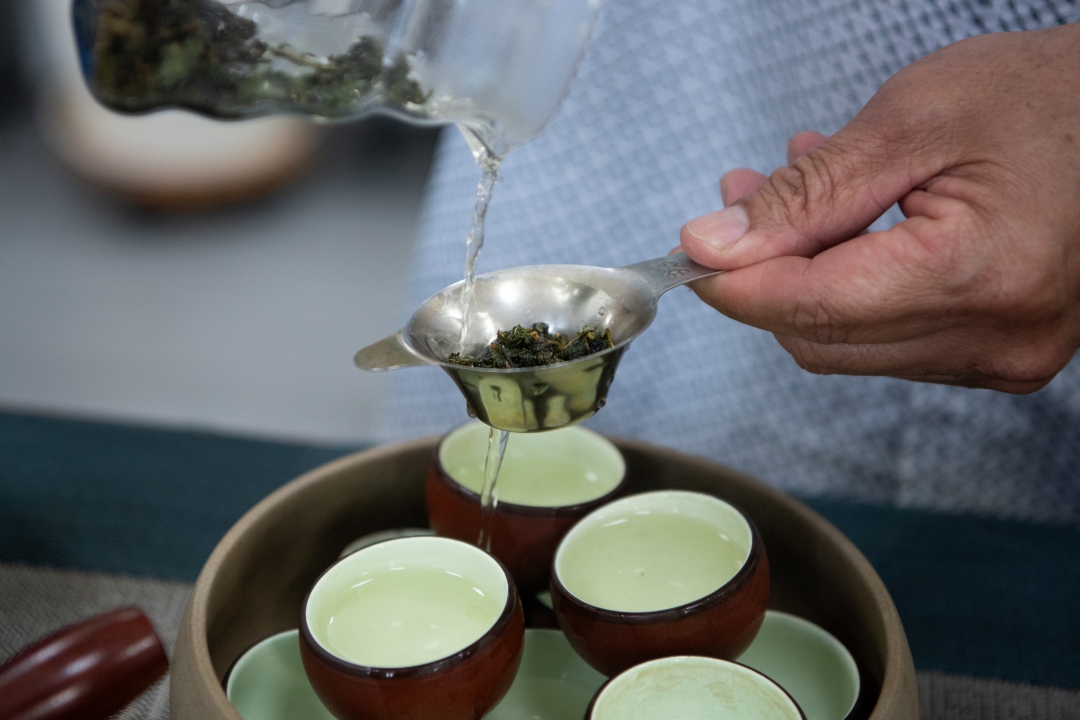
Drawing on nearly a century of tea-growing history and know-how, the Cau Dat 1650 Tea & Coffee farm continues to produce high-quality tea today. Alongside the green, black and oolong teas born of Da Lat’s distinctive highland environment, it also offers specialty products scented with jasmine or lotus. The leaves are picked by hand, and the harvested leaves are said to be given their first processing at the source within three hours whenever possible, preserving as much aroma and flavor as possible. Sign up for the farm’s tasting program and you can sample freshly brewed tea and tour the facilities.
An encyclopedia of Da Lat’s tea culture: Long Dinh Tea Museum
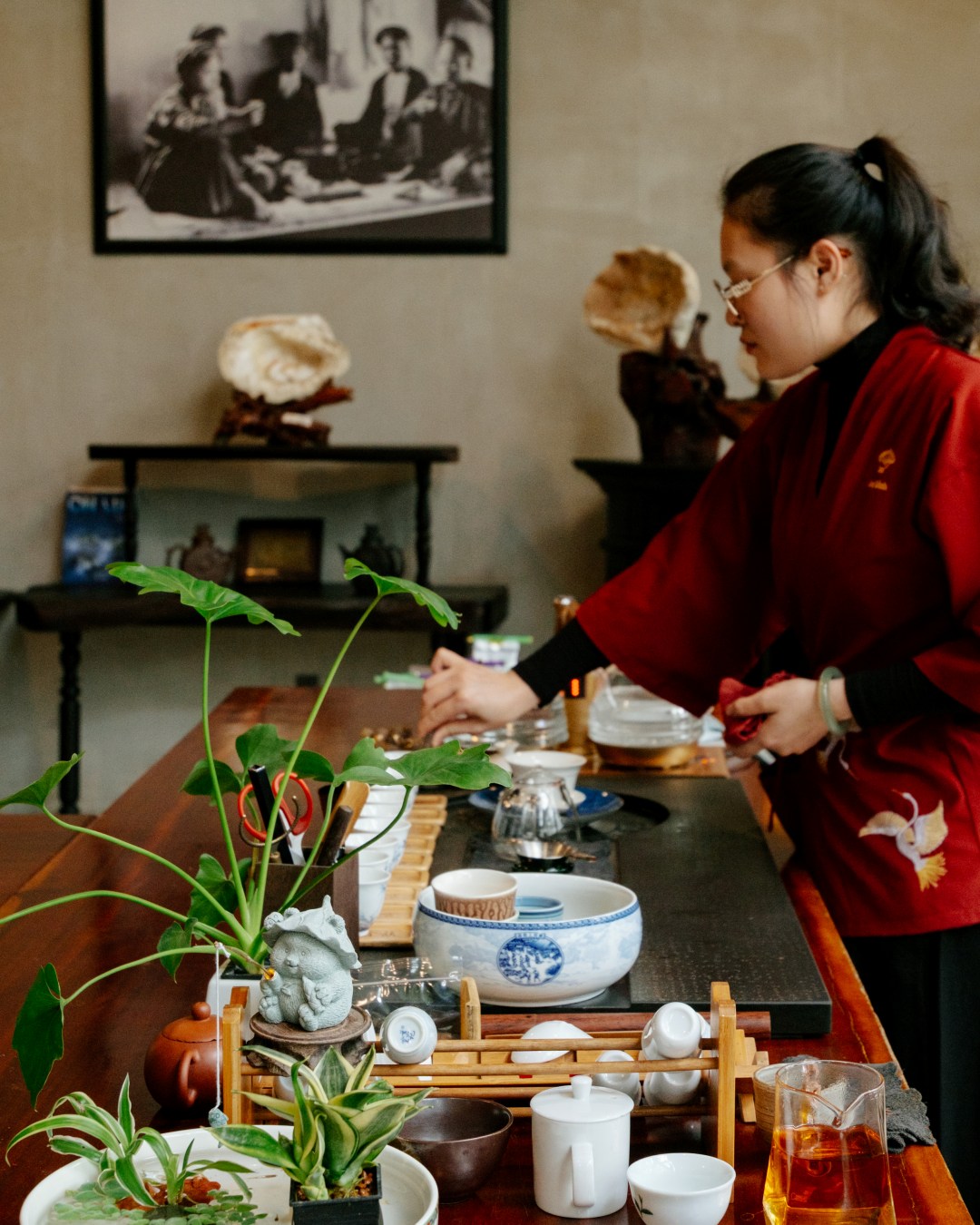
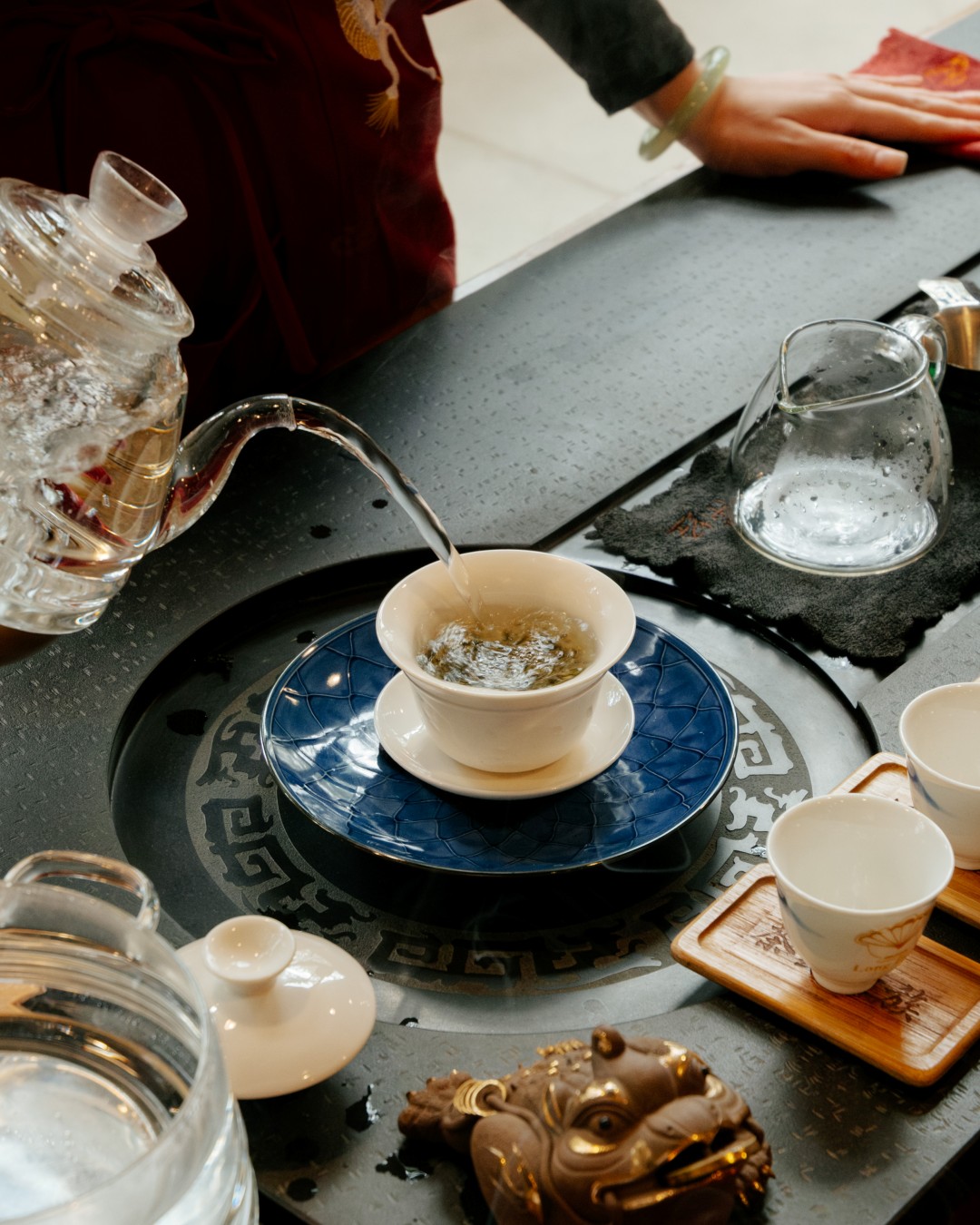
Opened in 2003, Cau Dat’s Long Dinh Tea Museum is both a museum and a tea culture space that introduces the history and culture of tea in Viet Nam’s Lam Dong region to the public. The exhibition halls and tasting area, surrounded by a pine forest, cover about 4,000 square meters.
The museum is divided broadly into an exhibition hall and an experience zone. At the entrance to the exhibition hall stands a wooden carving of Shennong (神農), the figure said to have discovered tea, followed by more than 250 exhibits introducing the history of Viet Nam’s tea industry. From the roots of a 100-year-old tea tree grown in Cau Dat during the French colonial period to tea maps and documents, traditional tea-making tools and teaware (茶具), and specimens of tea leaf varieties, the displays convey a broad knowledge of tea culture spanning East and West.
In the tea house’s tasting room, an expert guide brews a variety of teas, including oolong, green and herbal, right in front of you. Tea sipped while gazing out the window at the lush greenery is superb on aroma alone, and a single sip seems to warm the mind and heart. The tea house restaurant also serves dishes that use tea as an ingredient, such as rice cooked in fermented black tea, tea-boiled eggs and tea tempura.
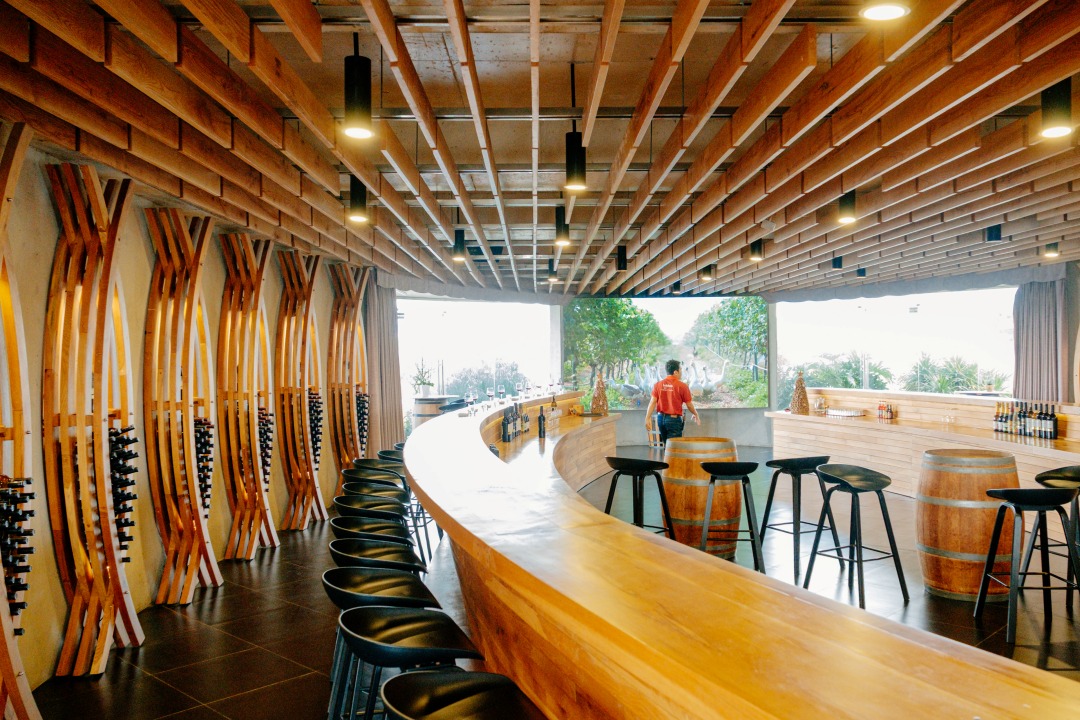
The Pride of Vietnamese Wine: Ladora Winery
Beyond tea and coffee, Da Lat dreams of becoming the wine capital of Viet Nam, and Ladora Winery, which makes wine from 100 percent Vietnamese grapes, is where that dream takes shape. Ladora began growing grapes and producing wine in 1998, and it is now entering the global market with Château Dalat, Viet Nam’s first premium wine brand.
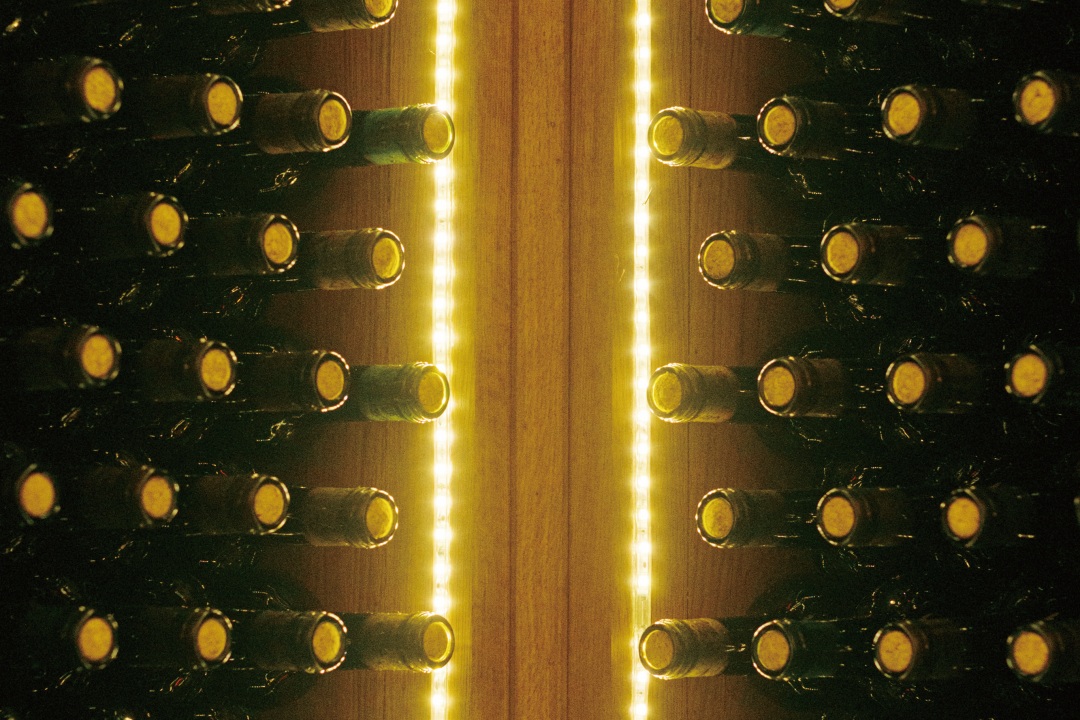
The winery’s exotic main building is surrounded by flower gardens and a small lake, creating a relaxed atmosphere. The wine cellar beneath the main building was designed by European wine experts and finished with a refined look. Located below the lake, it holds a steady temperature and humidity as the wine ages in French oak barrels. The grapes, including Syrah, Cabernet Sauvignon, Chardonnay and Cardinal, are grown in the winery’s own vineyards in Ninh Thuận, about three hours from Da Lat. The wine-tasting program includes a video introducing Ladora wines, then three wines to taste with commentary. Distinctive offerings include ‘Vang Đàlạt,’ a sweet wine made from Cardinal grapes with mulberries added, and a honey wine brewed from 100 percent honey. It is a chance to sample some of the unusual experiments in Vietnamese wine.
A Miracle Made of Ceramic Shards: Linh Phuoc Pagoda
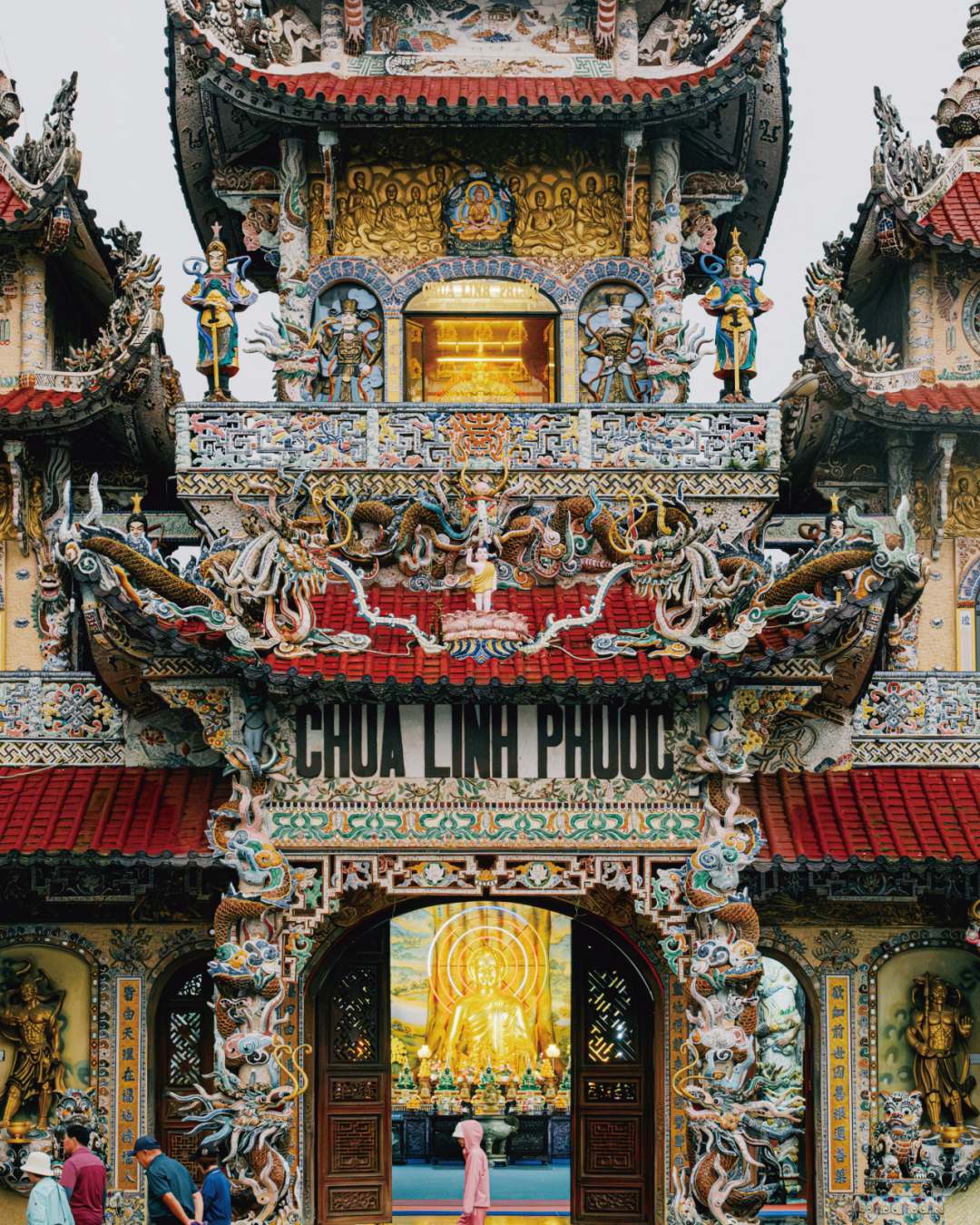
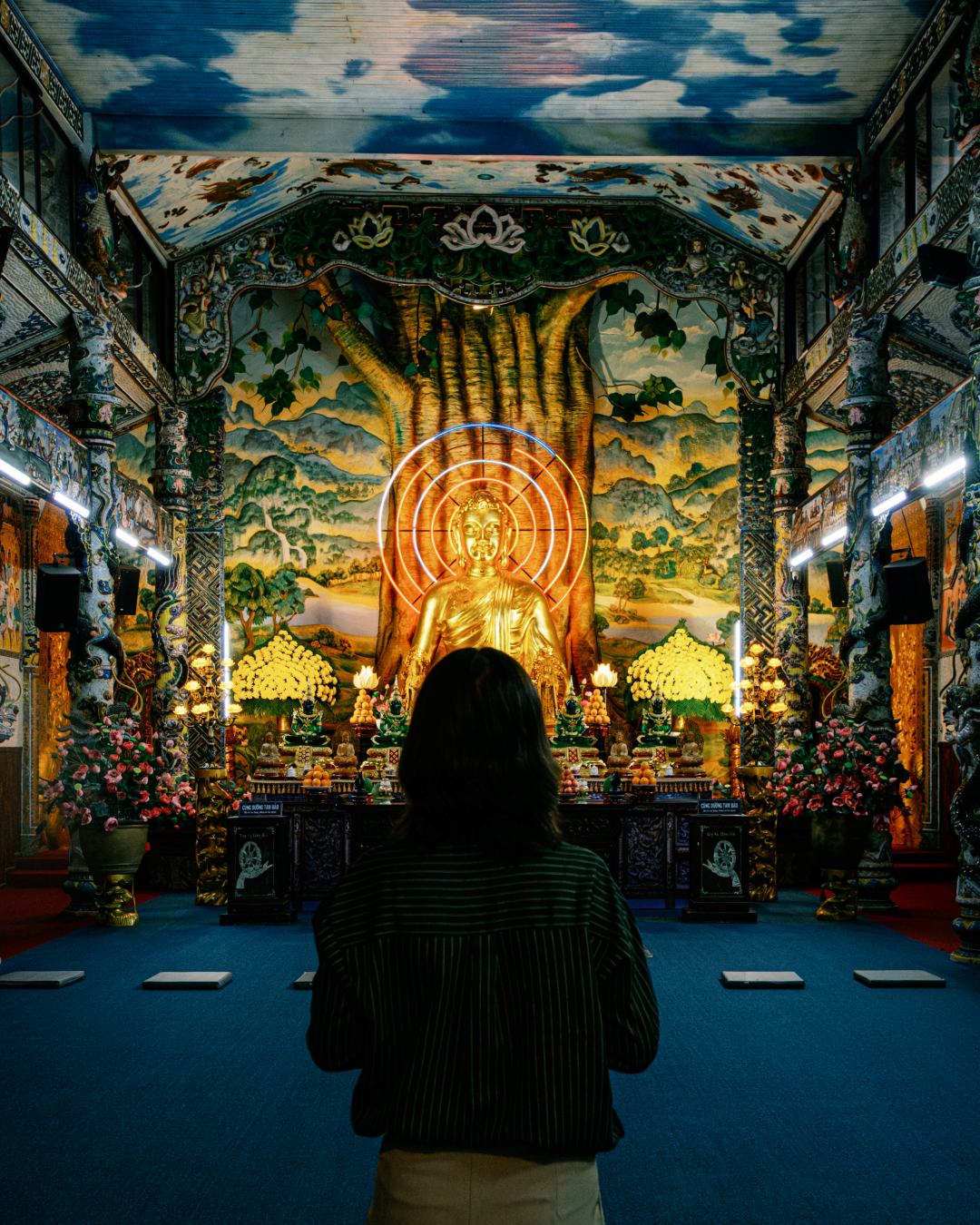
Linh Phuoc Pagoda, in Trại Mát on the outskirts of Da Lat, boasts extraordinary splendor and beauty. Known as the ‘Ceramic Pagoda’ (Ve Chai Pagoda), it has every wall, pillar and roof covered like a mosaic in discarded glass bottles and ceramic fragments, all pieced together by hand. It was completed in the 1950s and took on its present dazzling appearance through a major renovation in the 1990s. At the entrance, a dragon sculpture said to be made from 12,000 recycled glass bottles greets visitors. Beneath the mosaic murals inside the main hall, the Buddha statues and wax figures are astonishingly detailed. The pagoda’s highlight is a 17-meter statue of Avalokiteshvara (the Bodhisattva of Compassion). It is made from more than 600,000 dried chrysanthemums and is said to be the tallest indoor Buddha statue in Viet Nam. Hundreds of small Buddha statues line the area around it, creating a majestic and spiritual scene.
120 Tự Phước, Trại Mát, Thành phố Da Lat
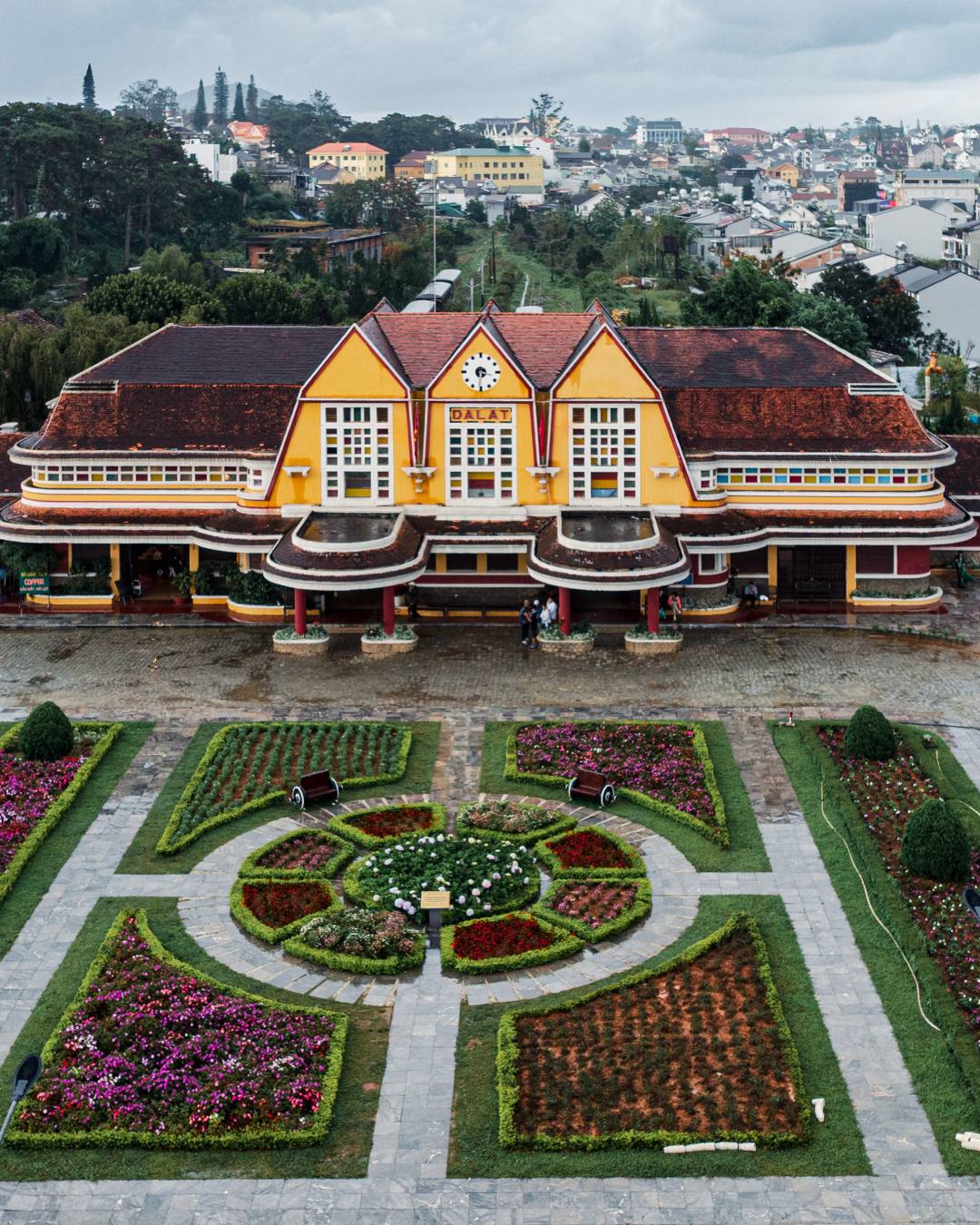
French Architecture Echoing Three Peaks: Da Lat Railway Station
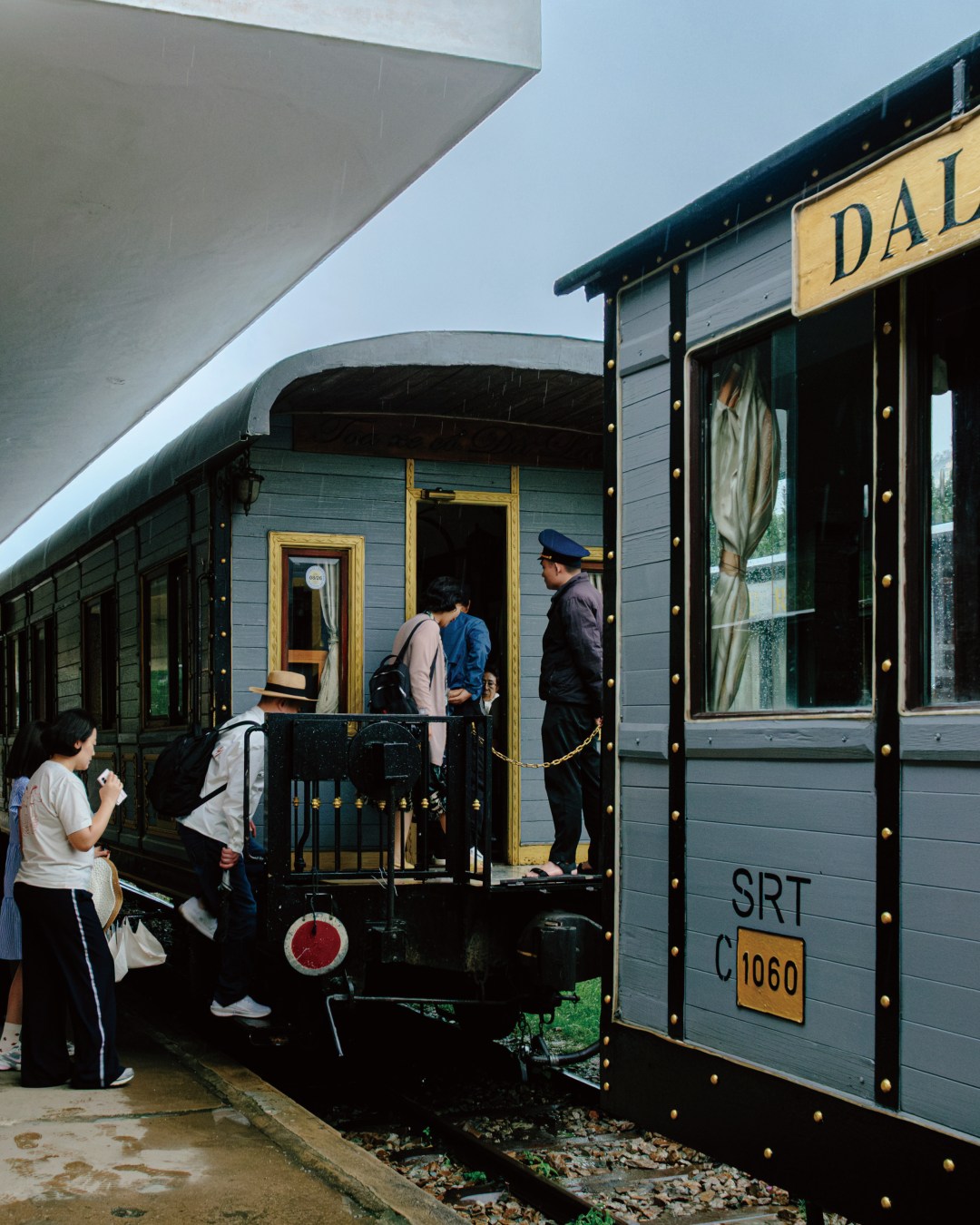
Designed by a French architect in the 1930s, Da Lat Railway Station is regarded as the most beautiful station in Viet Nam and a symbol of the city. Modeled on the train station in Deauville, France, it combines the Art Deco style then fashionable in Europe with the traditional house style of Viet Nam’s Central Highlands, and its trademark is three gabled roofs. They represent the three peaks of Langbiang Mountain near Da Lat, and the clock at the center, set against stained-glass windows, completes the striking facade. Well preserved in its original form, the station was designated a national architectural heritage site in 2001 in recognition of its architectural value. The railway line that once connected the highland city of Da Lat with the lowland plains now operates only as a tourist route covering about 7 kilometers to Trại Mát. As you wander the platform looking at the original Swiss cog train, now out of service, and the souvenirs, a horn sounds to signal departure. Waiting to welcome passengers from around the world, who look on with curiosity, are a vintage locomotive and wooden carriages. The train pulls out slowly at the wave of the station staff’s flag, gliding past Da Lat’s residential neighborhoods, alleys, forests and farms and stirring a romantic nostalgia.
Quang Trung, Phường 9, Thành phố Da Lat
Da Lat’s Finest Specialty Coffee: Son Pacamara
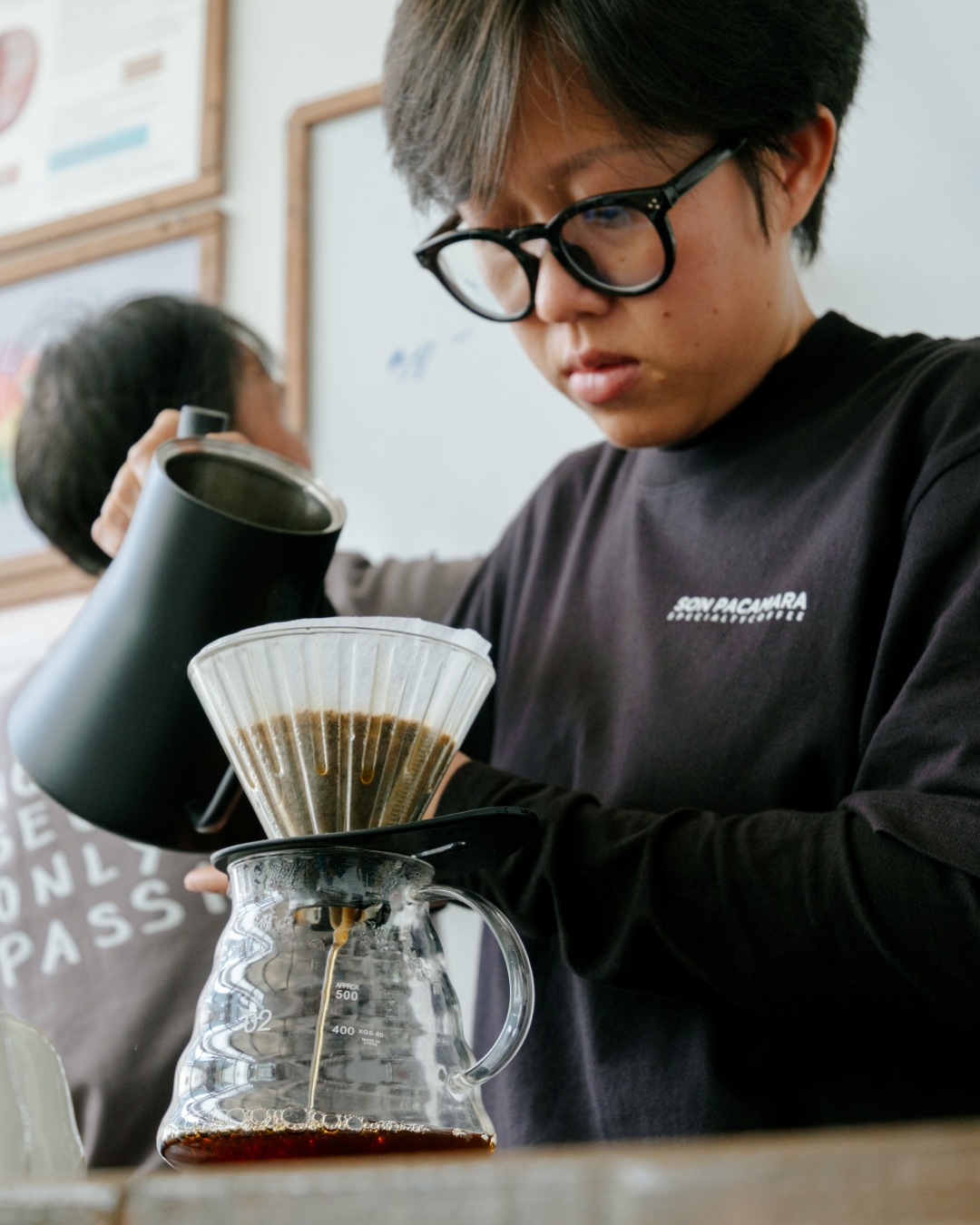
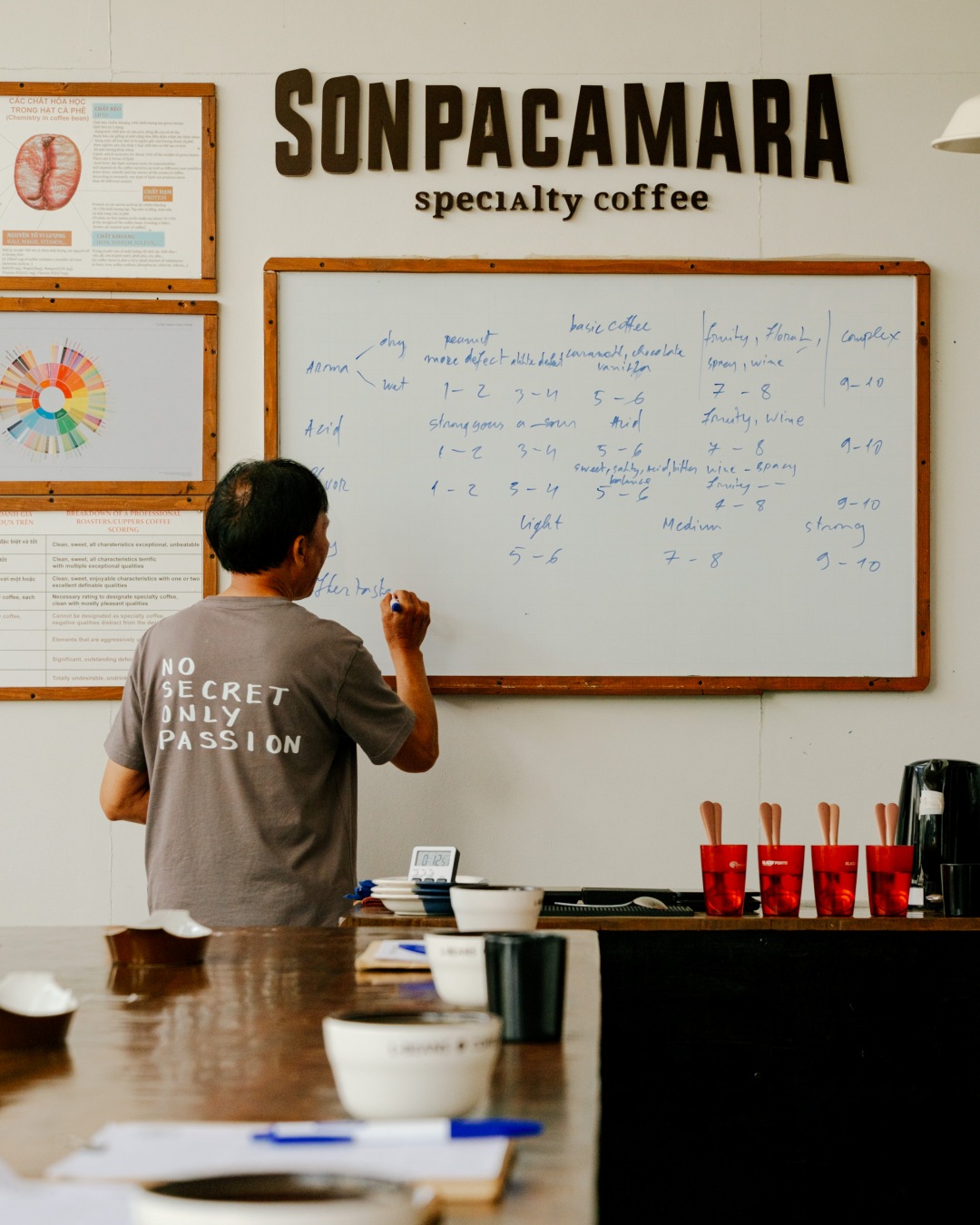
Viet Nam is the world’s second-largest coffee exporter, but Robusta accounts for most of its production. That is why specialty coffee is hard to find and not very popular. In the past few years, however, this perception has gradually been changing, thanks to people who have reshaped how Vietnamese specialty coffee is seen, such as the Son Pacamara coffee farm, set among farmland at 1,500 meters above sea level on the outskirts of Da Lat.
‘Pacamara’ is an Arabica variety developed in El Salvador, with large beans and a distinctive flavor. Son, the owner of Son Pacamara, discovered that the coffee seedlings he had come across by chance in 2010 were Pacamara. He then named the farm ‘Son Pacamara’ and began growing specialty coffee. Thanks to the owner’s passionate effort, the carefully cultivated coffee trees are turned into cups of coffee by expert hands. Son Pacamara’s specialty coffee is now recognized worldwide, earning high scores at international coffee awards.
Son also leads farm tours himself, walking visitors systematically through the entire coffee production process and introducing each variety in detail with his vast knowledge. After an intensive cupping session and class, you may find that you have somehow grown into something of a coffee expert. For coffee lovers, it is a place not to be missed.
The Art Hub of the Old City: Pho Ben Doi
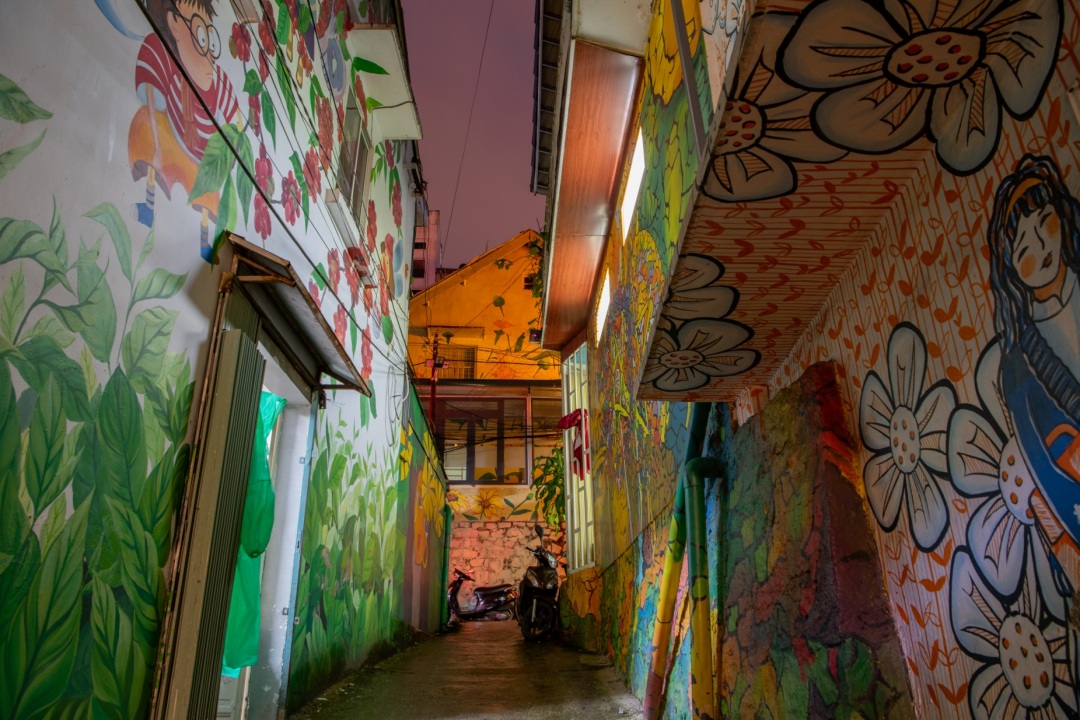
Pho Ben Doi is an organization that aims to be a creative hub linking Da Lat’s local artists, audiences and community. It occupies a 500-square-meter space inside the Lam Dong Youth Center, with well-appointed facilities including a gallery, studios, workrooms and an art shop. It supports young artists with opportunities to create and exhibit freely, and, drawing on Da Lat’s identity as a UNESCO Creative City, it also works to hold concerts and foster international exchange.
Art projects carried out continually for the benefit of the local community are also a core part of Pho Ben Doi’s work. They began with the aim of adding creativity to the city while protecting Da Lat’s distinctive way of life. A representative example is the mural project that brought new energy to an old neighborhood under the motto ‘Art connects us.’ Through this project, the declining Dốc Nhà Làng alley was reborn as an art street with some 30 murals, and it is often cited as a fine example of local urban regeneration. It is one more reason to pay close attention to Pho Ben Doi’s efforts to turn Da Lat into a ‘city of art.’
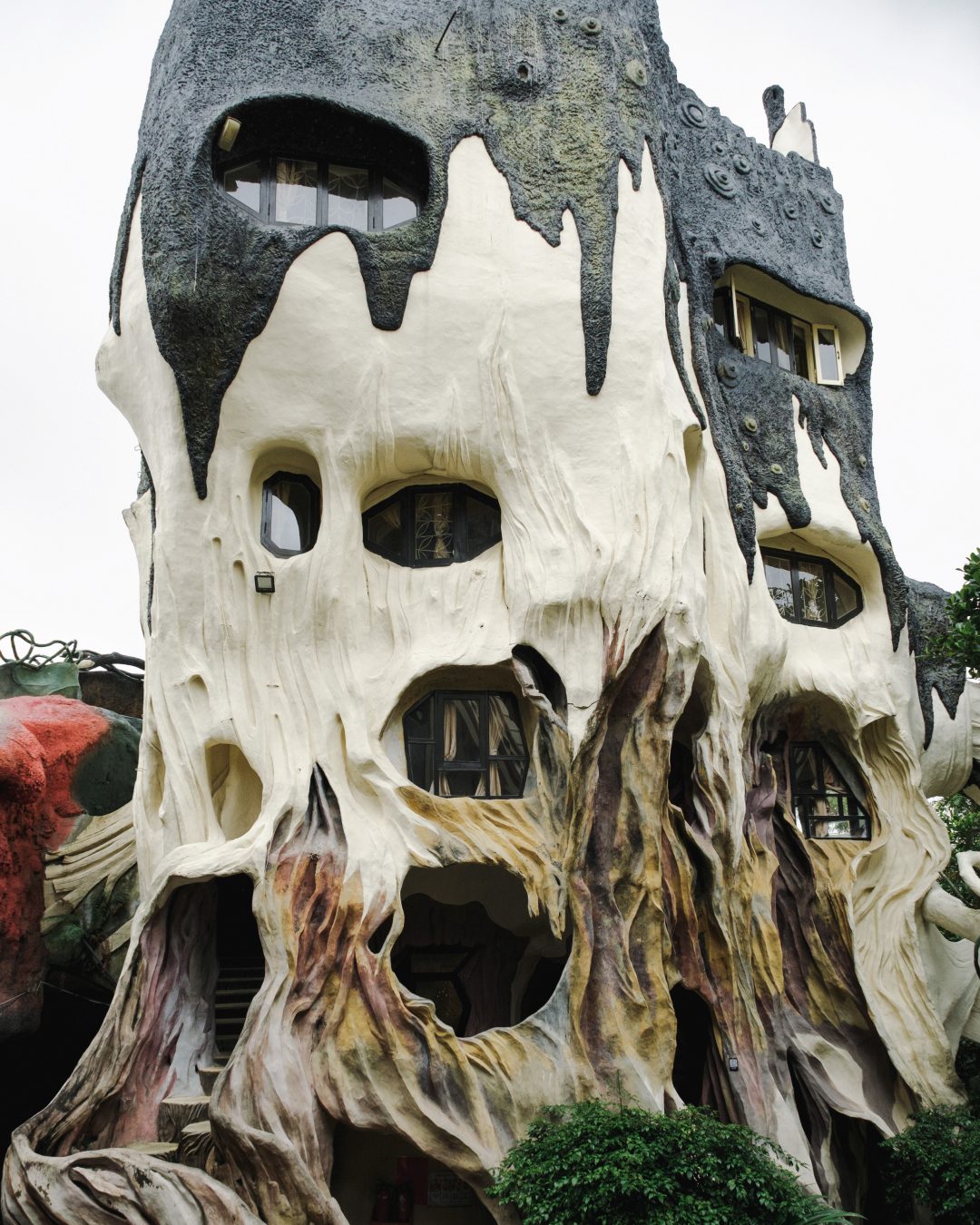
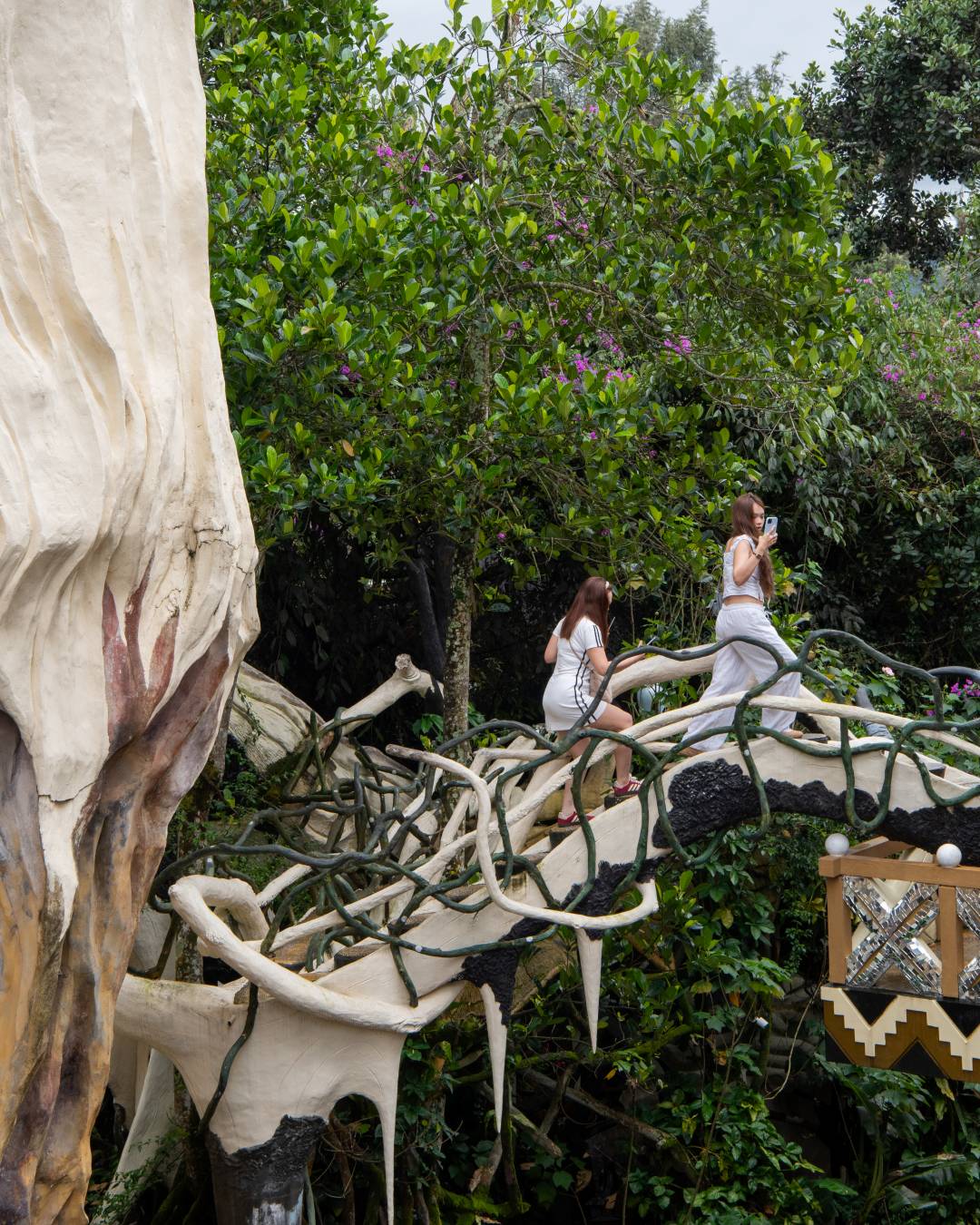
A House Built by Viet Nam’s Gaudí: Crazy House
True to its name, Crazy House is a building bound together by outlandish forms and experiences. Designed with nature as its motif by Đặng Việt Nga, a Vietnamese architect who studied architecture in Russia, it rules out straight lines in favor of curves alone, resembling a giant old tree tangled together. Past the entrance, stairways and passages twist and stretch like roots and branches, while cobweb-shaped windows and mushroom-like pillars divide and screen the space. With every step a new room or space reveals itself, leaving your senses reeling. The view from the top is just as unique, impossible to sum up in a word. Crazy House also operates as a guesthouse. Its 11 animal-themed rooms each have plenty of personality. During the day, even non-guests can look inside the rooms, so enjoy the fun of seeing the ingenious interiors.
Where to Eat
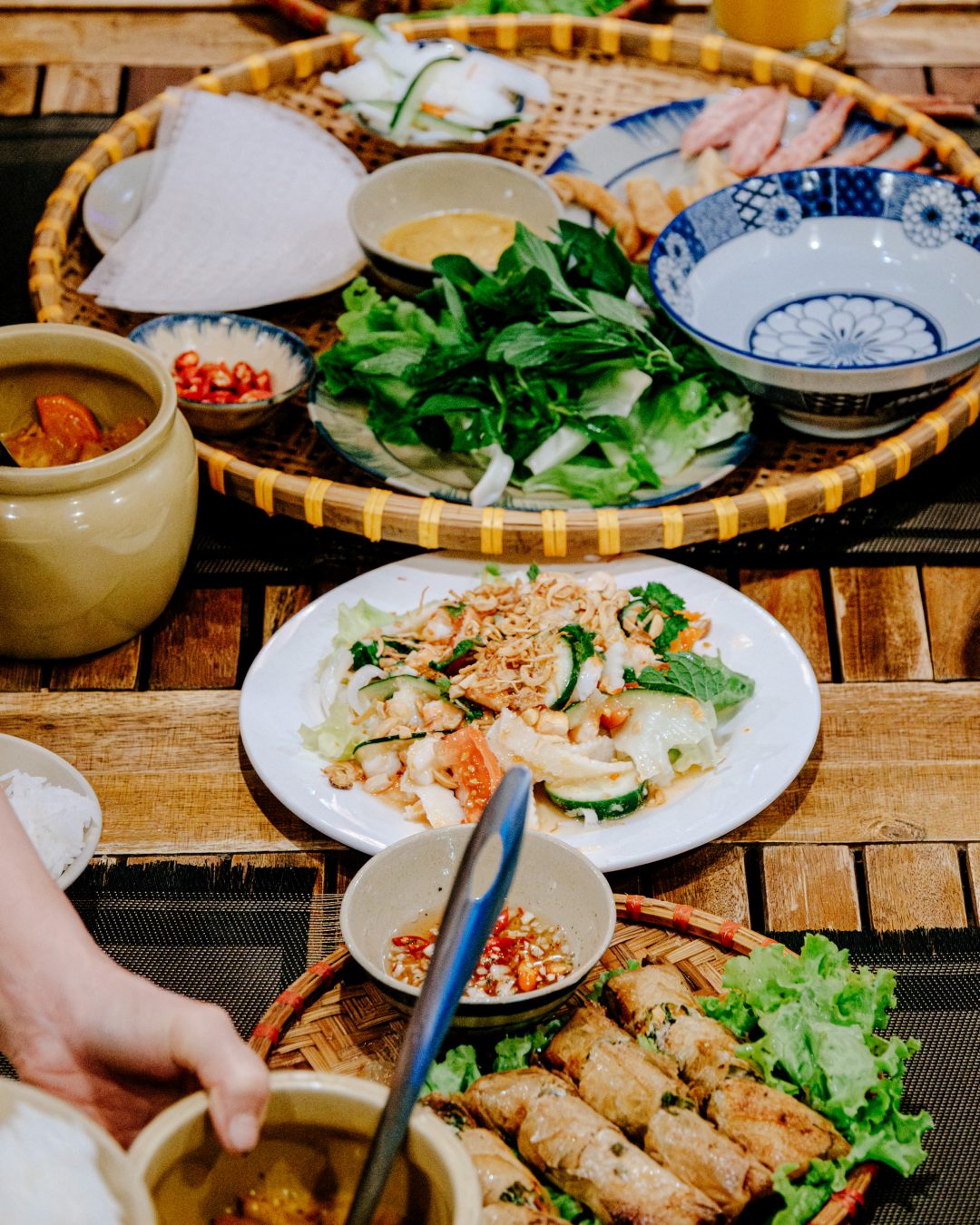
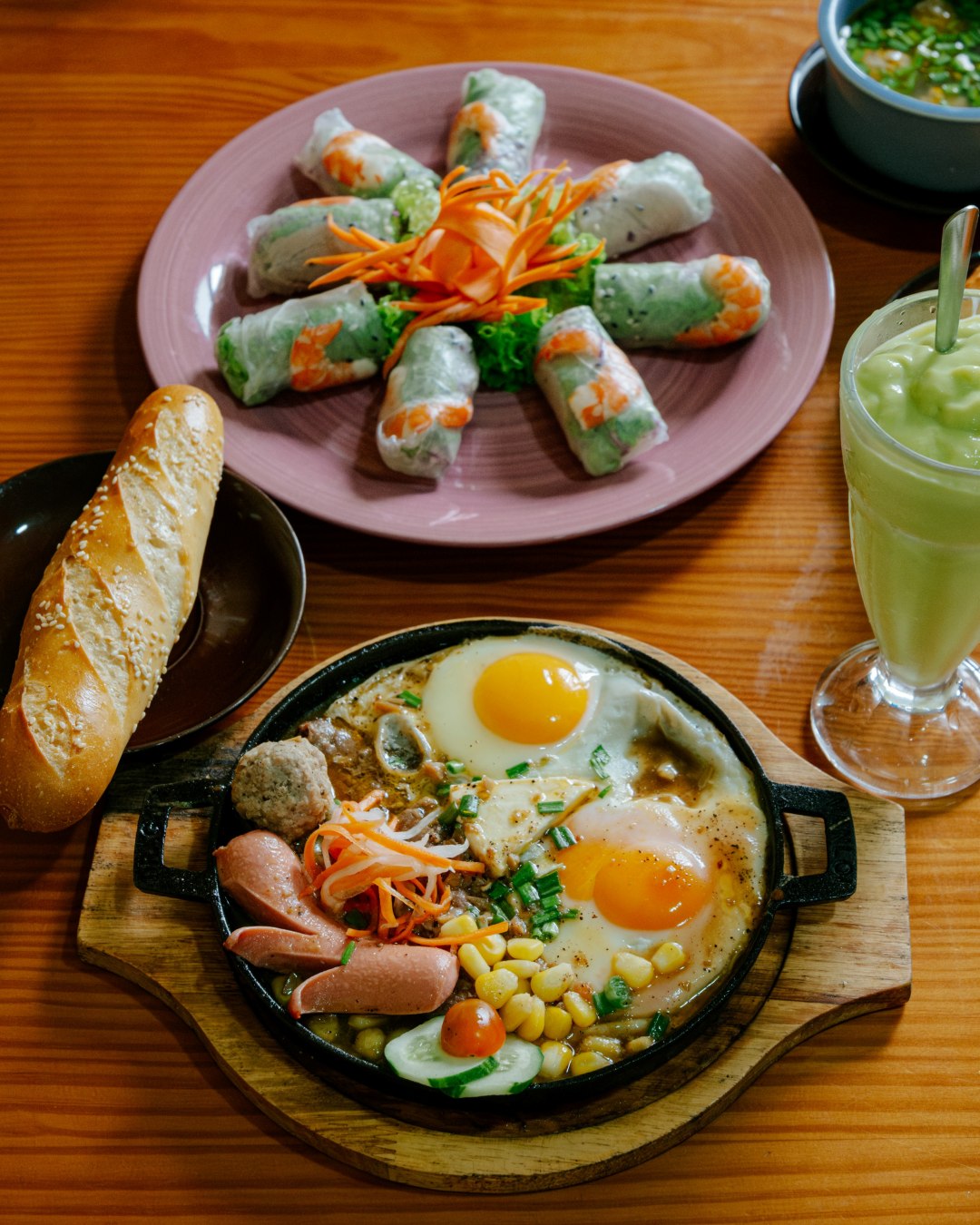
Goc Ha Thanh
A local restaurant recommended by global travel media such as Lonely Planet. It serves dishes from all over Viet Nam, including coconut milk chicken curry, nem nuong (charcoal-grilled pork rolls) and garlic fried rice. The standout is the coconut curry, in which tender chicken meets rich coconut flavor. The nem nuong, wrapped in rice paper with fresh vegetables, balances juicy pork with a tangy sauce. The desserts and juices made with fresh Da Lat fruit are also worth trying.
+ 53 Trương Công Định, Phường 1, Da Lat
Tiem an Da Lat Pho
A place to enjoy a wide range of Vietnamese street food. A yellow facade and wooden details, plus an interior decorated with plants, create a cozy atmosphere. The menu is varied: Hanoi-style bun cha, crispy banh xeo, banh mi xiu mai (pork meatball soup with baguette), a Da Lat breakfast favorite, and banh mi chao, served with eggs and meat.
+ 14 Tô Hiến Thành, Phường 3, Da Lat
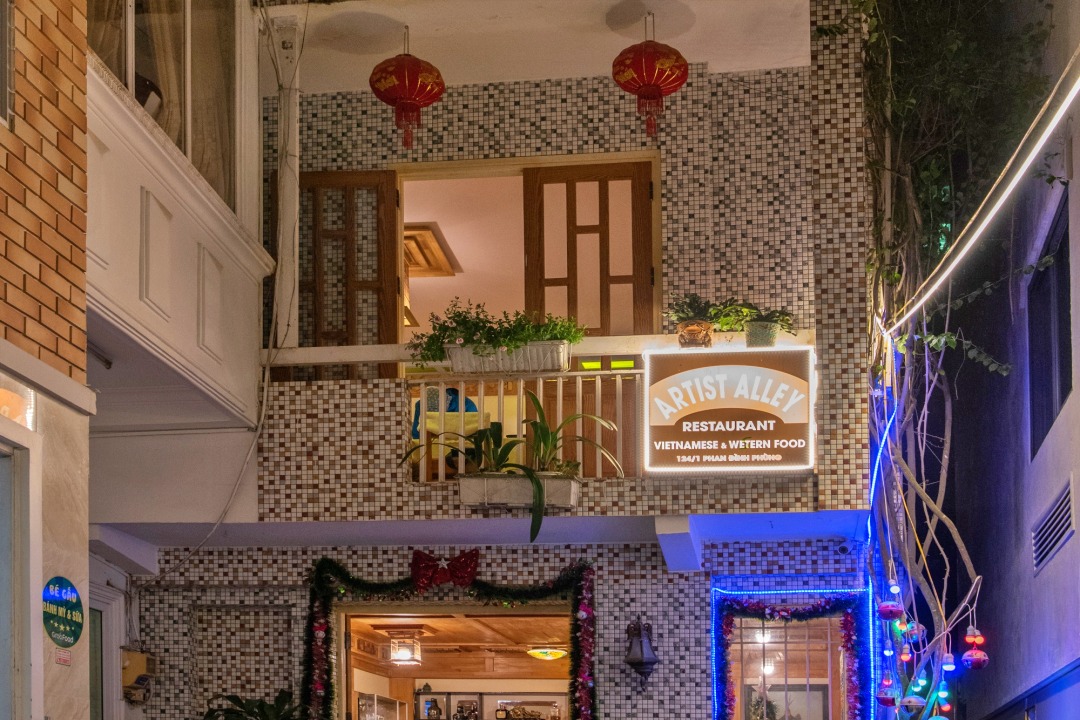
Artist Alley
Tucked away just off the busy center of Da Lat, Artist Alley is run by a local artist. With the owner’s paintings and assorted artworks covering the walls, dining here feels like eating in a gallery. It mainly serves French and Vietnamese dishes, and the fresh avocado salad is popular. Toward the end of a meal, the owner often adds to the fun by doing a live painting demonstration.
+ 124/1 Phan Đình Phùng, Phường Xuân Hương, Da Lat
Cua hang nuong Mau Dich
A place to enjoy charcoal-brazier grilling in the cool night air of Da Lat. The retro interior, decorated with old electric fans, radios and vintage posters, catches the eye, and the tightly packed seating is charming. Each table has its own brazier, and guests grill the meat themselves. Grilled meat and seafood, paired with the house marinade and sauces, have a sweet flavor.
+ 28b Trần Hưng
► The story continues in “Viet Nam Heritage Journey, Part 2: Mui Ne and Ho Chi Minh City.”