The vitality and historical depth of Filipino culture continue to evolve. Through a journey across Manila and Cebu, let’s explore how history and cuisine merge, and how sustainability has taken root in Filipino travel today.
Words Hur Taewoo
Photos Park Shinwoo
Manila
Riding Through Manila
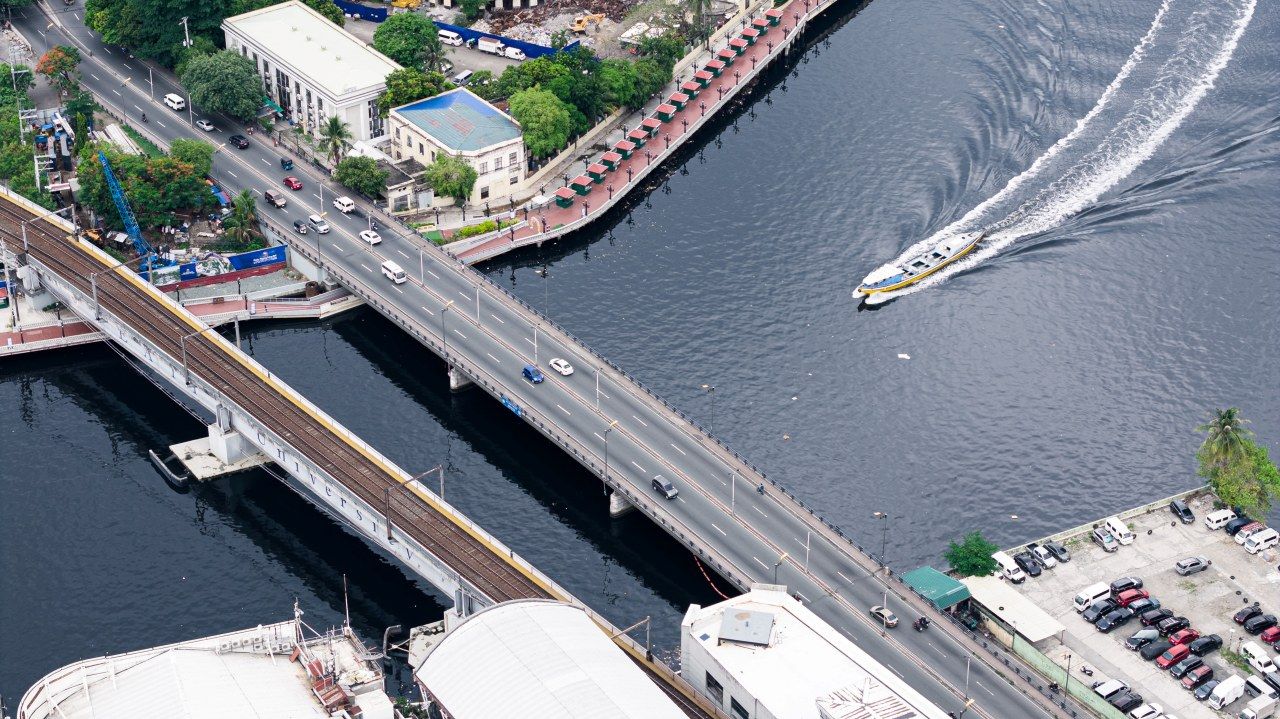
Growing at the confluence of the Pasig River and Manila Bay, Manila was a trading hub long before Spanish expeditions ever landed on its shores. Goods and cultures that arrived by sea and river spread across Manila and the island of Luzon, forming the foundation of the Philippines. Conflicts with foreign powers inevitably followed, but even after independence, the country continued to evolve by embracing diversity.
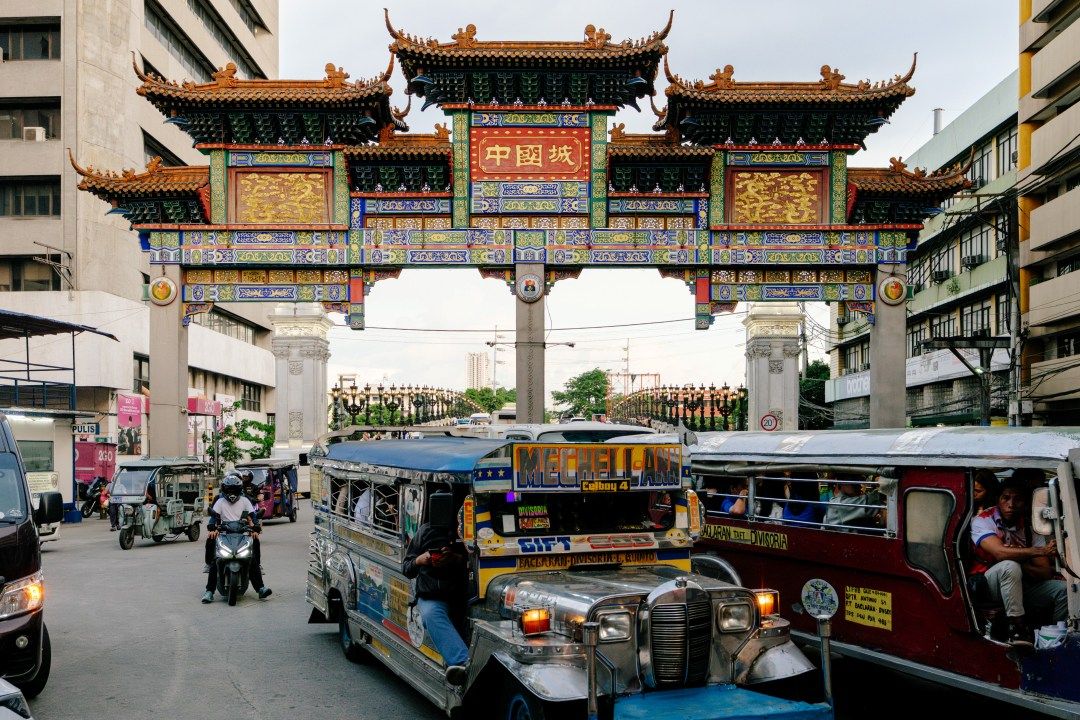
The elements that make up Manila’s cityscape—the walls from the era of Spanish rule, the bustling alleys of Chinatown, the flow of the Pasig River, green parks tucked into the city center, and the skyscrapers of Makati and Bonifacio Global City—reveal a city that grows more layered the more you experience it. In the traditional markets, you’ll hear both English and Tagalog in the vendors’ conversations, while Spanish still lingers in street names and signage. Step out of the intricate alleyways of the world’s oldest Chinatown and you find yourself amid modern skyscrapers, with a centuries-old cathedral standing steadfast right beside them.
According to the history books, the starting point of Manila City is Intramuros, the walled city south of the Pasig River. During their rule, the Spanish built Intramuros in stages. They raised walls and gates, and within them installed the governor’s office, churches, monasteries, military facilities, and schools—a fortress city designed to maximize defense. Since the 17th century, Intramuros has endured repeated wars and major earthquakes, yet it still stands firm today.
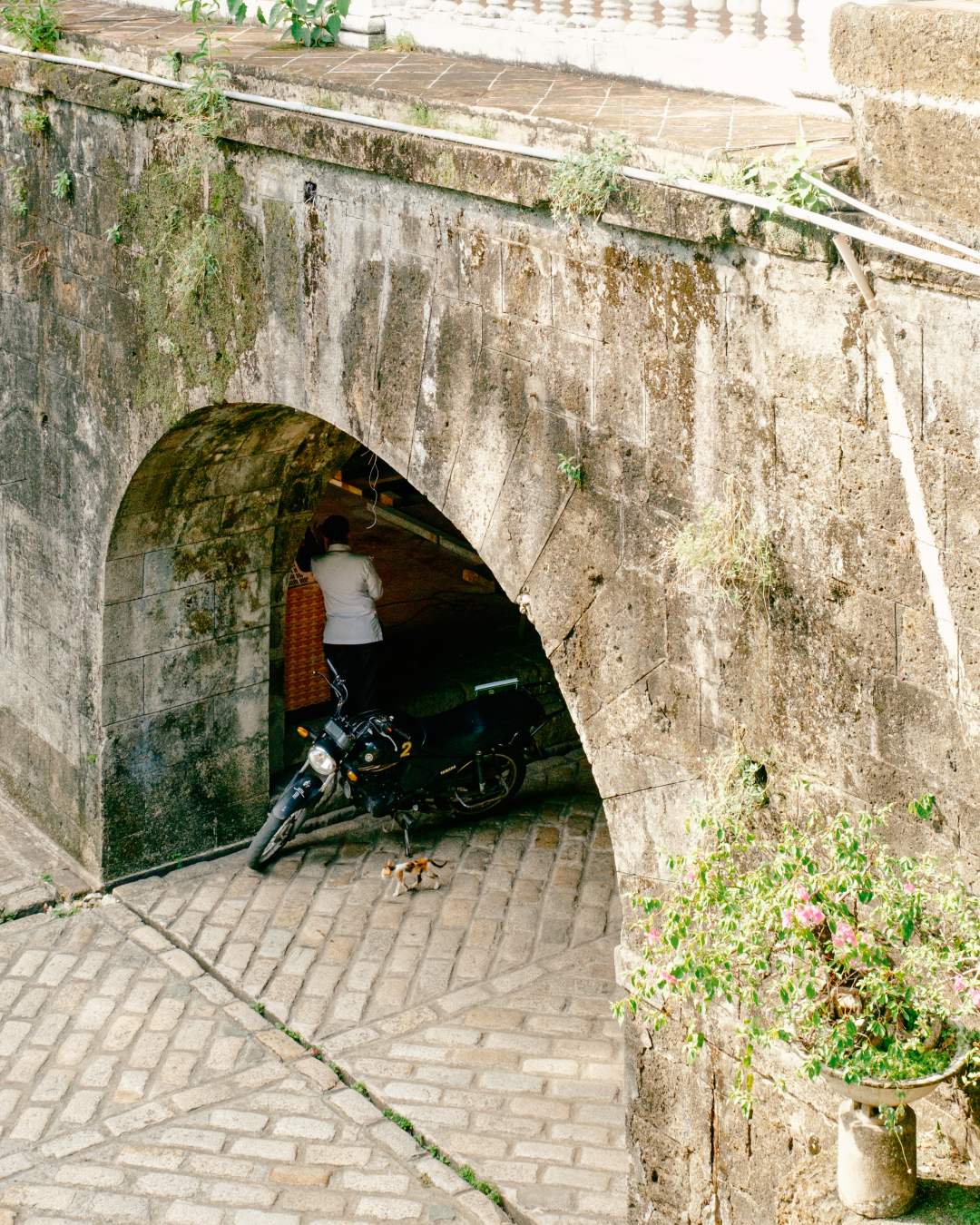
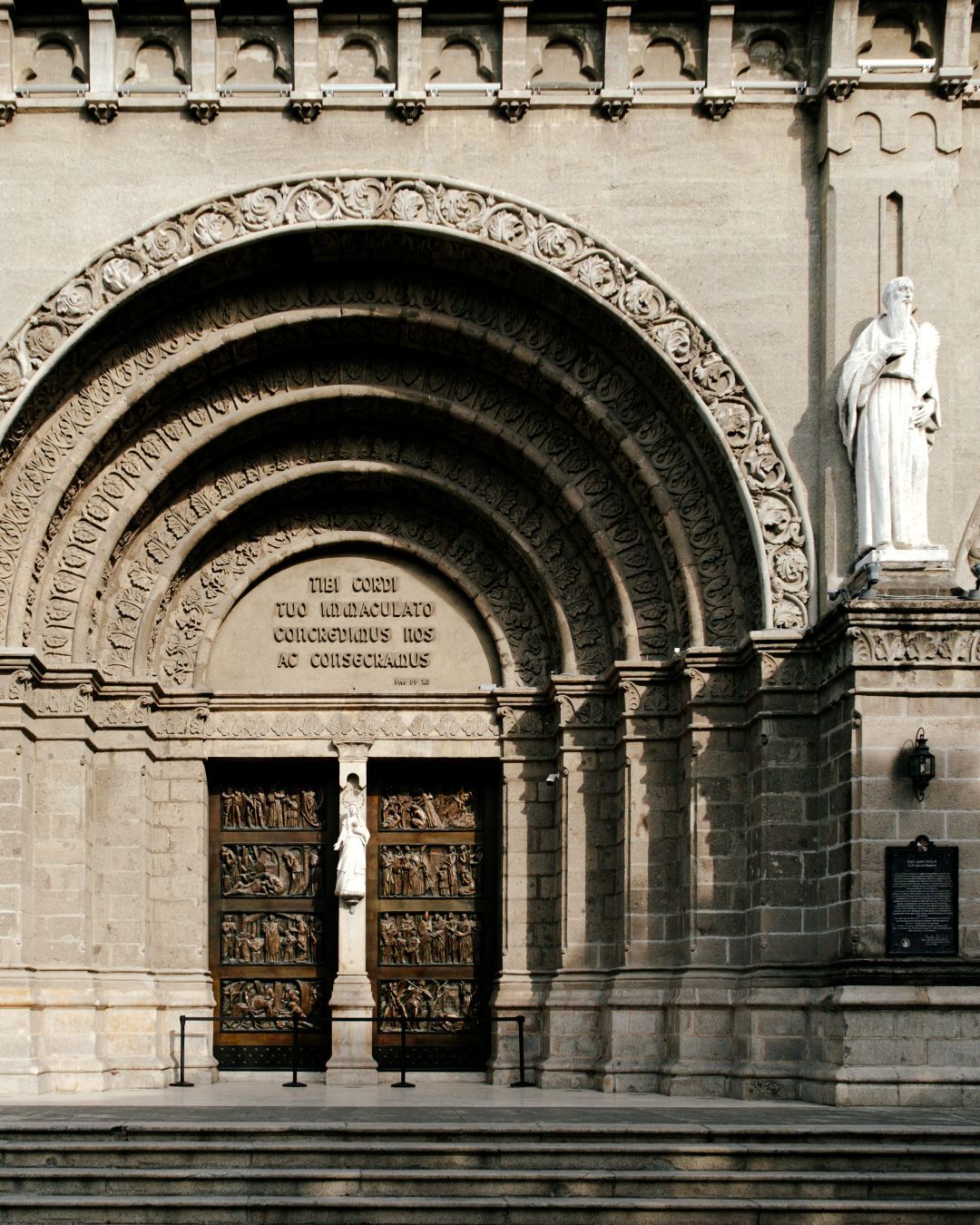
In the elegant courtyard of Casa Manila in Intramuros, the Bambike eco-tour signals its departure. Stepping out through the gates of the Spanish-style upper-class villa, San Agustin Church comes into view directly ahead, with uneven cobblestone streets stretching out on either side. Paolo, the young guide leading the Bambike eco-tour, skillfully navigates the alleys of Intramuros. Seen from a low vantage point, the passing streetscapes feel like the set of a period drama. Stopping in front of the Baluarte de San Diego fortress, Paolo says, “You don’t need to lock your bike when you leave it by the road. Everyone in this neighborhood knows us well.” The Bambike eco-tour is a sustainable local travel program run by a Filipino social enterprise. What began as a project to build traditional handmade bamboo bicycles and train craftsmen has expanded into bicycle tours of Intramuros. In a district with one-way streets and restricted vehicle access, there’s hardly a more fitting way to get around—even if it means a slightly sore backside.
The bicycles pass through the lovely Puerta Real Gardens, circling Intramuros counterclockwise before arriving at Manila Cathedral. Standing firm alongside its clock tower, the cathedral seems to lift its face toward the sky. In Plaza Roma in front of the cathedral, people rest leisurely even under the sweltering heat. Manila Cathedral is regarded as a symbol not only of religious and historical value, but of the Filipino spirit of resilience. Despite suffering severe damage from the earthquakes of 1645 and 1863, as well as World War II, it has been rebuilt as many as eight times. Perhaps, somewhere in their hearts, Filipinos see in this cathedral a reflection of their own history of repeatedly rising again.
Intramuros : intramuros.gov.ph/
Bambike Intramuros Express Tour, 1,500 pesos per person : www.bambike.com/ecotours
To Eat
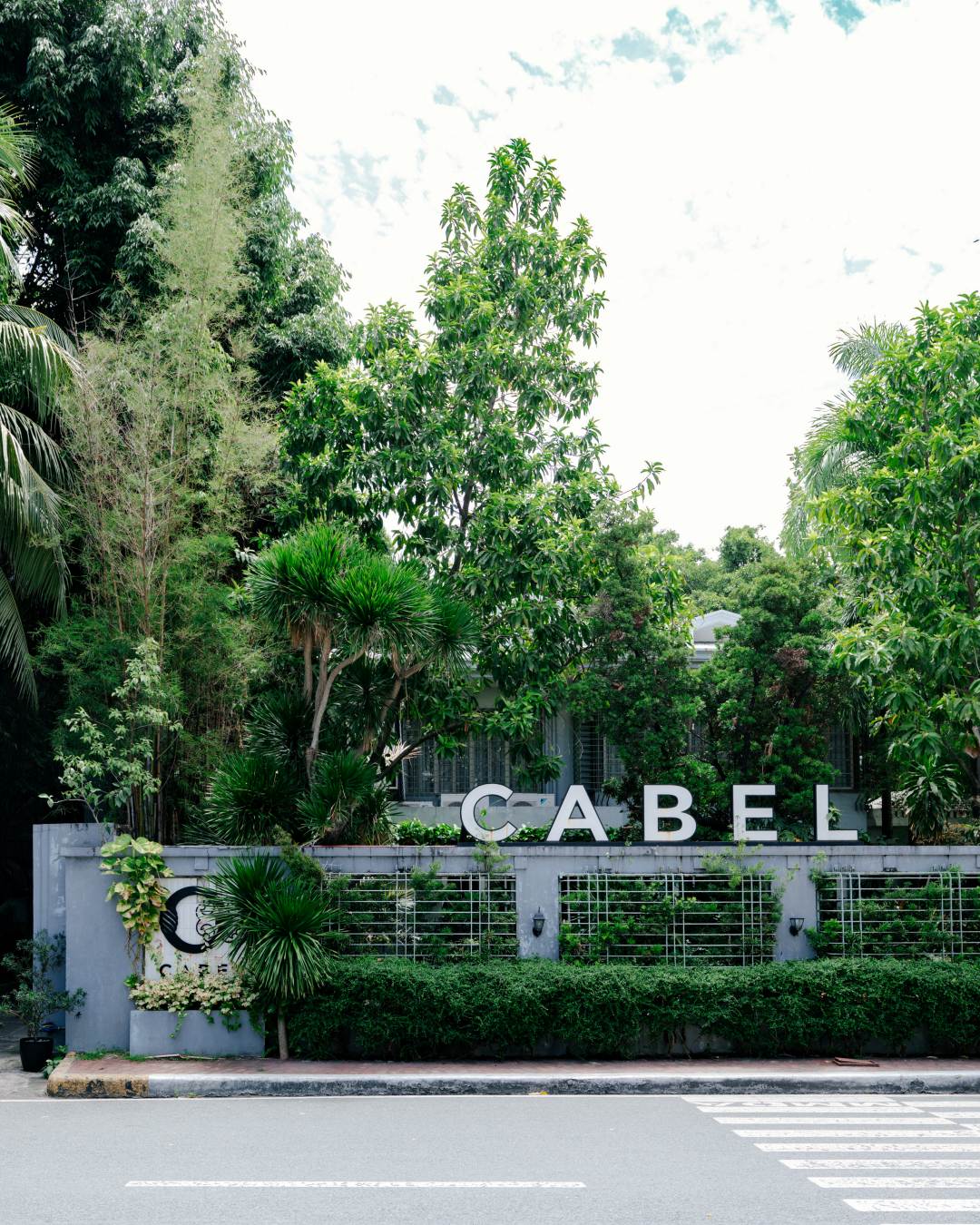
Cabel
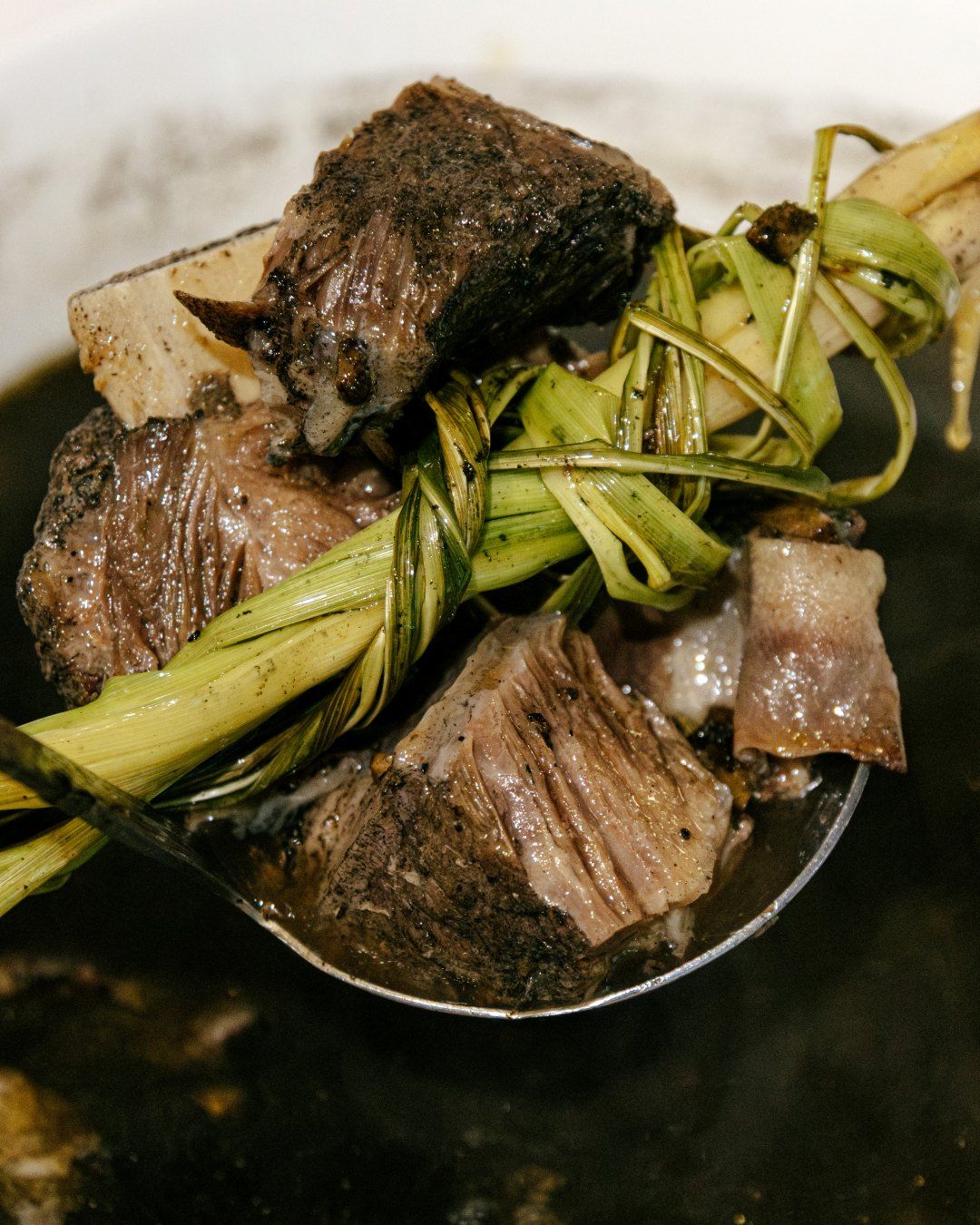
Located in front of Malacañan Palace, this restaurant occupies a historic building dating back to the 1930s. The two-story space preserves as much of its original character as possible, retaining the stone base, wooden walls, and traditional tile finishes, while a small garden and pond catch the eye. Works by emerging Filipino artists are also displayed in the living room and along the staircase. Cabel proudly showcases the indigenous cuisine of Mindanao in the southern Philippines. Its signature dish is Pyanggang Manok, a chicken dish seasoned with spices made from ground burnt coconut. Despite its unassuming appearance, its rich, smoky flavor grows more captivating with every bite. It was recognized in the 2025 Michelin Guide’s Bib Gourmand selection.
MANAM
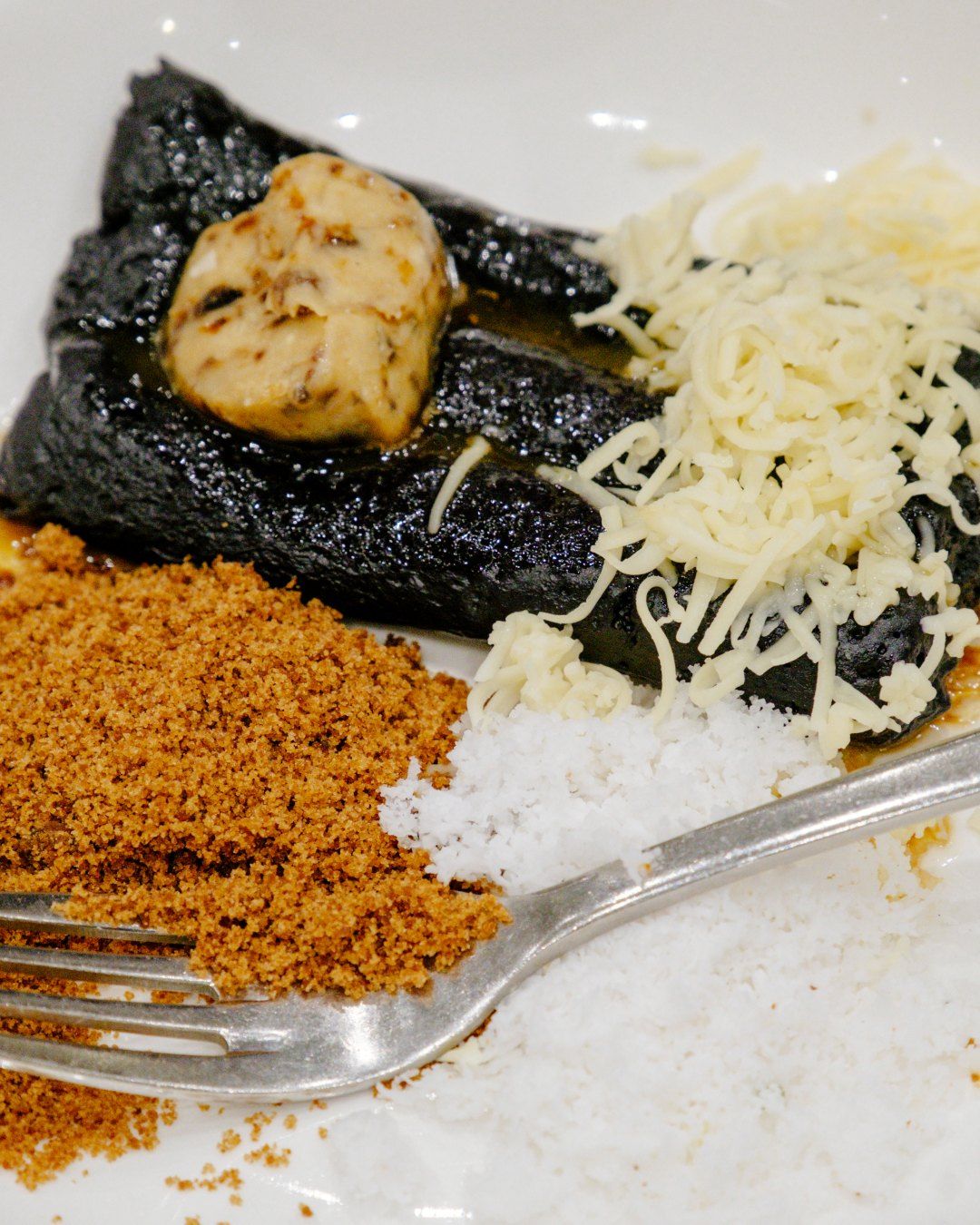
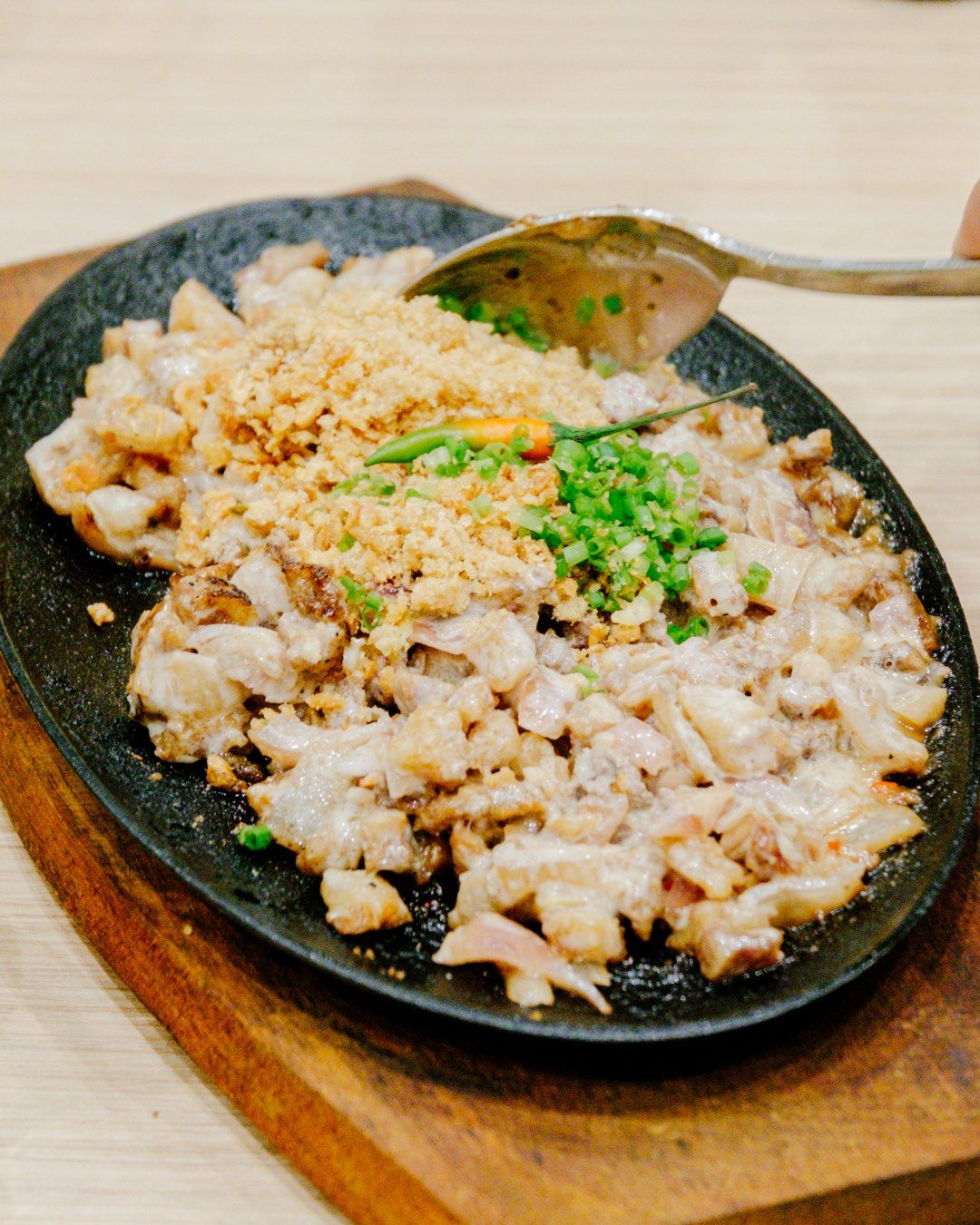
A family restaurant whose name is derived from ‘Malinamnam,’ the Filipino word for ‘delicious.’ It has gained popularity for reinventing traditional Filipino home cooking as accessible fusion cuisine. The Lucky Chinatown branch in Manila’s Binondo district offers a clean, air-conditioned mall setting—perfect for a meal after exploring Chinatown. MANAM serves each dish in three different sizes, making it easy to share among a group. Must-try dishes include House Crispy Sisig, a stir-fried pork dish; Crispy Pansit Palabok, a crunchy take on the traditional Filipino noodle dish pansit; and Halo Halo, a shaved ice dessert topped with ube ice cream and leche flan. Together, they make for a generous, satisfying introduction to Filipino home cooking. MANAM operates more than 30 branches across Metro Manila, and its flagship location at Ayala Triangle has been recognized in the Michelin Guide’s Bib Gourmand selection.
Your Local
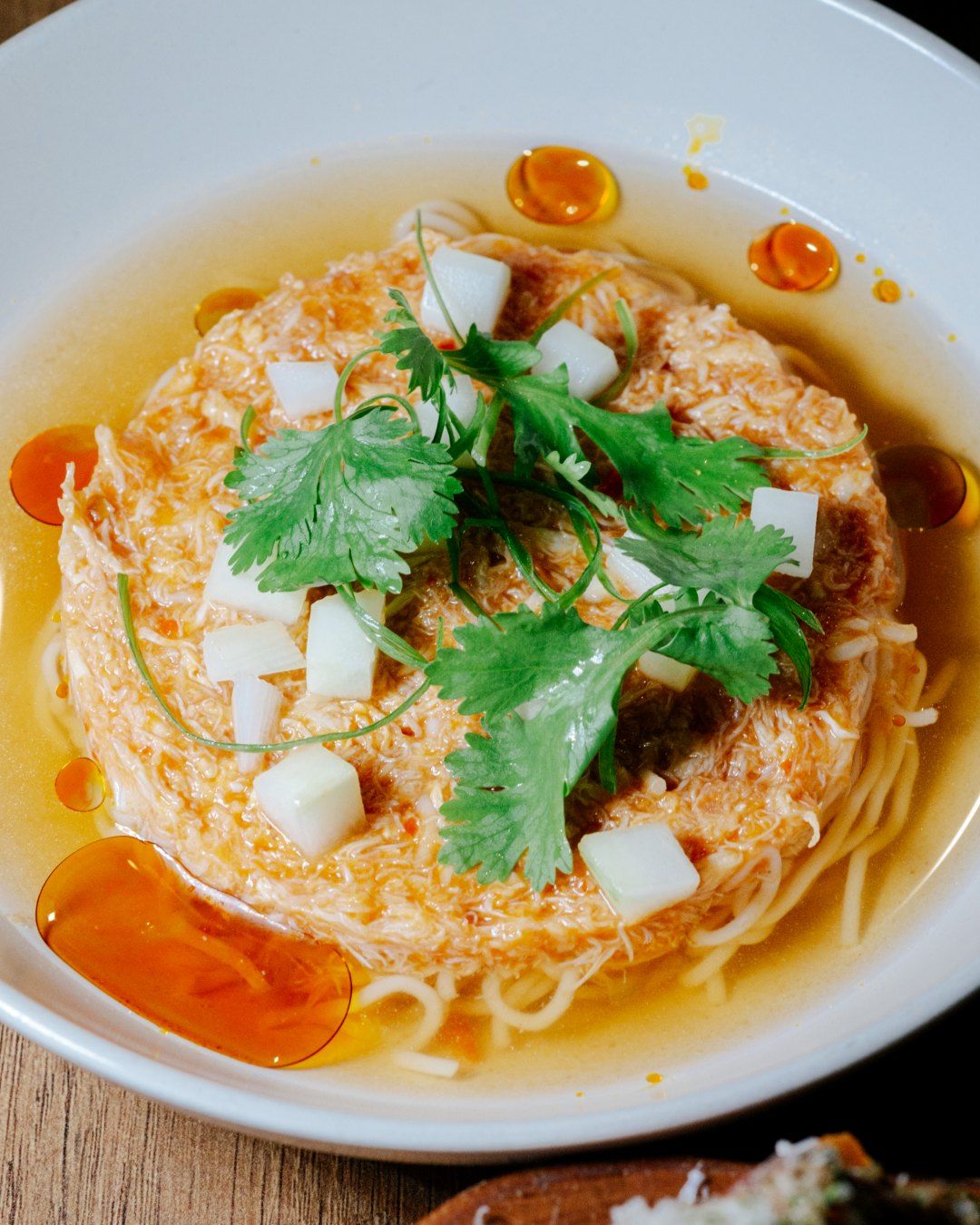
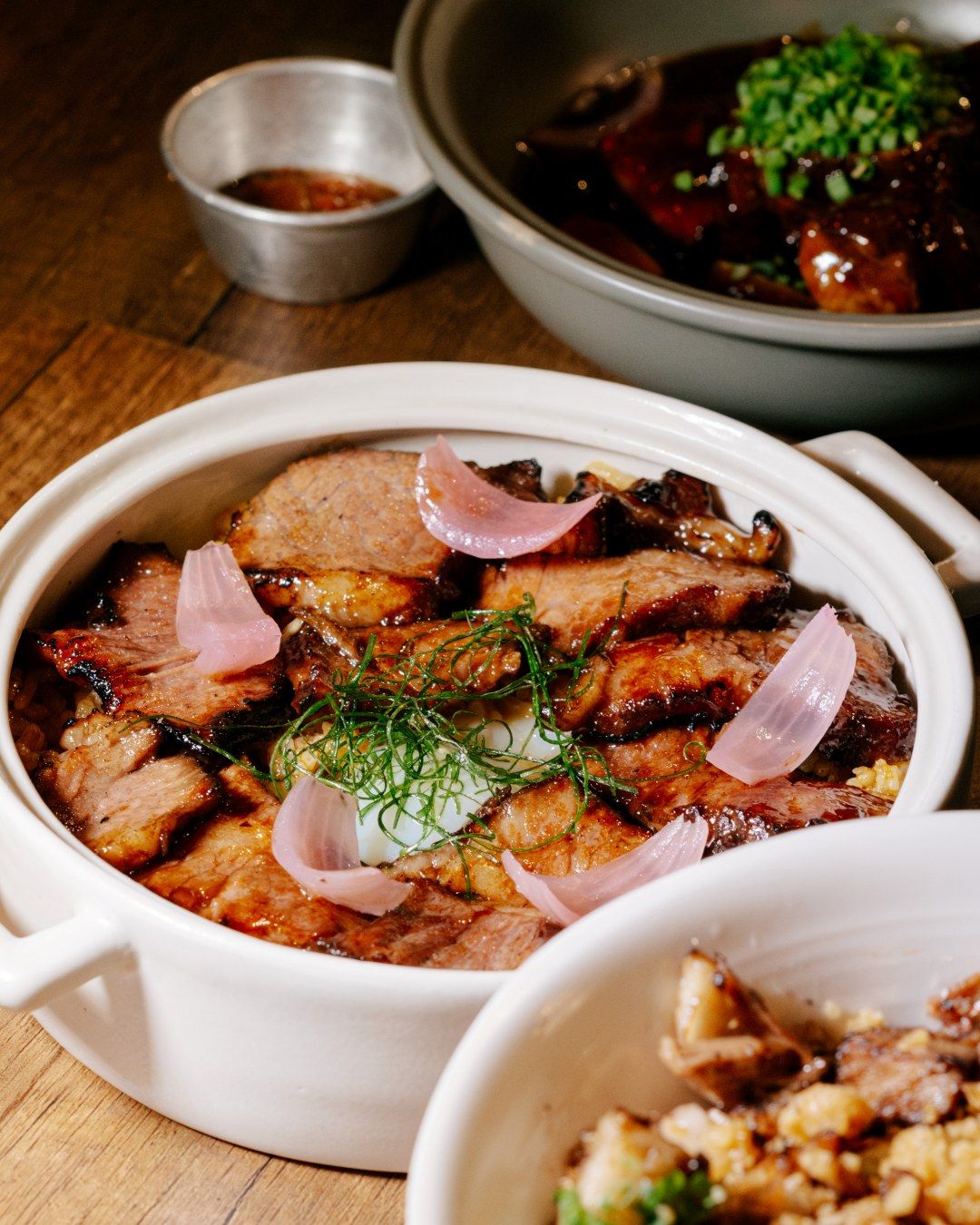
An Asian contemporary bistro in Makati’s Legazpi Village. Built around local Filipino ingredients, it serves a vibrant range of dishes spanning Southeast and East Asia with real flair. The interior features a dark-toned industrial design with an open kitchen, and By lunchtime, the dining room is packed with Makati office worker. The menu, which freely blends a wide variety of ingredients, sparks curiosity. Standout dishes include Miso Tuna Tartar seasoned with gochujang and calamansi, Chili Crab Cold Noodle, a chilled ramen-style dish topped with chopped crab meat like a cold noodle dish, and Torched Salmon Donburi, prized for the rich flavor of lightly seared salmon and salted pollock roe. It has been selected for the Michelin Guide’s Bib Gourmand and recommended by the influential local publication ‘Tatler Asia.’
Lampara
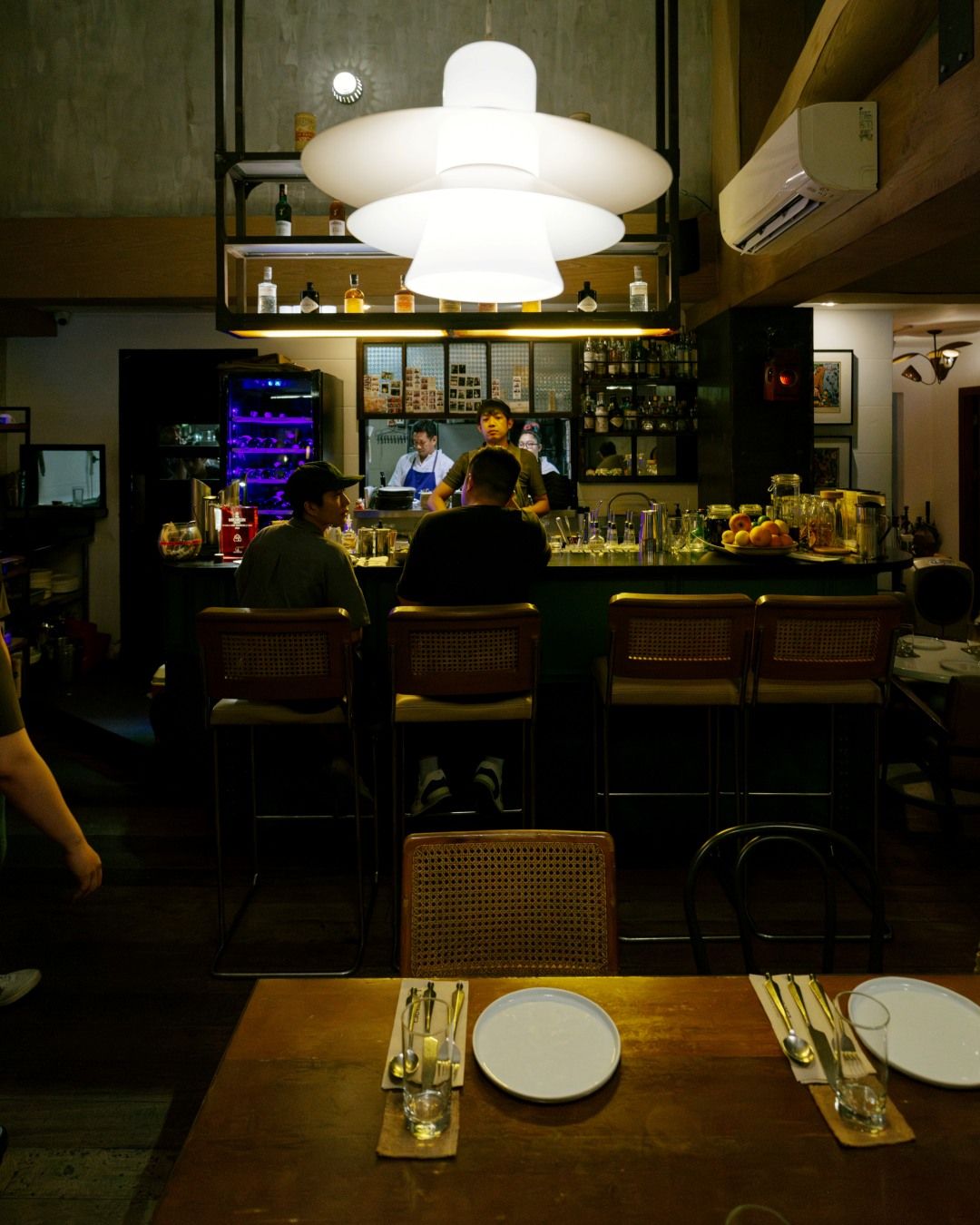
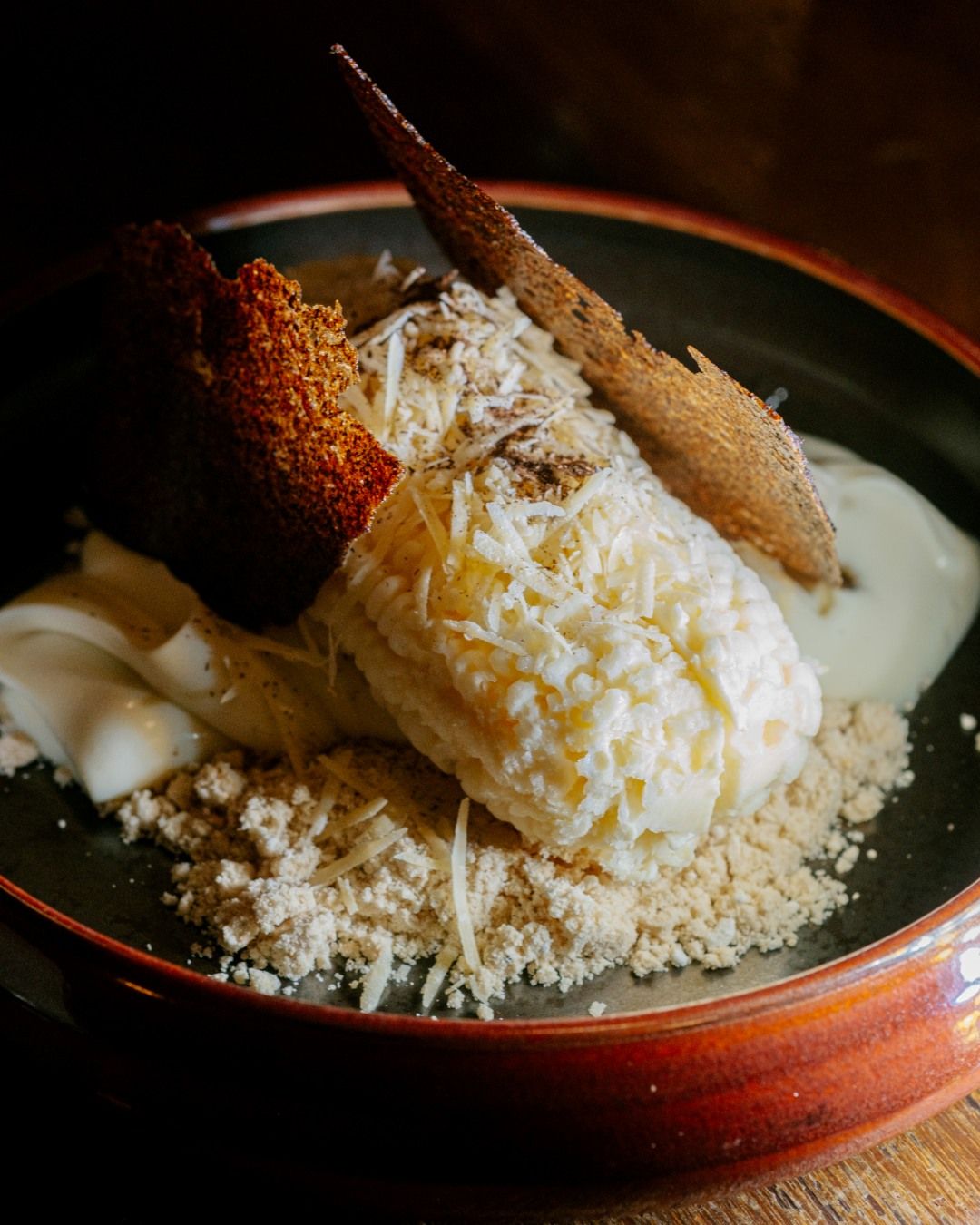
Tucked away in a back alley of Poblacion, Makati, this spot attempts a Neo Filipino Bistro concept, serving original dishes that blend traditional Filipino food with French technique. The second-floor restaurant is decorated with a hip interior, featuring tables of varying styles along with bar and terrace seating. The Croquetas, made with rich cheese and honey, are an excellent starter to pair with wine, and the Pulpo, tangy octopus prepared in the seasoned grilling style of the Visayas keeps you coming back for more. The Soft Shell Crab, made with Filipino glass noodles called sotanghon in a squid-ink sauce and topped with crispy fried crab, captivates both the palate and the eye. Open evenings only, it also boasts an excellent selection of wines and cocktails. It has been recognized with a Michelin Guide Bib Gourmand.
Antidote Gastropub
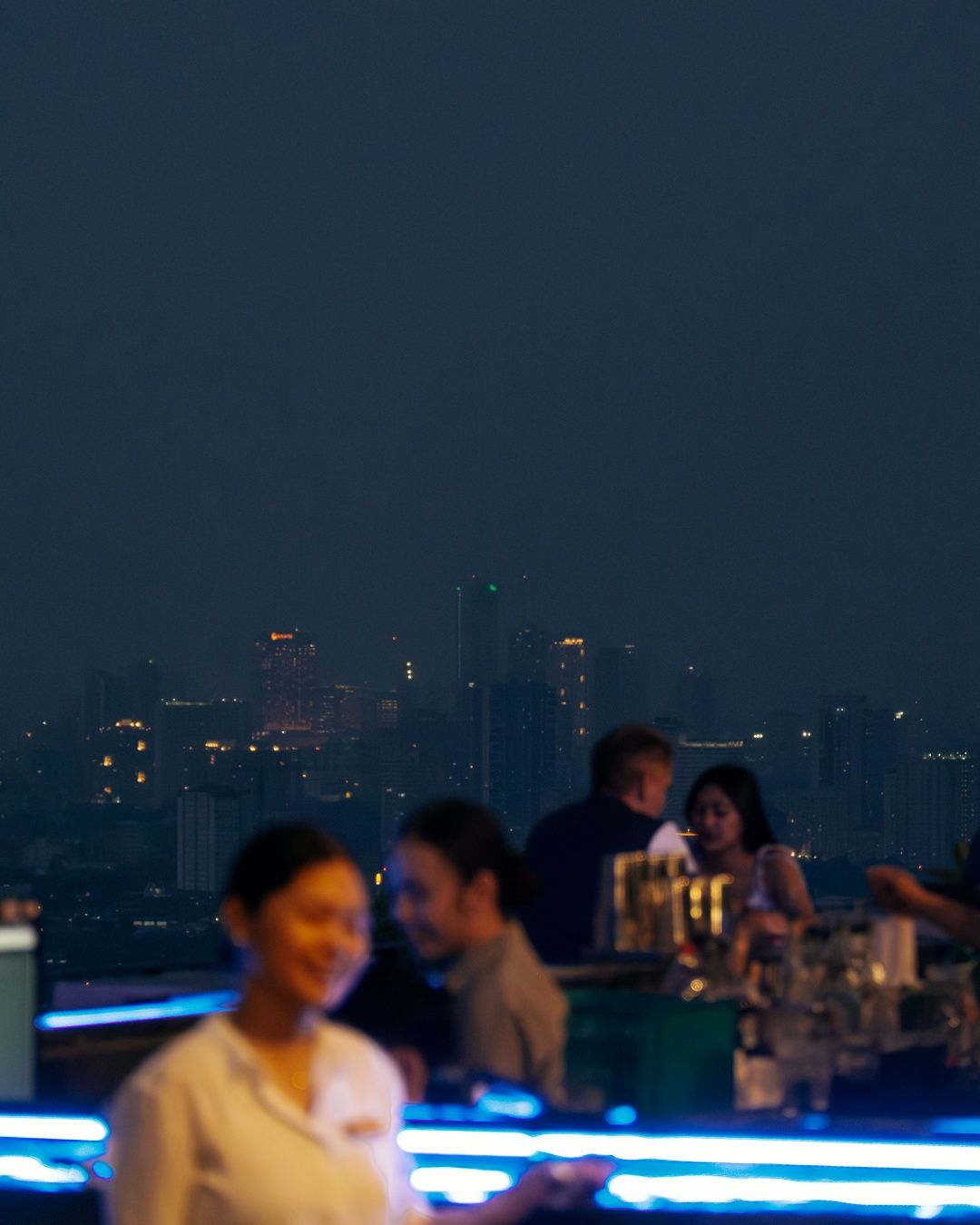
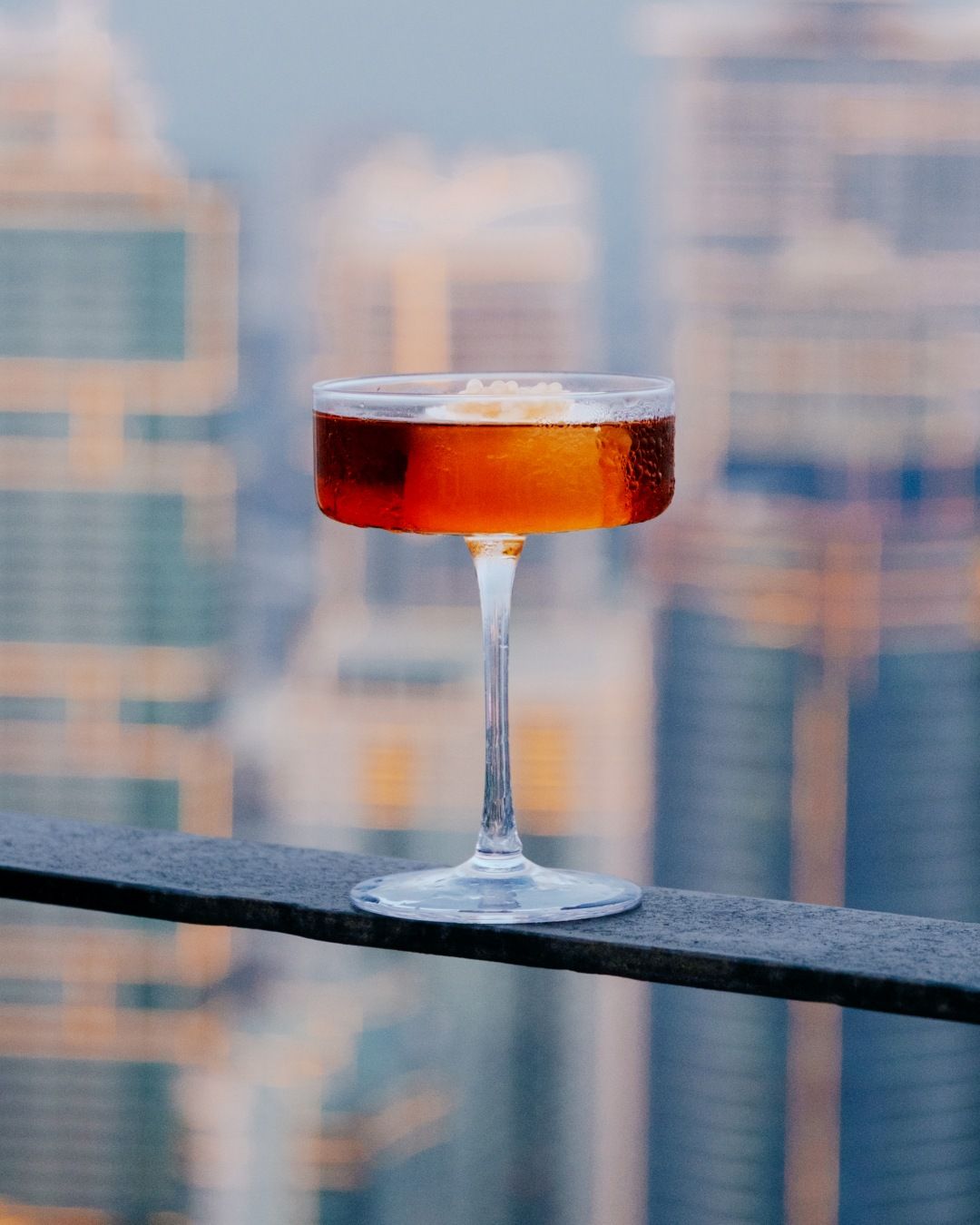
One of the most stylish rooftop bars in Manila for taking in a breathtaking night view. It sits atop I'M Hotel in Poblacion, Makati, operating under a gastropub concept where you can enjoy a meal alongside a diverse selection of cocktails. The rooftop outdoor seating offers a sweeping 360-degree view of glittering downtown Manila, while the indoor space is accented with a neon-lit jellyfish tank for added character. It's the perfect spot to stop by for a drink while taking in Makati's night skyline after dinner.