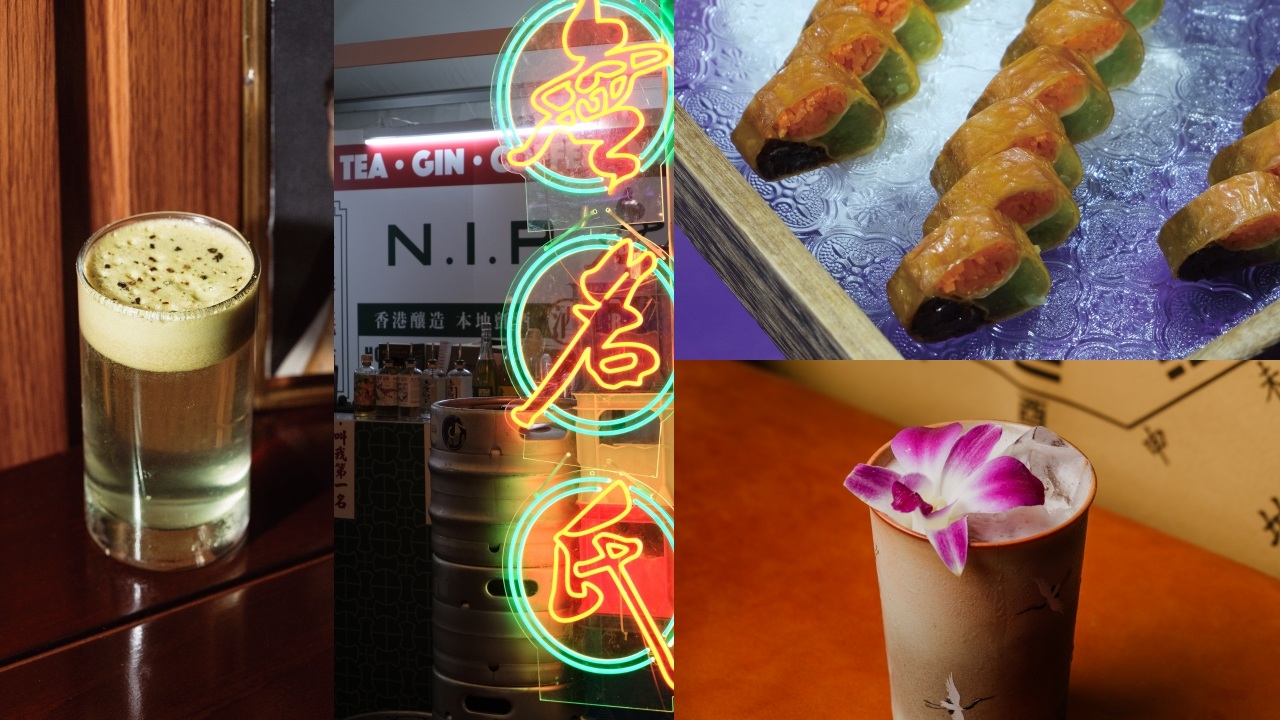
In Hong Kong, the word “multinational” takes on its truest meaning when the subject is food culture. From traditional Cantonese cooking reimagined for the present day to nostalgic flavors enjoying a revival, from cuisine that roams the globe to a bar scene that remains as dynamic as ever, we invite you into the world of flavors we found while exploring the city’s tables.
Words & Photos Pyo Youngso
In collaboration with Hong Kong Tourism Board
The New Classics
Duddell’s
In the very heart of Central, Duddell Street lies hidden among high-rises that house the major banks and financial institutions. Travelers seek out this cramped street, barely 150 meters long, for the staircase at its far end. The 19th-century granite steps, lit by gas lamps, create an incongruous atmosphere amid the modern forest of buildings and have long been a popular filming location for dramas and movies.
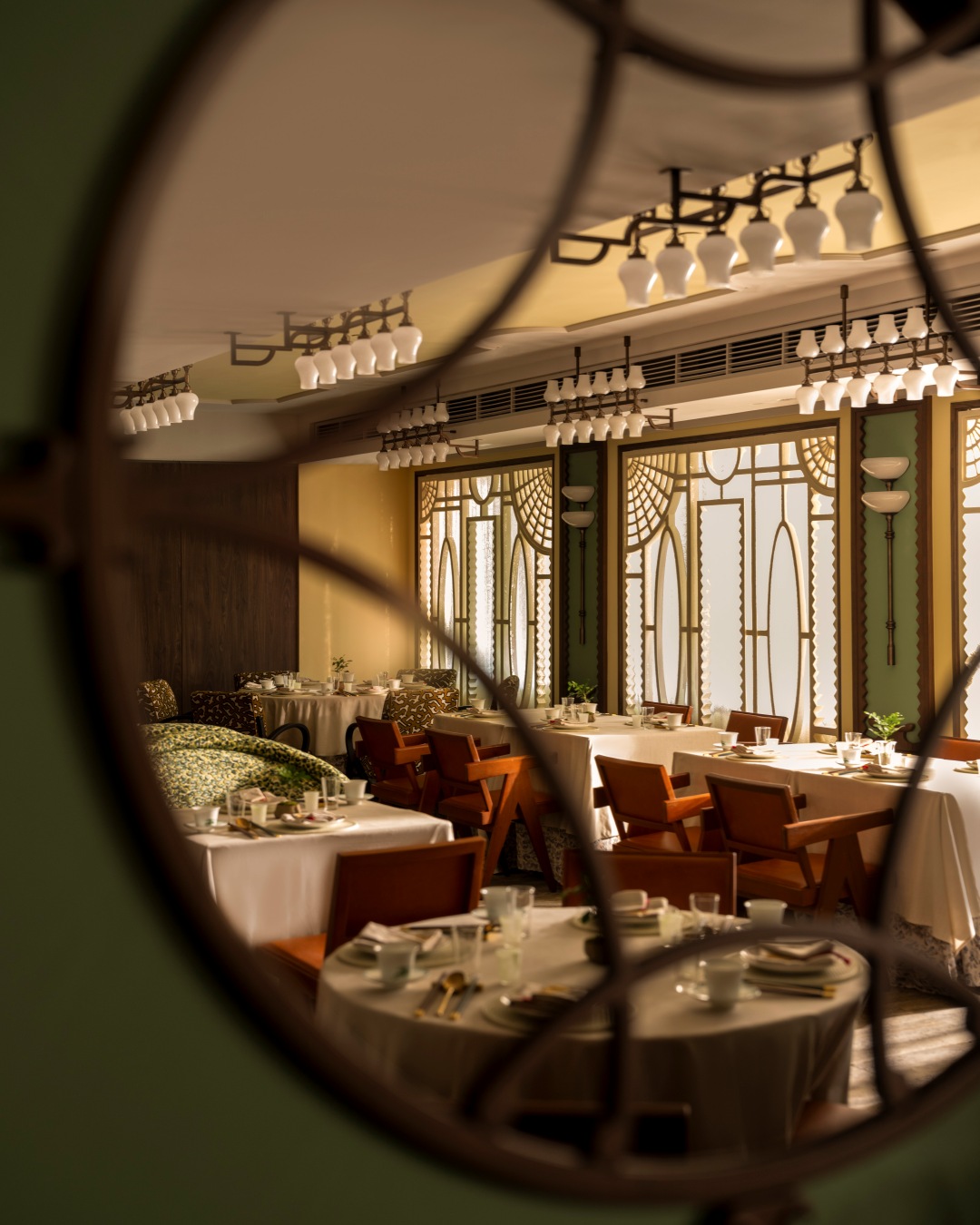
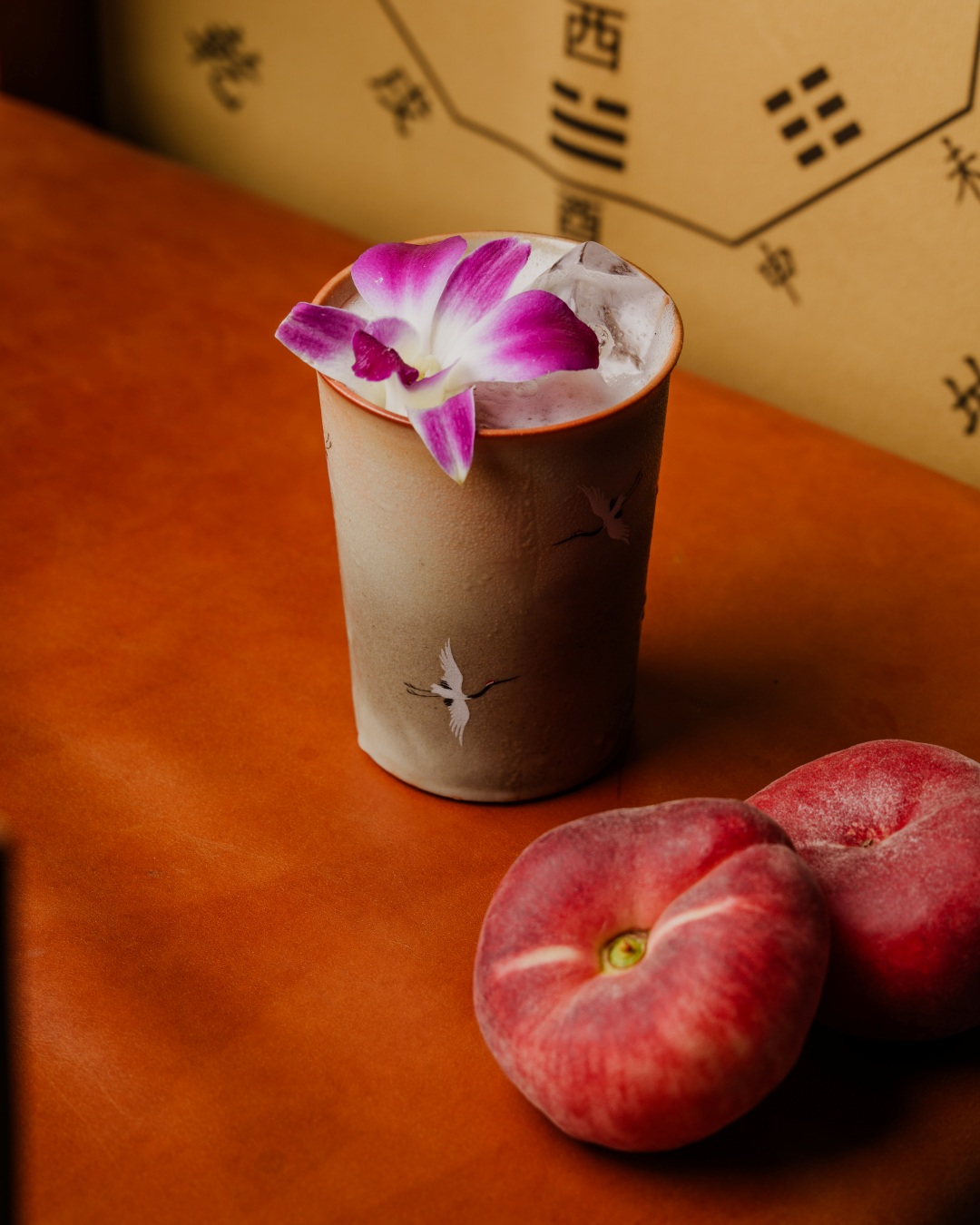
There is another reason to come, and it is surely Duddell’s. Named after the street itself, it holds exhibitions, screenings, and other events on a regular basis, billing itself as an art salon that blends gastronomy and art. The dining rooms, spread over two floors of the building, take “an art collector’s home” as their motif, bringing together traditional Cantonese culture, Western decorative elements, and works of art. As a Michelin-starred restaurant, it requires a reservation. If you want fine dining focused on authentic Cantonese flavors, book the main dining room on the third floor; if you prefer a more modern, casual menu, book the Upper Room on the fourth. Wherever you eat, expect dishes made with premium ingredients and precisely prepared, plated as beautifully as works of art. The signature dish is the Local Crispy Fried Chicken: hot oil is ladled over it more than 300 times, leaving the skin thin and crisp and the meat moist and tender. The cocktail menu is also memorable, inspired by the bagua (八卦, an ancient system of eight symbols representing the principles of nature) and with drinks named for lake, fire, thunder, and more.
The Chinese Library
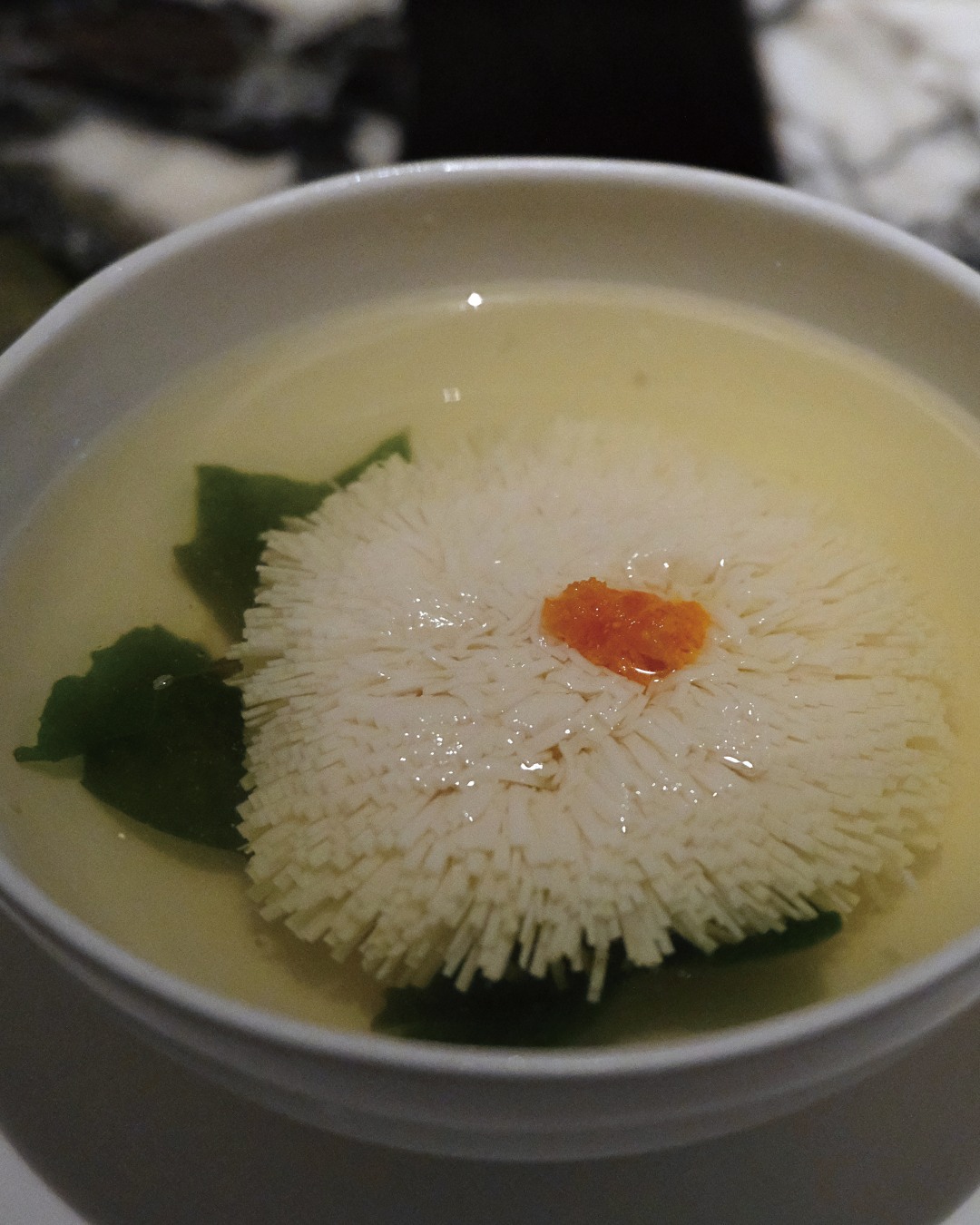
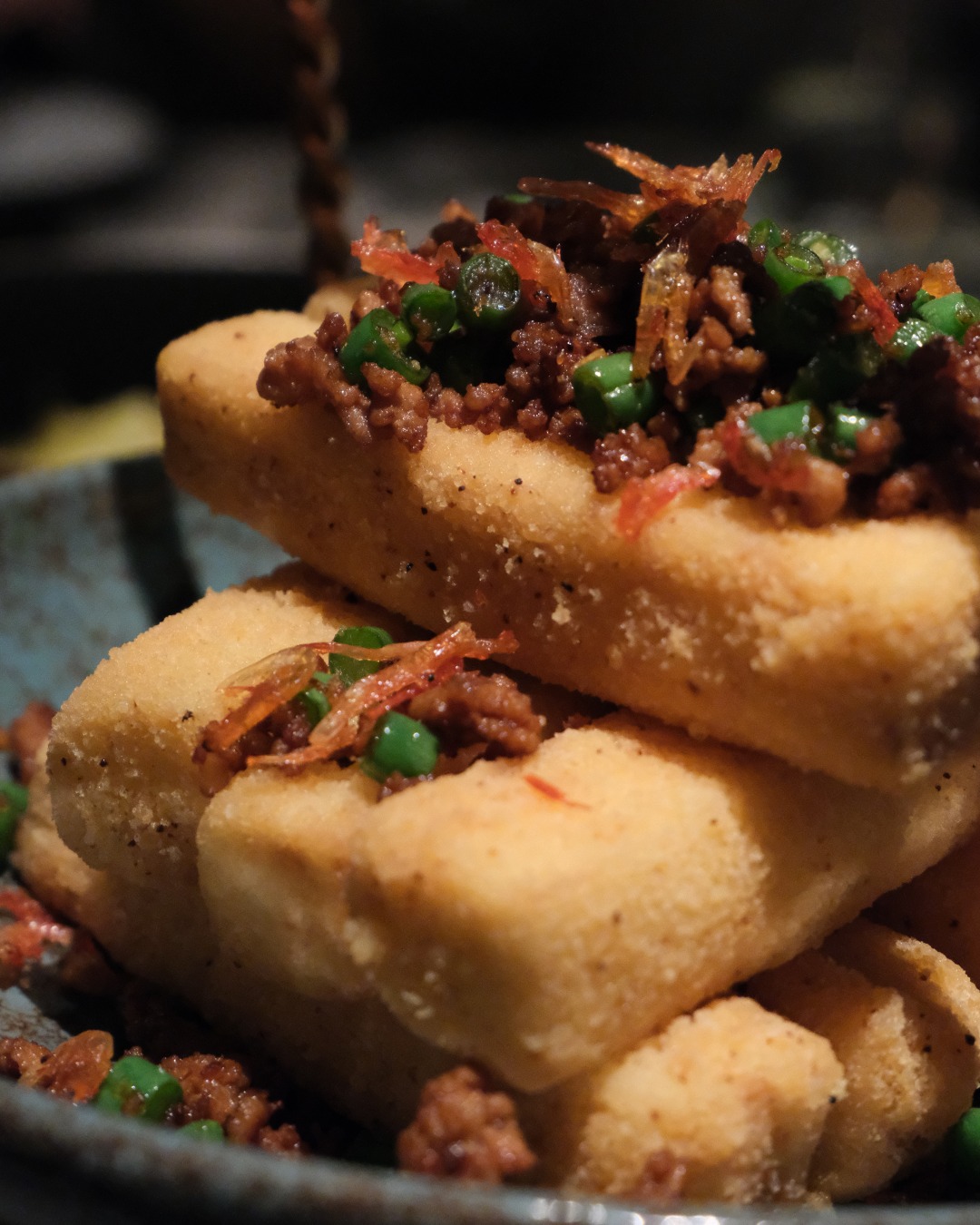
Administrative and judicial facilities built during British rule were restored over a decade or so and reborn in 2018 as Tai Kwun, a complex for culture and the arts. In the headquarters of the former Central Police Station, which holds 170 years of history, The Chinese Library, a contemporary Chinese restaurant and bar, has opened. Climb to the second floor of the building, where red brick meets white stone ornamentation, and you will find a classically styled restaurant overlooking Tai Kwun’s broad courtyard. Dark furniture, wooden floors, and high ceilings add a sense of elegance and luxury. The kitchen’s specialty is reinterpreting dishes from many regions of China with a modern sensibility, and every item boasts a look as striking as its flavor. Take the chrysanthemum “thousand-thread” tofu (千絲豆腐), in which soft tofu is cut into a thousand silken strands and floated in chicken broth, or the stone-pot fried rice with foie gras and wagyu, stir-fried to order. The Peking duck, roasted for 45 days and served with five sauces, and the various dim sum are popular too. The stylish Dispensary Bar sits side by side with it on the same floor, making it a good place for a drink before or after your meal.
Tai Kwun: A complex for culture that opened with 16 structures built between 1841 and 1925, including the former Central Police Station, Victoria Prison, and Central Magistracy, plus two new buildings designed by Herzog & de Meuron, the world-renowned Swiss architecture duo.
+ More to Enjoy Nearby
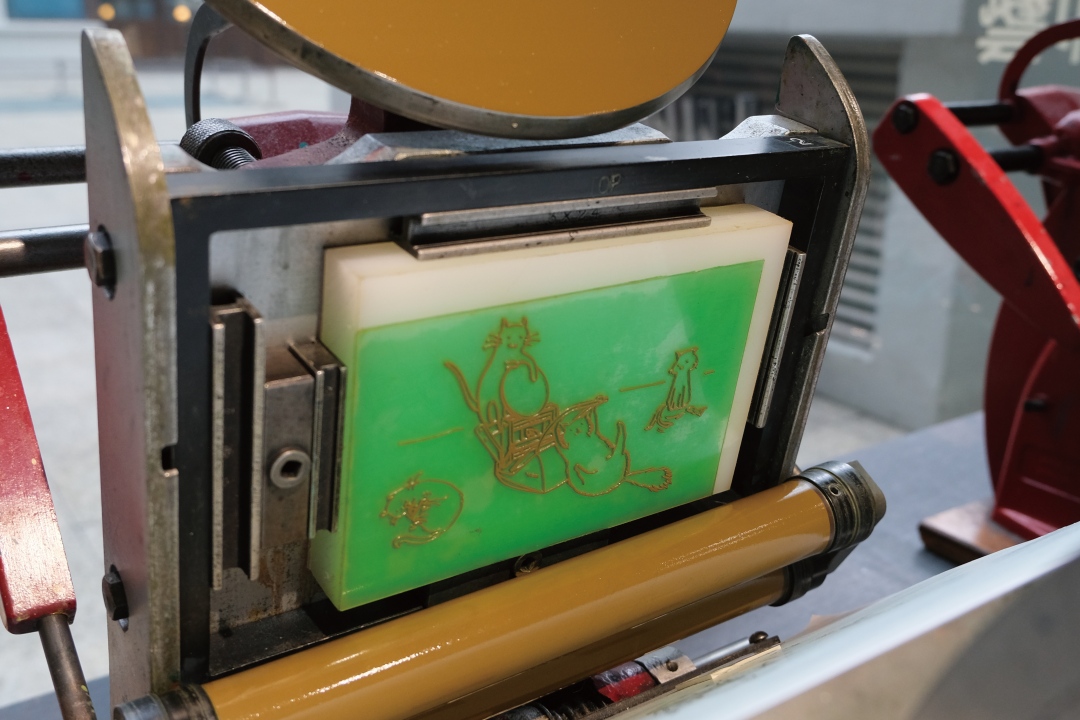
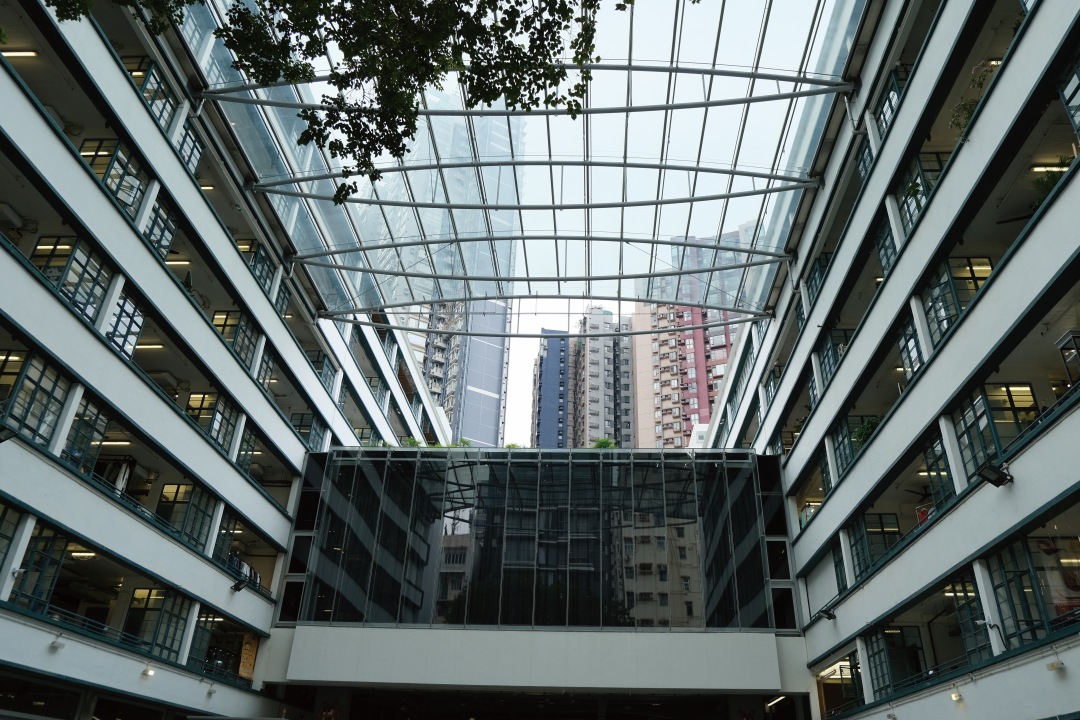
There is one more fine example of heritage preserved and revived in the heart of Hong Kong Island: PMQ. The old buildings, which served as a school in the 19th century and as Police Married Quarters in the mid-20th, have been converted into a hub for local artisans and artists. Today, two seven-story buildings facing each other house more than 100 entrepreneurs and creators. It is an ideal place to meet local brands and artists, and the courtyard regularly hosts outdoor events such as pop-ups and markets.
Modern Comfort
Ladies Street Sik Faan Co.
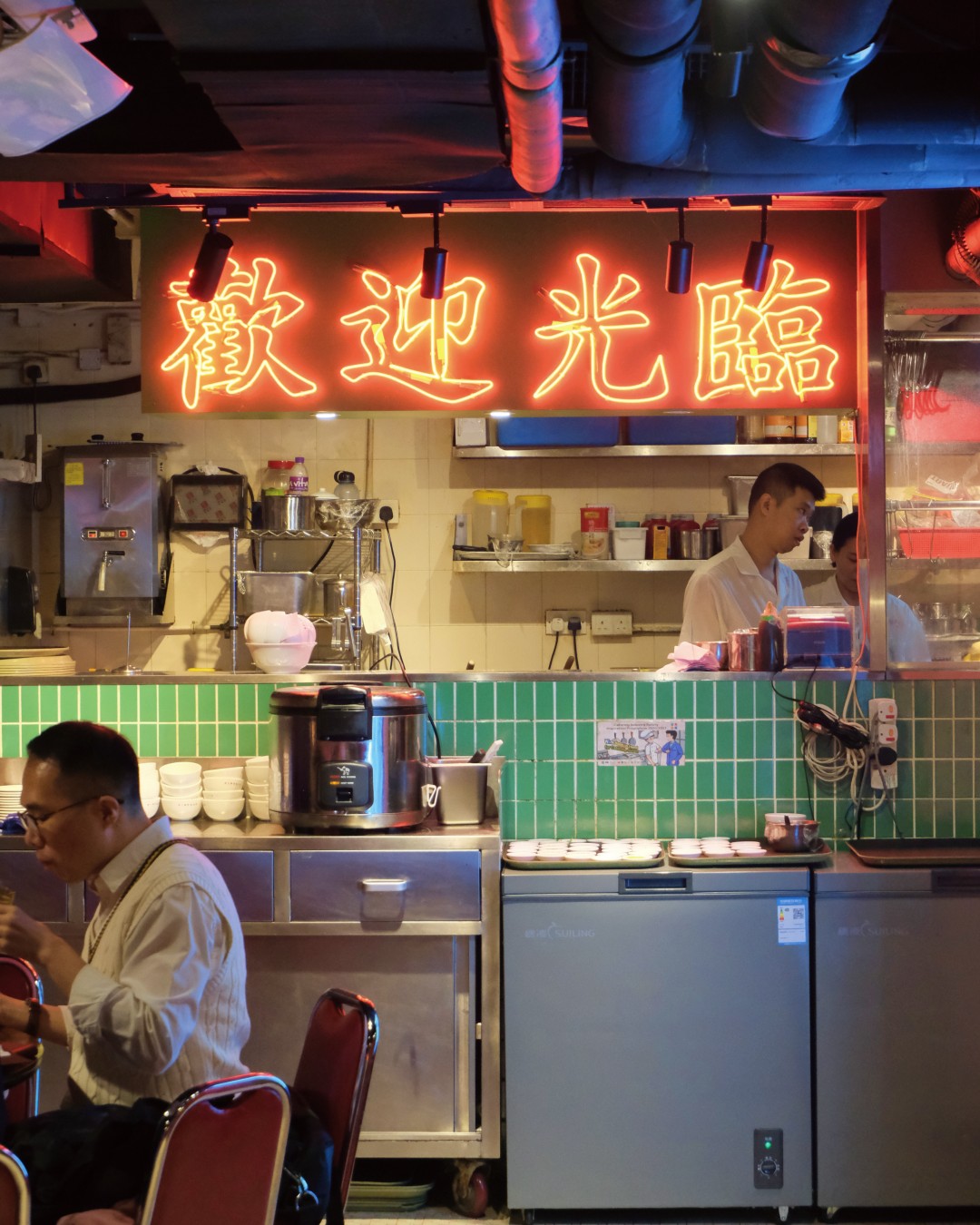
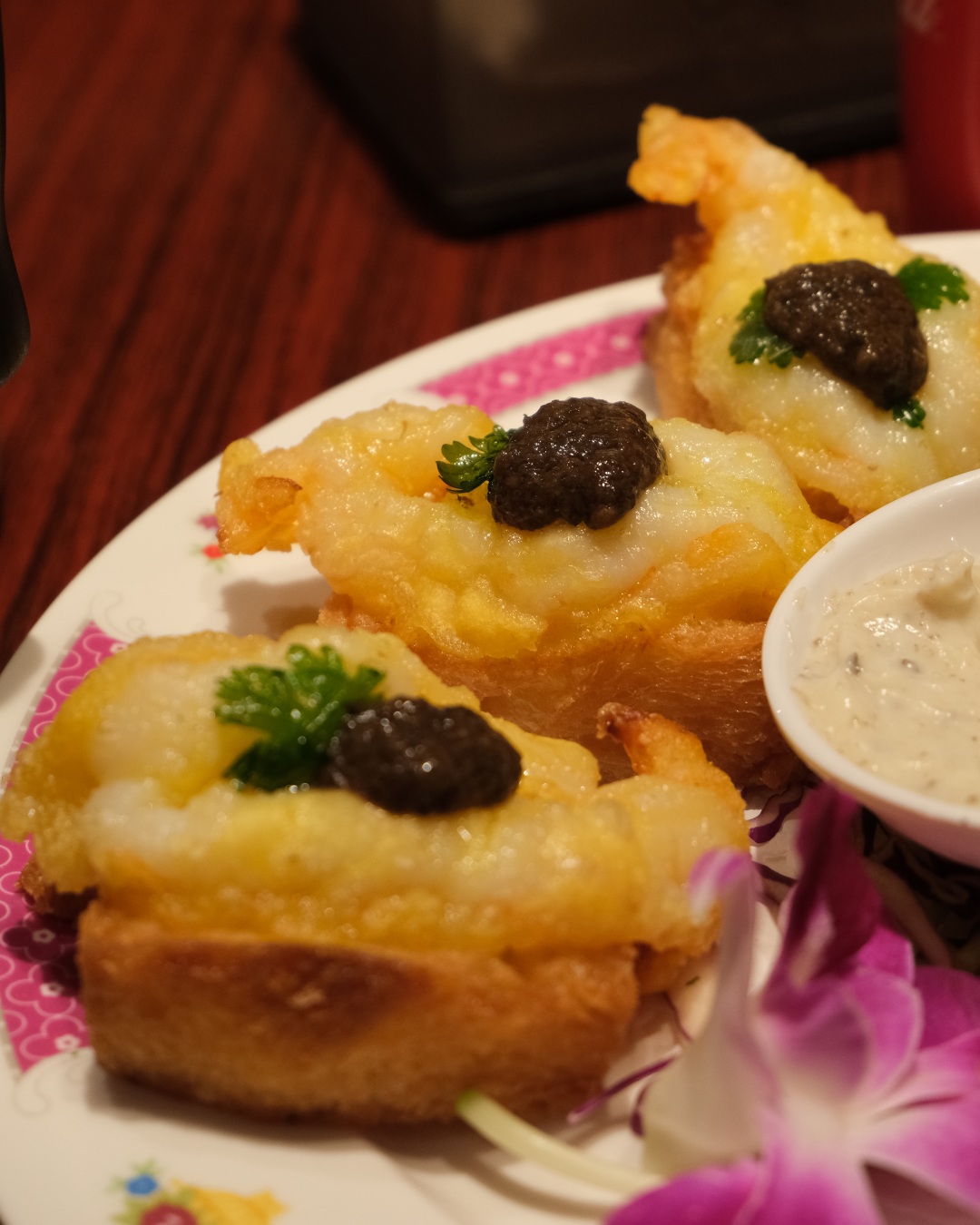
If indoor pocha taverns and open-air drinking spots are popular in Korea on the back of the retro craze, Hong Kong’s Millennials and Gen Z are wild about dai pai dong (大牌档, open-air food stalls that emerged in the late 19th century; once numbering in the dozens across the city, they have nearly vanished, with only a few remaining). Indoor dai pai dong have become a new trend in recent years as a way to revive the old Hong Kong sensibility that disappeared amid street congestion and hygiene concerns. Ladies Street Sik Faan Co., near the Ladies’ Market in Mong Kok, is one of them. Decorated with red lighting, neon signs, retro signboards, and vintage props, the interior is packed and boisterous even on weeknight evenings. Most diners are locals having dinner with a drink: office workers fresh from work, friends, and families. As in a traditional dai pai dong, the menu centers on Cantonese dishes full of wok aroma and savory depth. From black truffle shrimp toast to stir-fried Australian lobster, sweet and sour pork with pineapple, and fried rice, every dish works as a snack with drinks, and you will hardly resist ordering a cold beer. The tables are lazy Susans, so it is a good place to order a range of dishes and share them among a group.
Victorian Era
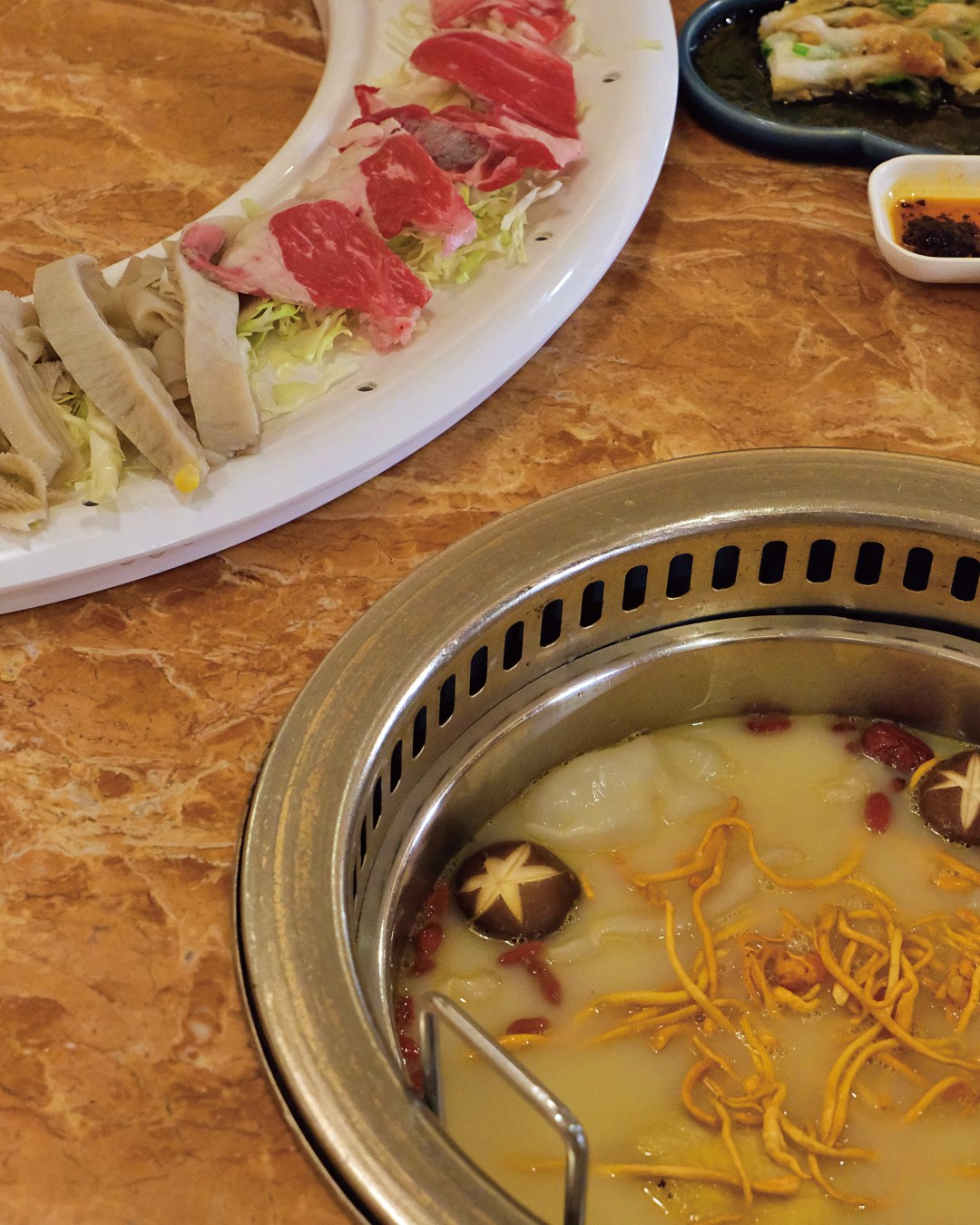
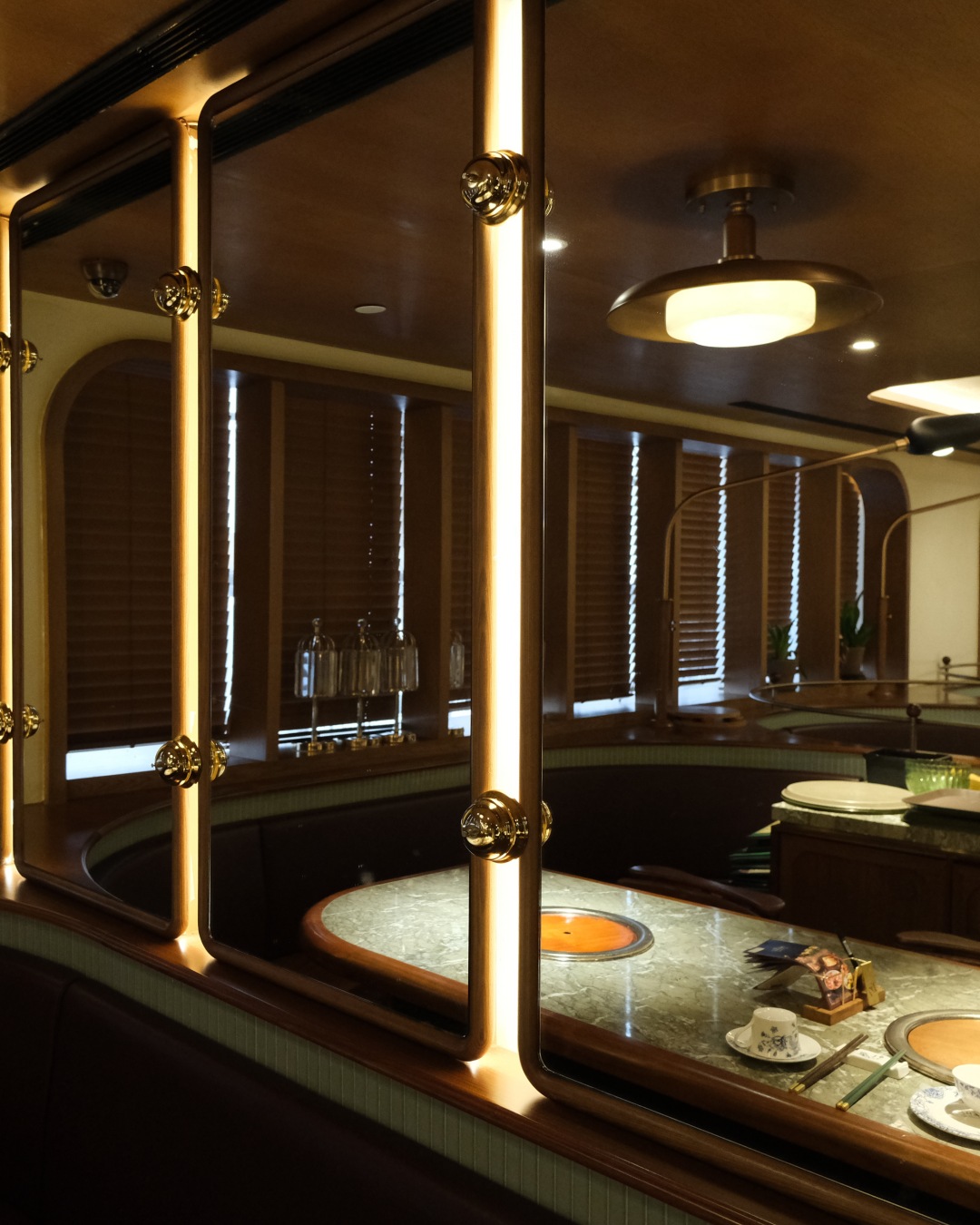
A hot pot specialist whose very name makes its identity clear. In Hong Kong’s food culture, hot pot is more than a simple dish: it is a social occasion where people gather to spend time and talk together. That makes Victorian Era’s attempt to recall Hong Kong’s past and recreate the flavors and spirit of that time all the more convincing. The interior, meant to recreate the style of 1950s Hong Kong, where East and West mixed, is elegantly decorated with retro props such as antique medicine cabinets, old scales from rice shops, and vintage typewriters and appliances. With spacious halls and private rooms, it is also an ideal spot for gatherings. For hot pot, choose one or two broths from options such as beef, pork, chicken, seafood, and mala, then order vegetables, meats, shellfish, and fish to taste. If you like the broth of samgyetang (Korean ginseng chicken soup), go for the chicken broth; if you want to take on fiery heat, we recommend the mala. There are two branches in Hong Kong, in Jordan and Tsuen Wan.
+Nearby Attractions
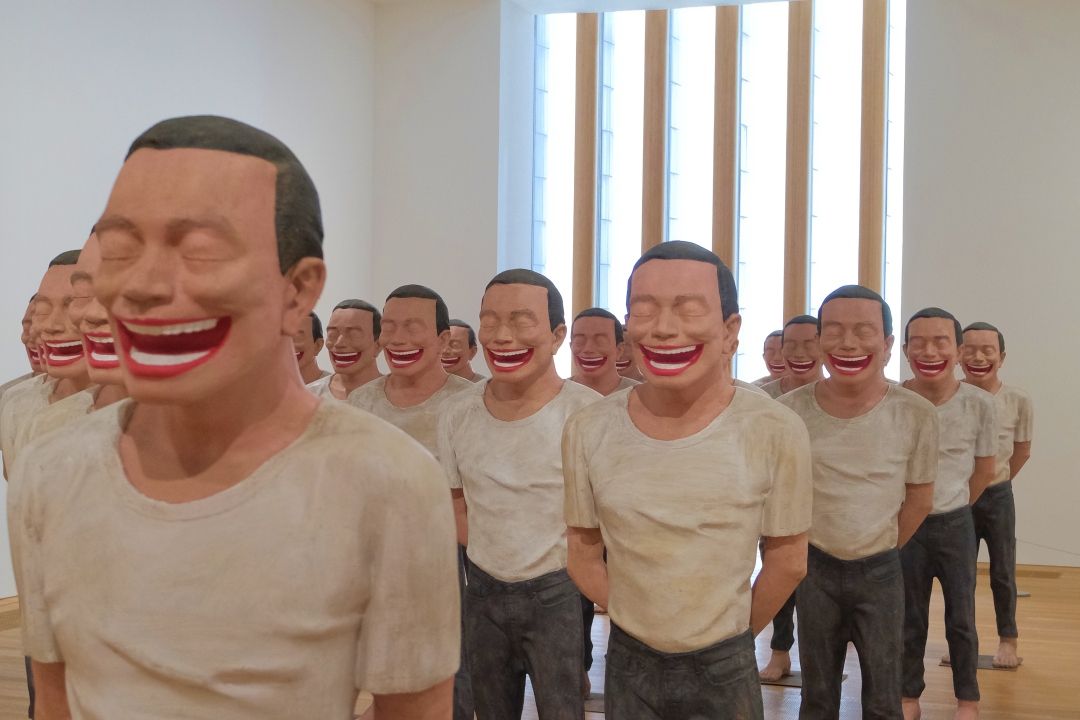
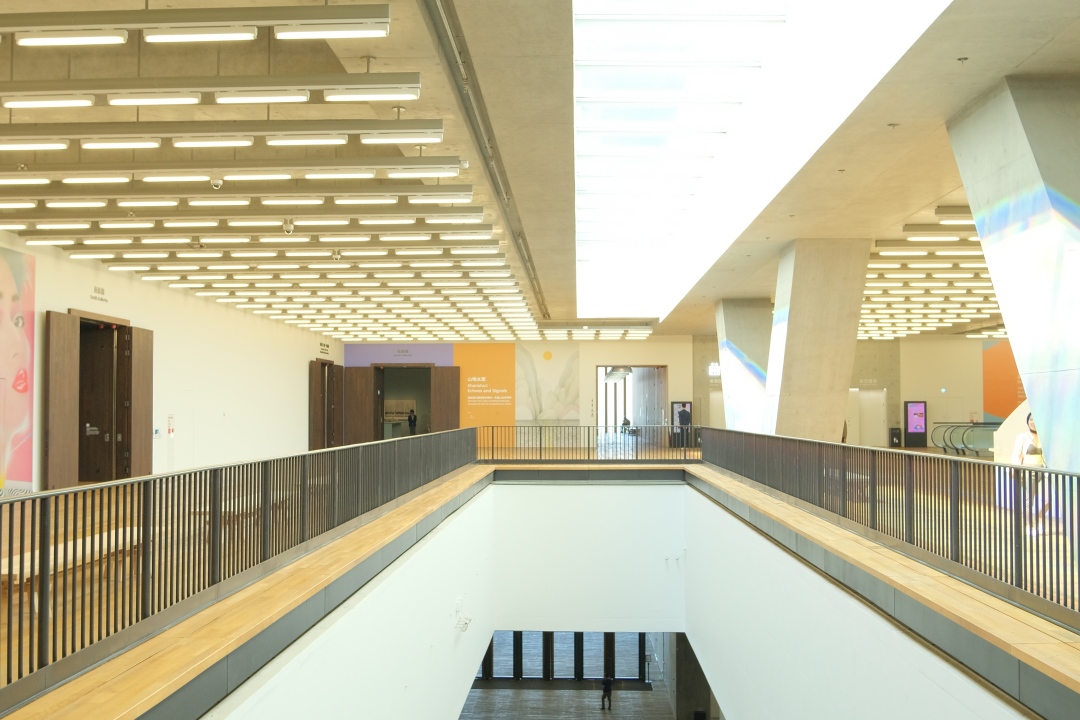
Since opening in 2021, M+ in the West Kowloon Cultural District has become one of Hong Kong’s leading art destinations. The building pairs a vertical tower fitted with a giant LED media façade and a wide, horizontal podium. Inside, the Sigg Collection traces the currents of contemporary Chinese art, and exhibitions span design, moving image, architecture and more, offering a clear picture of where Hong Kong’s art scene stands today.
High-end Dining
Mono
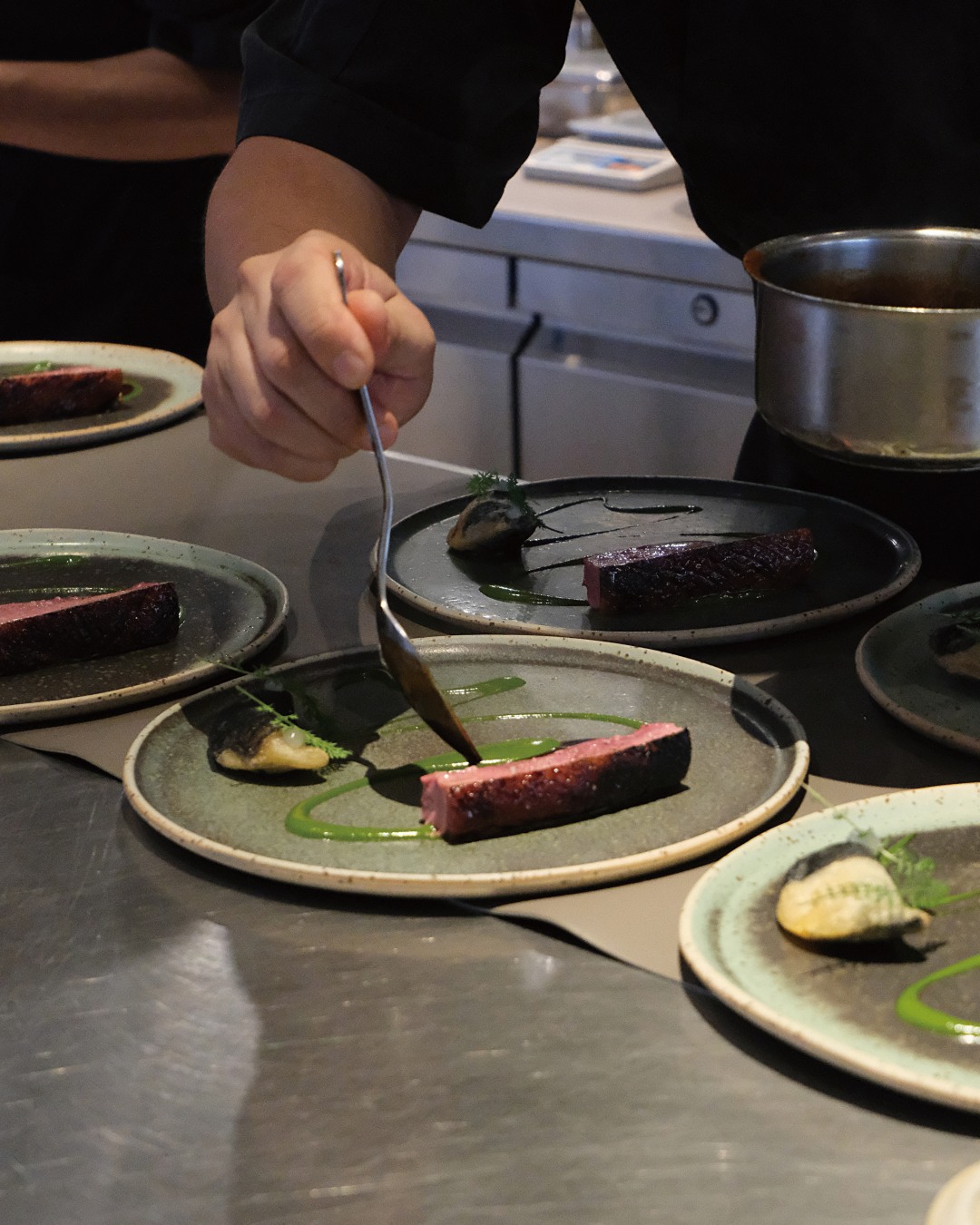
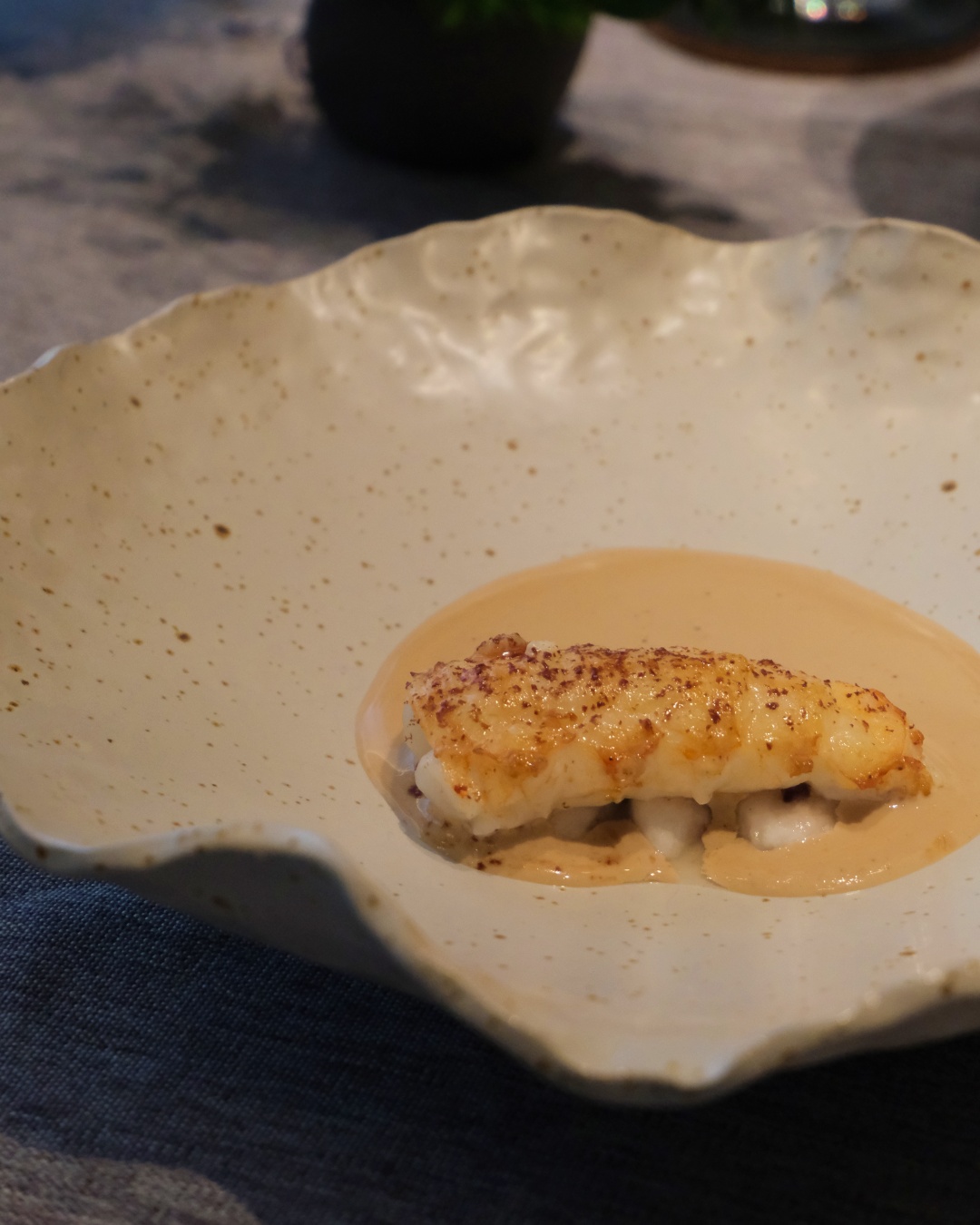
Latin American flavors meet French technique in Hong Kong. Led by Venezuelan-born owner-chef Ricardo Chaneton, Mono brings these elements into harmony for a refined dining experience. A compact dining room of 22 seats, an open kitchen nearly as large, and a team of cooks moving briskly within it: the first scene that greets you at Mono, on top of the “one Michelin star” label, is enough to raise expectations. From the Mexican Blue Corn Infladita with oyster (a traditional Mexican dish in which thinly rolled corn dough is cooked until it puffs up) to the dessert of Costa Rican soursop, a tropical South American fruit, South American food culture is reinterpreted with Western techniques and arrives on the plate with a fresh story. The highlight is the Danish Langoustine. The bitterness of Ecuadorian cacao nibs heightens the shellfish’s sweetness, and you’ll find yourself giving a thumbs-up without thinking. You may wipe your plate clean of sauce with the warm masa madre (Spanish for sourdough) served alongside, and still wish there were more.
Carna by Dario Cecchini
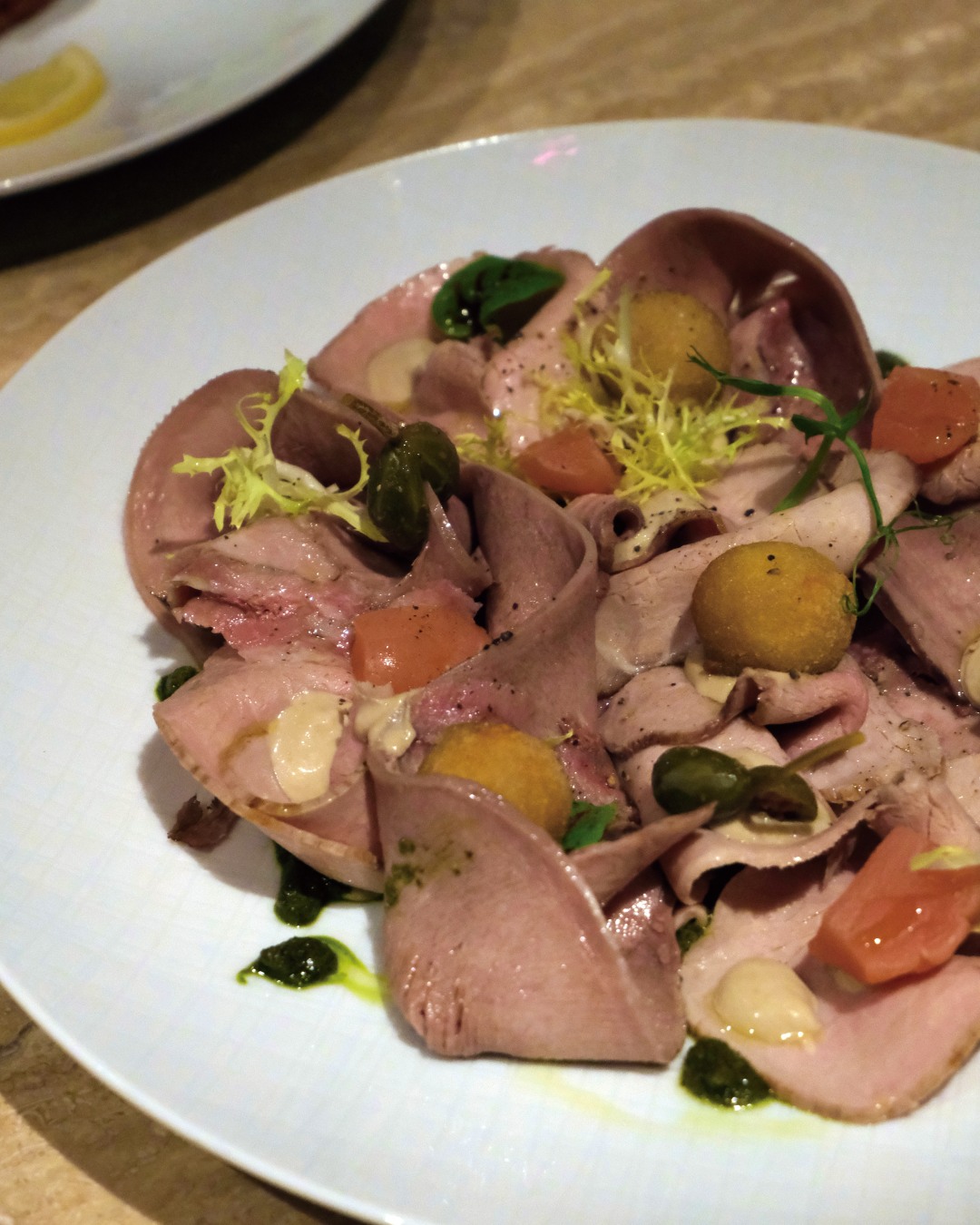
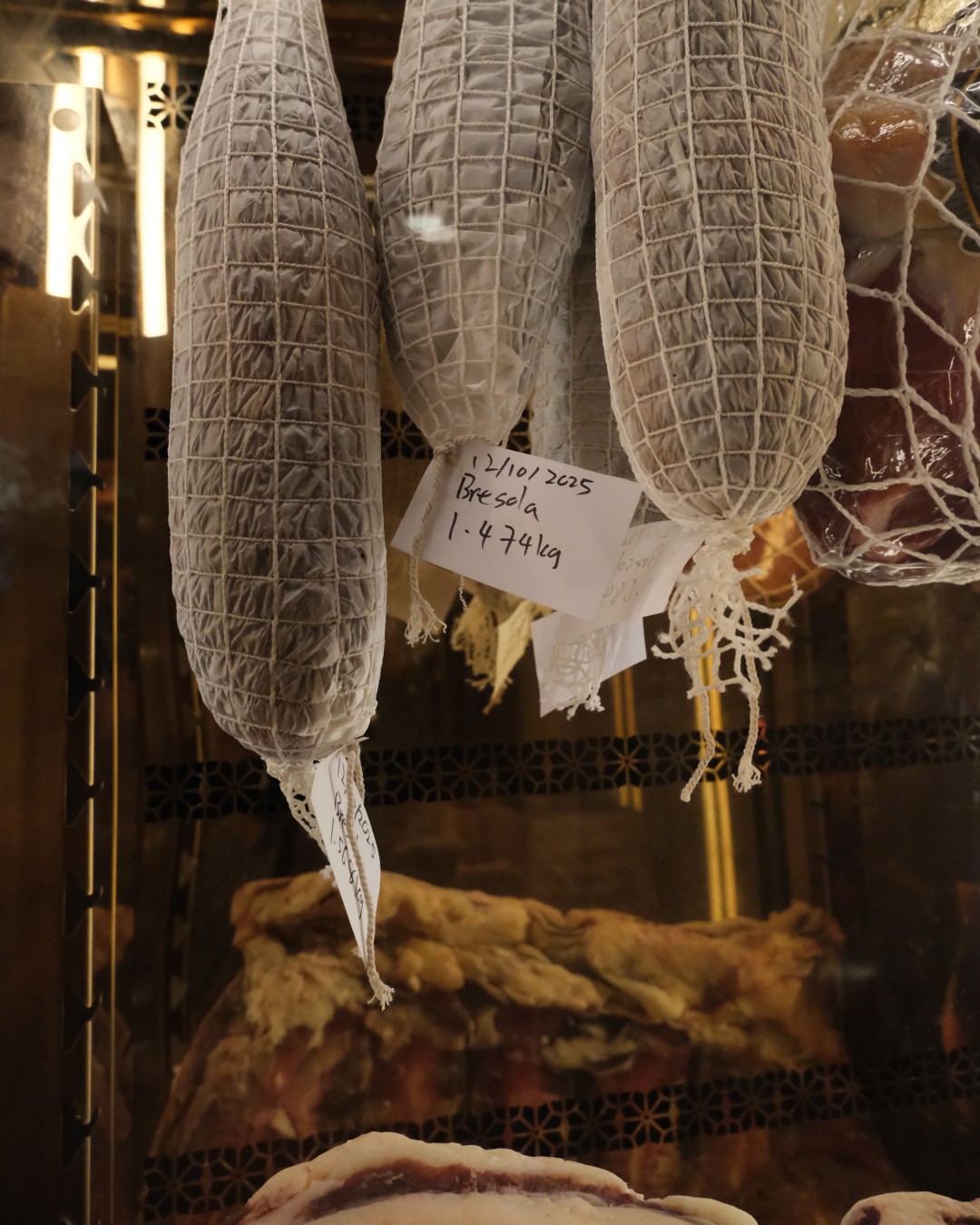
This is a must for anyone who knows their meat. It is an Italian steakhouse led by Dario Cecchini, the world-famous master butcher. Born into a family of butchers in Tuscany’s Chianti region, he carries on an eighth-generation tradition and champions a “Nose-to-Tail” philosophy. His view is that using every part of the animal properly reduces food waste and contributes to sustainability. The menu even includes an illustration of the cuts of beef, with each dish numbered by the cut it uses. The Chianti Tartare, for example, uses top round hand-chopped to order, while the Italian Bistecca Toscana uses ribeye and strip loin dry-aged for 45 days. The kitchen also serves specialty cuts sourced from top-tier farms in Italy and around the world, and the non-meat dishes, such as zucchini spaghetti and grilled Italian sea bass, are excellent too. For a romantic mood, come in the evening. On the 39th floor of the Mondrian Hong Kong, the restaurant lets you take in the brightly lit skyline of Tsim Sha Tsui, Victoria Harbour and Hong Kong Island beyond, all in one view as you dine.

+Nearby Attractions
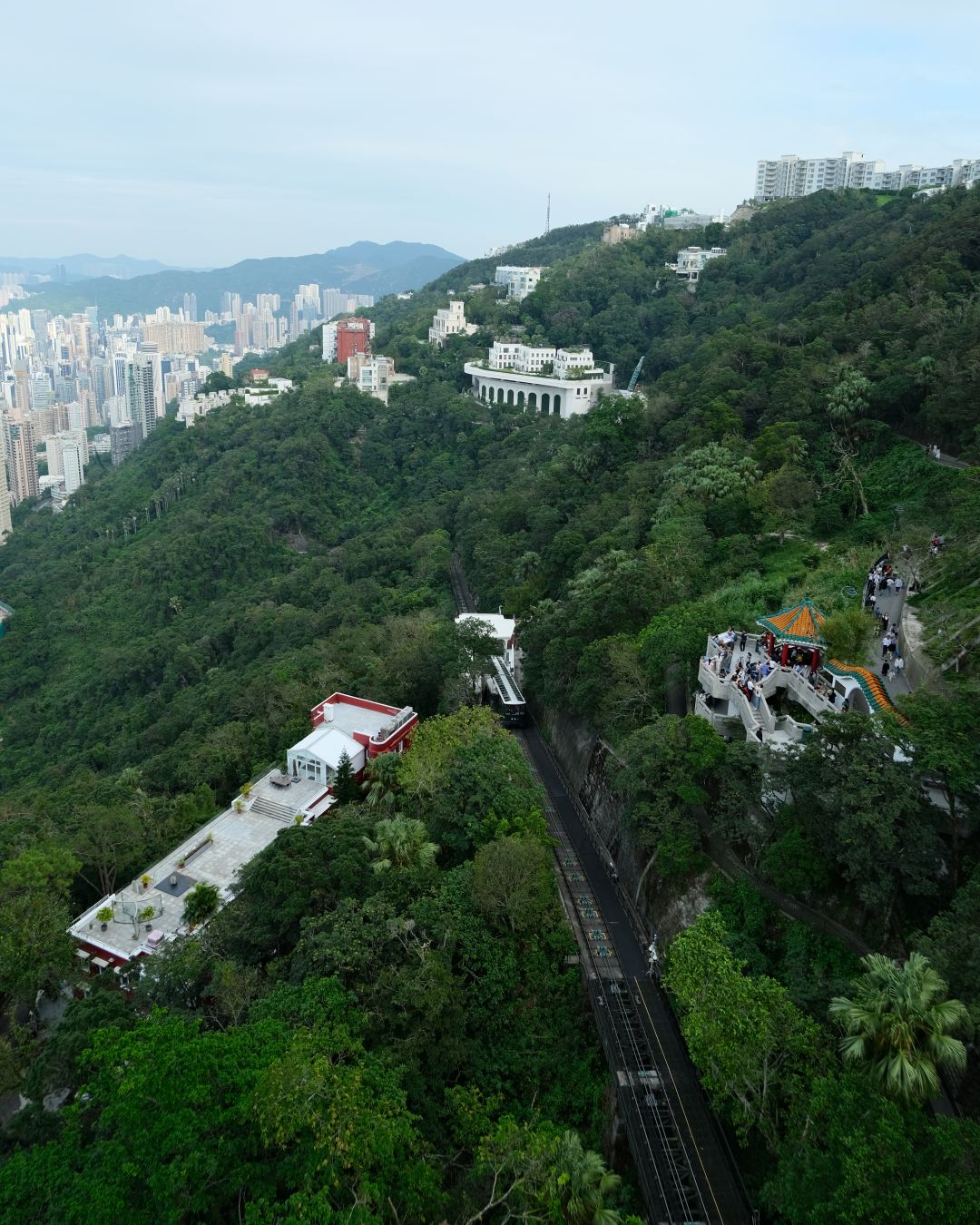
Opened in 1888 as Asia’s first mountain funicular, the Victoria Peak Tram is without question one of Hong Kong’s icons. It climbs the steep slope of Hong Kong Island to Victoria Peak, 552 meters above sea level, in about eight minutes, and the dizzying incline of the track, which reaches a maximum gradient of 25.7 degrees, is a quiet thrill. At the summit, the greenery around the peak, the cityscape, the harbor and the coastline unfold in a panorama, and the view makes a superb backdrop for souvenir photos by day or night.
Night Scene
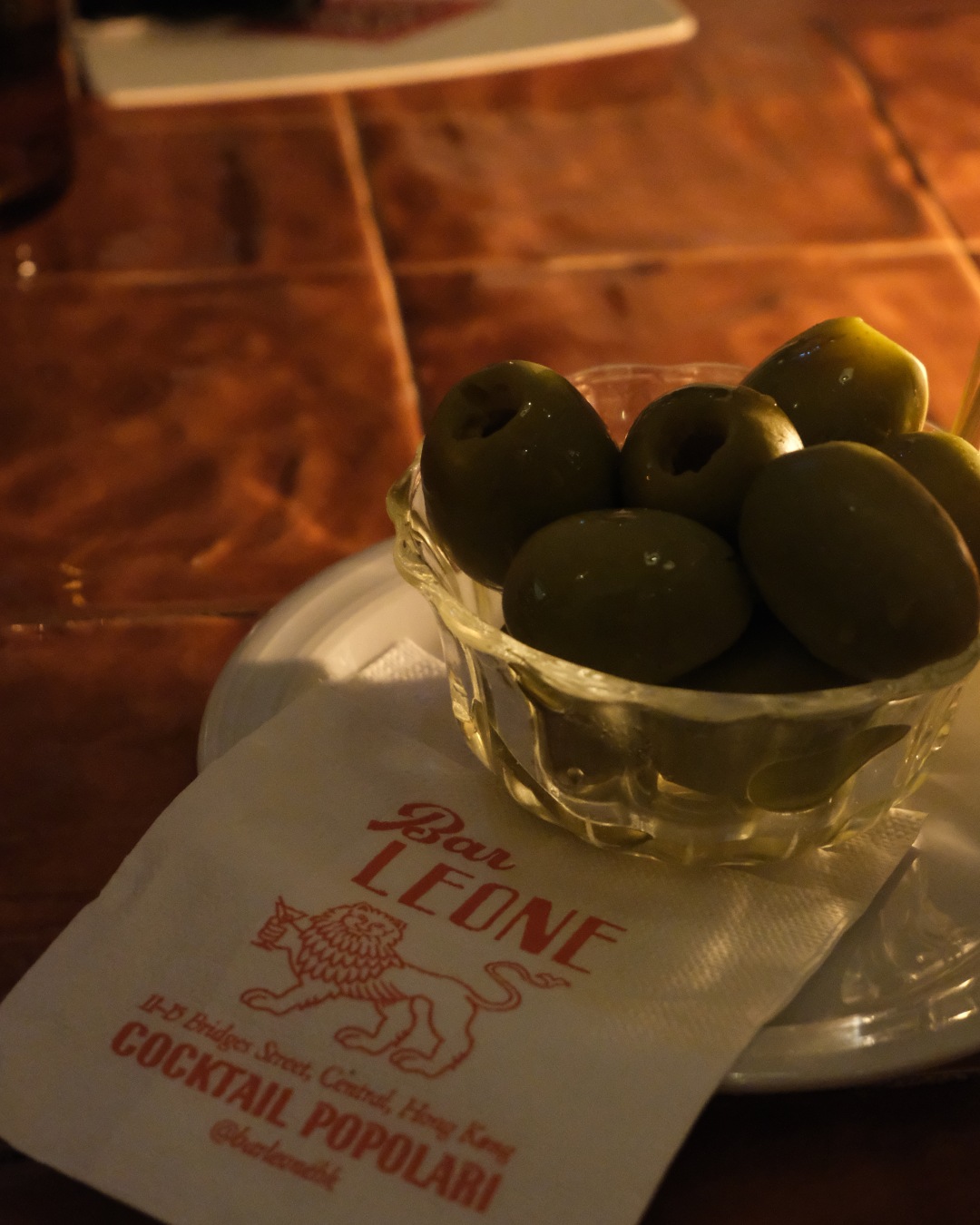
Bar Leone
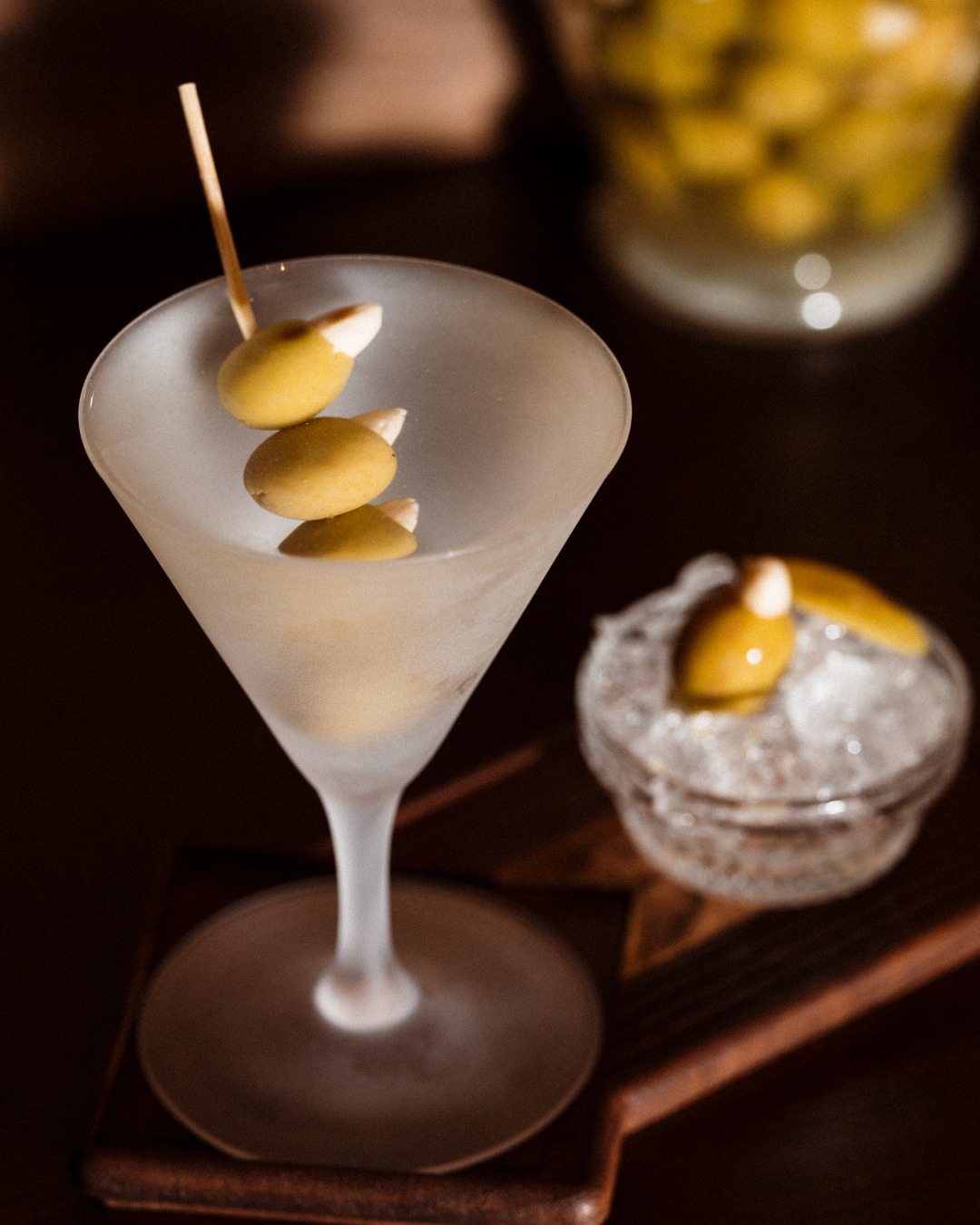
In 2024, a year after opening, it took first place on Asia’s 50 Best Bars, and in 2025 it topped the World’s 50 Best Bars list. It is the first bar that Rome-born bartender Lorenzo Antinori opened under his own name, after building his career at The Savoy in London and the Four Seasons hotels in Seoul and Hong Kong, among others. Drawing on long experience, he chose simple, fundamentals-driven flavors over flash. Bar Leone aims to be a familiar neighborhood bar rooted in Italian popular culture. The dimly lit interior, with vintage posters and props, a classic bar and table seating, feels casual and relaxed, and the staff are friendly and warm. The cocktails likewise keep artifice to a minimum, using seasonal ingredients and craft spirits. Whether you choose a modern take on a classic, a seasonal cocktail or one of the many collaboration drinks, you won’t be disappointed. Be sure to try the bar snacks too, such as the Roman-style Mortadella Focaccia, which carries Antinori’s childhood memories.
[Interview with Lorenzo Antinori]
Q1. Why did you settle in Hong Kong after living in several cities?
The biggest influence was Sheung Wan, a neighborhood that reminds me of the streets of Rome. At first it felt a little chaotic, but I came to love the contrast between the city’s fast, modern rhythm and its abundant nature.
Q2. How is Hong Kong’s bar culture different from other places?
Hong Kong’s bar scene is dynamic. It offers all kinds of opportunities and experiences, to guests and mixologists alike. Personally, I draw a lot of inspiration from Hong Kong’s rich food culture.
Q3. What do you hope people experience at Bar Leone?
Bar Leone aims for the friendly, warm atmosphere of a neighborhood bar. Inspired by the 1970s and ’80s, we wanted to create a space that evokes nostalgia. Our motto is “cocktail popolari,” cocktails for the people that anyone can enjoy.
Q4. What was the secret to being named No. 1 on the World’s 50 Best Bars in 2025?
Traditional bartending, great drinks and passion with real sincerity. I believe those three things decide a bar’s success. In the end, the key is the care we put into everything we do, every day.
Q5. What would you recommend to first-time visitors?
The Leone Martini, which is pre-diluted, kept in the freezer and served in a chilled glass. It’s a refined cocktail that combines Italian gin, Marsala (a fortified wine produced in Marsala, Sicily) and orange blossom water, garnished with an almond-stuffed olive. It best captures our Italian roots.
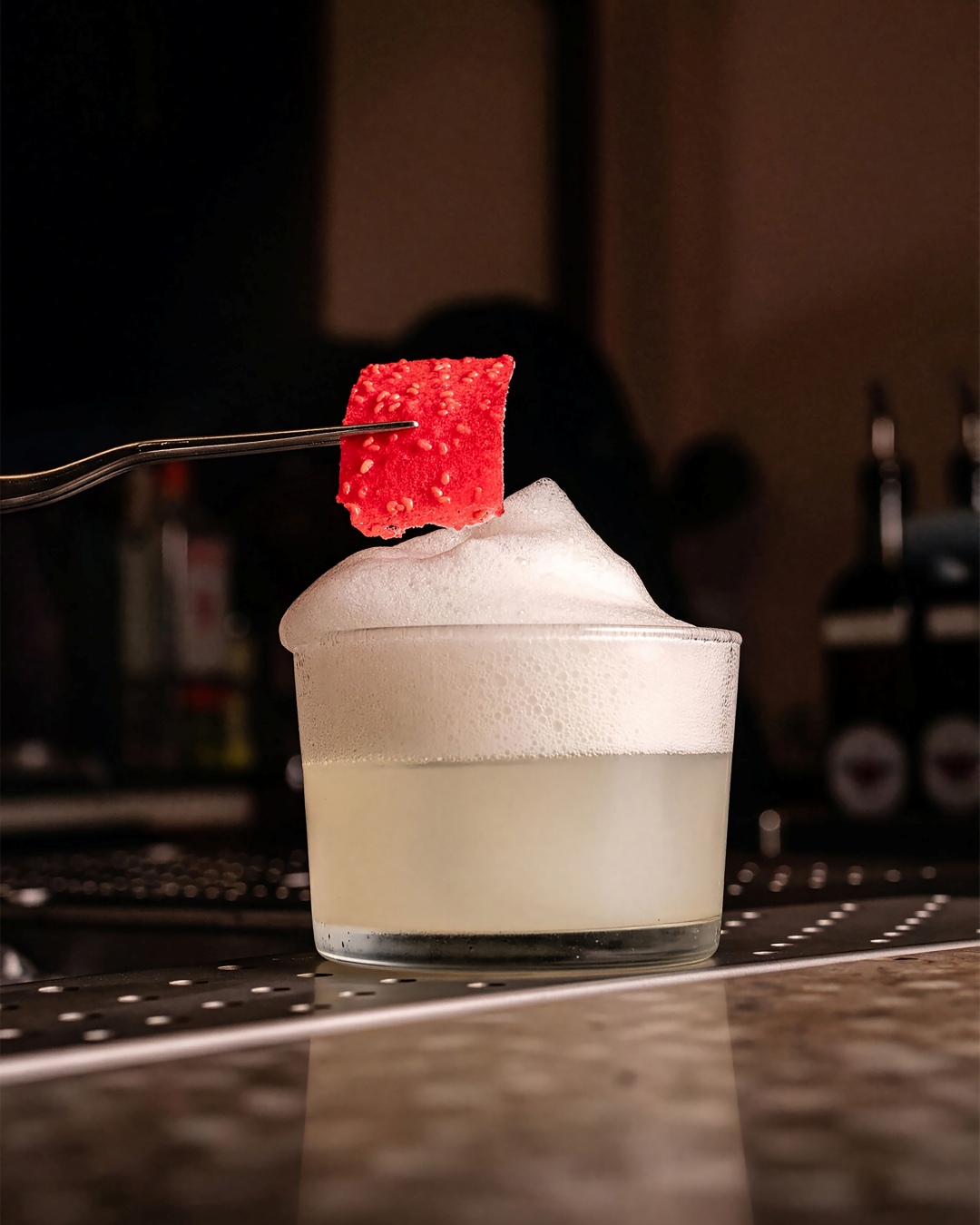
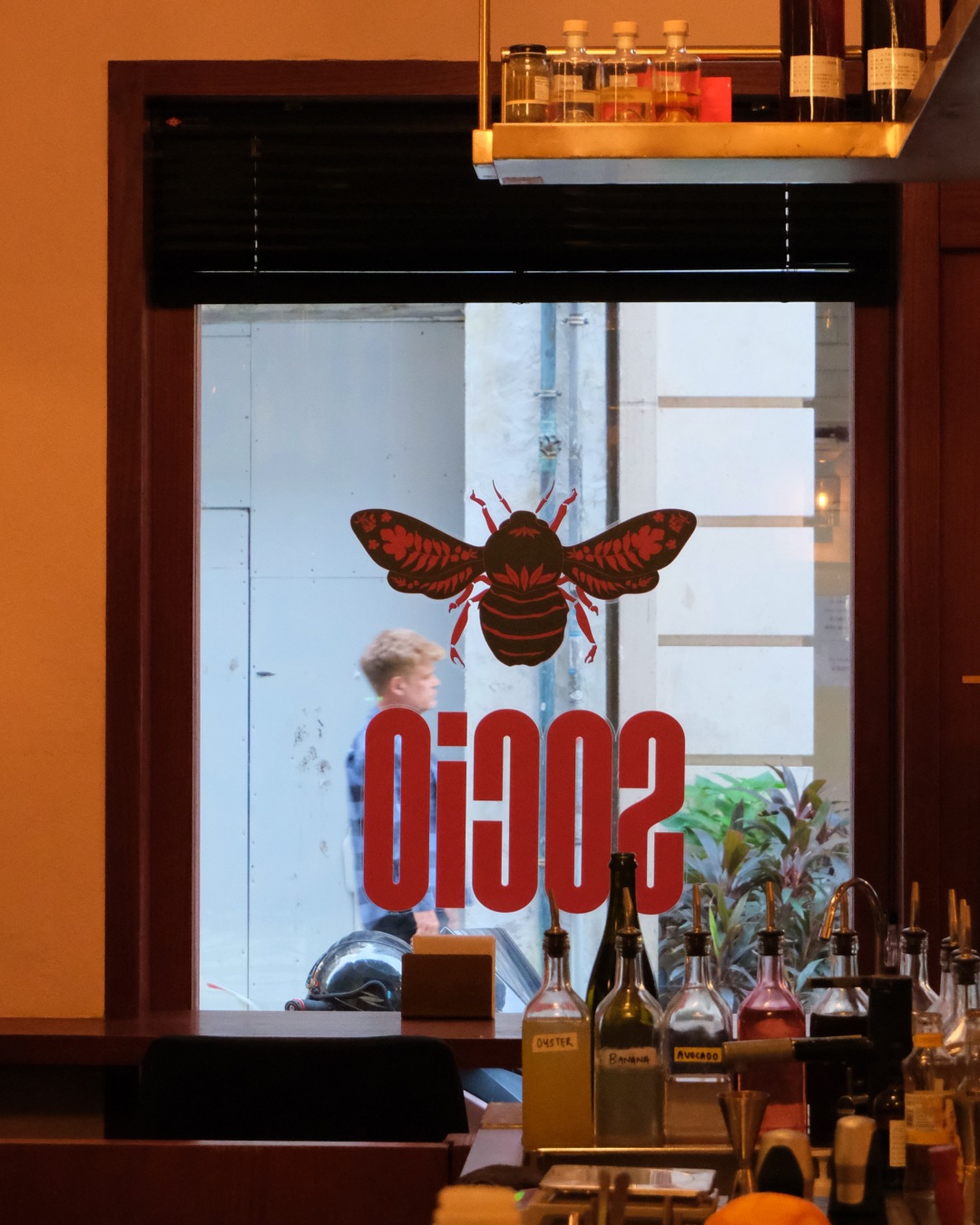
Socio
Co-founded by Amir Javaid of the UK and Max Bajracharya of Nepal, Socio is carving out its own path in Hong Kong’s bar scene with a focus on local sustainability. Its name, the Latin word for community, and the bee that serves as its brand icon express the bar’s philosophy perfectly. Every cocktail on the menu is made from leftover food and ingredients from nearby food and beverage businesses, thanks to the close network the bar has built with restaurants, cafés, and bars around Soho, where it is located. The upcycled ingredient is also the name of the cocktail. Corn Husk uses corn husks sourced from the Mexican restaurant Chicano; Stout is made from leftover dark beer from the restaurant and bar Staunton’s; and Banana Peel was inspired by banana peels discarded at the cake shop Butter. The names may be plain, but the flavors are as original and distinctive as the ideas and techniques behind them.
[Interview with Amir Javaid]
Q1. Why did you turn your attention to sustainability in Hong Kong’s bar scene?
I’ve always cared about sustainability since moving to Hong Kong. It’s a city that produces a lot of waste. I used to run a restaurant, and seeing firsthand how much food gets thrown away made me aware of the problem.
Q2. You have many original cocktails. Where does the inspiration come from?
Since our concept is ‘local upcycling,’ most of our inspiration naturally comes from the restaurants and bars around us. Sometimes I get ideas while trying a new drink, too.
Q3. Who would you like to see visit?
Anyone! Everyone is welcome who wants to experience new and creative cocktails.
Q4. What are your plans going forward?
We want to develop a wider variety of drinks. We’re currently working on 12 new menu items. We also plan to open a bar in Shanghai in the future.
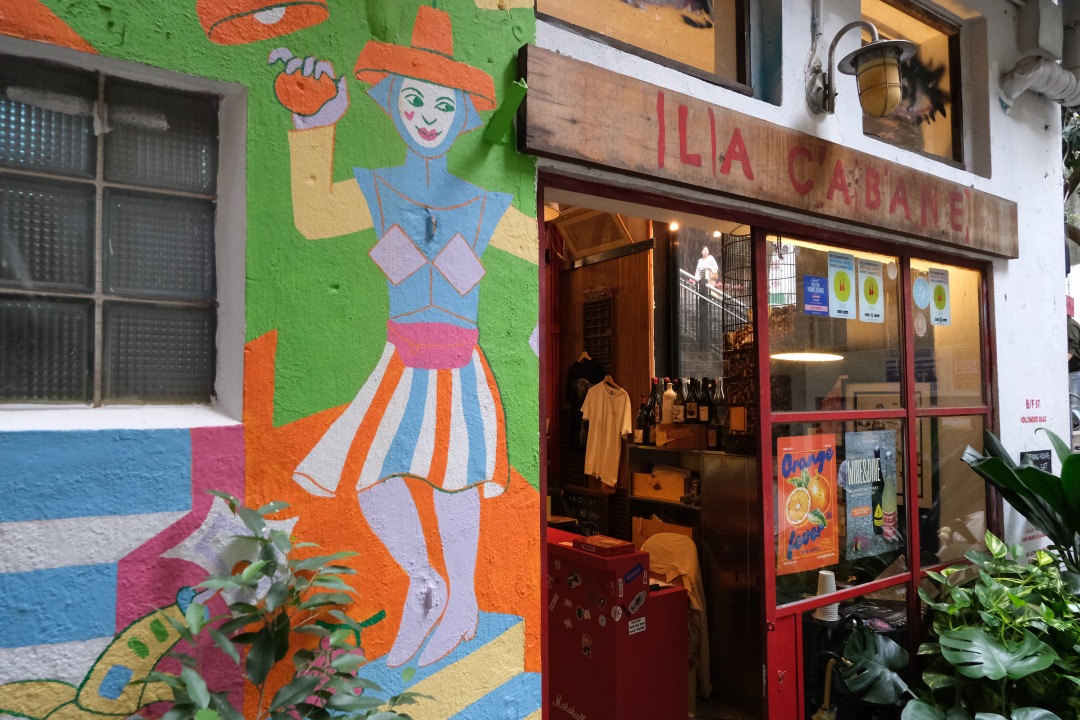
+Nearby
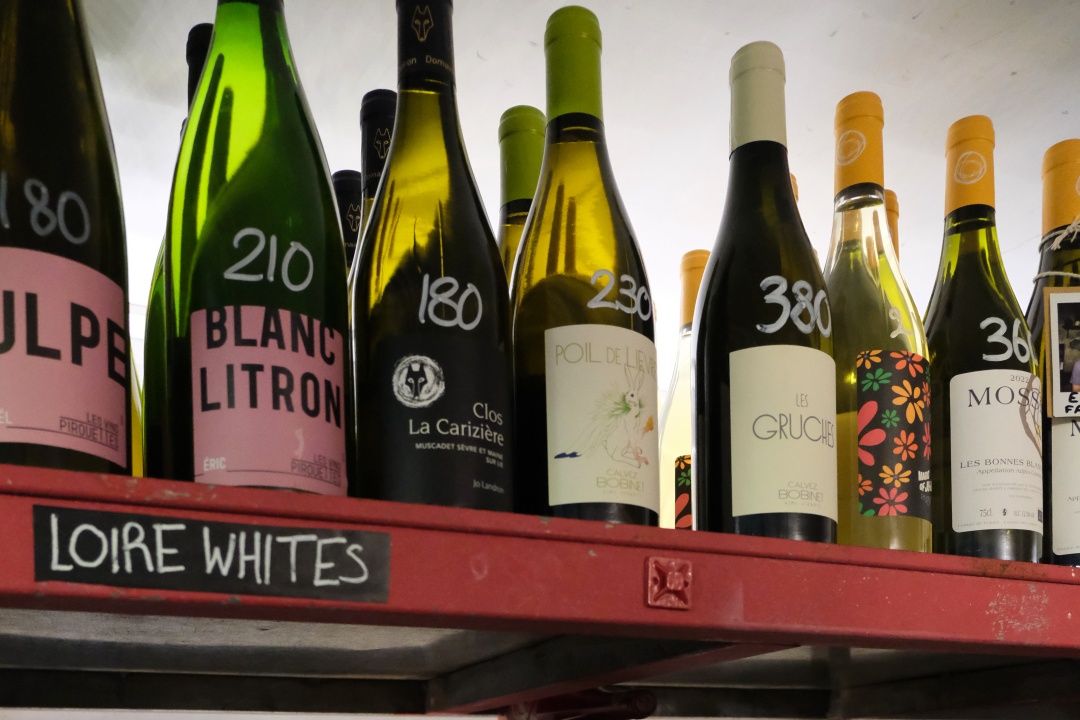
La Cabane, a natural wine bar, was Hong Kong’s first shop specializing in natural and biodynamic wines. It carries more than 700 wines from small wineries around the world, centered on France but also including Australia, New Zealand, and South Africa. It also sells cheese, charcuterie, olive oil, and other foods to pair with wine, making it a good place to buy them together. A bistro operates nearby as well.